
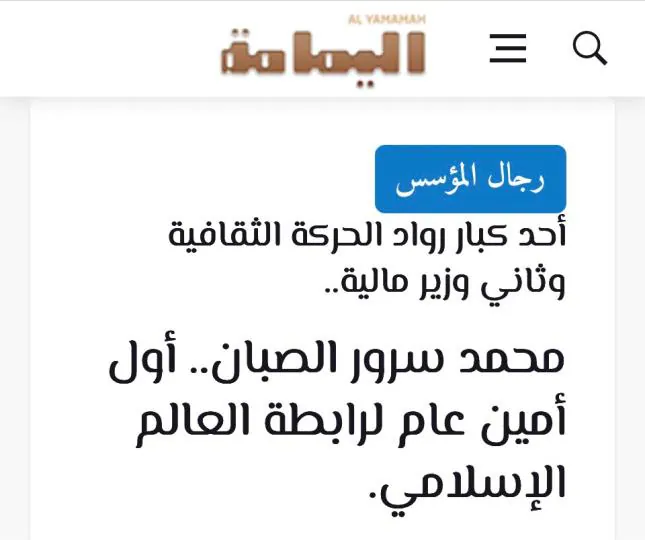
Pioneers from My Country: Muhammad Surur al-Sabban
The life of Muhammad Surur al-Sabban: his upbringing, his writings, the posts entrusted to him, and his role in the literary and cultural movement.
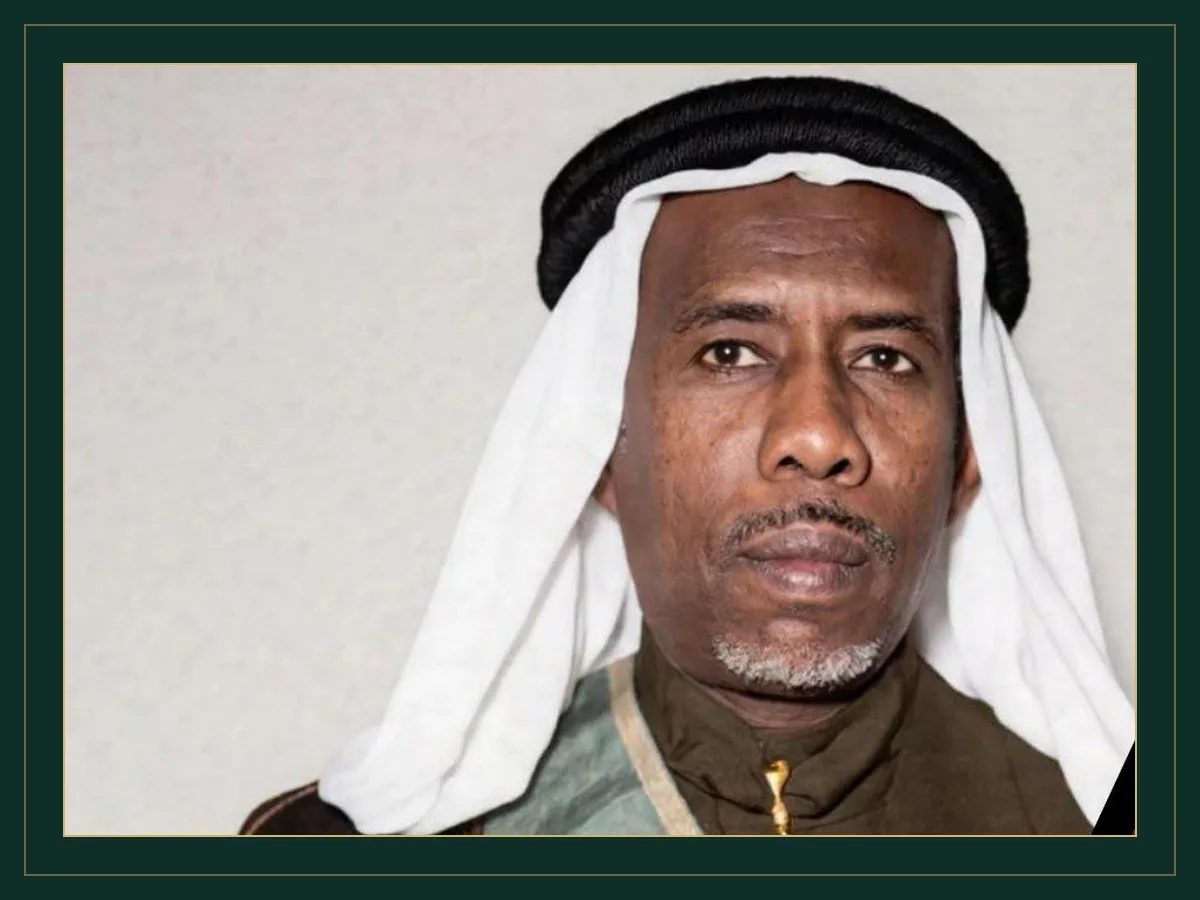
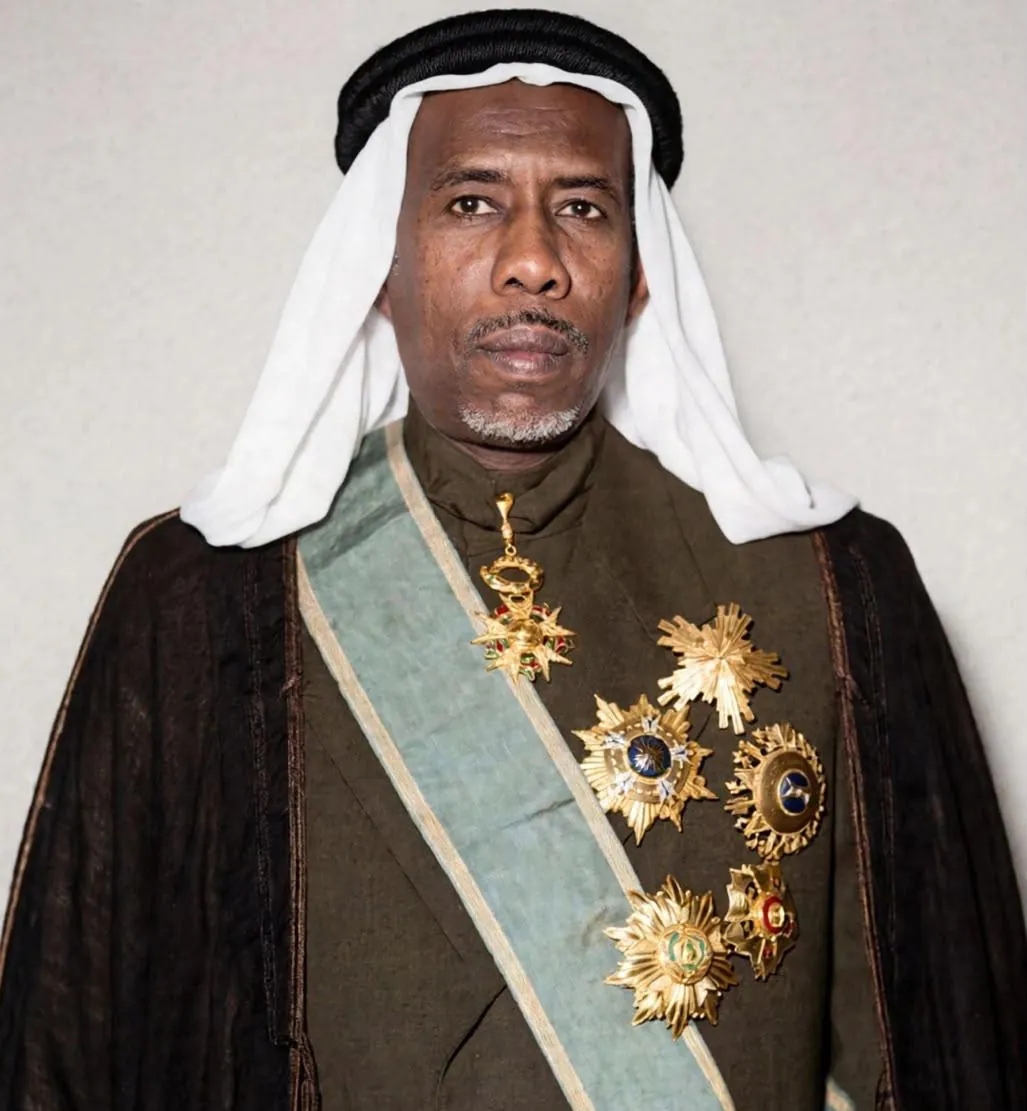
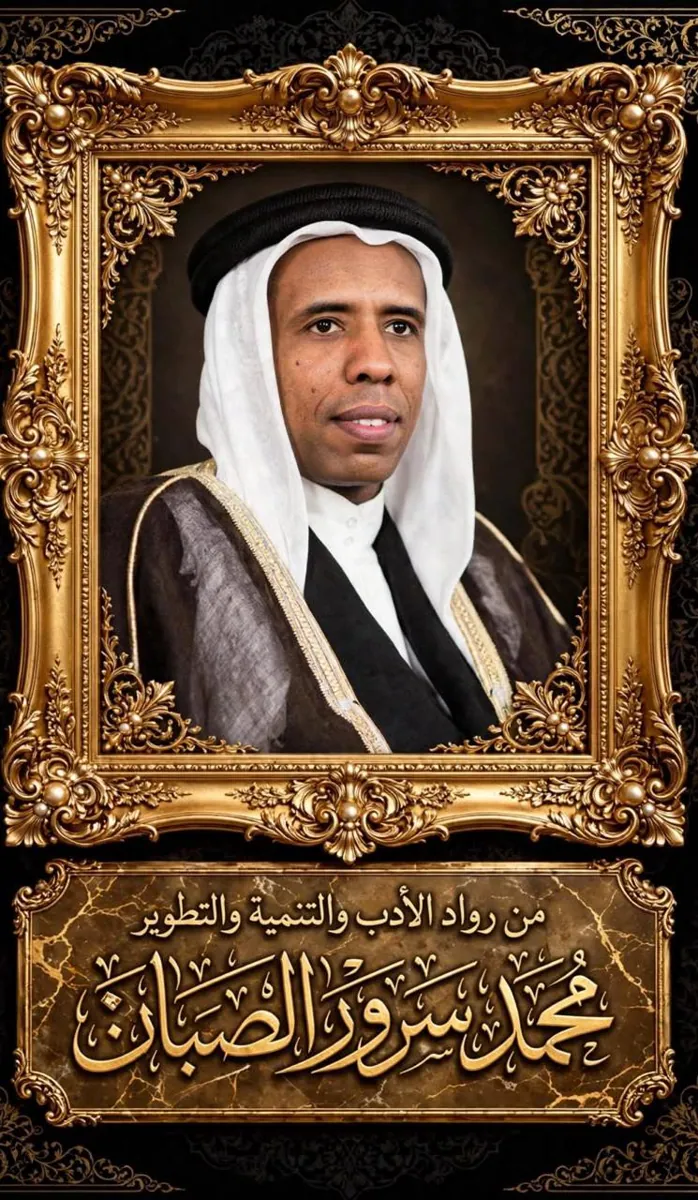
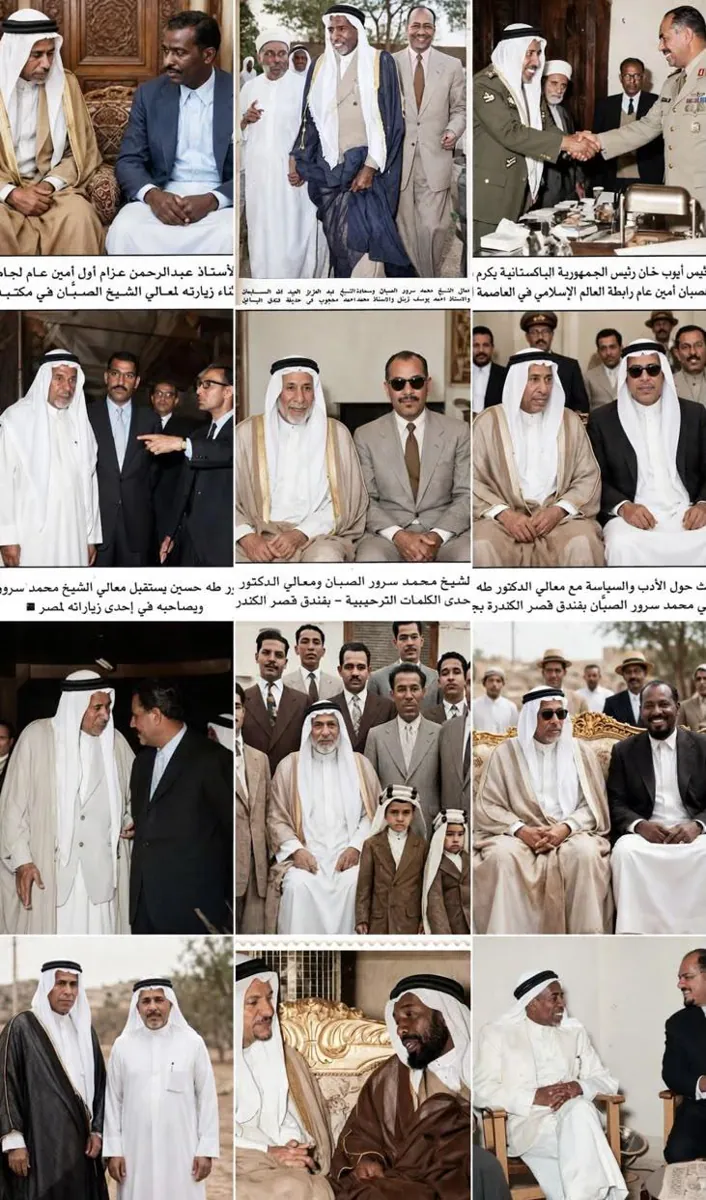
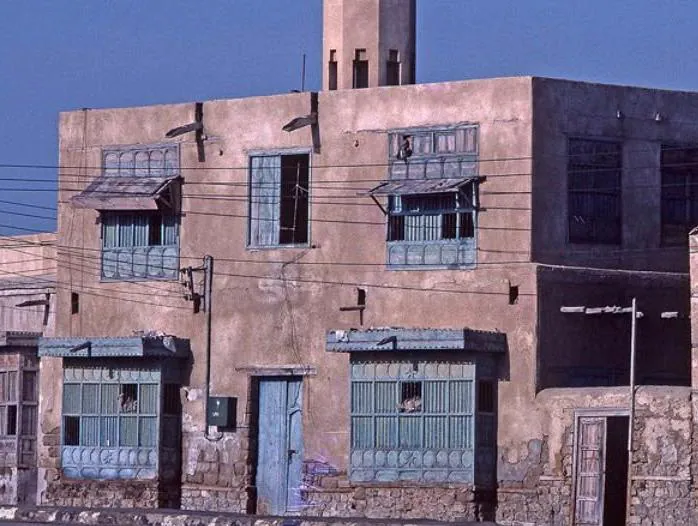
Al-Sabban was born
in the town of al-Qunfudhah on the Red Sea coast in 1898, and moved with his parents and his brothers Awad and Abdullah to Jeddah in 1902, where he joined the kuttab schools and received lessons in the Arabic language and the Islamic sciences.
With the outbreak of the First World War he moved with his family to Makkah, where he enrolled in the al-Khayyat school.
Mansour al-Assaf wrote of him in the Al-Riyadh newspaper (10/10/2014):
"Al-Sabban had a rich career, abundant generosity and a noble mission that he managed to fulfil and pass on to the generations after him, especially as he came from a family known for great deeds and sincere actions," adding that:
"The man was ambitious, seeking success wherever he was, eager for lofty pursuits, and in love with great undertakings."
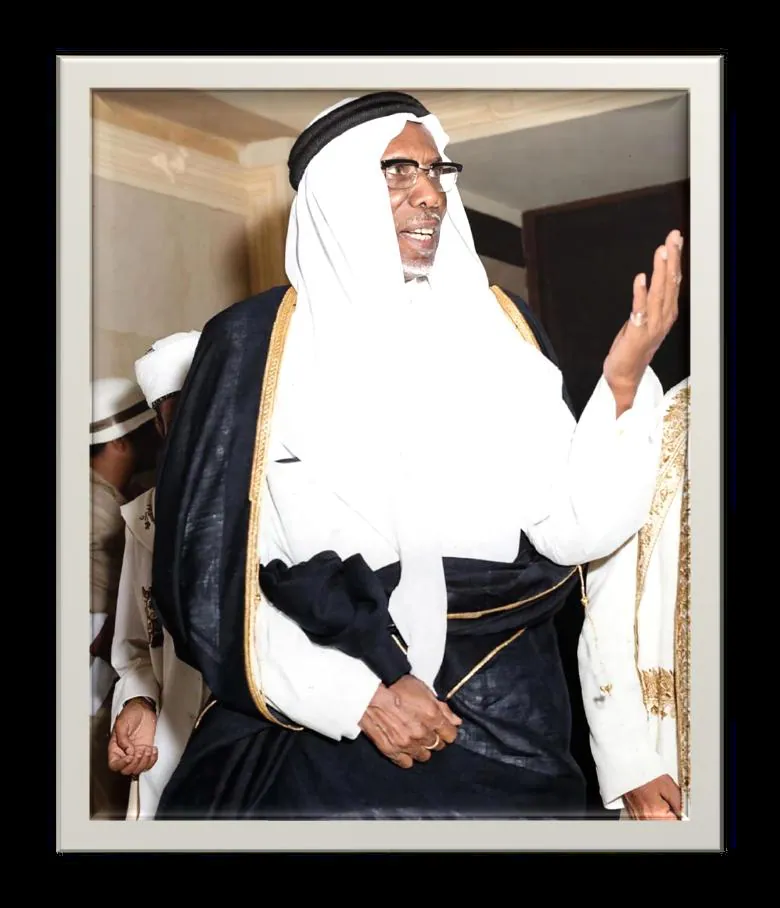
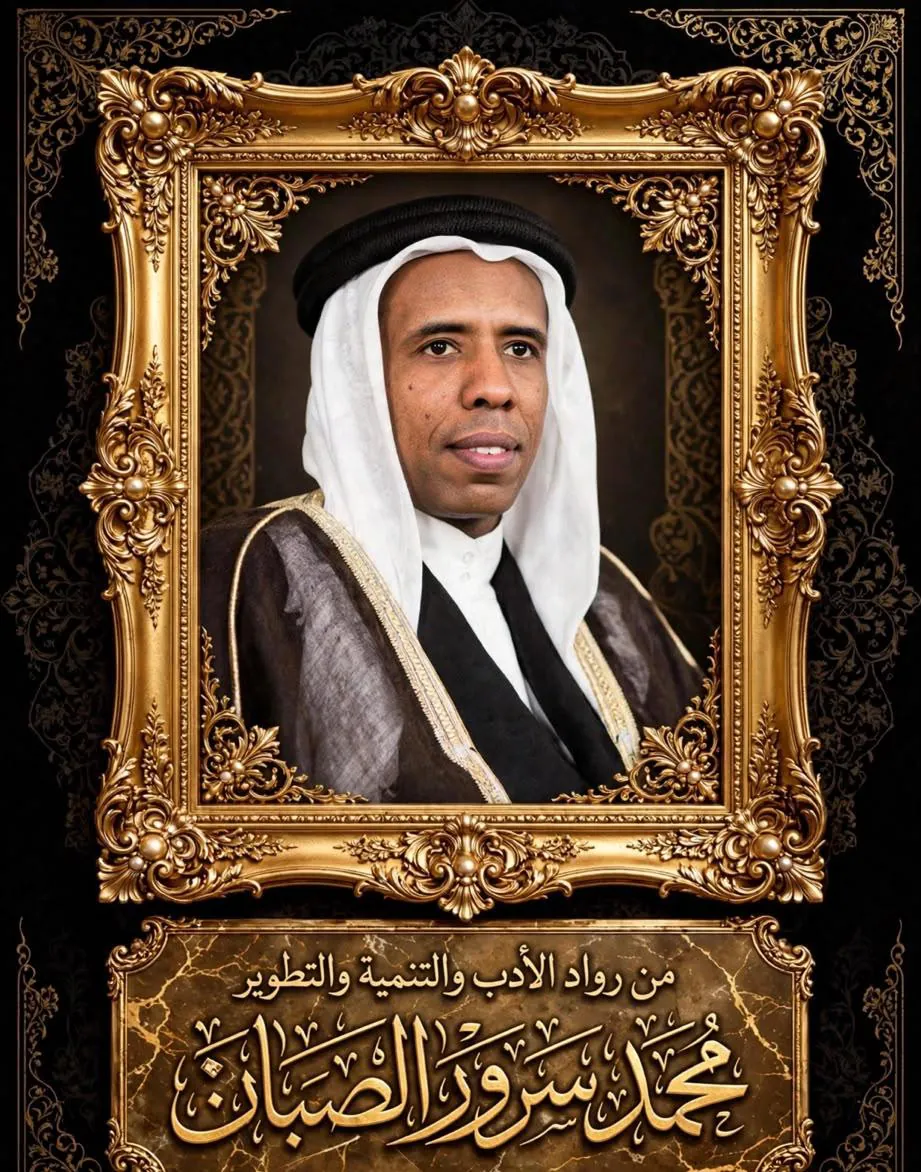
Al-Sabban was known
for his boundless passion for literature, culture and learning. From his youth he read books of history, literature, poetry and biography, old and new, and drew deeply from the wellspring of scholars and men of letters, which later made him one of the pioneers of the cultural and literary movement in Saudi Arabia.
On his schooling
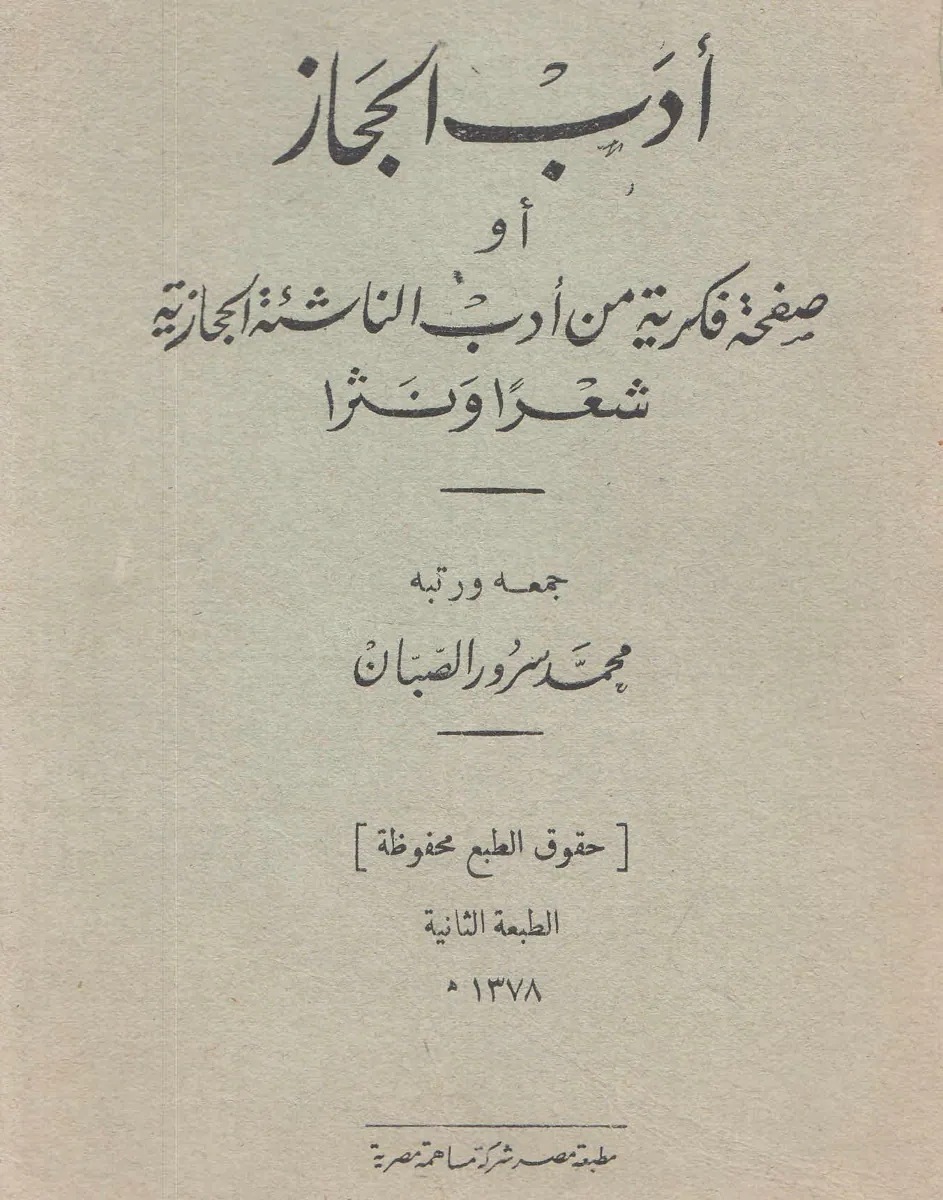
he said in his book Adab al-Hijaz (Literature of the Hijaz): "I learned reading, writing, Qur'anic recitation and arithmetic, and nothing more, in Jeddah and Makkah, in the schools that existed at the time, and I left them for working life without completing my studies," explaining that "there were no houses of learning where an eager student could find what he sought of knowledge and literature, apart from a limited number of elementary schools, and there were only simple kuttabs where a student learned to make out the letters and was then left to his own devices, to drift east or west," as al-Assaf reported in an article about him in the Al-Riyadh newspaper.
His works
- Adab al-Hijaz (Literature of the Hijaz): 1344 AH / 1925 CE, al-Maktaba al-Hijaziyya, Makkah. It is the first literary book in Arabic literature in the Kingdom, and it brought together poetry and prose by a number of writers of the Hijaz.
- Al-Ma'rad (The Exhibition): 1345 AH / 1926 CE, al-Maktaba al-Hijaziyya, Makkah. The book contains the views of the young writers of the Hijaz on the Arabic language and on writing in the colloquial.
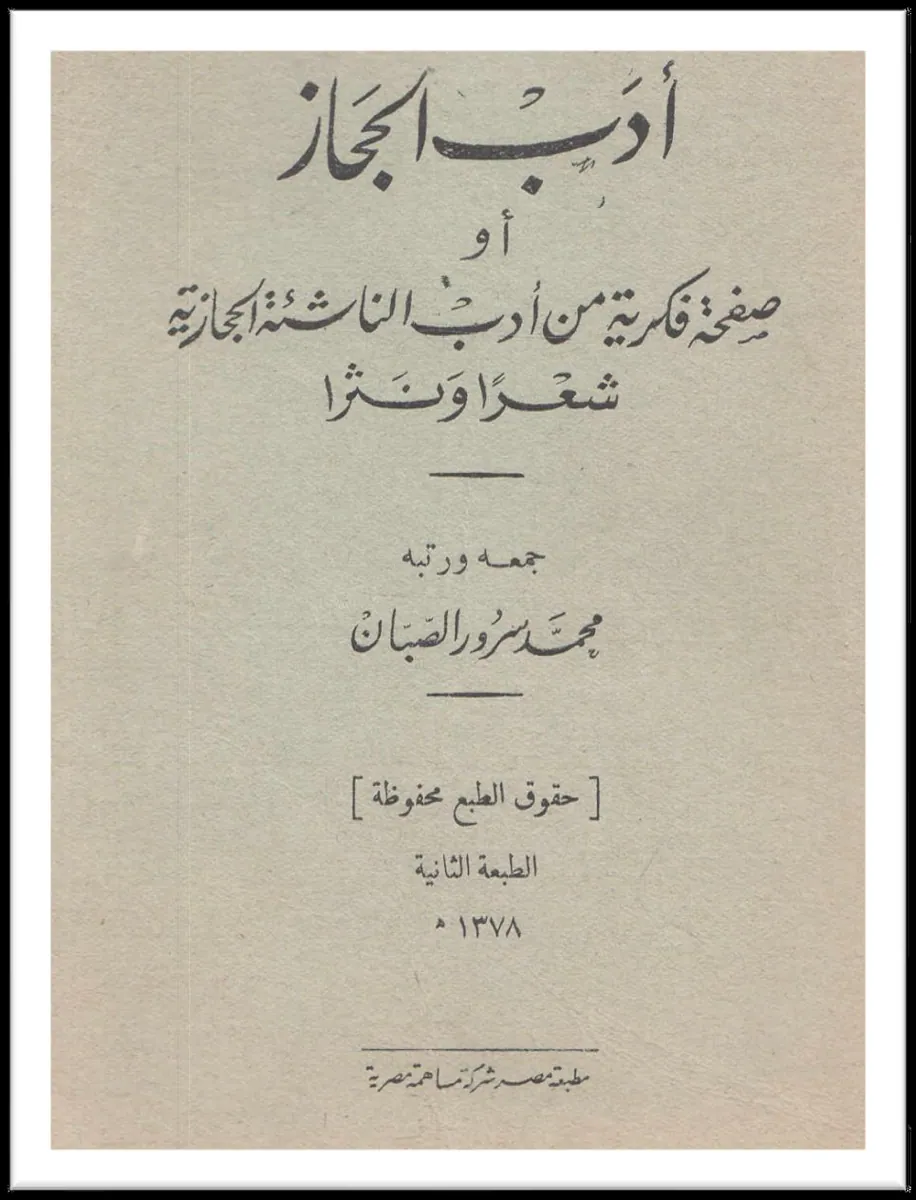
Adab al-Hijaz was al-Sabban's first published work
It appeared in 1344 AH, corresponding to 1925, and, according to its author, contained poetry and prose by a group of 15 young writers of the Hijaz, among them al-Sabban himself, who said of himself in jest:
"As for my picture, which someone asked me to place on the first page of the book and I declined, it is a case of the saying: 'It is better to hear of al-Mu'aydi than to see him.'"
His business ventures
From his youth he worked in commerce. He was an ambitious figure who loved great undertakings, among them founding major economic enterprises. His most important commercial and economic projects include the following:
- Managing al-Qana'a Motor Company in Makkah.
- He founded and chaired the boards of the following companies:
- 1- Al-Falah Motor Company, in his name and those of his brothers.
- 2- The Arab Motor Company.
- 3- The Arab Printing and Publishing Company, which bought the Sawt al-Hijaz newspaper and its press.
- 4- The Qirsh (Piastre) Project, a charitable project.
- 5- The Arab Savings and Economy Company.
- 6- The Arab Export Company.
- 7- The Jazan Salt and Electricity Company.
- 8- Al-Zahraa Construction Company.
- 9- The Makkah Mushaf Company.
Posts and duties entrusted to him
- Daily-register clerk at the Makkah Municipality under the Sharifs in 1336 AH, then accountant, then head clerk (director of administrative affairs).
- After King Abdulaziz entered the Hijaz, he kept his post at the municipality.
- Elected member, then secretary, of the National Council (of the Makkah Municipality) in 1344 AH.
- Assistant to the Mayor of the Capital.
- Head of the Correspondence Bureau at the Ministry of Finance in 1352 AH.
- Director General of Administration at the Ministry of Finance.
- General Advisor to the Ministry of Finance.
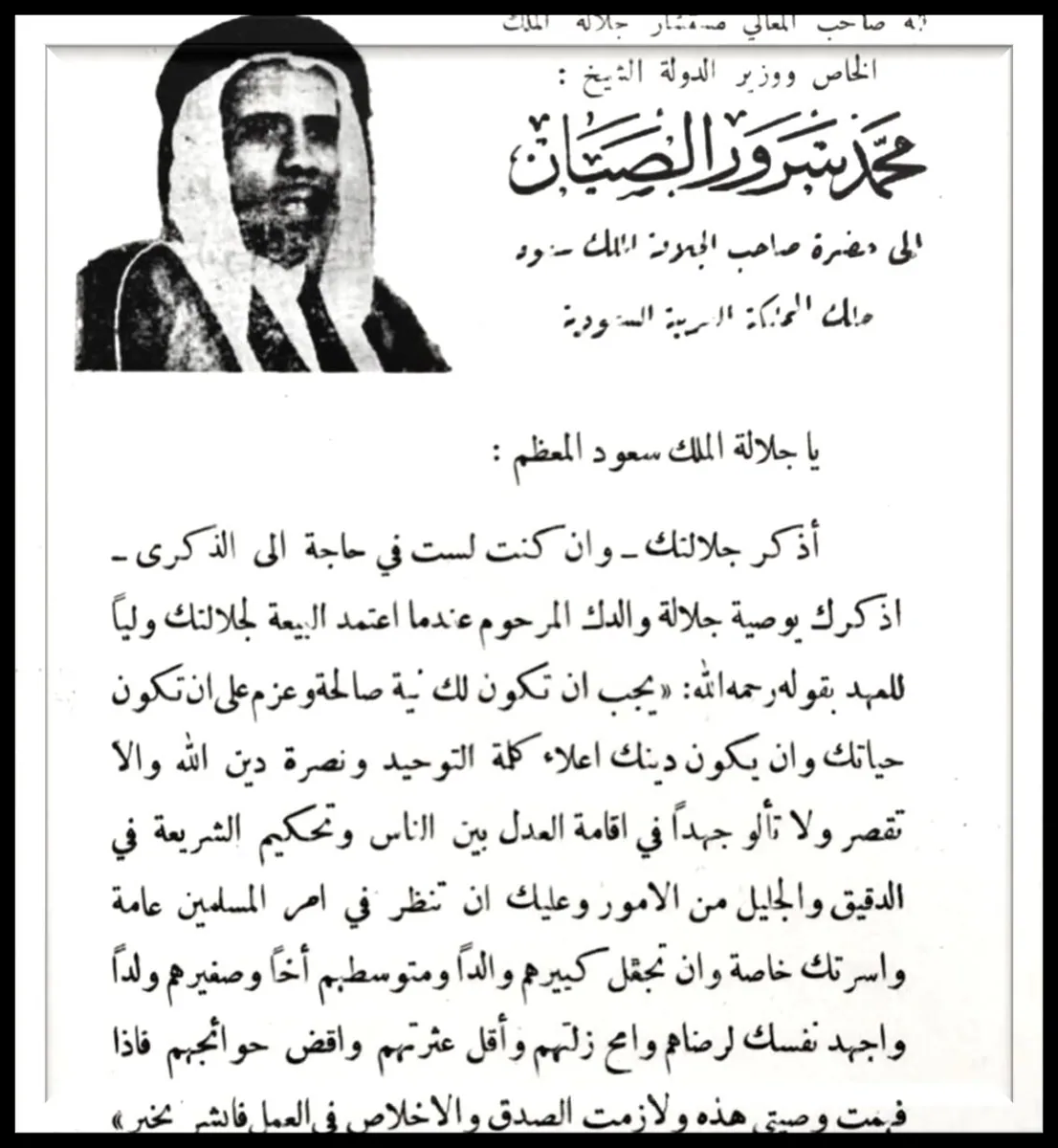
- Minister Plenipotentiary of the first rank under King Abdulaziz.
- The first Minister of State appointed, five days after the death of King Abdulaziz, may Allah have mercy on him.
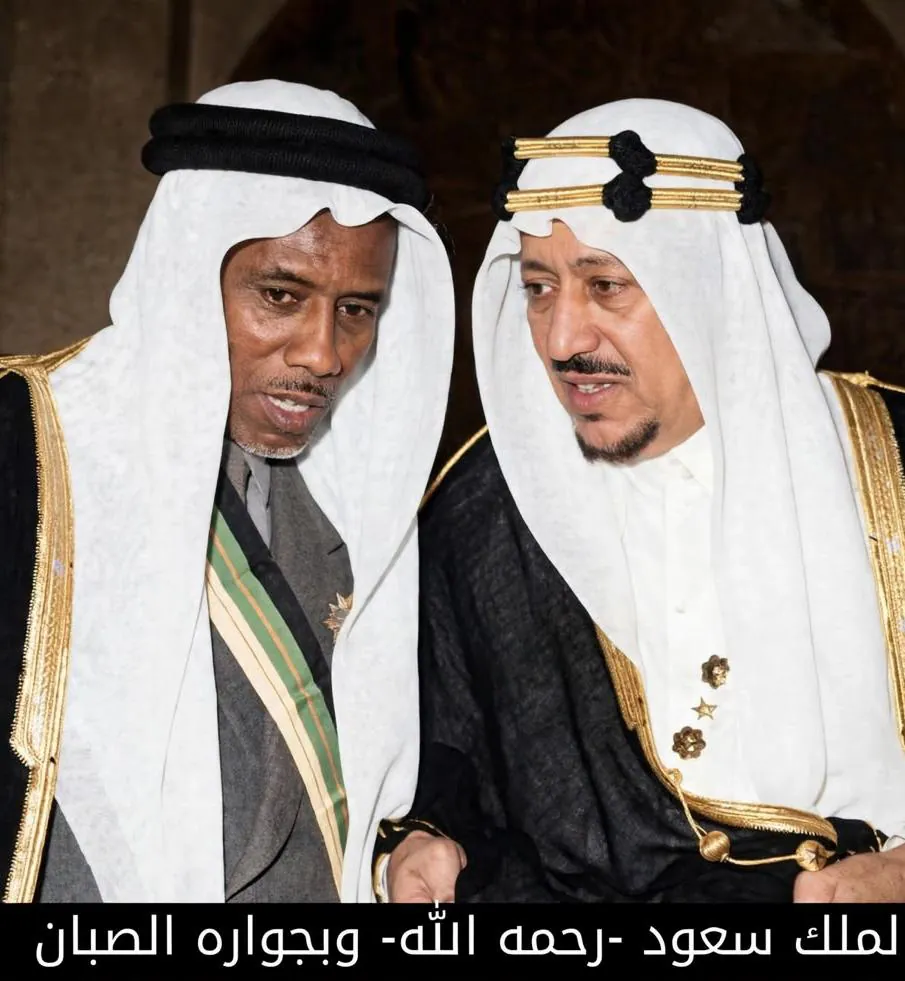
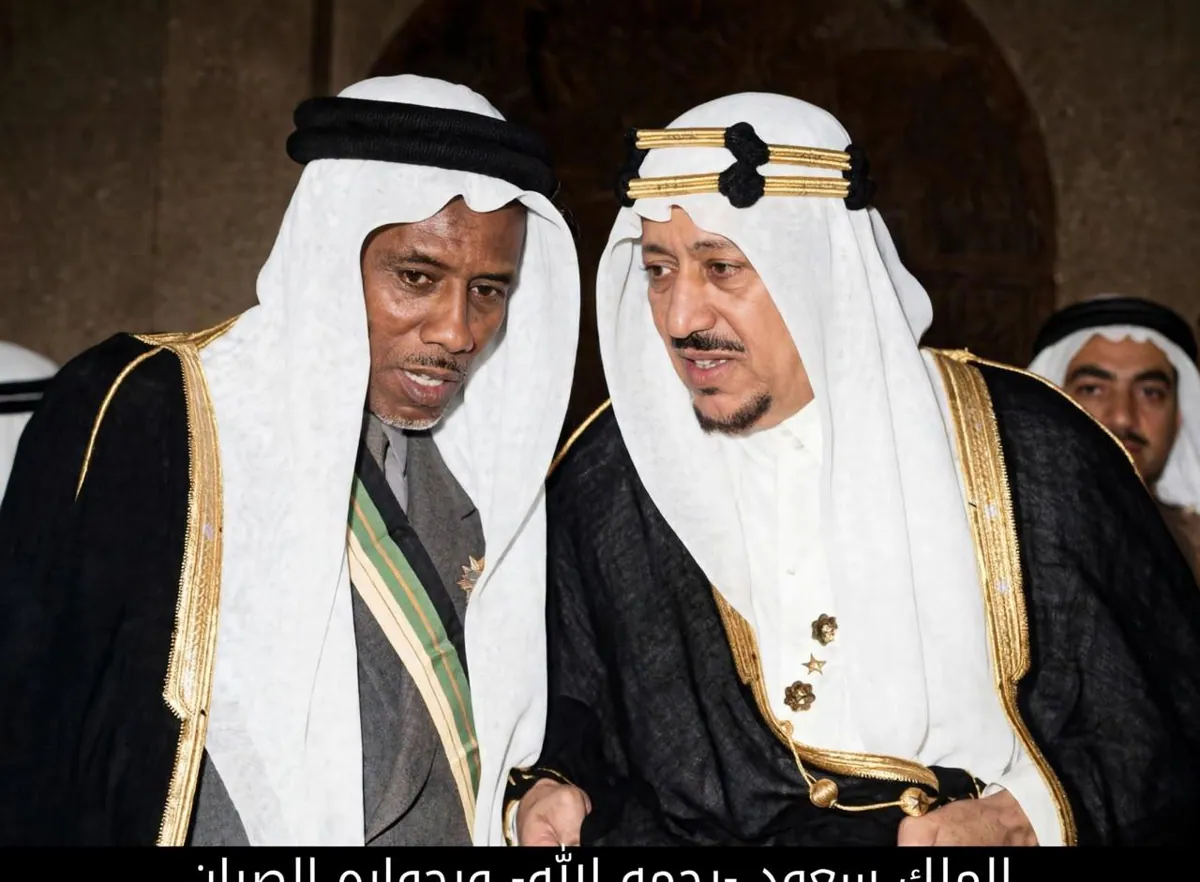
- Appointed Minister of Finance at the start of King Saud's reign.
- Chosen by King Faisal to found the Muslim World League and appointed its Secretary-General, a post he held until his death.
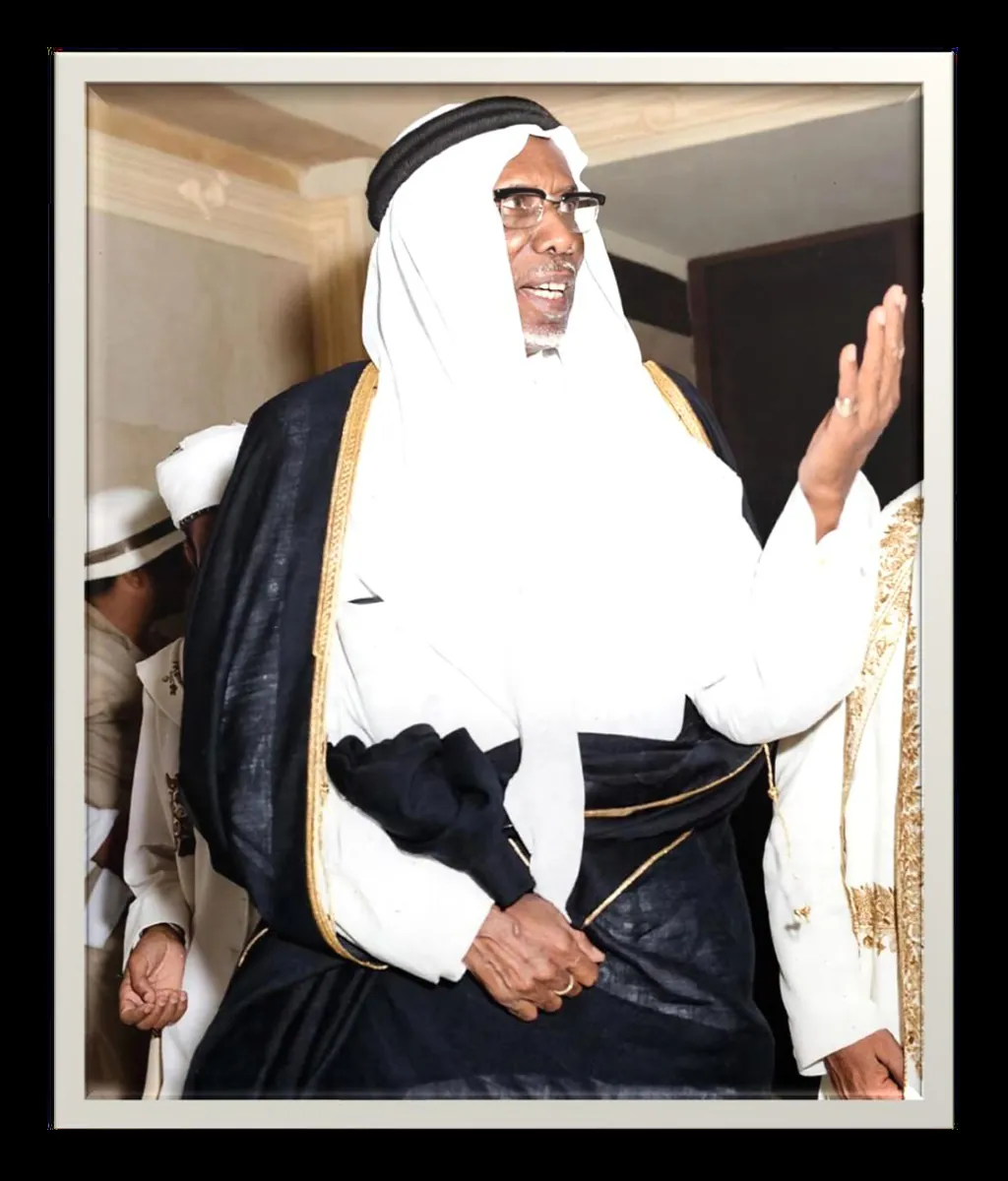
On his character, Muhammad Ali Maghribi, who worked alongside him for nearly 9 years at the Ministry of Finance, wrote:
"He gave like one who has no fear of poverty. I often worried for him at what I saw, and would gently draw his attention to what he was doing, but how could a raging torrent be turned back? Allah had made generosity and open-handedness his nature. He was very modest and kept people's secrets; these qualities kept him from confronting people with what they disliked and led him to be lavish in his courtesy and kindness towards them, just as his keeping of people's secrets kept him from prying into their affairs."
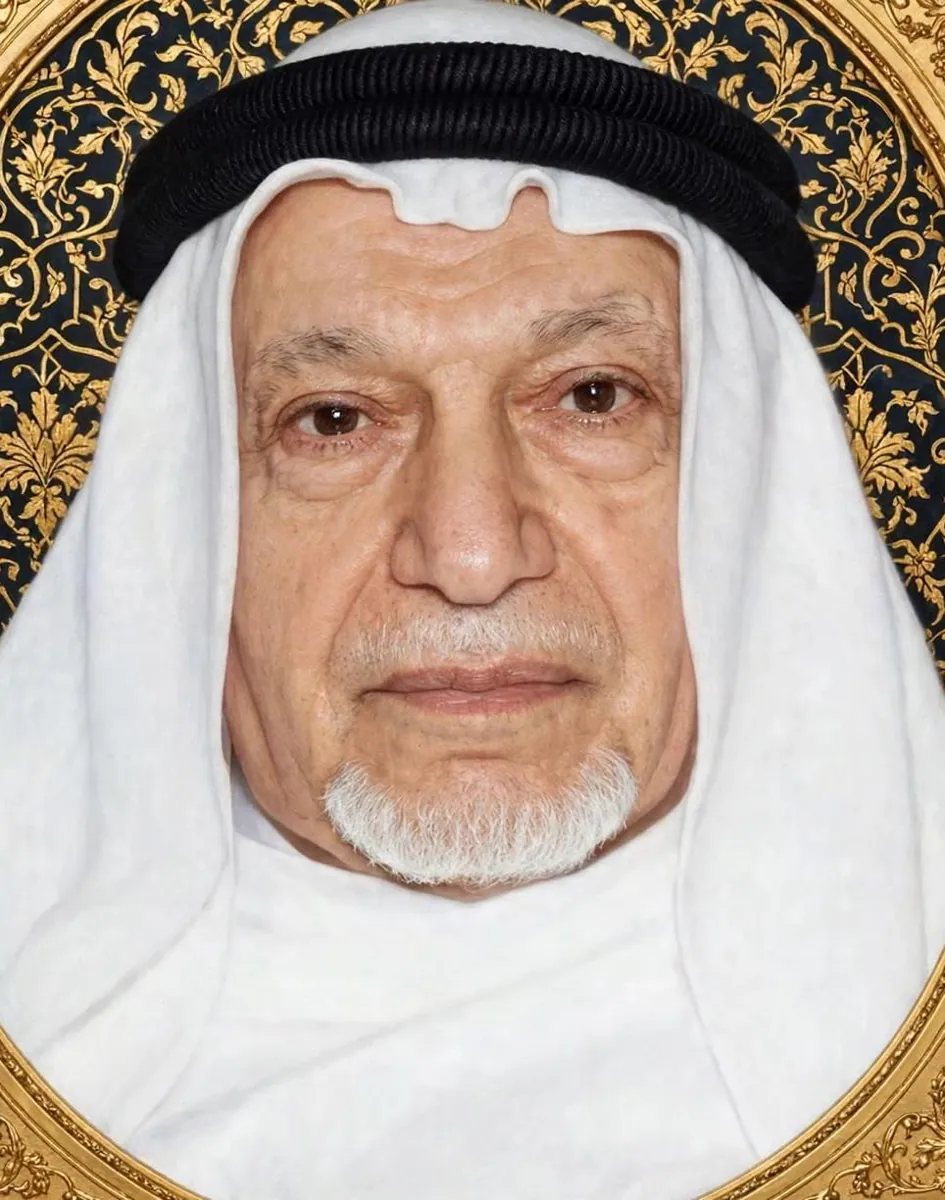
Printing books at his own expense
Muhammad Surur al-Sabban did Arab culture a great service by printing a number of books at his own expense, including:
- Al-'Iqd al-Thamin fi Tarikh al-Balad al-Amin (The Precious Necklace on the History of the Secure City) by Taqi al-Din al-Fasi (8 volumes).
- Shifa' al-Gharam bi-Akhbar al-Balad al-Haram (Healing the Ardent on the Accounts of the Sacred City) by Taqi al-Din al-Fasi (2 volumes).
- Al-Turuq al-Hukmiyya (The Ways of Judgement) by Ibn Qayyim al-Jawziyya.
- Tafsir Ma'ani Kalimat al-Qur'an (Explanation of the Meanings of the Words of the Qur'an) by Sheikh Muhammad Hasanayn Makhluf.
- Mukhtar al-Sihah (Selections from al-Sihah).
- Tahdhib al-Sihah (Refinement of al-Sihah) by al-Zanjani.
- Madarij al-Salikin (Stations of the Seekers) by Ibn Qayyim al-Jawziyya.
- Diwan Fuad al-Khatib (The Collected Poems of Fuad al-Khatib).
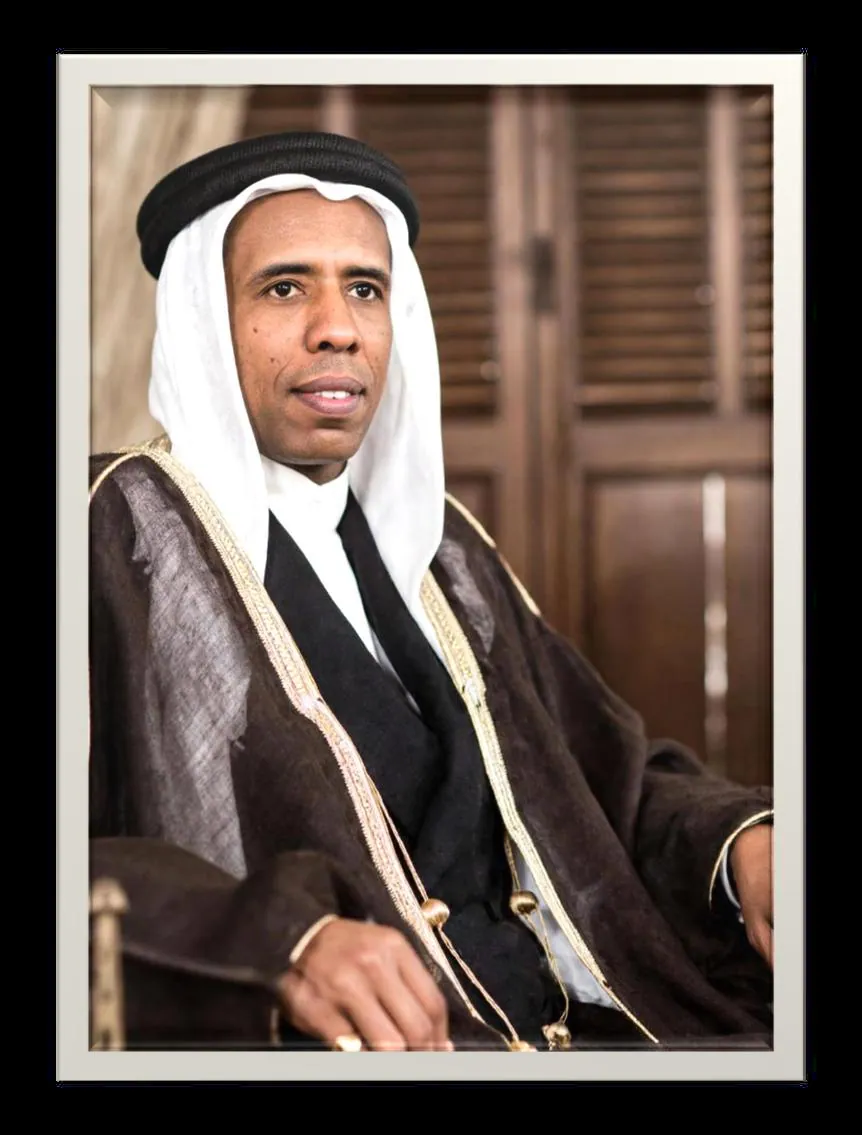
Al-Sabban (born 1898 CE)
is regarded as one of the pioneers who laid the first seeds of civil-society institutions in the Hijaz, whose effectiveness and symbolic role lay in their independence from the political establishment, a modern civic feature in which the Hijaz preceded the rest of the Arabian Peninsula, such as:
- The Charitable Ambulance Society: founded in 1934, regarded as the nucleus of cultural and literary institutions in the Kingdom, in addition to its health and social role.
- The Palestine Qirsh (Piastre) Society: founded in 1935.
- The Committee for the Defence of Palestine: founded in 1937.
Competence and devotion
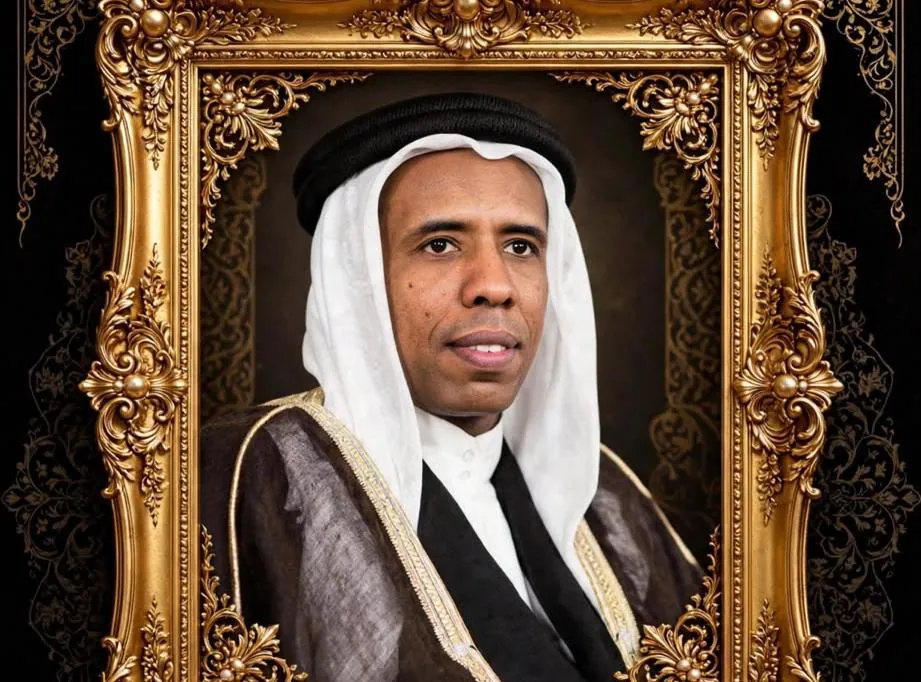
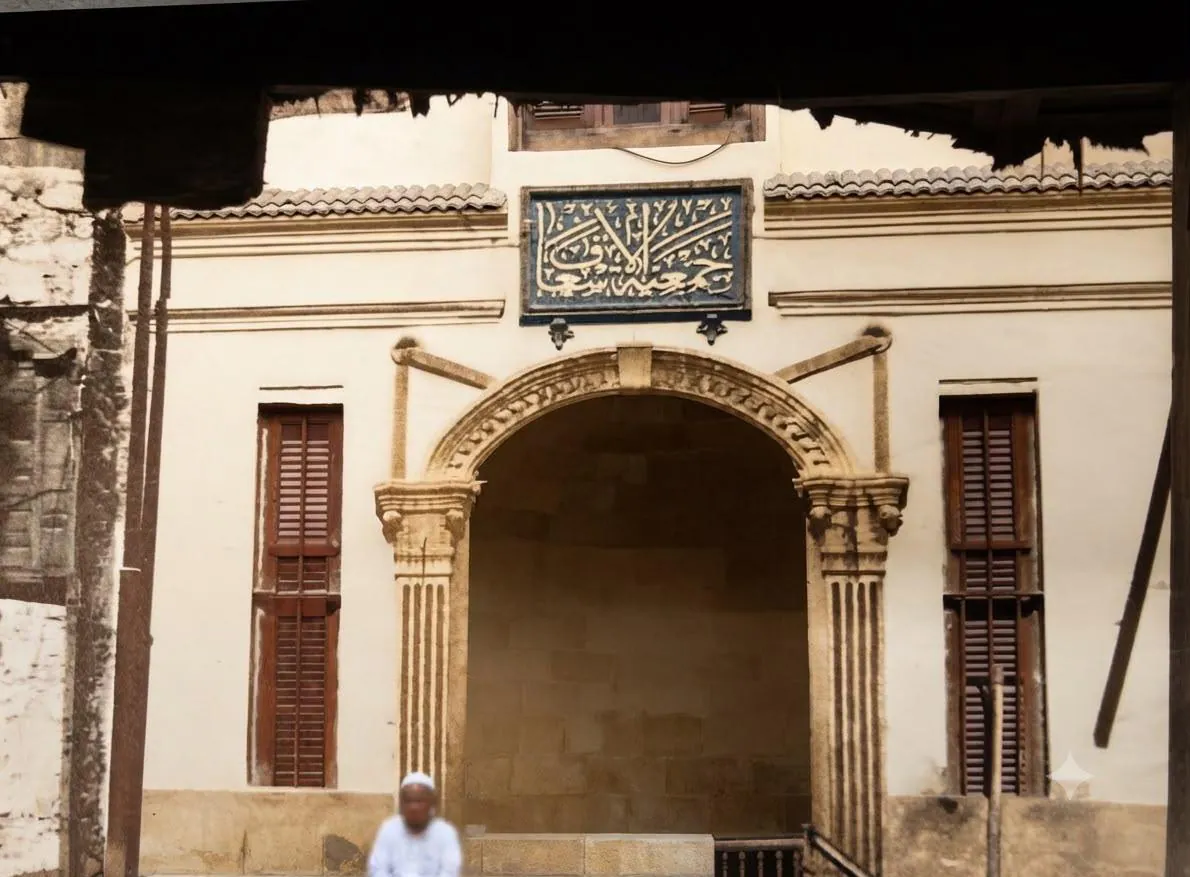
The man showed rare competence, steadfastness and devotion. He was also a man of insight, able to bring the finest intellectuals and administrators into the offices of the young state, which led King Abdulaziz to appoint him Minister Plenipotentiary of the first rank.
When King Saud came to power and Sheikh Abdullah al-Sulaiman asked to be relieved of the finance portfolio, the new king found no one better than al-Sabban to succeed al-Sulaiman.
Thus the man entered his country's history as its second Minister of Finance, remaining in the post until 1958.
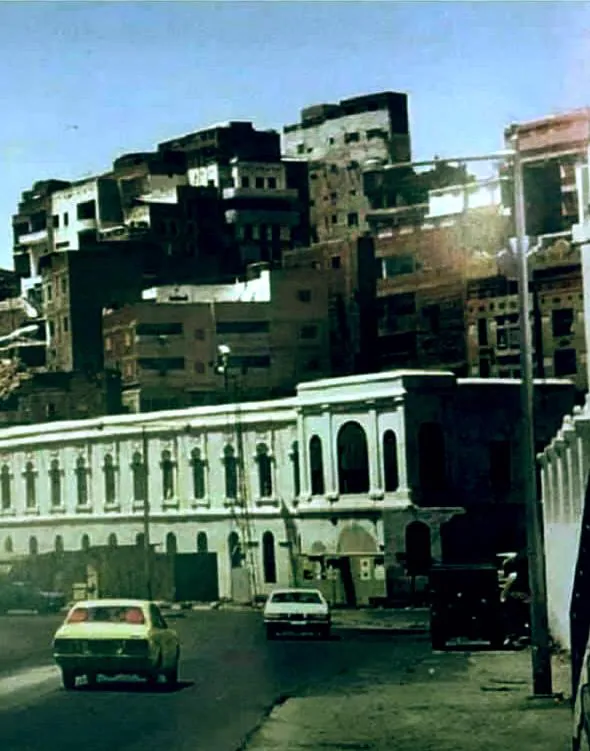
King Faisal invited Muhammad Surur al-Sabban to return to his homeland and in 1962 tasked him with founding the Muslim World League, implementing the resolution of the World Muslim Congress held in Makkah that year.
Al-Sabban served as Secretary-General of the League from 1962 to 1970, devoting great effort and skill (without drawing any salary) to turning the League into a major body despite its scant resources.
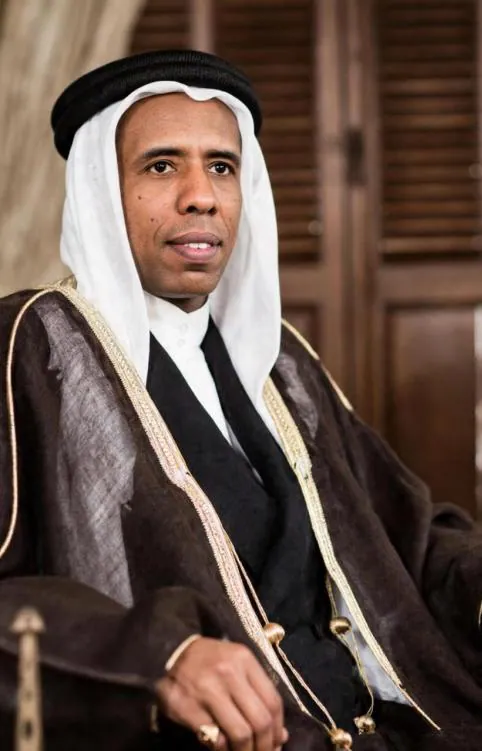

Private trade
Al-Sabban began his working life in private trade with his father, then moved into government service as a daily-register clerk at the Makkah Municipality under the Hashemites, while keeping a bookshop run by his brother Abdullah.
He rose gradually from clerk to head clerk during that period of the Hijaz's history, which also saw him immerse himself in politics. He was influenced by the great events and developments between 1914 and 1923, such as the Great Arab Revolt, Sharif Hussein's independence from the Ottoman Caliphate, and the rise of the independence calls of al-Afghani, Muhammad Abduh and Rashid Rida.
He joined the council of notables who signed the request for Sharif Hussein to abdicate in favour of his son, and was among the 24 figures who formed the Hijazi National Party, led by Sheikh Muhammad al-Tawil as president, with Muhammad al-Dabbagh as secretary and Qasim Zainal as treasurer.
Based on the book Al-Sheikh Muhammad Surur al-Sabban: Hayatuhu wa Atharuh (Sheikh Muhammad Surur al-Sabban: His Life and Legacy) by Counsellor Hani Fairuzi, and the author's interview with the Saudi newspaper Al-Nadwa (10/4/2008).
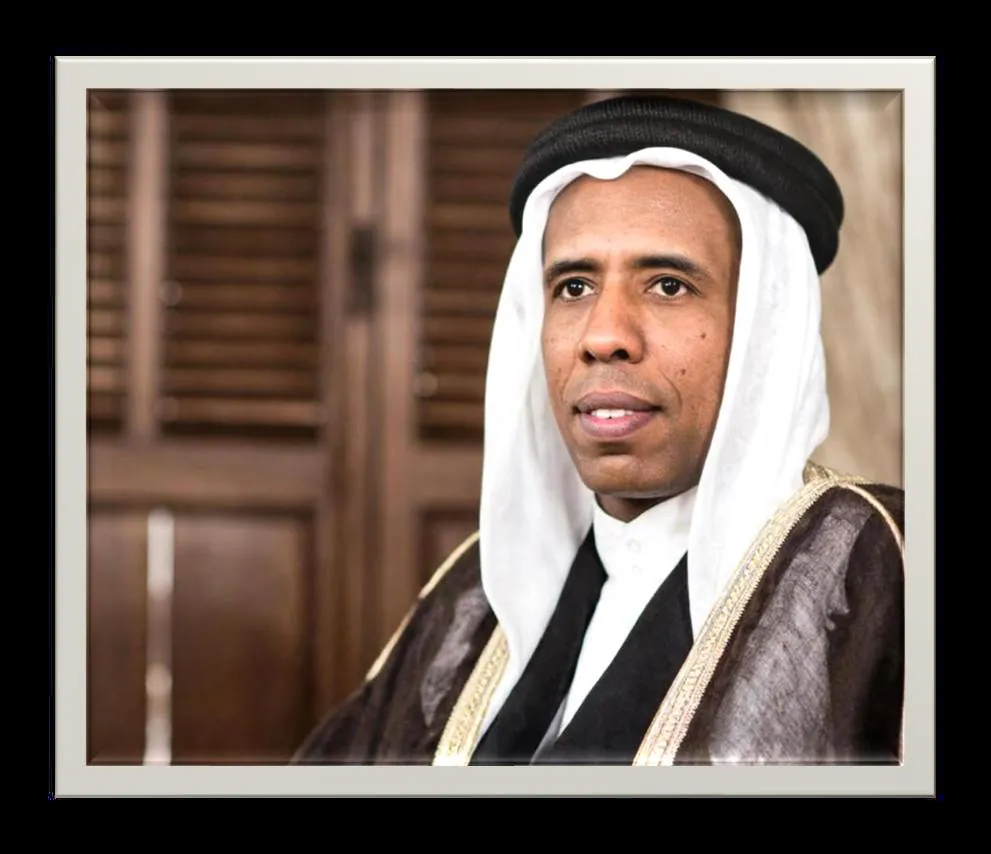
King Abdulaziz summoned Muhammad Surur al-Sabban to Riyadh, where he remained with Sheikh Muhammad al-Tawil before the two returned together to the Hijaz in the company of the King, who appointed him Assistant to the Mayor of the Holy Capital in 1926.
He was then promoted in 1933 to Head of the Correspondence Bureau at the Ministry of Finance under its minister Sheikh Abdullah al-Sulaiman, then to Director General of Administration at the Ministry of Finance, and then to General Advisor to the Ministry.
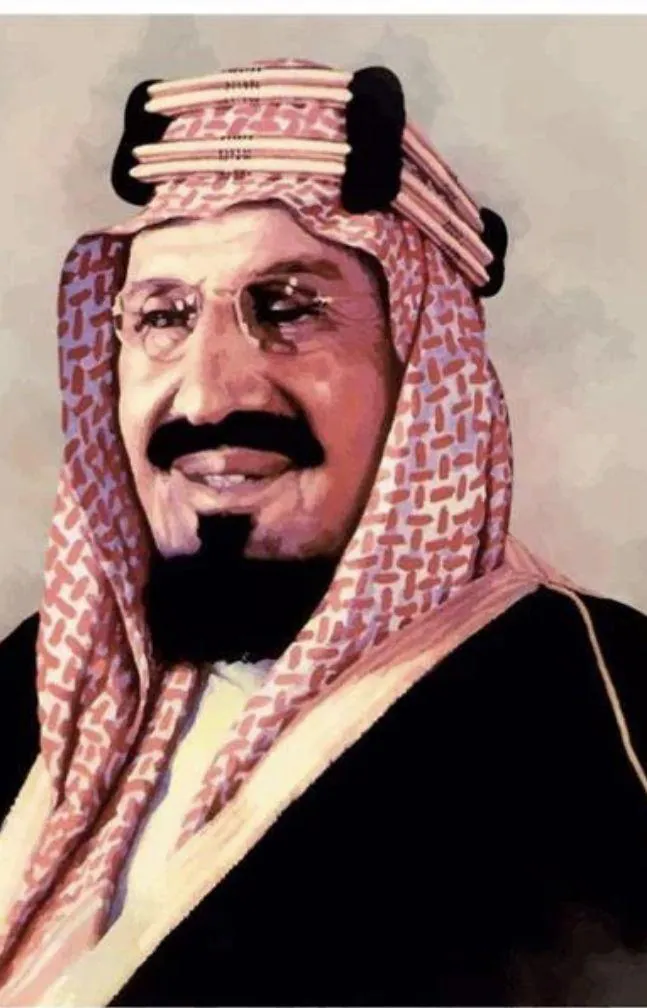
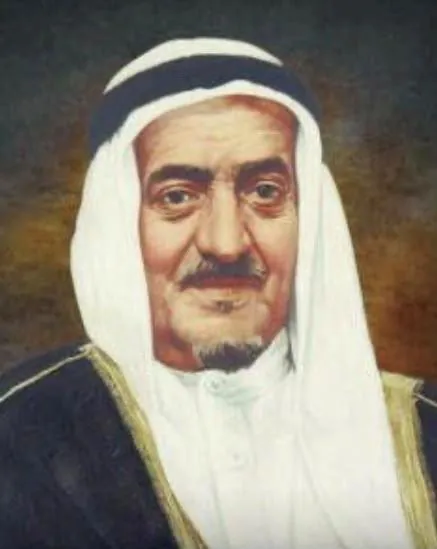
Achievements
In 1918 he was appointed a clerk at the Makkah Municipality, then promoted to accountant, and after that to head clerk.
In 1925, when King Abdulaziz entered the Hijaz, he was appointed secretary of the National Council, then Head of the Correspondence Bureau of the Ministry of Finance, and then became Minister of Finance after the death of King Abdulaziz.
Muhammad Sabban held economic ideas influenced by the Egyptian economy.
Muhammad al-Sabban is regarded as one of the founders of the Ministry of Finance, having built and structured its institutions administratively and financially.
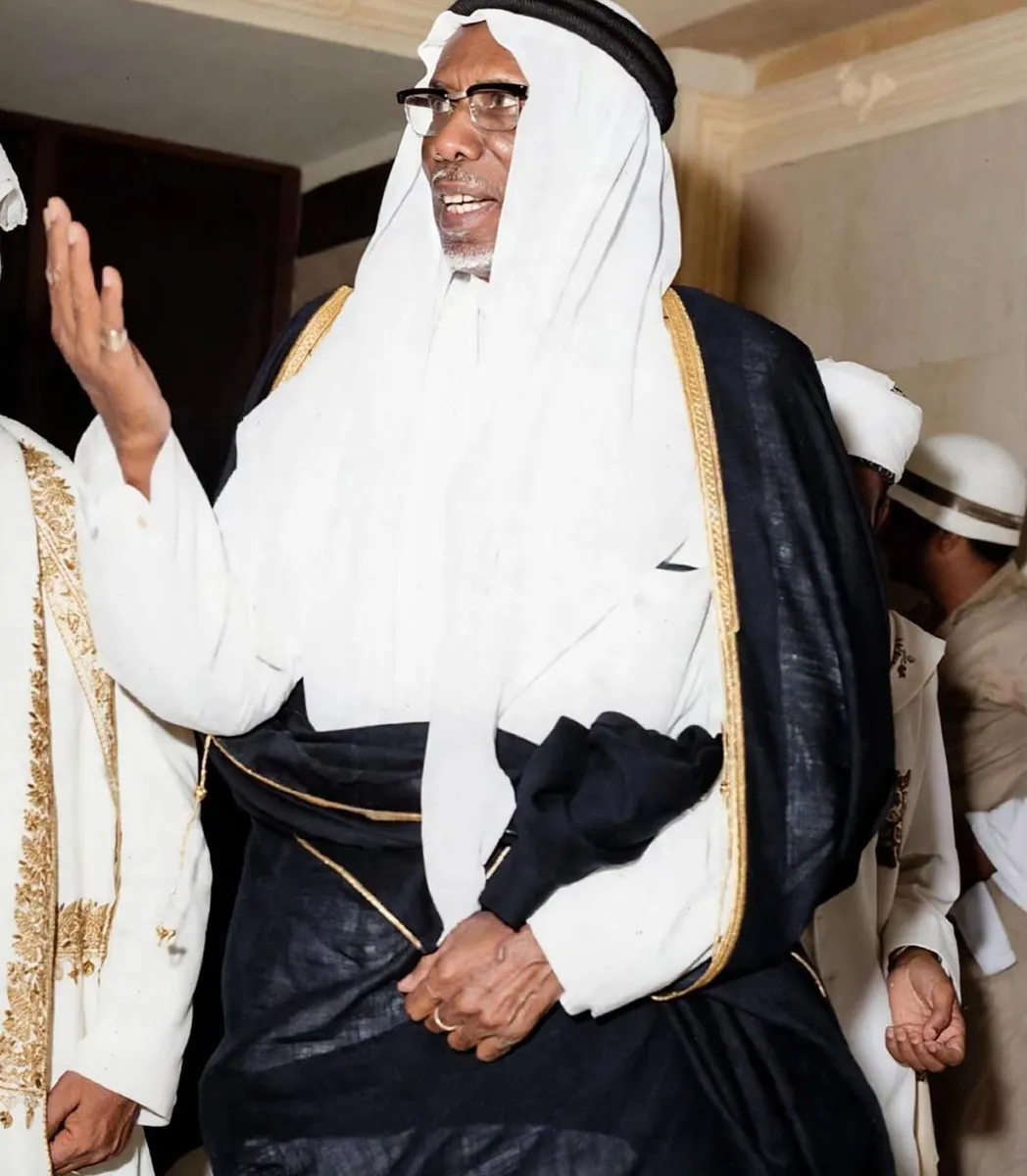
Muhammad Surur al-Sabban left a huge library containing volumes of the finest heritage works and rare old and modern books in religion, language, literature and history, both printed and manuscript.
The library was donated in 1397 AH to Umm Al-Qura University in Makkah.
In his book A'lam al-Hijaz (Notable Figures of the Hijaz), Muhammad Ali Maghribi gave a numerical list of the donated books (subject - number of titles):
- Encyclopedias: 2
- The Qur'an and its sciences: 192
- Hadith and its sciences: 246
- Jurisprudence and its principles: 623
- Islamic studies: 806
- Arabic language: 232

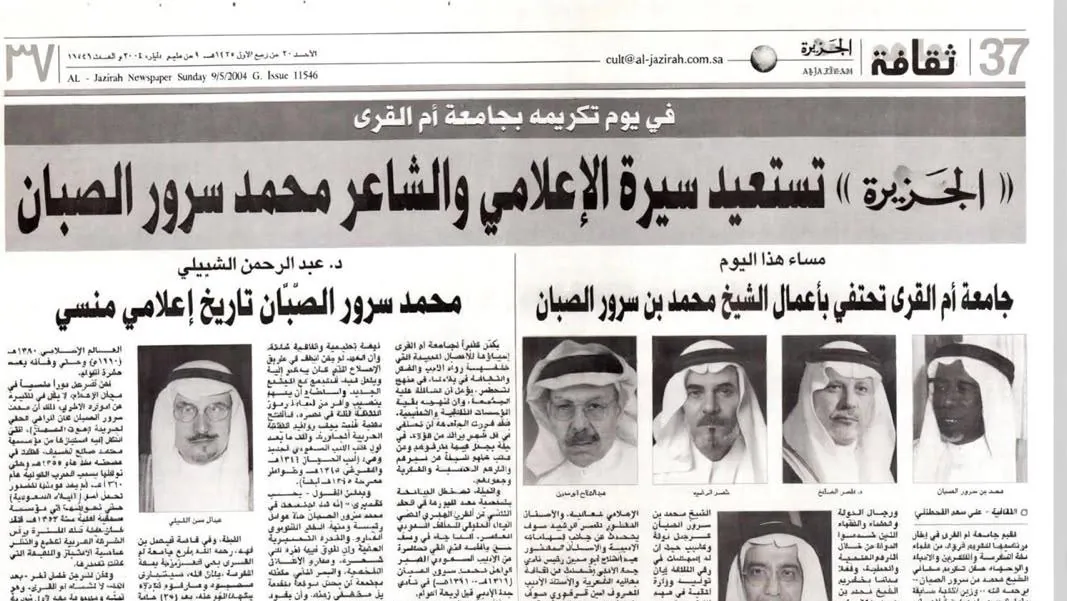

His death
He passed away, may Allah have mercy on him, in Cairo on 2-12-1391 AH following a heart attack. His body was taken to Makkah, where the funeral prayer was held for him at the Sacred Mosque, and he was buried in al-Ma'la Cemetery.
References and sources
- Al-Yamamah magazine
- Al-Riyadh newspaper
- Al-Jazirah newspaper
- Al-Marefa website
- The book A'lam al-Hijaz
- Wikipedia
Prepared and designed by Siraj Hussain Fathi. Download the full file as PDF