
The Journey of Journalism in the Hijaz (1): The Press in the Ottoman Era
The first installment of the series “The Journey of Journalism in the Hijaz”: the first printing press in the Hijaz, the official newspaper Hijaz, and the papers Shams al-Haqiqa, al-Islah al-Hijazi, Safa al-Hijaz, al-Raqib and al-Madinah al-Munawwarah.
The Press in the Ottoman Era
| Newspaper | Founder | Managing Editor | Date of Publication |
|---|---|---|---|
| Hijaz | Office of the Ottoman Governor | Official government paper | 1301 AH / 1834 CE |
| Shams al-Haqiqa | Qasim Zaini | Muhammad Tawfiq Makki | 1327 AH / 1909 CE |
| Al-Islah al-Hijazi | Raghib Mustafa Tawakkul | Adib Dawud Harari | 1327 AH / 1909 CE |
| Safa al-Hijaz | Ahmad Ra'fat al-Iskandarani | 1327 AH / 1909 CE | |
| Al-Raqib | Ibrahim Khattab and Abu Bakr al-Daghistani | 1327 AH / 1909 CE | |
| Al-Madinah al-Munawwarah | Sheikh Muhammad Ma'mun | 1328 AH / 1910 CE |
Publications in the Ottoman Era
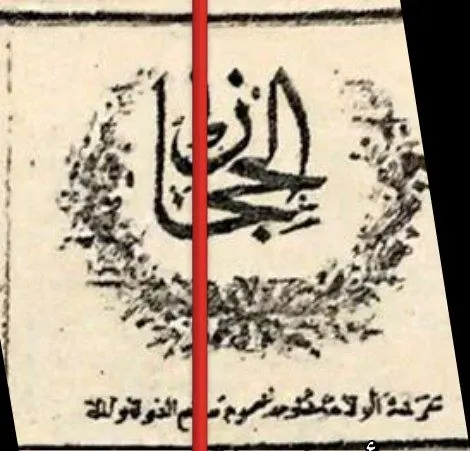
Hijaz newspaper (1326 AH / 1908 CE):
The first official weekly newspaper published in Makkah.
It appeared in four pages, in Arabic and Turkish, from the Vilayet Press.
Shams al-Haqiqa newspaper (1327 AH / 1909 CE):
A private newspaper founded by Qasim Zaini in Makkah, devoted to culture and literature.
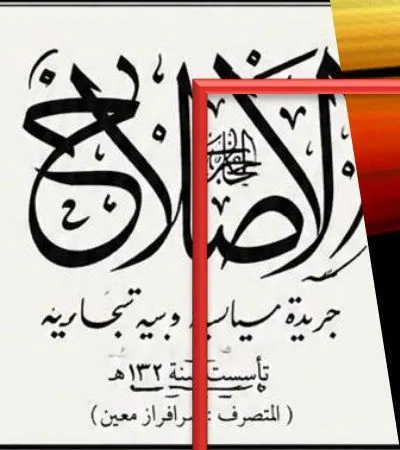
Al-Islah al-Hijazi newspaper (1327 AH / 1909 CE):
A comprehensive literary and scholarly newspaper founded by Muhammad Arif in Makkah.
Al-Madinah al-Munawwarah newspaper (1328 AH / 1910 CE):
An official weekly newspaper published in Madinah in Arabic and Turkish to carry the news of the region. (It has no connection to the Al-Madina newspaper we know today.) Al-Raqib newspaper (1329 AH / 1911 CE):
A social and critical newspaper published in Jeddah and founded by Abdulraouf Sabban
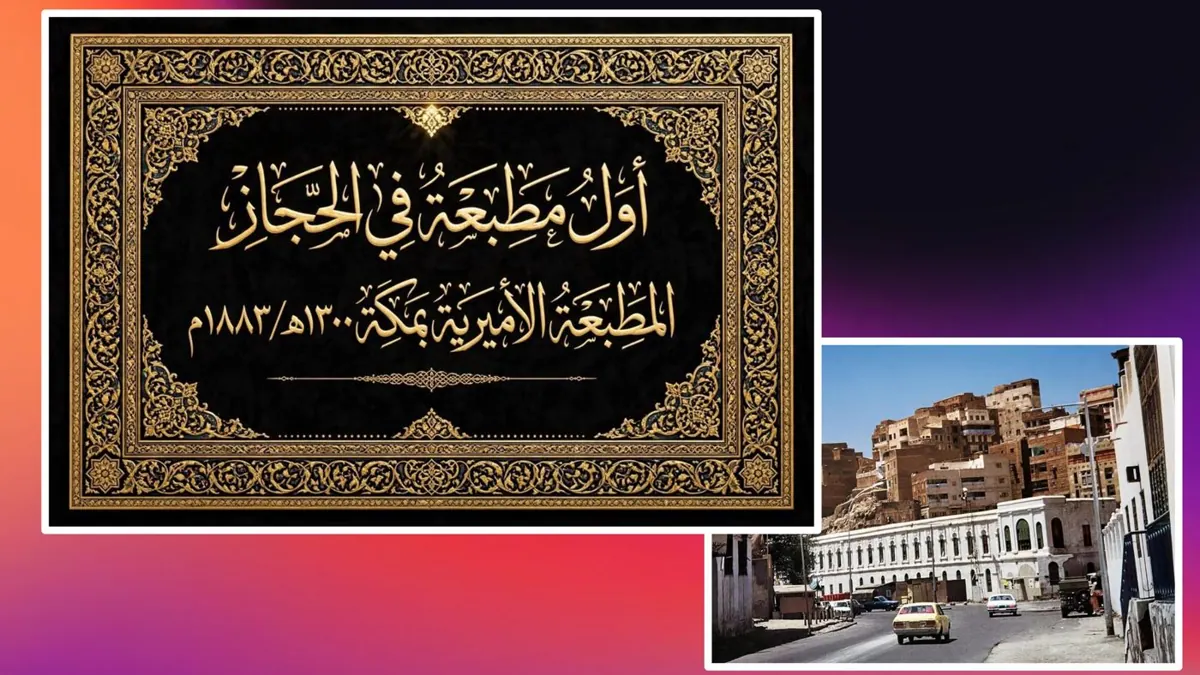
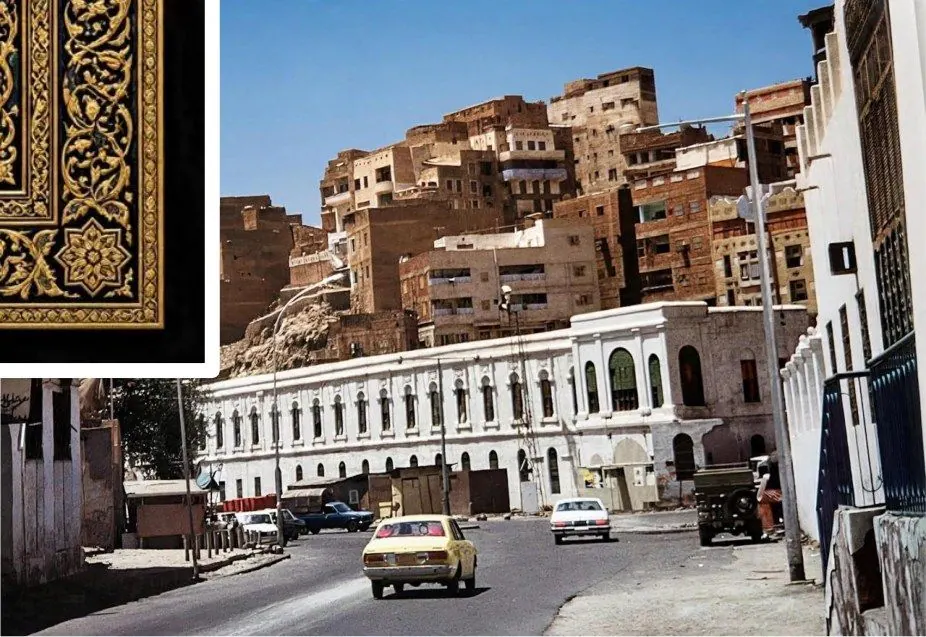
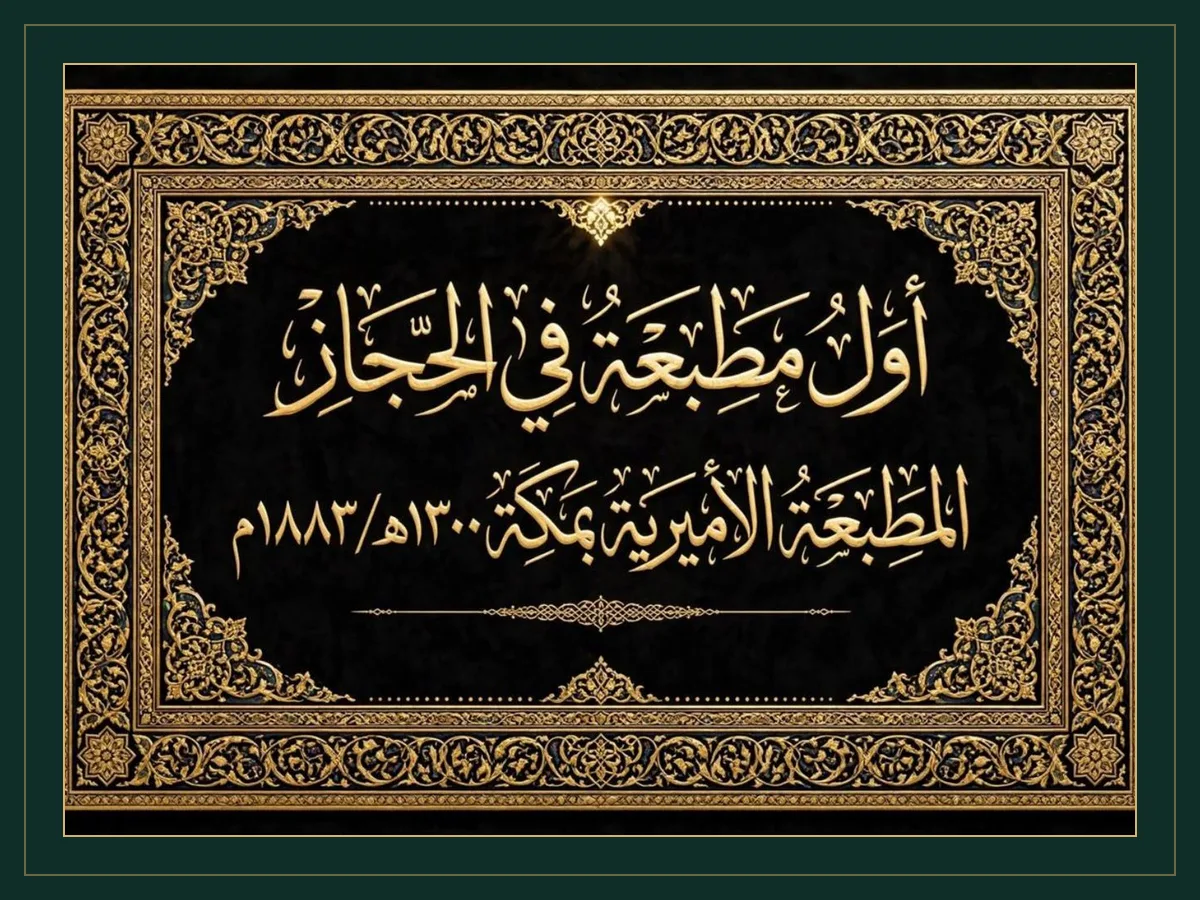
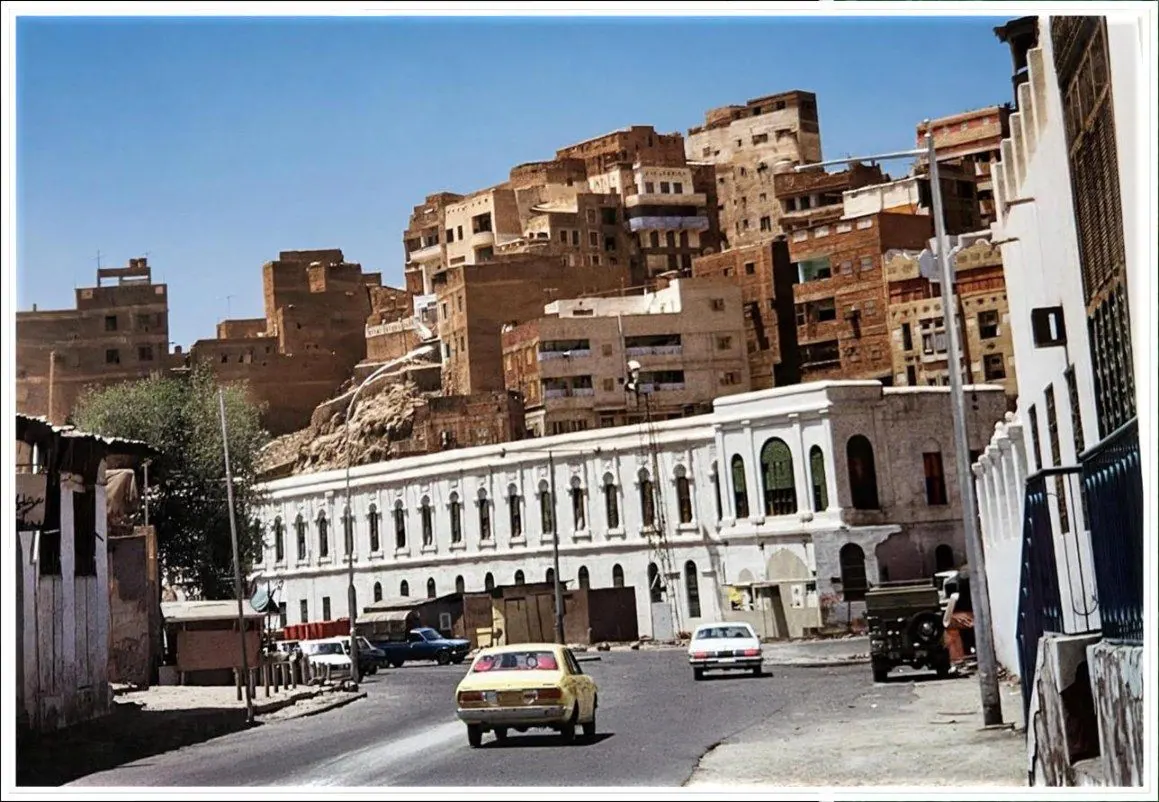
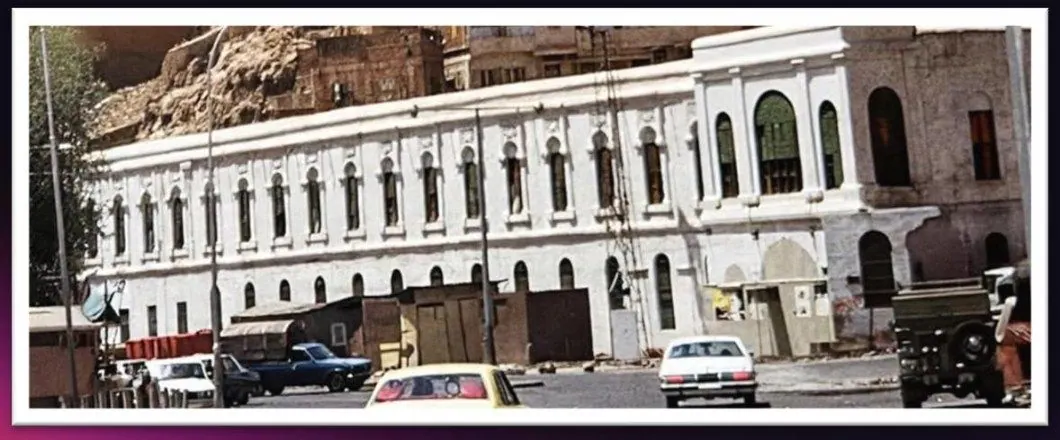
The Amiri Press
Or the Vilayet Press, as it was sometimes called,
is considered the first printing press established in Makkah.
Its Founding
The Arabian Peninsula first came to know
printing and printing presses in 1877 CE, when the government of the Ottoman state established the official press in Sanaa, Yemen,
and then set up another official press
in Makkah in 1300 AH / 1883 CE.
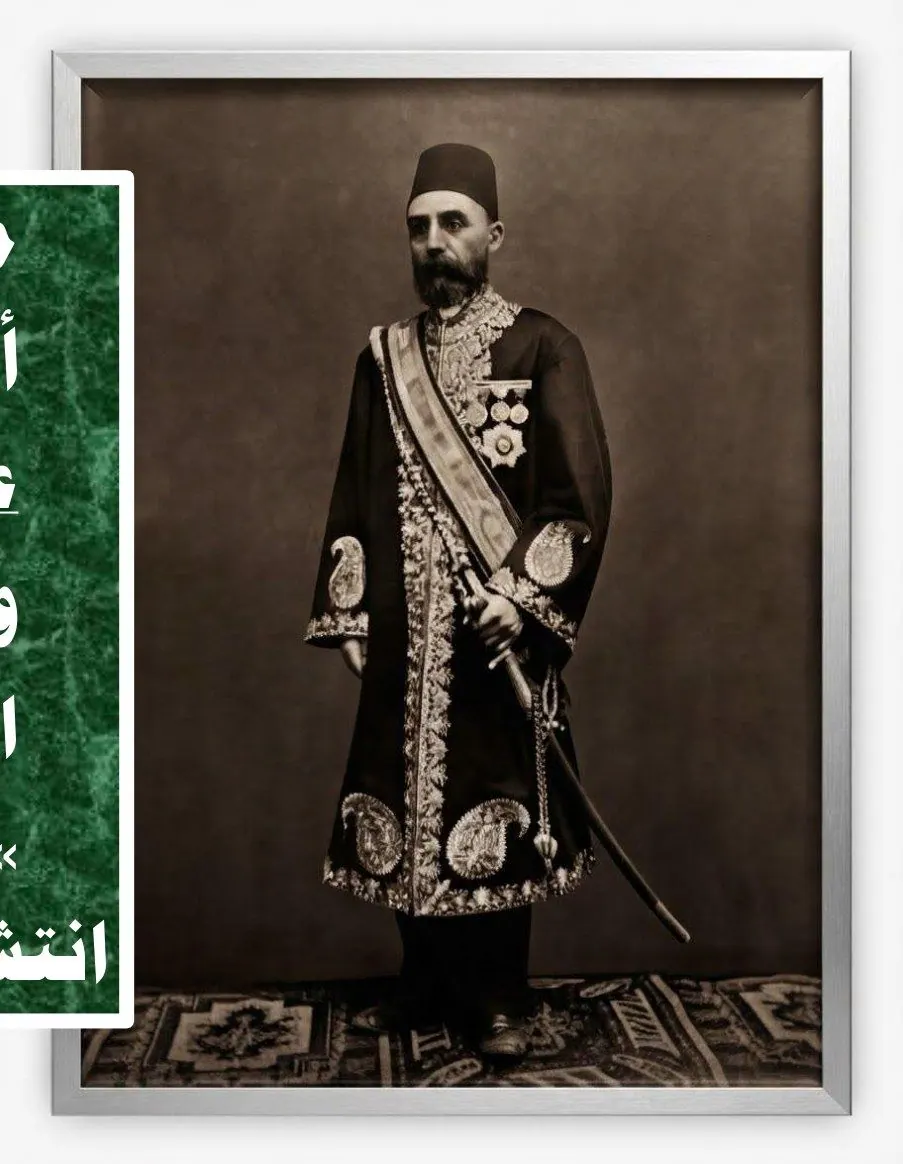
Founder of the Press
The Amiri Press was founded by the then governor of the Hijaz, Othman Nuri Pasha,
who established it, as his contemporary
Sheikh Ahmad ibn Zaini Dahlan said,
“so that books of learning might be printed in it, and knowledge spread widely in the place where the Revelation descended.”
Among the First Fruits
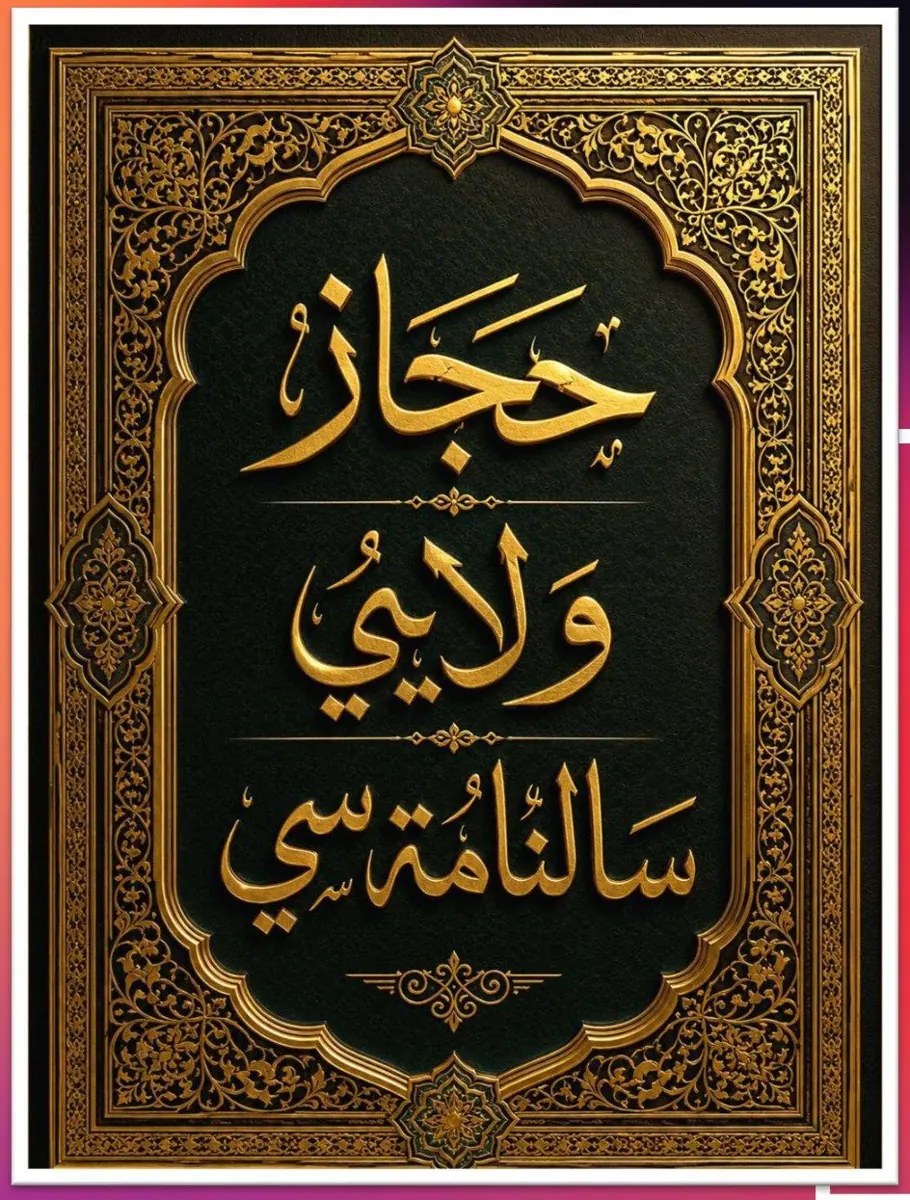
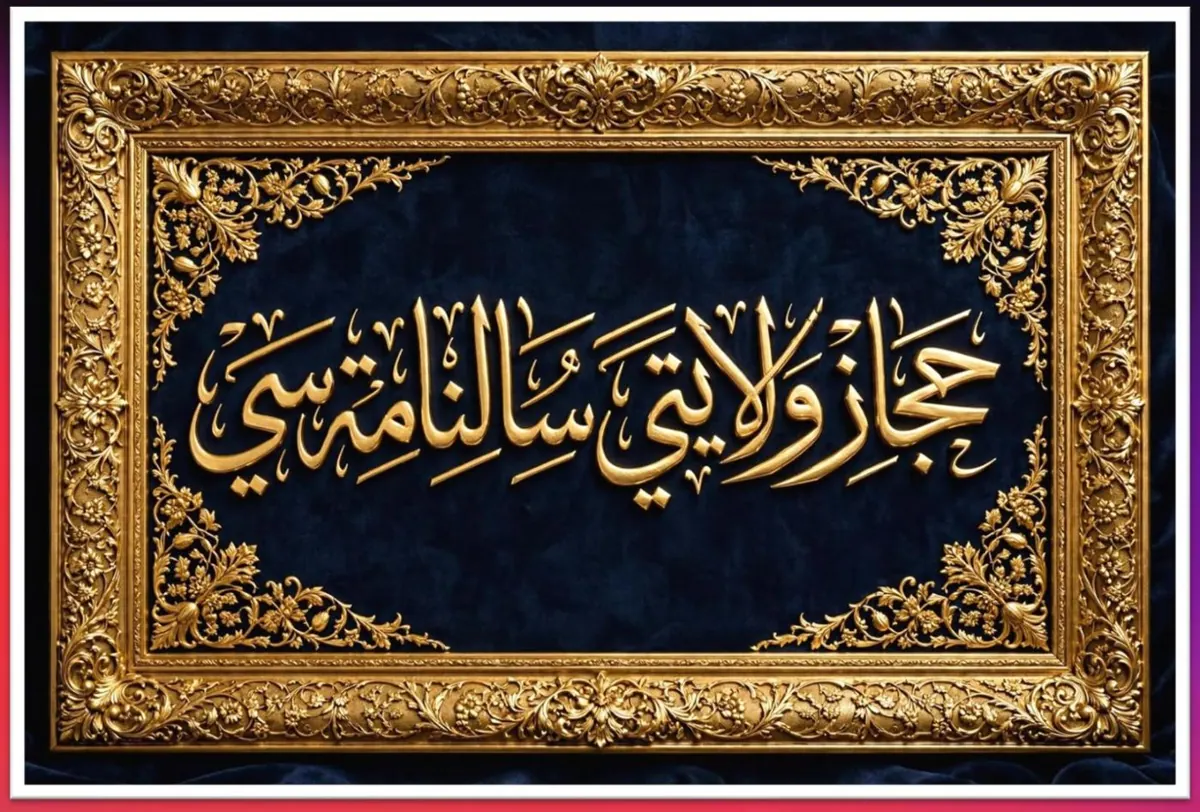
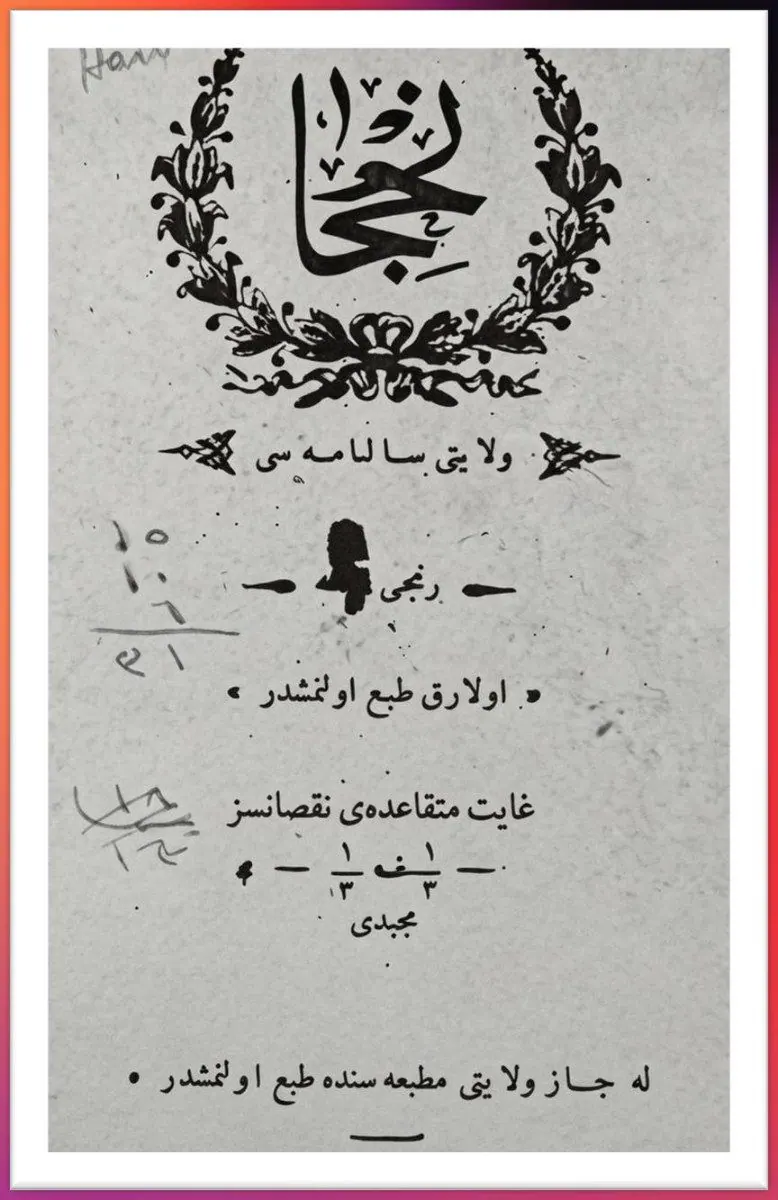
of the Vilayet Press was the appearance in Makkah, in 1301 AH (1883 or 1884 CE), of the official periodical yearbook of the Vilayet of the Hijaz, “Hicaz Vilayeti Salnamesi” — a book containing information and statistics on the various aspects of life in the province of the Hijaz.
The Beginnings of the Press
It consisted of a small treadle machine.
In 1302 AH the Turkish government supplied it with a medium-sized printing machine of the type known among printers as the “French” machine, measuring 82 by 57 cm. Some years later a lithographic machine measuring 50 by 70 was brought in. In 1302 AH the press was further developed with the acquisition of a large machine and a great deal of equipment.
Directors of the Press
A number of directors succeeded one another in running the press during the Ottoman period:
- Abdulghani Effendi al-Shuwaiki, 1301–1306 AH
- Ibrahim Adham, 1306 AH
- Abbas Effendi Bunduqji, 1330 AH
- Mahmud Aziz Shalhub
- Hashim al-Naqshbandi
Among the most prominent who worked there were Abdulaziz Effendi, director of the press; Ali Effendi, assistant director; and Ibrahim Adham, director of the press. In 1309 AH the number of workers at the press reached twenty-two, including printers, typesetters, proofreaders and binders. In 1330 AH its director was Abbas Effendi, head of the typesetters.
Some of Its Publications
- Printing the official yearbook of the Vilayet of the Hijaz, “Hicaz Vilayeti Salnamesi”, of which the
first issue appeared in 1301 AH; four further issues followed, the last being the fifth issue, published in 1309 AH.
- Printing cultural works — literary, religious and heritage writings — in Arabic,
Turkish, Javanese, Malay and Urdu.
- Printing the newspaper “Shams al-Haqiqa” and its Turkish edition “Şems-i Hakikat”.
- The Salname of the Hijaz, or “Hicaz Vilayeti Salnamesi”, was the first periodical publication to appear in the
Hijaz. It was the official annual yearbook of the Vilayet of the Hijaz, published in Turkish beginning in 1301 AH / 1883 CE and printed at the Vilayet Press. It continued to appear at irregular intervals, ending with the fifth issue in 1309 AH / 1891 CE, after which it ceased.
Some of Its Publications
- Classical books of jurisprudence dealing with the rites and supplications of Hajj and Umrah:
- Kitab al-Idah fi al-Manasik according to the school of Imam al-Shafi'i,
by Imam Muhyi al-Din al-Nawawi, printed in 1316 AH.
- Kitab Ad'iyat al-Hajj wa al-Umrah (Supplications of Hajj and Umrah)
by Qutb al-Din al-Nahrawali, printed in 1319 AH.
- Al-Mulla Ali al-Qari's al-Maslak al-Mutaqassit fi al-Mansak al-Mutawassit, a commentary
on Lubab al-Manasik by Sheikh Rahmatullah al-Sindi, printed in 1319 AH.
The Issues of This Book Were Written
— the book called “Salname of the Vilayet of the Hijaz” —
in Turkish,
though it sometimes included a short passage in Arabic praising the achievements of the Ottoman caliphs
and describing the construction of the Grand Mosque (al-Masjid al-Haram).
The second issue, which appeared in Ramadan 1303 AH (1886 CE), was written in both Turkish and Arabic and appeared in a single volume.
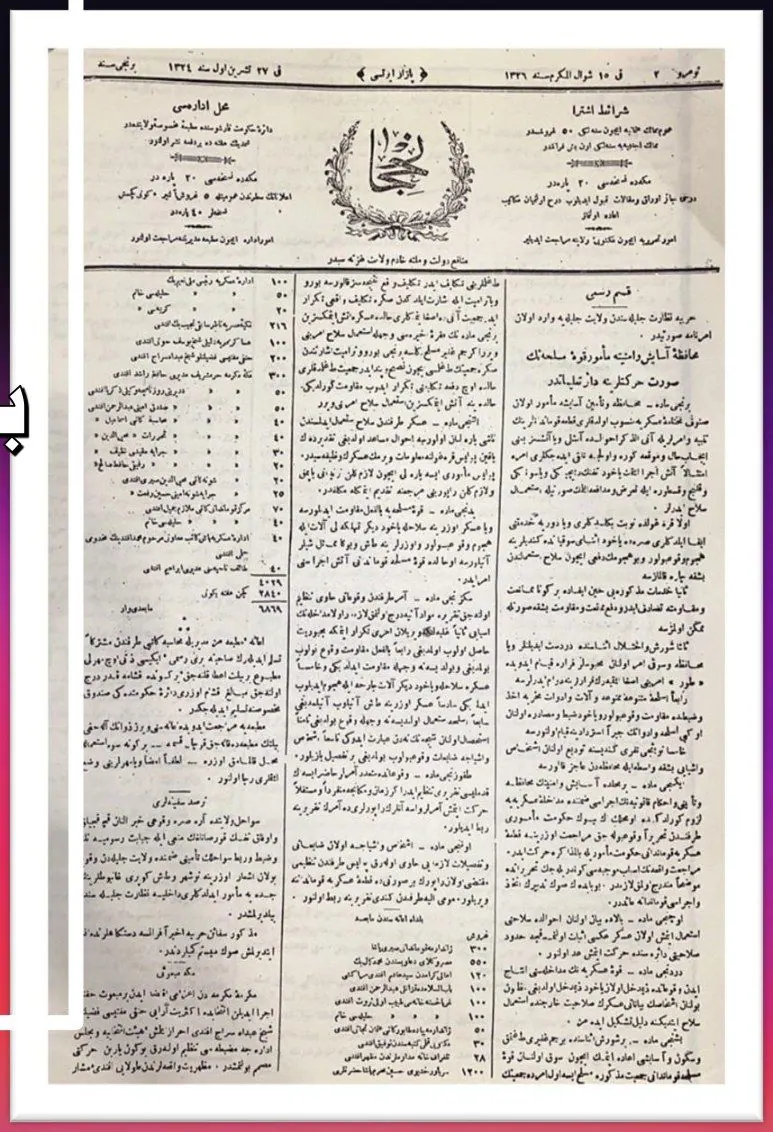
The First Issue of
the “Salname of the Vilayet of the Hijaz”
consisted of 182 medium-sized pages, while the Arabic version of the second issue had 192 pages;
the third issue had 252 pages,
the fourth issue 306 pages,
and the fifth issue reached 310 pages.
The subjects of these issues are similar,
but the later issues always recorded whatever was new in the affairs of the state and the province.
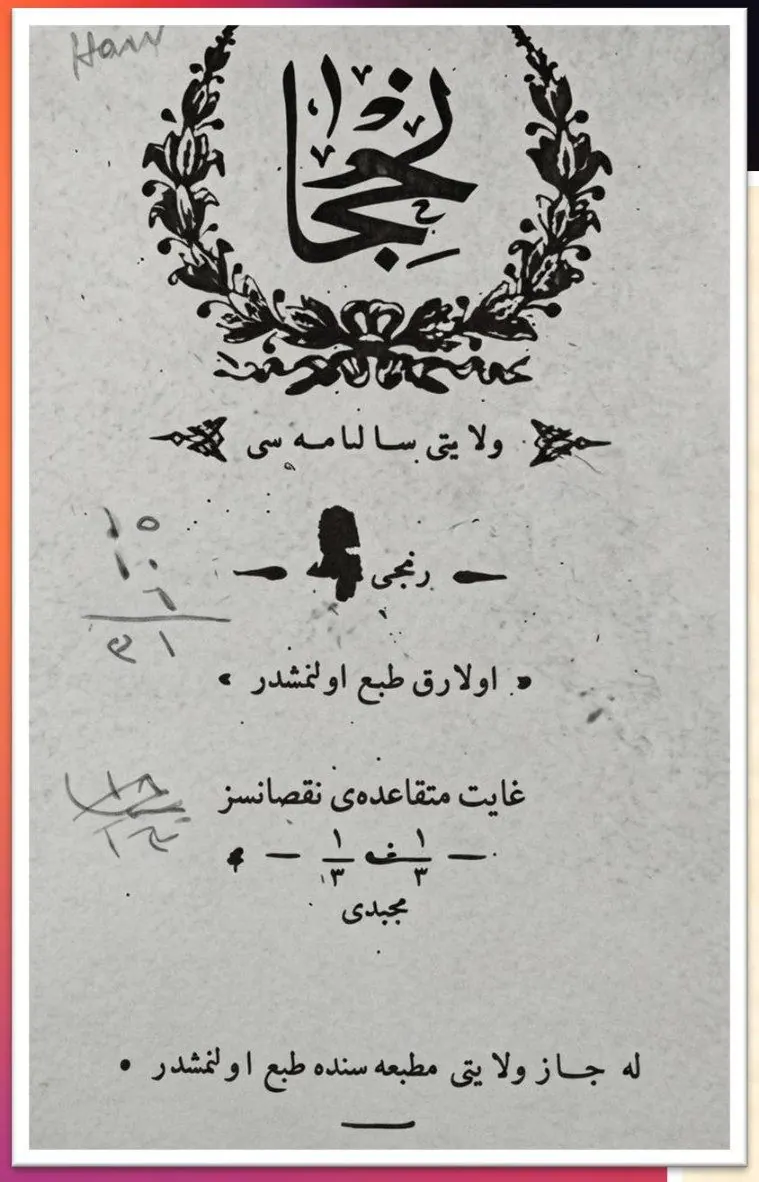
The “Salname of the Vilayet of the Hijaz” did not appear at a set time or on a regular basis;
two years passed between the first and second issues, as noted earlier,
the third issue appeared
in 1305 AH (1887 or 1888 CE),
but the fourth issue
was published in 1306 AH (1888 or 1889 CE),
while the fifth issue
did not appear until 1309 AH (1891 or 1892 CE).
This issue appears to be the last one still extant today.
When the Vilayet Press Was Founded
it remained the only printing press in the Hijaz for more than a quarter of a century,
but in 1327 AH (1909 CE) the Hijaz witnessed the founding of a number of presses:
the Majidiyya Press was established in Makkah at that time,
along with the Shams al-Haqiqa Press, and the al-Islah Press was founded in Jeddah.
In 1328 AH (1910 CE)
a small private press was established in Madinah,
and in 1335 AH (1916 or 1917 CE)
a small government press was also founded in Madinah. Together with the Vilayet Press, these presses helped revive intellectual life in the country
and enabled a number of newspapers to appear during this period.”
When Was the Newspaper Hijaz First Published?
There is no disagreement that the official newspaper “Hijaz” was the first newspaper published in the Vilayet of the Hijaz;
the disagreement concerns the date of its first appearance. Rushdi Malhas linked the founding of the Vilayet Press in the Hijaz in 1300 AH (1883 CE) with the appearance of the first newspaper there, and stated that “Hijaz” appeared in 1301 (1883 or 1884 CE).
Abdullah Abduljabbar later repeated this view.
But since Rushdi Malhas's article is the oldest source stating that “Hijaz” appeared in 1301, and since Abdullah Abduljabbar did not name the source from which he took this date, nor apparently consult the newspaper “Hijaz” itself, nor add anything new to what Malhas said, it seems that Rushdi Malhas's article is the principal source for the claim that “Hijaz” appeared in 1301 AH.
After the Appearance of the Newspaper “Hijaz”, the Hijaz Witnessed
journalistic activity in the form of five newspapers of this period, namely:
❑ “Shams al-Haqiqa”
❑ “Al-Islah al-Hijazi”
❑ “Safa al-Hijaz”
❑ “Al-Raqib”
❑ “Al-Madinah al-Munawwarah”
The people of the Hijaz were not deprived of reading newspapers before 1908,
for some of the newspapers published in Turkey and Syria were reaching the Hijaz at that time.
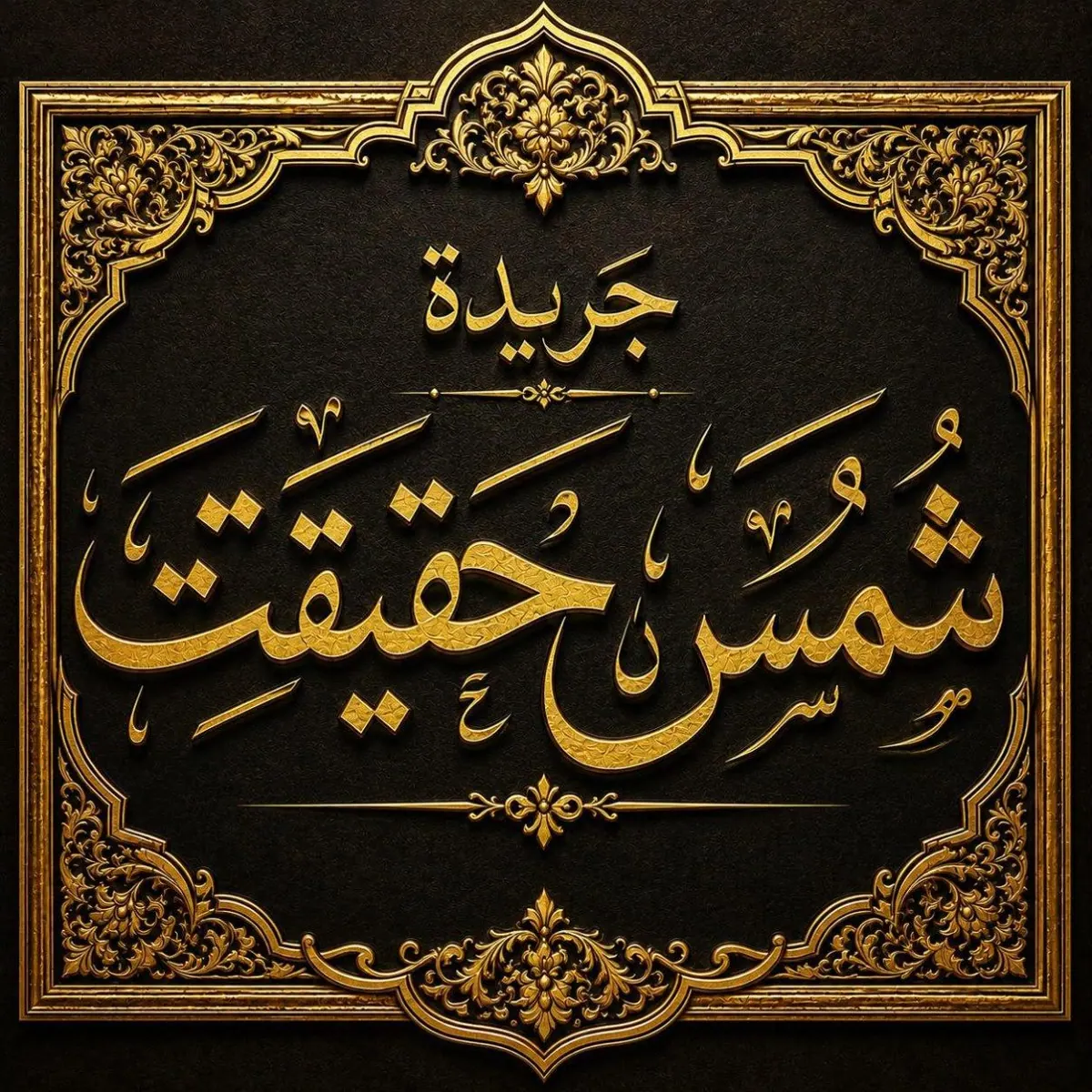
Shams al-Haqiqa Appeared Alongside the Official Hijaz
It was an unofficial paper published in Makkah on 16-2-1909 CE. It appears from its seventh issue, dated 7-3-1327 AH (29-3-1909 CE),
and its twelfth issue, dated 14-4-1327 AH (5-5-1909 CE), that the licence holder of the newspaper was Muhammad Tawfiq Makki
and its editor-in-chief was Abdullah Qasim.
In These Two Issues the Newspaper Described Itself
as “a national, daily, political, scholarly, commercial, critical and humorous newspaper, published once a week for the time being”. It appeared every Tuesday and took as its motto the phrase “Love of the homeland is part of faith”. Each of the seventh and twelfth issues consisted of four pages and was printed at the Vilayet Press in Makkah, but “Shams al-Haqiqa” later established — as Rushdi Malhas said — a press of its own.
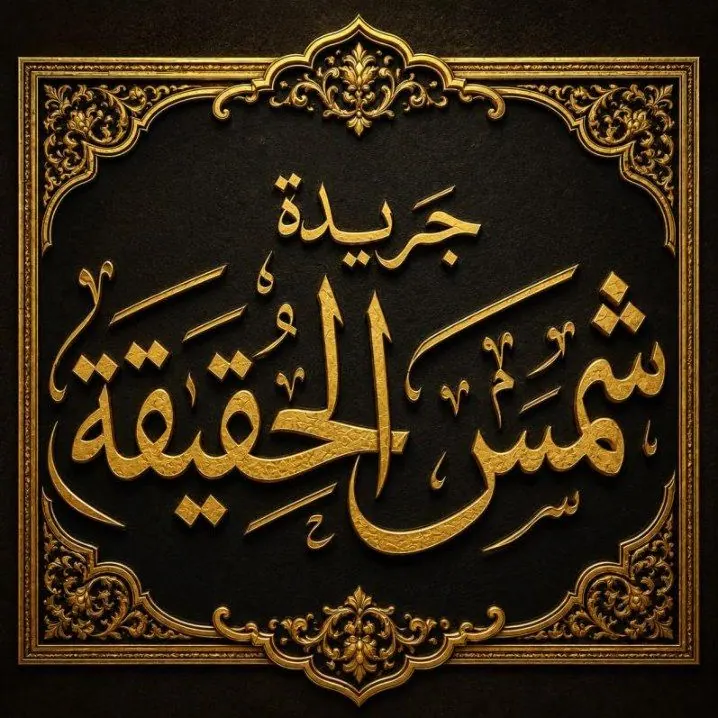
“Shams al-Haqiqa” was printed in Arabic and Turkish, but its Turkish edition — as appears from issue 21, dated 14-8-1327 AH (31-8-1909 CE), and issue 22, dated 21-8-1327 AH (7-9-1909 CE) — was not printed in the same issue as the Arabic edition, as was done with the newspaper “Hijaz”; rather, it appeared as a separate edition called “Şems-i Hakikat”.
Issue 21, whose publication coincided with the anniversary of al-Isra' wa al-Mi'raj, consisted of eight pages,
while issue 22 consisted of four pages; both issues were printed at the Vilayet Press in Makkah.
They also stated that Muhammad Tawfiq Makki was the licence holder and director of “Şems-i Hakikat”, and that it was “a newspaper serving the general Ottoman interest”.
The newspaper was described as “the mouthpiece of the Committee of Union and Progress in Makkah”.
Although “Shams al-Haqiqa” did not declare — as mentioned earlier — that it was the mouthpiece of the Committee of Union and Progress, the surviving issues of its Arabic and Turkish editions show it in fact to be a partisan newspaper: its columns are full of writings praising the Committee of Union and Progress and justifying its slogan from a religious standpoint,
extolling its achievements and attacking its enemies.
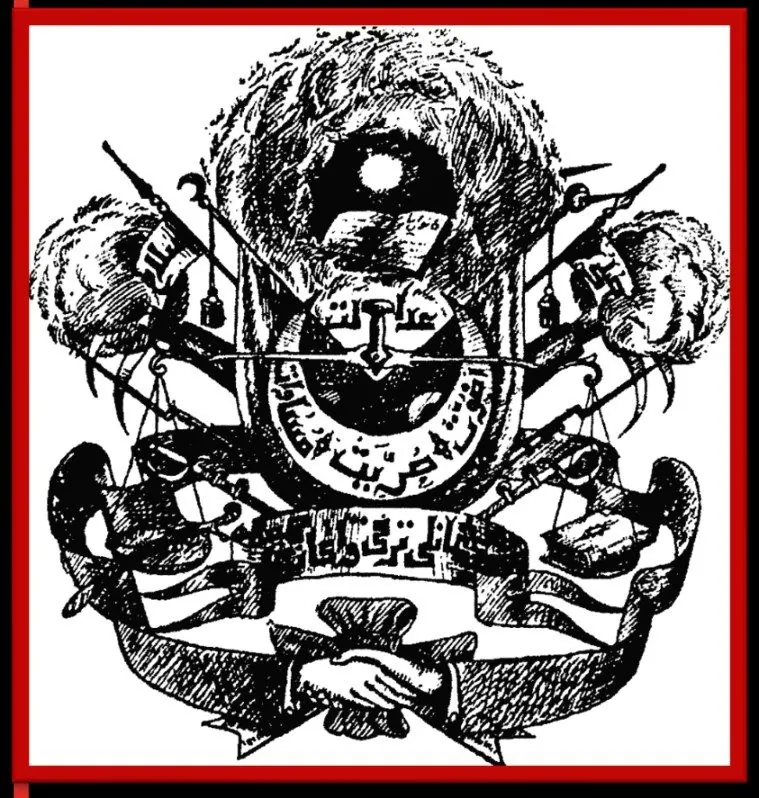
It seems that the founder of “Shams al-Haqiqa” and its editors were of Turkish origin,
for Ahmad al-Siba'i says
that its owner was a Turkish official, and Sheikh Muhammad Nasif says that its editors were young Turks born in the Hijaz, and that Abdullah ibn al-Husayn, its editor-in-chief, belonged to the Committee of Union and Progress in Makkah.
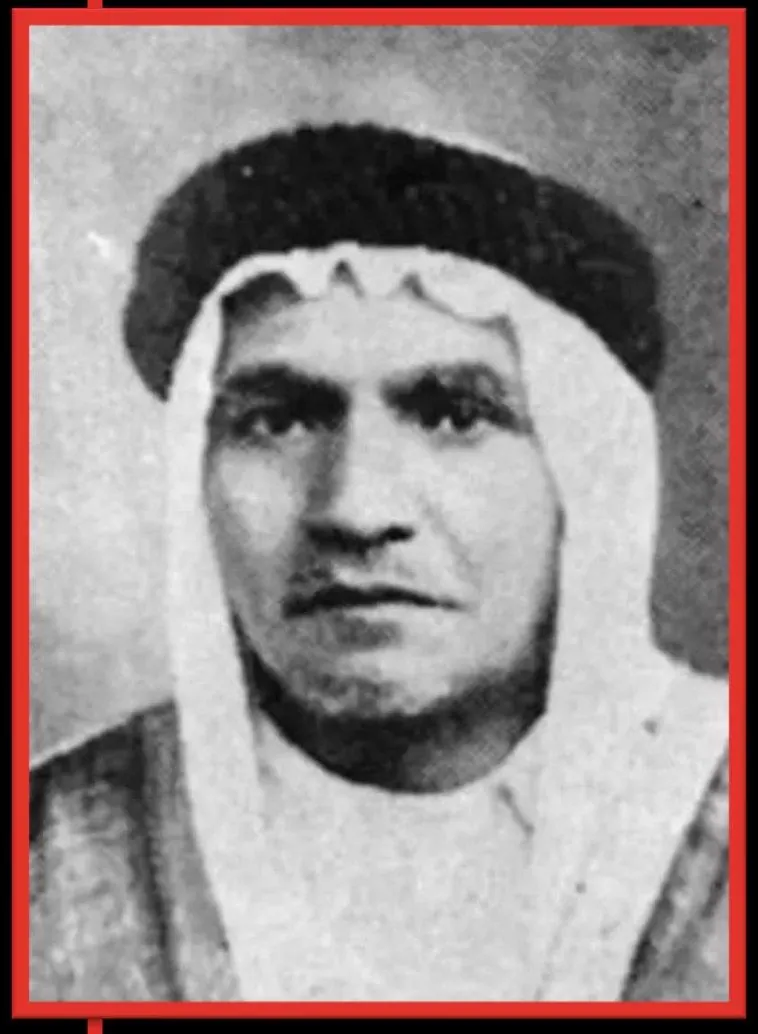
Sheikh Muhammad Nasif Says
that “Shams al-Haqiqa” used to make veiled attacks on Sharif Husayn and his officials,
but al-Husayn complained to the Turkish government in Istanbul, which ordered the newspaper closed and its editor-in-chief transferred to another post outside the Vilayet of the Hijaz. Ahmad al-Siba'i confirms this, saying that “Shams” used to attack certain officials in Makkah, and that al-Husayn was angered by this policy
and threatened its owner with death, so he fled the Hijaz.
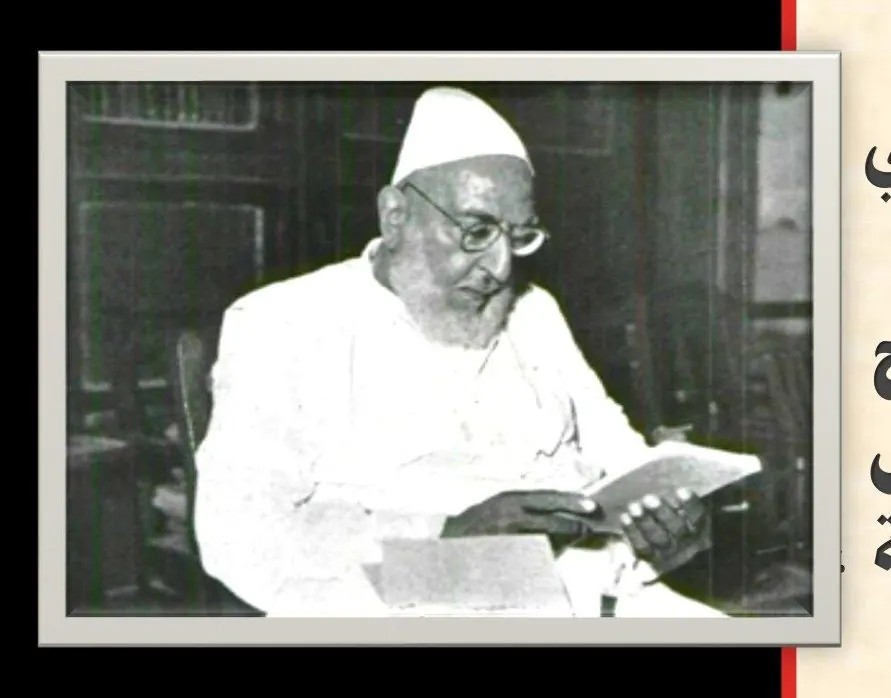
Although “Shams al-Haqiqa” did not declare — as mentioned earlier — that it was the mouthpiece of the Committee of Union and Progress,
the surviving issues of its Arabic and Turkish editions show it in fact to be a partisan newspaper:
its columns are full of writings praising the Committee of Union and Progress,
justifying its slogan from a religious standpoint, extolling its achievements and attacking its enemies.
Yet its preoccupation with such subjects did not in any way prevent it from dealing with local social and educational affairs in a manner similar to that of “Hijaz”, in its insistent call for progress and its keenness to spread modern ideas.
And although “Shams al-Haqiqa” was Turkish in its leanings,
it did not — as Sheikh Muhammad Nasif told me — enter into any ethnic dispute between Arabs and Turks; on the contrary, it reproached “whoever boasts of one Ottoman element over another so as to sow division among them”.
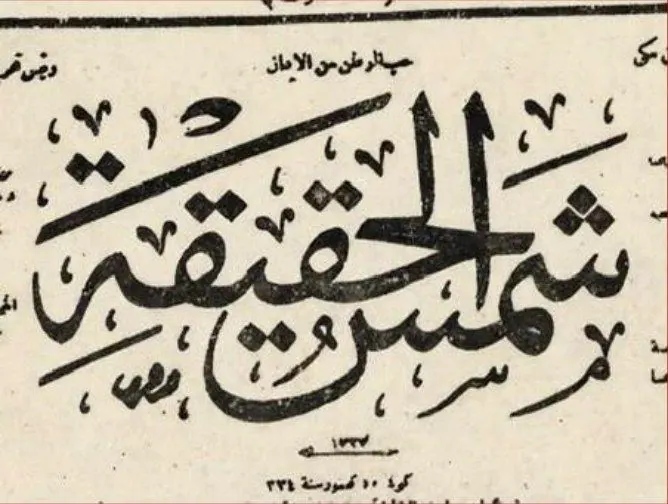
The Suspension of Shams al-Haqiqa
Issue 21 stated that the newspaper had suspended publication for three weeks owing to poor circulation.
It is not clear
when “Shams al-Haqiqa” ceased publication, but Rushdi Malhas, al-Amoudi and Abdullah Abduljabbar all state that it stopped appearing “a few months” after its launch.
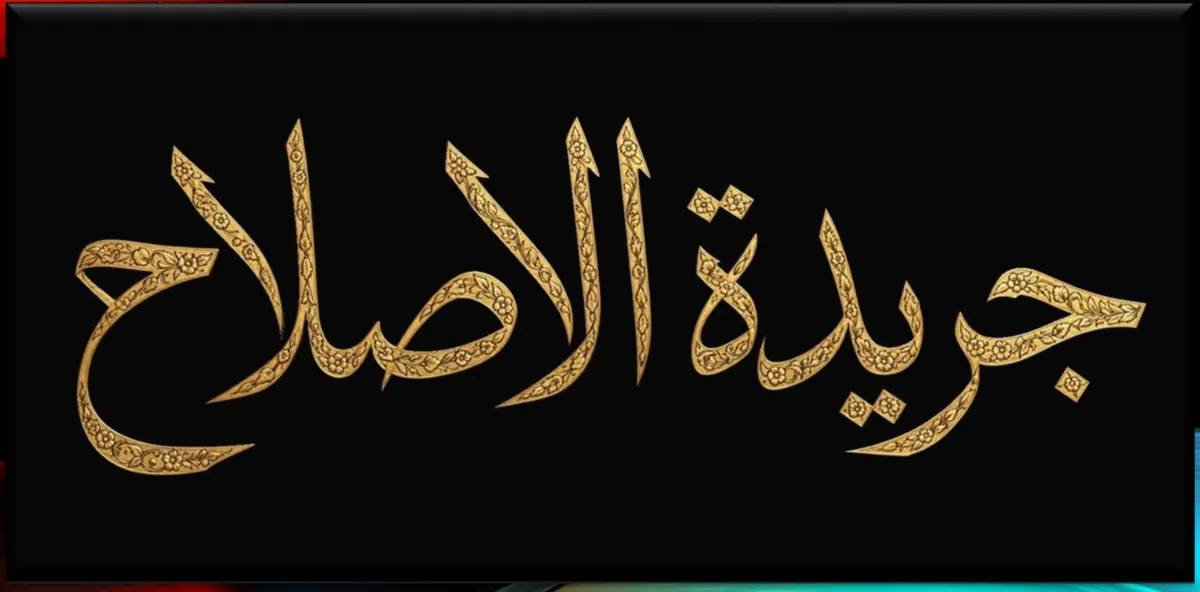
The Newspaper
(Al-Islah al-Hijazi), or the newspaper
(Al-Islah), was published in the city of Jeddah; its first issue appeared on Monday 26-4-1327 AH, corresponding to 17-5-1909 CE.
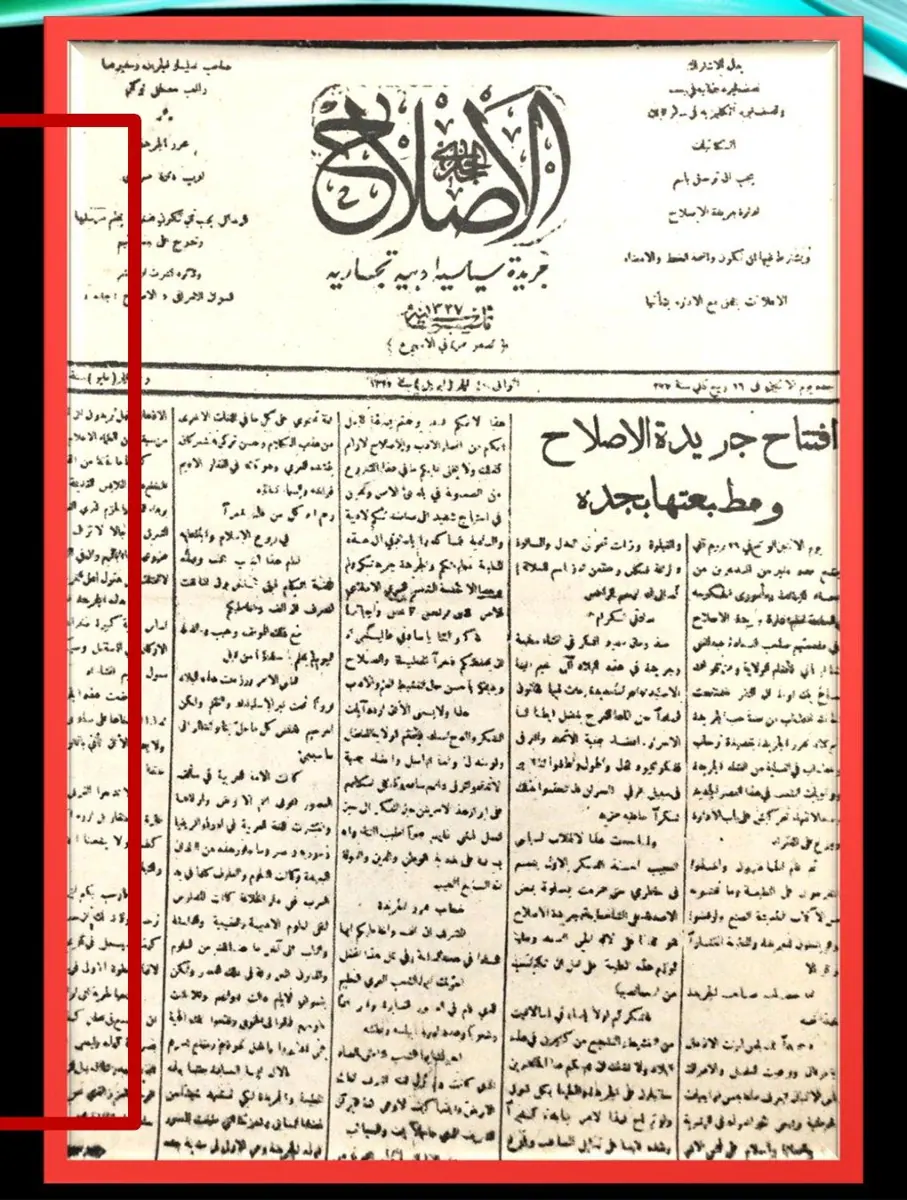
Published by
Ustadh Raghib Mustafa Tawakkul,
its licence holder and director.
Its editor:
(Adib Dawud Harari),
the Lebanese journalist.
Its Editor Says
that the newspaper would devote itself to serving the nation, and that all his efforts aimed at the public interest, not the personal, whatever difficulties stood in his way,
and that he would not turn from this principle
as long as he had a beating heart.
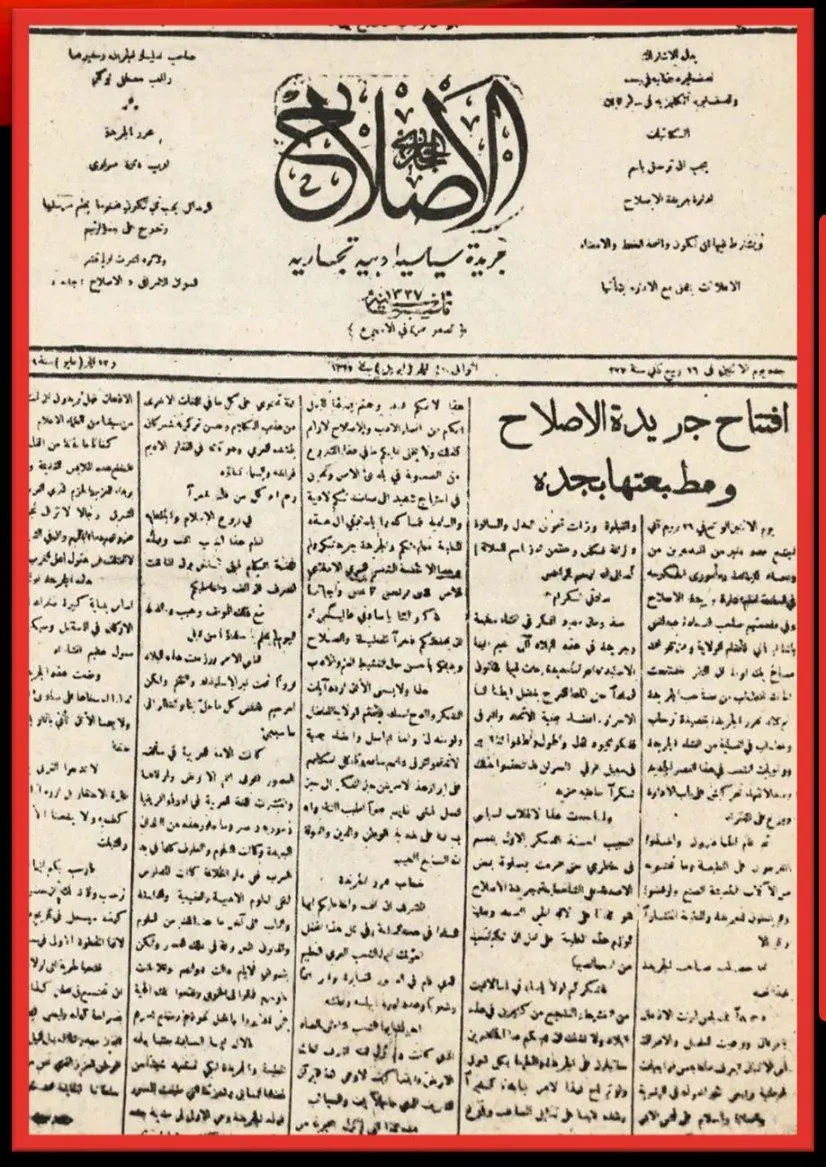
The Newspaper
(Al-Islah al-Hijazi) was a political, literary and commercial newspaper,
published once a week.
It took as its motto
(“I only intend reform”), and appeared in four pages.
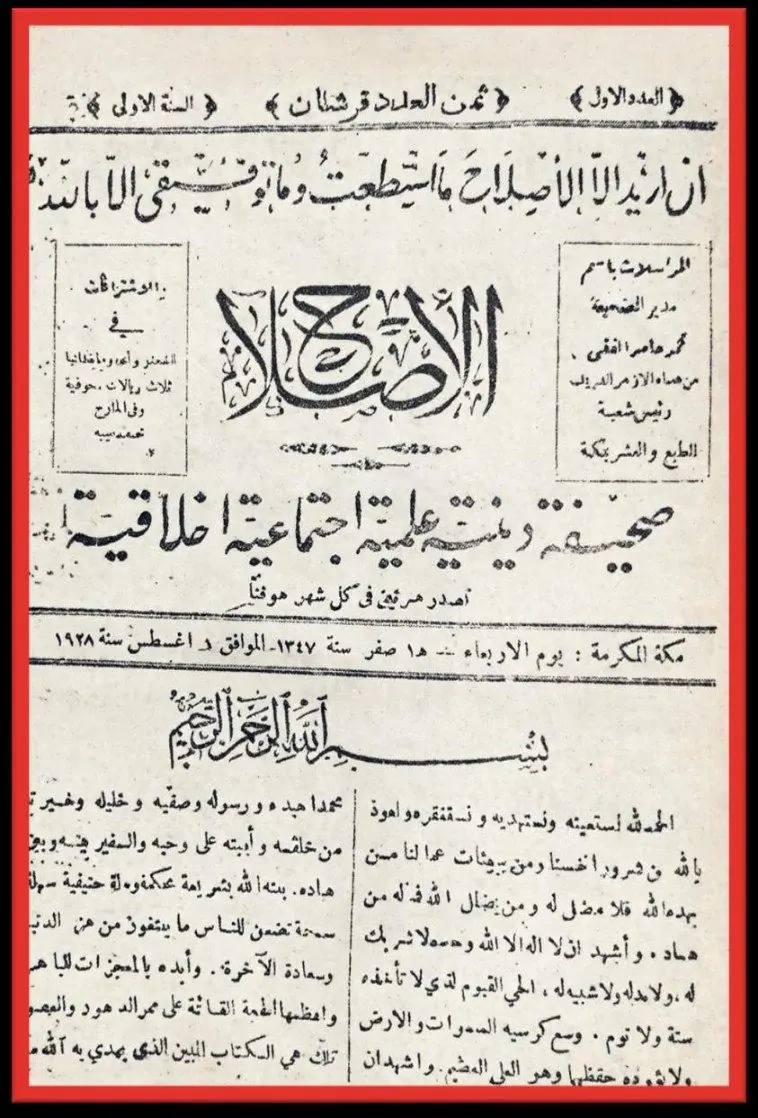
The Newspaper (Al-Islah) Continued
to appear for a few months,
and after the death
of Sayyid Raghib Mustafa Tawakkul, its licence holder, the newspaper ceased publication, the company that issued it was dissolved and the press was sold.
In issue (207) of Umm al-Qura,
published on 2 Rajab 1347 AH,
it was reported that ownership of (the al-Islah Press) had passed to Hajj Muhammad Ali Zainal. It had been managed by Muhammad Ramzi Effendi; then the aforementioned bought it and named it the Eastern Press (al-Matba'a al-Sharqiyya).
The newspaper Safa al-Hijaz resembled al-Islah al-Hijazi in that its owner was of Arab origin. There is not enough information about it in the sources that mention Safa al-Hijaz; perhaps the most important thing written about it is what Muhammad Majid al-Kurdi said, who had the chance to see the newspaper and described it as a daily political, literary and commercial paper. He added that its licence holder, Ahmad Ra'fat al-Iskandarani, intended to issue a weekly supplement for it. Be that as it may, al-Iskandarani was able to publish no more than two weekly issues of his newspaper, the first dated 12-8-1327 AH (29-8-1909 CE) and the second dated 20-8-1327 AH (6-9-1909 CE).
Al-Iskandarani's failure to make his newspaper a daily suggests that his ambition far exceeded the weak printing and editorial means at his disposal.
The Information Available on
the newspaper “Al-Raqib” is very scant. The local writers who wrote about the press in the Hijaz neglected to mention it, and it was referred to only by the Lebanese author Philippe de Tarrazi, who listed its name among the newspapers of Madinah and said that Ibrahim Khattab and Abu Bakr al-Daghistani issued it in January 1909.
Tarrazi adds:
that “Al-Raqib” was a handwritten newspaper reproduced on gelatine, since there were no printing presses in Madinah at the time.
Despite the apparent insignificance of this newspaper,
it has historical importance, for it was the first newspaper founded in Madinah.
This Madinah newspaper is not the one we know, which still exists today.
The First Al-Madinah Newspaper
Modern writers concerned with the press of the Hijaz have likewise been silent about the newspaper “Al-Madinah al-Munawwarah”, but Philippe de Tarrazi listed it among the newspapers of Madinah
and said that Muhammad Ma'mun al-Arzanjani issued it on 16-11-1909 CE.
The First Al-Madinah Newspaper
It was also mentioned by al-Batanuni, who visited Madinah in Dhu al-Hijjah 1327 AH / January 1910 CE in the company of Khedive Abbas, saying:
“In Madinah there is a newspaper called
(Al-Madinah al-Munawwarah), published in Turkish and Arabic at the Vilayet Press whenever there is occasion for it to appear; its director is the learned Sheikh Muhammad Ma'mun.
The First Al-Madinah Newspaper
It was published throughout His Highness's stay there,
recounting his daily movements
and publishing all the eulogies, in verse and prose, presented to His Highness.
Among what I saw in it was a poem by its director congratulating His Highness on his arrival, which opens:
The full moon has risen on the horizon of glory, and the star of fortune has shone in bringing him joy.”
The First Al-Madinah Newspaper
Despite the importance of the information given by both Tarrazi and al-Batanuni about the newspapers “Al-Raqib” and “Al-Madinah al-Munawwarah”,
there is nothing in this information
to indicate their journalistic or literary value,
nor anything showing their policy or the extent of their circulation.
It seems that primitive printing methods were largely responsible for their disappearance from libraries
and for the scarcity of what is known about them.
A Newspaper Was Published in Madinah Called
(Al-Madinah al-Munawwarah), published in Turkish and Arabic at the Vilayet Press whenever there was occasion for it to appear; its director was the learned Sheikh Muhammad Ma'mun. It was published throughout His Highness's stay there, recounting his daily movements and publishing all the eulogies, in verse and prose, presented to His Highness.
Despite the Importance of the Information Given by Both
Tarrazi and al-Batanuni
about the newspapers
“Al-Raqib” and “Al-Madinah al-Munawwarah”,
there is nothing in this information to indicate their journalistic or literary value, nor anything showing their policy or the extent of their circulation.
It seems that primitive printing methods were largely responsible for their disappearance from libraries
and for the scarcity of what is known about them.
References and Sources: Saudi Wikipedia
Wikipedia, the free encyclopedia
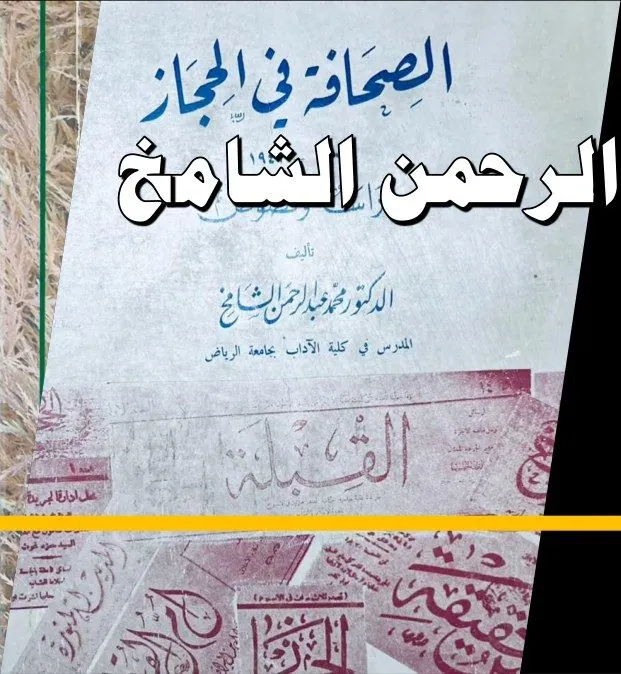
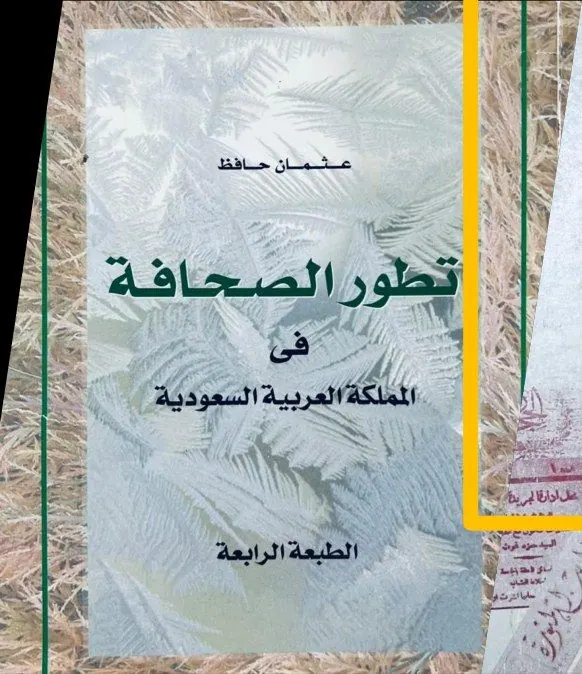
Tarajim website; the book Tatawwur al-Sahafa (The Development of the Press) by Othman Hafiz; the book al-Sahafa fi al-Hijaz (The Press in the Hijaz) by Muhammad Abdulrahman al-Shamikh; Saudi newspapers; the Google search engine
Prepared and designed by Siraj Hussain Fathi. Download the full file as PDF