
The Journey of Journalism in the Hijaz (2): The Press in the Hashemite Era
The second installment: the newspapers of the Hashemite era — al-Qibla, al-Falah, Jarwal al-Zira'iyya and Barid al-Hijaz — their founders and the circumstances of their publication.
The Press in the Hashemite Era
| Newspaper | Founder | Managing Director | Date of Publication |
|---|---|---|---|
| Al-Qibla newspaper | Sharif Husayn | Muhibb al-Din al-Khatib | 1334 AH / 1916 CE |
| Al-Hijaz | Official | Hamza Ghawth | 1334 AH / 1916 CE |
| Al-Falah newspaper | Omar Shakir | 1338 AH / 1920 CE | |
| Jarwal al-Zira'iyya (agricultural paper) | Students of the school | Hashim al-Ma'arri | 1338 AH / 1920 CE |
| Barid al-Hijaz newspaper | Muhammad Salih Nasif | 1343 AH / 1924 CE |
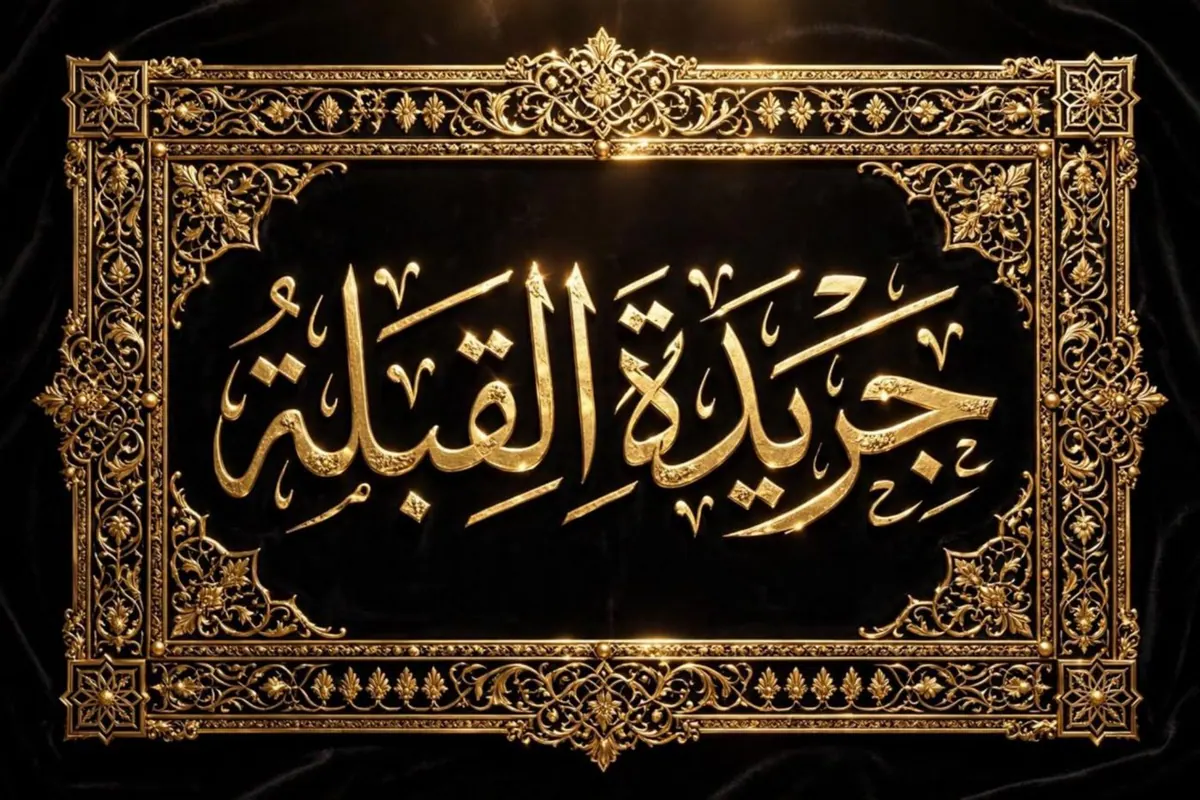
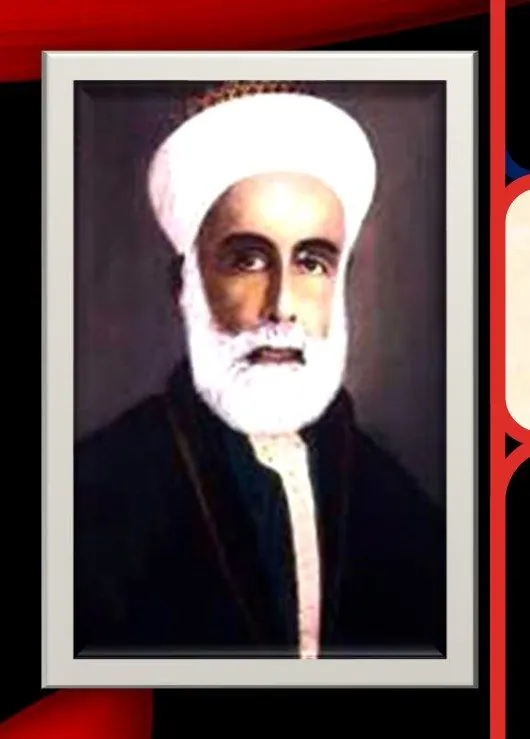
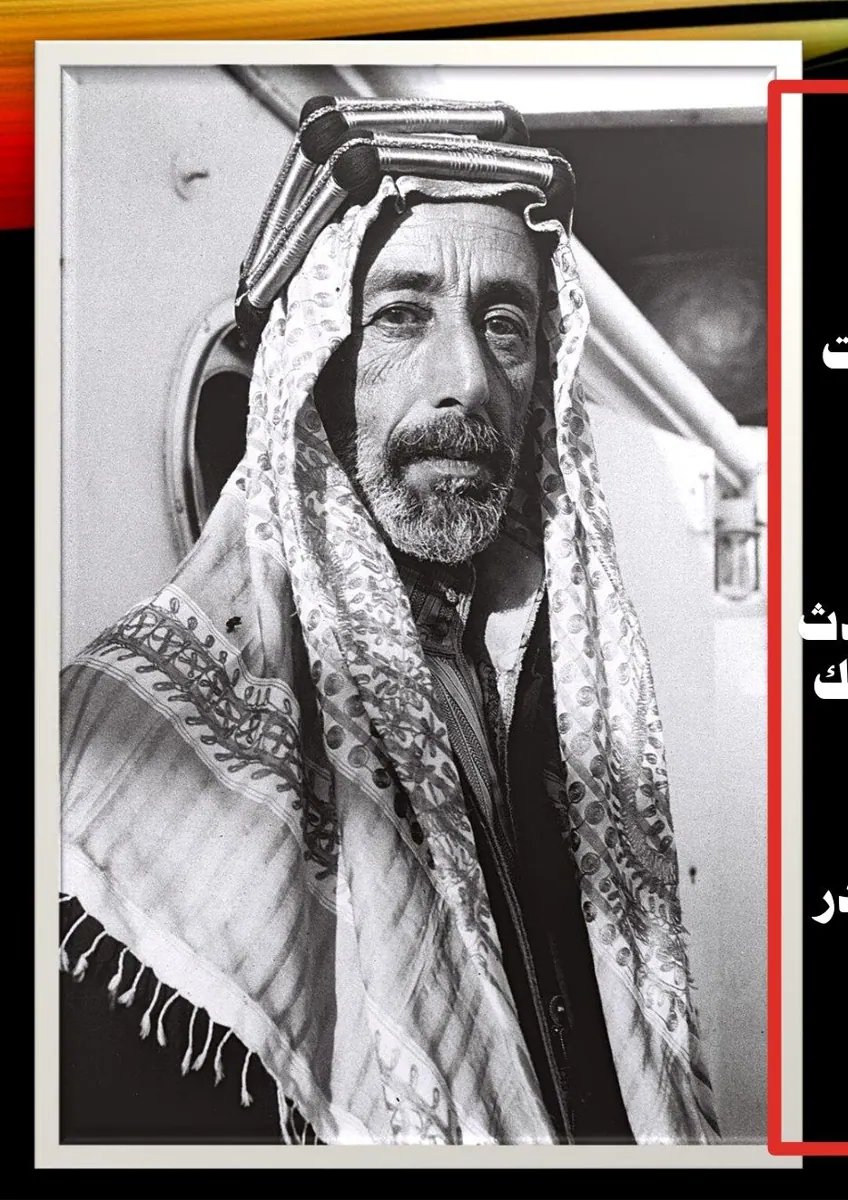
It was issued by Sharif Husayn from Makkah
at the time he declared his revolt against the Ottoman Sultanate, in what later came to be called the Great Arab Revolt. It was edited by the Damascene Sheikh Muhibb al-Din al-Khatib, who was then succeeded by Husayn al-Sabban — Husayn al-Sabban, whom Sharif Husayn had summoned to the Hijaz to edit the newspaper “Al-Qibla”, which incited revolt against the Ottomans.
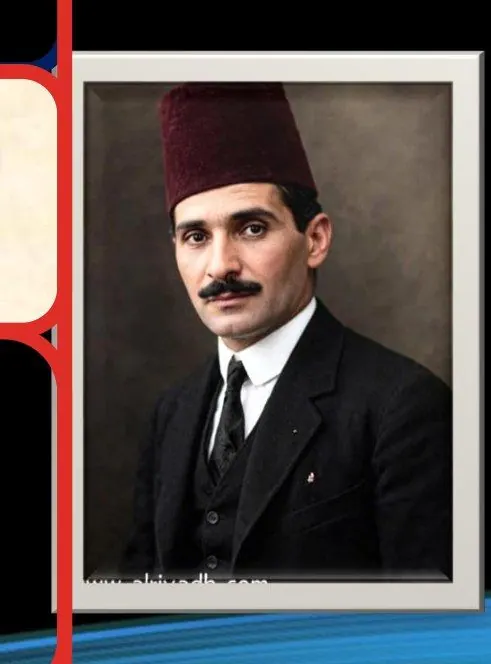
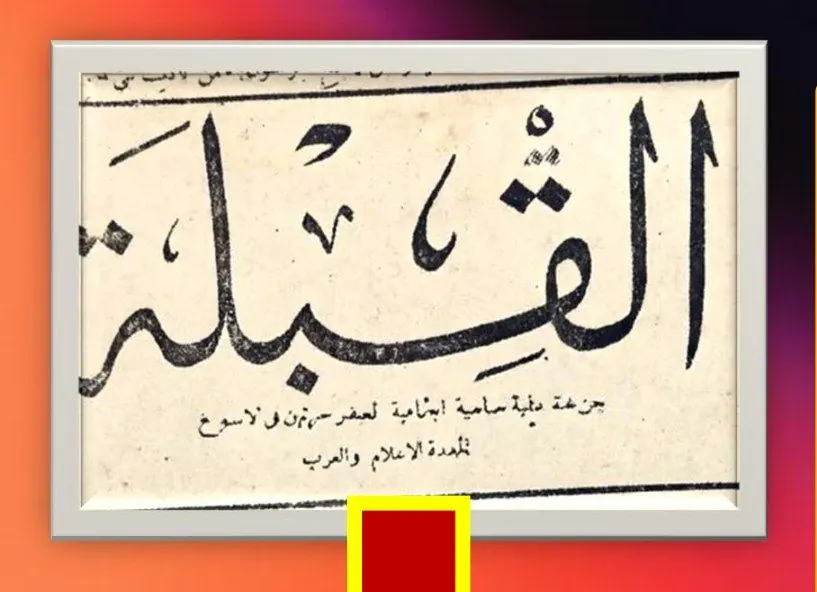
Al-Qibla was the official newspaper
of the Hashemite Kingdom of the Hijaz. It was published in Makkah from August 1916, corresponding to 15 Shawwal 1334 AH, until 1924 CE. It appeared weekly on Mondays and Thursdays and was printed at the Hashemite Amiri government press located in Ajyad in Makkah.
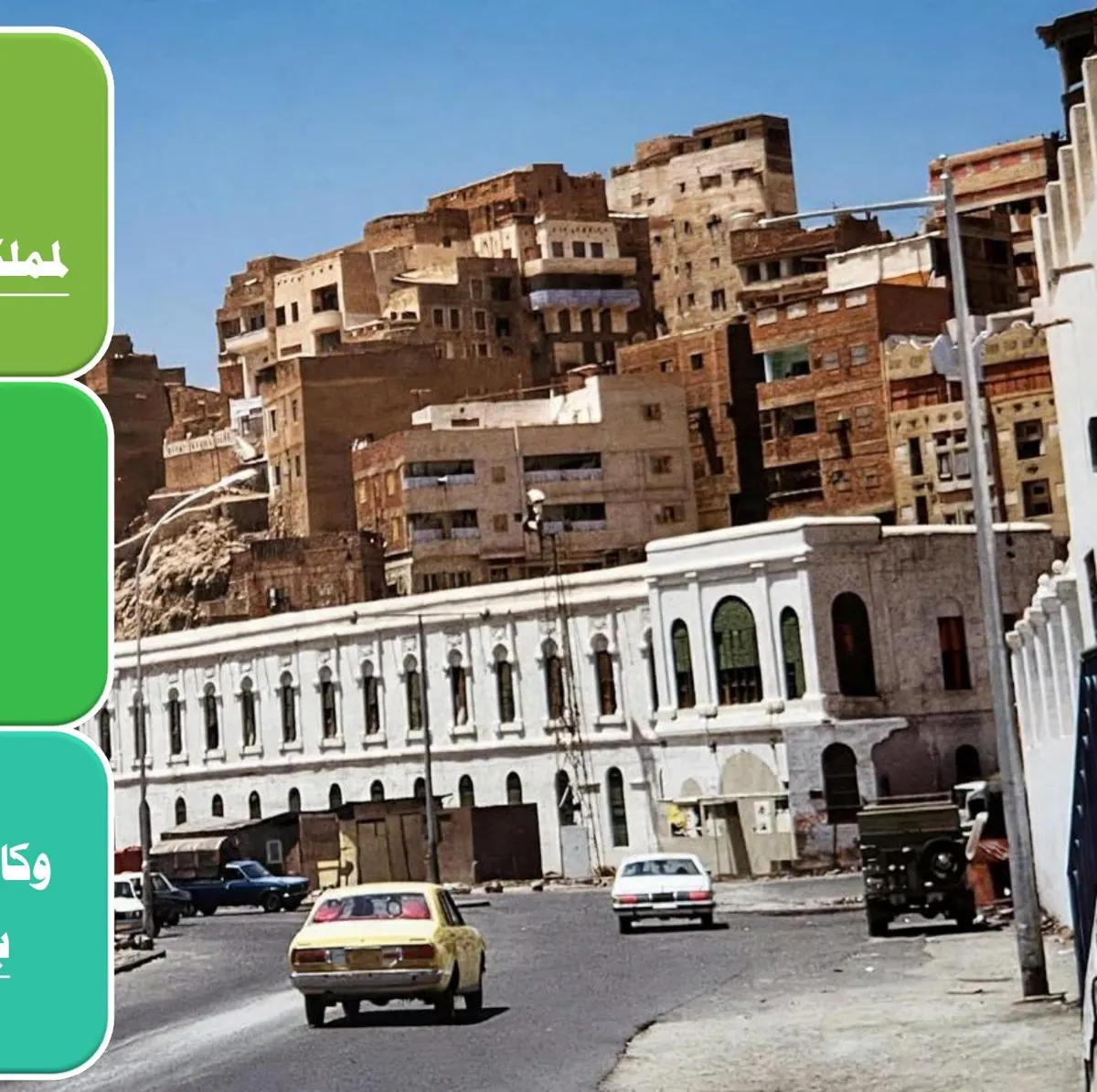
After the entry of
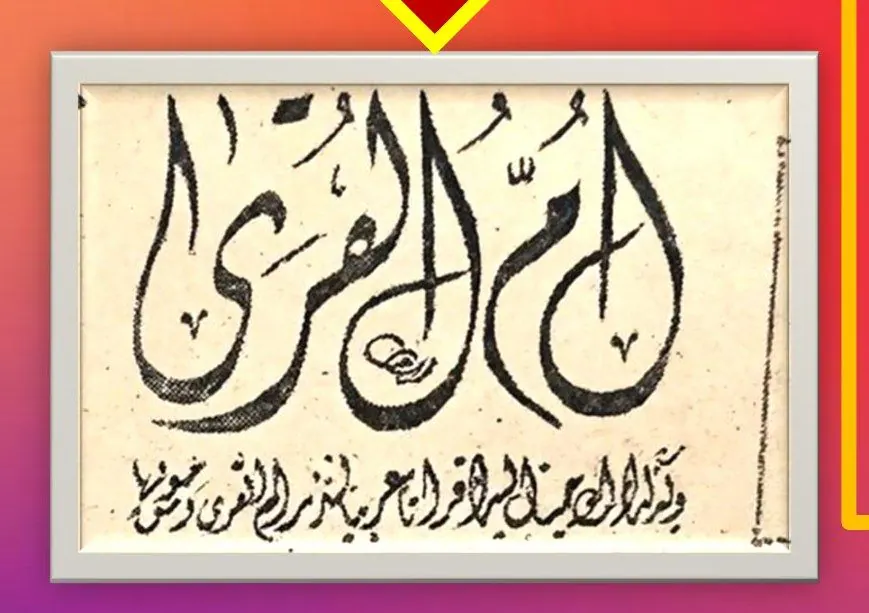
Abdulaziz ibn Abdulrahman Al Saud, founder of the Kingdom of Saudi Arabia, into the Hijaz,
Al-Qibla was replaced by the newspaper Umm al-Qura. Al-Qibla ceased publication after its final issue in September 1924 CE, having published a total of 852 issues during its lifetime.
Its founding: the newspaper was first founded in Damascus
on 31 October 1919 CE, but Omar Shakir managed to escape to Makkah, where he resumed publishing his newspaper;
it appeared on 24/12/1338 AH (8/9/1920 CE), and its founder regarded the year of its publication in Makkah as its second year.
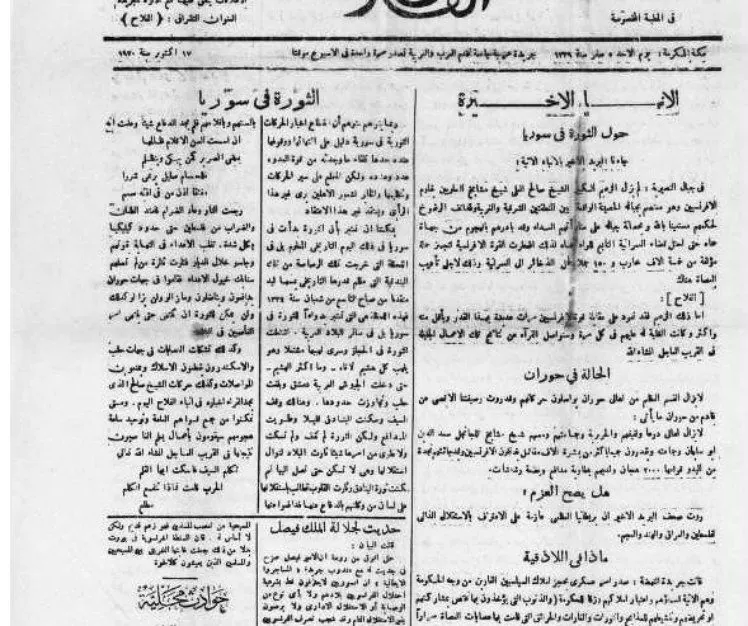
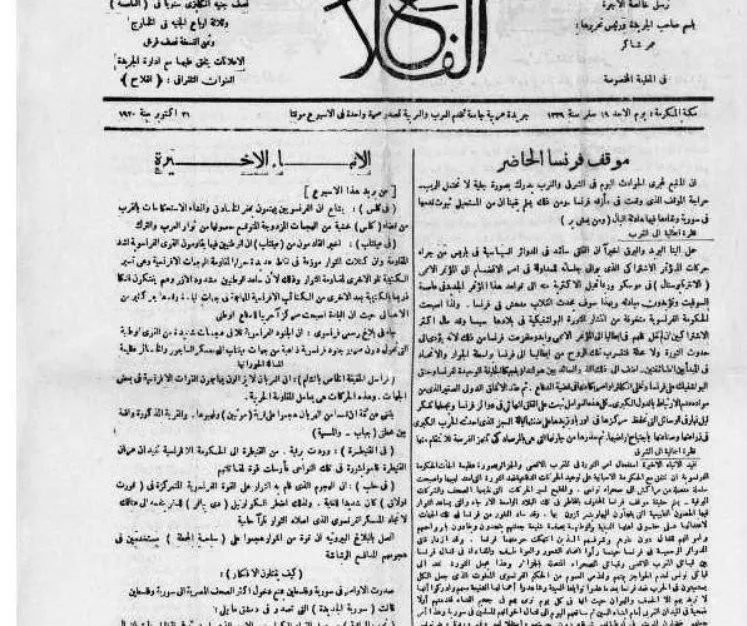
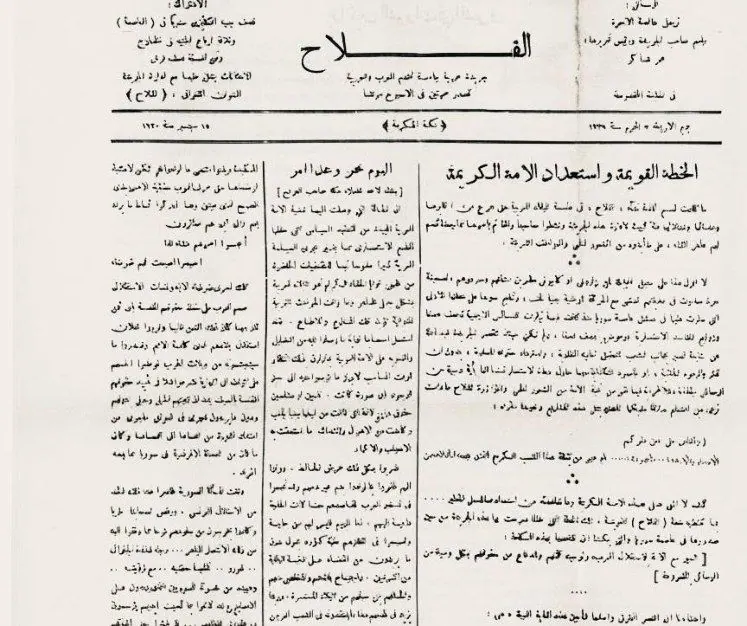
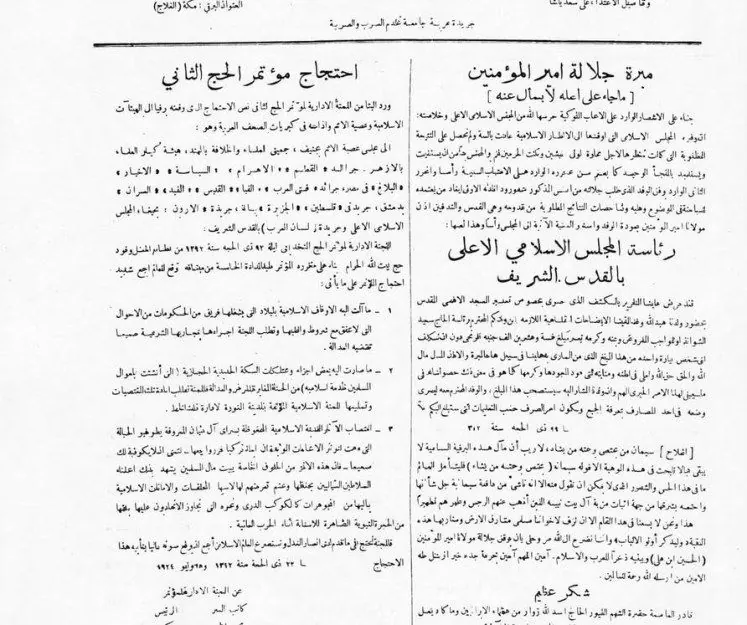
Its make-up: Al-Falah consisted of four large pages, and at first it appeared twice a week,
but it became a weekly after 17 October 1920,
and the issues of its second year state that the newspaper was printed at its own private press.
The newspaper was described as:
“A comprehensive Arab newspaper serving the Arabs and the Arabic language.”
Its motto was “Hasten to success (Hayya ala al-falah)”,
and its aim was to work for the independence of the Arab lands and to defend their rights.
In its first year in Makkah, Al-Falah was shaped by the personality of its editor, who — as described by the Director of Health in the Hashemite government in Jeddah — was “outspoken and excessive in his impetuosity”, so its articles were marked by fervour and emotional appeal.
It devoted itself to serving the Syrian cause; then its interest in the affairs of the Hijaz grew little by little until it came to resemble Al-Qibla.
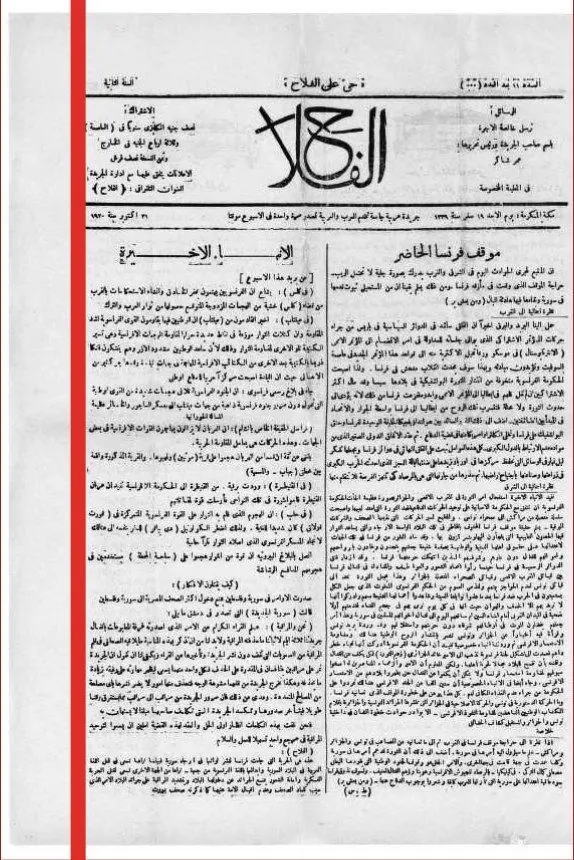
It had set aside part of its pages for news, publishing dispatches attributed to its correspondents and reporters. Its content was varied: it did not confine itself to political articles but also published social and scientific articles and humorous material,
and it was keen to publish
illustrative photographs.
Its only literary contribution, it seems,
is that its political and social articles were written in a moving literary style;
its editorial style resembles that of Al-Qibla in its brilliance and clarity, and in being strongly influenced by eloquent literary modes of expression.
Its pages were not a forum where writers' pens came together, since its chief himself wrote most of its material, apart from a few contributions by local writers.
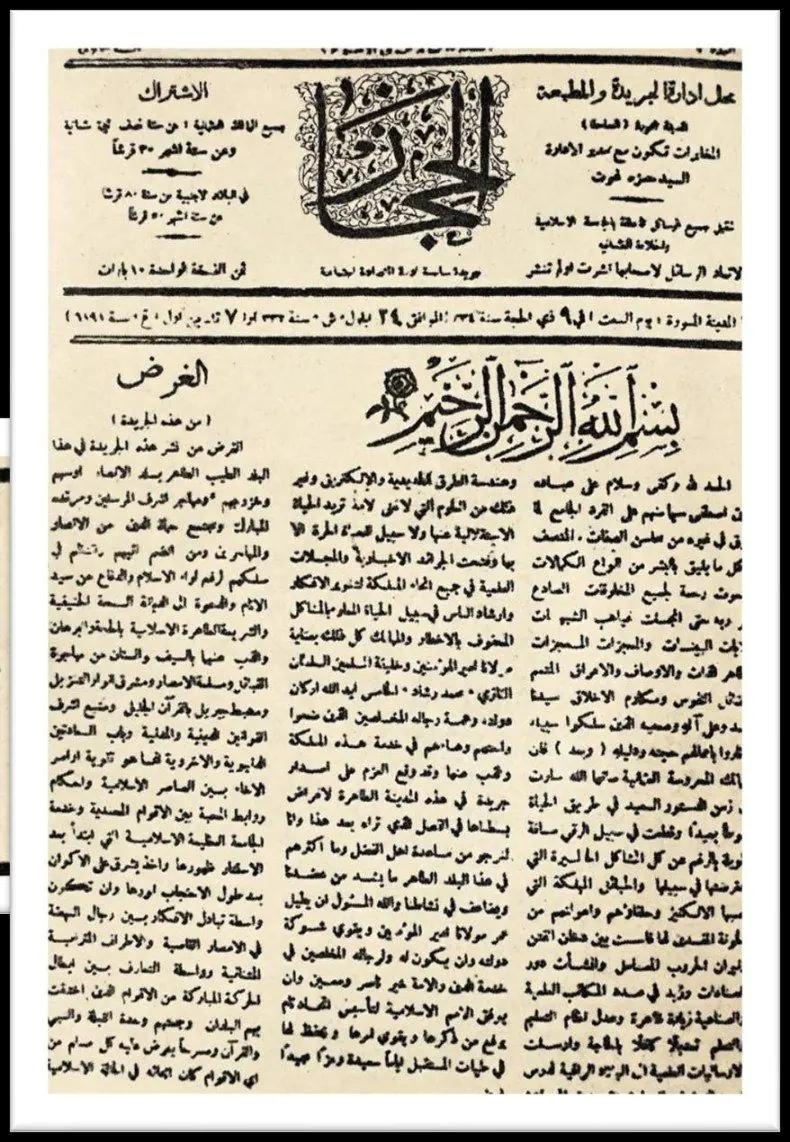
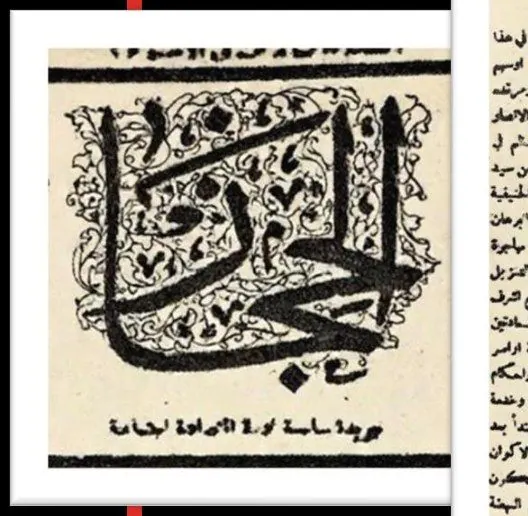
The newspaper Al-Hijaz was published
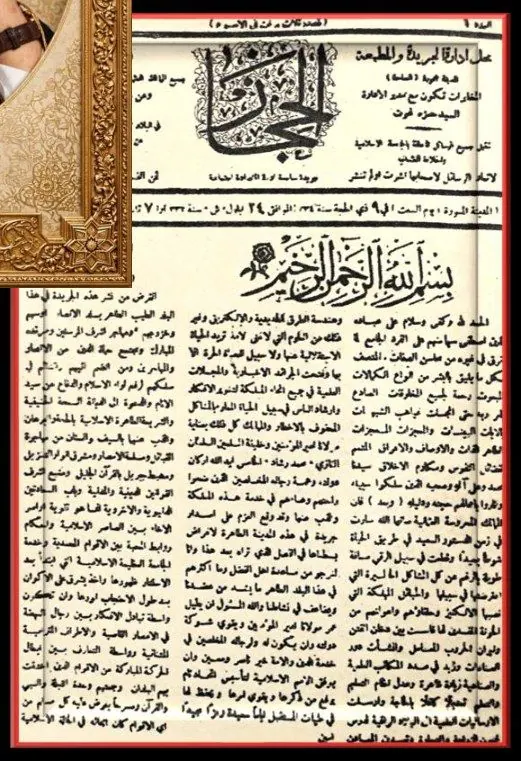
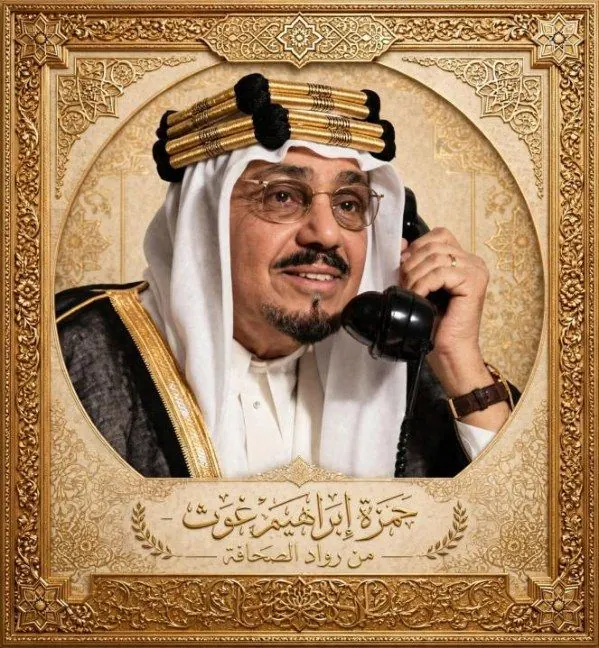
in 1334 AH (1916 CE). It was the first daily political, literary, economic and social newspaper published in Madinah, and its editor-in-chief was Ustadh Hamza Ghawth.
The Newspaper's Policy
Al-Hijaz was a government newspaper speaking for the Ottoman government. It was published after King Husayn's uprising in Makkah..
and his declaration of the independence of the Hijaz from the Ottoman state.
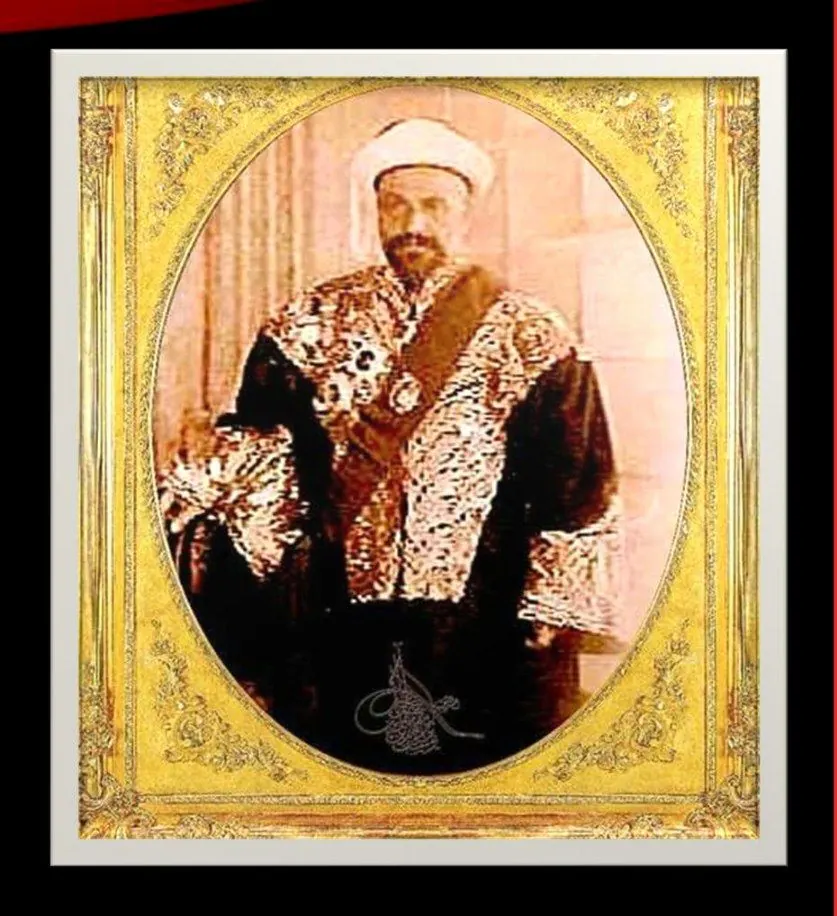
The Ottoman government had appointed Sharif (Ali Haidar Pasha) of the Al Zaid family as Emir of Makkah in place of King Husayn, and Sharif Ali Haidar made Madinah his seat,
being unable to reach
Makkah.. The newspaper Al-Hijaz was kept going in Madinah to support this policy.
Al-Hijaz was published in Madinah at the end of the Ottoman era on 9-12-1334 AH, corresponding to 7-10-1916 CE.
Issue 28 indicates that this newspaper was political, literary,
economic and social, and that it appeared three times a week,
while issue 98 indicates that the newspaper appeared every morning except Friday.
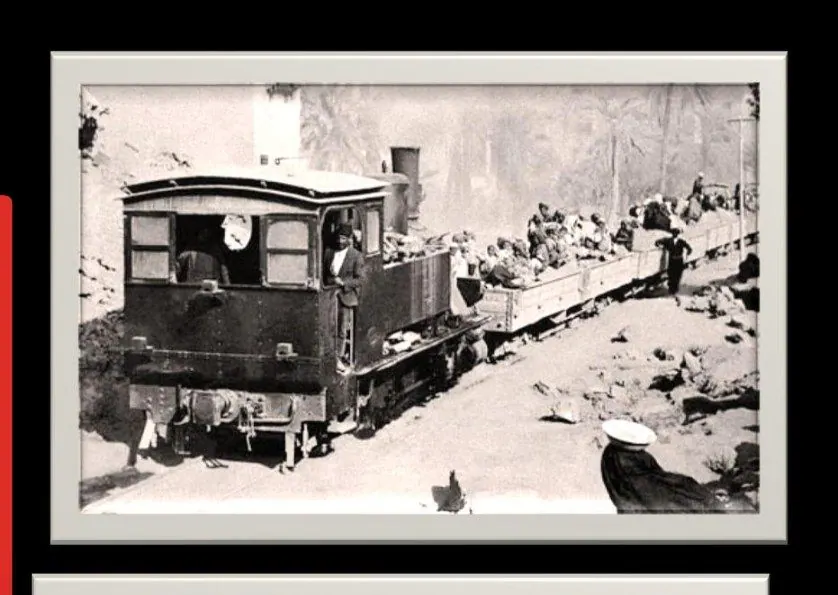
The newspaper (Al-Hijaz) was printed at the Hijaz Press, which the Ottoman government brought from Damascus on (the Hijaz Railway) specifically to print the newspaper.
This press had arrived in Madinah together with (Badr al-Din al-Na'sani), who had been delegated to edit it.
The press was returned to Damascus in 1335 AH on the Hijaz Railway, together with Badr al-Din al-Na'sani, after the newspaper ceased publication.
The paper on which issue 28 was printed
was ordinary paper — newsprint —
and its size was small, 38 × 60 centimetres.
The issue appeared in four pages, each page set in three columns. Issue 98, however, was printed on extremely poor and transparent paper,
and appeared on only two pages, the first and the last; nothing was printed on the second and third pages because the paper was so poor and thin. Its size was 34 × 48 centimetres.
Issue 105 may have been the last issue of (Al-Hijaz),
because this issue is dated 1 Jumada al-Akhirah 1335 AH — and by that date Madinah had been emptied of its inhabitants, with only soldiers and farmers remaining. Moreover, all the historians who have spoken of Al-Hijaz say that it continued to appear for six months and then stopped.
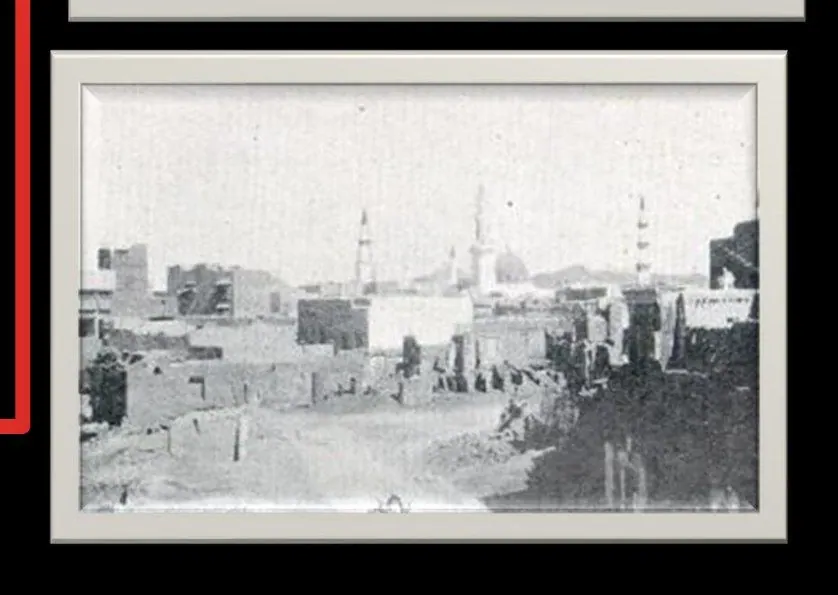
Khair al-Din al-Zirikli says in al-A'lam
that during the First World War the Ottoman military authorities entrusted Badr al-Din al-Na'sani with publishing the newspaper (Al-Hijaz) in Madinah; he went there and published the newspaper for six months, then returned to Damascus and later settled in Aleppo as editor of its official gazette.
The course of political events
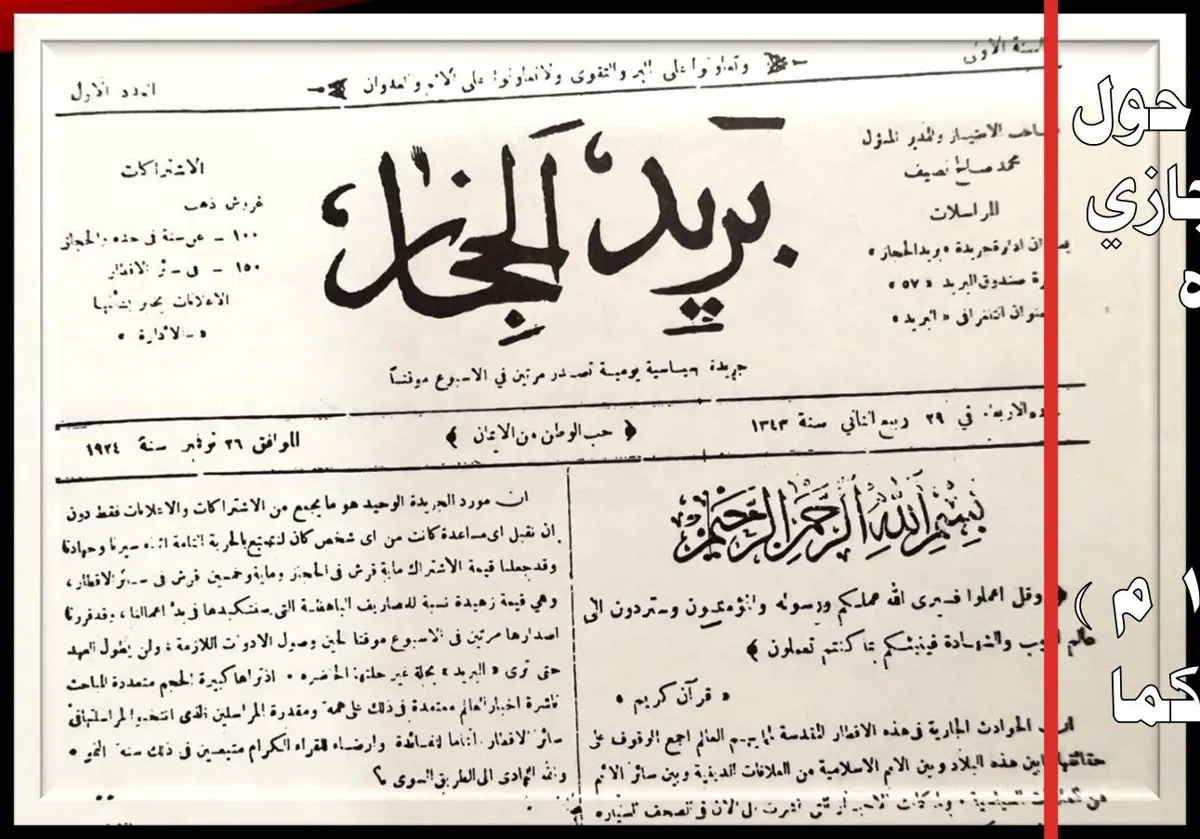
in the Hijaz at the end of 1924 led to a break in the Hijazi press lasting about two months. But the Hijazi National Party, which emerged in Jeddah in the wake of these political events, issued the newspaper “Barid al-Hijaz”
on 29-4-1343 AH (26-11-1924 CE)
to be its mouthpiece and — as the newspaper put it — “a source from which the news of this country may be drawn”.
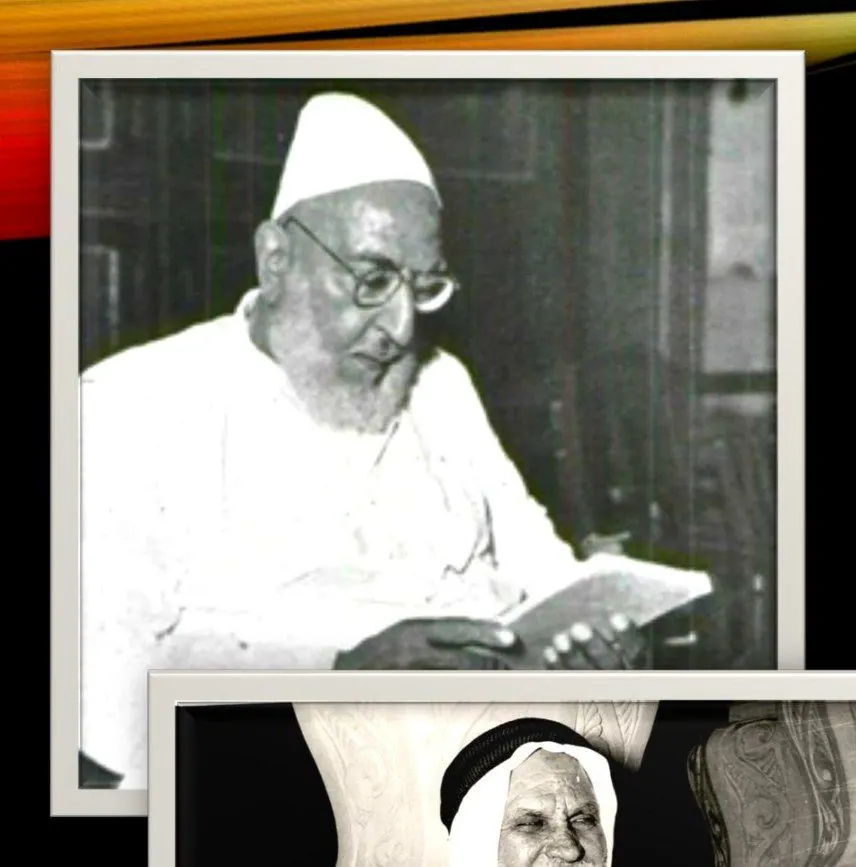
Muhammad Salih Nasif
was the licence holder and responsible director of Barid al-Hijaz, and al-Tayyib al-Sasi, formerly an editor at Al-Qibla, was its editor-in-chief.
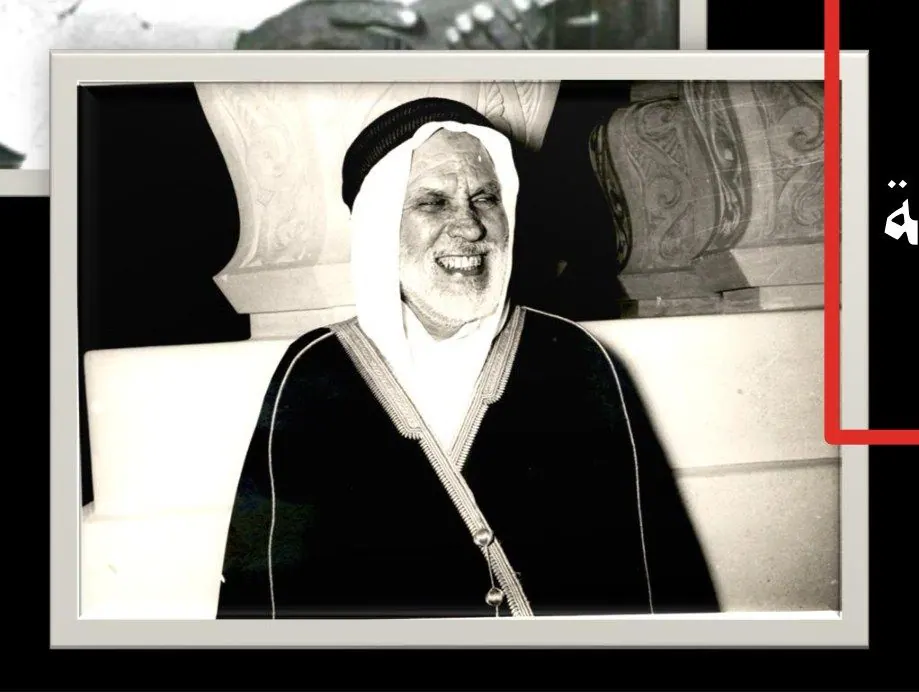
“Barid al-Hijaz” appeared twice a week and consisted of four small pages,
printed at the Eastern Press in Jeddah. As the newspaper suffered from weak printing and editorial means,
it published only 54 issues in its first year and two issues in its second. In the editorial of the first issue of its second year, the editor apologised for the irregularity of the newspaper's publication dates and promised readers to remedy this in coming issues, but the newspaper did not live long after that,
for it was suspended less than two weeks later, when King Ali abdicated the throne and left Jeddah on 6-6-1344 AH (22-12-1925 CE).
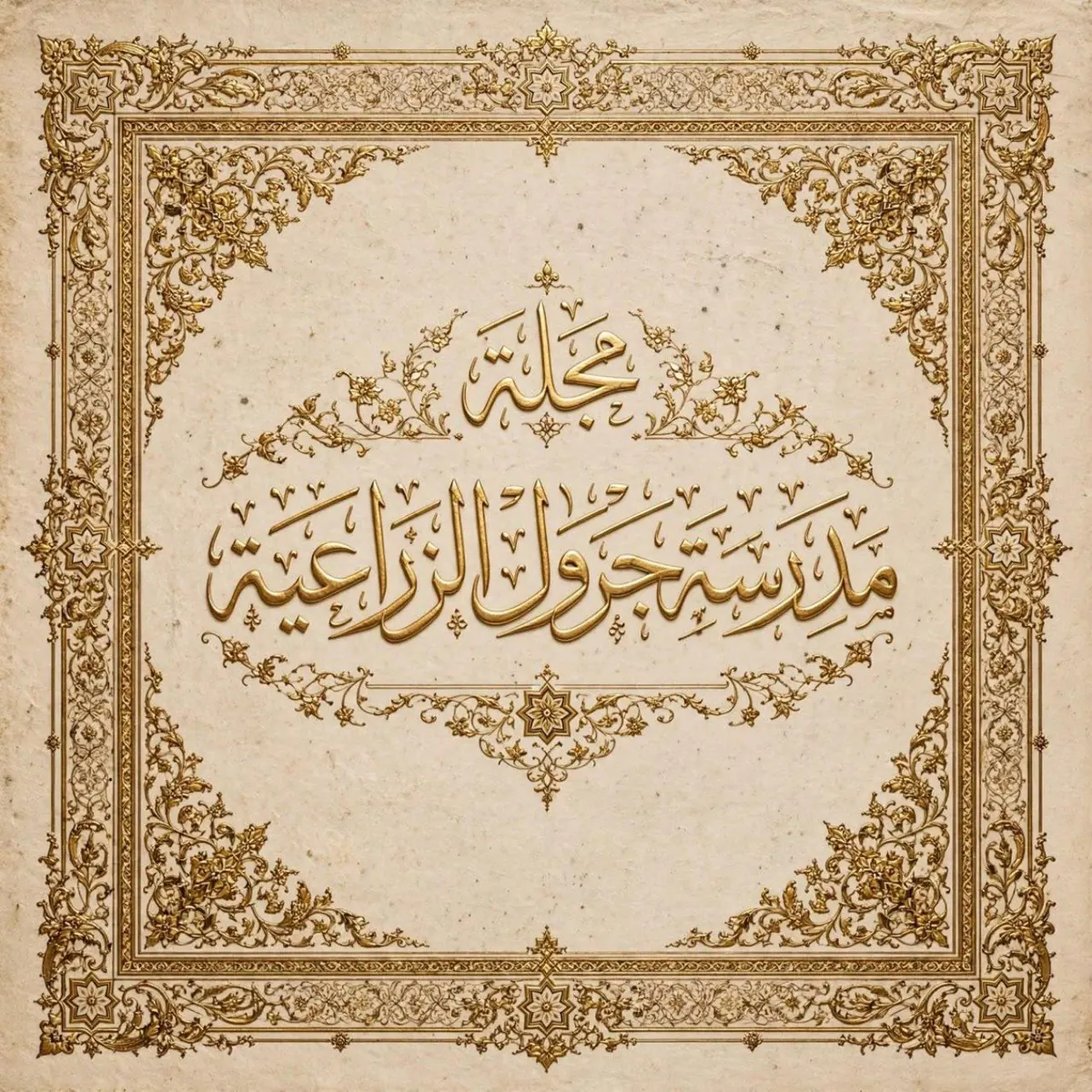
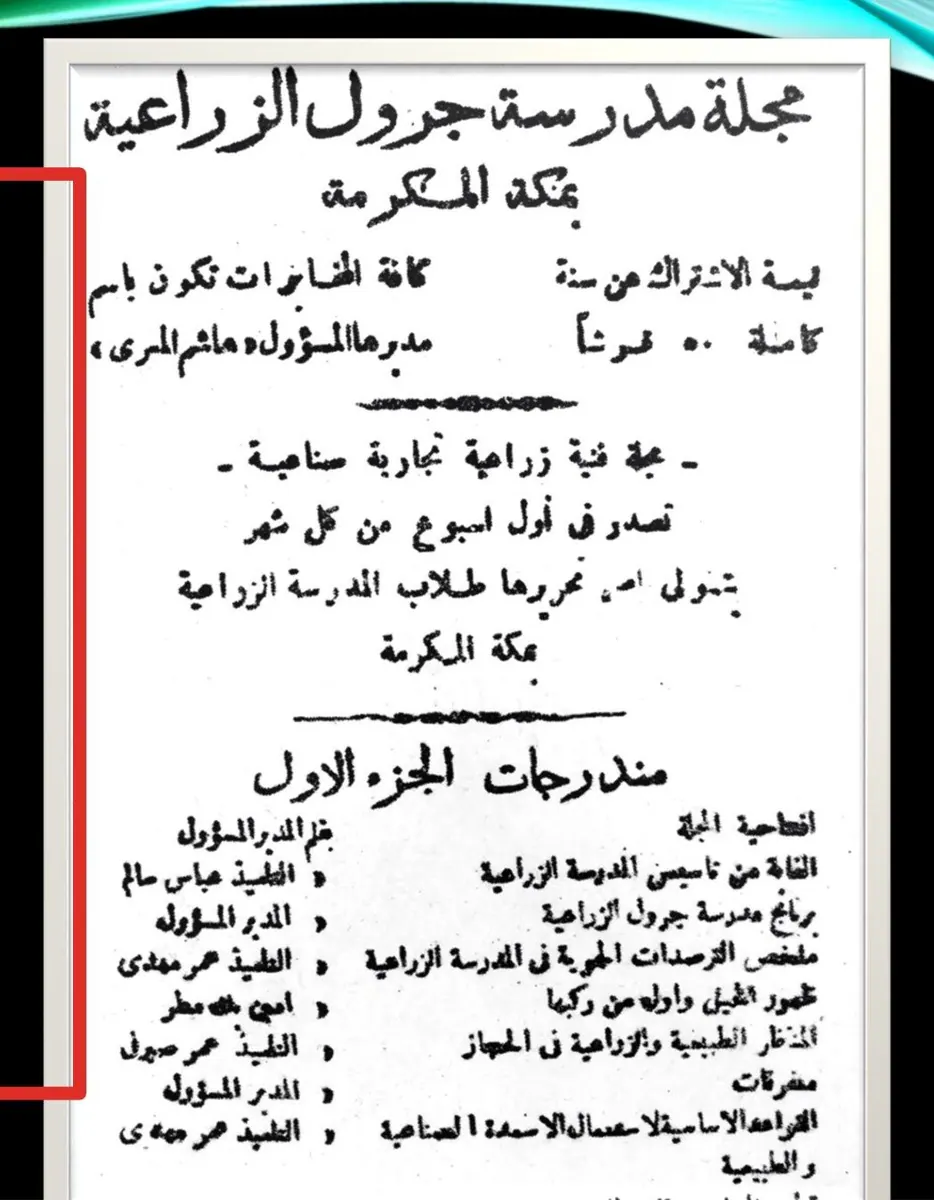
At the beginning of Rajab 1338 AH (21 March 1920 CE)
there appeared in Makkah
this magazine, considered the first magazine to appear in the Hijaz.
It was “a technical, agricultural, commercial and industrial magazine, published in the first week of every month”.
The first issue of the magazine consisted
of 30 pages, while the second and third issues consisted of 32 pages each.
The magazine seems not to have lasted long, for it ceased publication — as Rushdi Malhas said — after its third issue⁽¹⁾.
References and Sources: Saudi Wikipedia
Wikipedia, the free encyclopedia
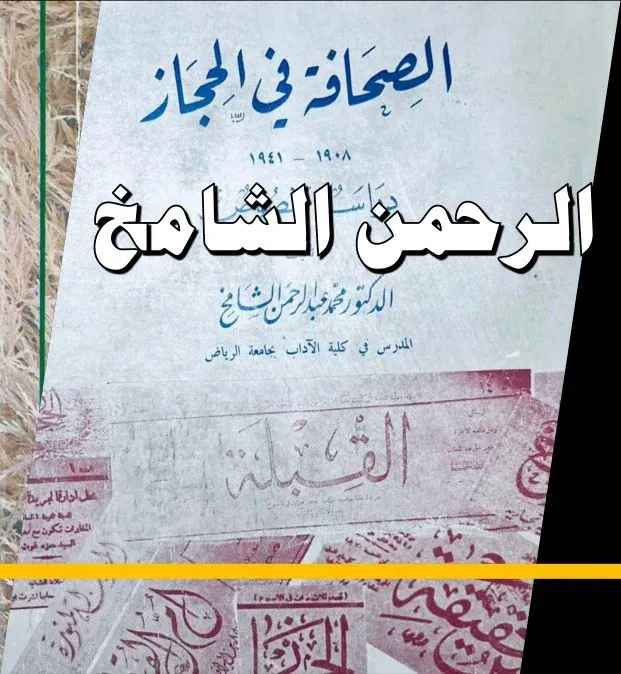
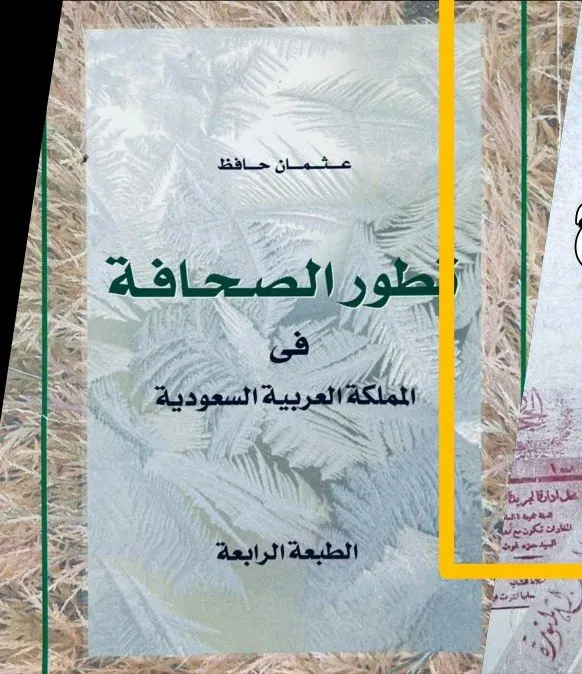
Tarajim website; the book Tatawwur al-Sahafa (The Development of the Press) by Othman Hafiz; the book al-Sahafa fi al-Hijaz (The Press in the Hijaz) by Muhammad Abdulrahman al-Shamikh; Saudi newspapers; the Google search engine
Prepared and designed by Siraj Hussain Fathi. Download the full file as PDF