
The Course of Journalism in the Hijaz (3): The Press at the Beginning of the Saudi Era
Part three: from Barid al-Hijaz and Sawt al-Hijaz to Al-Manhal, Al-Madinah al-Munawwarah, Arafat, Al-Adwa', Hira', Al-Nadwa, Quraysh and Al-Ra'id.
The Course of Journalism at the Beginning of the Saudi Era
| Newspaper | Founder, Director and Editor | Date of First Issue | Fate |
|---|---|---|---|
| Barid al-Hijaz newspaper | Muhammad Salih Nasif | 1343 AH / 1924 | Ceased publication |
| Sawt al-Hijaz newspaper | Muhammad Salih Nasif | 1350 AH / 1932 | Became Al-Bilad newspaper |
| Al-Manhal magazine | Abdulquddus al-Ansari | 1355 AH / 1936 | |
| Al-Madinah al-Munawwarah newspaper | Ali and Othman Hafiz | 1356 AH / 1937 | |
| Al-Adwa' newspaper | Abdulfattah Abu Madyan, Muhammad Said Ba'ashen and Muhammad Amin Yahya | 1376 AH / 1957 | Ceased 1378 AH |
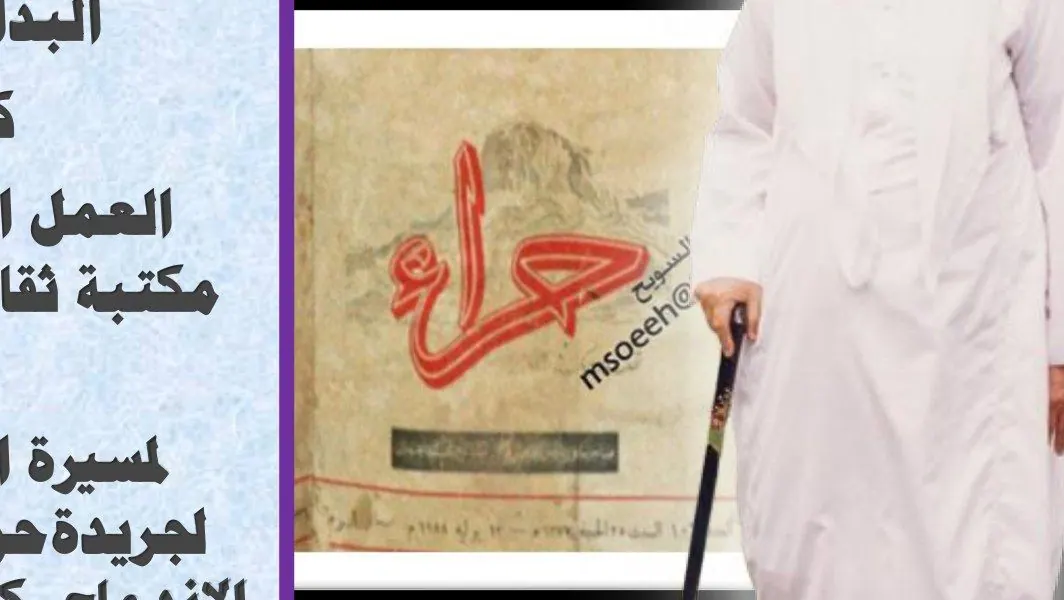
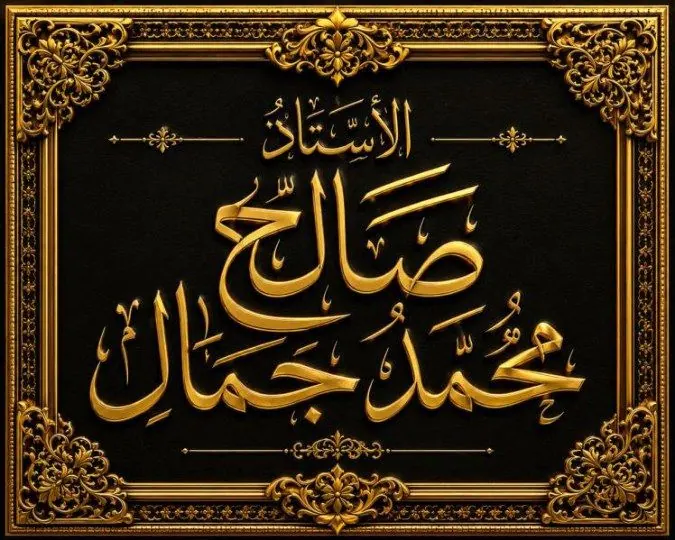
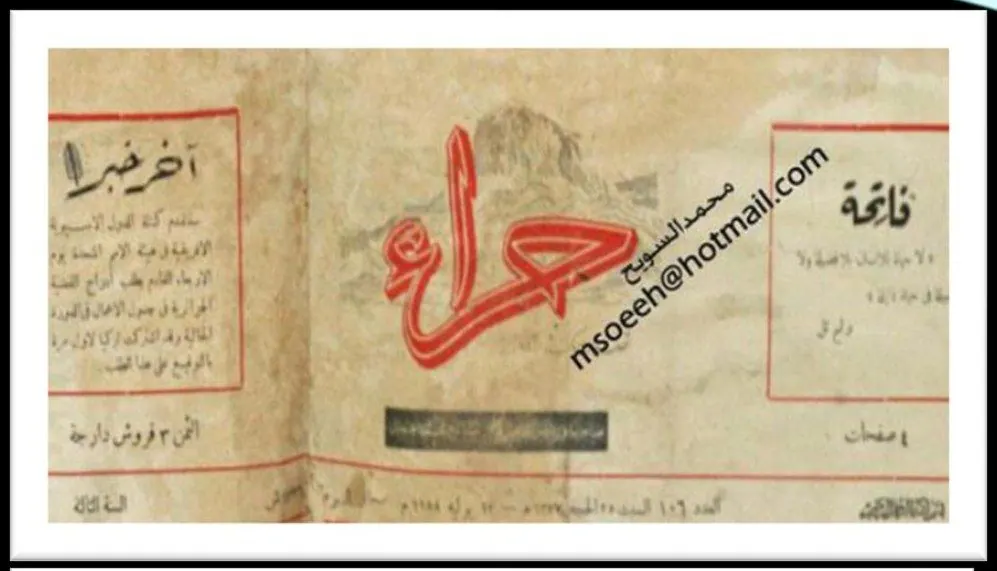
| Hira' newspaper | Salih Muhammad Jamal | 1377 AH / 1957 | Merged with Al-Nadwa |
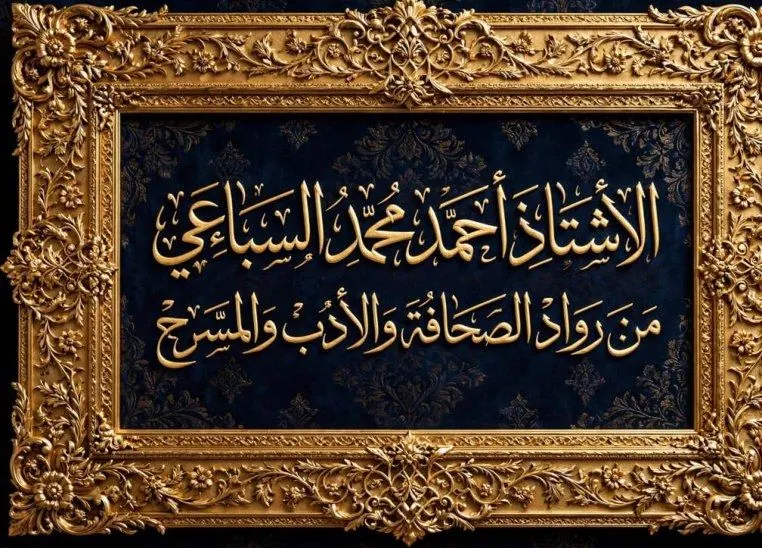
| Al-Nadwa newspaper | Ahmad al-Sibai | 1378 AH / 1958 | Became Makkah newspaper |
| Quraysh magazine | Ahmad al-Sibai | 1379 AH / 1959 | Ceased publication |
| Al-Ra'id newspaper | Abdulfattah Abu Madyan | 1379 AH / 1959 | Ceased 1383 AH / 1963 |
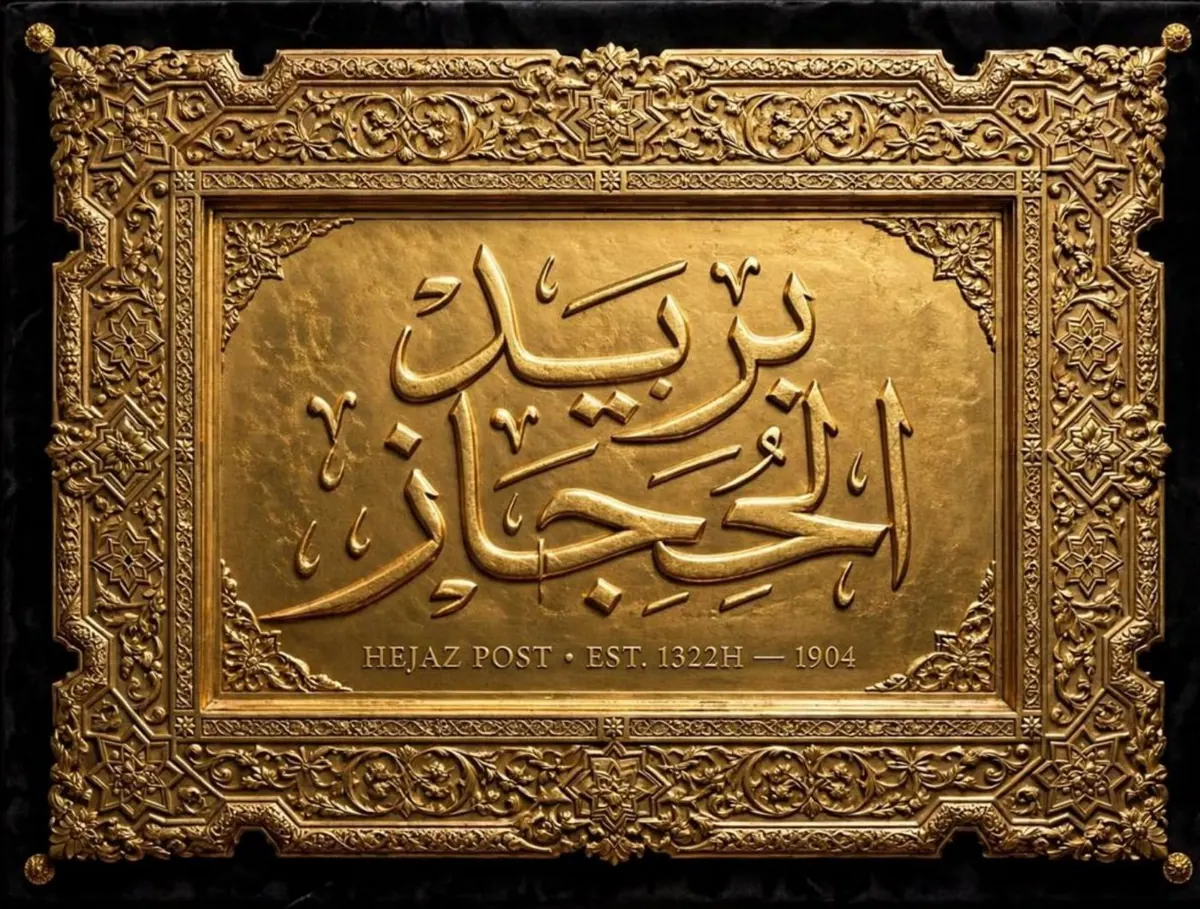
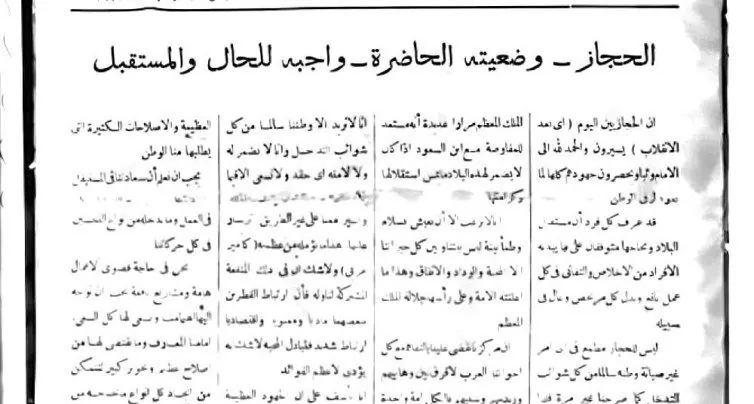
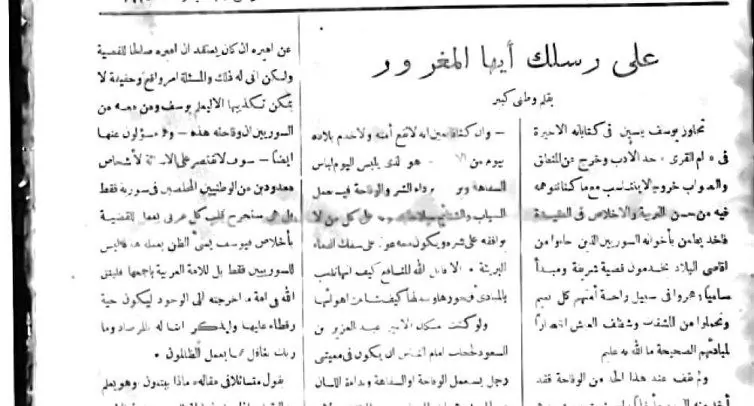
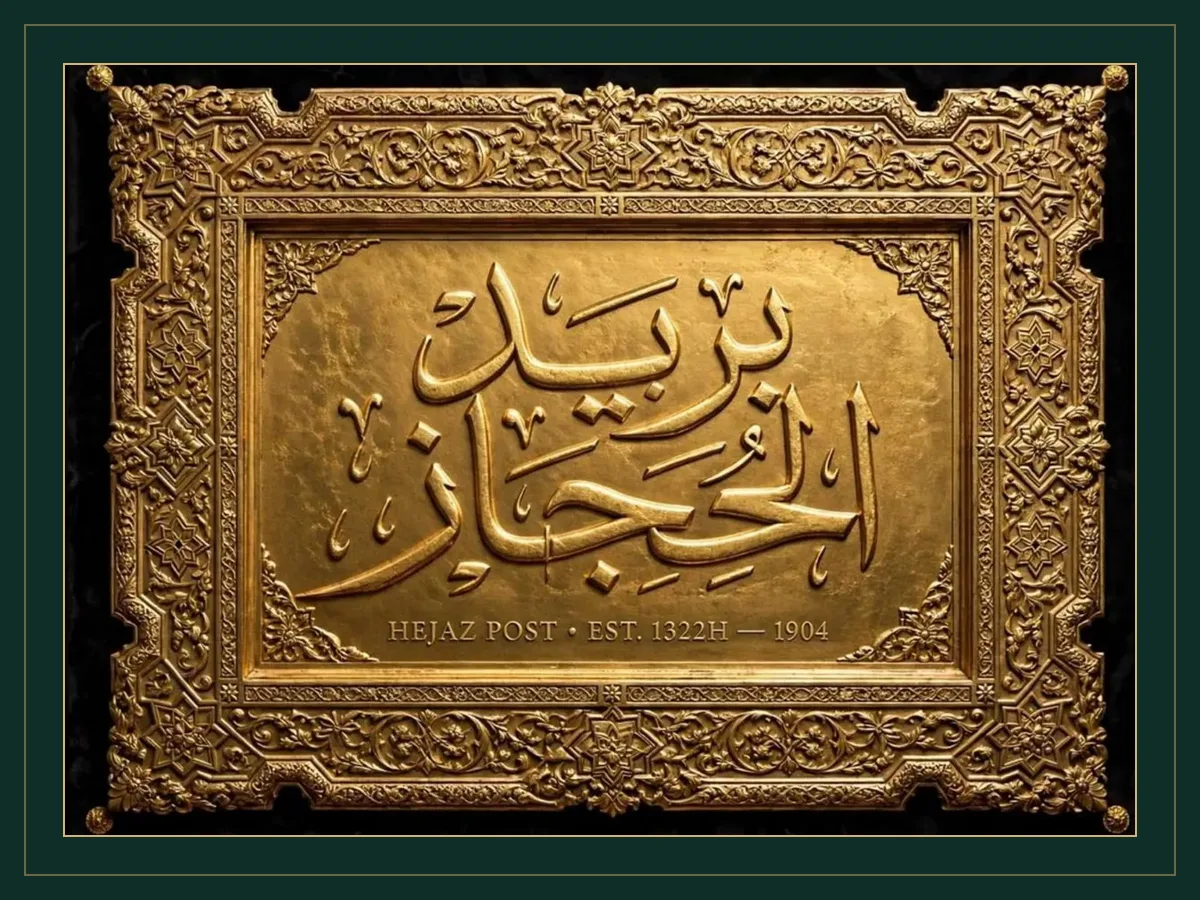
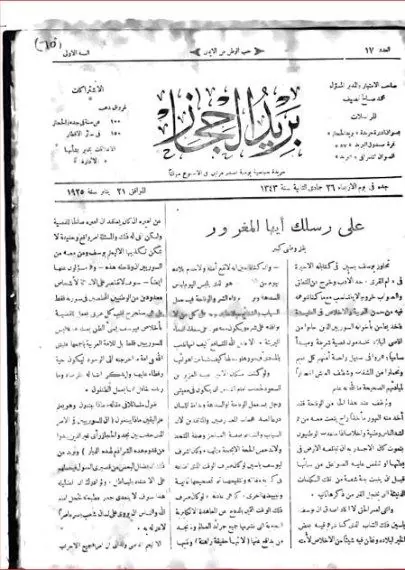
Barid al-Hijaz
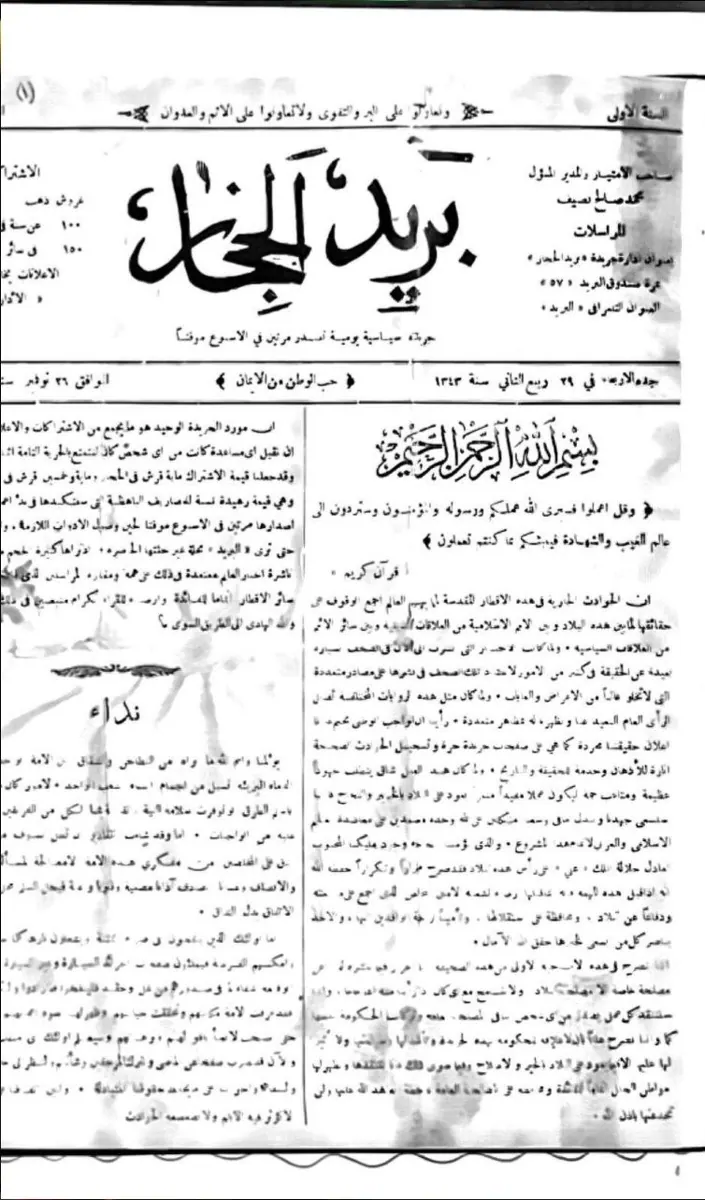
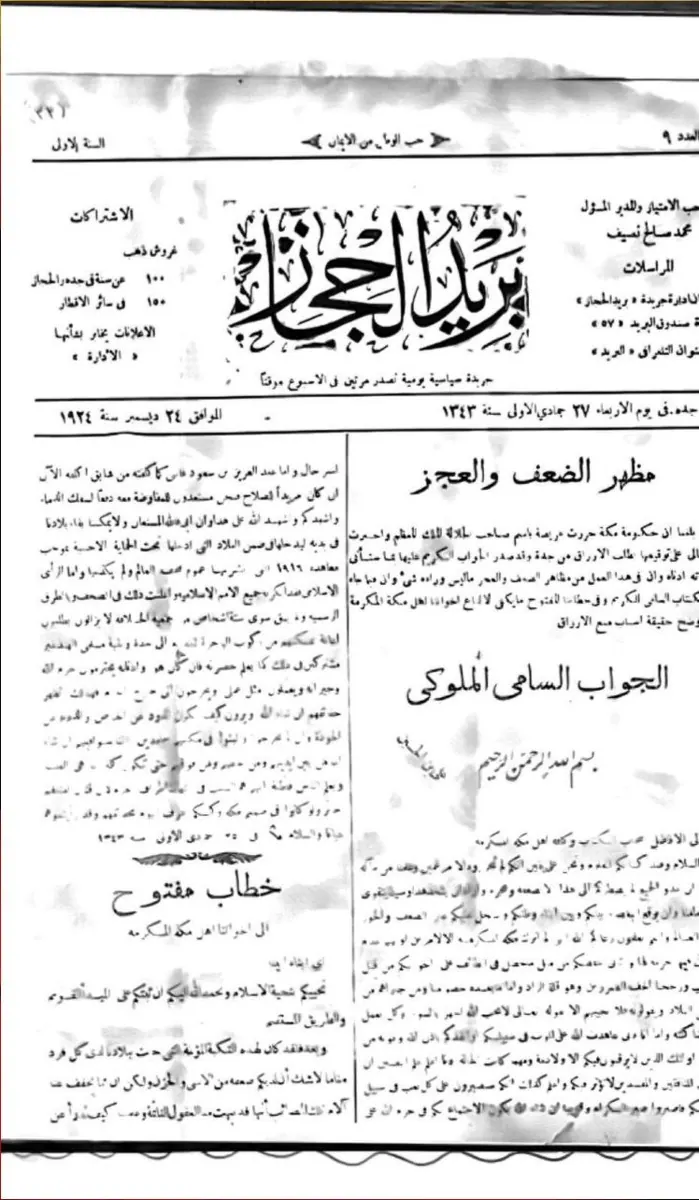
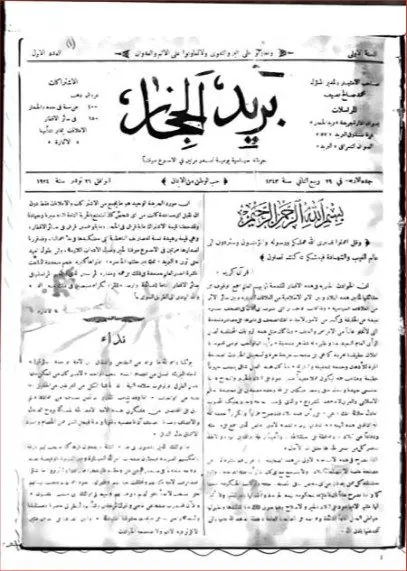
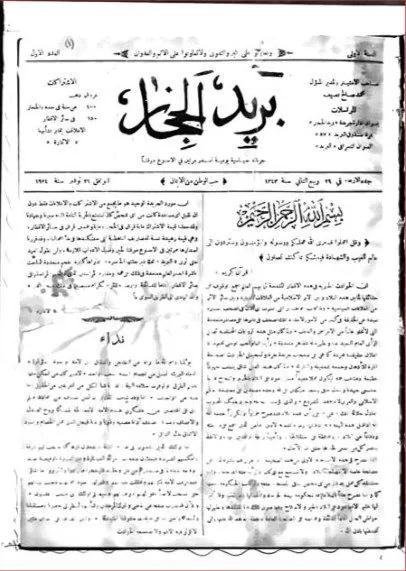
A daily newspaper published twice a week for the time being, as stated in its masthead; its owner and responsible editor-in-chief was (Muhammad Salih Nasif)
It appeared on Wednesdays and Sundays each week. Its first issue came out on Wednesday, 29 Rabi' al-Thani 1343, corresponding to 26 November 1924, and it was published in the city of Jeddah.
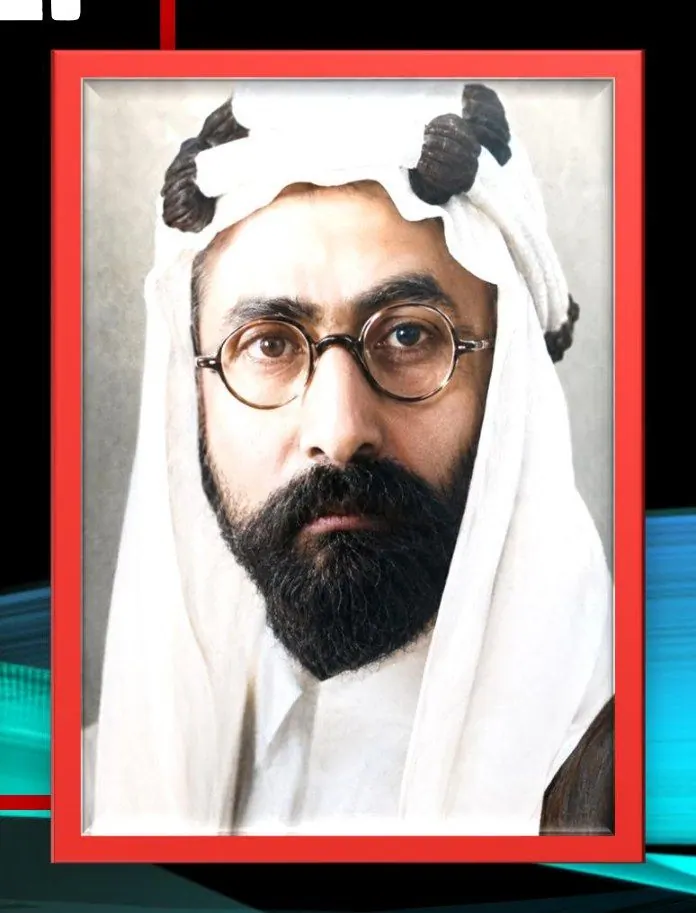
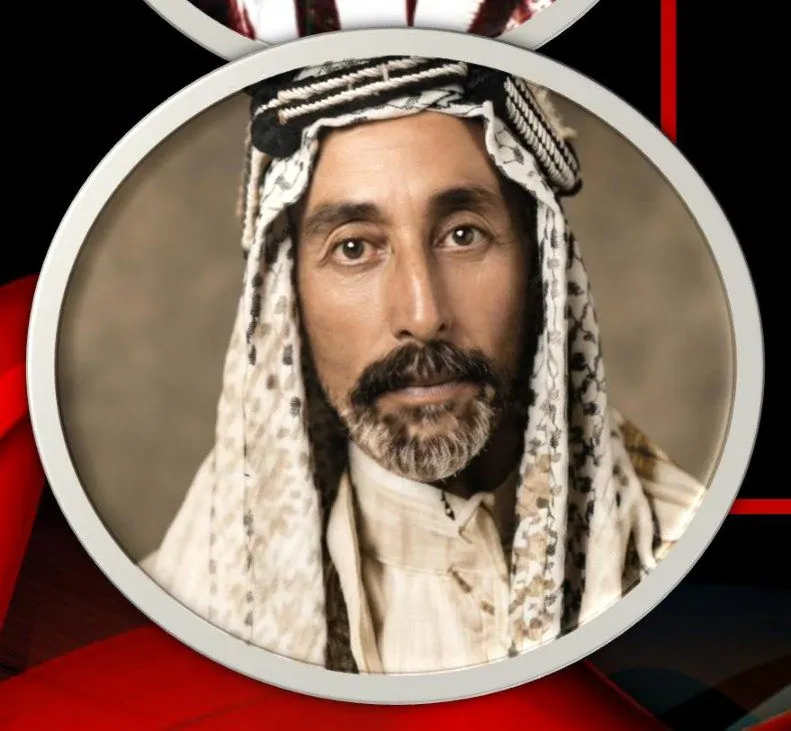
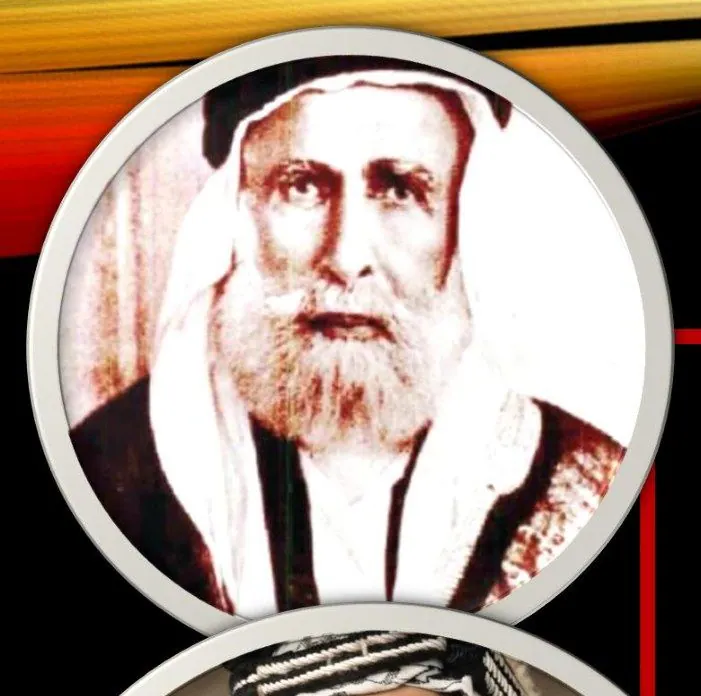
(Barid al-Hijaz) was a daily newspaper that appeared during the reign of Sharif Ali ibn al-Husayn, in whose favour his father abdicated the throne on 1 Rabi' al-Awwal 1343
It was published in four pages
- Each page measured 29 × 40 centimetres
- The first issue was laid out in two columns across its four pages –
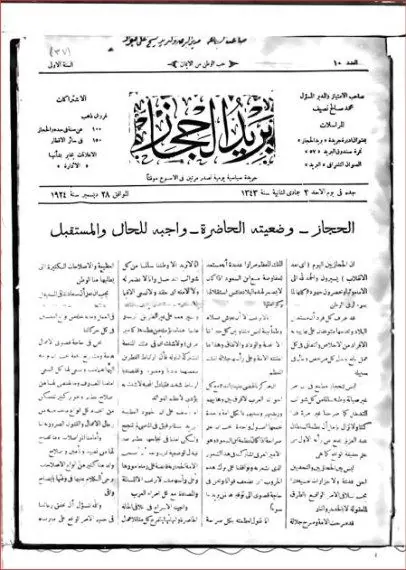
- From the second issue, each page was laid out in four columns
- And from issue 13, published on Wednesday, 12 Jumada al-Akhirah
1343 AH, each page was laid out in three columns, and it remained so until the last issue it published..*
Barid al-Hijaz was concerned with foreign news
more than with local news - or the literary essay – and it seldom commented on the news. It took its foreign news from the newspapers of neighbouring Arab countries and from telegrams it attributed to the capitals of the great powers of East and West, such as London, Paris, Moscow,
Bombay, New York, Berlin, Rome and Istanbul.
and other parts of the world..
It is believed that these telegraphic reports were copied - from newspapers – since it is unlikely that the paper had correspondents in all these capitals
Local news, on the other hand, was scarce in Barid al-Hijaz. Most of the local news it published concerned the city of Jeddah and was almost confined to reports on the movement of steamships, arrivals and departures, appointments, telegrams and some official announcements.
The newspaper had no correspondents
in the cities of the Hijaz
to send it news
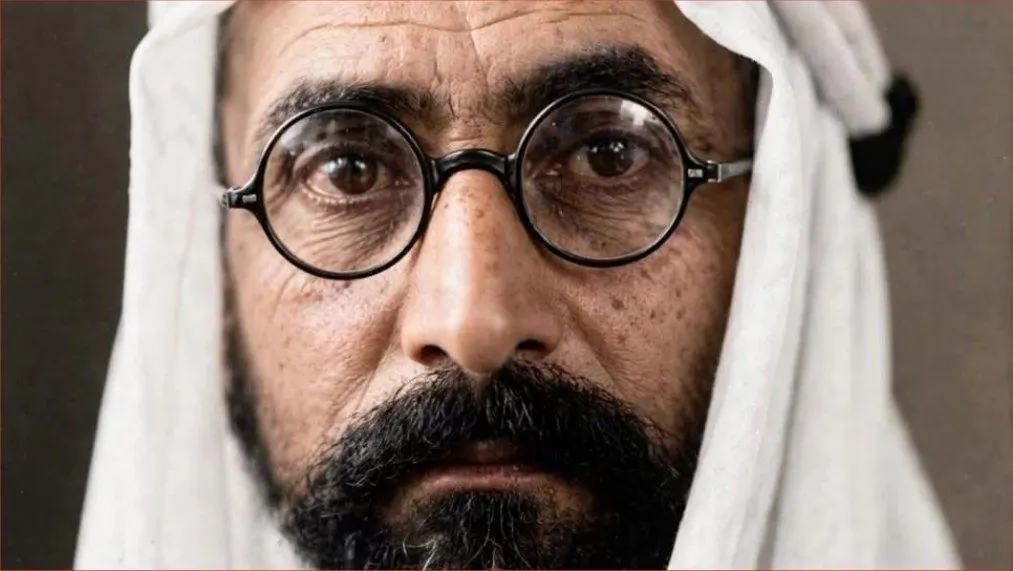
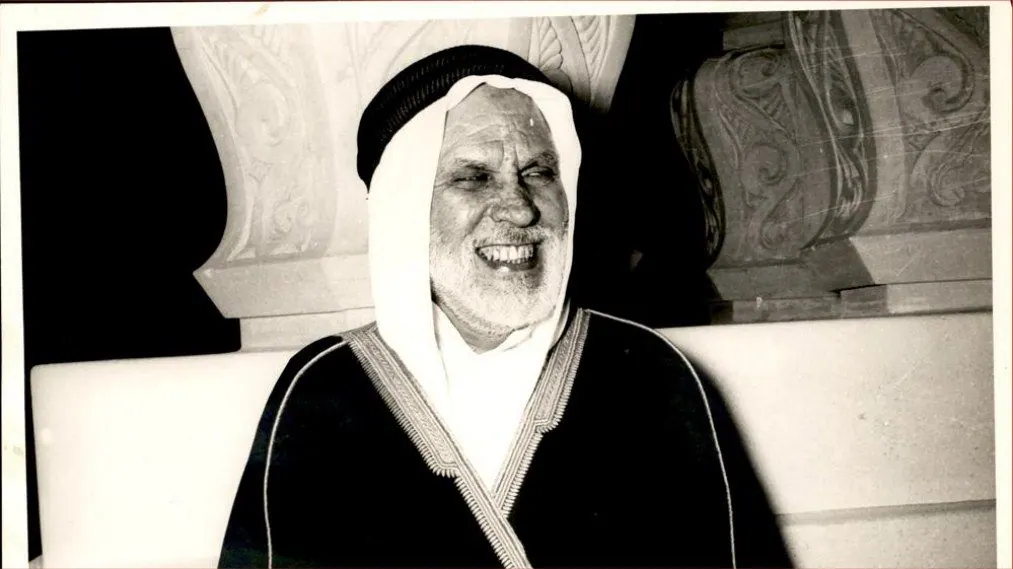
Barid al-Hijaz had no editor-in-chief
in its first year; rather, the licence holder and responsible director was (Muhammad Salih Nasif)
From issue (55), which came out after
a period of suspension, published on 23 Jumada al-Ula 1344 AH, the editorship was entrusted to Shaykh (al-Tayyib al-Sasi), while Muhammad Salih Nasif remained licence holder and responsible director.
Whoever studies the newspaper (Barid al-Hijaz
will find that its style was freer from the constraints of rhymed prose than that of its predecessors published in the Hashemite era, namely (Al-Qibla and Al-Falah)
Its subjects were also of a higher standard, perhaps because a rising generation in the country had taken an interest in modern literature and contributed to writing for the paper alongside its editor-in-chief
Newspaper
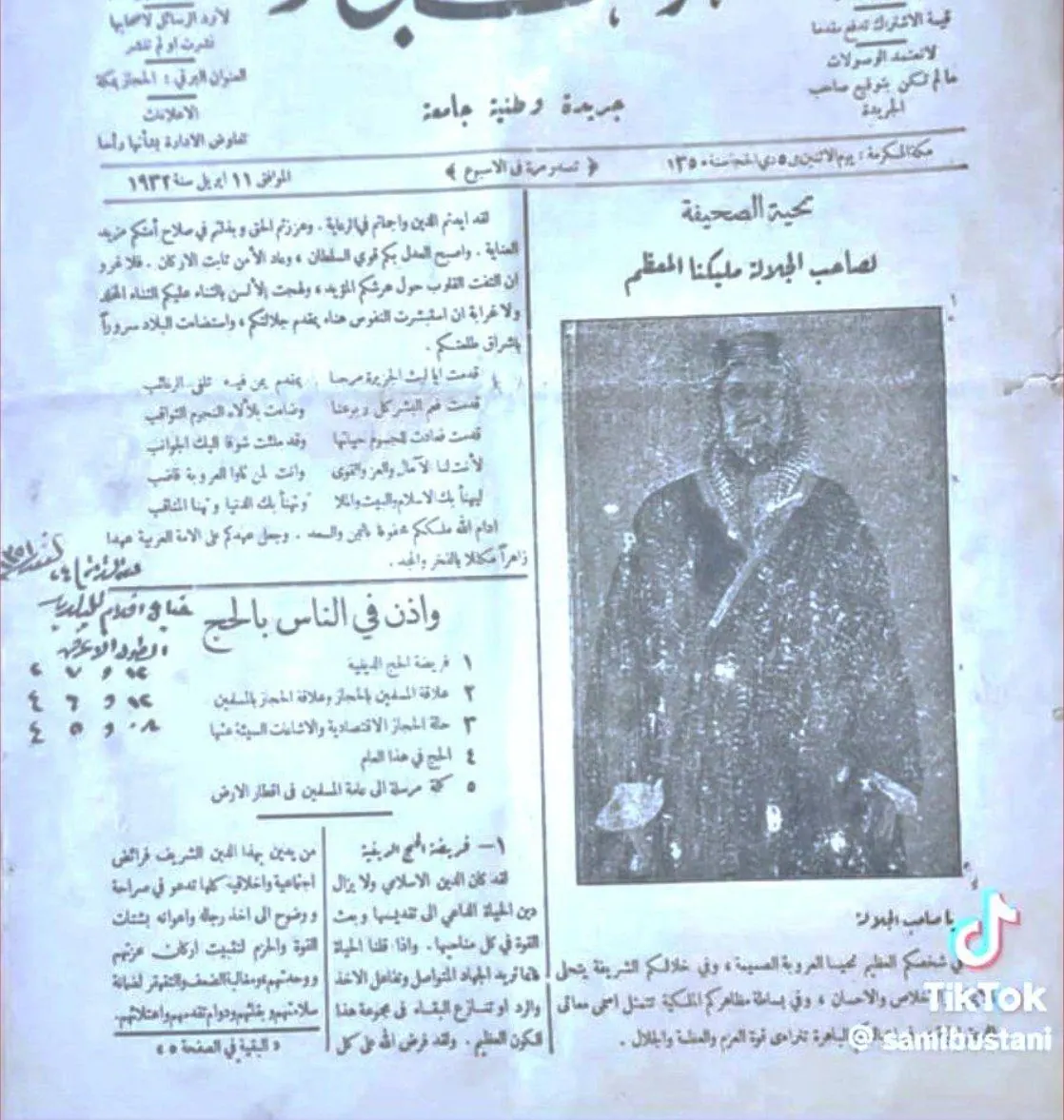
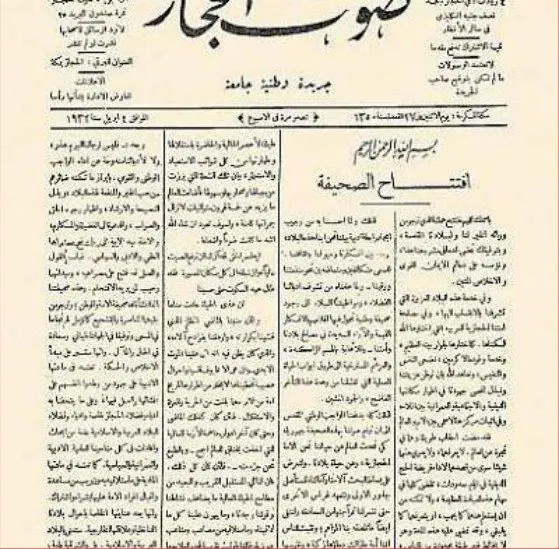
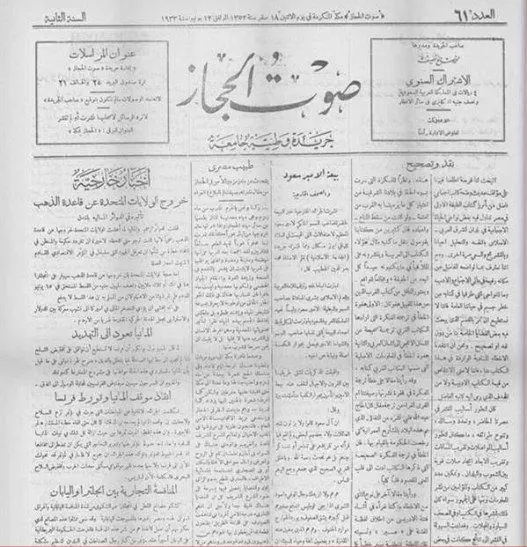
"Sawt al-Hijaz" was the first private newspaper published in the Saudi era,
and it is regarded as the first nucleus
and the former name of today's Al-Bilad newspaper

Foundation and Launch
Date of first issue:
Its first issue came out in Makkah on Monday, 17 Dhu al-Qa'dah 1350 AH, corresponding to 4 April 1932. Founder and editors:
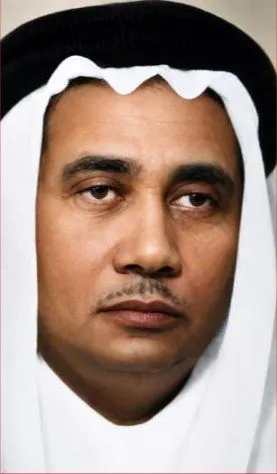
It was founded by the man of letters Shaykh Muhammad Salih Nasif,
and its first editor-in-chief was Mr. Abdulwahhab Ashi.

It began as a comprehensive weekly devoted to literature, culture
and society, then went on to appear twice a week.
It became a platform for the most prominent writers
and intellectuals of that period, such as Hamza Shahata, Ahmad al-Sibai
and Muhammad Hasan Awwad.
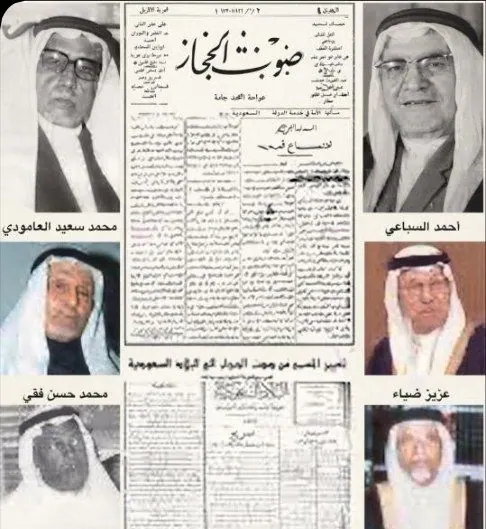
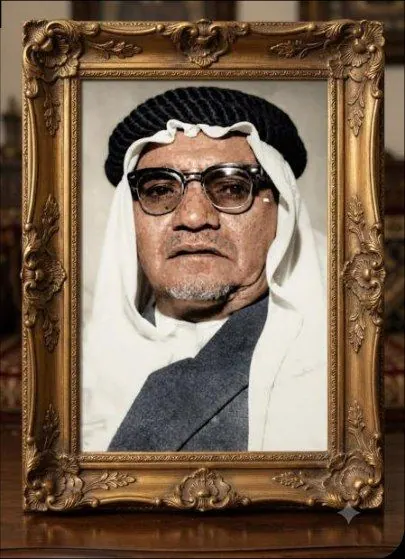
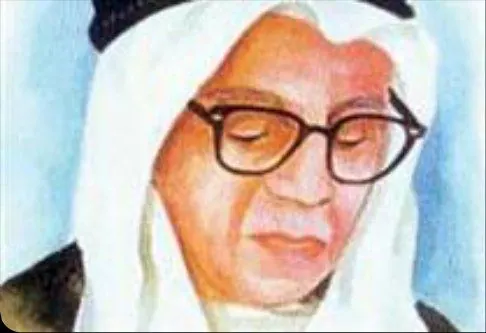
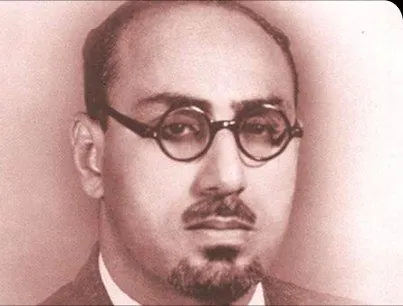
Sawt al-Hijaz
Muhammad Ali Maghribi says of Sawt al-Hijaz in his book (A'lam al-Hijaz):
"In mid-1350 AH a number of the Hijaz's writers submitted a request to King Abdulaziz to publish a private newspaper devoted to the output of young people, since the official newspaper (Umm al-Qura) did not meet the need.
The letter was signed by:
Abdulwahhab Ashi, Ahmad Ibrahim al-Ghazzawi, Bakr Falih, Abdullah Abdulkarim al-Khatib,
Muhammad Anani, Muhammad Surur al-Sabban, Abdullah Fida, Husayn Nasif, and they said that the newspaper would be under the supervision of Shaykh Abdulaziz al-Rashid, editor-in-chief of Al-Kuwait magazine – who had come from Kuwait". They elected Fuad Shakir as the paper's responsible director and editor-in-chief, but the King directed that the newspaper's licence be in the name of Muhammad Salih Nasif.
Editors-in-Chief of Sawt al-Hijaz
Muhammad Said al-Amoudi.
Abdulwahhab Ashi.
Muhammad Hasan Kutbi.
Muhammad Hasan Faqi.
Husayn Khazindar.
Muhammad Hasan Awwad.
Abdullah Arif.
Muhammad Ali Rida.
Ahmad Khalifa al-Nabhani.
Ahmad al-Sibai.
Ahmad Qandil.
Fuad Shakir.
Muhammad Ali Maghribi.
Husayn Arab.
Ahmad Ibrahim al-Ghazzawi
Temporary Suspension
In 1360 AH (1941),
the newspaper ceased publication
(like most newspapers at the time)
for several years because of
the paper shortage caused by the repercussions of the Second World War
Al-Manhal
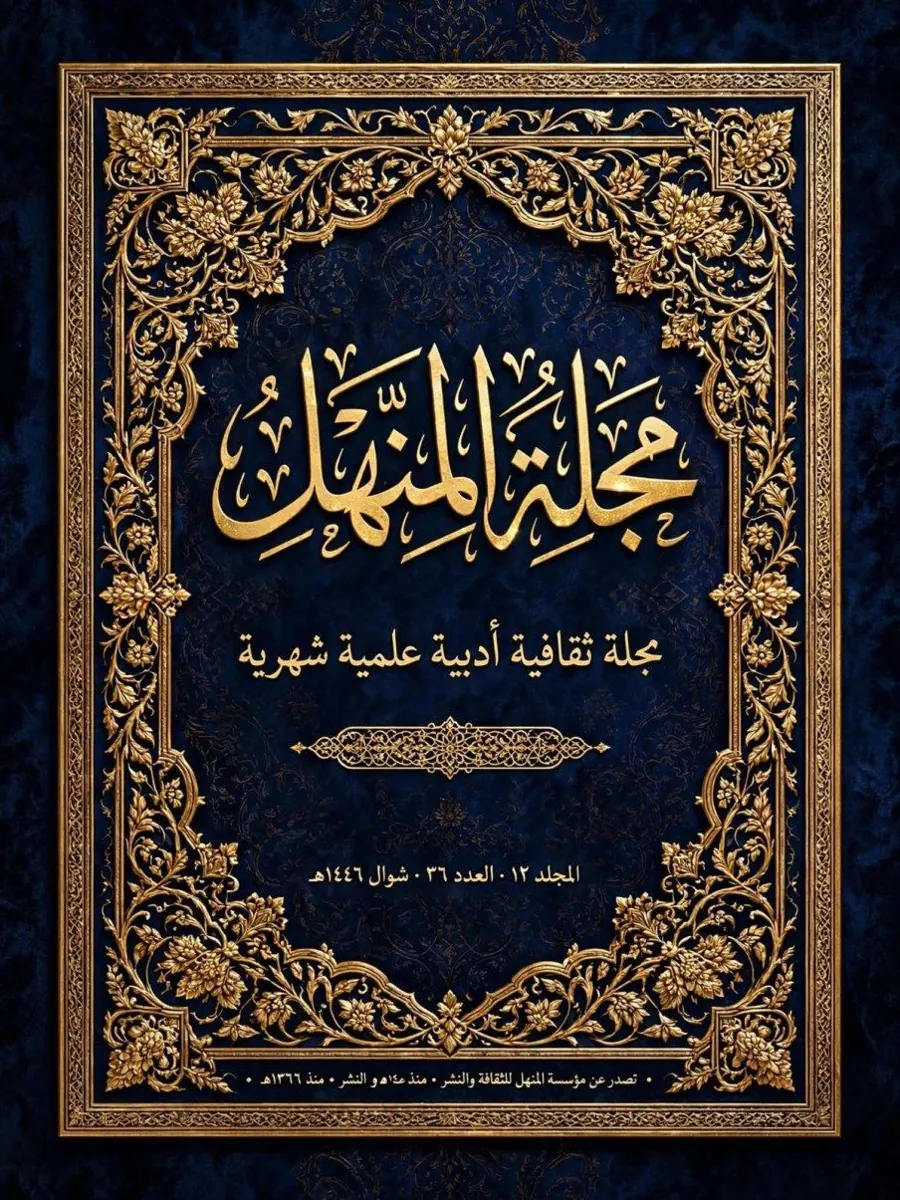
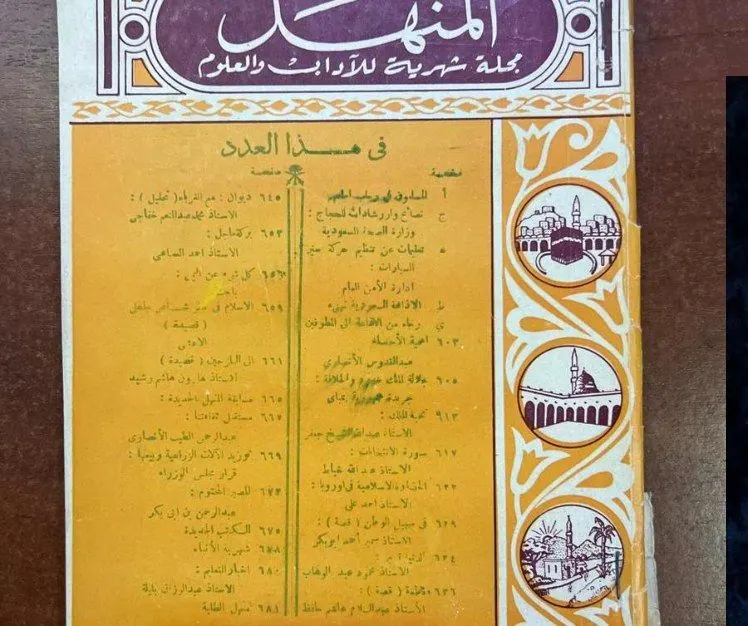
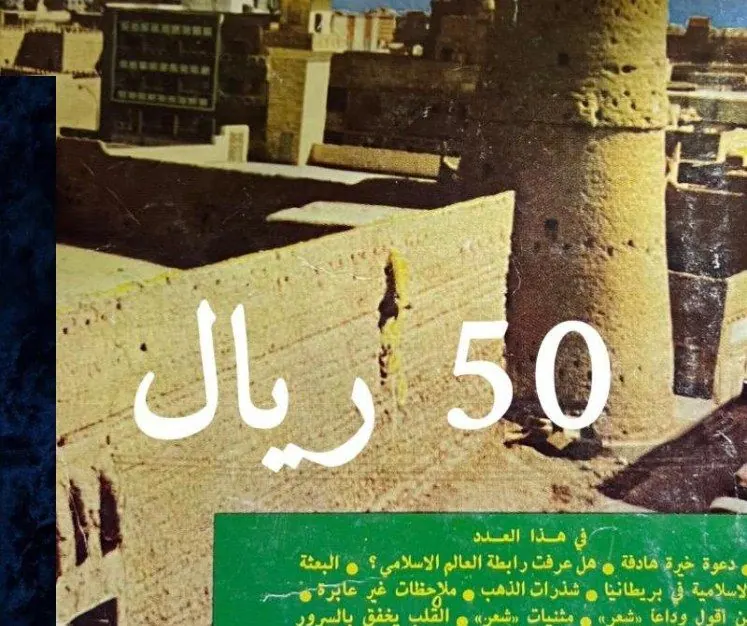
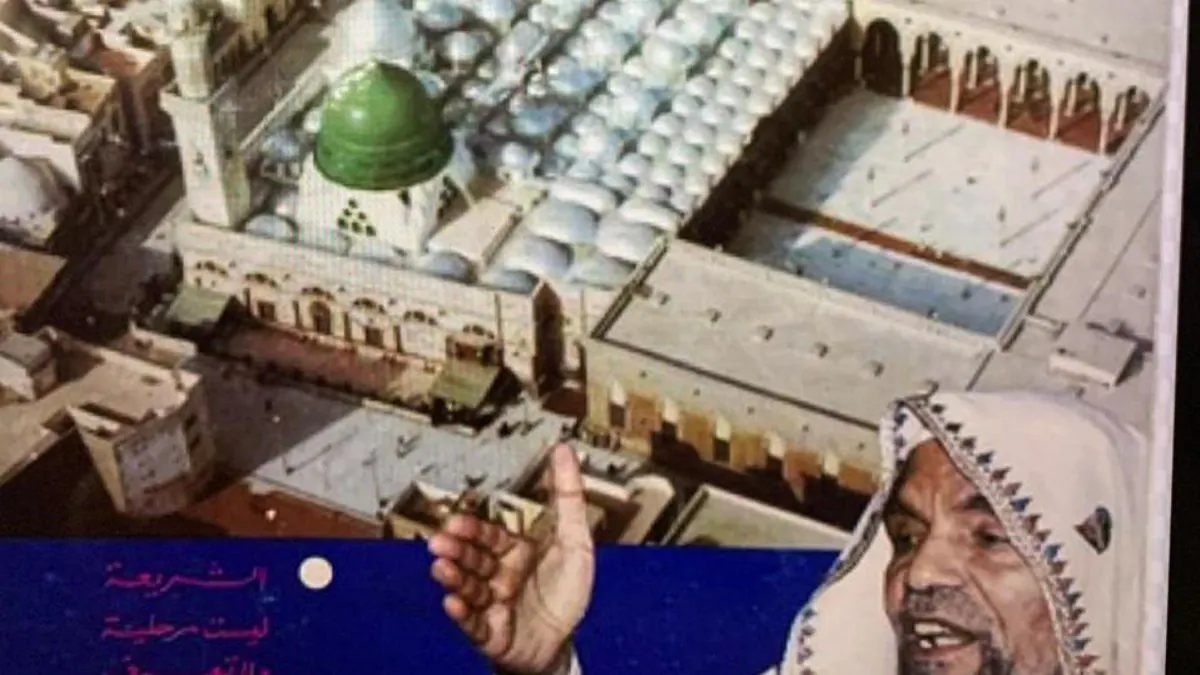
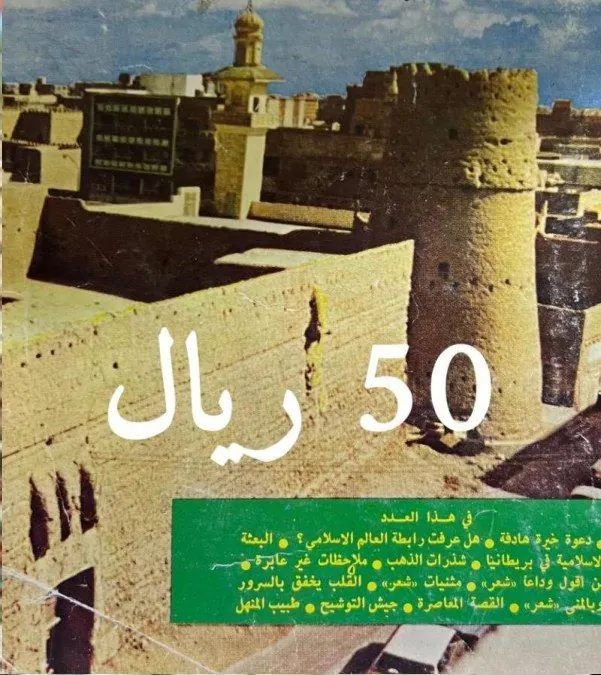
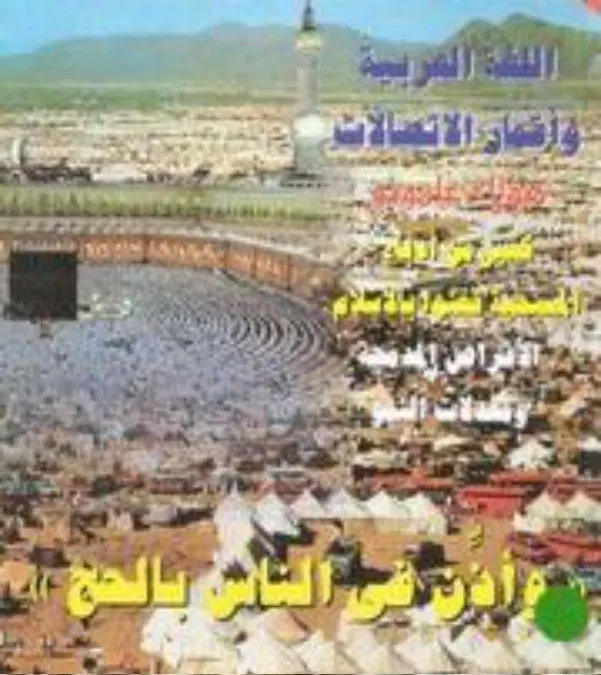
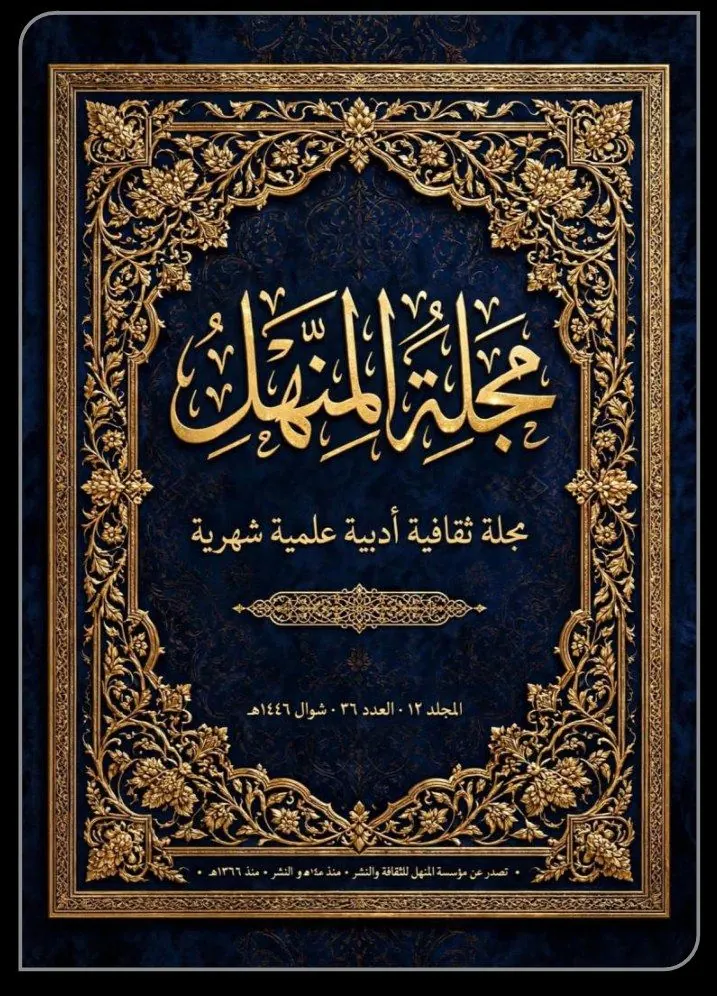
A specialised Saudi monthly magazine concerned with cultural, literary and scientific affairs,
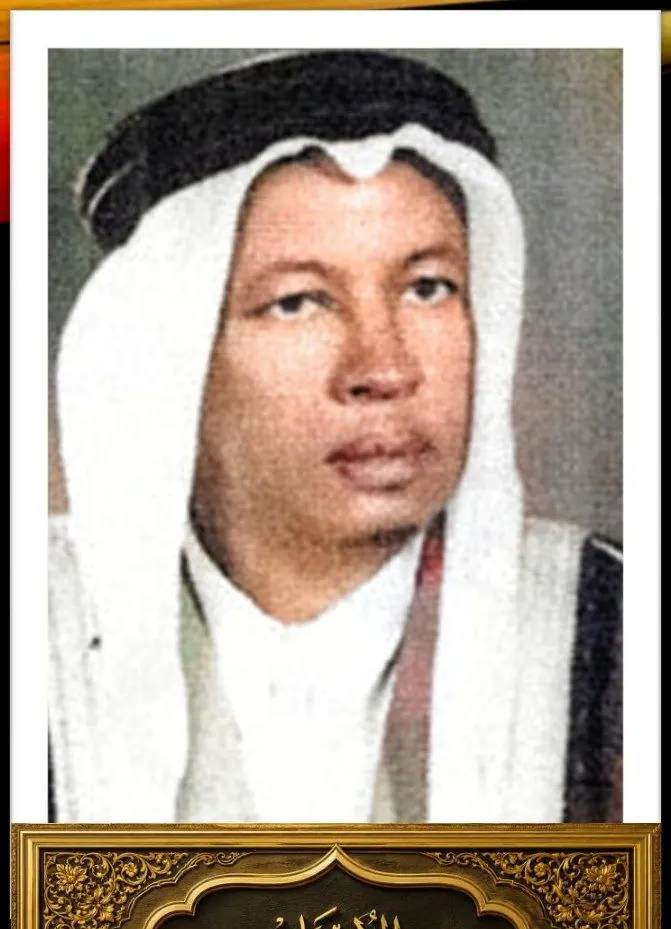
Abdulquddus al-Ansari applied
on 16/2/1348 AH to the Amir of Madinah, Abdulaziz ibn Ibrahim, for permission to publish a magazine named Al-Manhal; the Amir approved,
and indeed a legal deed was issued
dated 29/8/1355 AH,
and four months later the first issue of the magazine came out in Dhu al-Hijjah 1355 AH.
From its first appearance Al-Manhal devoted itself to serving learning, literature and culture, and sought to root new cultural values in the Kingdom. It was also a contributing factor in the literary renaissance of the Hijaz and, in general, enriched the movement of authorship,
and it was the first to introduce the names of young writers from the various regions of the Kingdom.
History of Al-Manhal Magazine
After its first issues appeared in Madinah,
it moved to Makkah, and from there to Jeddah, which became its permanent home of publication.
It took an interest in publishing literary, linguistic, scientific and historical research, until it became one of the basic sources for the study of literature and earned a good reputation among Arab intellectuals. It pioneered the establishment of the art of the short story in the Kingdom,
introducing it to readers and devoting a monthly section to it,
and it also published a special issue on "The Story in the Kingdom of Saudi Arabia."
Interests of Al-Manhal: Over the years the magazine's subjects grew more varied alongside its literary and cultural interest, taking in studies and articles on economics, education, agriculture and industry, and it devoted special issues to:
the Eastern Province, the Council of Ministers, the summer resorts of Saudi Arabia, and the founding King Abdulaziz ibn Abdulrahman Al Saud.
Firsts of Al-Manhal
- The first Saudi magazine to celebrate its silver jubilee.
- The first Saudi magazine to call for numbering the houses and streets of the major cities
- Makkah, Riyadh, Jeddah.
- The first Saudi magazine to introduce short, condensed essays in its editorials.
- The first Saudi magazine to take an interest in the talents and thinking of young people, devoting to them
- (Manhal al-Tilmidh – The Pupil's Spring), which developed into (The Spring of Pupils and Young Writers),
- then into (Sawt al-Nash' – The Voice of Youth), then into (Manhal al-Talaba – The Students' Spring).
- The first Saudi magazine to take an interest in writing about and publishing the short story, and in this it chronicles the beginnings of the story in Saudi literature.
- The first Saudi magazine to devote attention to writing about libraries and new books.
Firsts of Al-Manhal
- The first Saudi magazine to link Saudi literature with the modern literary movement in Algeria, through the writings it published in its early issues about this movement by some of its leaders
in 1357 AH / 1938.
- The first Saudi magazine to take an interest in correcting certain classical Arabic words that were commonly misused, and at the same time to take an interest in Arabic calligraphy, explaining its merits and answering some fallacies about it.
- The first Saudi magazine to take an interest in research on the connection between the colloquial words in everyday use
in the Hijaz and Najd and classical Arabic.
- The first Saudi magazine to admit prose poetry into its columns; prose poetry was published in it by
- : Abdulquddus al-Ansari, Ahmad al-Sibai, Muhammad Alim al-Afghani.
- The first Saudi magazine to call for the necessity of industrialisation in the country.
- The first Saudi magazine to take an interest in archaeological research and publish it.
- The first Saudi magazine to give its readers books as gifts, among them: (Inscriptions and Antiquities in the Rocks of the Hijaz / by Sayyid Ahmad Shatta), and the book (Al-Mirsad) by Sayyid Ibrahim Hashim Falali.
Its aims: The chief aspiration of Al-Manhal was to succeed in being the opening of a new, fresh and flourishing age in Hijazi literature,
and to restore the Kingdom of Saudi Arabia to its literary standing among the Arab states.
Al-Manhal's journey continued from Madinah to Makkah, to which it moved, and it then settled with its founder, owner and editor-in-chief Abdulquddus al-Ansari in the city of Jeddah.
The magazine achieved its great goals by the grace of Allah, who granted its owner success in what he dreamed of and aimed at, up to its last issues, and after his death, may Allah have mercy on him
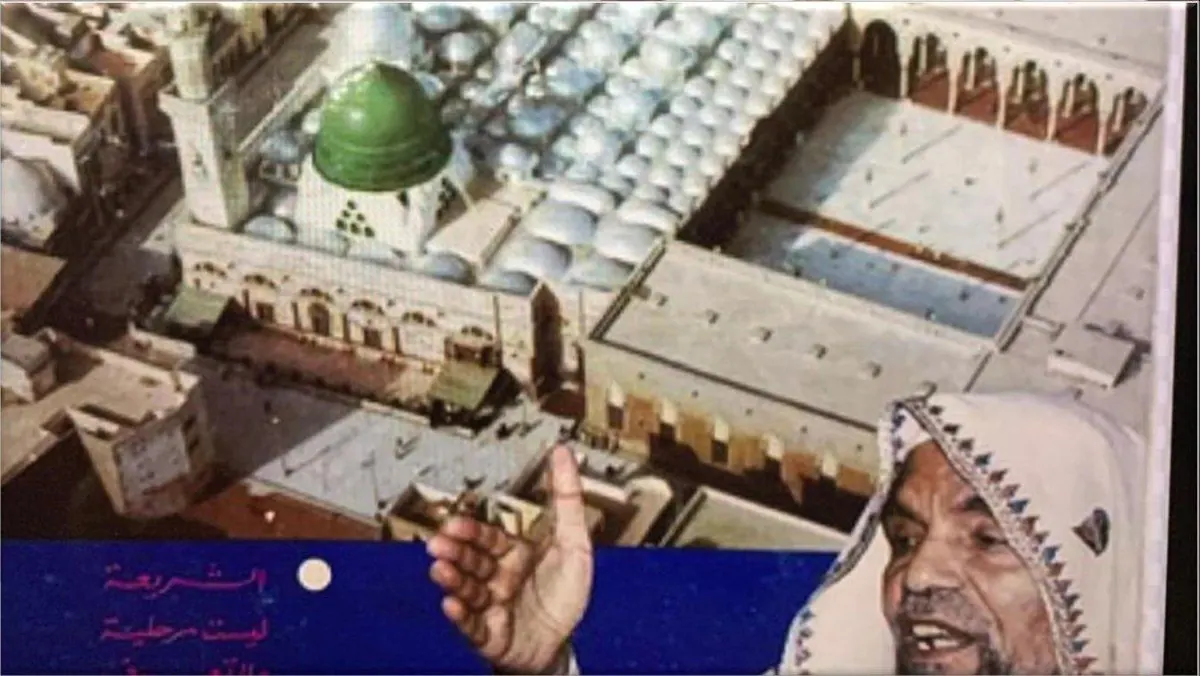
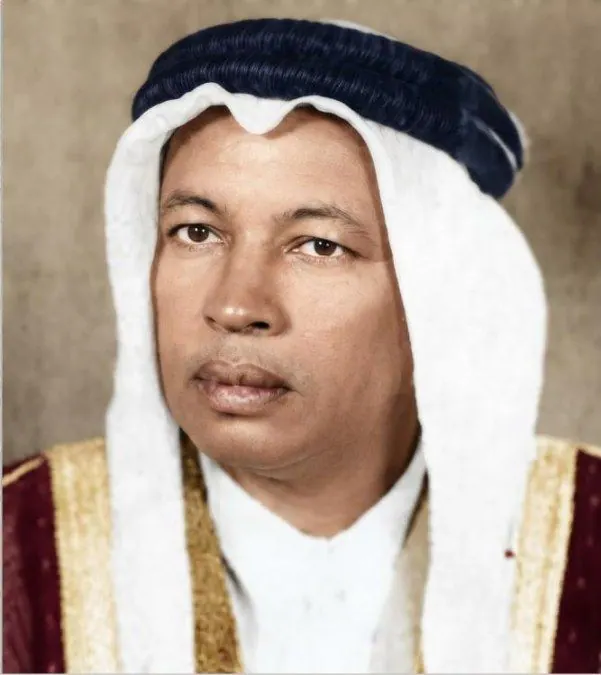
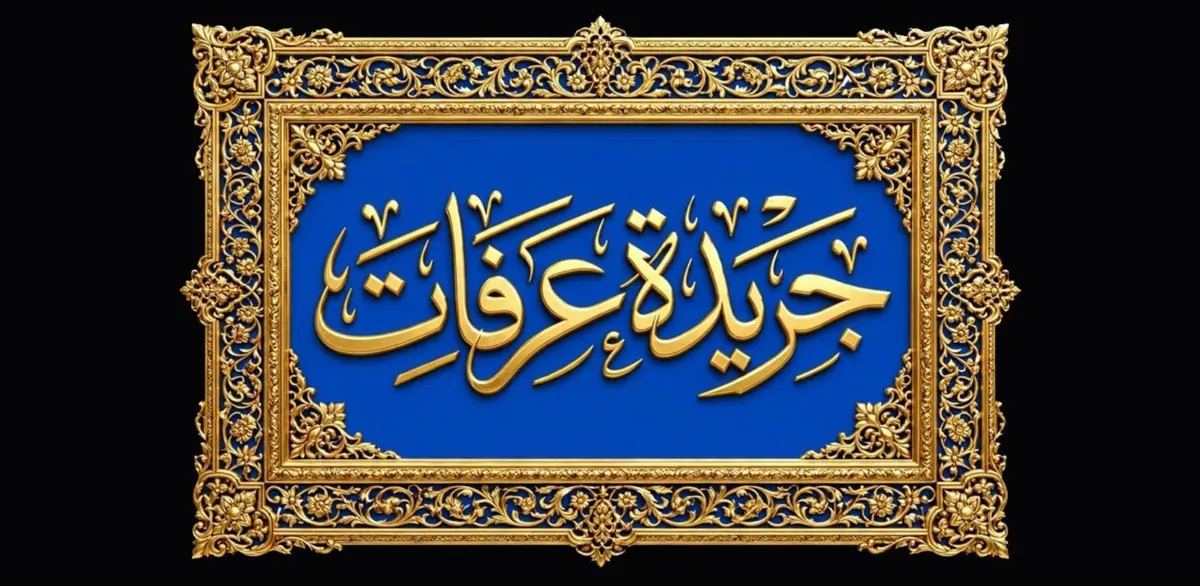
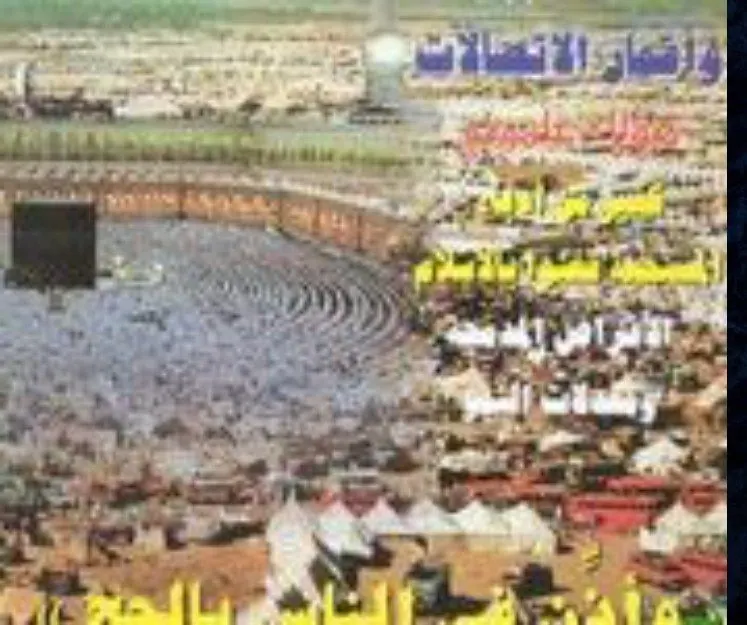
Arafat was a popular Saudi weekly newspaper
concerned with social problems.
It appeared in 1377 AH / 1957
in the city of Jeddah, in magazine format, with eight pages,
and its pages increased until they reached 16.
It lasted about a year, after which it merged with Al-Bilad
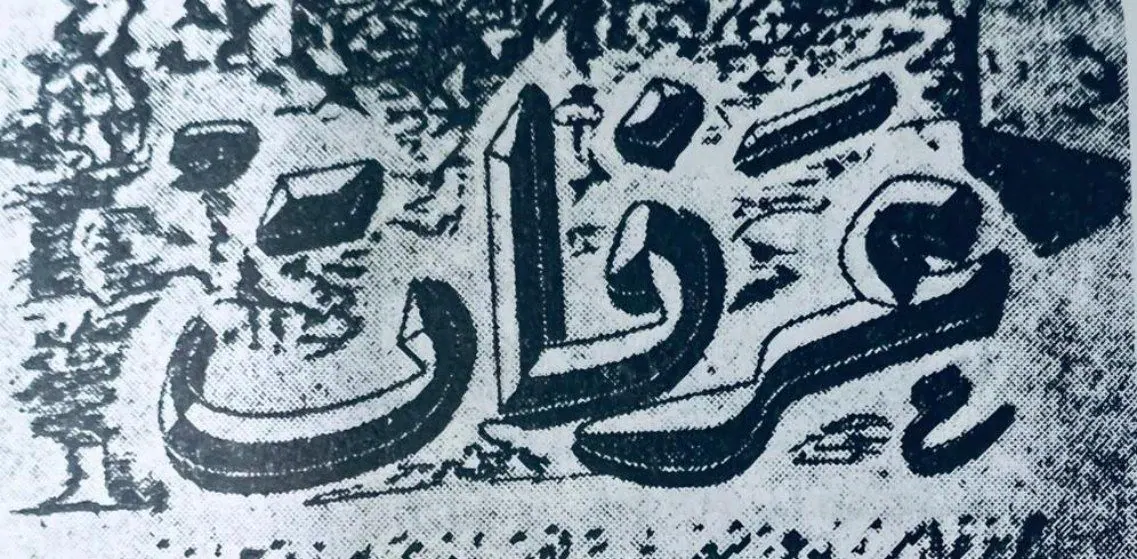
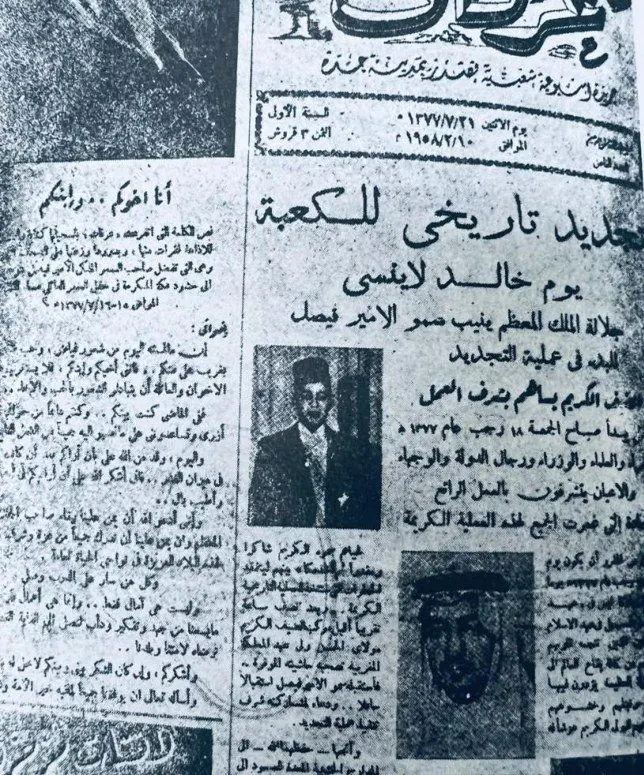
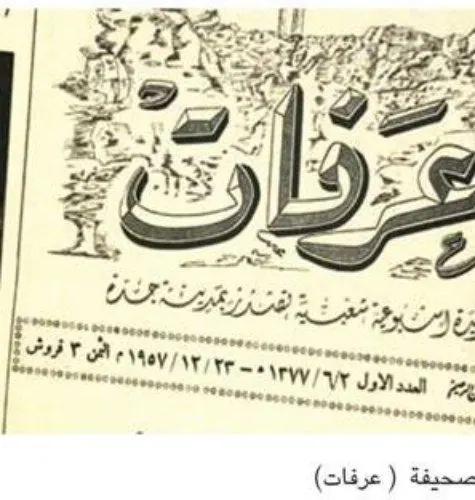
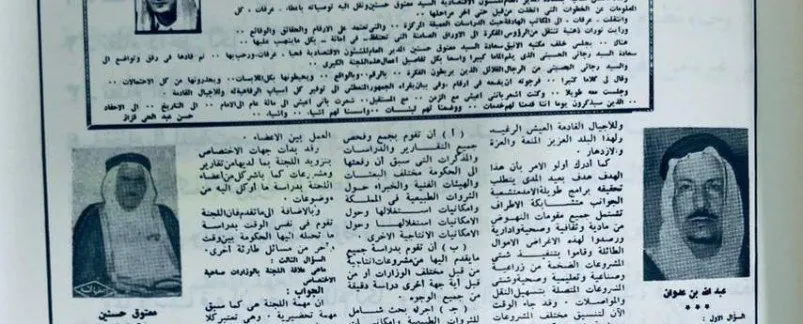
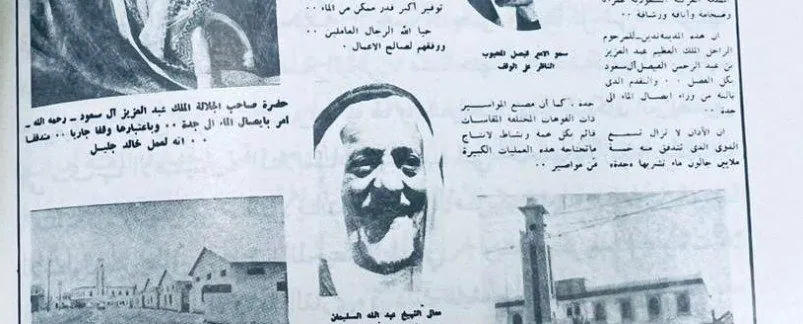
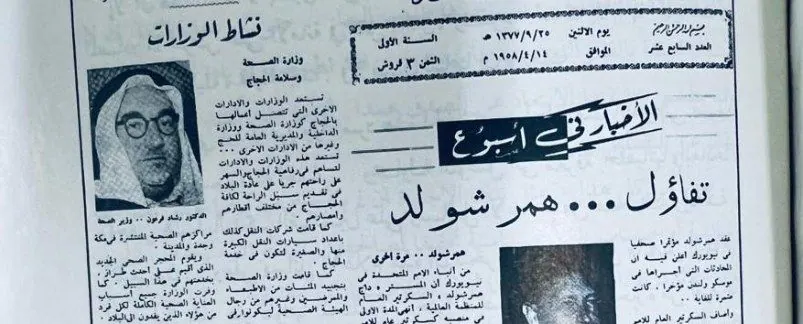
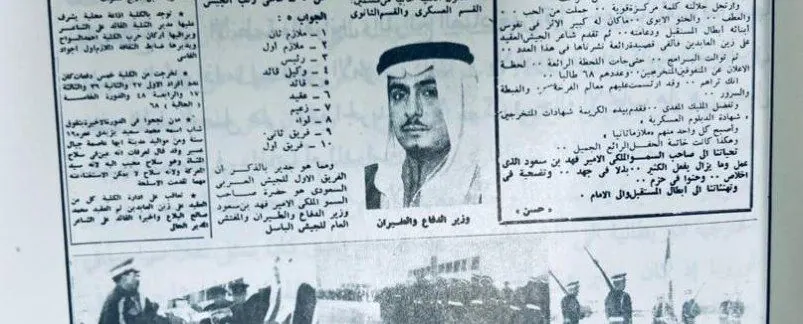
Founding of Arafat: The newspaper Arafat was an idea
that had stirred in the mind of its editor-in-chief, Hasan Abdulhayy Qazzaz, during his work in journalism six years before he published it.
The first issue
came out in magazine form, 24 × 32 cm, in 24 pages, and this issue was considered a trial one, as the second issue appeared
bearing the number 1
dated
2 Jumada al-Akhirah 1377 AH / 23 December 1957,
measuring 30 × 40 cm, in eight pages, appearing every Monday,
and from issue 43 its pages increased to 16.
And
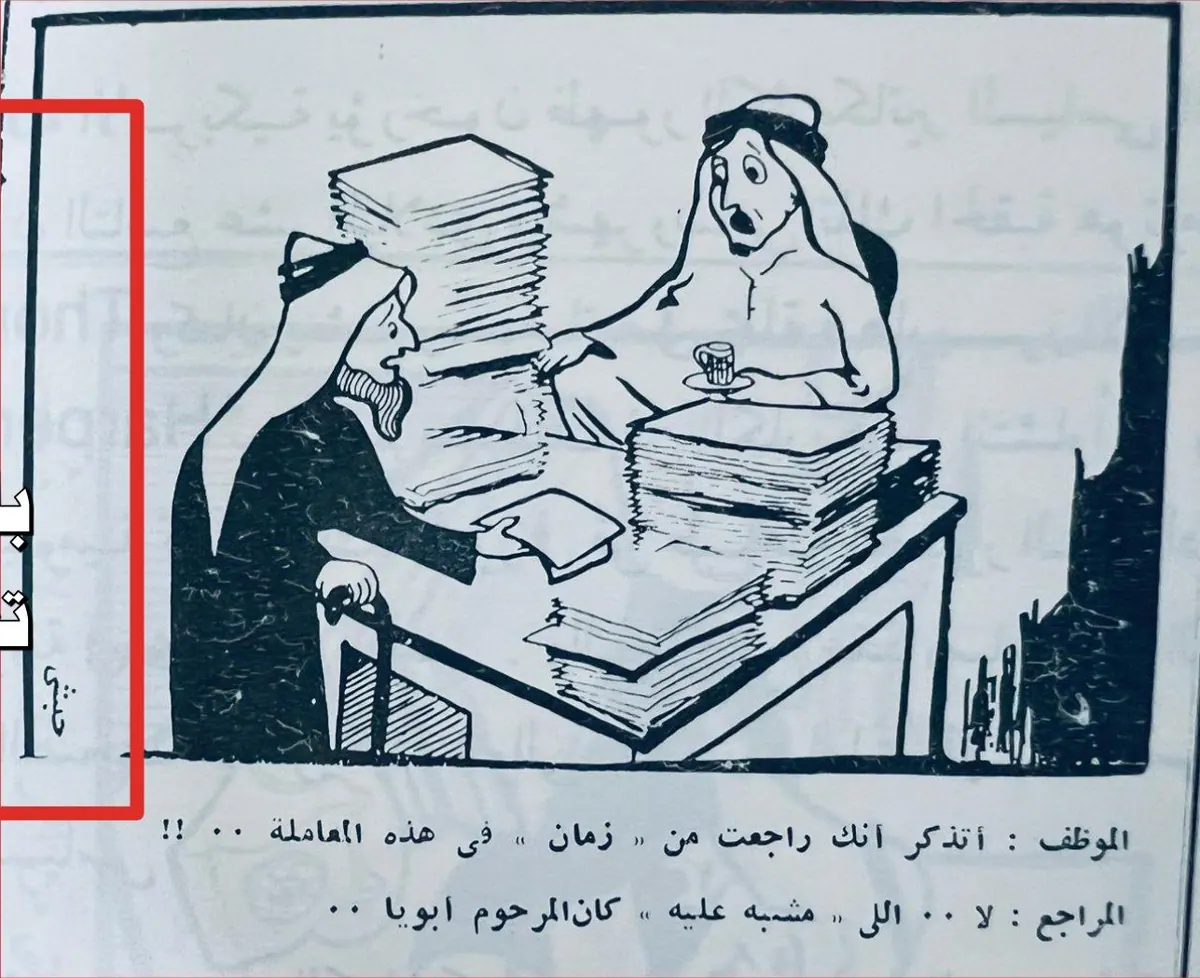
"Arafat" is regarded as the first newspaper in the Kingdom of Saudi Arabia to tackle social problems through caricature
There appeared
53 issues of Arafat,
the last dated 9 Rajab 1378 AH / 19 January 1959,
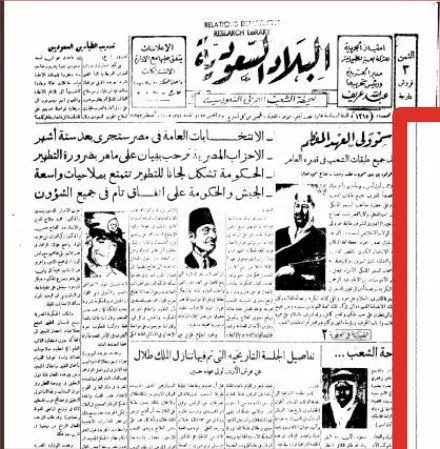
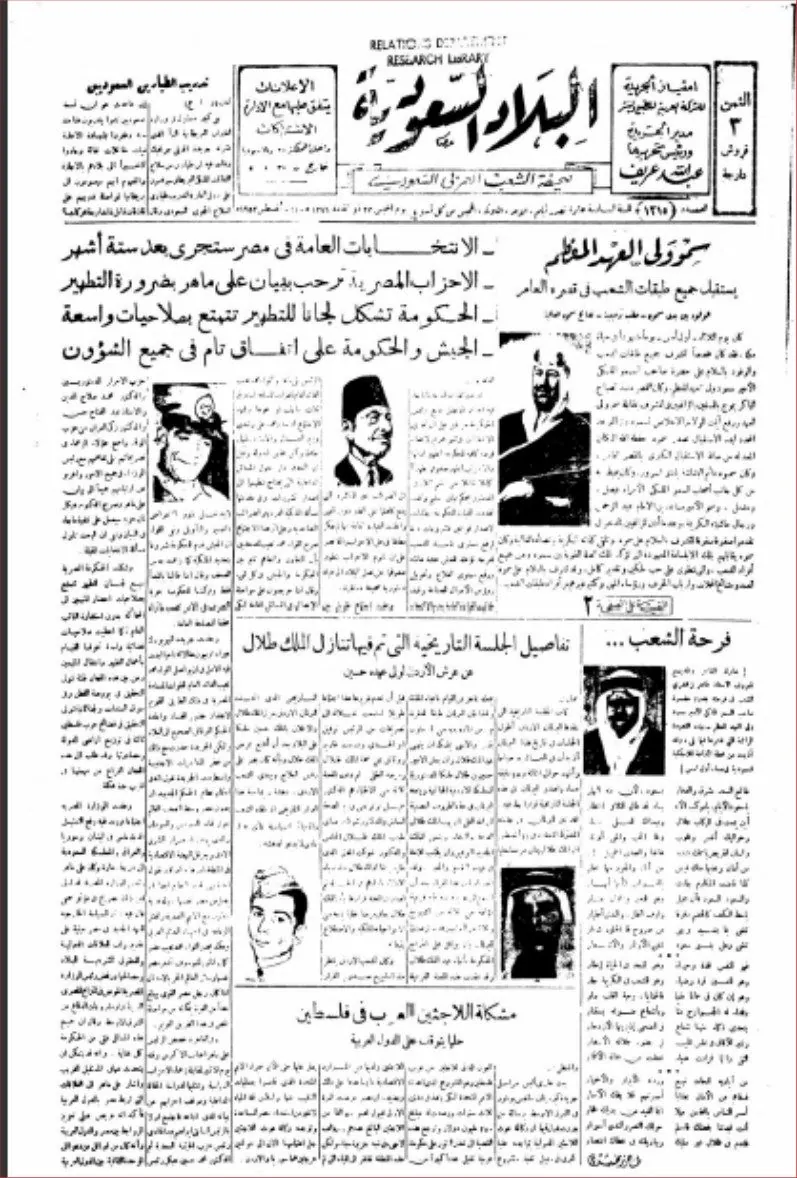
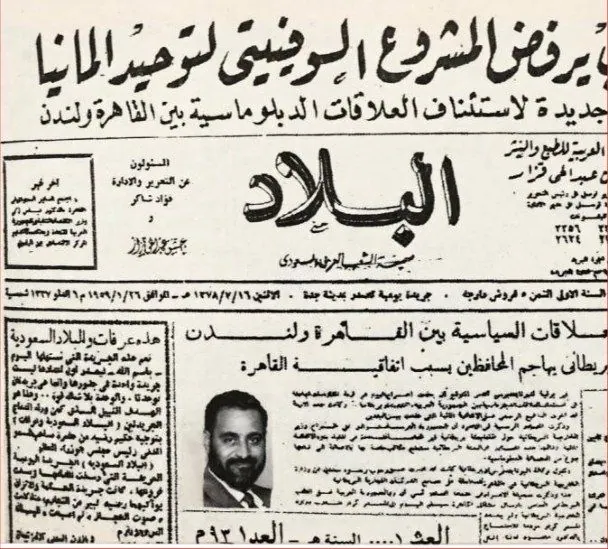
when "Arafat" merged with "Al-Bilad al-Sa'udiyya"
and appeared under the name "Al-Bilad."
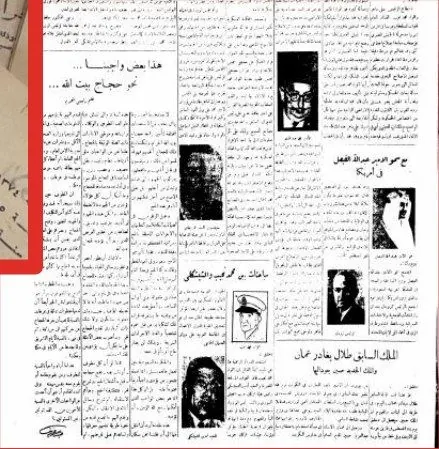
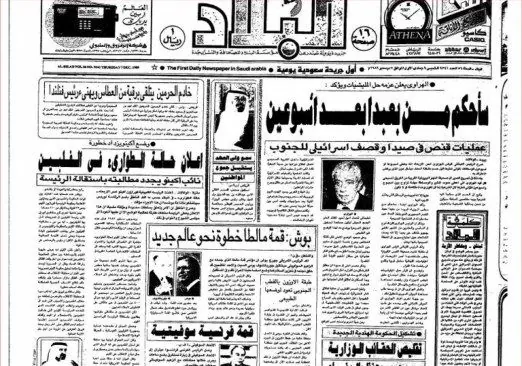
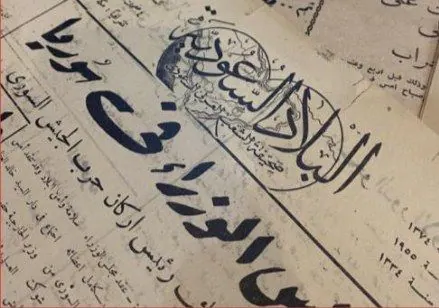
in 1365 AH (1946), and it continues to be published today as one of the oldest Saudi newspapers.
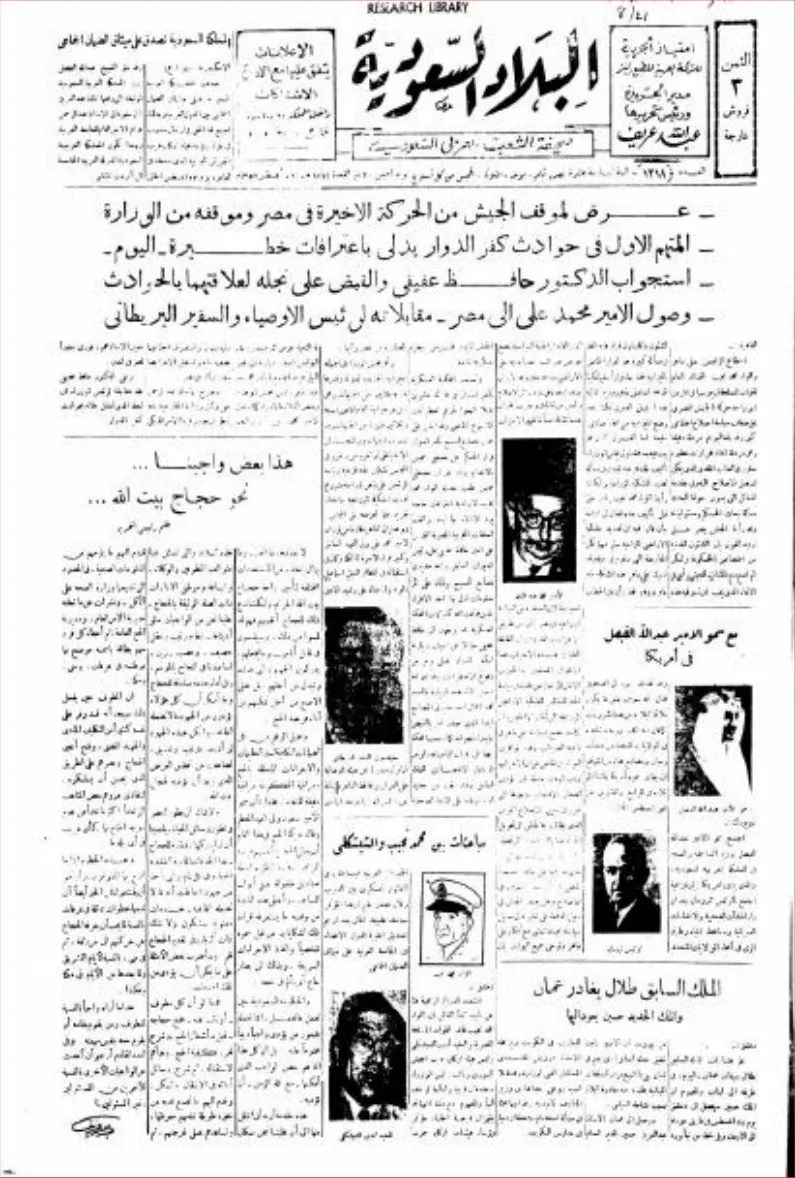
Al-Bilad is the mother of Saudi newspapers and the oldest of them,
and the school of Saudi journalism from which many leaders of press and media work in the Kingdom graduated.
Over more than seven decades, Al-Bilad moved from one stage to another.
It witnessed periods of genuine ascent and other periods in which it came close to collapse,
and it overcame its crises.

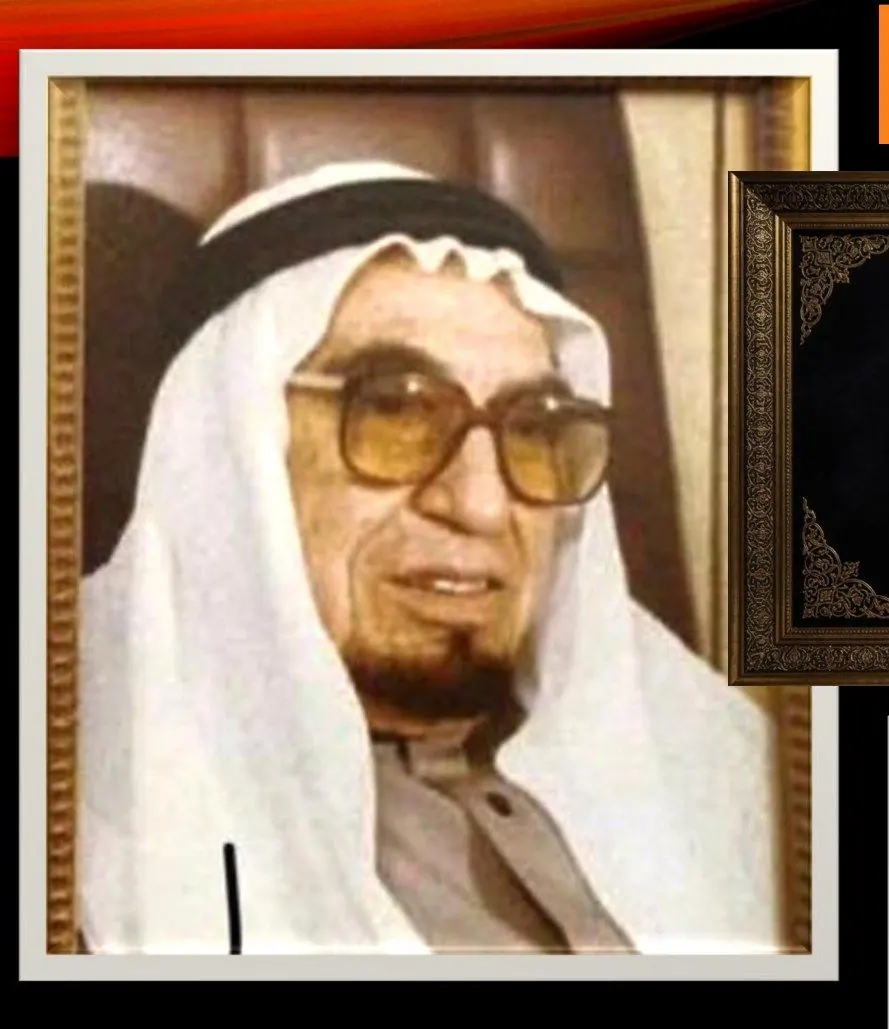
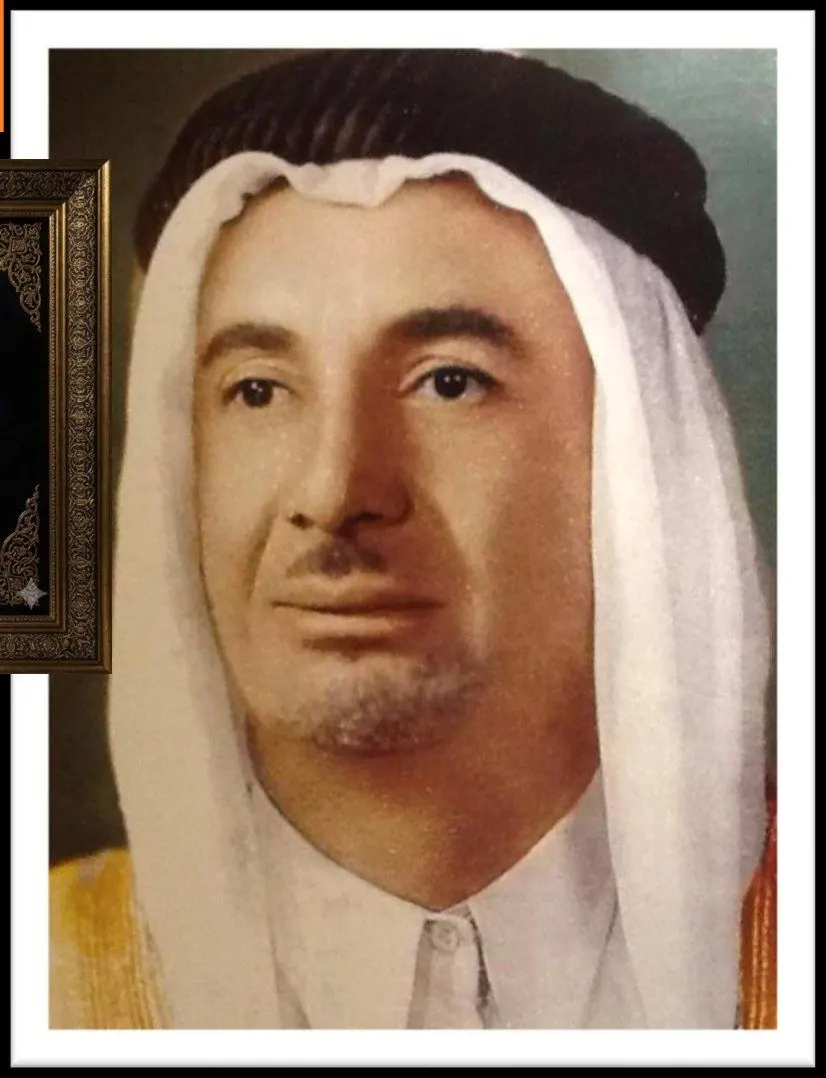
Among the Pioneers of Journalism
The Launch 1356 AH - 1334 AH
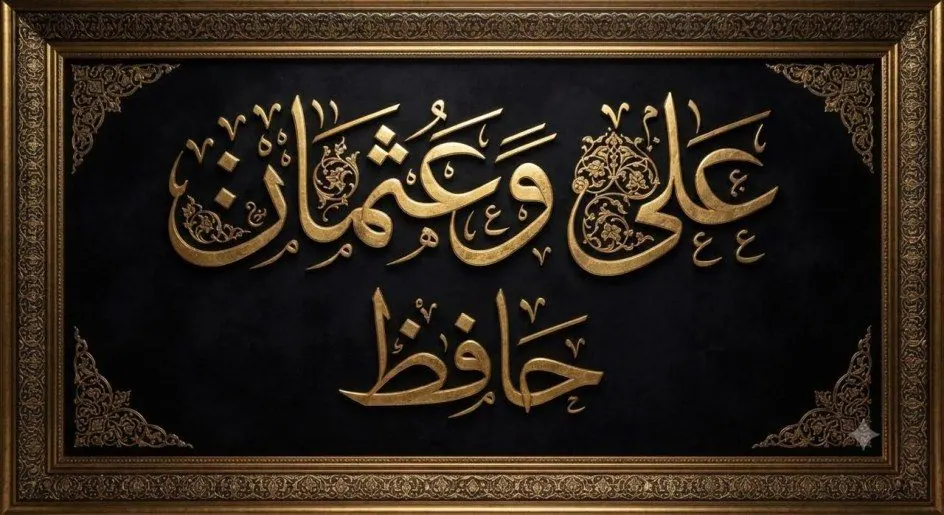
Ali and Othman Hafiz founded
the newspaper Al-Madinah al-Munawwarah,
and its first issue appeared on Thursday, the twenty-sixth of Muharram 1356 AH, in Madinah.
In 1383 AH ownership of the newspaper passed to the Al-Madina Foundation for Press and Publishing. The newspaper has gone through many developments and grown steadily over more than half a century.
Development
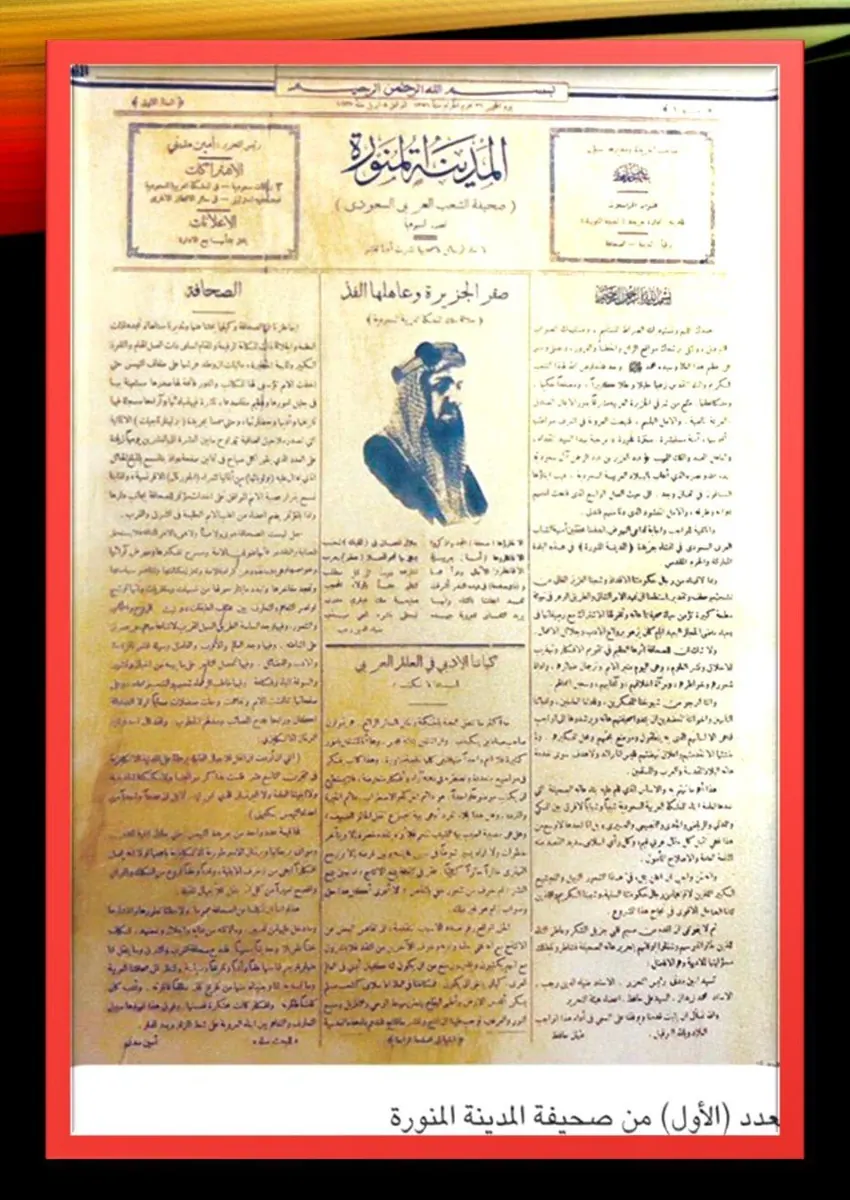
Ali and Othman Hafiz founded the newspaper Al-Madinah al-Munawwarah,
and its first issue appeared on Thursday, the twenty-sixth of Muharram 1356 AH, in Madinah
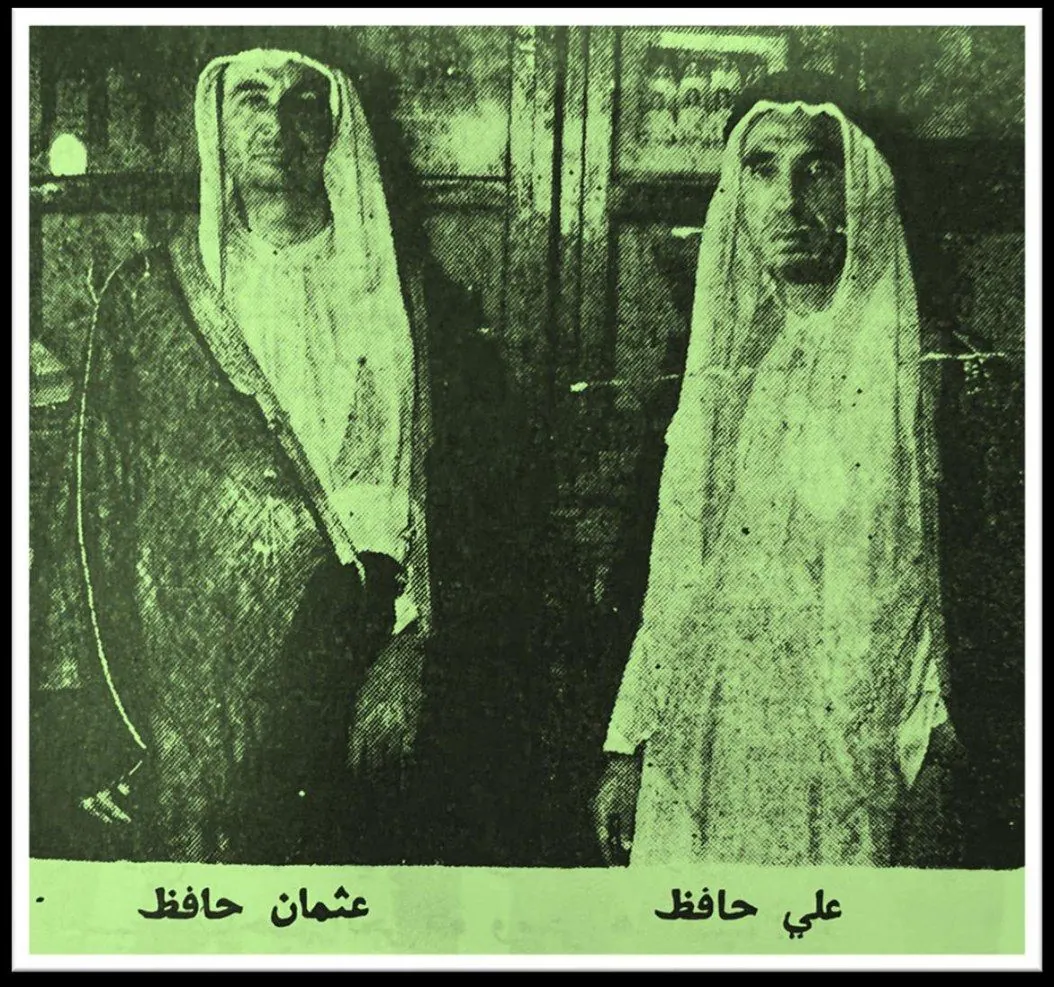
The first issue of the newspaper Al-Madinah al-Munawwarah
A strong beginning: Al-Madina first appeared in four pages, but it was distinguished as the first Saudi newspaper to publish photographs. It was a weekly, and from its founding it devoted itself to publishing various kinds of knowledge and culture in addition to local and international news.
Size of the Newspaper
When the newspaper Al-Madinah al-Munawwarah first appeared in 1356 AH it was in the usual size of 56 × 80.
In 1358 AH it appeared at roughly half that size, 56 × 40, because of the rise in paper prices and its scarcity during the Second World War.
After the war, in 1366 AH, it appeared in a size of 70 × 38,
and from issue 278,
dated 21 Rabi' al-Awwal 1368 AH, corresponding to 20 January 1949, it returned to its normal size of 80 × 56.
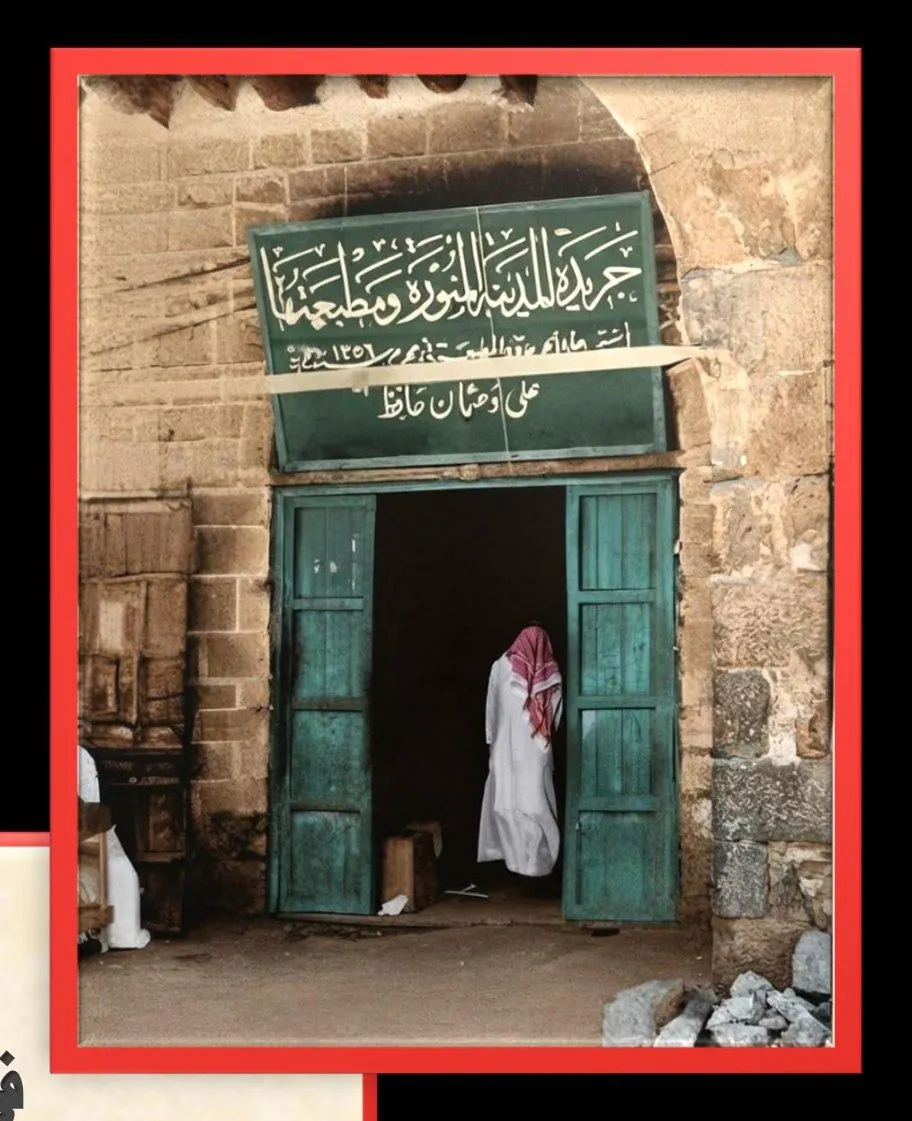
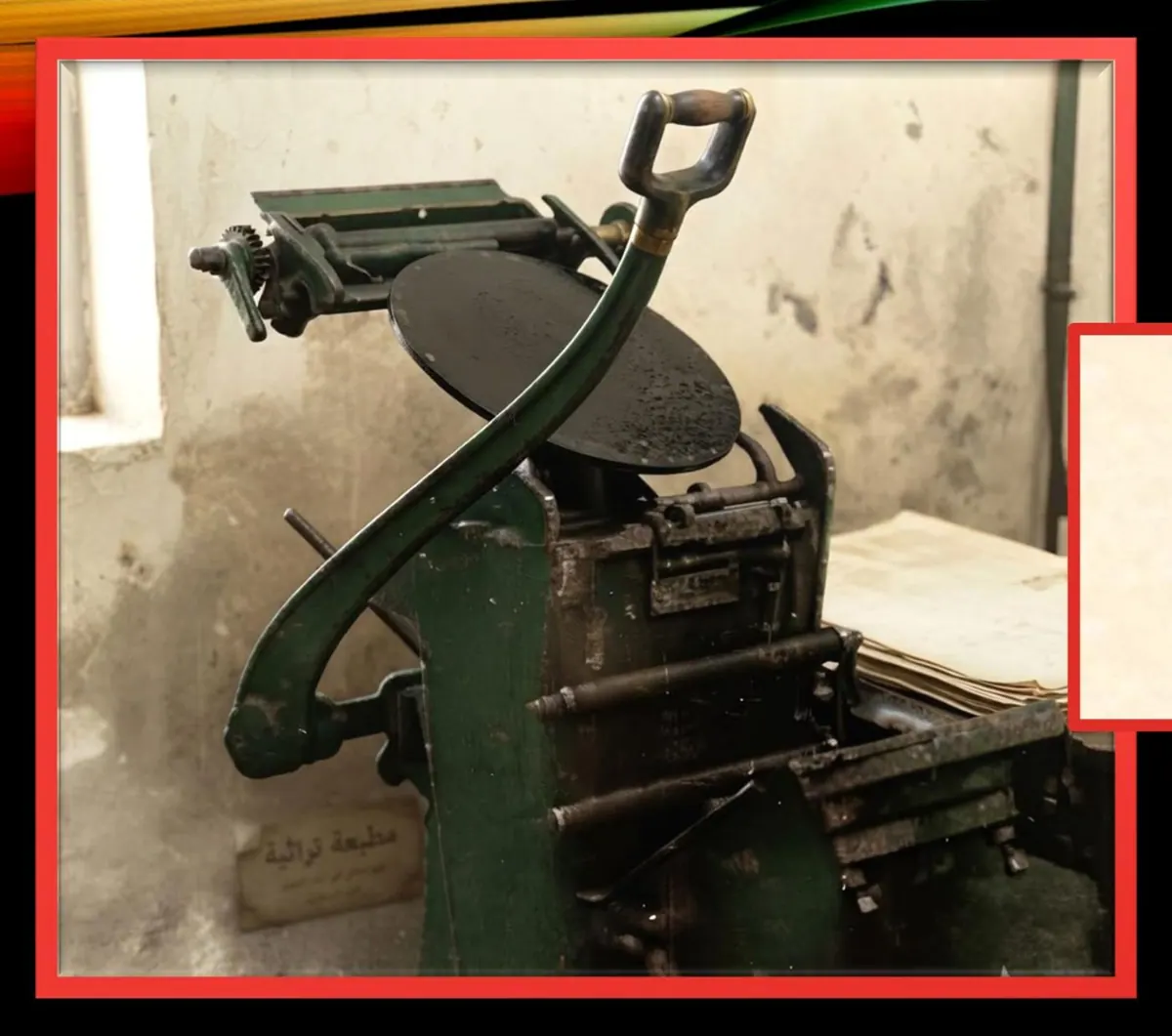
The first office and printing press of the newspaper
Al-Madinah al-Munawwarah on Al-Ayniyya Street in Madinah
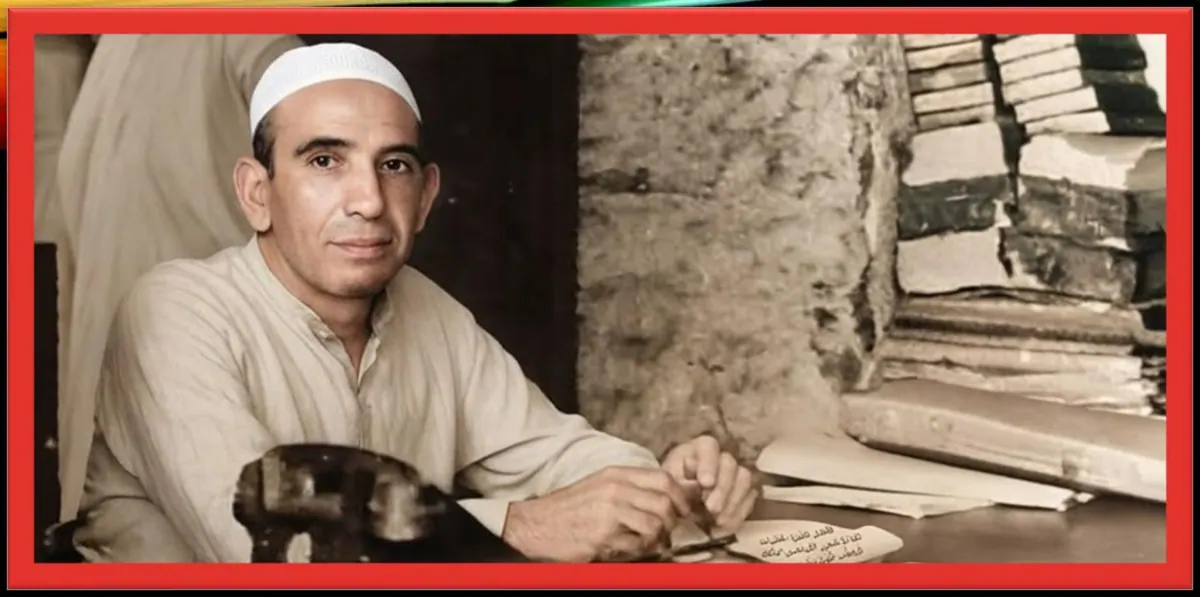
Othman Abdulqadir Hafiz
in an office of the newspaper on Al-Ayniyya Street in Madinah
The newspaper's first printing press in Madinah
Opening new sections within the newspaper
A rise in the newspaper's circulation
Its wider reach
An increase in the number of its pages
Opening and accrediting offices for the newspaper inside and outside the Kingdom; accrediting correspondents for the newspaper inside and outside the Kingdom
Suspensions of the Newspaper
The newspaper Al-Madinah al-Munawwarah was suspended from its readers three times:
It was suspended after issue 65, dated 24 Jumada al-Ula 1357 AH, corresponding to 31 July 1938,
and in the last episode about the press a quarter of a century ago.
It resumed publication on 17 Sha'ban 1357 AH, corresponding to 6 October 1938,
its absence from its readers having lasted 52 days.…
Then it ceased publication because of the Second World War after issue 211, dated 20 Jumada al-Akhirah 1360 AH, in accordance with official notice no. 62 issued by the Publications Office, mentioned above.
It resumed publication with issue 212, dated 29 Shawwal 1366 AH, corresponding to 15 September 1947, after the paper crisis eased and the war ended.
It stopped a third time in 1385 AH for one week.
Its first editor-in-chief
was Mr. Amin Madani
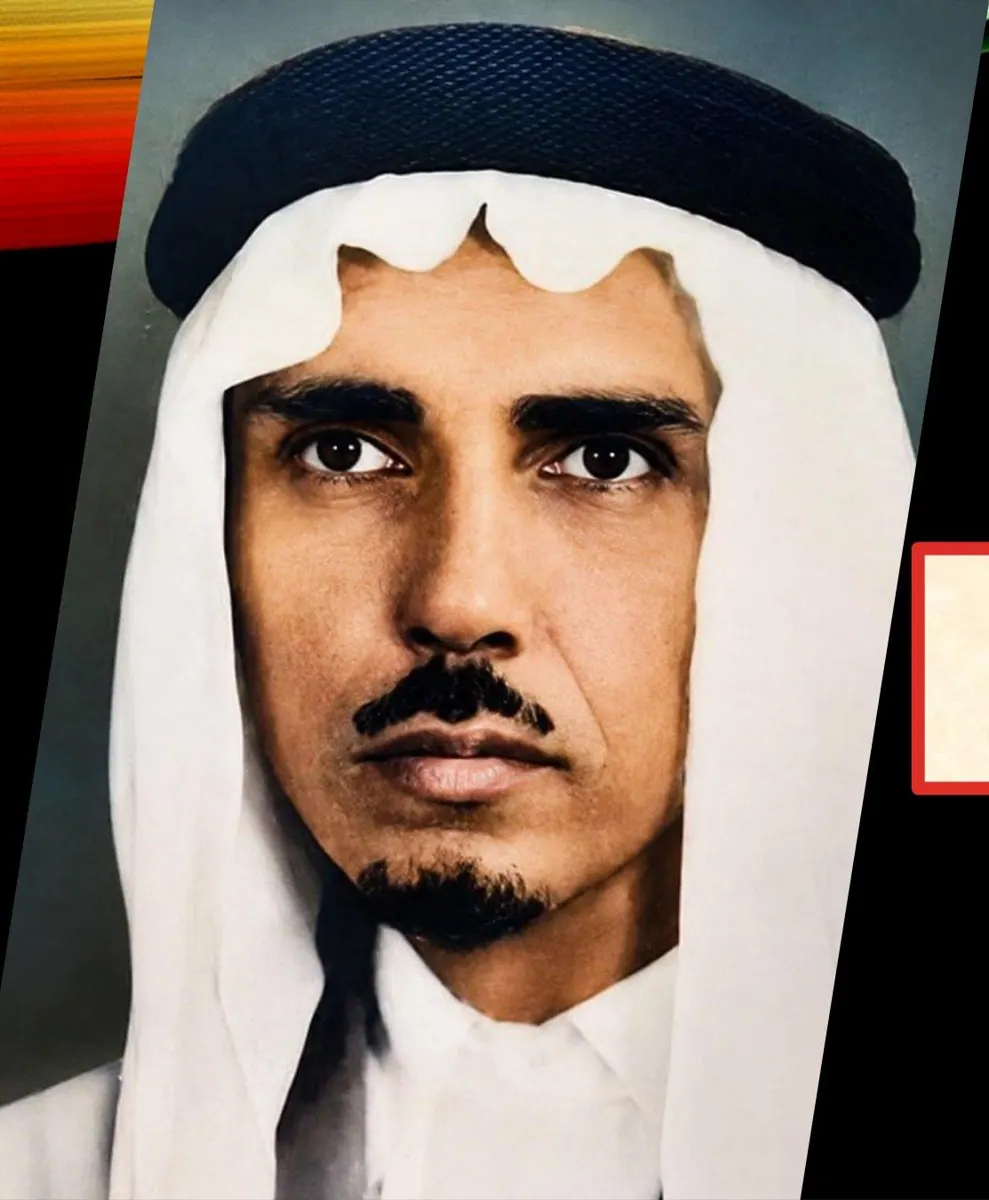
On 19 Rabi' al-Thani 1356 AH Sayyid Othman Hafiz took over as editor-in-chief, becoming the owner of the newspaper and its responsible editor, and Ali Hafiz shared editorial responsibility with his brother on 26 Jumada al-Ula 1358 AH, the two together becoming (the newspaper's owners and editors).
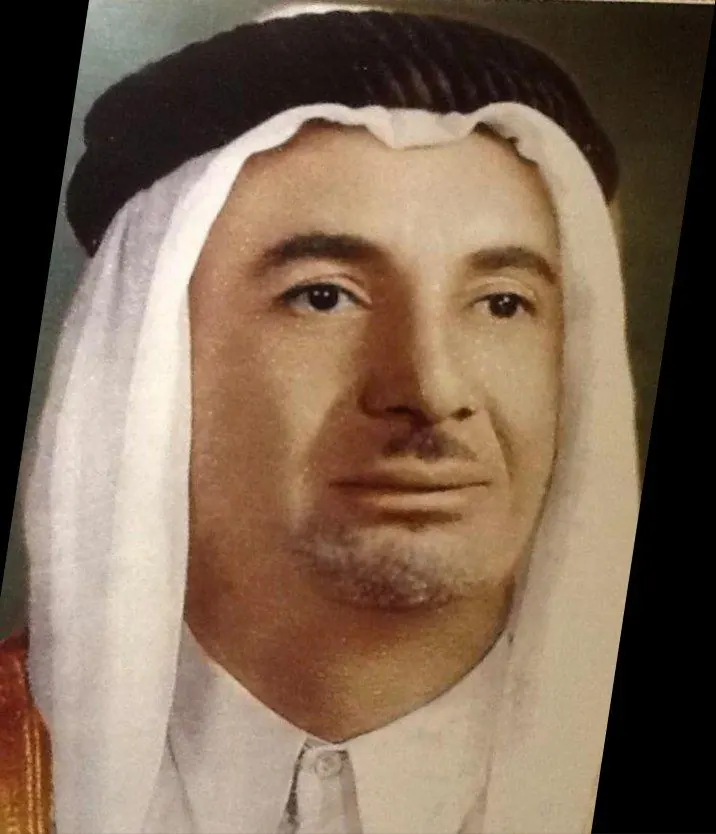
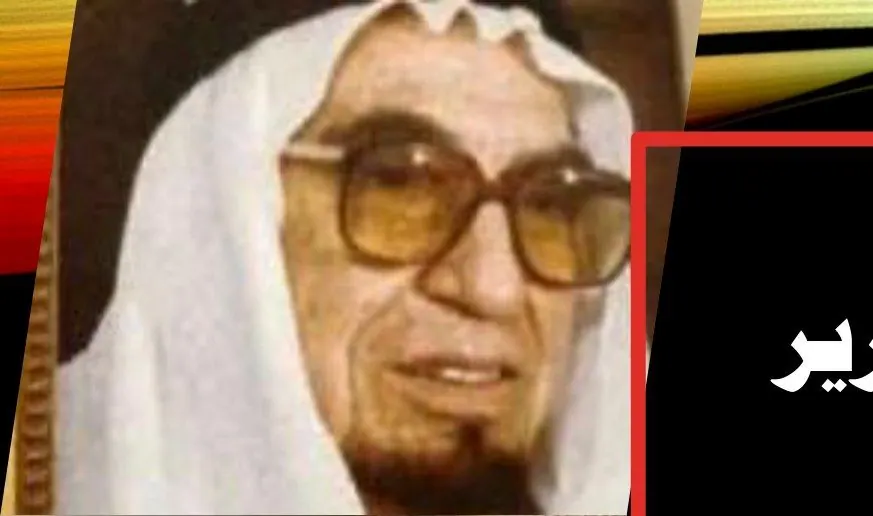
The newspaper then developed until it appeared twice a week, and it continued to be published from Madinah until the beginning of 1383 AH. On the fourth of Safar 1383 AH Hisham Hafiz became editor-in-chief, Muhammad Ali Hafiz managing editor, and Sayyid Khalid Hafiz took charge of administration
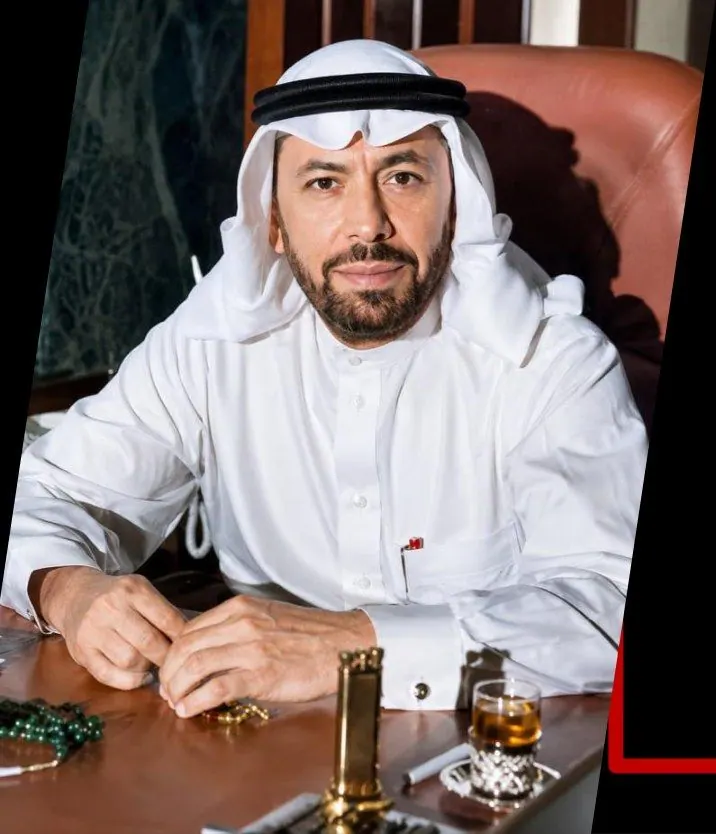

while the newspaper moved to the city of Jeddah
to appear daily
(with a weekly holiday of one day).
The first issue from Jeddah appeared on the twenty-seventh of Rajab 1382 AH
The Turning Point
The year 1383 AH marks a turning point in the history of the Saudi press, for in it Saudi newspapers came to be published by press foundations. On the twenty-fifth of Shawwal 1383 AH the general assembly of the Al-Madina Foundation held its first meeting, chaired by Mr. Ubayd Madani, pending the appointment of a director general.
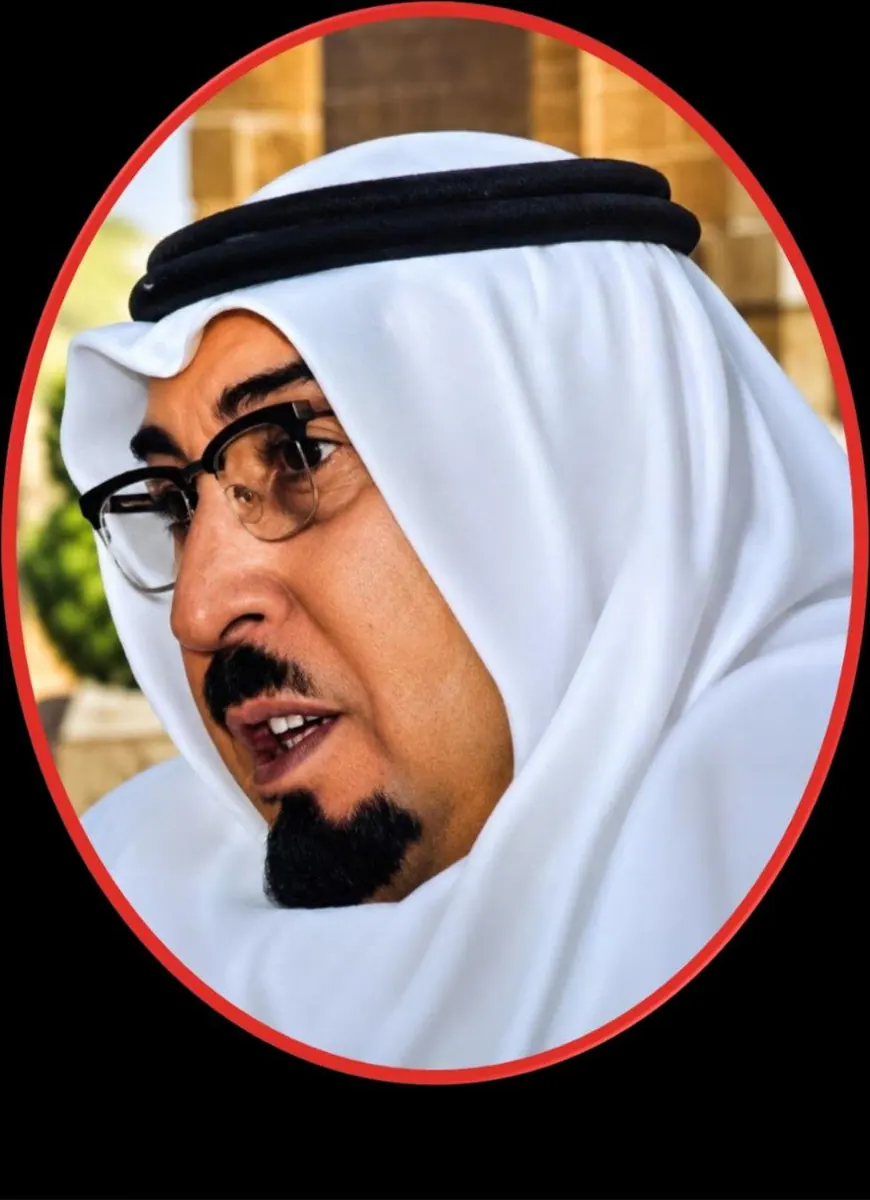
In 1384 AH the following joined the members of the foundation:
Abdullah al-Mani'i, Abdullah al-Qusaibi and Muhammad Abdulqadir Allaqi. The general assembly elected Ahmad Salah Jamjoom as the foundation's first director general and Muhammad Ali Hafiz as its first editor-in-chief. In 1396 AH Ahmad Muhammad Mahmud and Ali Said al-Ghamdi joined the membership of the foundation,
and in 1402 AH Dr. Eng. Muhammad Said Farsi joined.
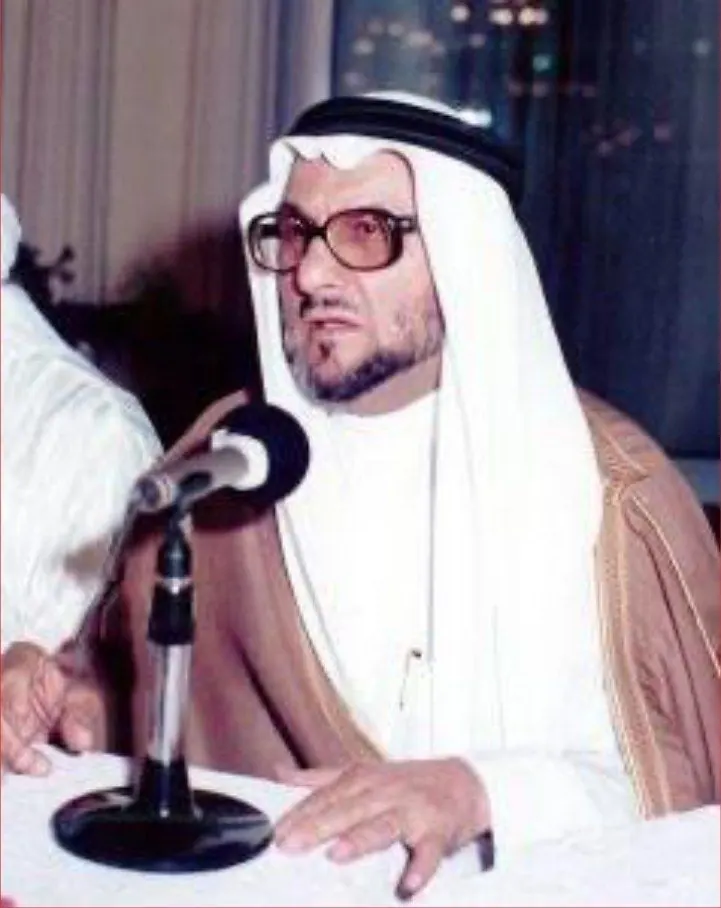
The newspaper's subscriptions to Arab and international news agencies: Saudi Press Agency, Associated Press, Agence France-Presse, Gulf News Agency, German Press Agency
Pages of Al-Madina Newspaper
The Cultural Page
Islamic Affairs
International Affairs
Local Affairs
The Cultural Page
Literary Heritage
Folk Poetry
Readers' Mail
Opinion Page
Students
Tourism
During that period the number of the newspaper's pages was increased
according to the planned programme, to 24 pages, in addition to the supplements gathered in a bumper issue appearing on Wednesdays. From that time Al-Madina made a habit of issuing specialised papers and supplements that set it apart from other newspapers: the first sports paper, "Al-Mala'ib al-Riyadiyya", appeared in (1398 AH), and the first cultural supplement, the weekly "Al-Arbi'a'", in (1403 AH).
Today the newspaper is working
to complete its new printing press during the current year, as the most modern of press printing plants and the most capable of keeping pace with the newspaper's future developments and ambitions.
From issue 1114, dated 20 Jumada al-Akhirah 1382 AH, Al-Madina became a daily, with Saturday as its day off.
Its printing was moved to Jeddah from that time, and it appeared daily,
printed at the presses of the Printing, Press and Publishing Company owned by Sayyid Hasan Sharbatly, owing to the lack of technical and printing facilities in Madinah,
and its two owners were waiting to bring the printing back to Madinah once printing facilities became available and the press of Madinah was strengthened.
Printing
In the building of Dar al-Ilm for Printing and Publishing, belonging to the Al-Madina Foundation, the largest printing machine in the Kingdom began to run, and it became possible for (Al-Madinah al-Munawwarah), in its new era, to appear every day of the week, after it had not been published on Fridays.
The first issue to abolish the weekly holiday appeared on Friday 20/2/1402 AH.
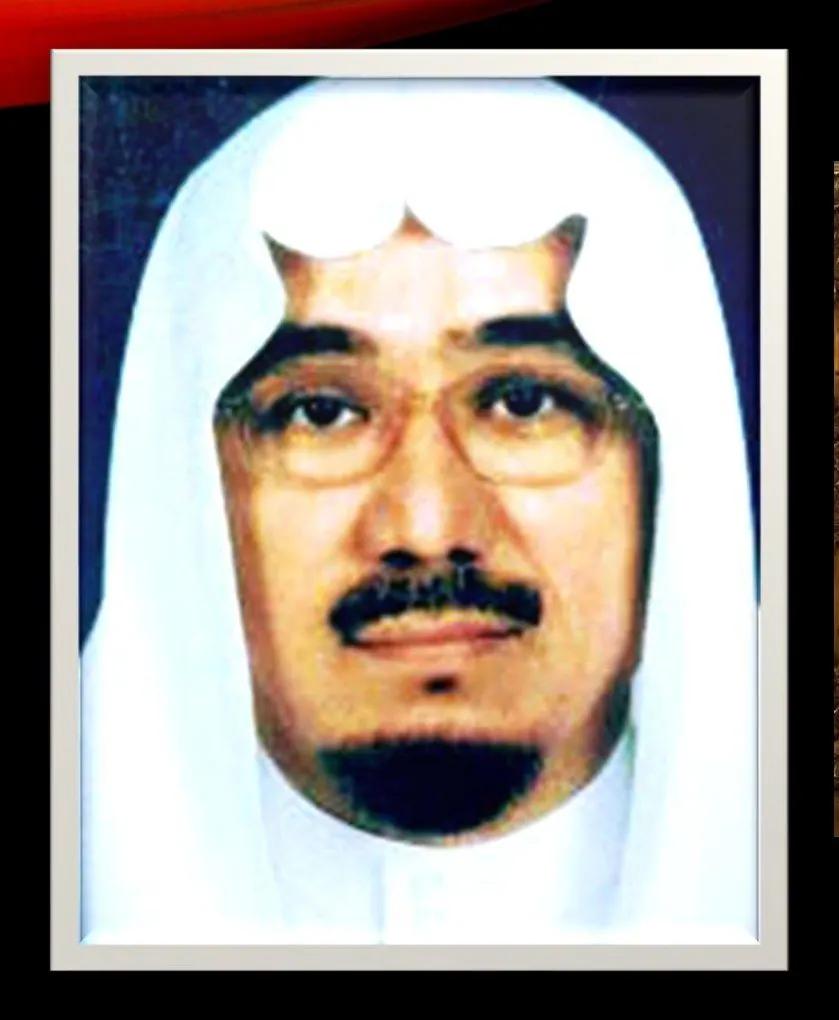
Al-Wasit
An advertising supplement,
commercial, serving as a link
between the merchant
and the public

Abdulfattah Abu Madyan published
the newspaper (Al-Adwa')
in 1376 AH, corresponding to 1957,
and it was the first newspaper published in Jeddah
under Saudi rule,
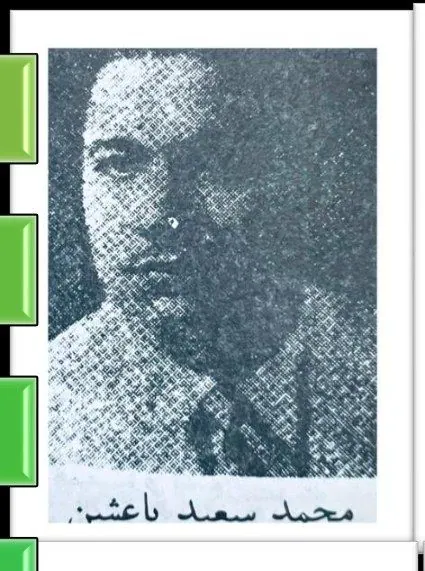
in partnership with Muhammad Said Ba'ashen
Muhammad Said Ba'ashen
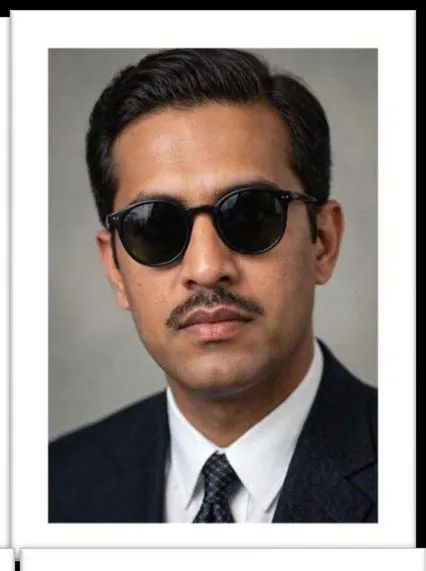
and Muhammad Amin Yahya
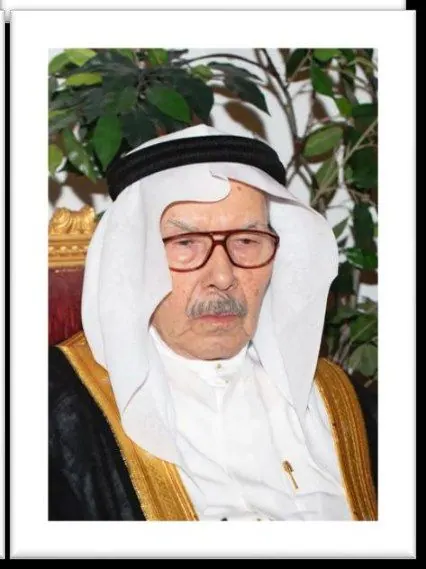
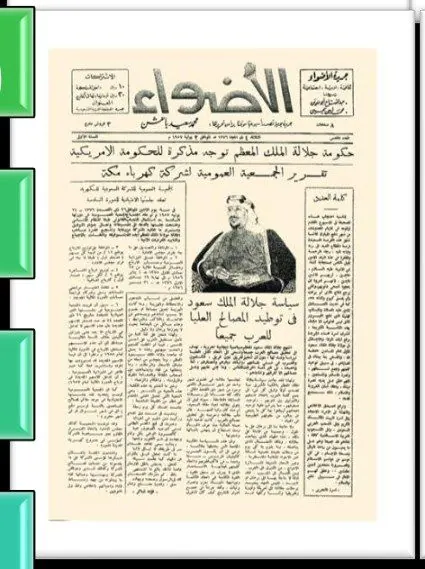
The first issue of Al-Adwa' appeared
on Tuesday, 6 Dhu al-Qa'dah 1376 AH, 4 July 1957. It appeared every Tuesday in 8 pages, in the medium size of 42×30, except on certain occasions when it came out with more pages,
and in its second year some issues appeared in 12 and 16 pages,
and it would give 55-54-52-51.
those issues a double number, such as
Suspensions of the Newspaper
Al-Adwa' was suspended from its readers
after issue 72, dated 13 Rabi' al-Awwal 1378 AH,
and issue 73-74 appeared on 15 Rabi' al-Thani 1378 AH. The newspaper referred to its suspension in issue 73-74 under the heading:
Thanks and Apology – Owing to unforeseen circumstances this newspaper ceased publication for two weeks, and it returns today, thanking its readers for their warm welcome and their enquiries about it”. Al-Adwa' continued to appear for a year and six months, during which 87 issues were published,
the last issue being the one dated 25 Jumada al-Akhirah 1378 AH, 6 January 1959. The newspaper was printed at the Printing and Publishing Foundation in Jeddah.
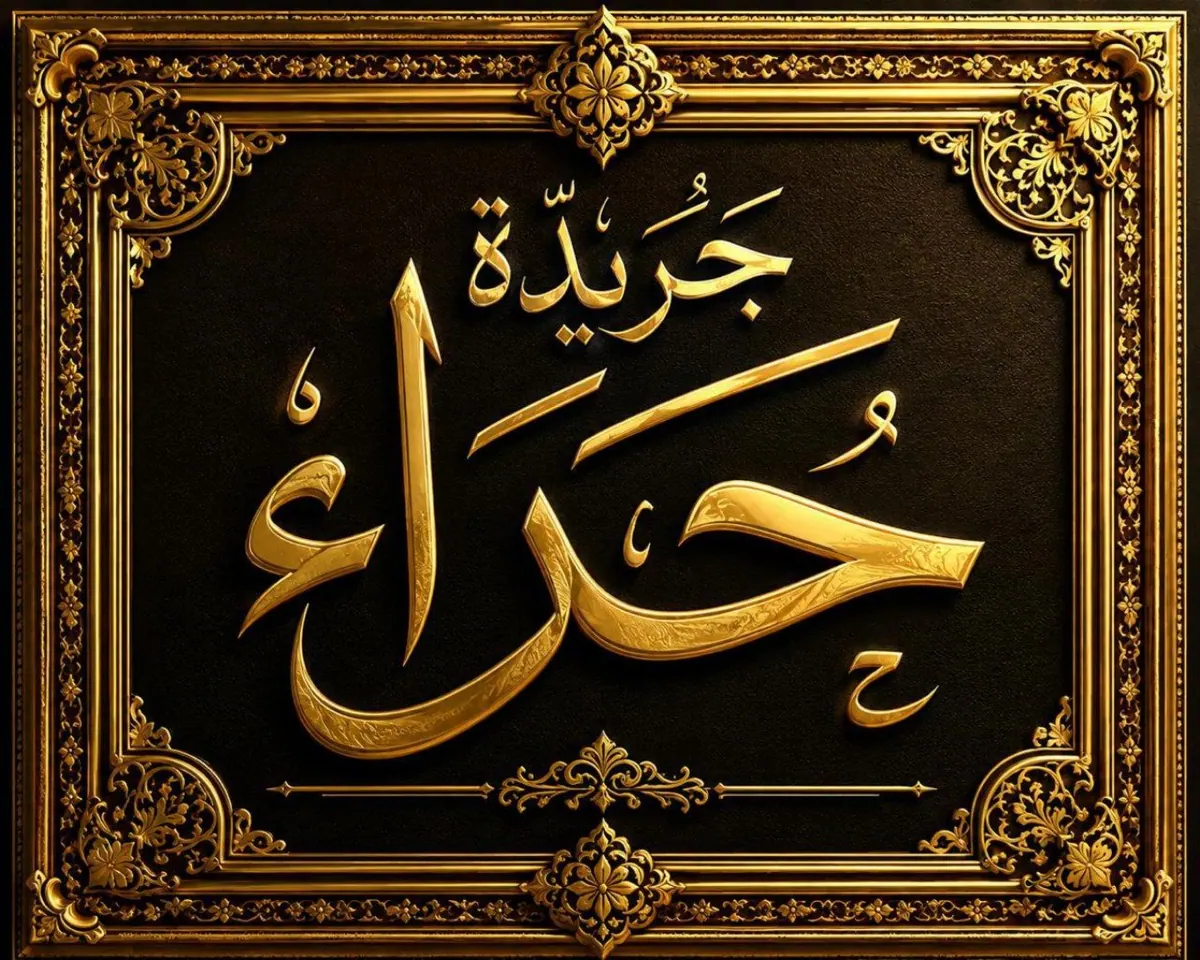
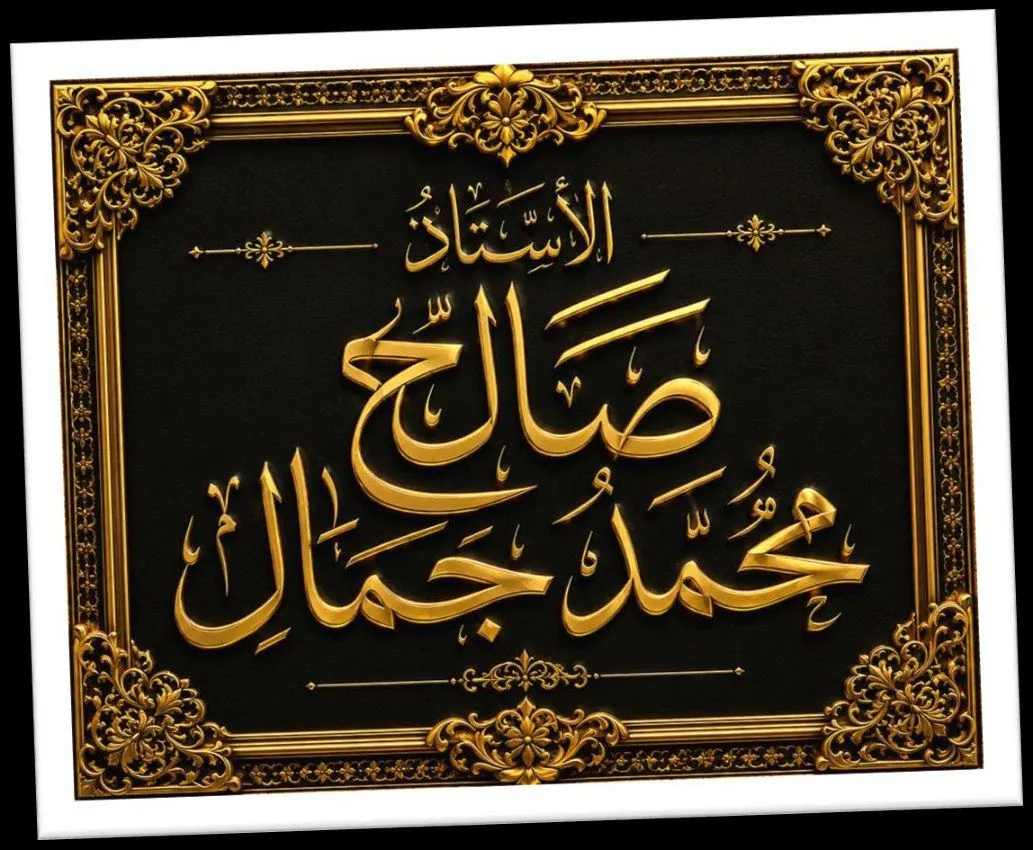
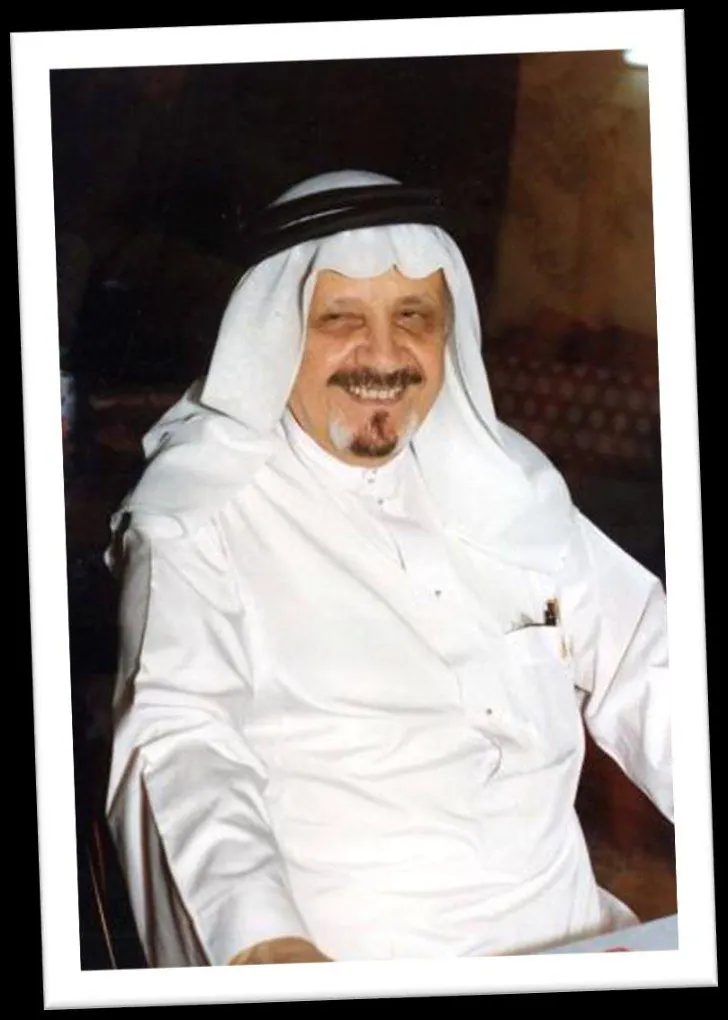
Founder of the Newspaper
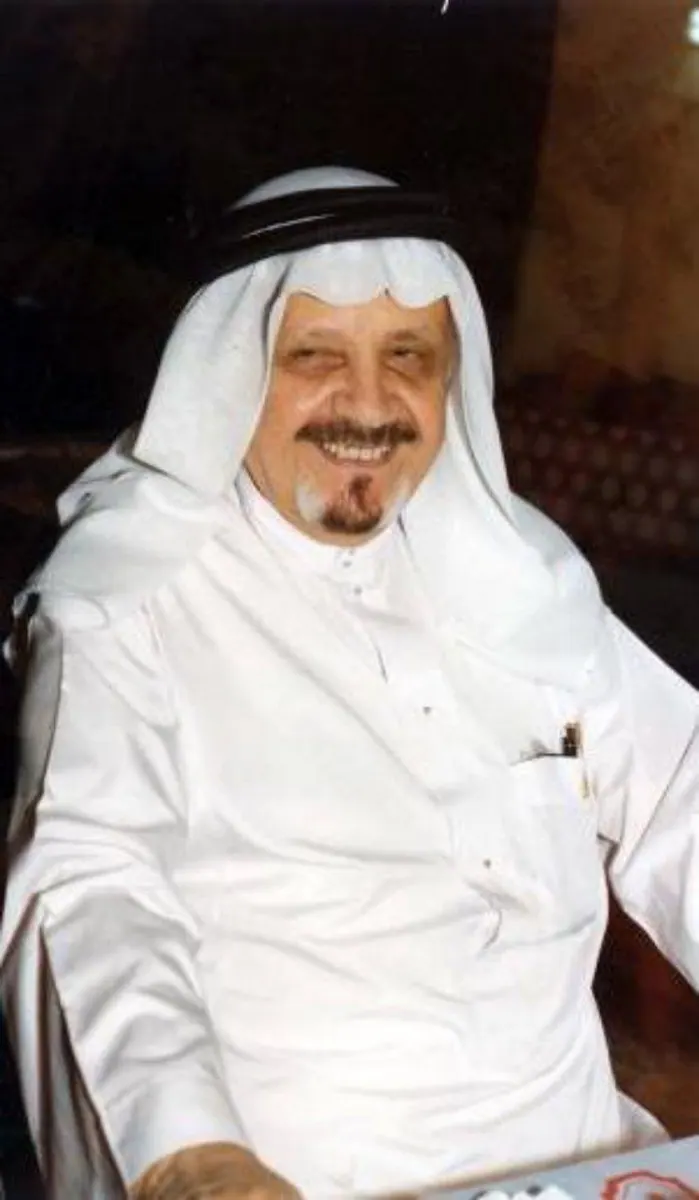
(1920 - 1991)
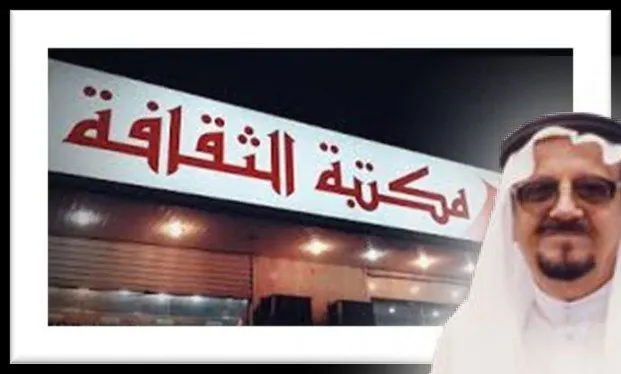
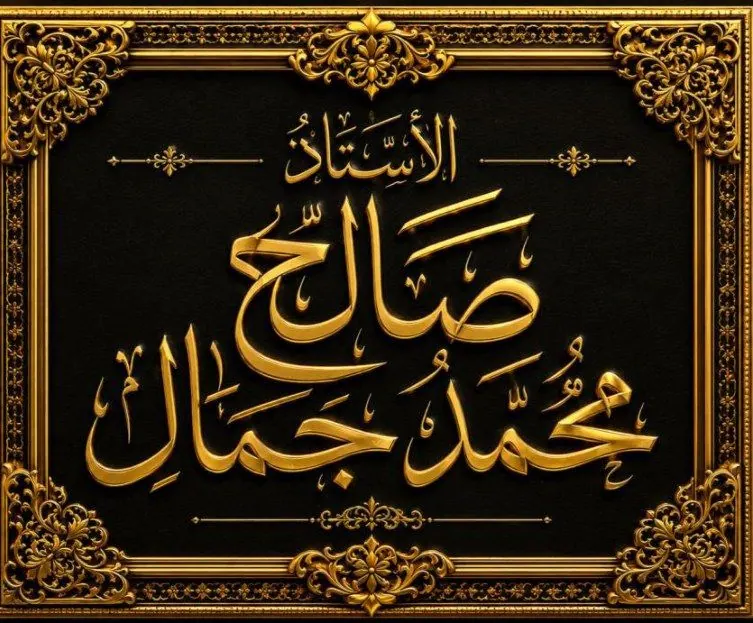
Mr. Salih ibn Muhammad Jamal is counted among the most prominent pioneers of journalism, thought and culture in Makkah. His career was distinguished by contributions in several fields:
Professional beginnings: He began his working life in 1354 AH as a clerk recording deaths at the Bayt al-Mal (Treasury) in Makkah.
Cultural work: He founded "Maktabat al-Thaqafa" (the Culture Bookshop), regarded as the first comprehensive cultural bookshop established in Makkah for selling and distributing books and publications.
Journalistic career: Besides founding and heading the newspaper Hira', he later became editor-in-chief of Al-Nadwa after the merger, and at one stage of his life he also served as editor-in-chief of the newspaper Al-Madinah al-Munawwarah.
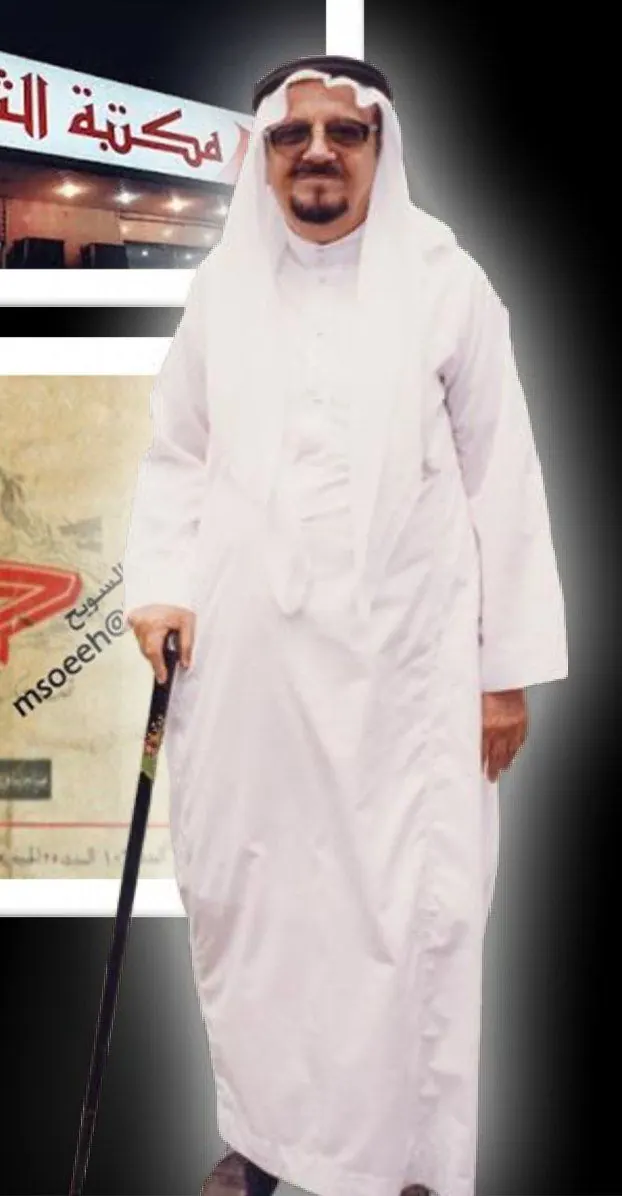
Founding of Al-Nadwa after the Merger
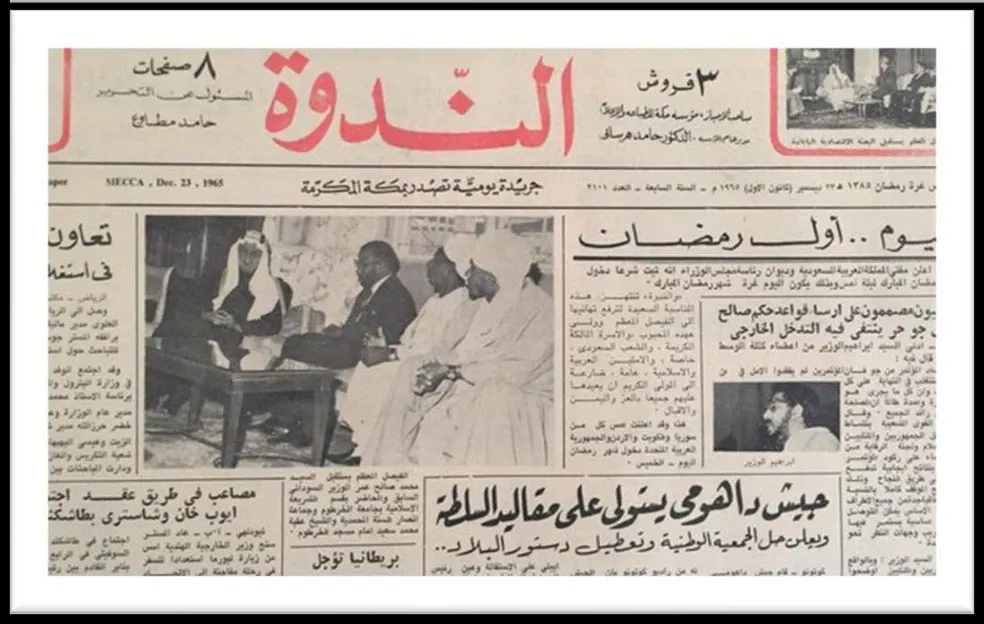
The newspaper "Al-Nadwa" was founded in Makkah as a weekly in 1958 by Mr. Ahmad al-Sibai.
The historic merger decision: In January 1959 a decision was issued merging "Hira' newspaper", owned by Salih Muhammad Jamal, with "Al-Nadwa newspaper", owned by Ahmad al-Sibai
The Most Notable Newspaper Mergers
in the period
(1378 AH / 1959):
In Makkah: Hira' merged with Al-Nadwa and the name settled on (Al-Nadwa).
The New Management
After the merger Ahmad al-Sibai gave up his share, and the newspaper came to be run under the editorship of Salih Muhammad Jamal,
It appeared
to become the official and only daily newspaper of Makkah for long decades, representing the voice of the Holy Capital and the news of the Hajj and Makkan society
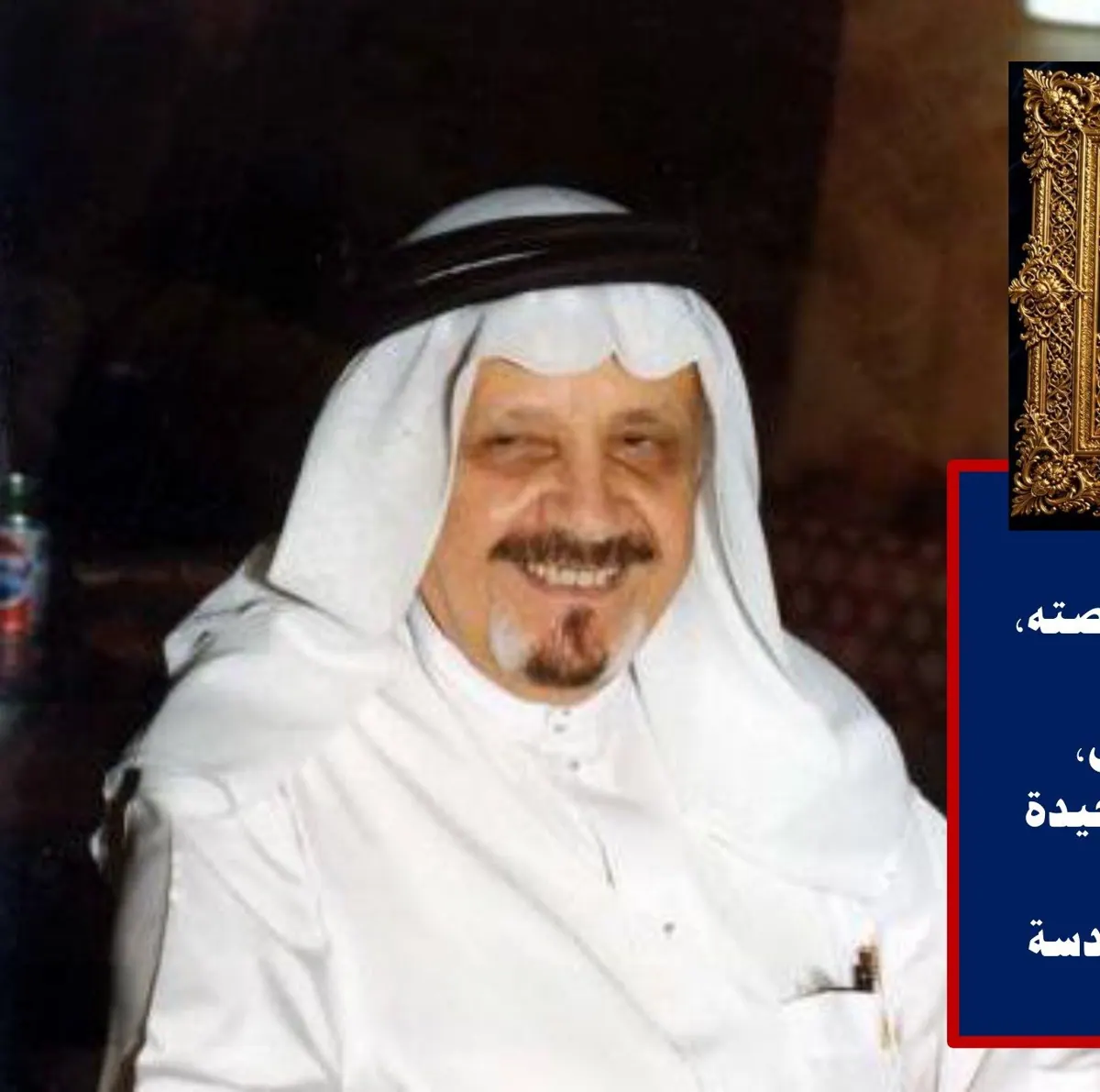
Closure of the Newspaper's Premises
A debt of 600,000 closes Al-Nadwa on 18 February 2013: owing to the financial crisis the newspaper went through, it was ordered to pay the salaries of former employees, one of whom had been an assistant editor-in-chief and the other an administrative employee; their total dues amounted to 600,000 riyals
Pauses for Reflection
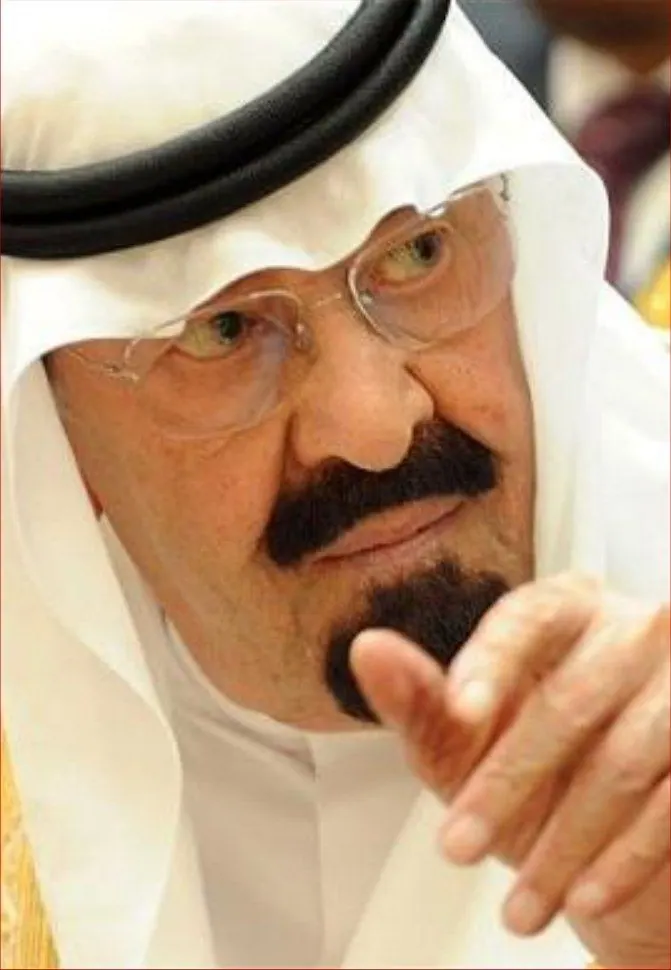
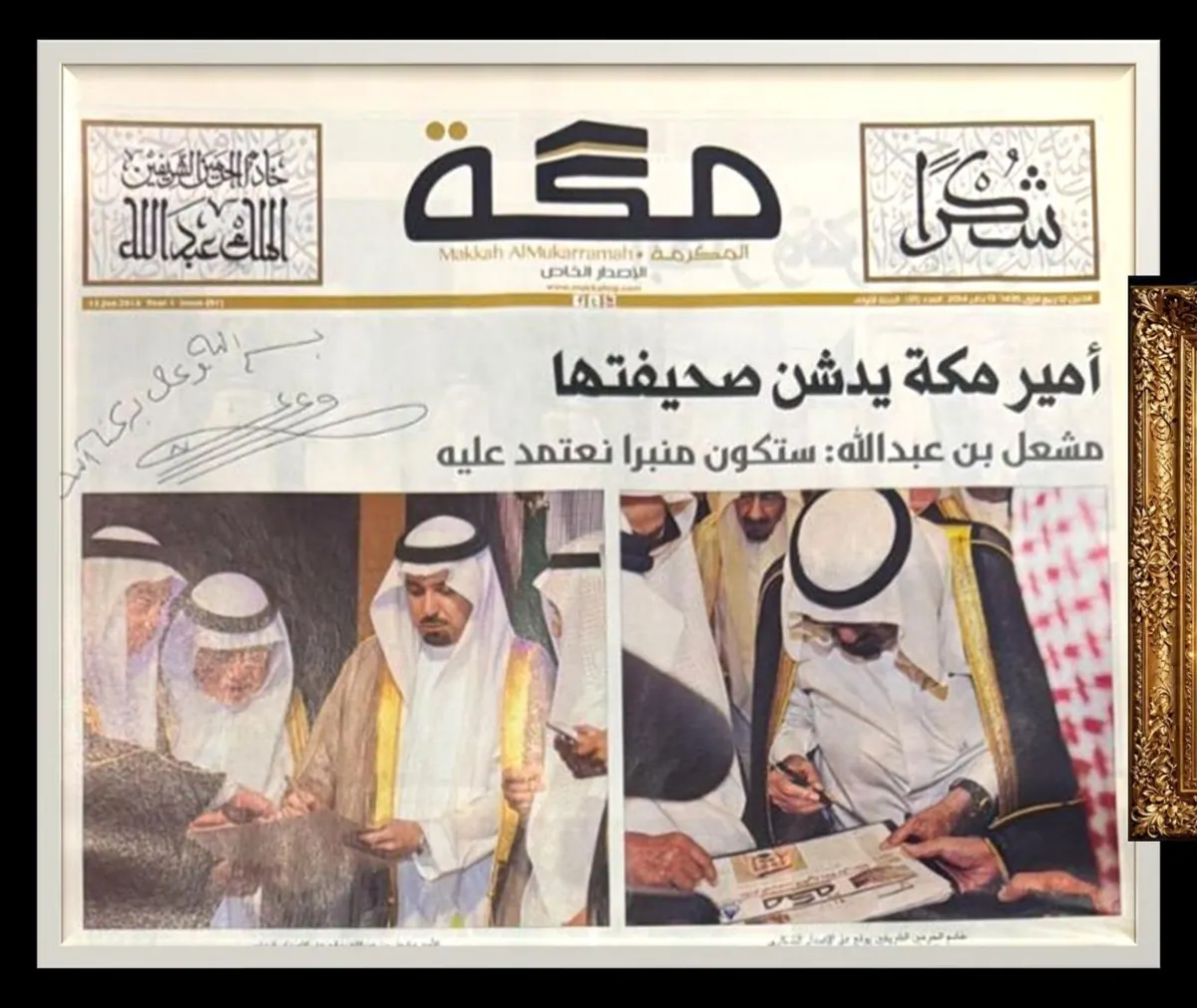
The Custodian of the Two Holy Mosques, King Abdullah ibn Abdulaziz, paid ten million riyals (one dollar equals 3.75 riyals) from his private account to Al-Nadwa, published by the Makkah Foundation for Printing and Media, the only newspaper published in Makkah,
which was suffering a financial crisis. On 11 January 2014 a ceremony was held to launch the newspaper "Makkah al-Mukarramah", born from the womb of Al-Nadwa,
at Umm al-Qura University in Makkah. The editor-in-chief of Makkah newspaper is Ali al-Zayd and his deputy Muwaffaq al-Nuwaysir.
Quraysh magazine
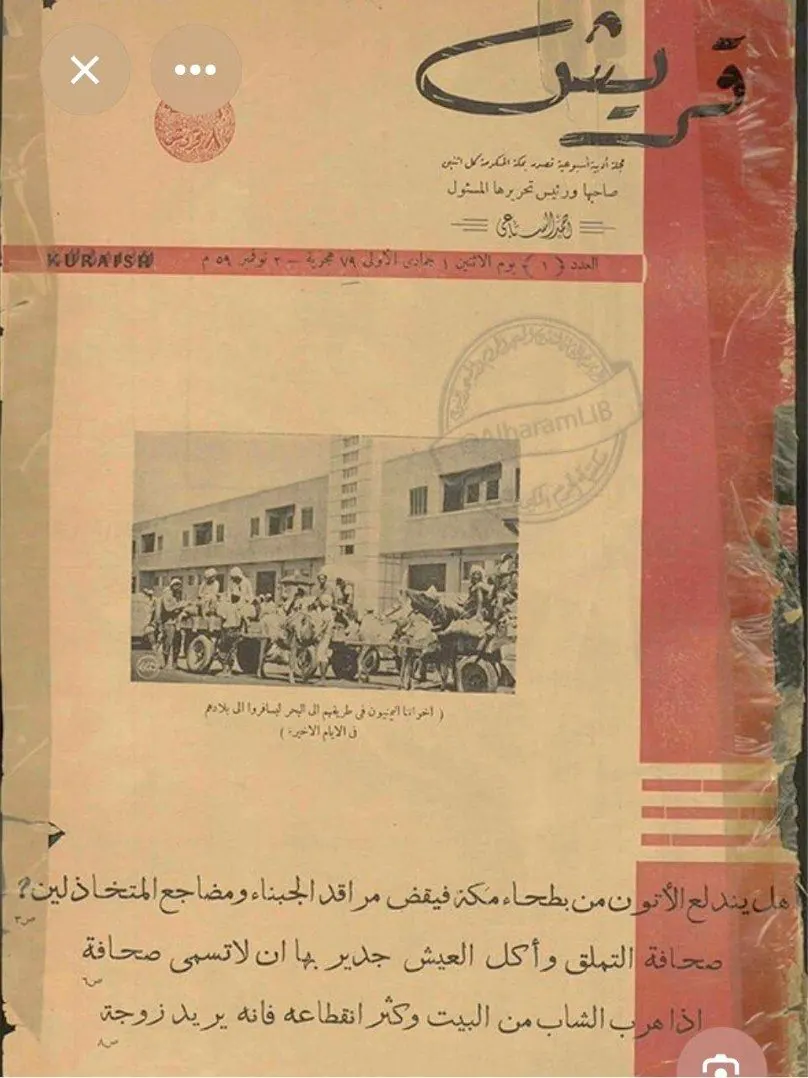
It appeared in Makkah
on 1 Jumada al-Ula 1379 AH
corresponding to 2 November 1959
It was founded by Mr. Ahmad Muhammad al-Sibai.
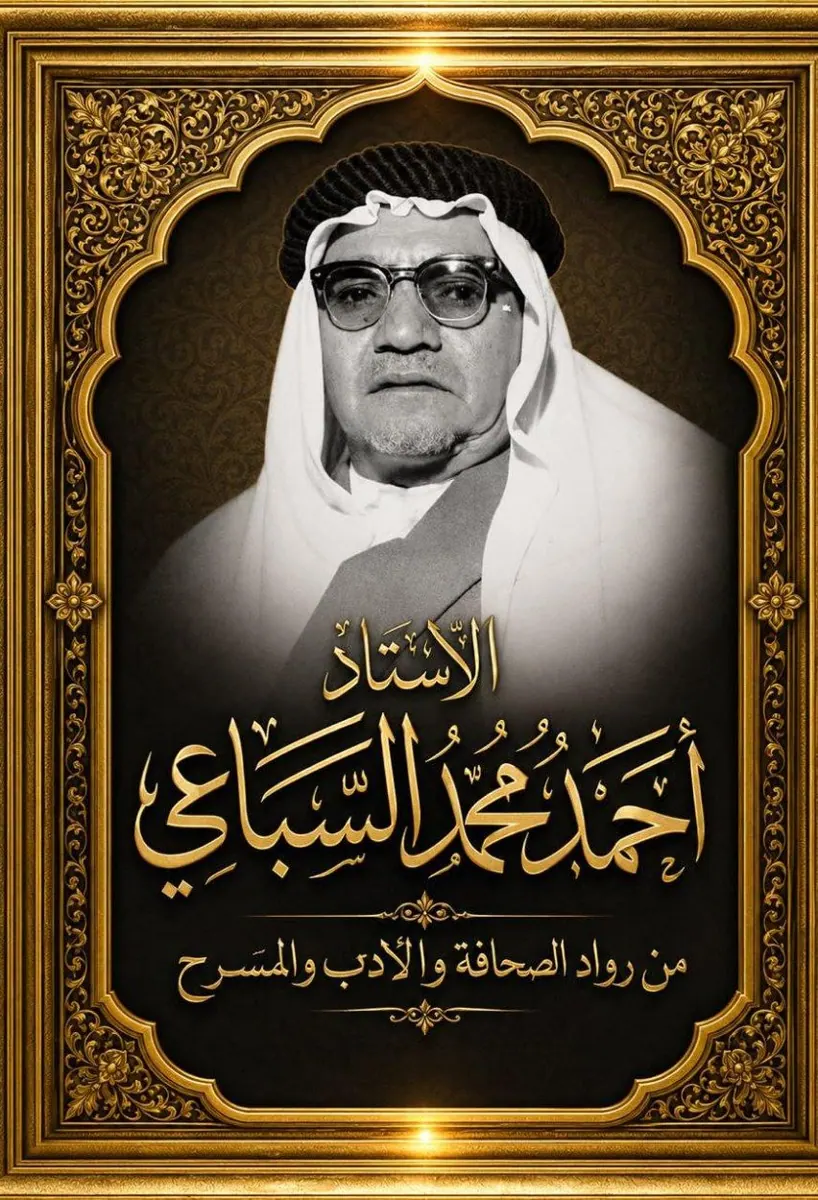
The Appearance of Quraysh Magazine
Quraysh magazine appeared in 16 pages measuring 45×60, with al-Sibai as its owner and editor-in-chief.
From issue 25, dated 30 Shawwal 1379 AH, the editorial secretariat was entrusted to Mr. Muhammad Abdullah Malibari, and after Mr. Malibari the editorial secretariat of the magazine was held by Messrs. Abdullah Ahmad al-Dari and Ali Mahdi al-Shanwah

The magazine appeared as a weekly every Monday, then came to appear on Wednesdays,
and the subscription was 17 riyals inside the Kingdom, with postage added outside it,
and a single issue cost 8 piastres.
The magazine took an interest in sport,
publishing news of the clubs and sporting games and sports commentary. The magazine was printed in two colours: red, reserved for the page backgrounds,
which was the fixed colour in all its issues,
and black for all the magazine's material
The magazine introduced caricature, aimed at tackling local and political problems and at humour, and a caricature might take up a whole page. The magazine devoted its last page to folk matters,
where internal problems were treated in the everyday colloquial language,
along with folk proverbs in the vernacular
Al-Sibai was
- keen to meet his readers' wishes and to choose the sections that would draw them to read the magazine;
- in issue
it published 91
- dated Rabi' al-Awwal 1391 AH
- a survey of the magazine's readers on the occasion of its second anniversary, and set aside three prizes to be awarded for correct answers.
The magazine's end: In its last year the magazine appeared
in newspaper form, in the ordinary newspaper size of 58×88, in 8 pages, distinguished from newspapers only by its name; beneath its title was written "Quraysh, a weekly magazine concerned with literature and life". Quraysh continued to appear for four years and six months,
The Magazine Ceases
It ceased publication after the issuance of the Press Foundations Law,
having published 219 issues, the last being issue no. 219, dated Shawwal 1383 AH, corresponding to 10 March 1964, in its fifth year.
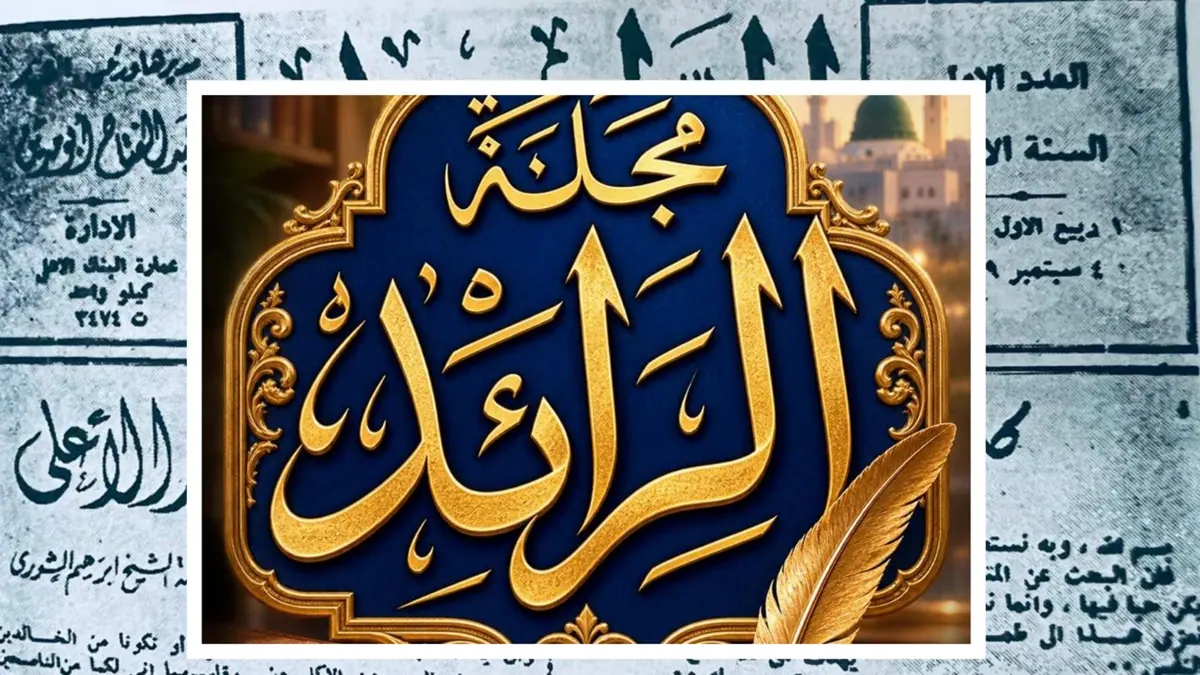
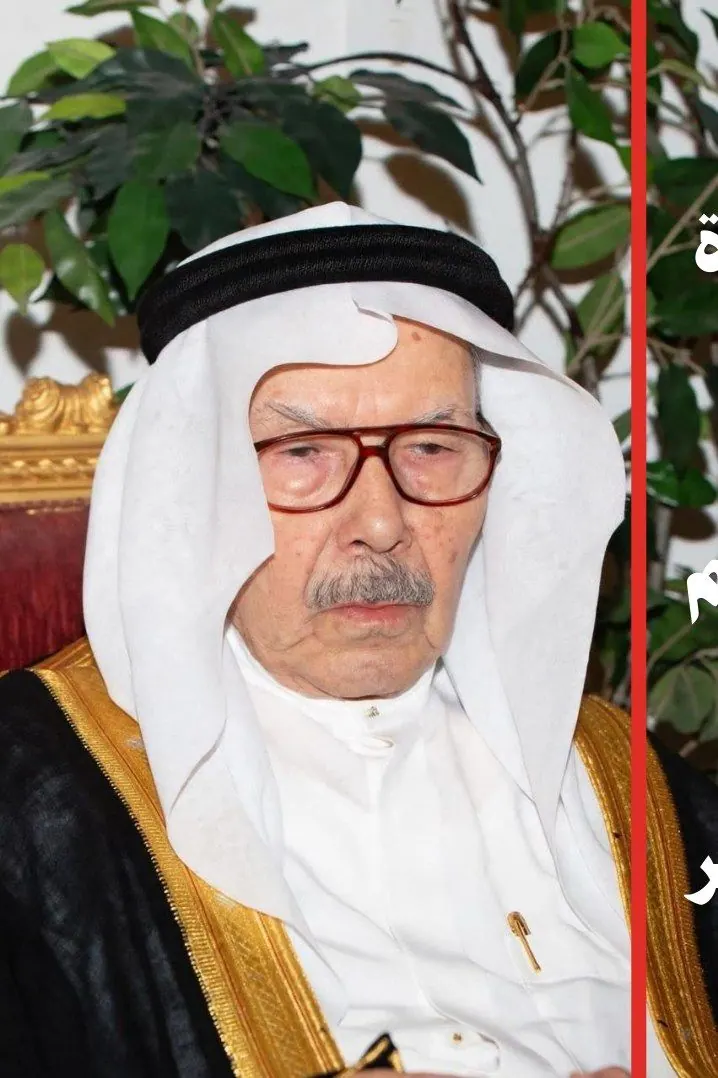
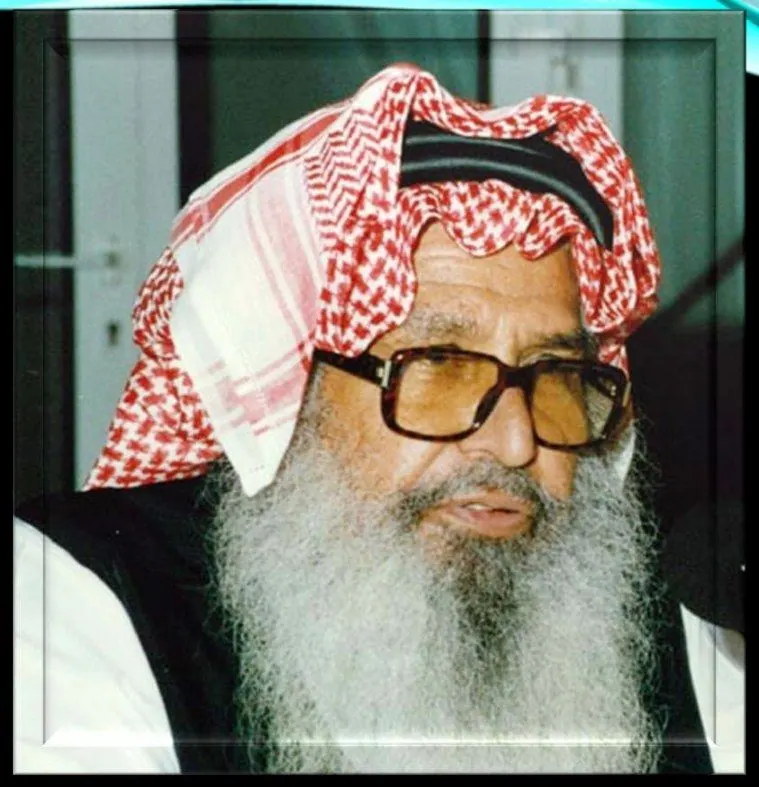
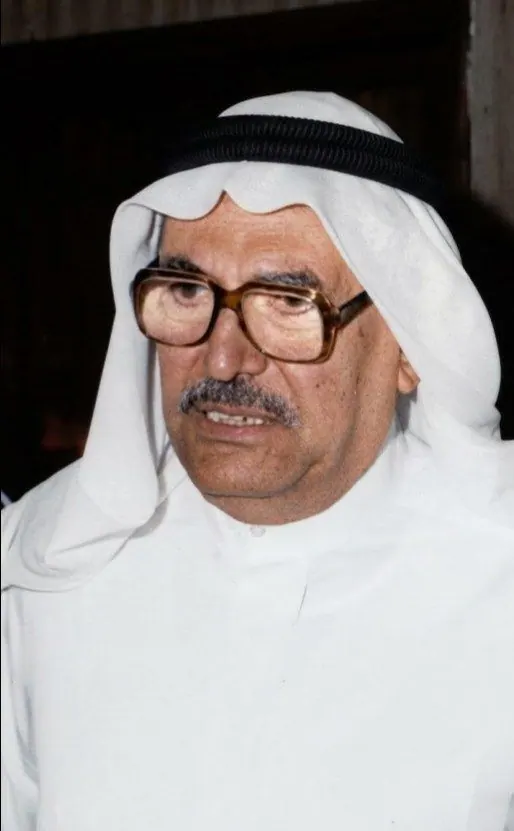
Al-Ra'id was a literary and cultural magazine published by Mr. Abdulfattah Abu Madyan in the city of Jeddah, of which he was owner and editor-in-chief.
Its first issue appeared
on 1 Rabi' al-Awwal 1379 AH, corresponding to 4 December 1959. It was a literary and cultural magazine concerned with thought, literature and society, with a special interest in sport and sportsmen, following the sports clubs and matches and publishing their news, their matches, the names of their stars and the comments of sports commentators
When Al-Ra'id first appeared it was fortnightly; from issue 25, dated 21 Safar 1380 AH, corresponding to 14 August 1960, it became a weekly on glossy white paper, and it remained weekly until it ceased publication after the issuance of the Press Foundations Law.
Al-Ra'id appeared in magazine form
with a coloured cover in the size 30×22 up to issue 24; from issue 25, dated 21 Safar 1380, corresponding to 14 August 1960, it appeared in the size 45×30 in 12 pages.
From issue 75, dated 10 Rabi' al-Awwal 1381 AH, it appeared in the size 58×84 in 10 pages in newspaper form, yet it was labelled a "magazine”.
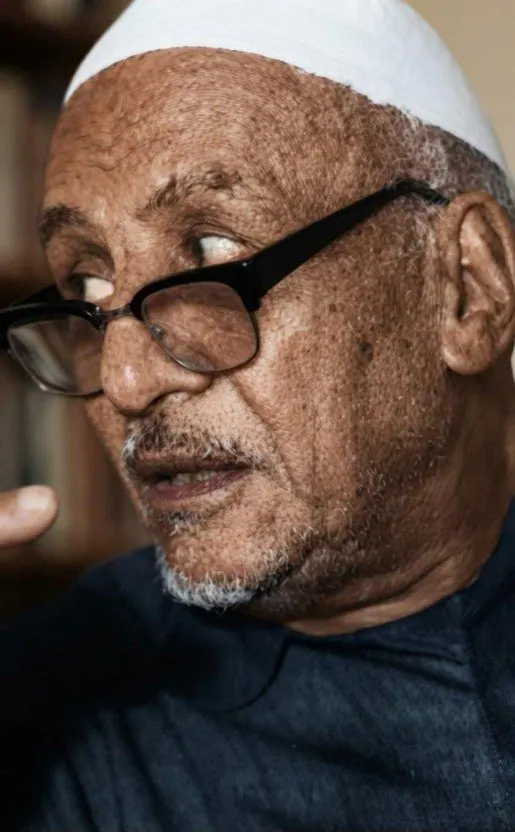
Al-Ra'id used to hold literary gatherings, almost weekly, among men of thought and letters. These gatherings were sometimes held at the Al-Ra'id offices and sometimes at the homes of some of the writers who regularly took part. Among those who attended were Messrs. Mahmud Arif, Dr. Abdullah Manna', Abu Turab al-Zahiri, Muhammad Hasan Awwad and Dr. Muhammad Said al-Awadi.

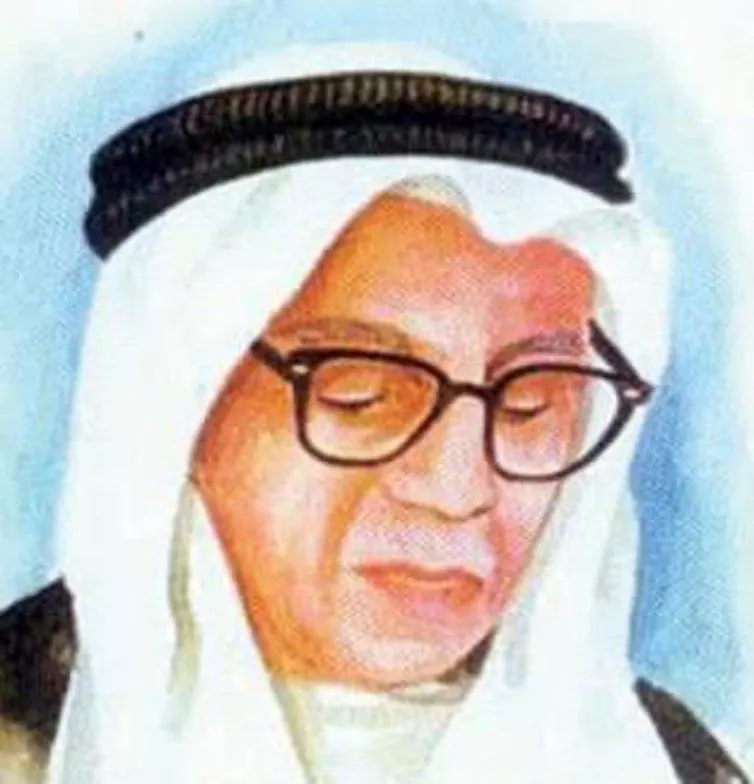
The Appearance of Its First Issue
In Rabi' al-Awwal 1379 AH / September 1957 the first issue of the magazine appeared, in its first year. At the top of the first page was written: Al-Ra'id magazine, a weekly literary magazine appearing every half month for the time being, and to the left of the title its director and editor-in-chief Abdulfattah Abu Madyan. The first page contained three articles:
the first, the word of Al-Ra'id;
the second, "Pioneering" by Abdulaziz al-Rifa'i; and the third, "The Birth of the Supreme Pioneer" by Shaykh Ibrahim al-Shura
References and sources: Saudi Wikipedia
Wikipedia, the Free Encyclopedia
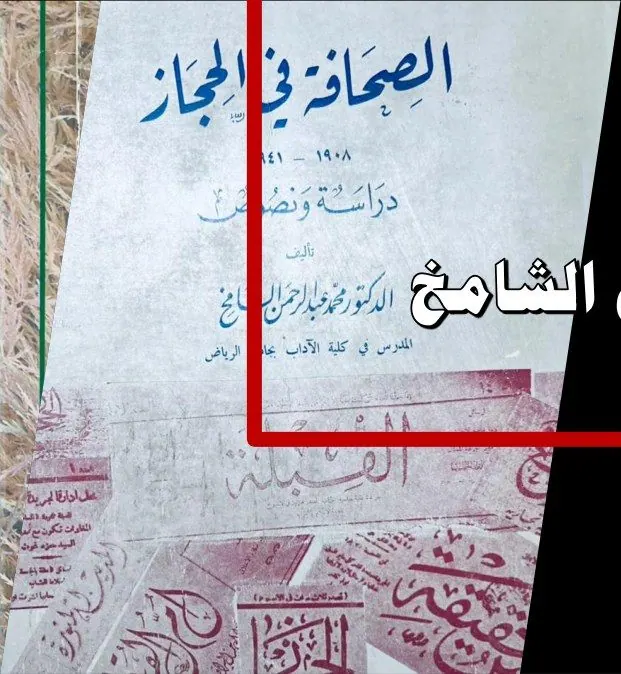
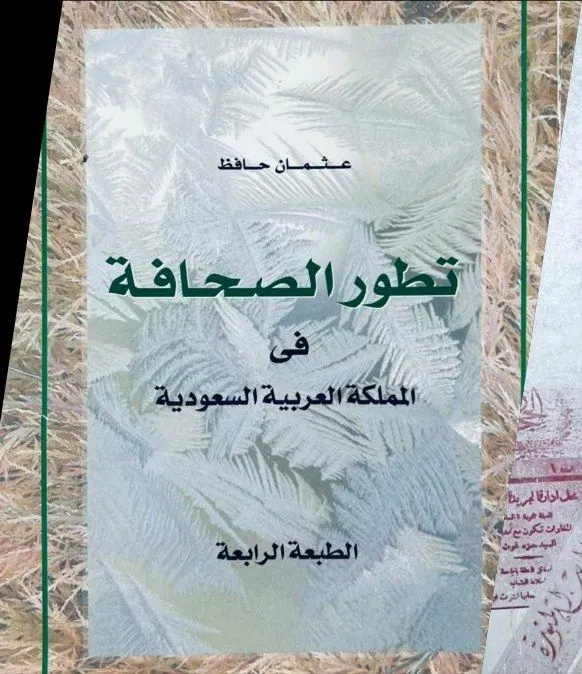
Tarajim website; the book The Development of the Press by Othman Hafiz; the book The Press in the Hijaz by Muhammad Abdulrahman al-Shamikh; Saudi newspapers
Prepared and designed by Siraj Hussain Fathi. Download the full file as PDF