
Heritage and Memories
A gallery of paintings by Siraj Hussain Fathi (1444 AH) recalling scenes from his childhood and the heritage of the Hijaz: studying with his mother, Auntie Omrana, the water carrier, the porter and the pedlar, the old household water vessels, and the al-Shamiyya fire in Makkah in 1378 AH, which he witnessed himself.
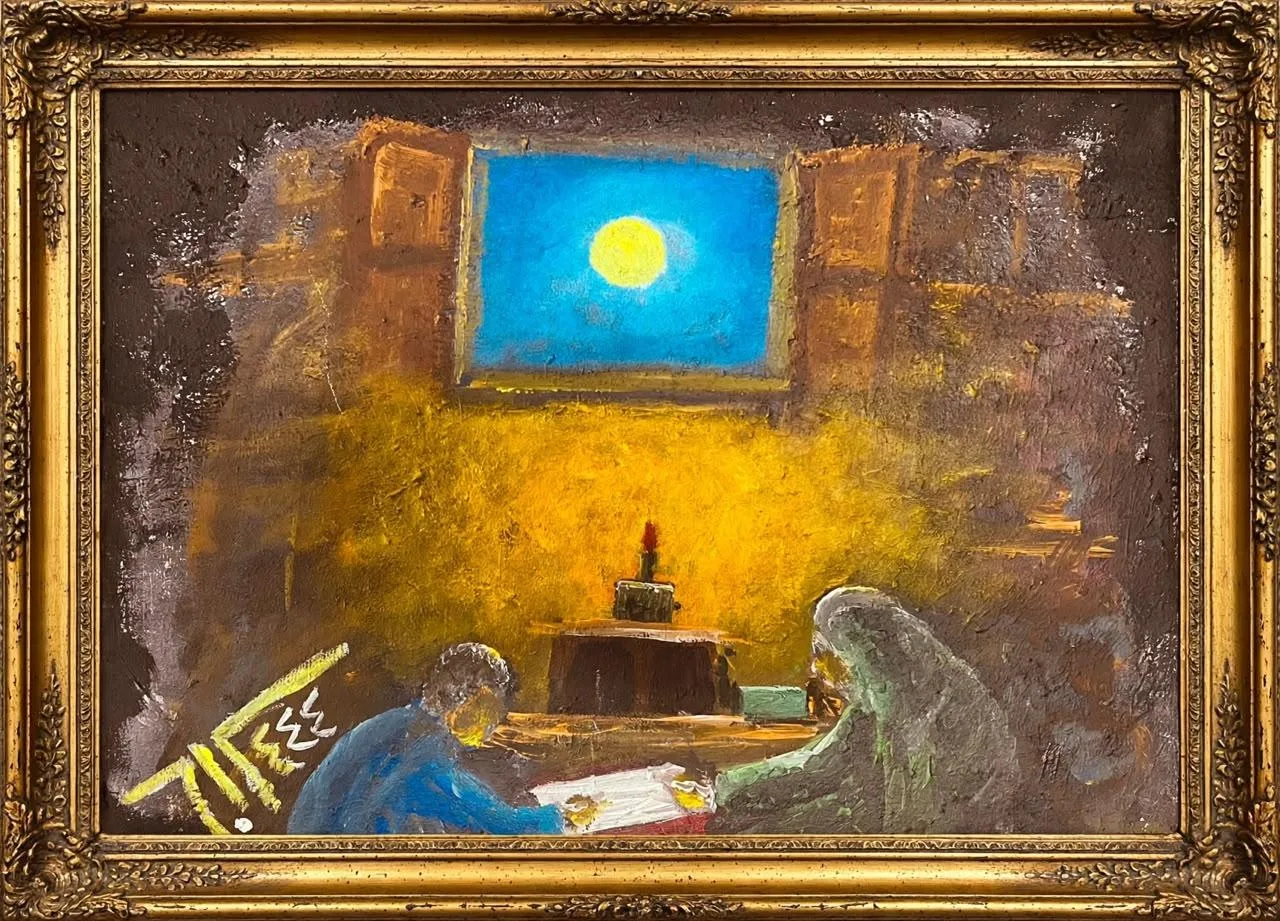
Studying with my mother, may God have mercy on her
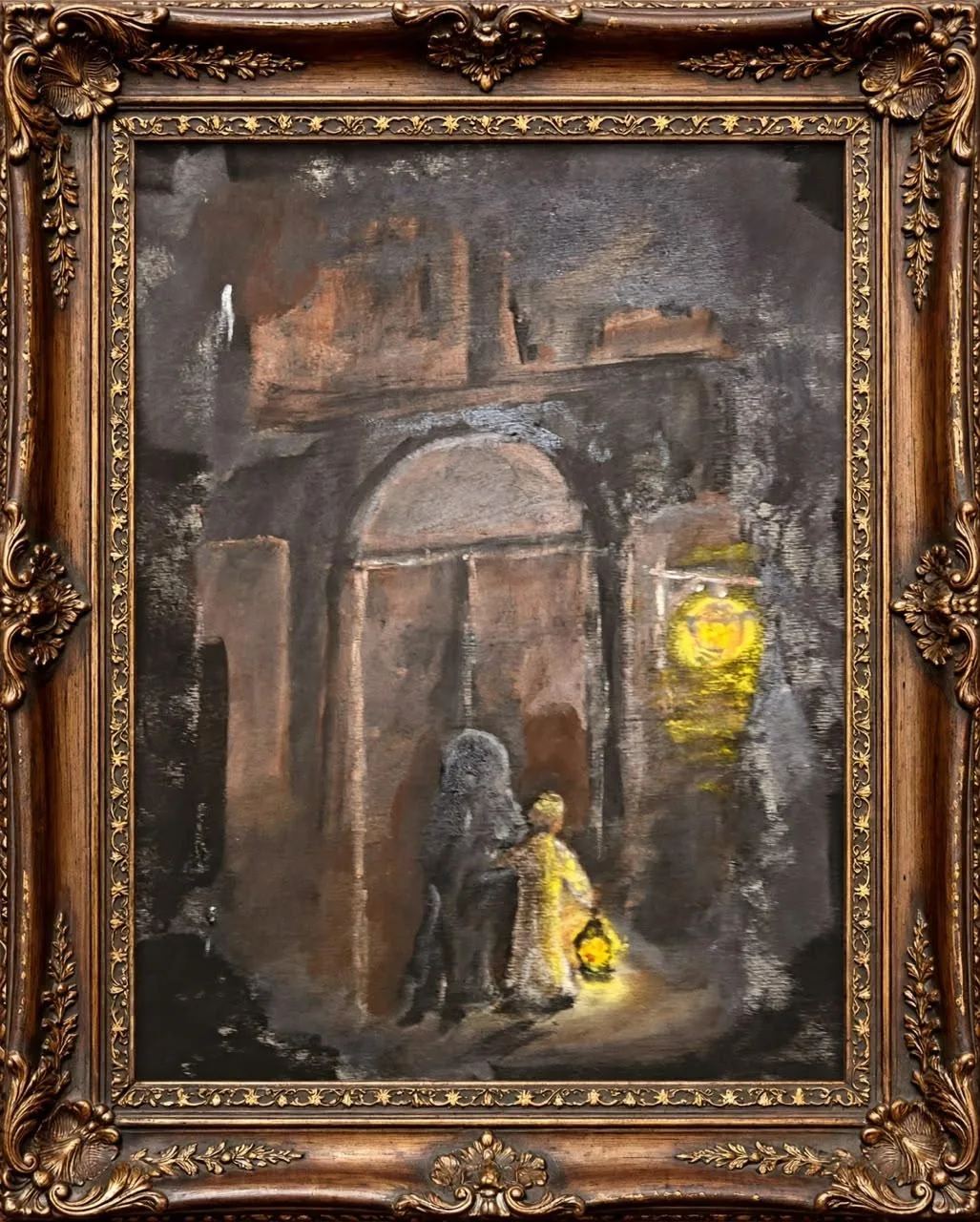
Auntie Omrana
Auntie Omrana, may God have mercy on her, was our neighbour, and I used to go with her when she visited some of her relatives during Ramadan.
Her companion on the road: with Auntie Omrana, may God have mercy on her
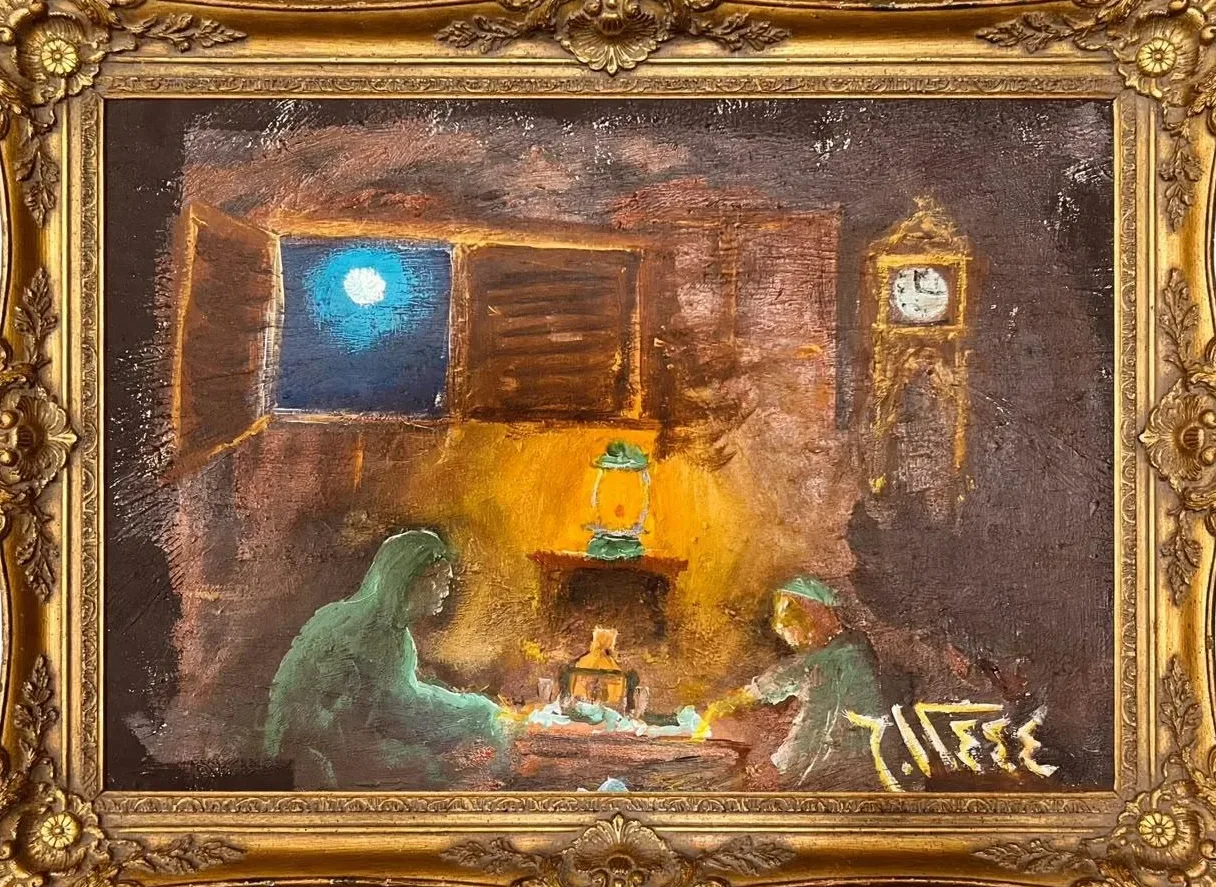
Suhoor with Auntie Omrana, may God have mercy on her
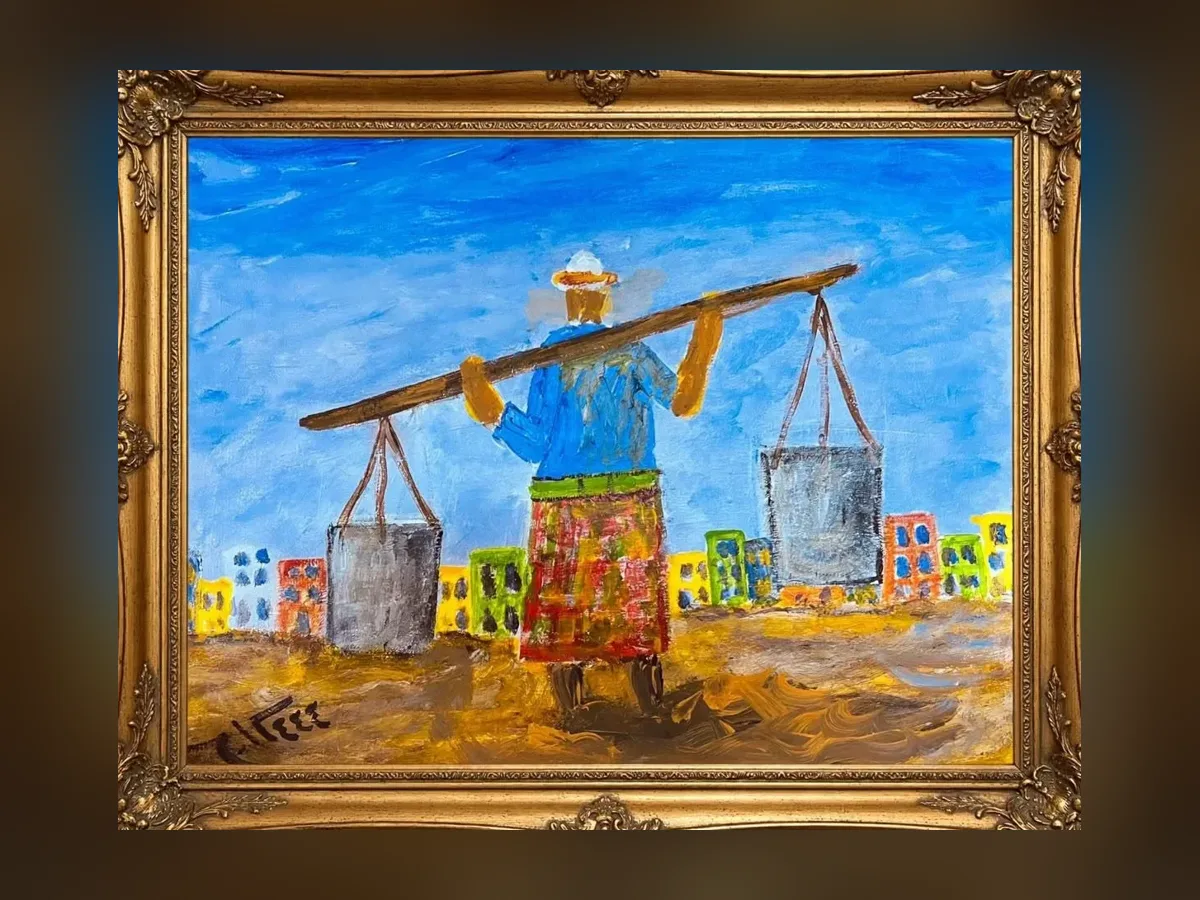
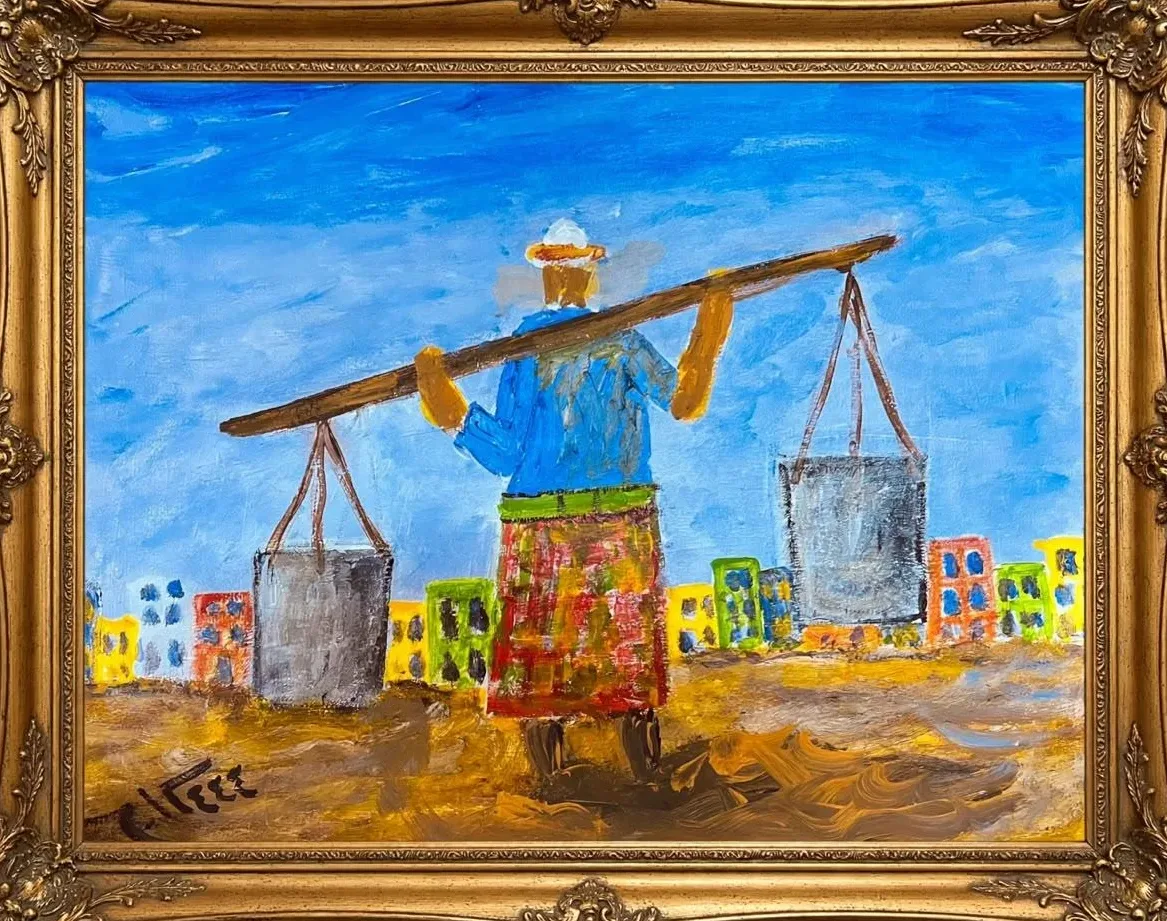
The water carrier (al-Saqqa)
The water carrier brought water from the bazan, the public water outlets, to the houses, either in a pair of cans hung from a yoke (the zaffa) or in a waterskin on his shoulders.
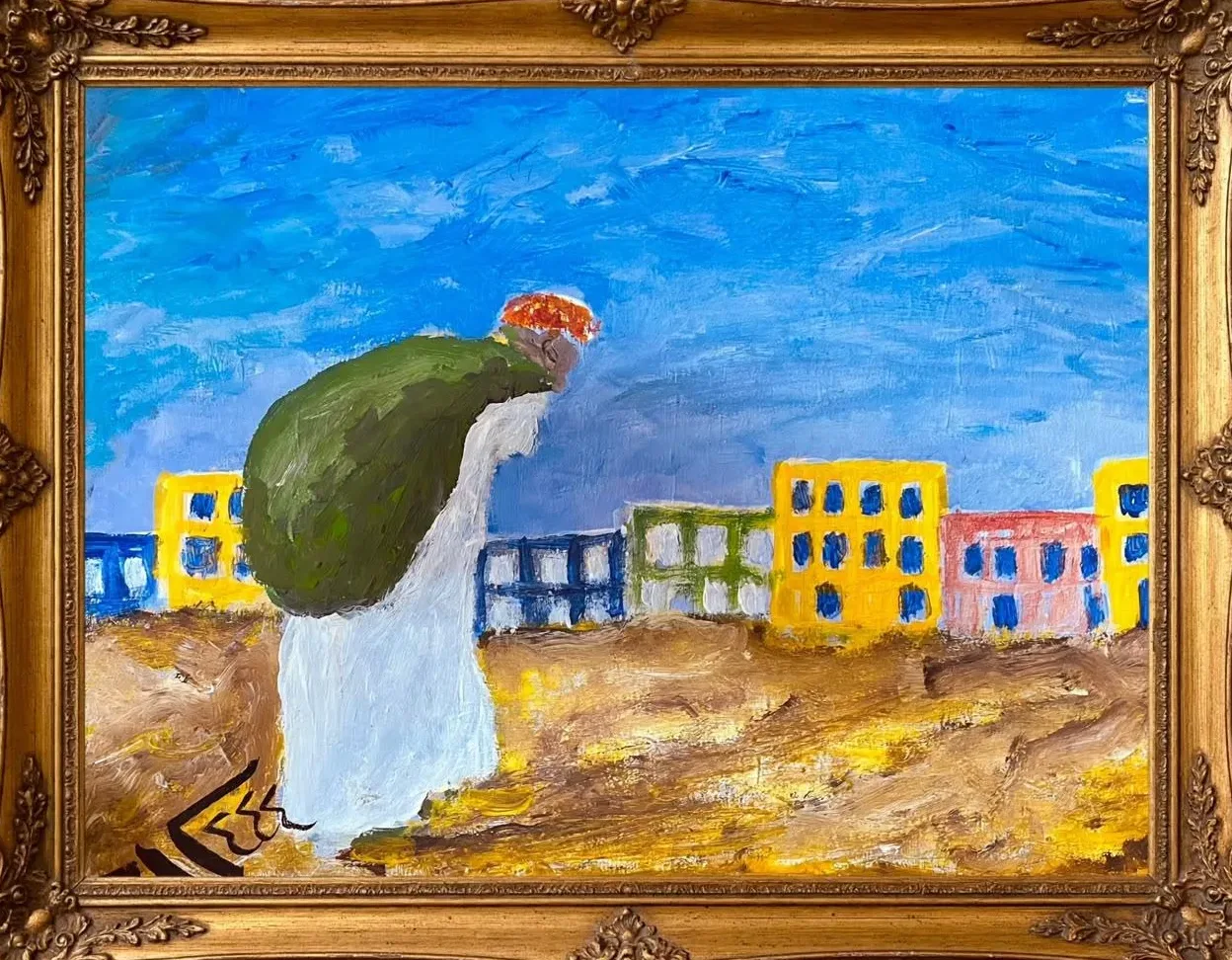
The pedlar (Farqana)
The pedlar, known as Farqana, carried on his back a large sack full of fabrics or household goods, and the women bought from him instead of going to the market.
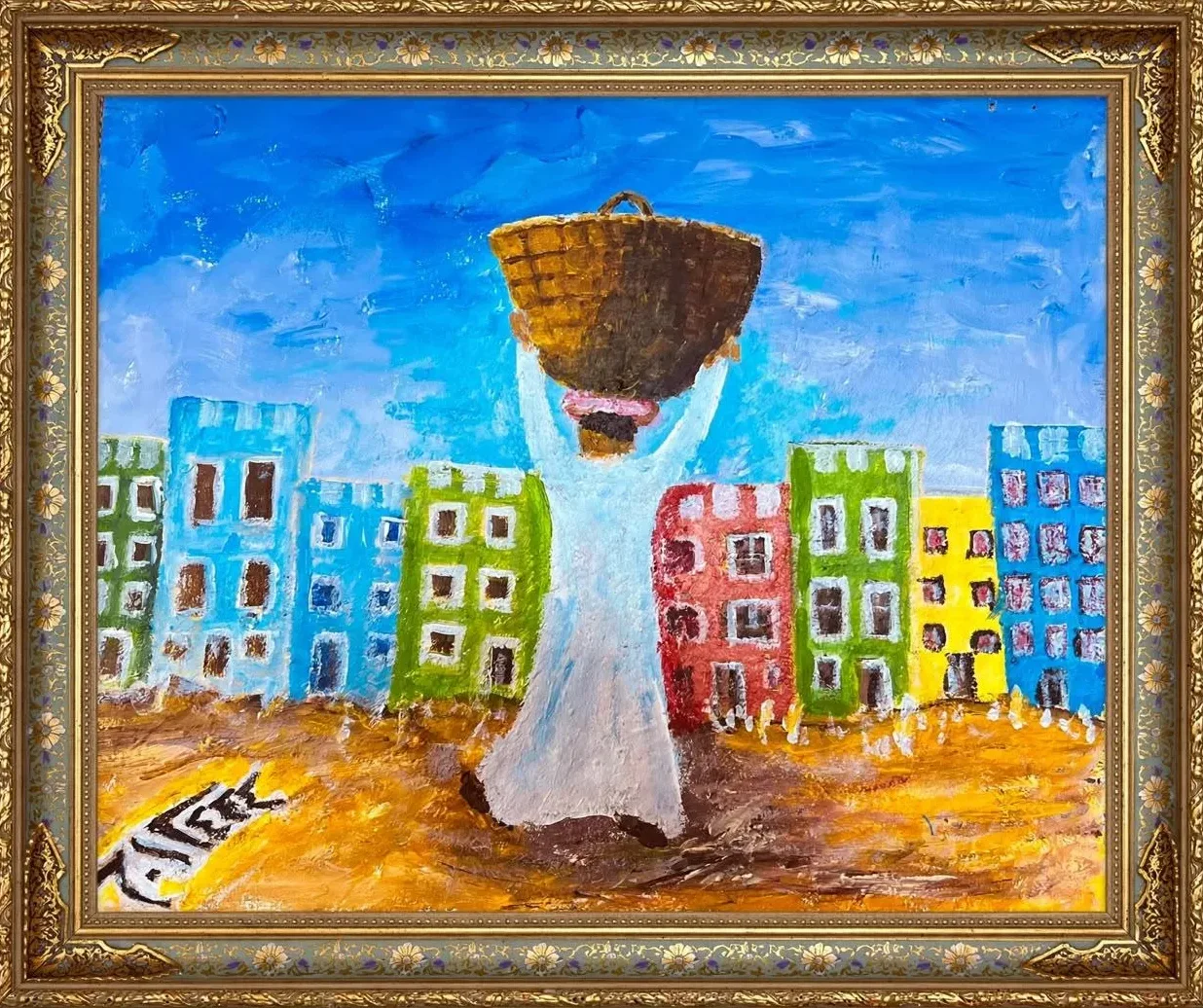
The porter (al-Hammal)
The porter carried on his head a large basket full of the groceries the man of the house had bought, and brought it home with him.
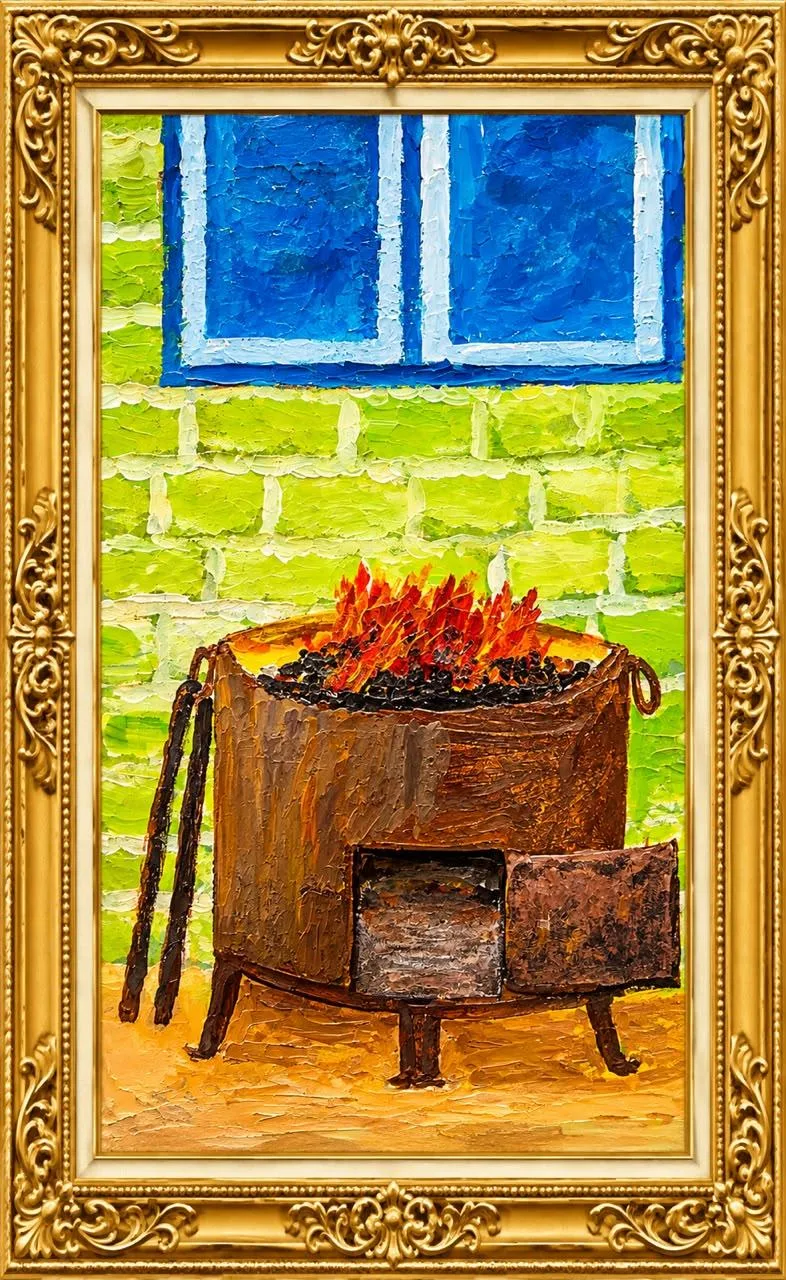
The charcoal stove (al-Kanoun)
The charcoal stove, the kanoun, was one of the ways food was cooked at home, and the kerosene burner, the dafour, did the same job.
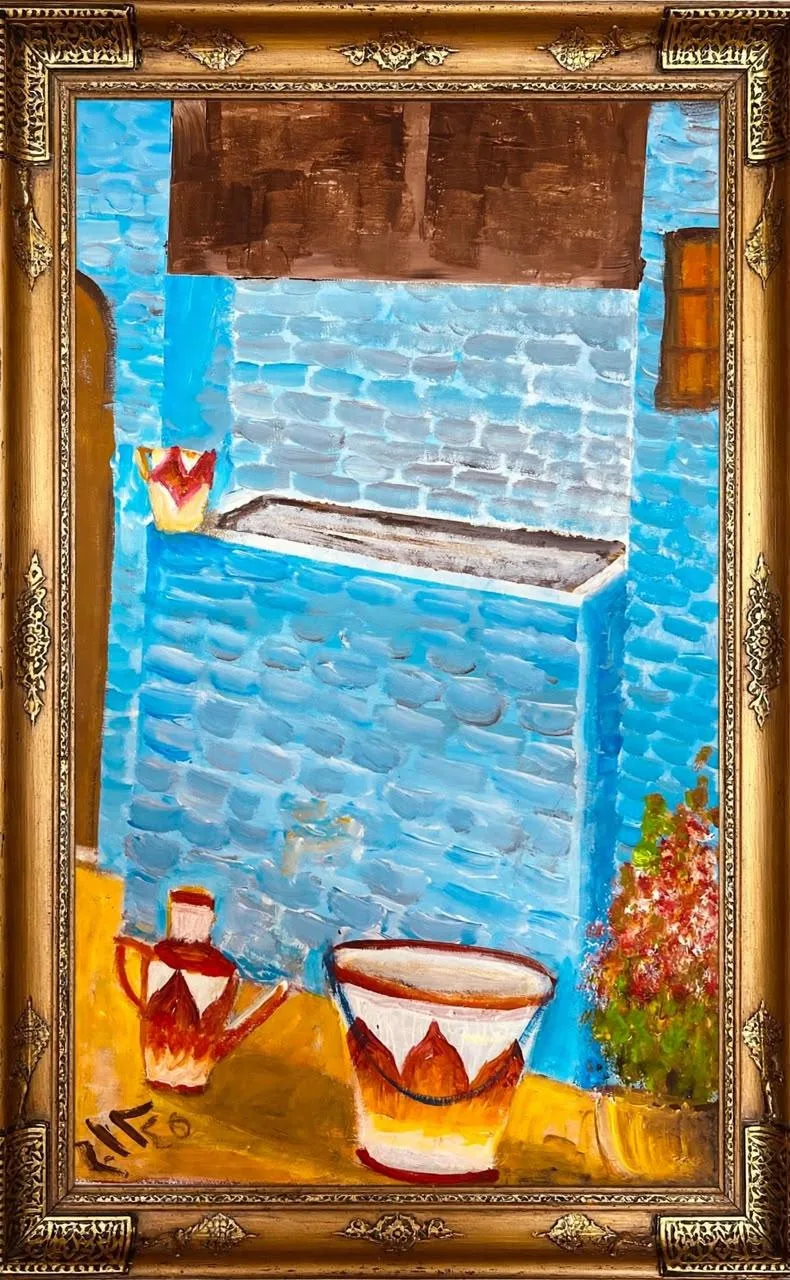
The household water tank (Hanafiyyat al-Moya)
The hanafiyya was one of the ways water was stored at home: a small tank built of brick, with a tap, the bazbouz, at its lower end.
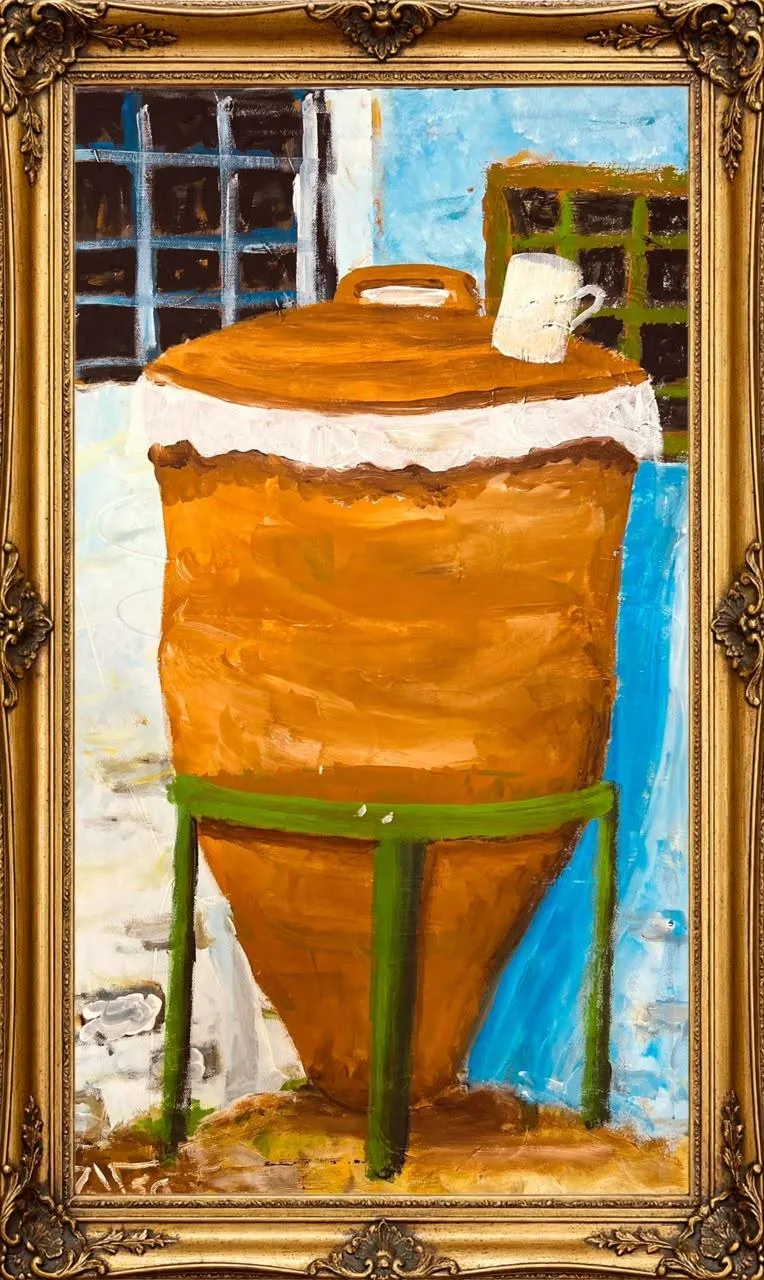
The water jar (Zeer al-Moya)
The zeer was one of the ways water was stored at home. It was made of locally worked clay, and Madinah was famous for making it.
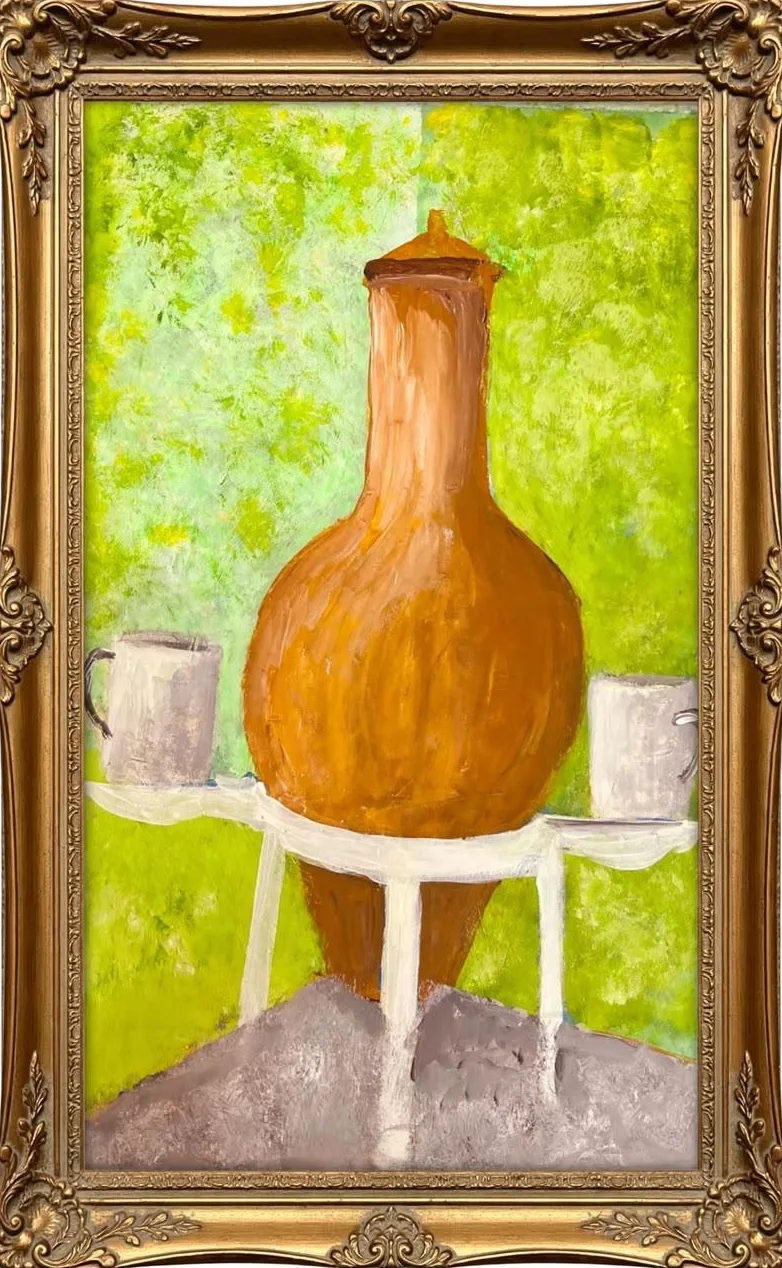
The water jug (al-Shurba)
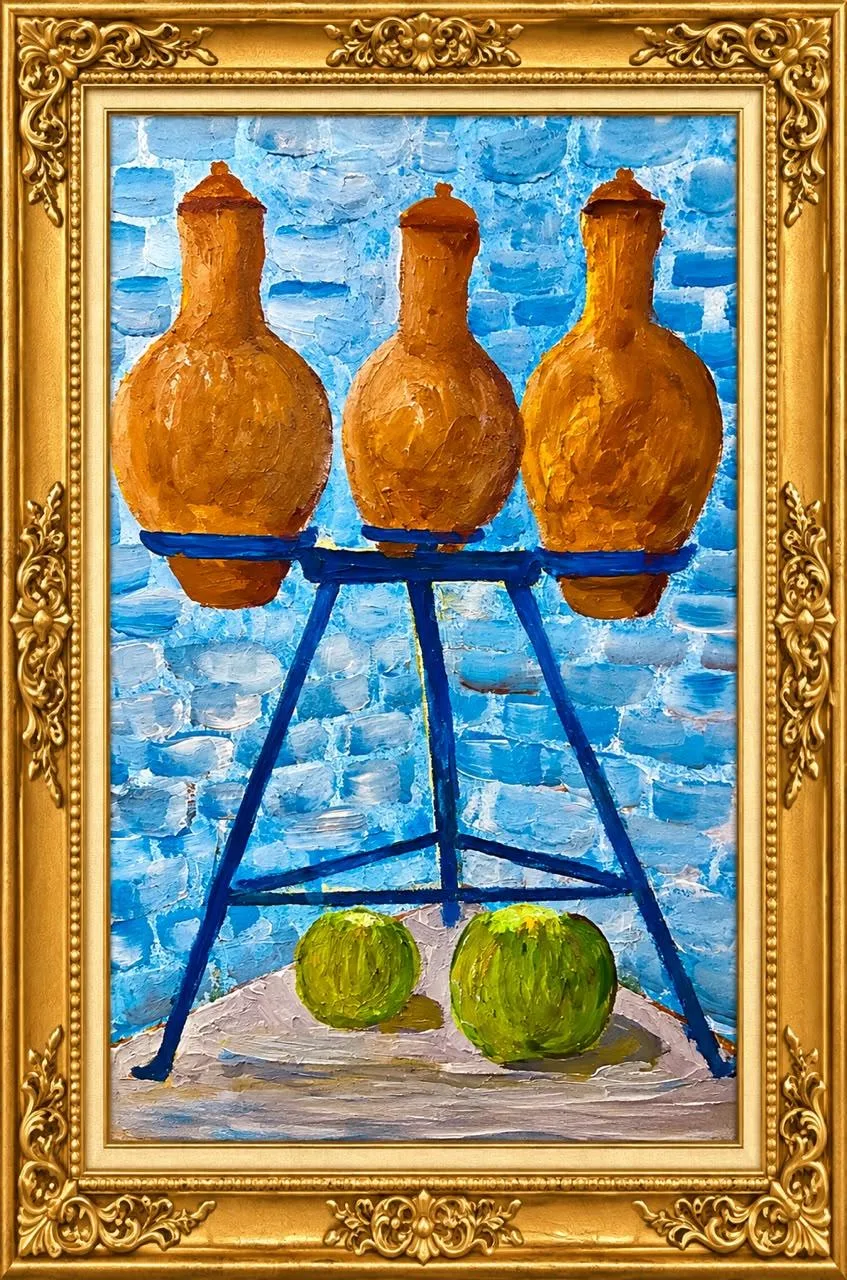
The drinking-water jars (Shurab al-Moya)
The shurab were the household jars that held drinking water. They did the job of today's water coolers, and the lady of the house took care to clean them and perfume them.
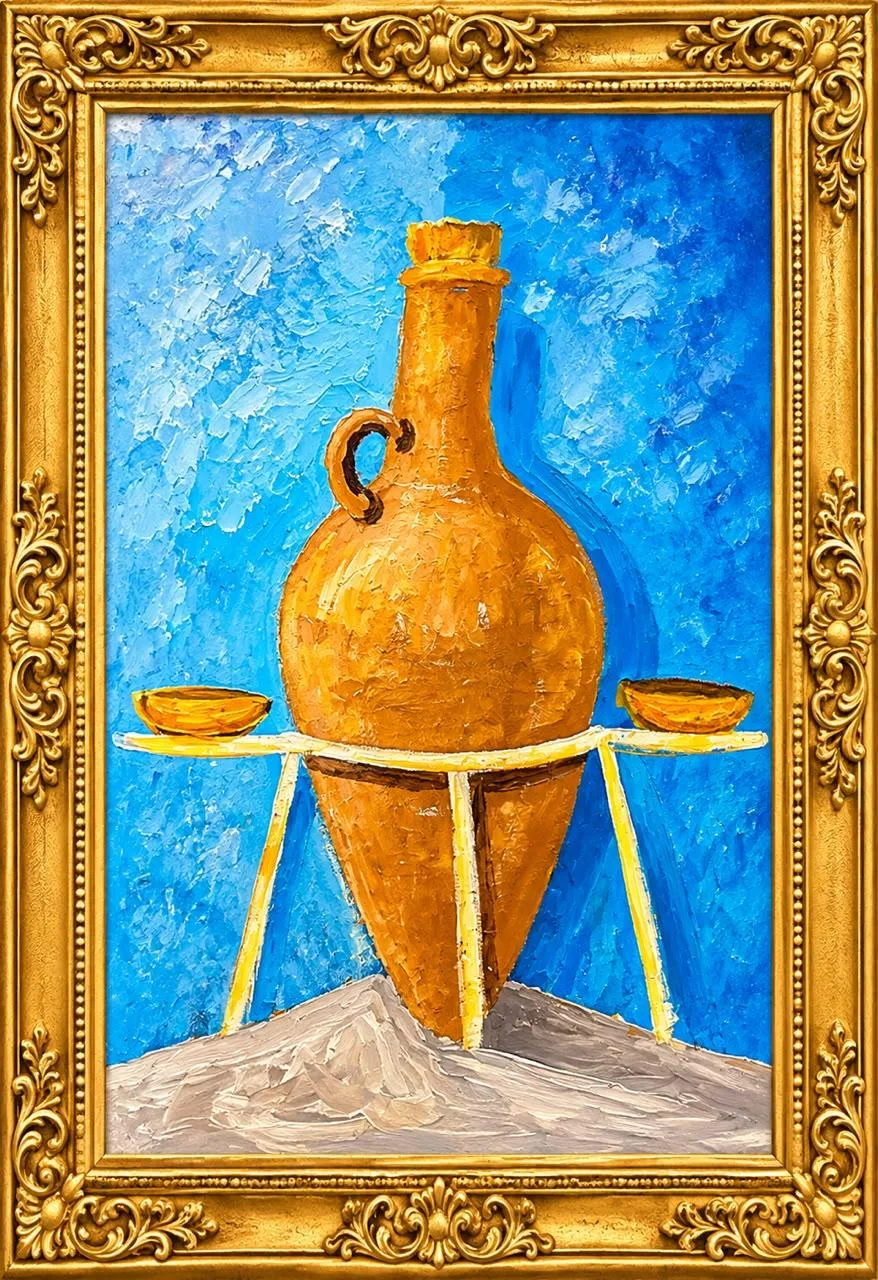
The Zamzam pitcher (Dawraq al-Zamzam)
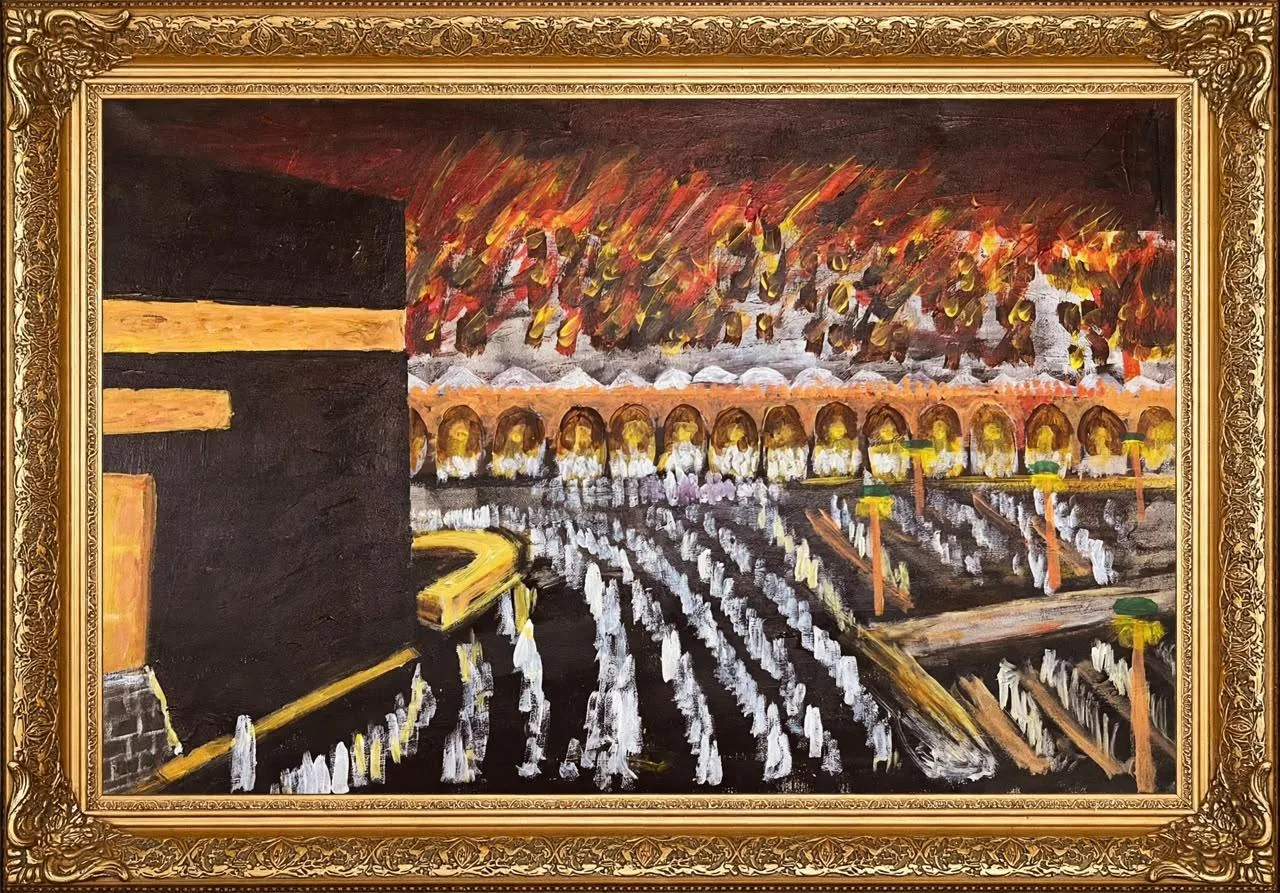
The al-Shamiyya fire
At the start of Muharram 1378 AH, worshippers in the Sacred Mosque in Makkah were stricken during the night (Isha) prayer by a huge and terrible fire blazing in the houses adjoining the Sacred Mosque in the al-Shamiyya quarter. With no wide streets or roads, the fire engines had to enter the Sacred Mosque itself to put out what they could. A great many of the quarter's residents lost their lives in the fire.
I was an eyewitness.
Prepared and designed by Siraj Hussain Fathi. Download the full file as PDF