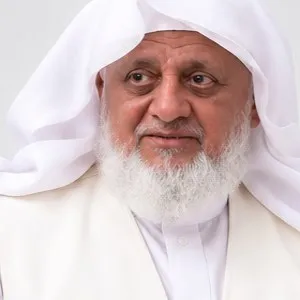
My Memories: A Story of Love
A 123-slide presentation prepared by Siraj Hussain Fathi in 1443 AH on the milestones of his life: his birth in Ajyad, Makkah, in 1367 AH, his childhood homes, his first visit to Madinah, his schools and teachers, journalism and Al-Riyada newspaper, the pioneers of literature and culture he met, and his paintings of Jawdariyya street.
My Memories: A Story of Love
Siraj Hussain Fathi
1443 AH
In the name of God, the Most Gracious, the Most Merciful
Life has no flavour without memories!
Memories
are not a way of filling an empty space in one's life; rather, they are a remembrance of God's blessings, and thanks to Him for His help and for making things easy.
Were it not for God's help, His guidance, His protection and His care, these memories would not be a delight to myself and a pleasant journey for others.
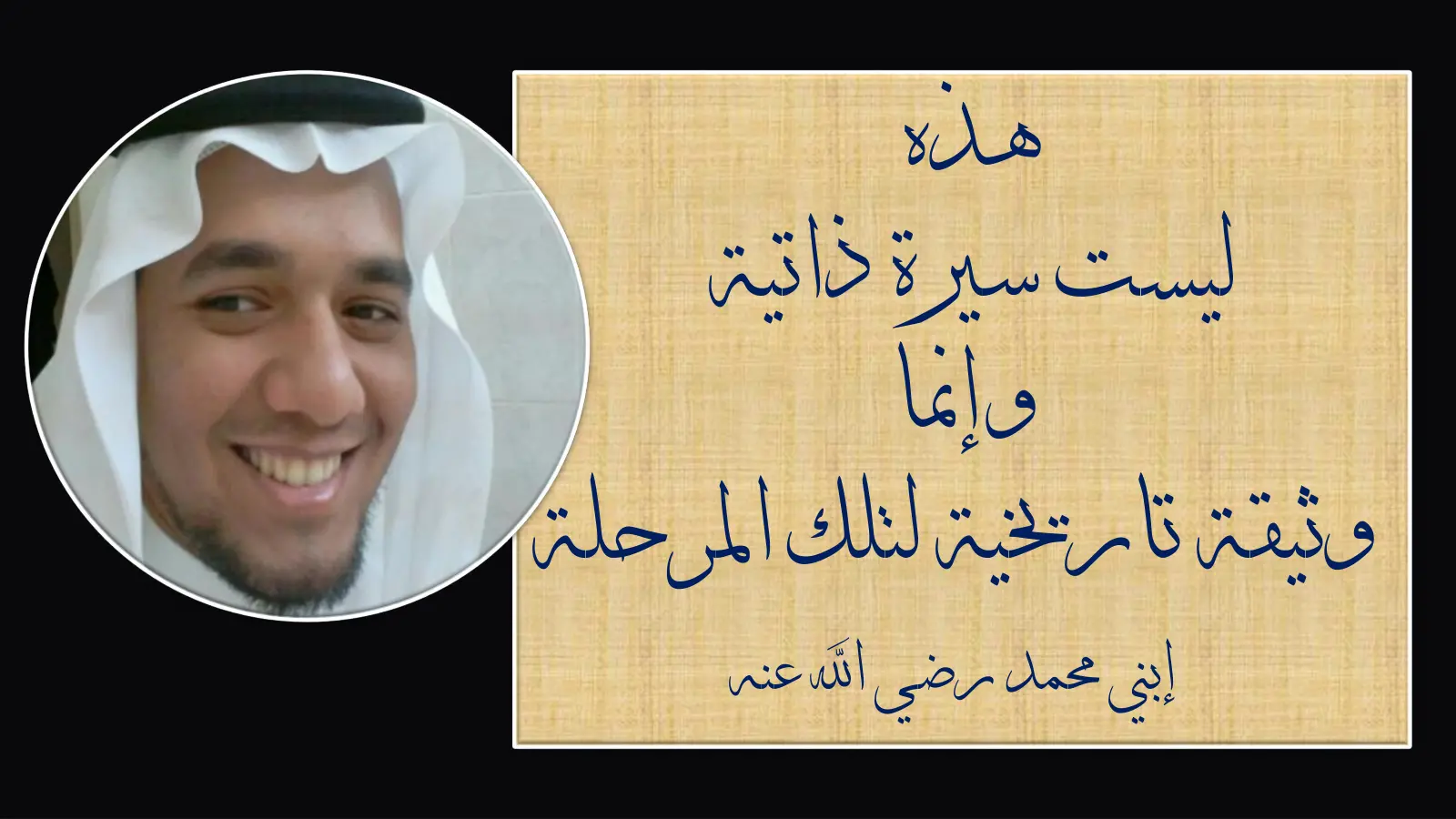
This is not an autobiography, but a historical document of that era
My son Muhammad, may God be pleased with him
Places in My Life
- Birth, 1367 AH – Makkah – Ajyad
- Al-Sayyid house – al-Misfala (age 2–4)
- Idris house – al-Misfala (age 5–6)
- Al-Sayyad house – al-Misfala – (age 7–8)
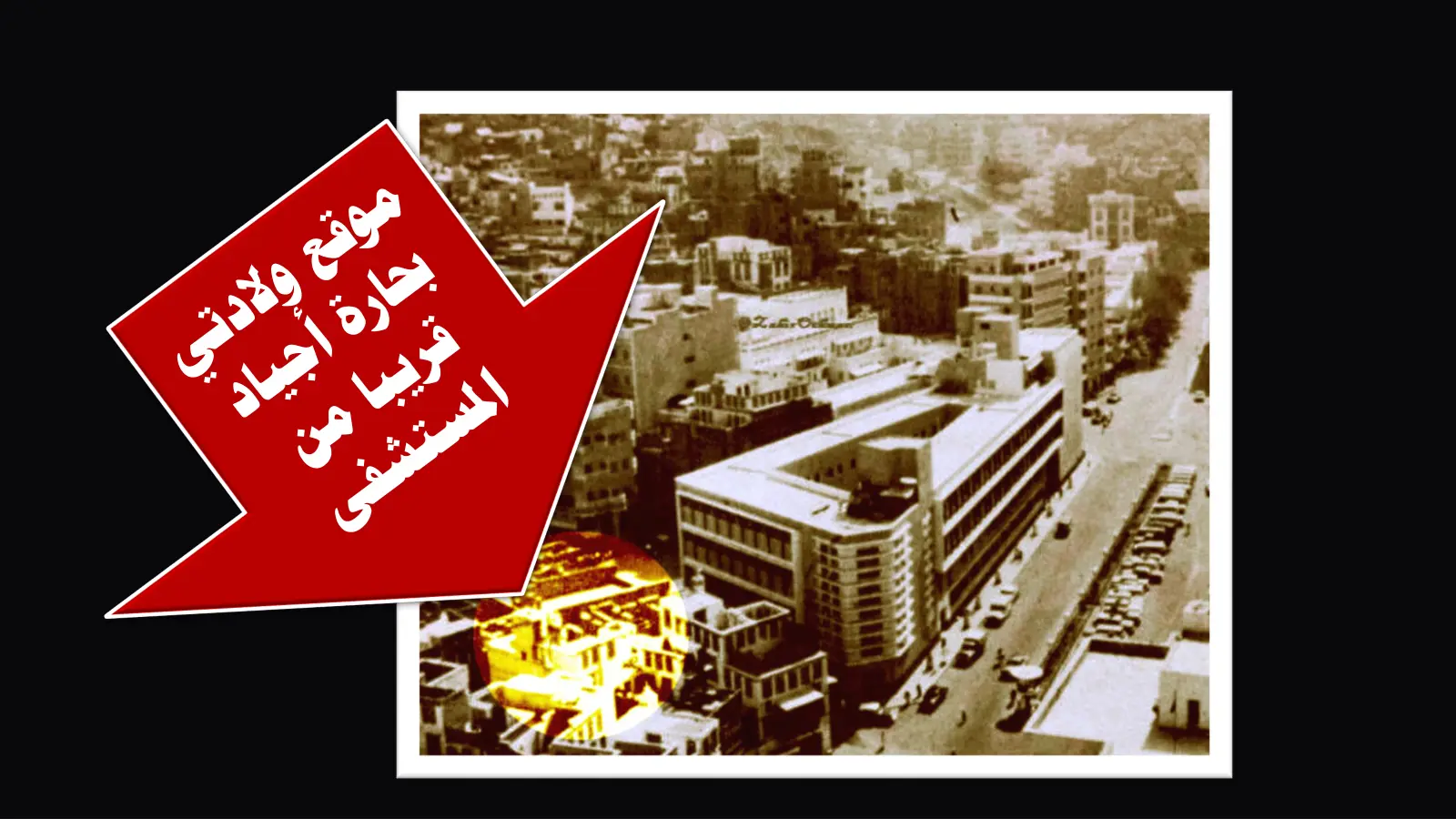
The place of my birth, in the Ajyad quarter, near the hospital
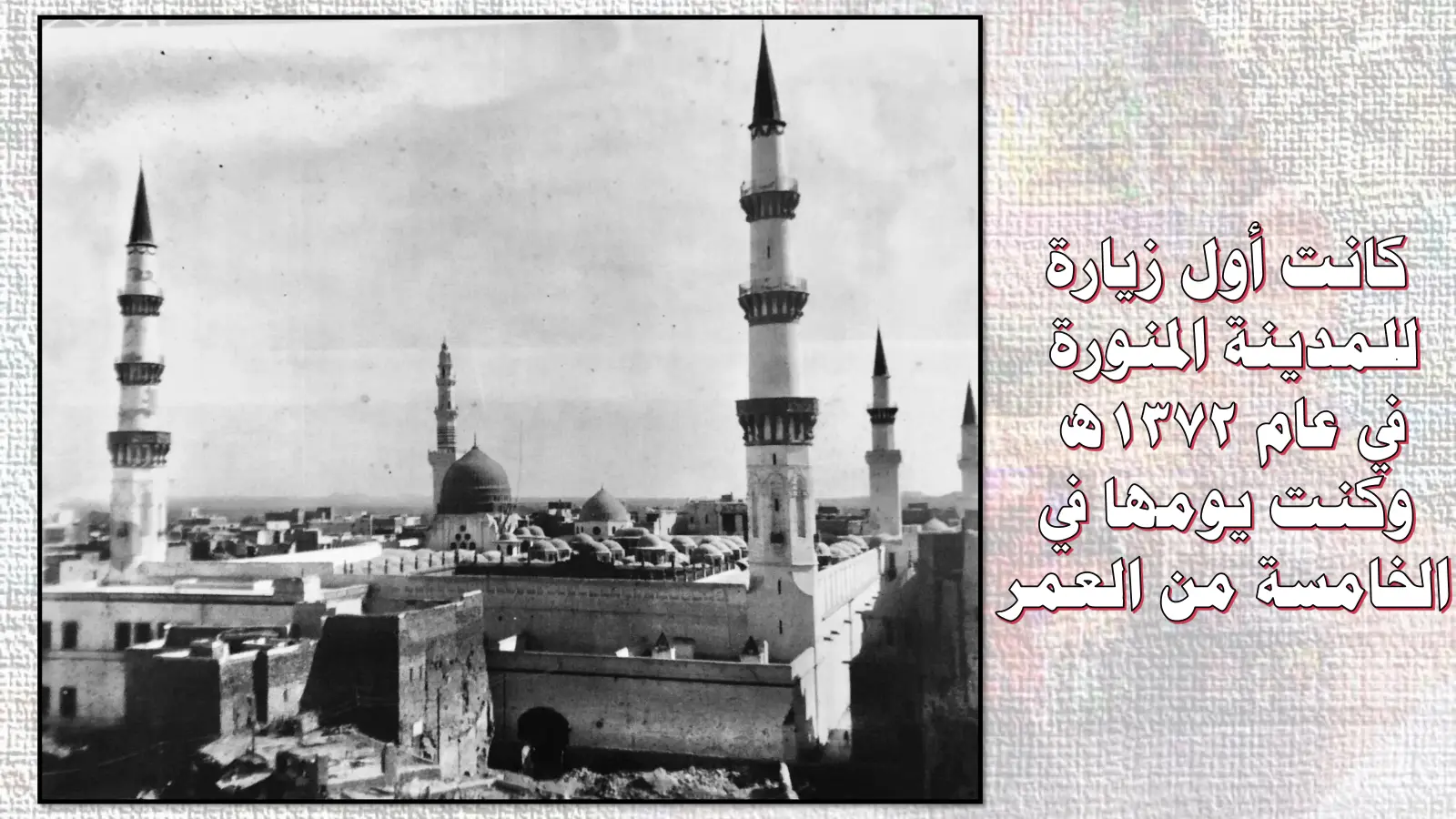
My first visit to Madinah was in 1372 AH; I was five years old at the time.
The Iraqi mail lorries were one of the well-known means of transport between Makkah and Madinah in those days.
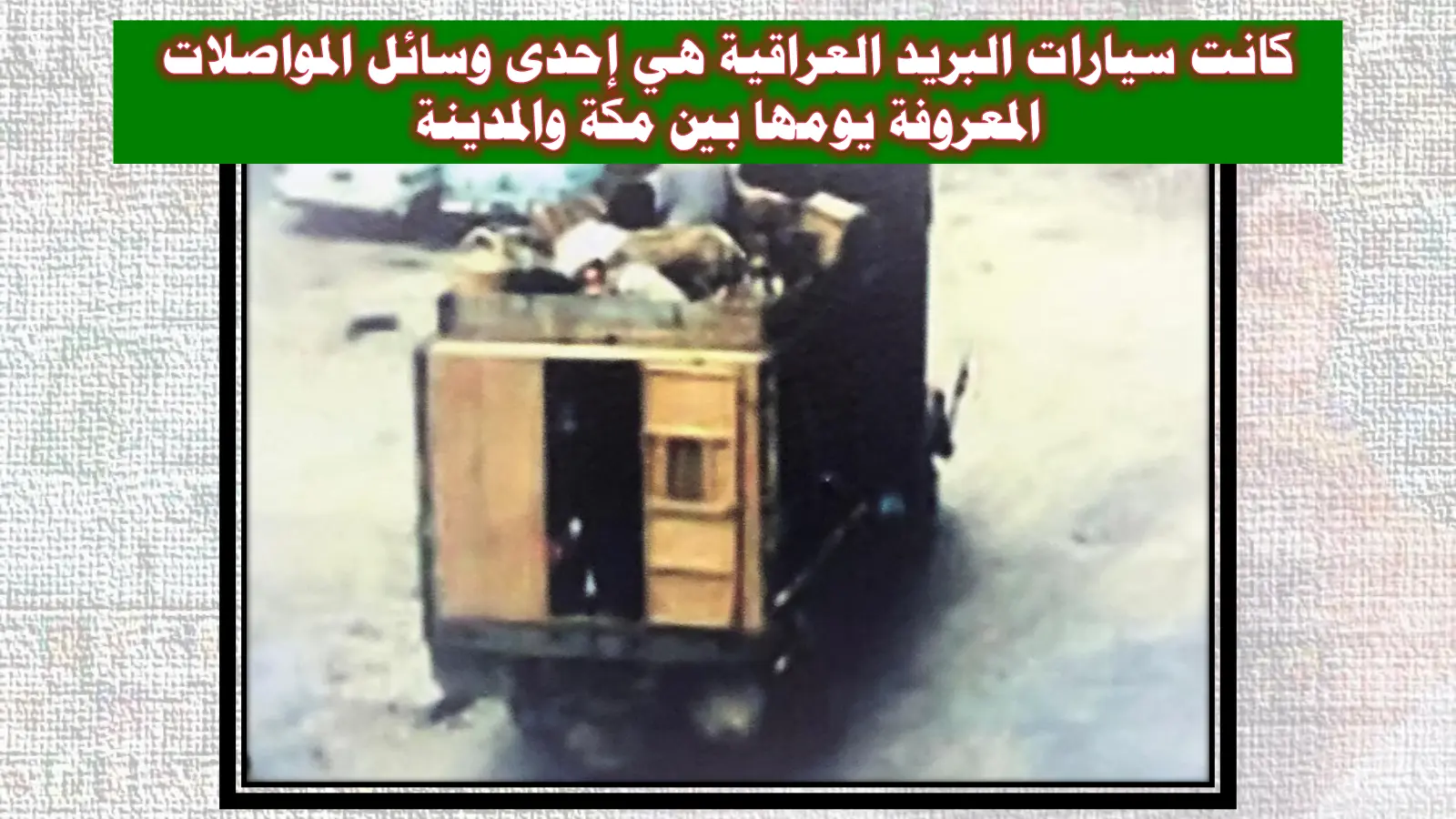
The Iraqi mail lorries were not fitted out to carry passengers, so they had no seats to sit on, and their passengers sat spread out on the floor.
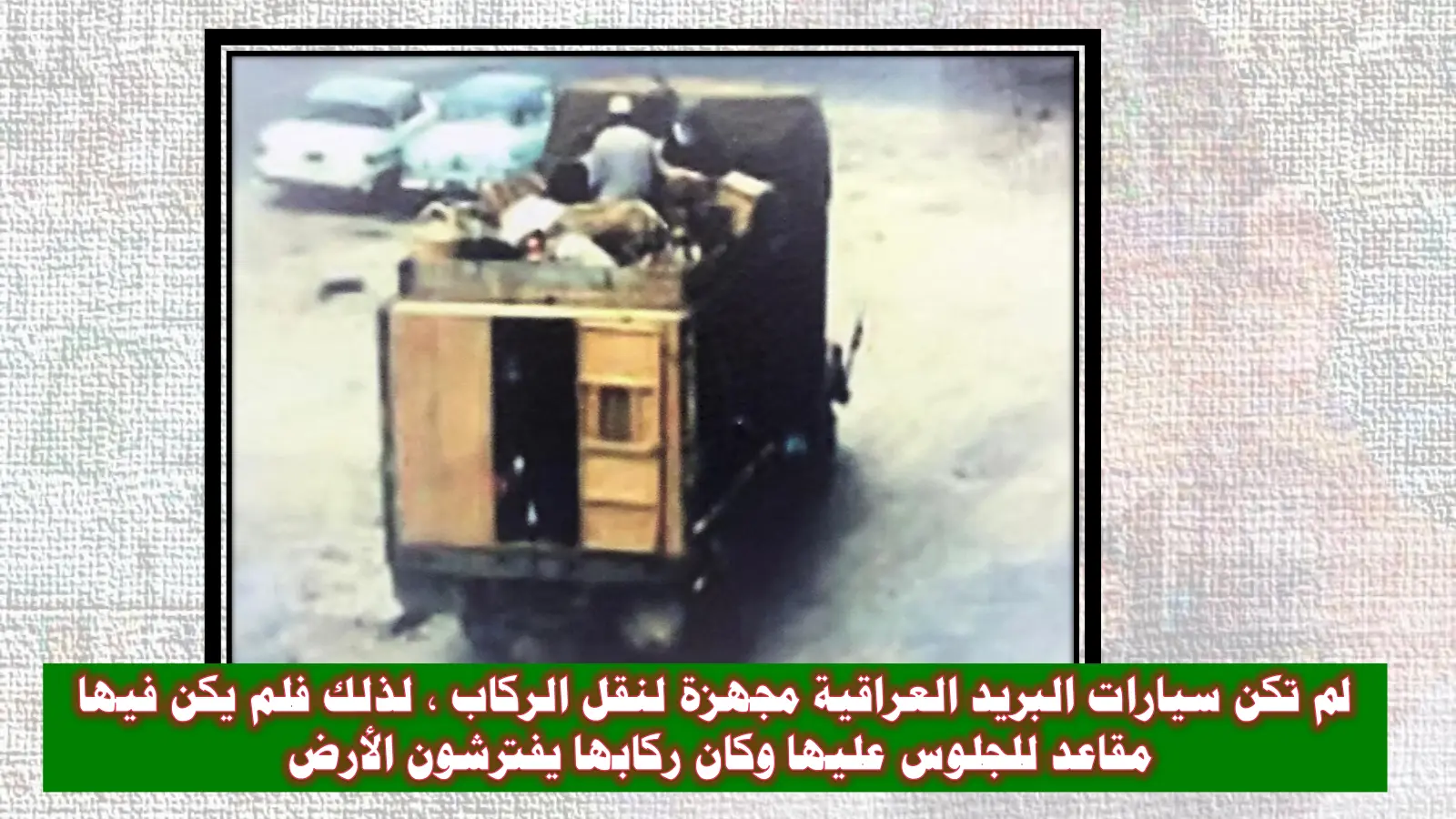
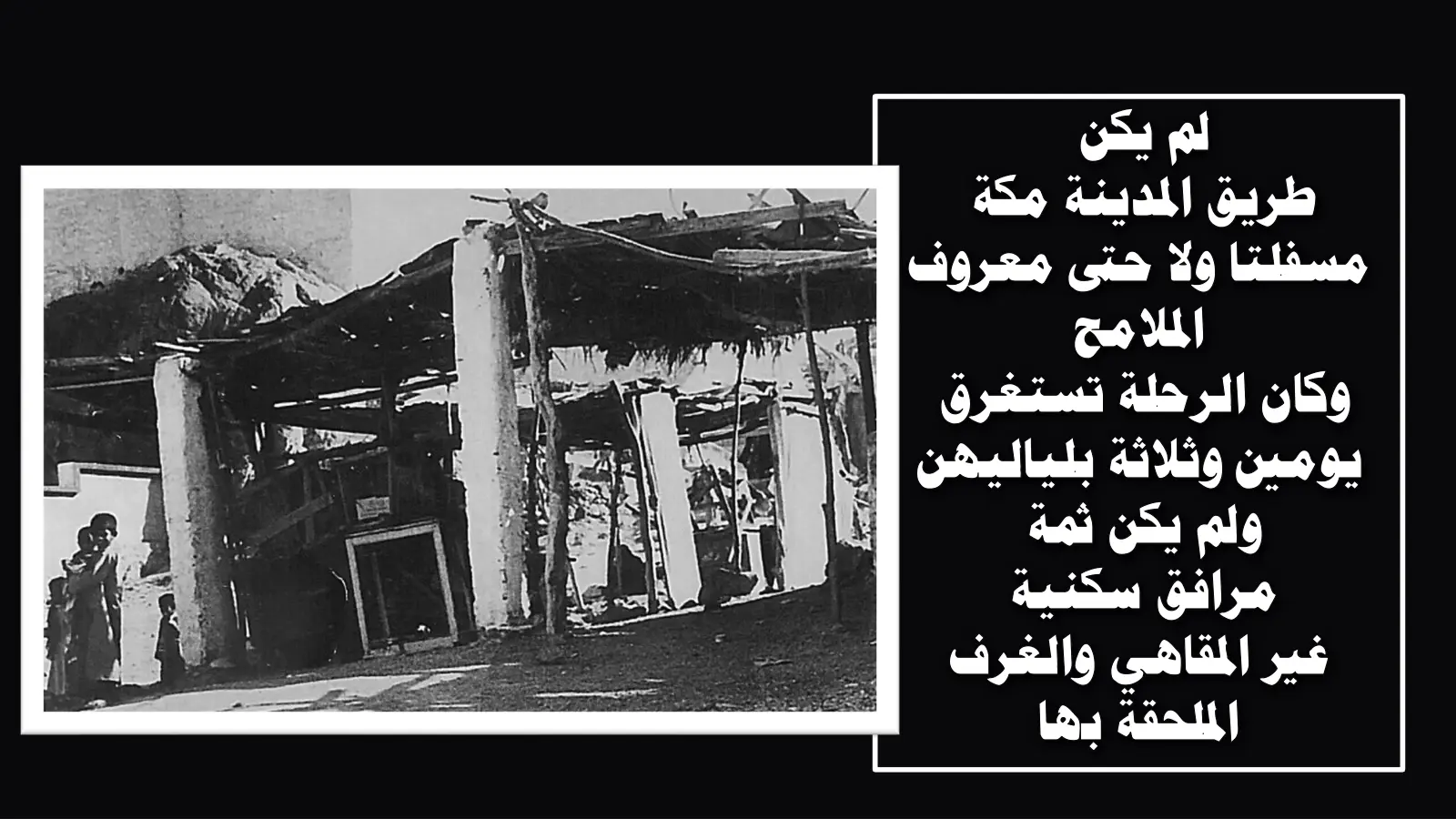
The Madinah–Makkah road was not asphalted, nor even clearly marked. The journey took two or three days and nights, and there was no lodging along the way apart from the roadside coffeehouses and the rooms attached to them.
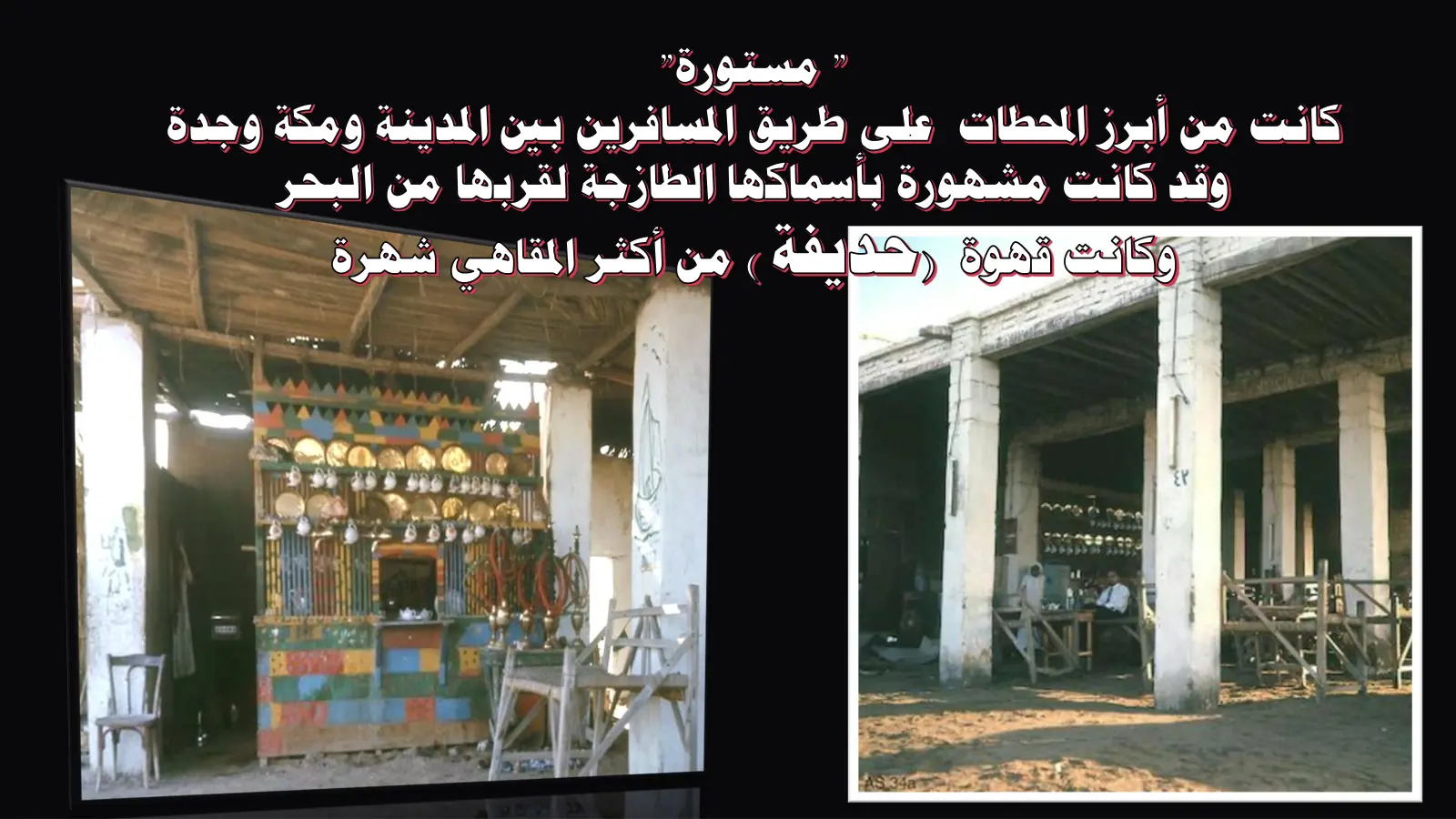
“Mastura”
It was one of the most important stops on the travellers' road between Madinah, Makkah and Jeddah.
It was famous for its fresh fish, being close to the sea.
The (Hadifa) coffeehouse was one of the best-known coffeehouses there.
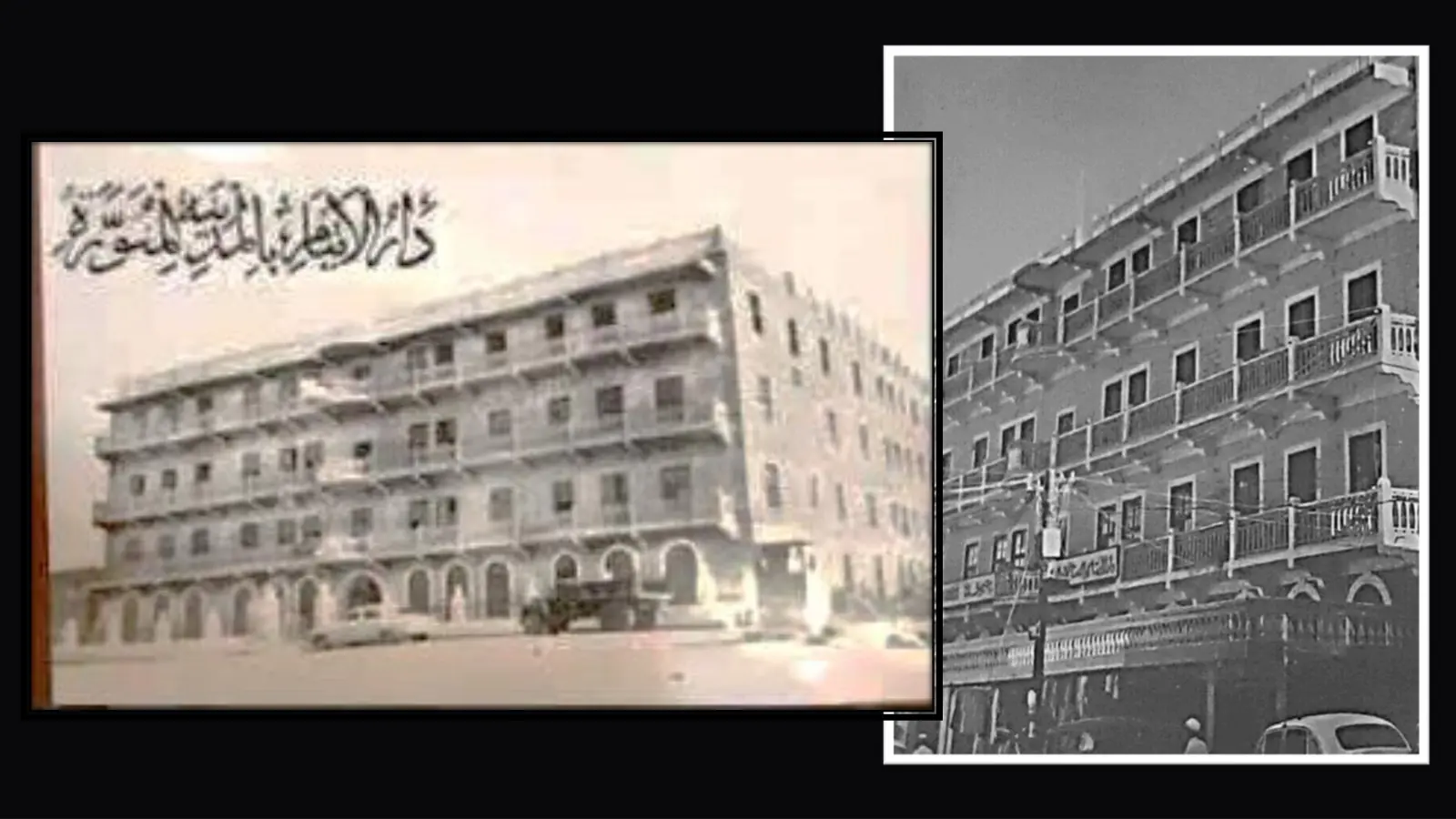
In Madinah we stayed at the house of Uncle Ubaydullah al-Mukhrij, near the orphanage at Bab al-Majidi.
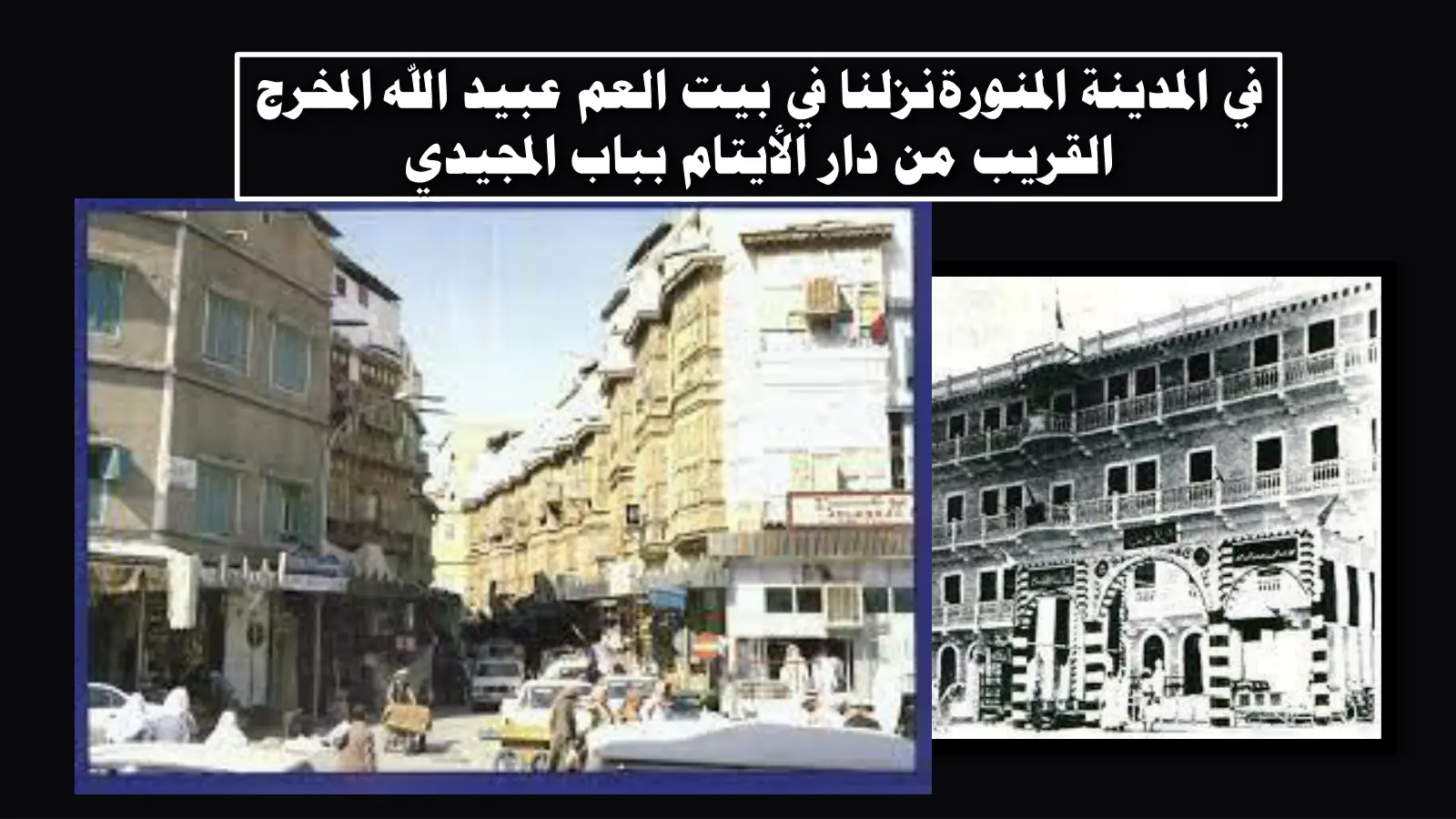
The Orphanage in Madinah
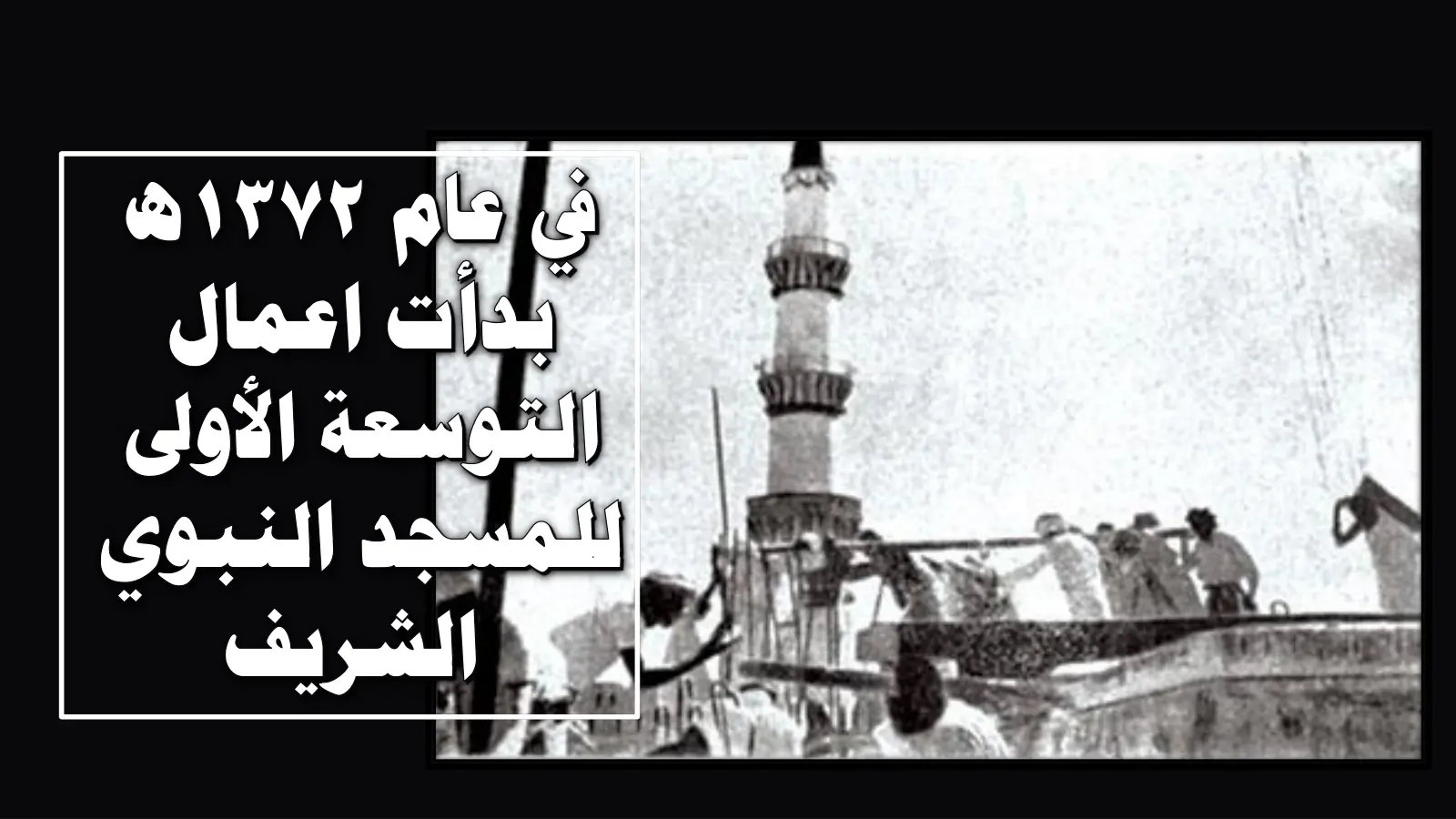
In 1372 AH work began on the first expansion of the Prophet's Mosque.
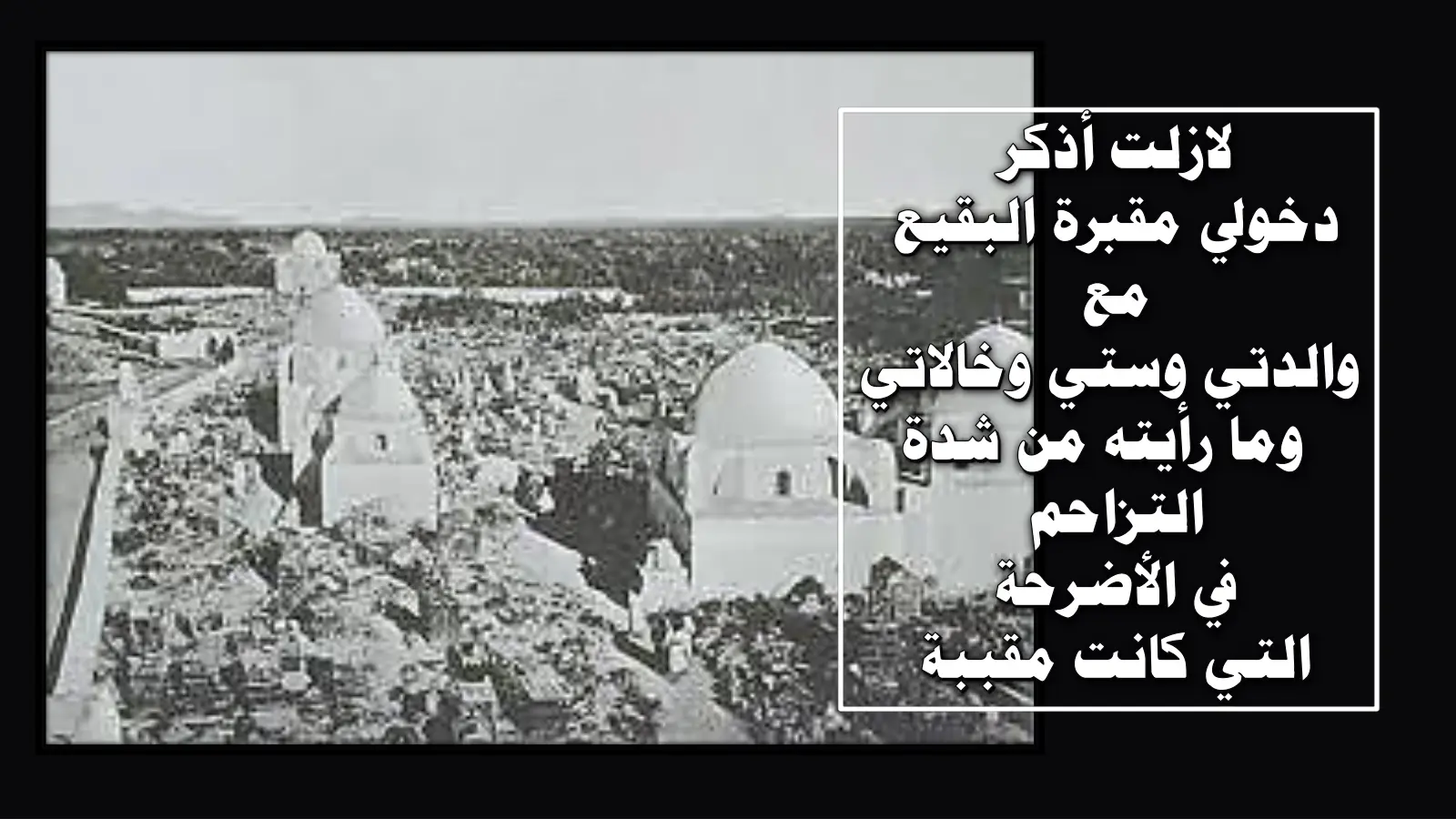
I still remember entering al-Baqi' cemetery with my mother, my grandmother and my aunts, and how crowded it was around the tombs, which in those days had domes over them.
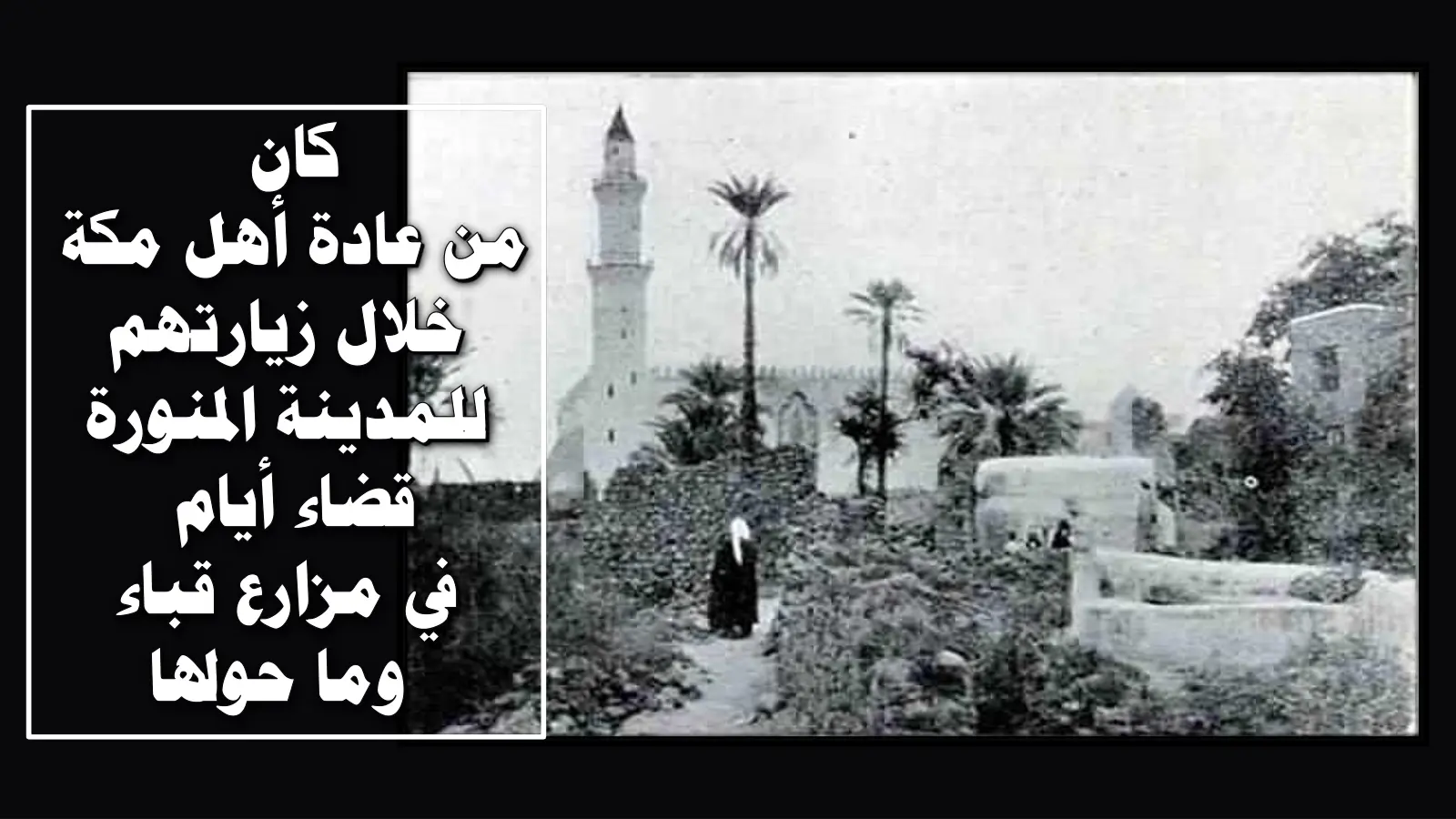
It was the custom of the people of Makkah, when visiting Madinah, to spend some days in the farms of Quba and the surrounding area.
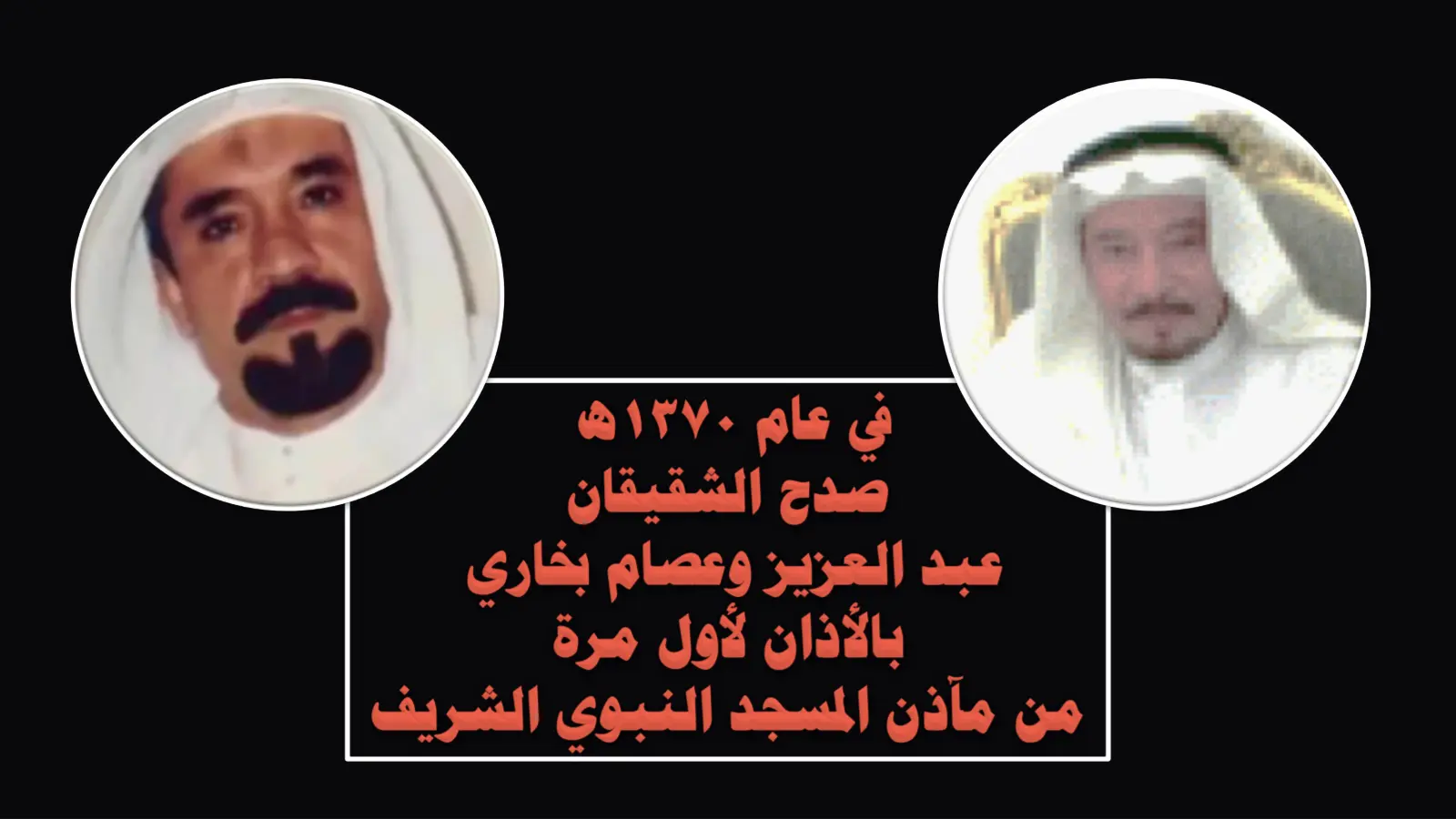
In 1370 AH the brothers Abdulaziz and Issam Bukhari raised the call to prayer for the first time from the minarets of the Prophet's Mosque.
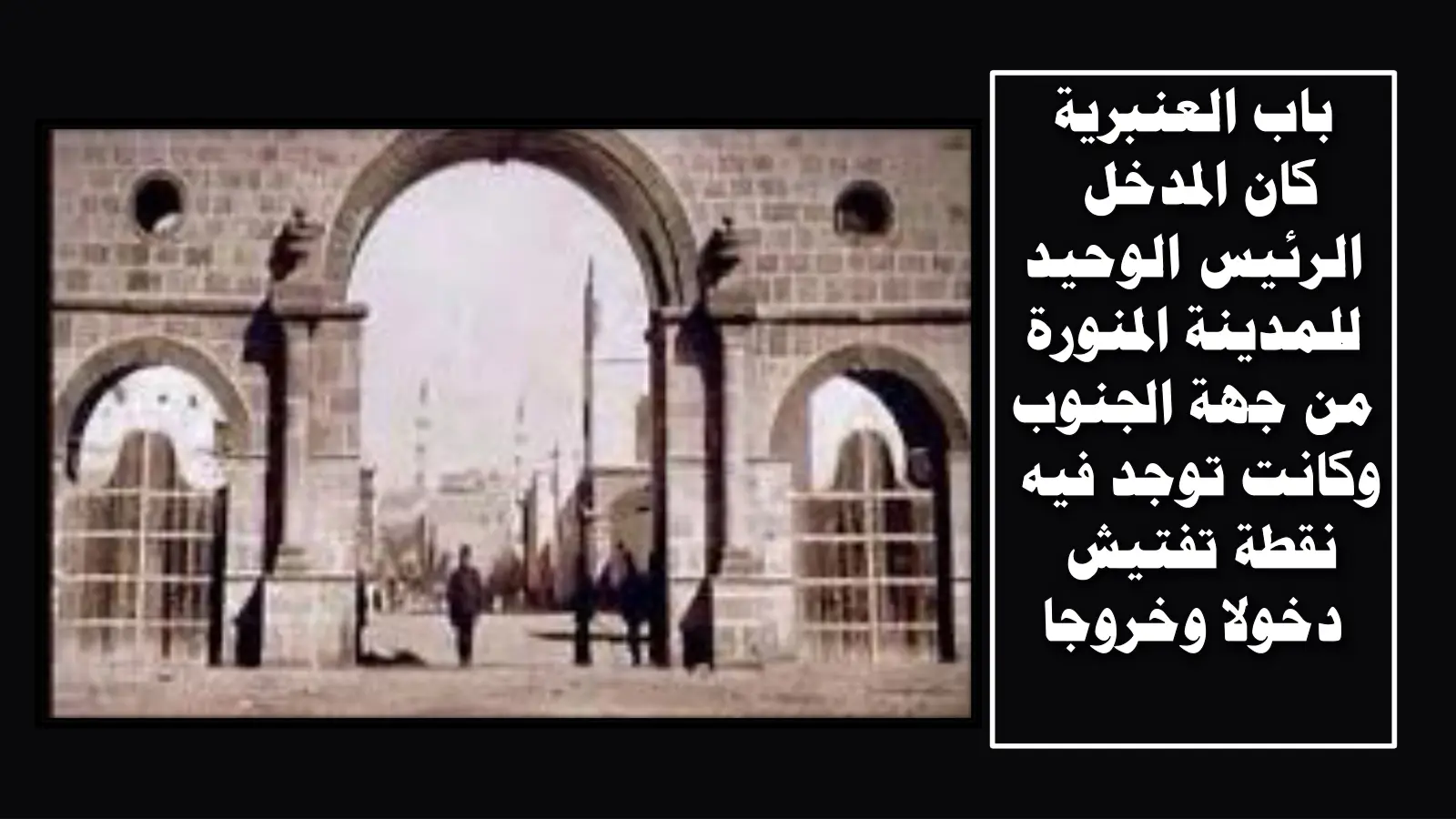
Bab al-Anbariyya
It was the only main entrance to Madinah from the south, and it had a checkpoint for those coming in and going out.
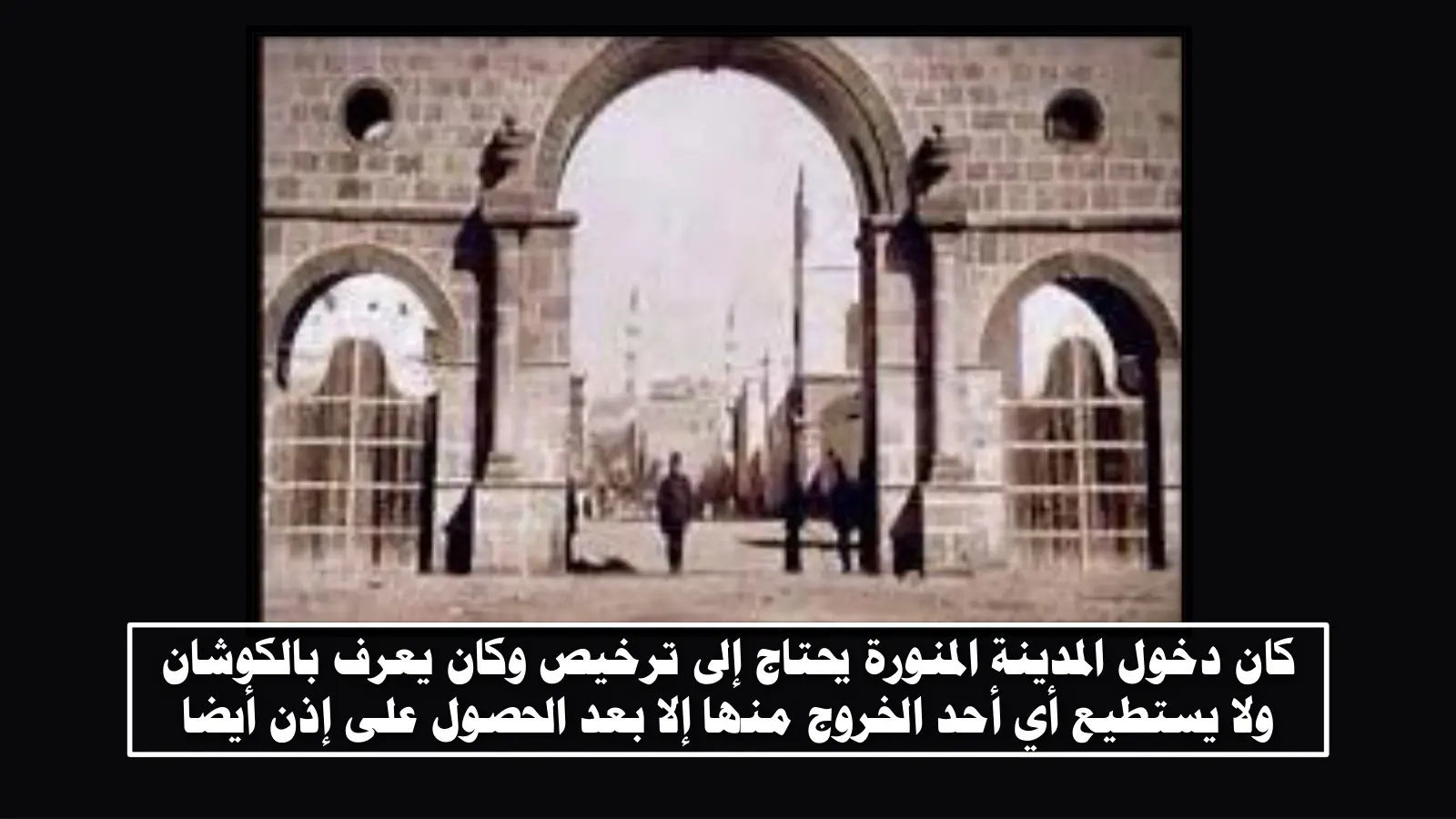
Entering Madinah required a permit, known as the “kushan”, and no one could leave the city without first obtaining permission as well.
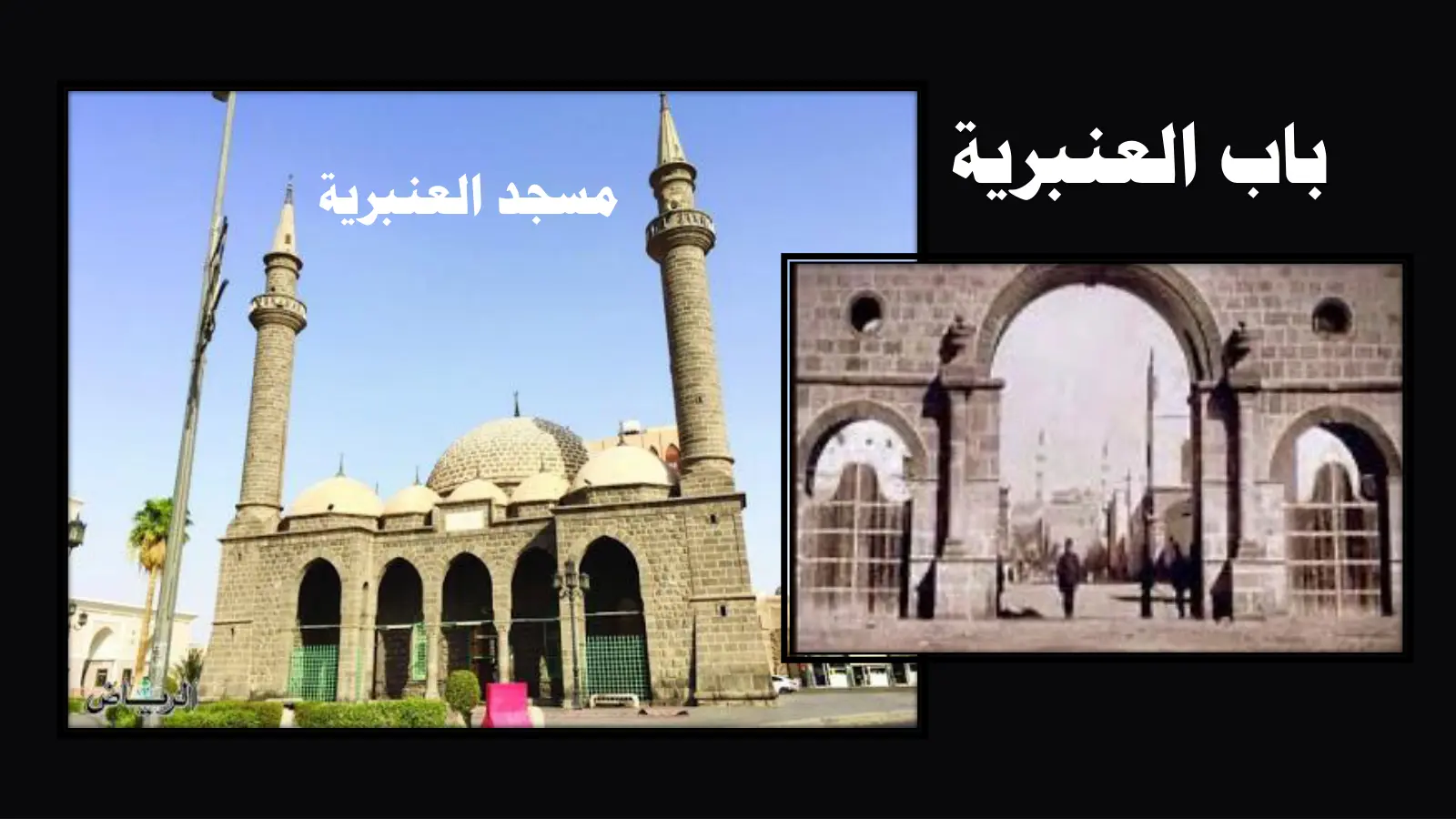
Bab al-Anbariyya
Al-Anbariyya Mosque
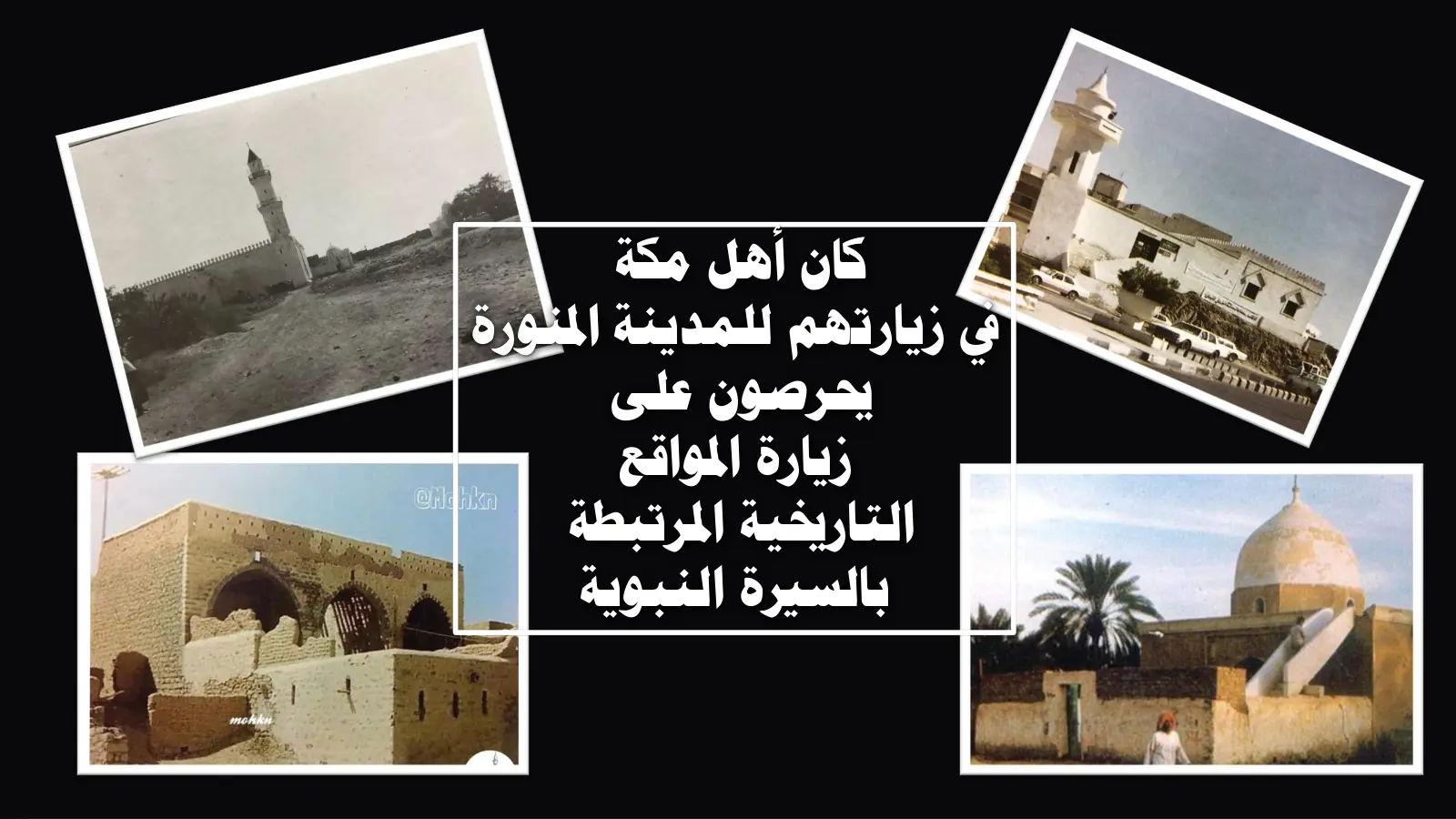
When visiting Madinah, the people of Makkah made a point of visiting the historic sites connected with the life of the Prophet.
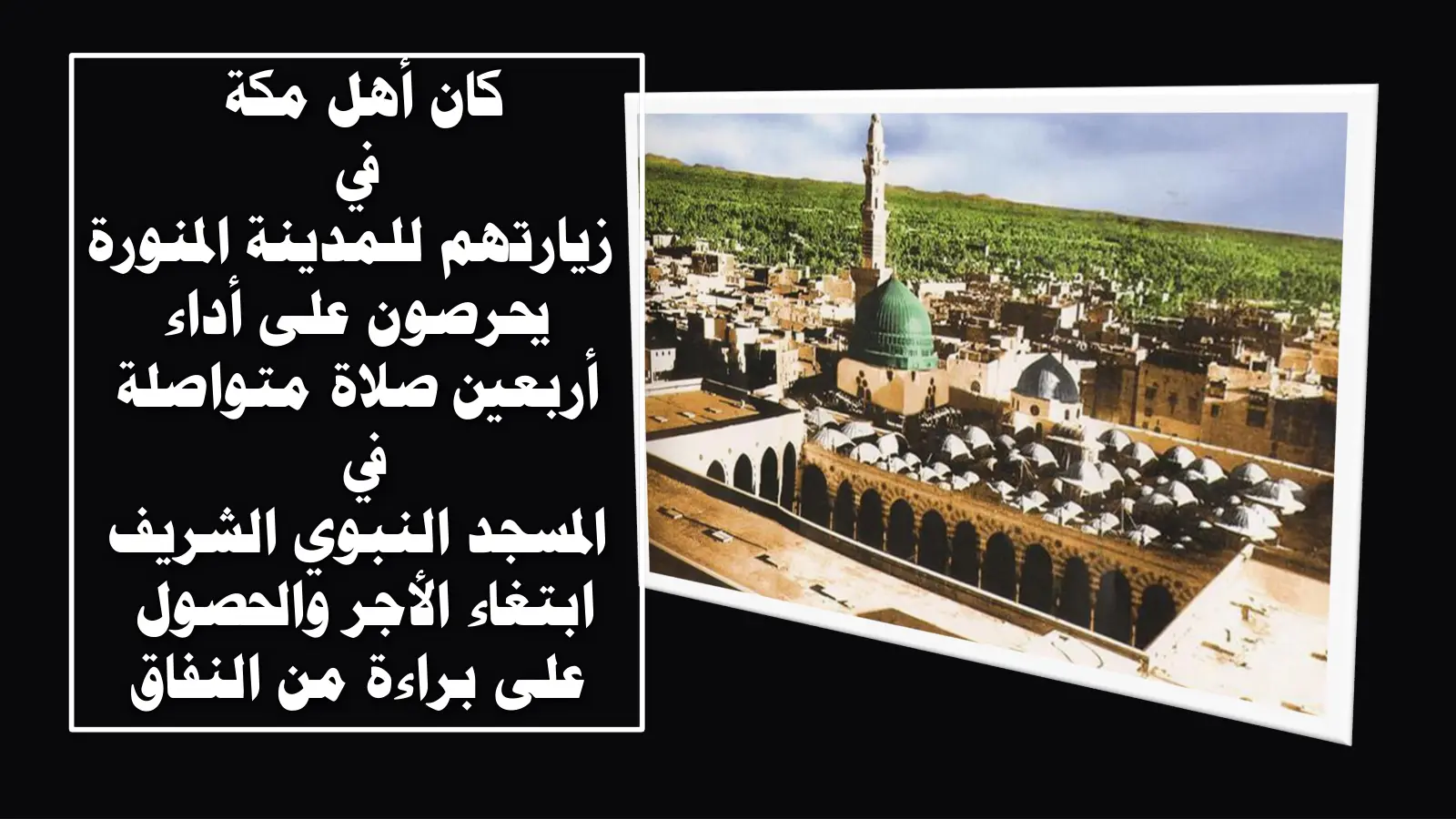
When visiting Madinah, the people of Makkah were keen to perform forty consecutive prayers in the Prophet's Mosque, seeking the reward and hoping to be granted freedom from hypocrisy.
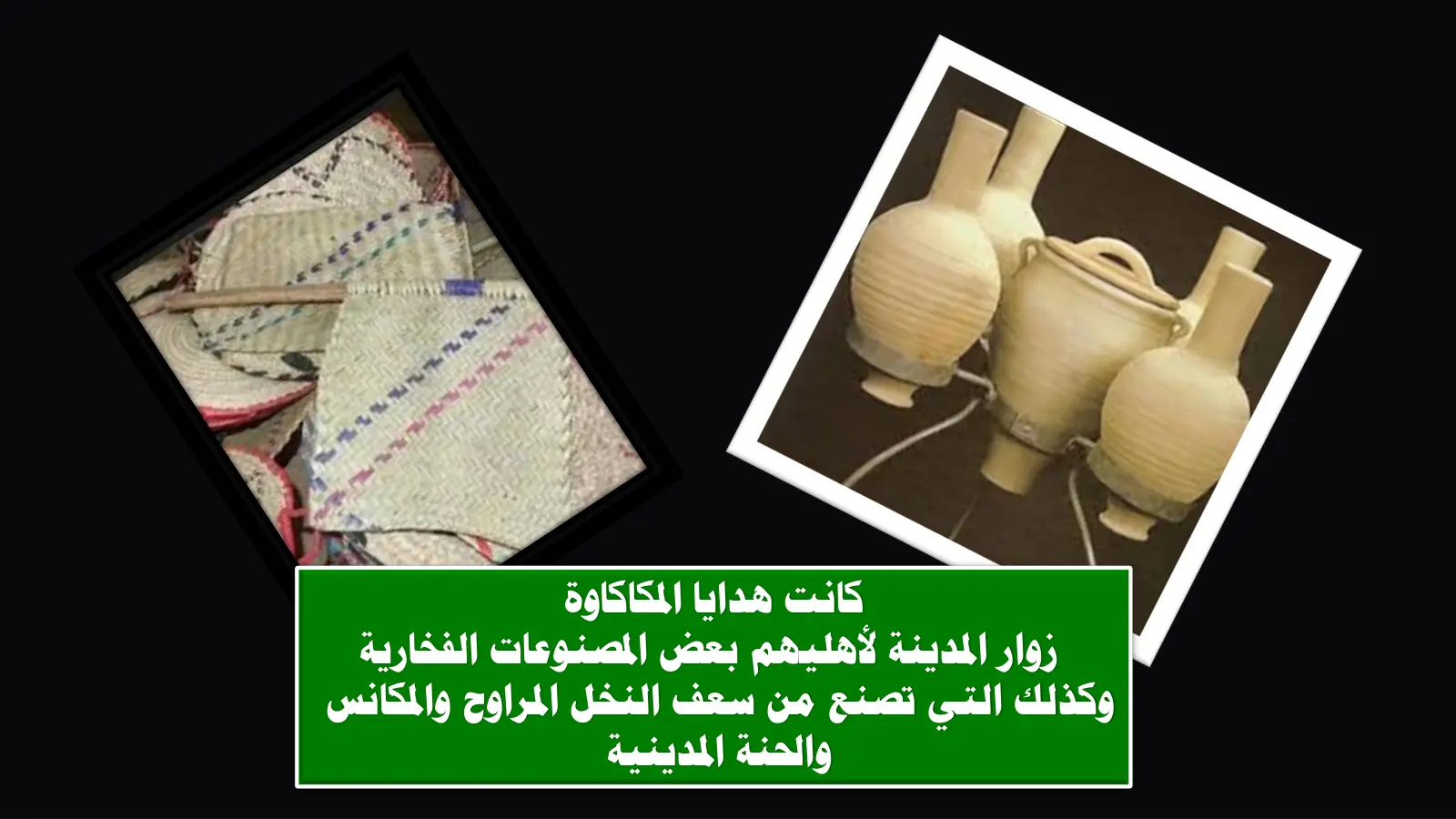
The gifts that Makkans visiting Madinah brought home to their families were some pottery wares, as well as things made from palm fronds, such as fans and brooms, and Madinah henna.
Among the customs of the people of Makkah that have died out was welcoming home family members who had been honoured with a visit to Madinah, and holding a reception for them to which they brought a madih singer to chant and sing the praises of the Beloved Prophet, peace and blessings be upon him. They would also prepare the travellers' house for them, cleaning it and making dinner, to honour them and in joy at their safe return.
My Journey Through Education and Study
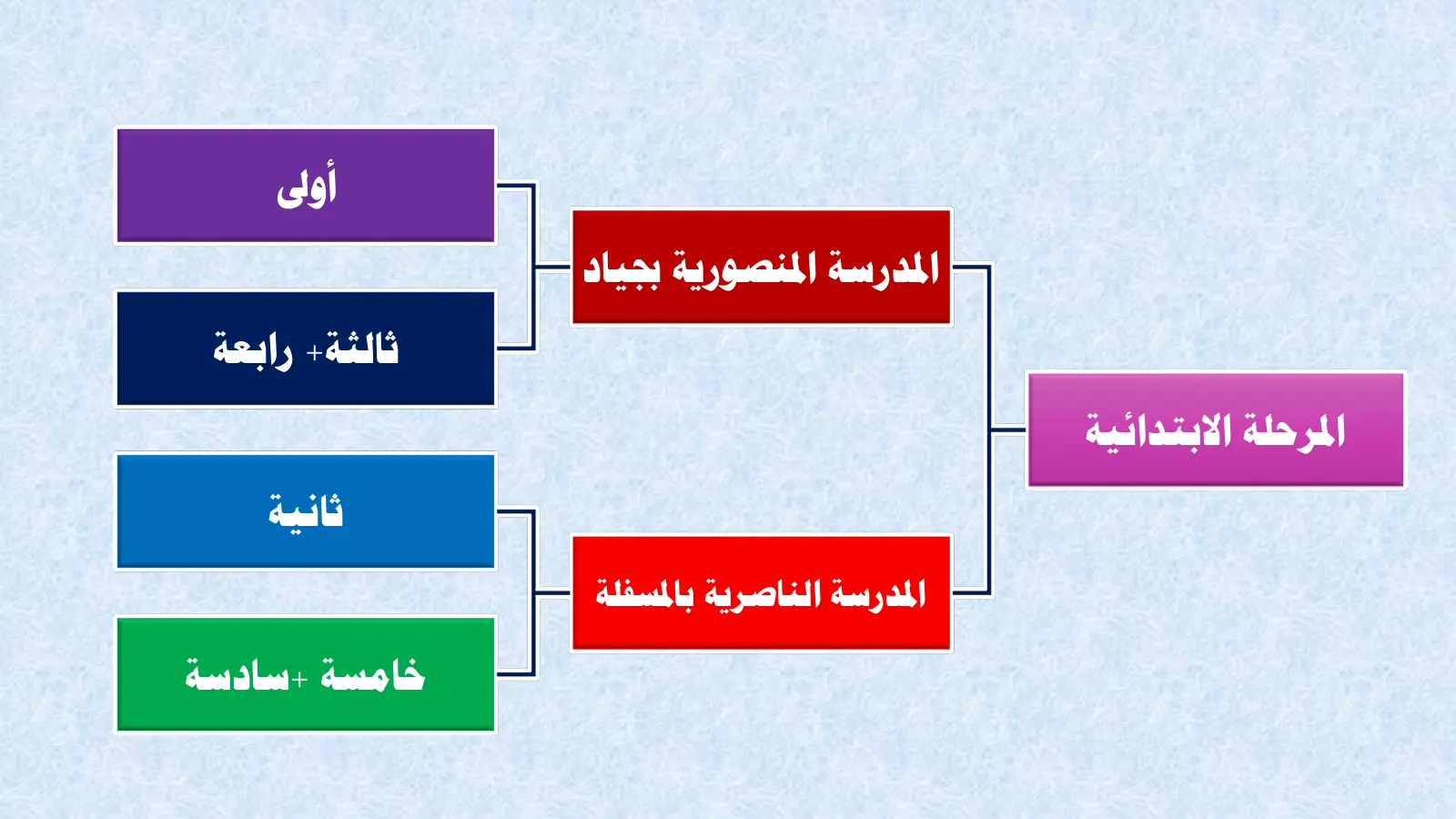
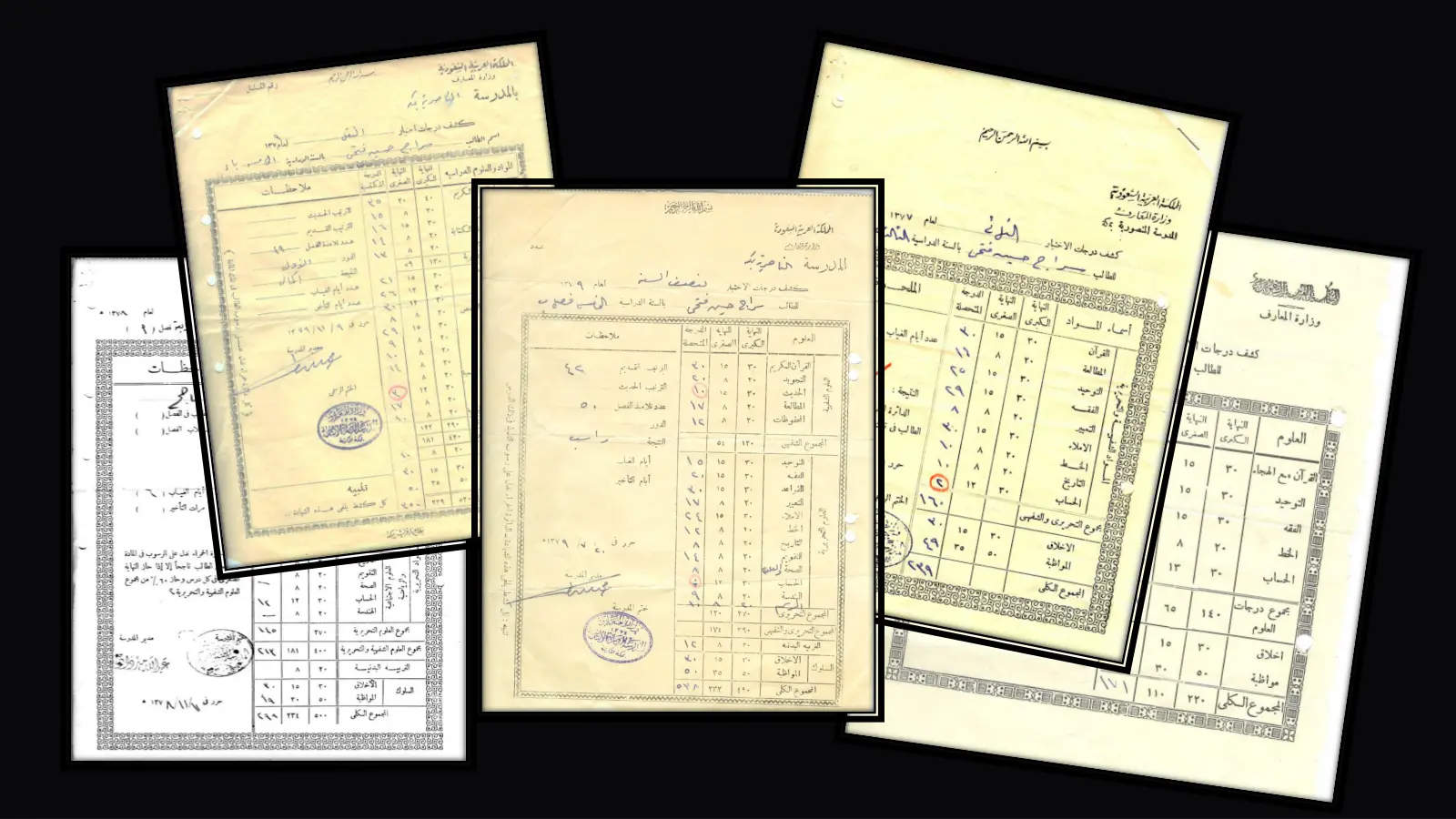
Primary School
- Al-Mansuriyya School in Ajyad: first grade, third + fourth grades
- Al-Nasiriyya School in al-Misfala: second grade, fifth + sixth grades
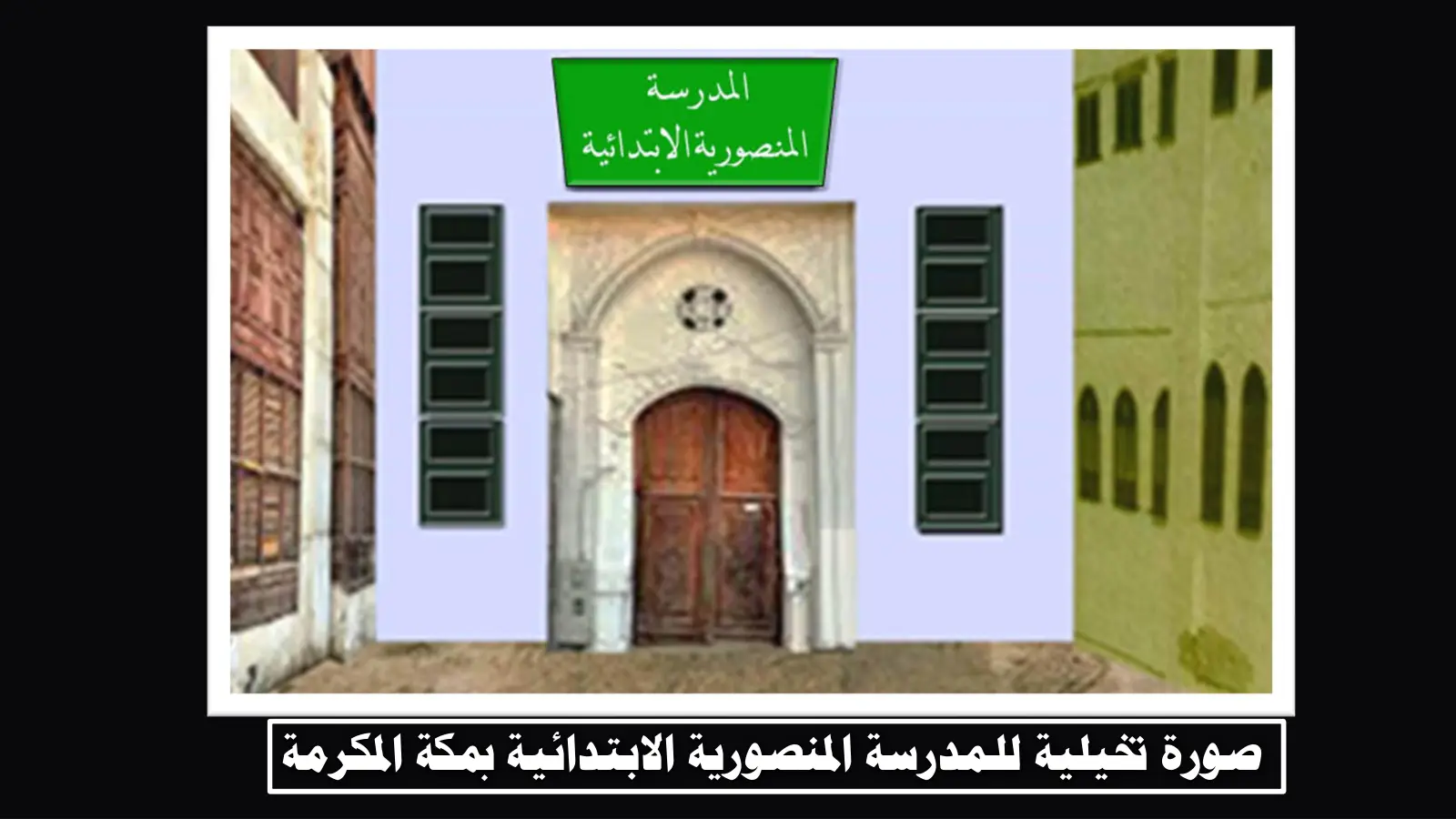
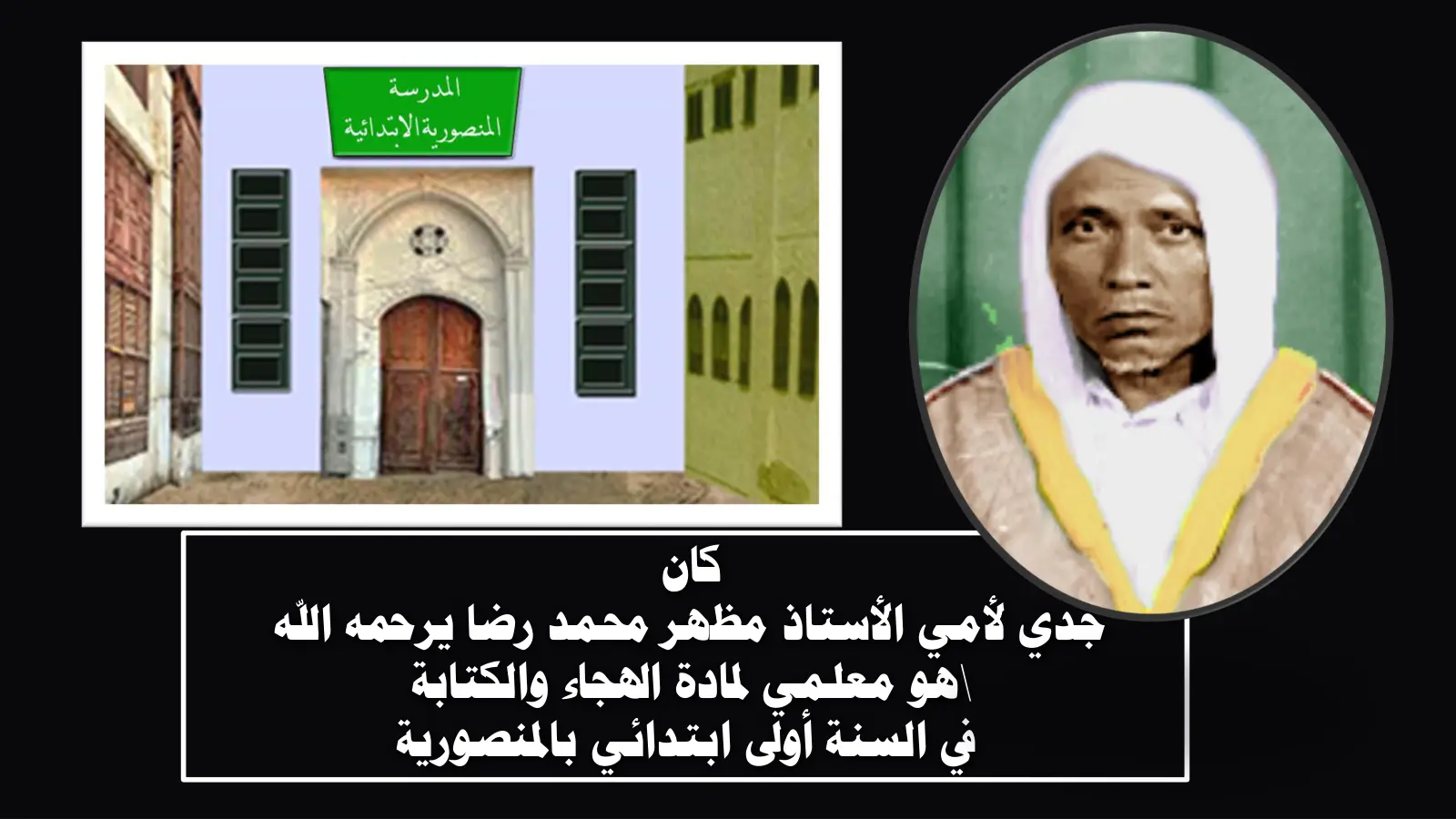
An imagined depiction of al-Mansuriyya Primary School in Makkah
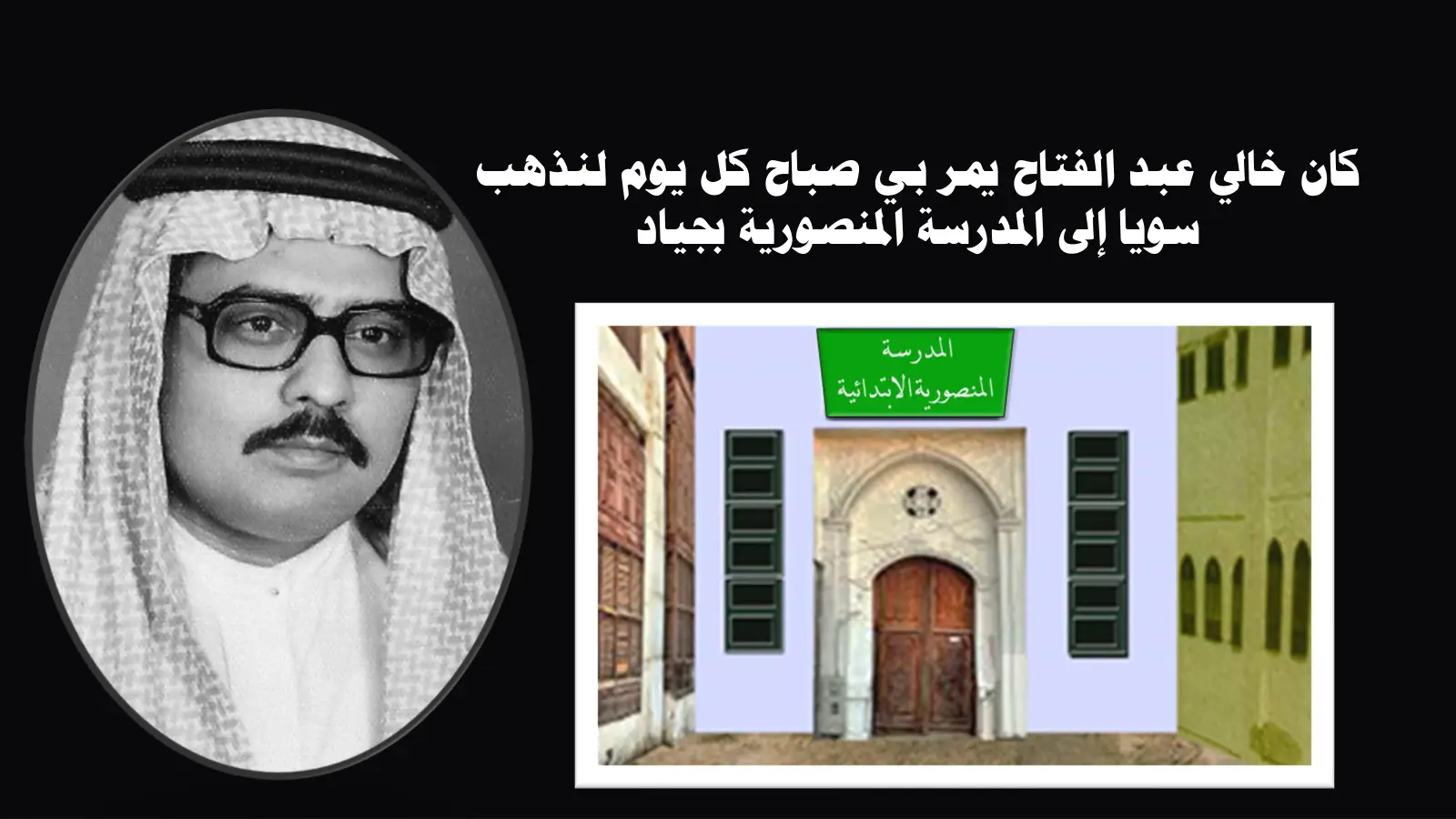
Every morning my maternal uncle Abdulfattah would come by for me, and we would walk together to al-Mansuriyya School in Ajyad.
My maternal grandfather, Ustadh Mazhar Muhammad Rida, may God have mercy on him, was my teacher for spelling and writing in first grade at al-Mansuriyya.
My green metal school bag was small, because it held nothing but a spelling primer, the Baghdadi primer (al-Qa'ida al-Baghdadiyya), a pencil and a twenty-page exercise book ("Abu Ishrin").

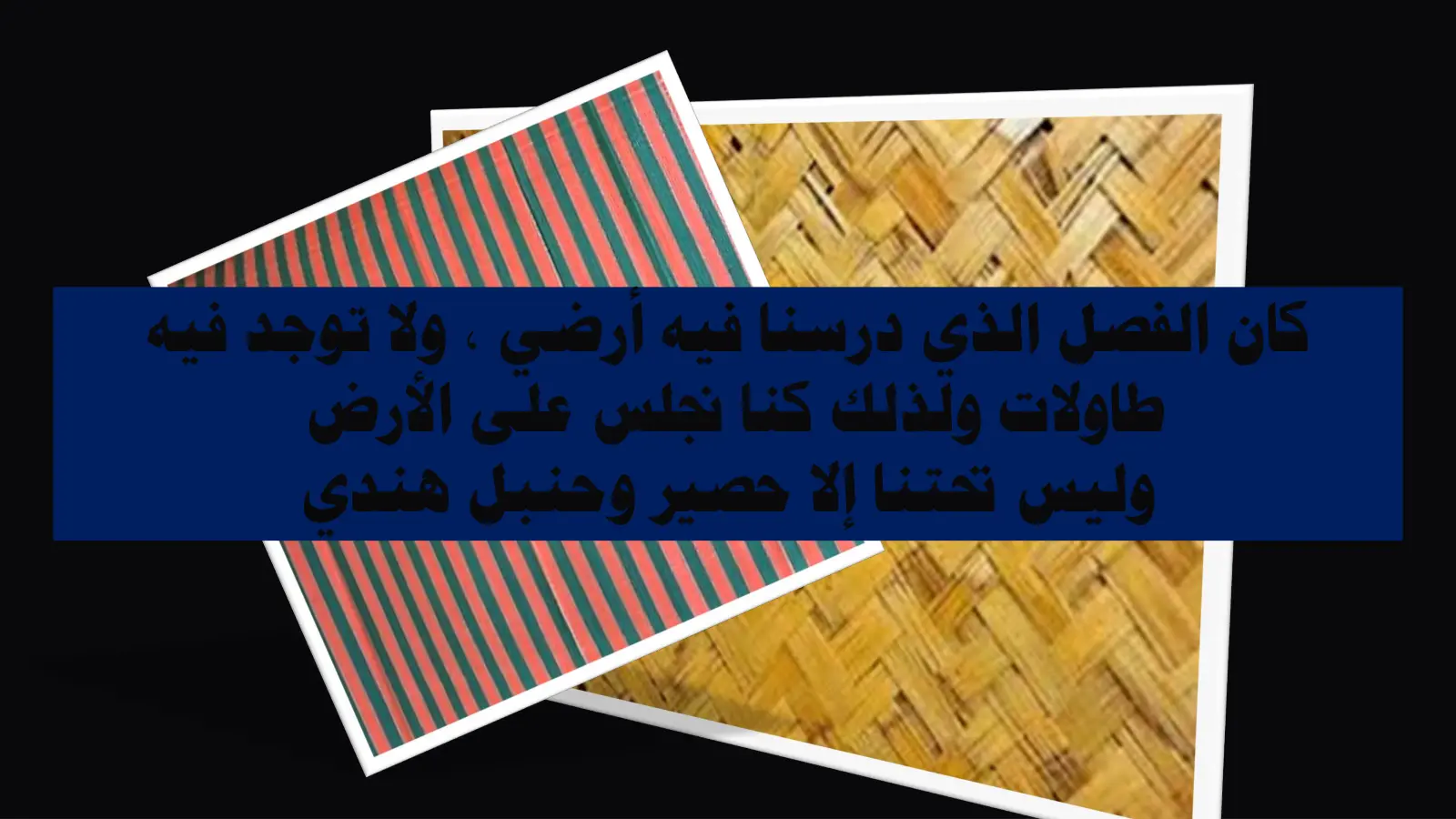
The classroom we studied in was on the ground floor and had no desks, so we sat on the floor with nothing beneath us but a straw mat and an Indian rug (hanbal).
Icons from al-Mansuriyya School
Sheikh Abdulmuhaymin Abu al-Samh, may God have mercy on him, was my teacher of the Book of God (the Qur'an) in the third year of primary school at al-Mansuriyya School. He was an imam at the Sacred Mosque (al-Masjid al-Haram).
My sheikh gave me as a gift a book, The Story of Madyan and Shu'ayb.
Icons from al-Mansuriyya School
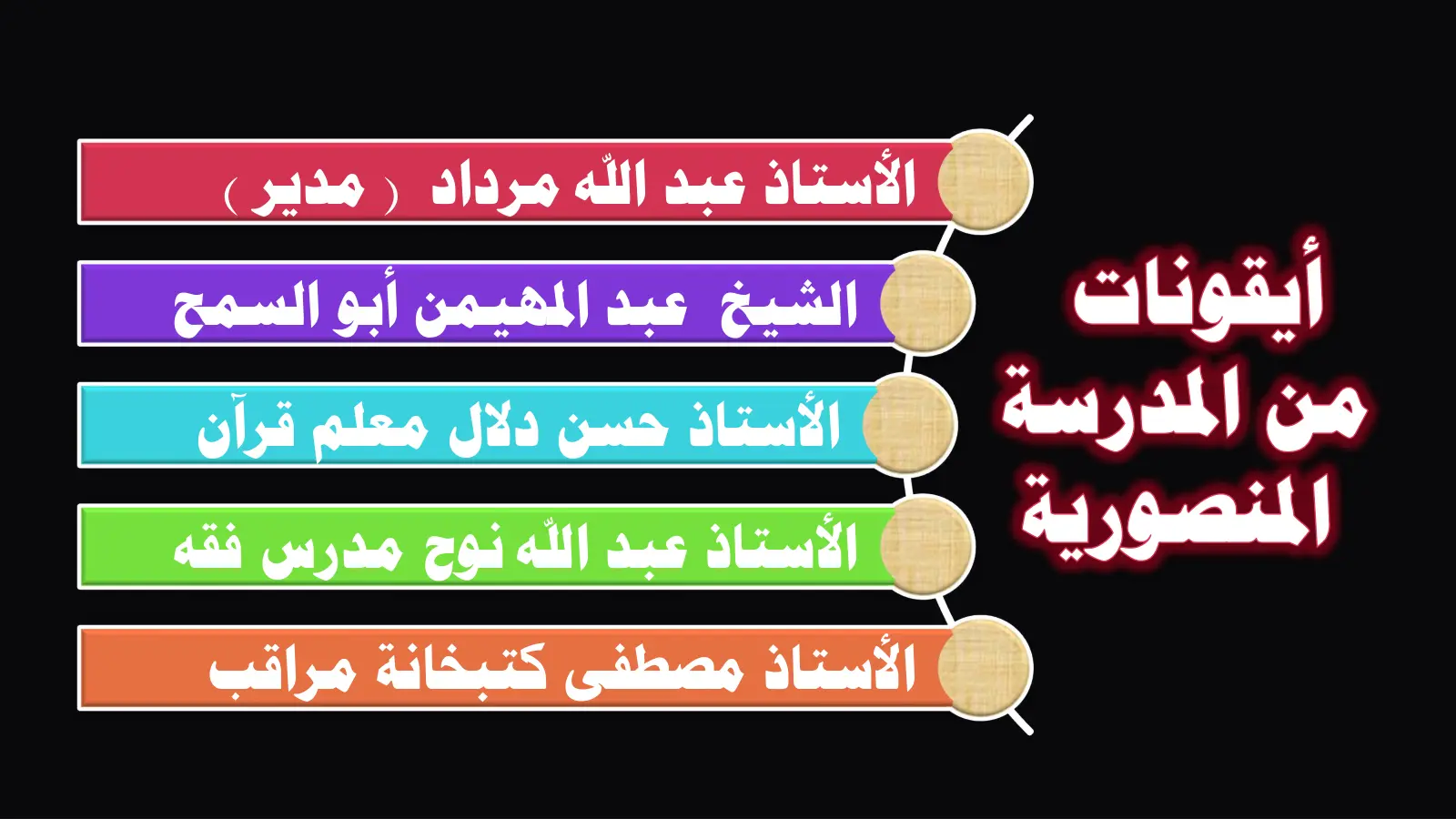
- Mr. Abdullah Mirdad (principal)
- Sheikh Abdulmuhaymin Abu al-Samh
- Mr. Hassan Dallal, Qur'an teacher
- Mr. Abdullah Nouh, teacher of fiqh (Islamic jurisprudence)
- Mr. Mustafa Kutubkhana, supervisor
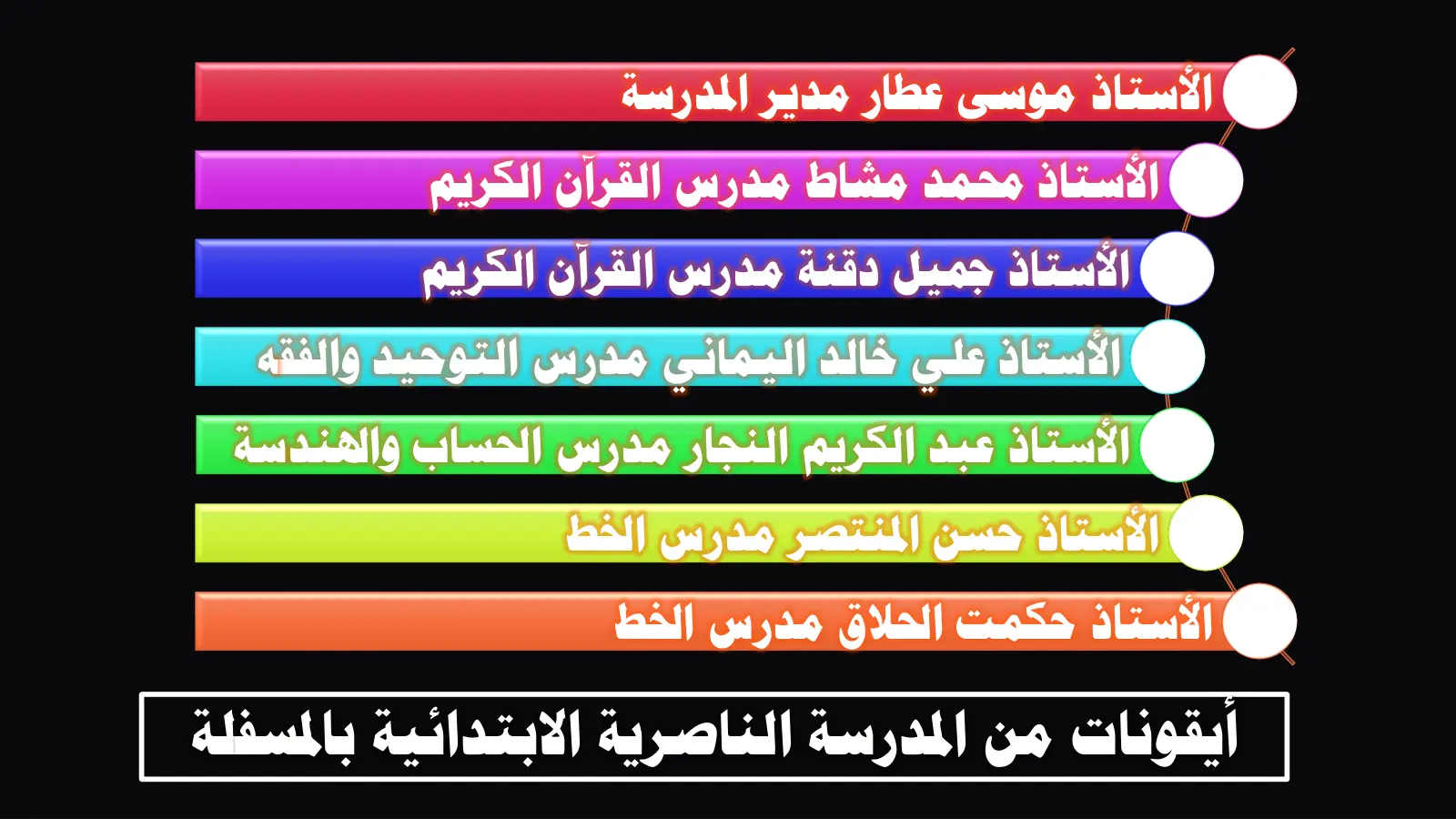
Icons from al-Nasiriyya Primary School in al-Misfala
- Mr. Musa Attar, the school principal
- Mr. Muhammad Mashat, teacher of the Holy Qur'an
- Mr. Jamil Daqna, teacher of the Holy Qur'an
- Mr. Ali Khalid al-Yamani, teacher of tawhid (Islamic creed) and fiqh
- Mr. Abdulkarim al-Najjar, teacher of arithmetic and geometry
- Mr. Hassan al-Muntasir, calligraphy teacher
- Mr. Hikmat al-Hallaq, calligraphy teacher
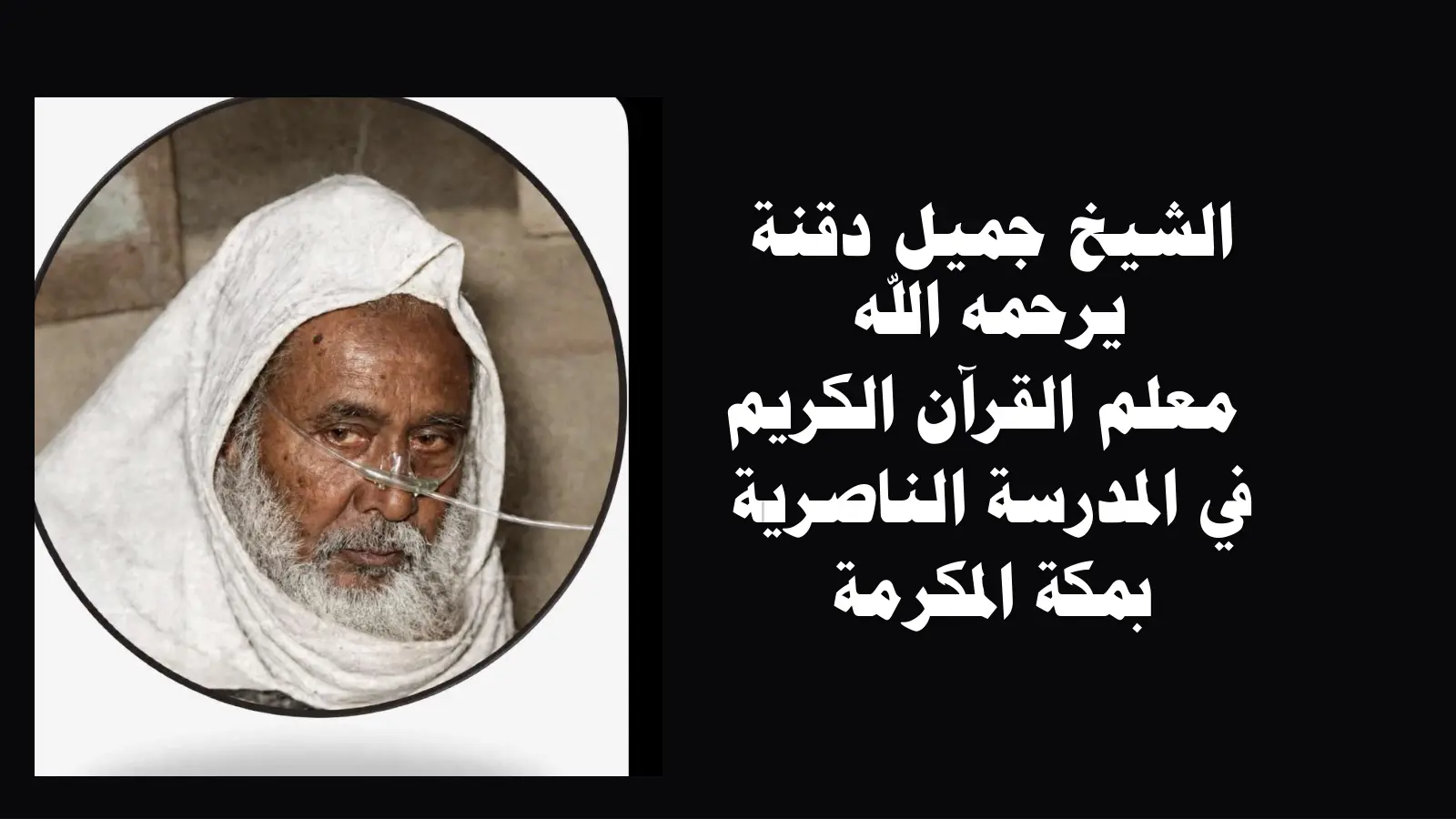
Sheikh Jamil Daqna, may God have mercy on him, teacher of the Holy Qur'an at al-Nasiriyya School in Makkah
My years of study at al-Nasiriyya Primary School in al-Misfala
- Second grade
- Fifth grade
- Sixth grade
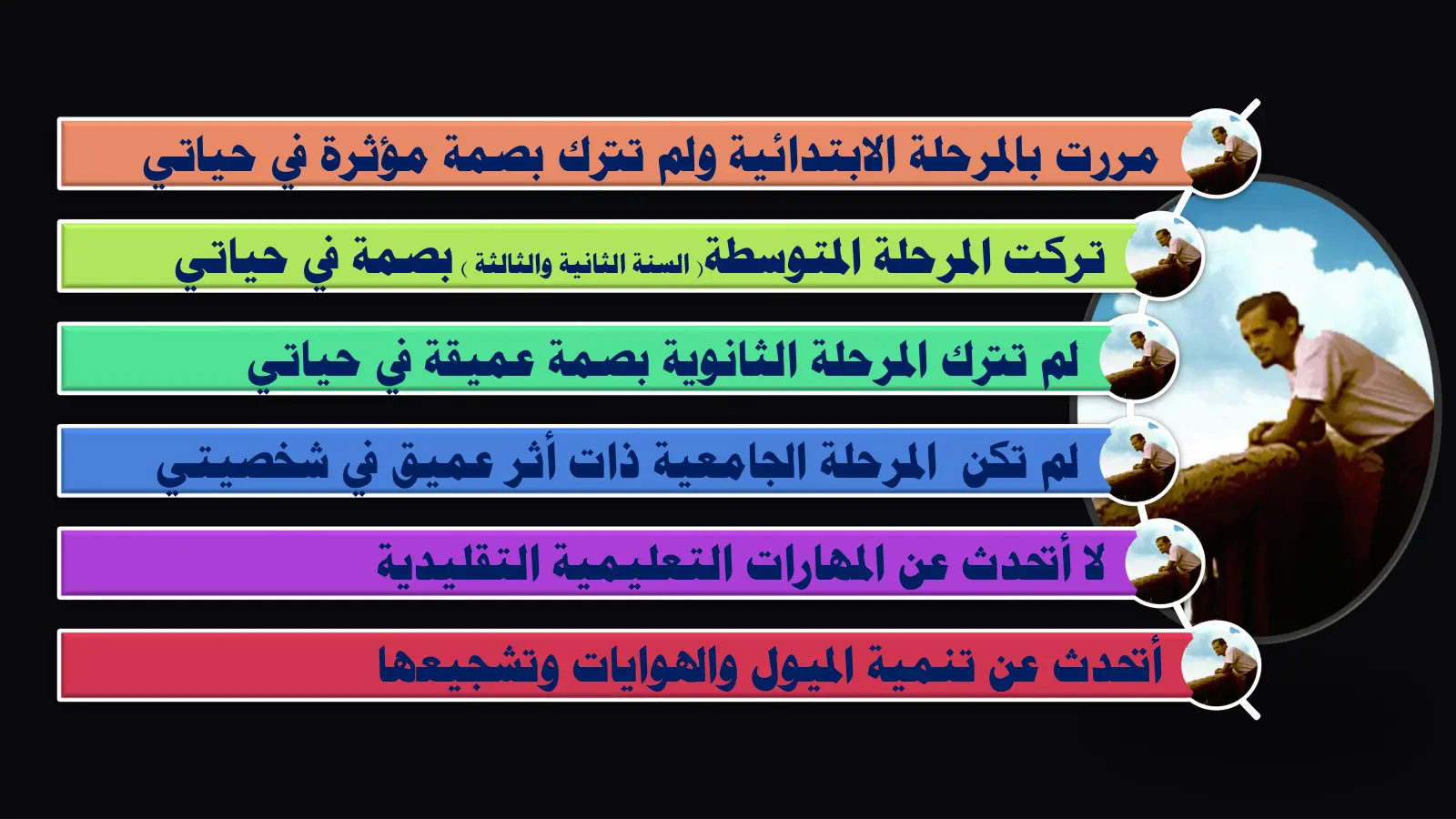
- I passed through primary school, and it left no lasting mark on my life.
- Intermediate school (the second and third years) left a mark on my life.
- Secondary school left no deep mark on my life.
- My university years had no deep effect on my character.
- I am not speaking of conventional academic skills.
- I am speaking of developing and encouraging inclinations and hobbies.
- Every teacher leaves his own mark, for better or for worse.
- A teacher can be a mine of driving energy.
- Not every school principal sets energies in motion.
- A principal may be gifted, but only within the bounds of himself.
- An outstanding teacher colours his students with his own colour.
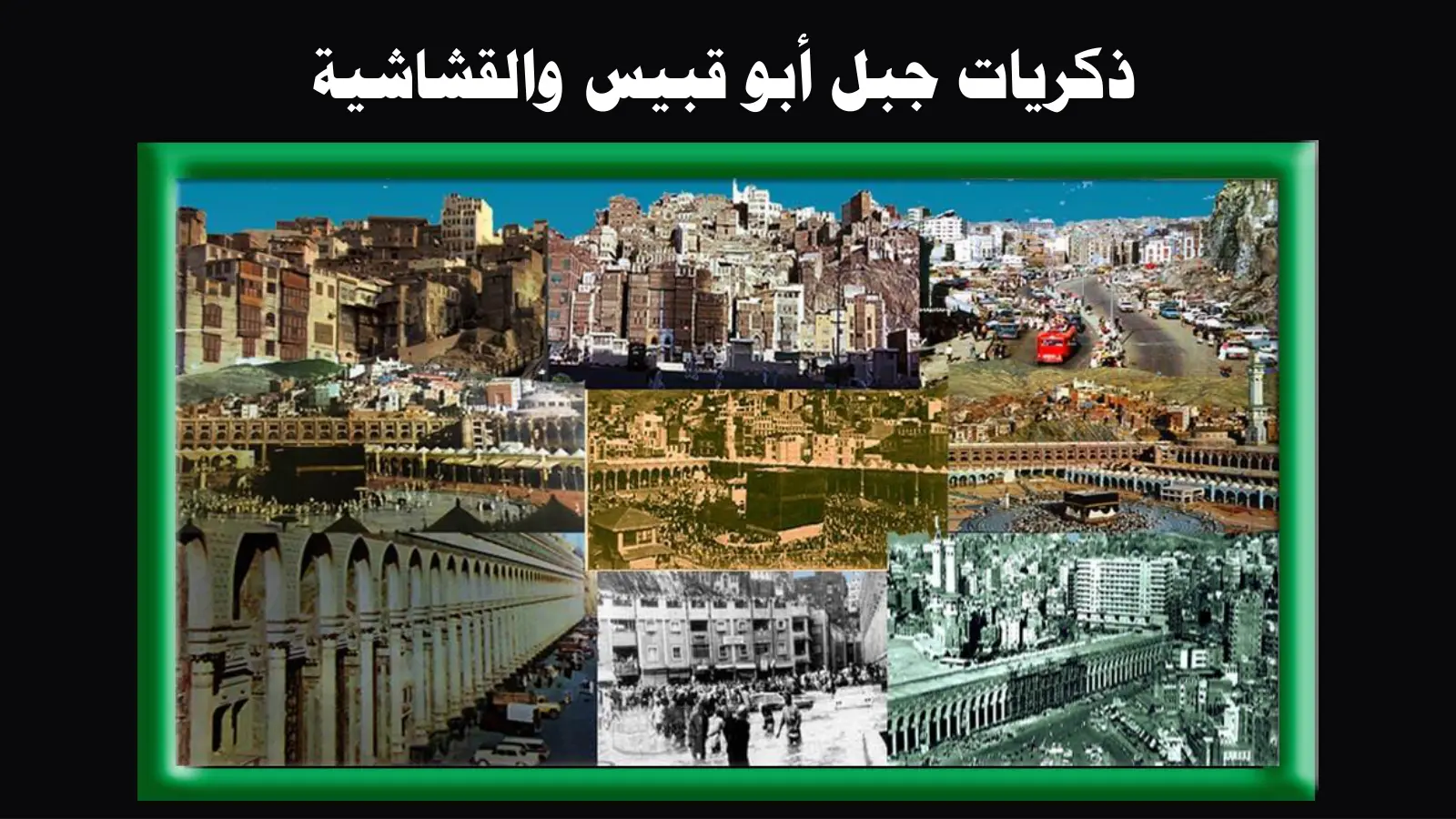
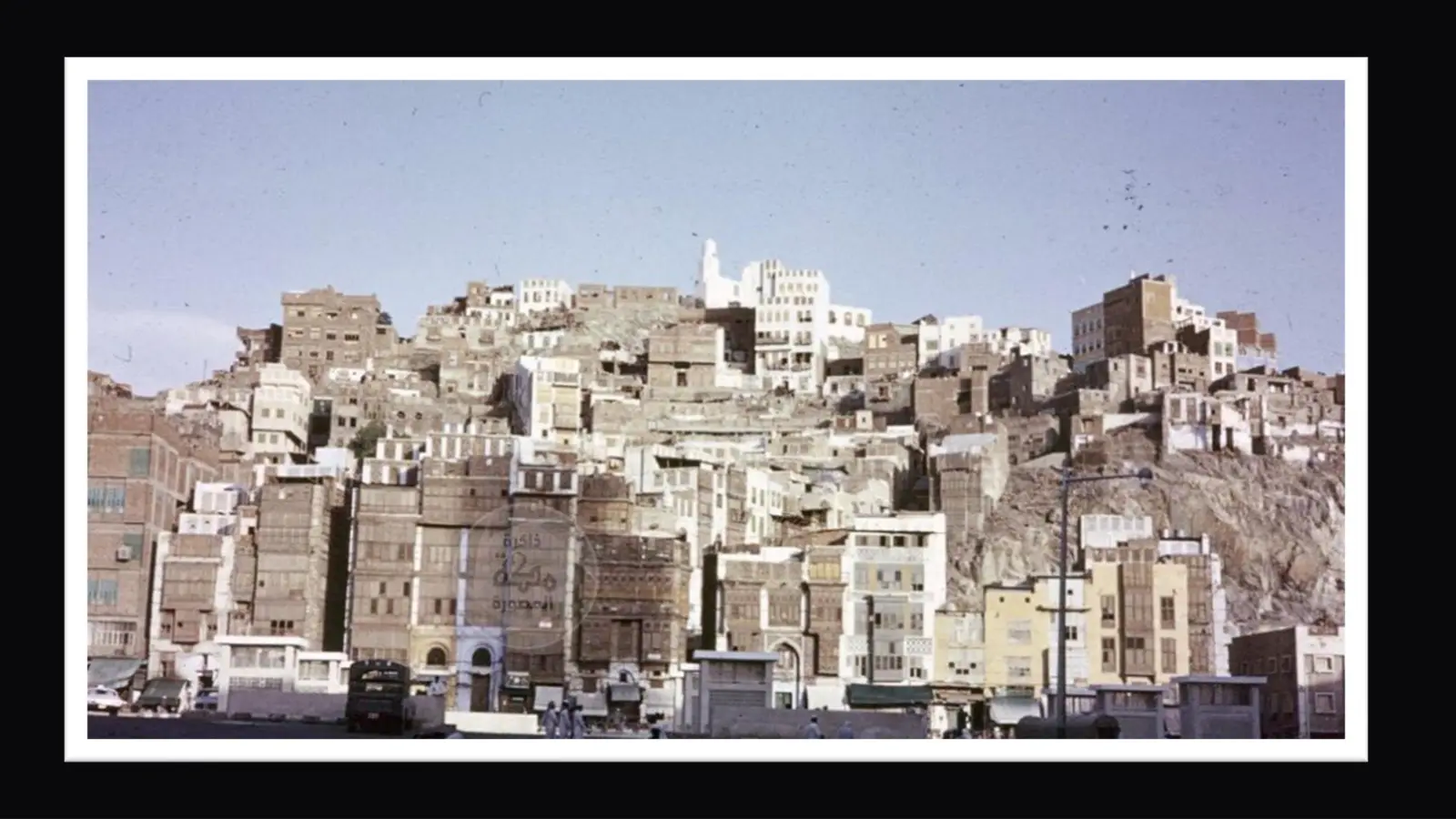
Memories of Mount Abu Qubays and al-Qashashiyya
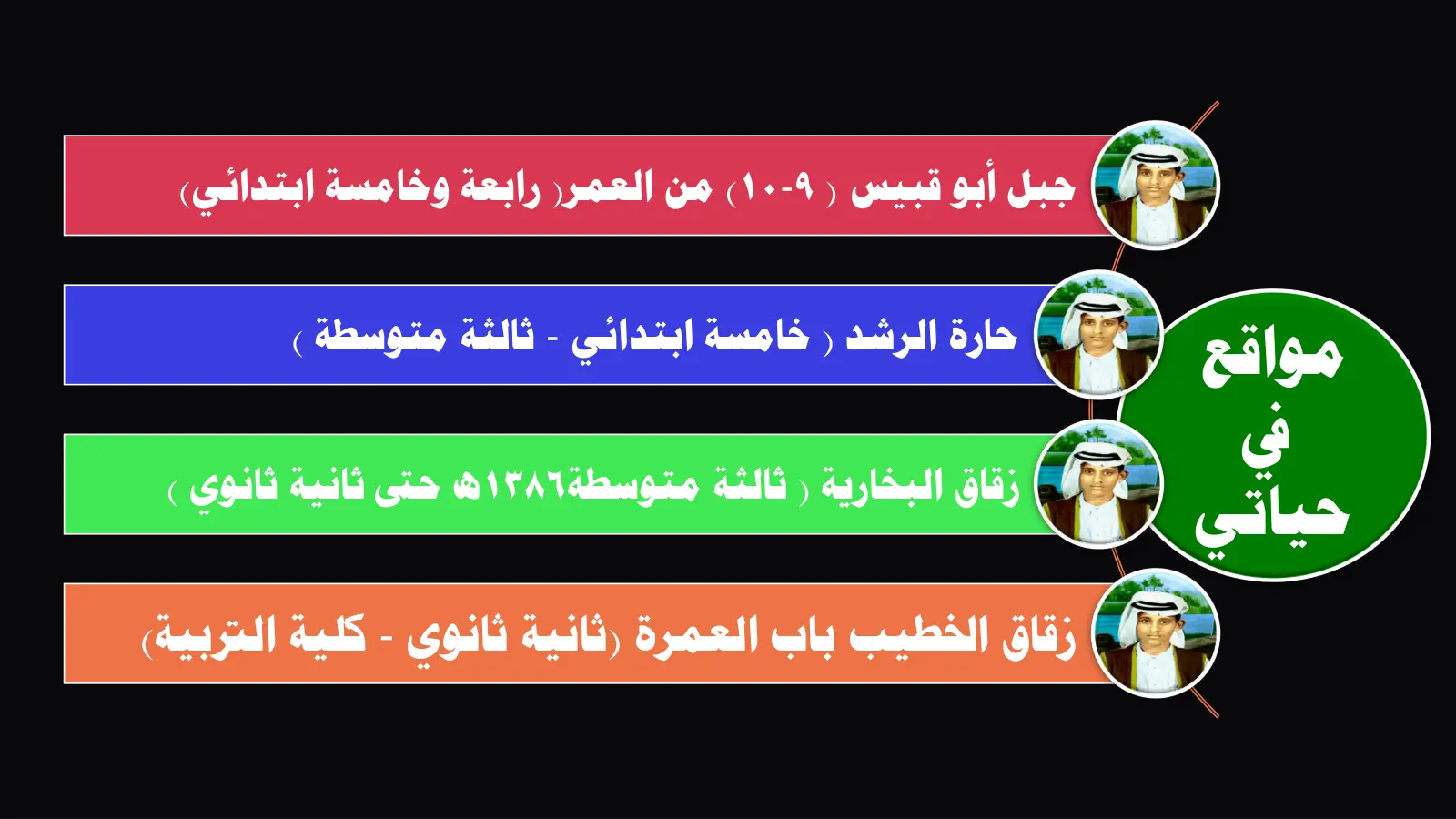
Places in my life
- Mount Abu Qubays, ages 9–10 (fourth and fifth grades of primary school)
- Harat al-Rashd (fifth grade of primary school to third year of intermediate school)
- Zuqaq al-Bukhariyya (from the third year of intermediate school, 1386 AH, to the second year of secondary school)
- Zuqaq al-Khatib, Bab al-Umra (from the second year of secondary school to the College of Education)
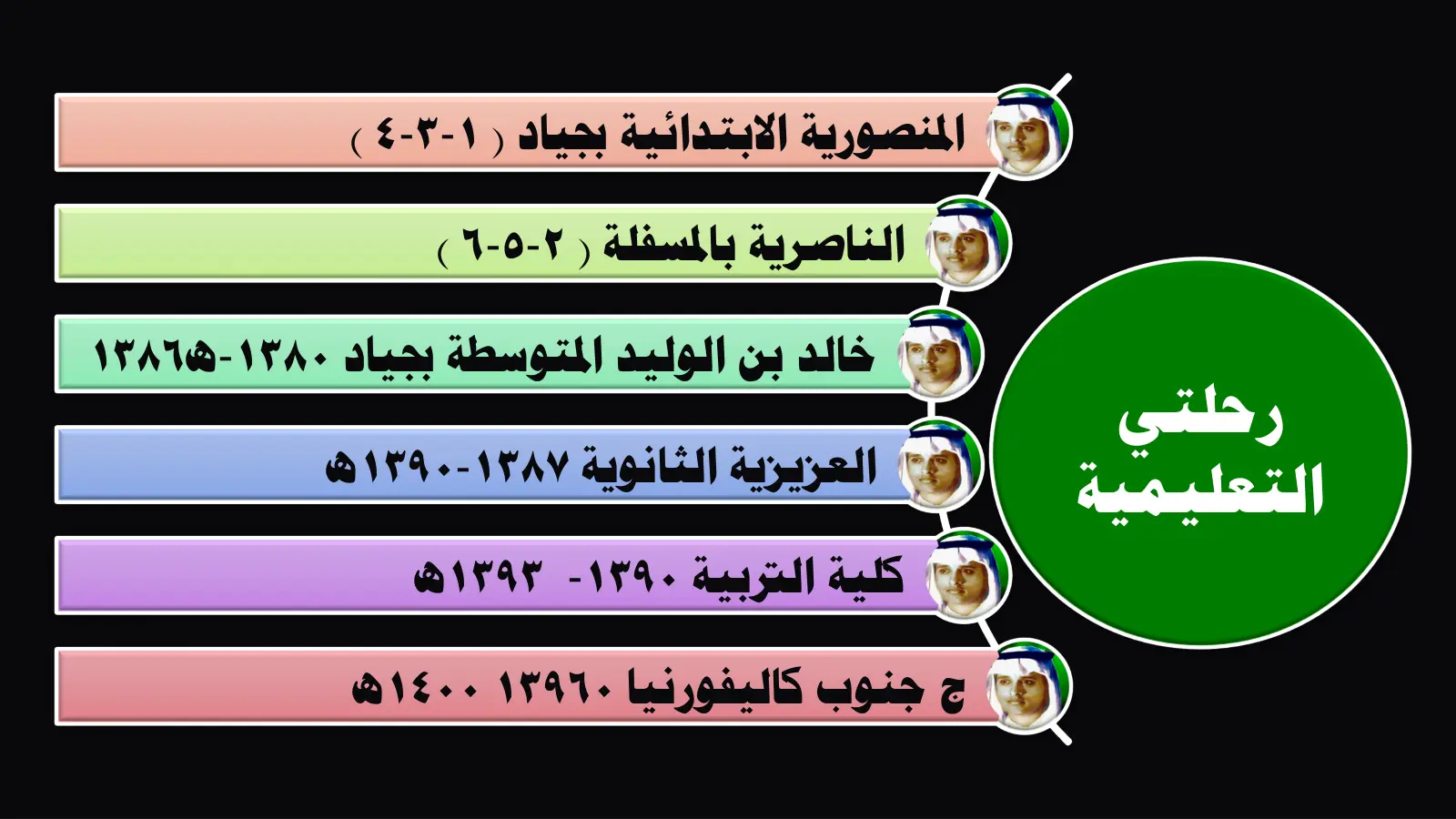
My educational journey
- Al-Mansuriyya Primary School in Ajyad (grades 1, 3 and 4)
- Al-Nasiriyya School in al-Misfala (grades 2, 5 and 6)
- Khalid ibn al-Walid Intermediate School in Ajyad, 1380–1386 AH
- Al-Aziziyya Secondary School, 1387–1390 AH
- College of Education, 1390–1393 AH
- University of Southern California, 1396–1400 AH
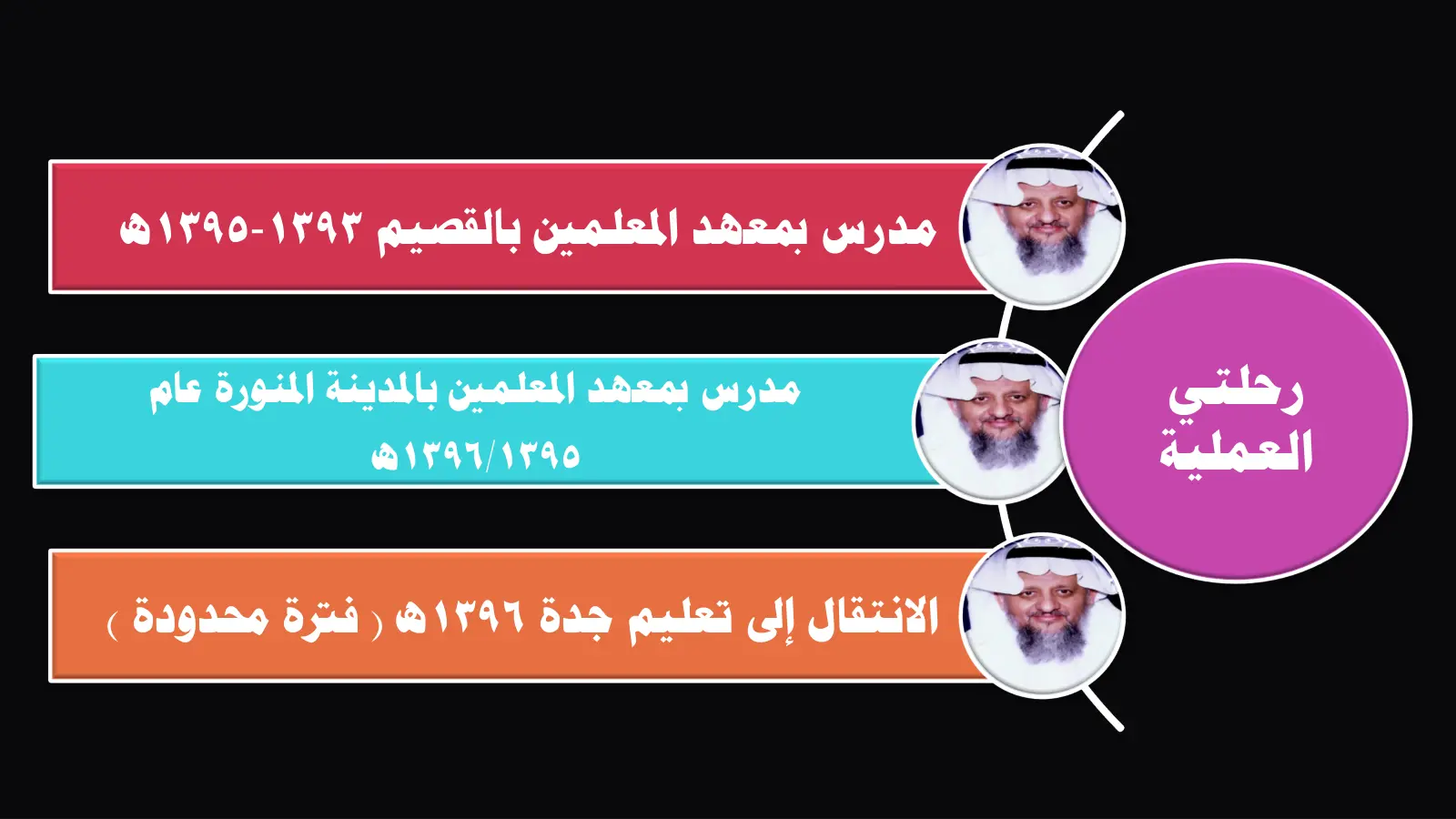
My working life
- Teacher at the Teachers' Institute in al-Qassim, 1393–1395 AH
- Teacher at the Teachers' Institute in Madinah, 1395/1396 AH
- Transfer to the Jeddah education department, 1396 AH (for a short period)
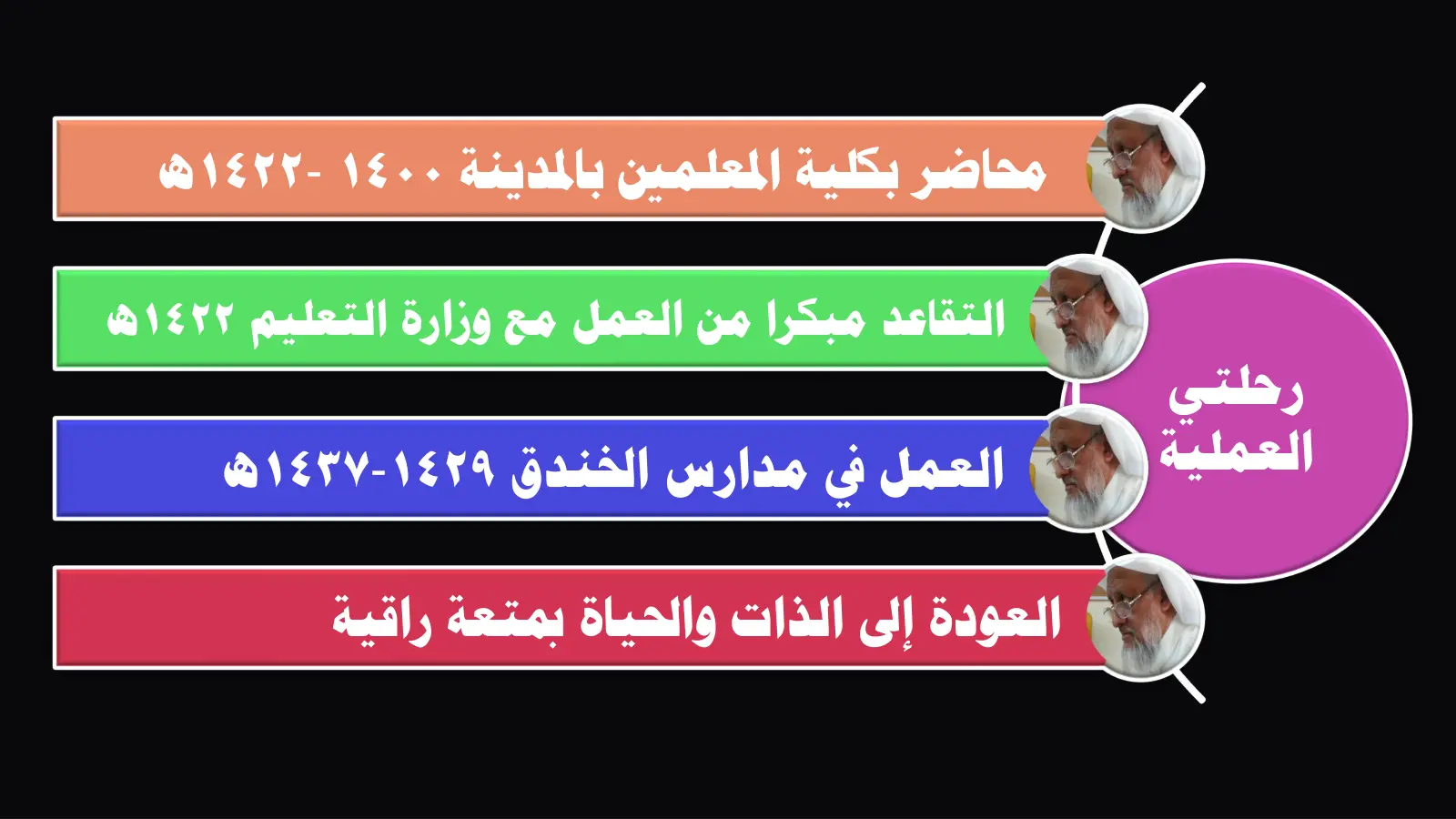
My working life
- Lecturer at the Teachers' College in Madinah, 1400–1422 AH
- Early retirement from the Ministry of Education, 1422 AH
- Work at al-Khandaq Schools, 1429–1437 AH
- Returning to myself, and to life with a refined enjoyment
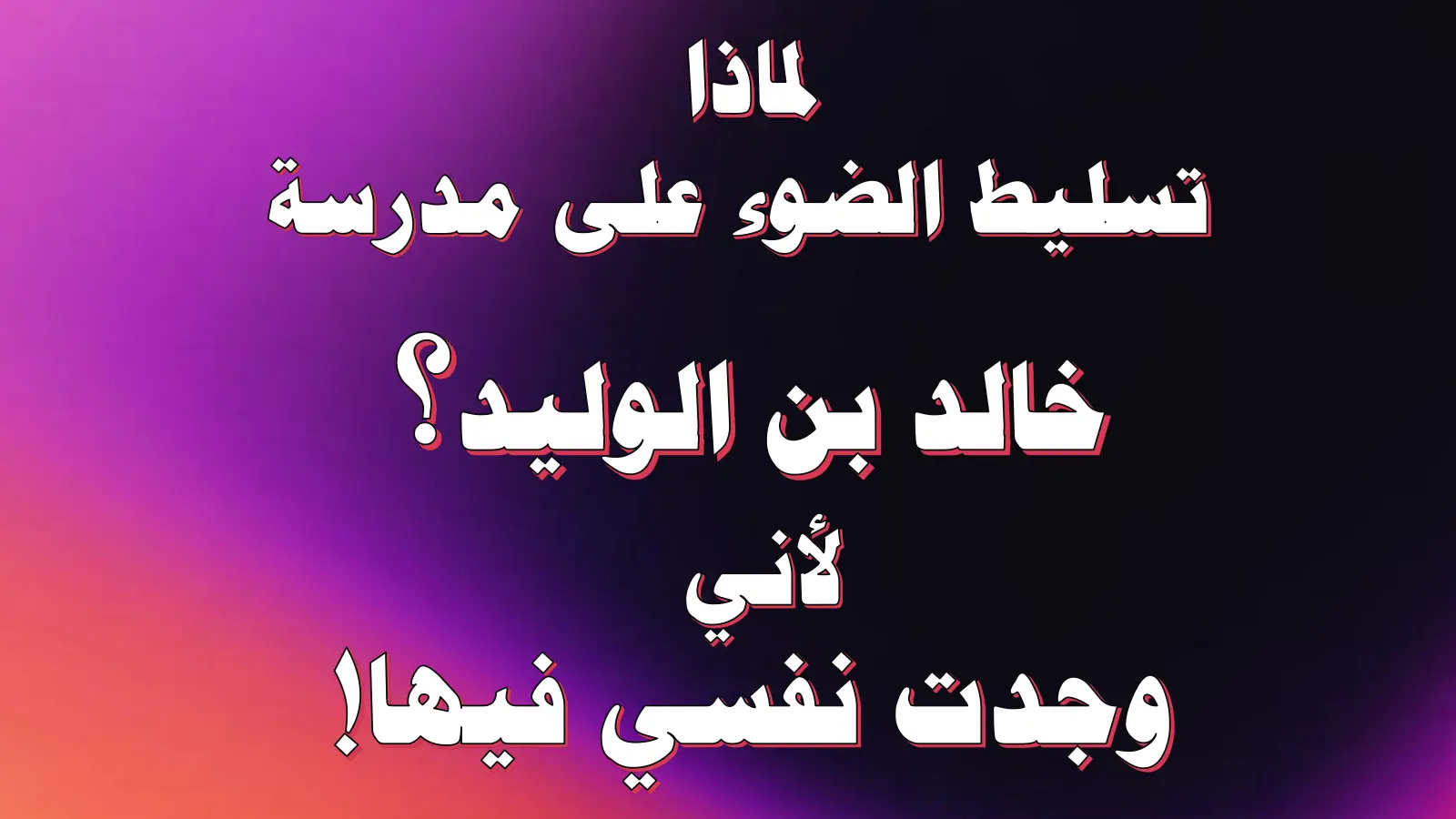
Why shine a light on Khalid ibn al-Walid School?
Because it was there that I found myself!
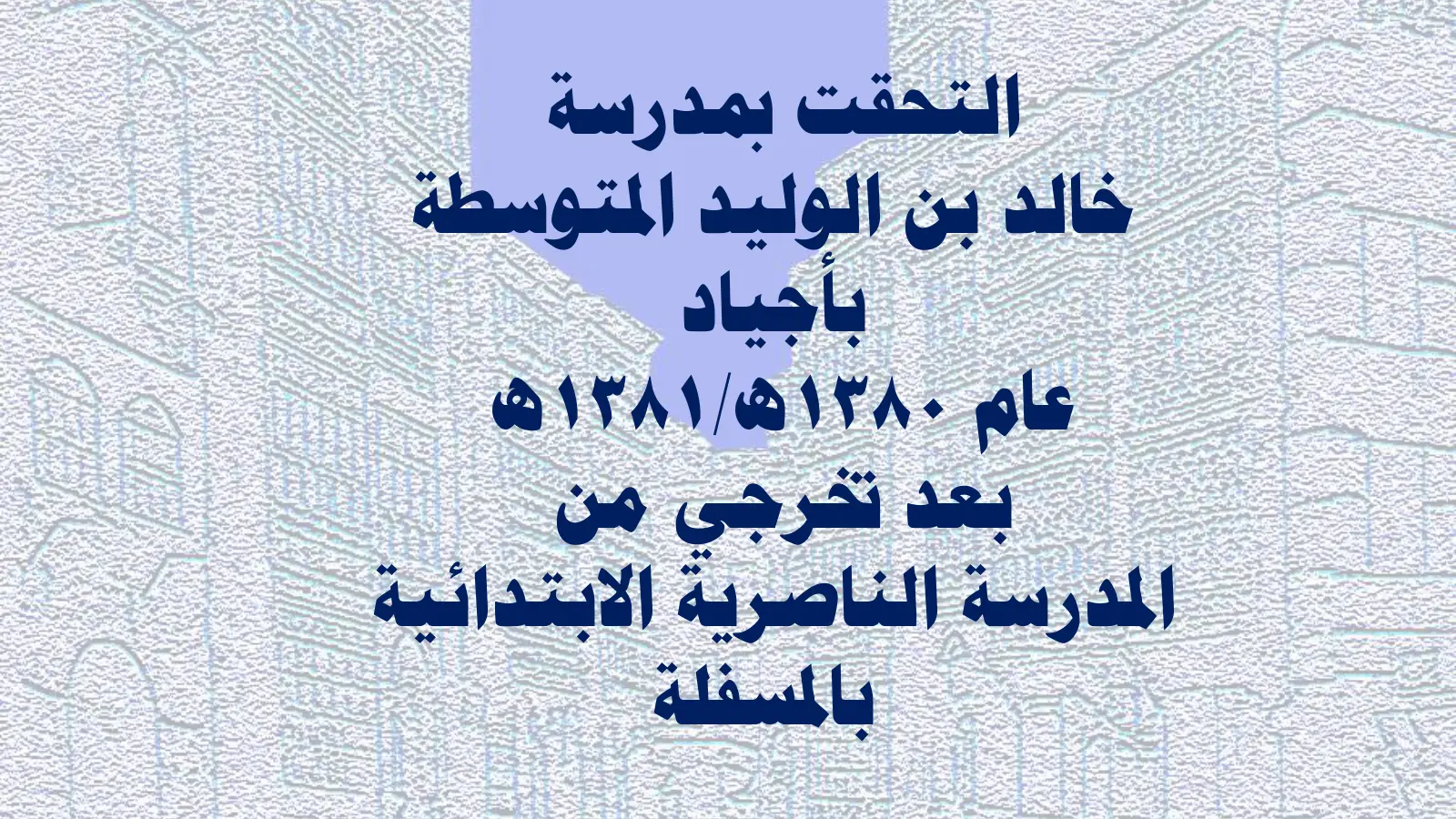
I enrolled at Khalid ibn al-Walid Intermediate School in Ajyad in the year 1380/1381 AH, after graduating from al-Nasiriyya Primary School in al-Misfala.
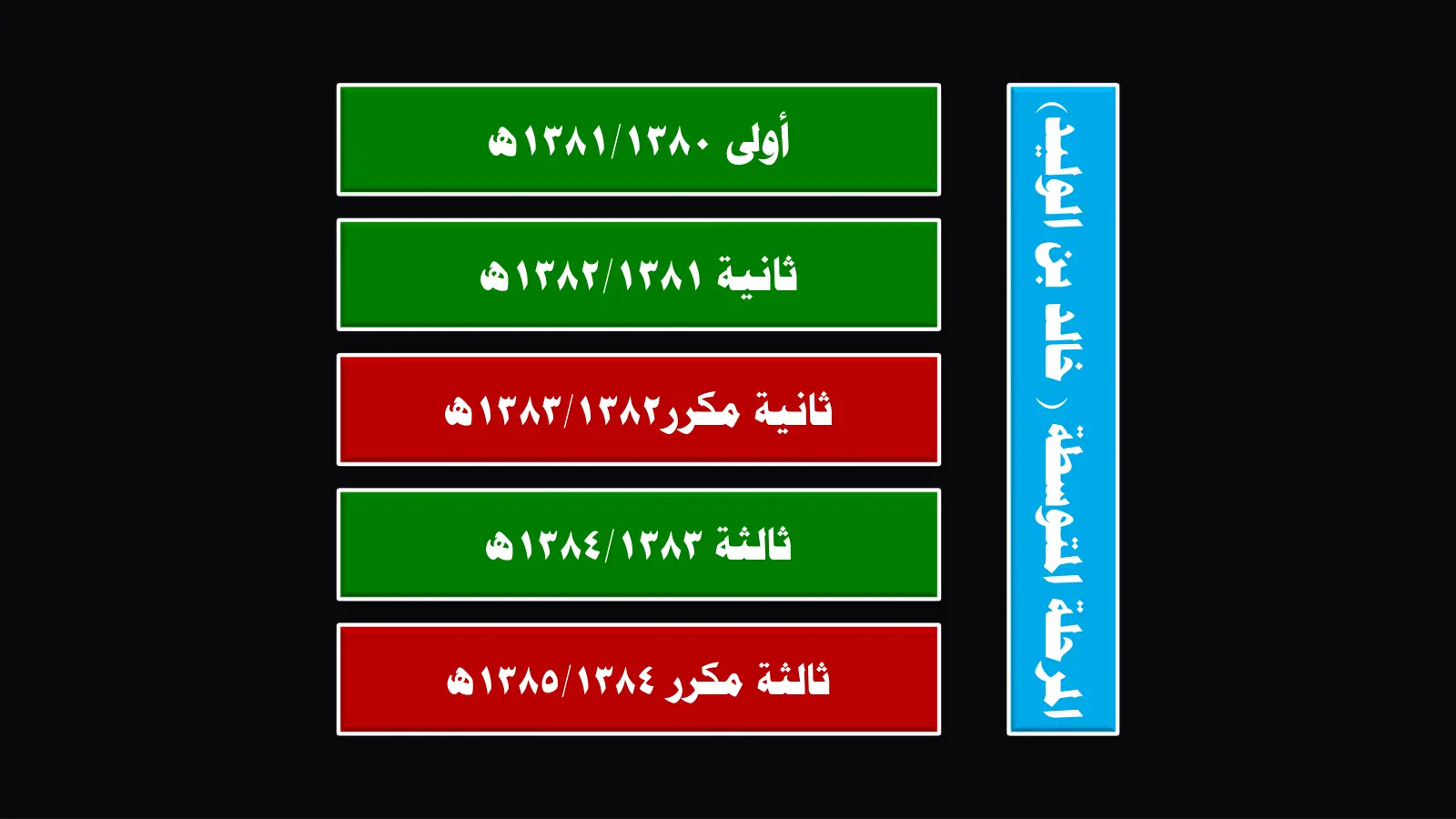
Intermediate school (Khalid ibn al-Walid)
- First year, 1380/1381 AH
- Second year, 1381/1382 AH
- Second year, repeated, 1382/1383 AH
- Third year, 1383/1384 AH
- Third year, repeated, 1384/1385 AH
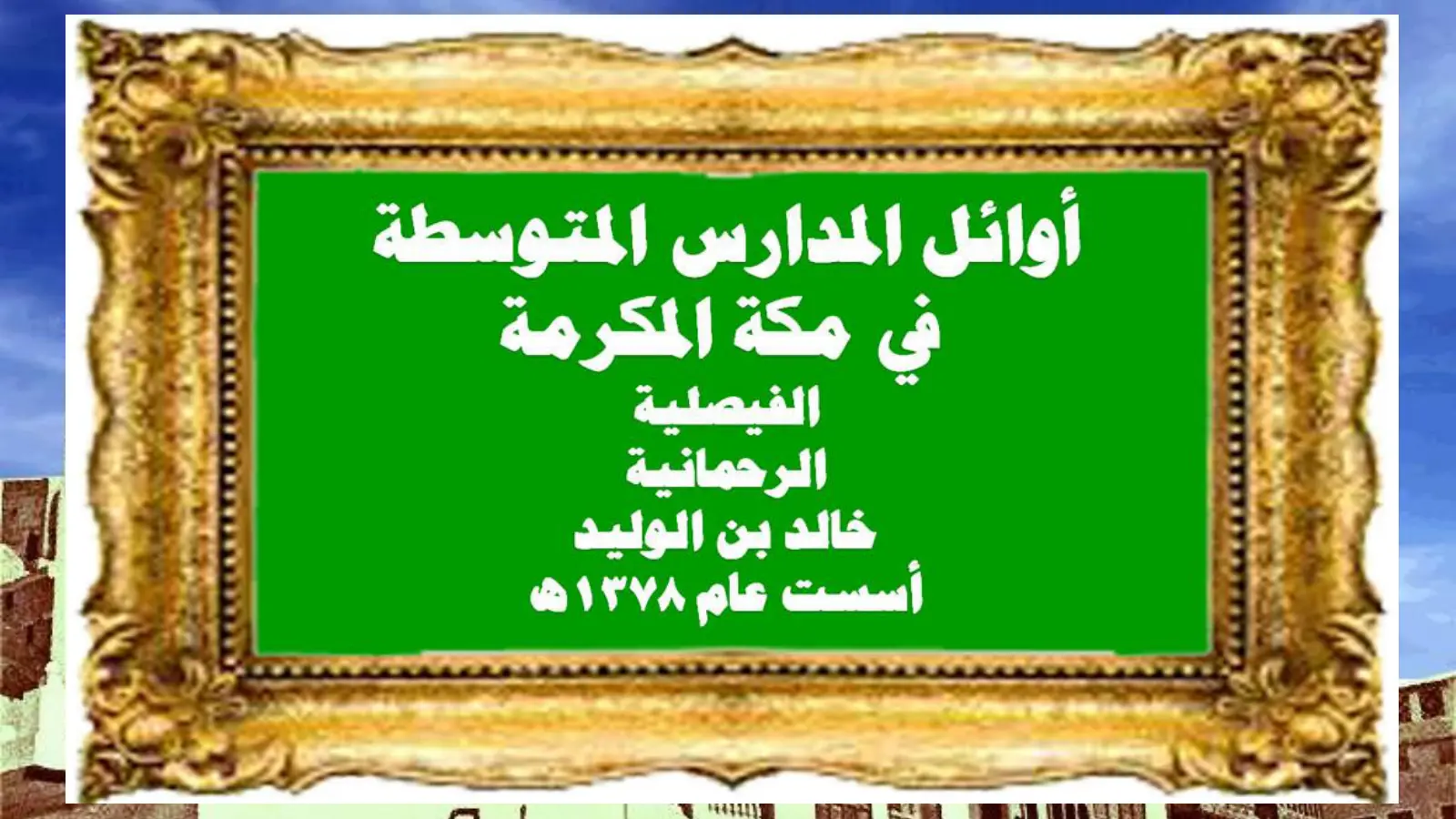
The first intermediate schools in Makkah
- Al-Faysaliyya
- Al-Rahmaniyya
- Khalid ibn al-Walid
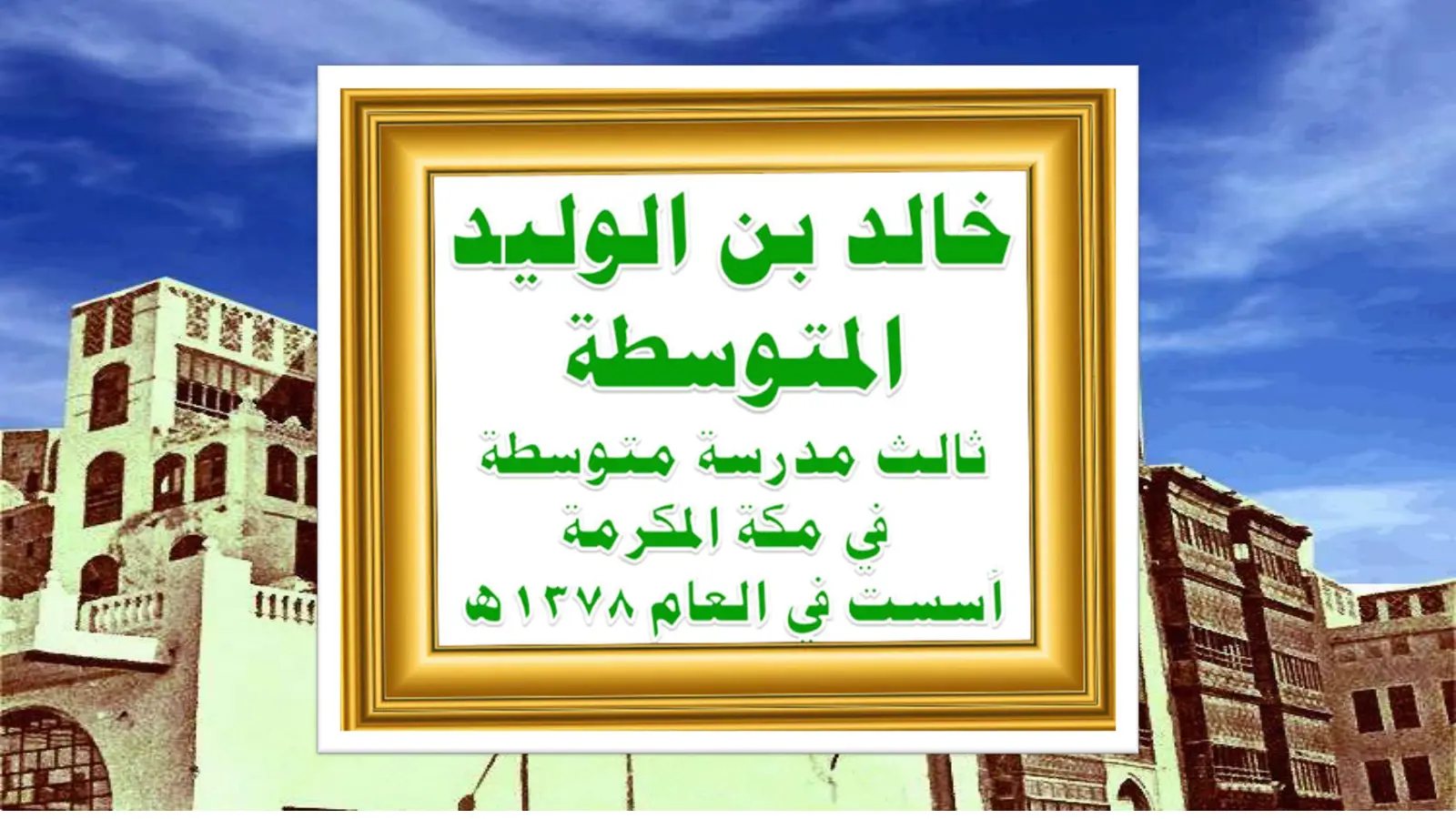
Founded in 1378 AH
Khalid ibn al-Walid Intermediate School in Makkah
Founded in 1378 AH
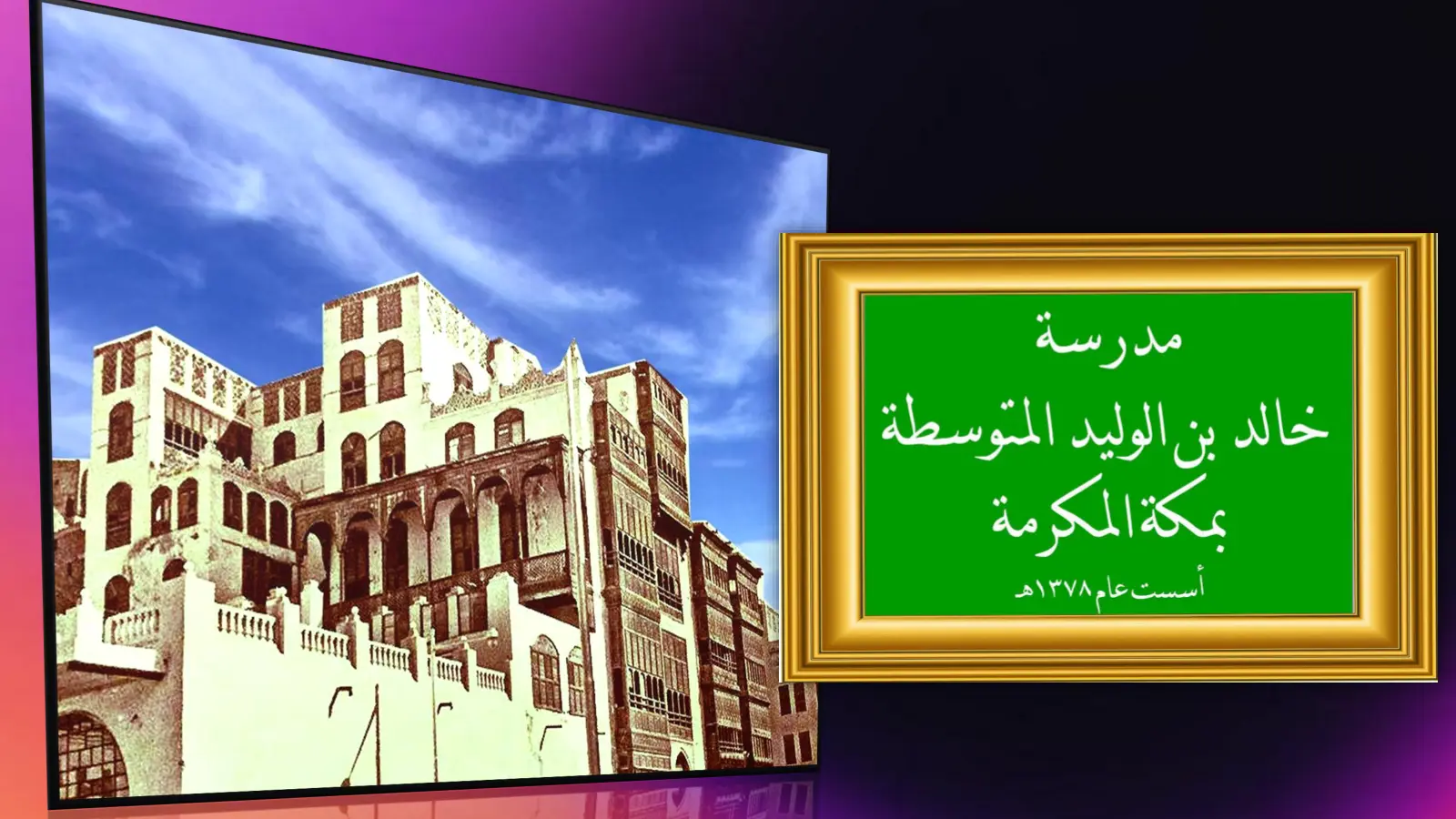
Khalid ibn al-Walid Intermediate School
The third intermediate school in Makkah, founded in the year 1378 AH
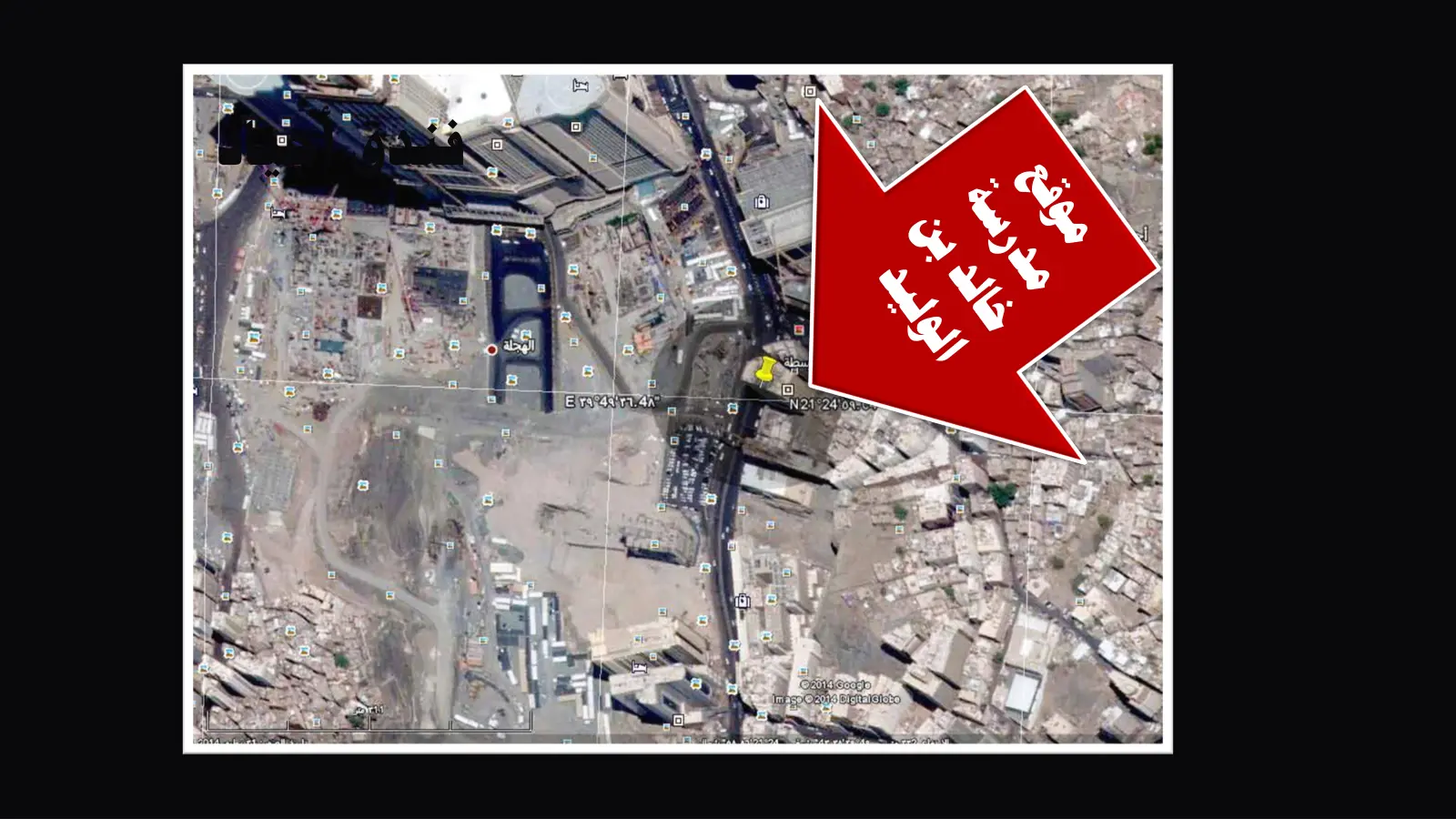
Site of Khalid ibn al-Walid School
- Ajyad Hotel
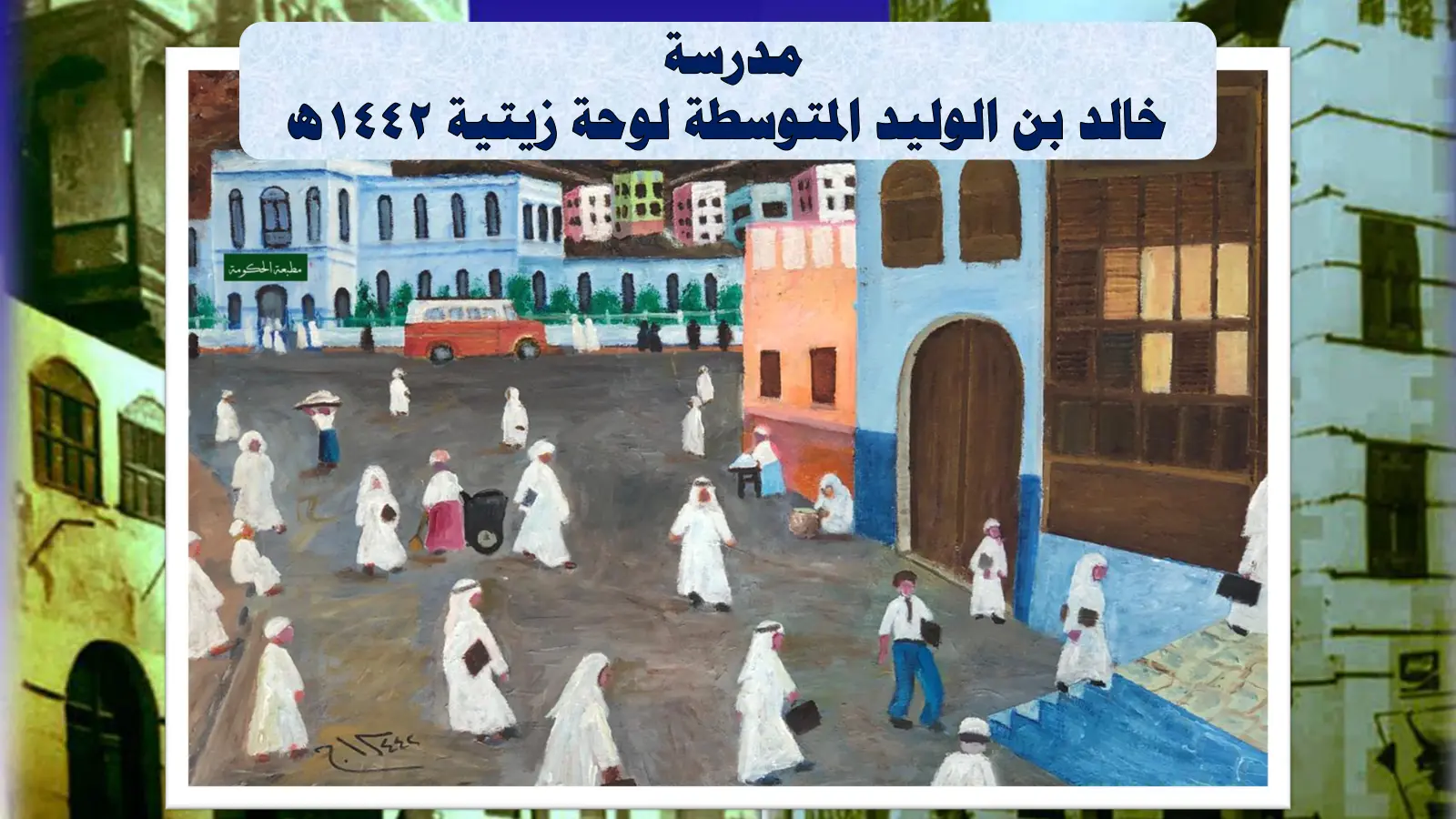
An oil painting of Khalid ibn al-Walid Intermediate School, 1442 AH
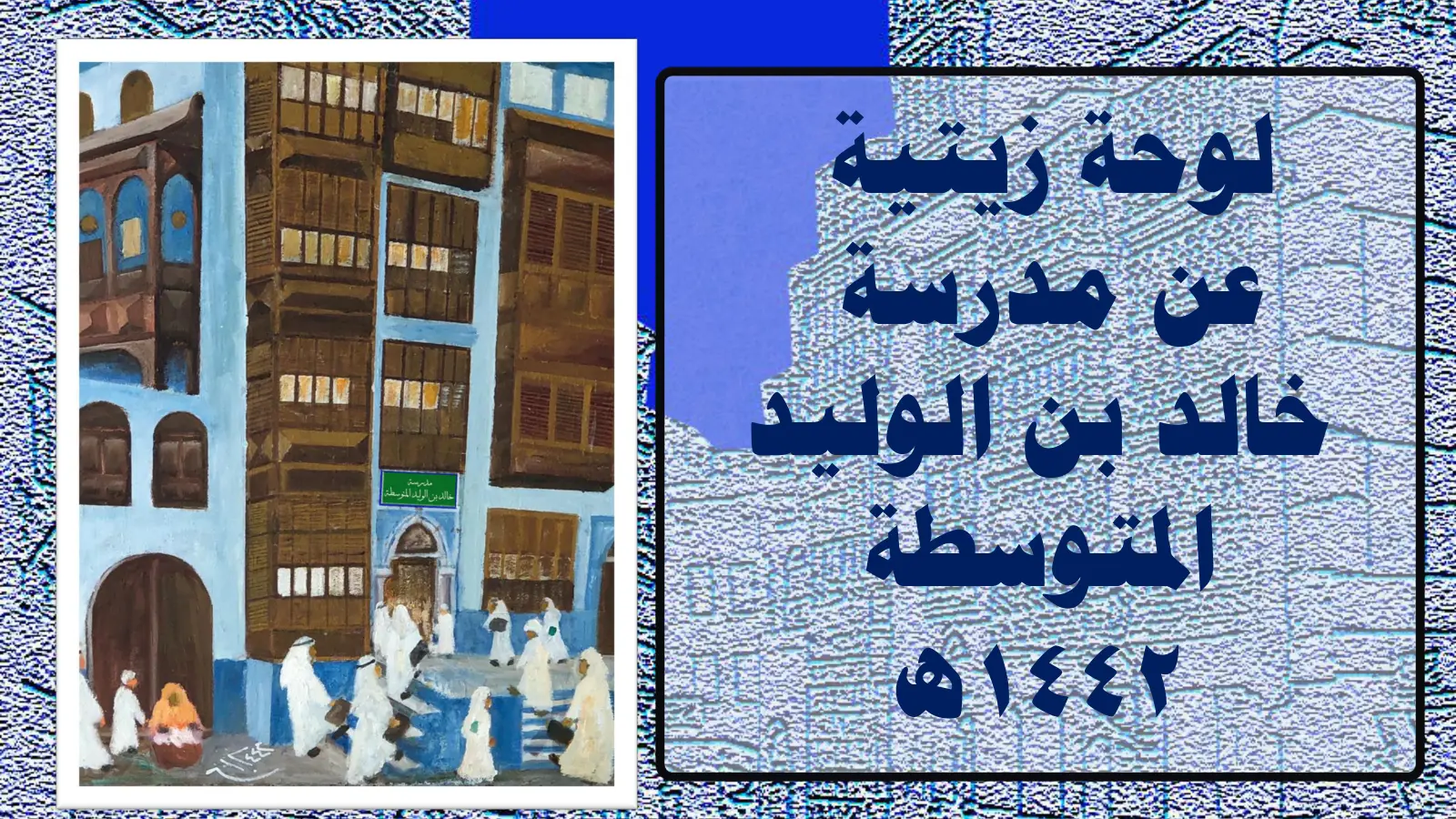
Khalid ibn al-Walid Intermediate School, an oil painting, 1442 AH
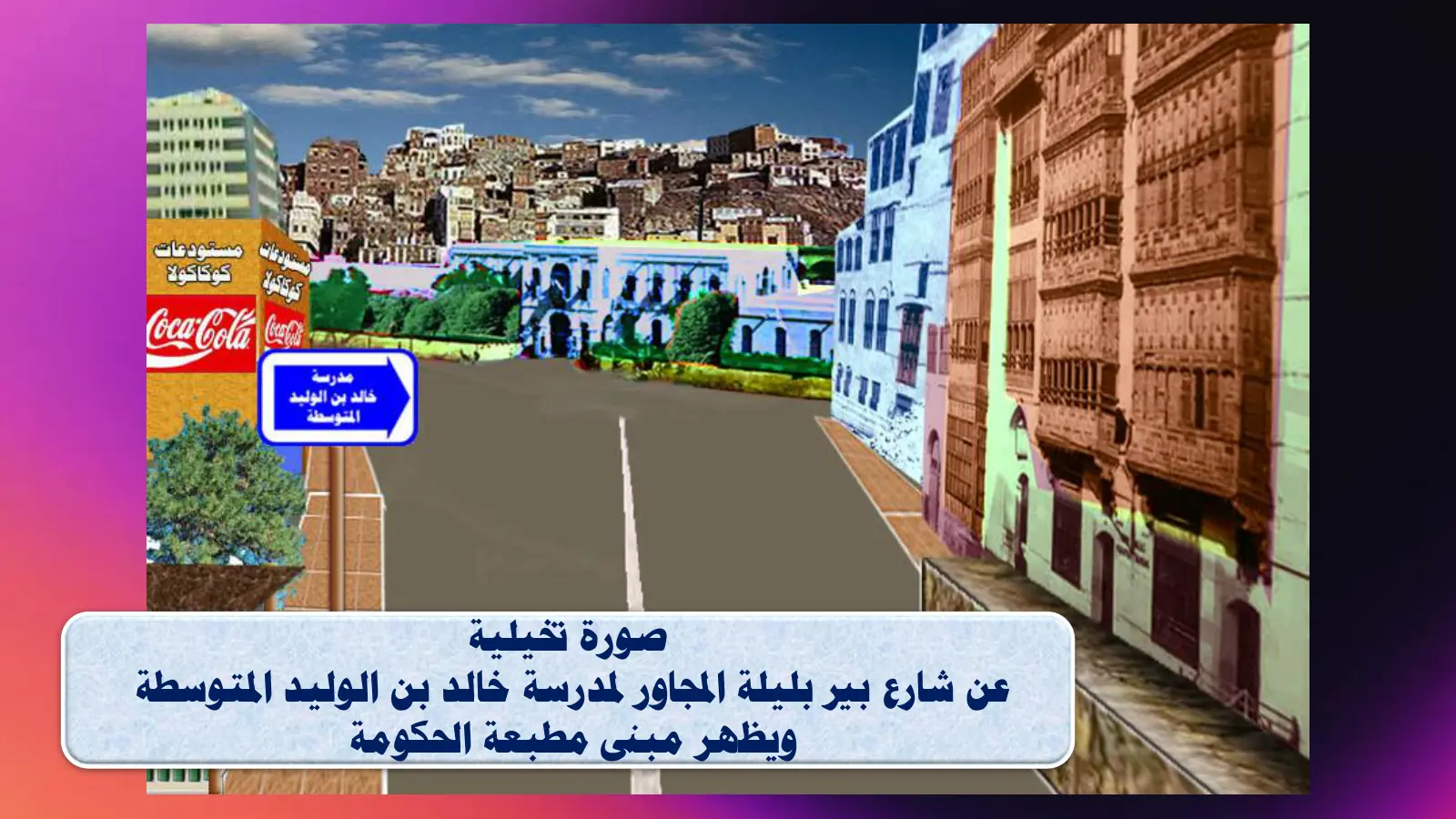
An imagined picture of Bir Balila Street, next to Khalid ibn al-Walid Intermediate School, showing the Government Printing Press building
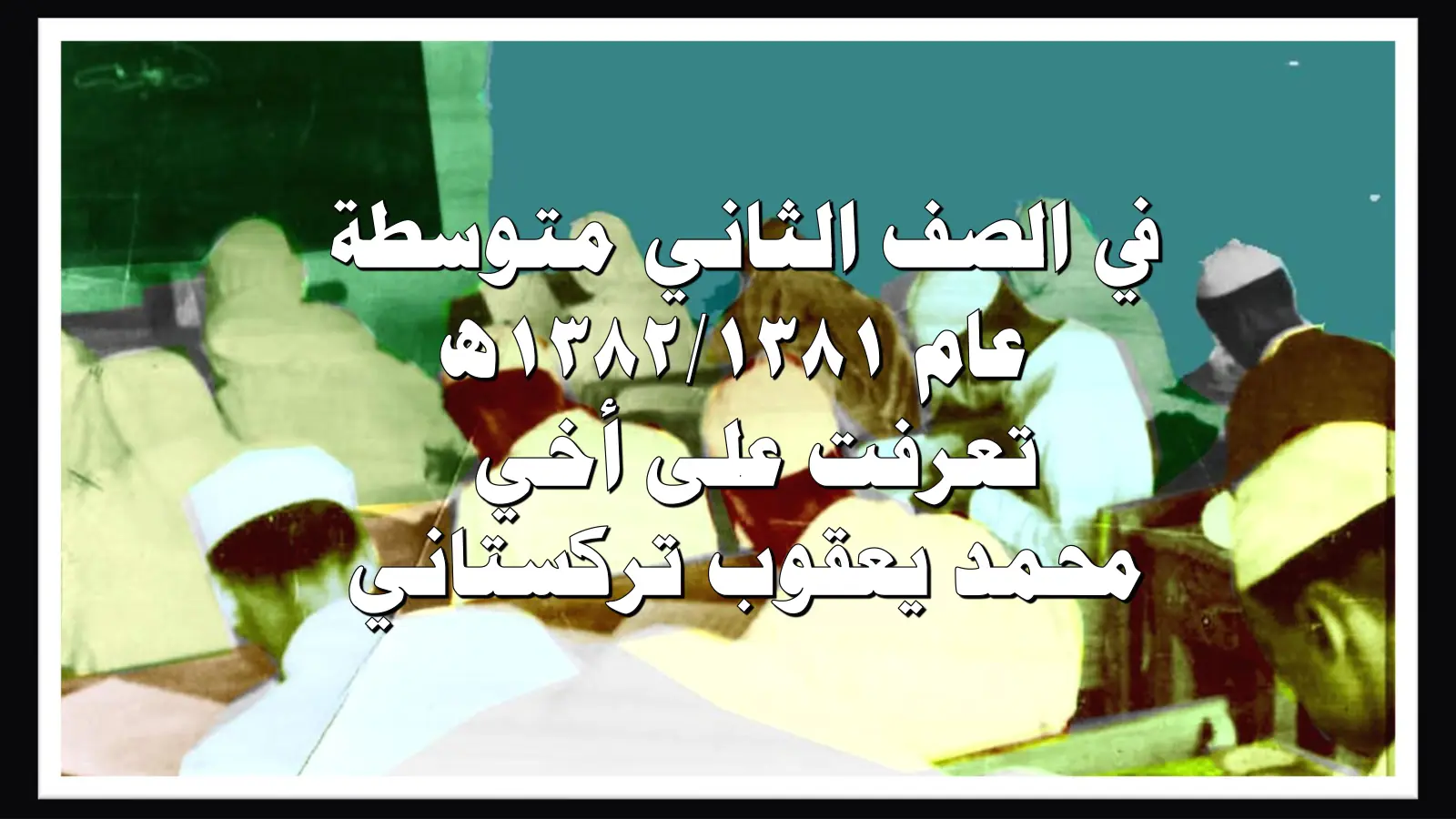
In the second year of intermediate school, in 1381/1382 AH, I came to know my brother Muhammad Ya'qub Turkistani.
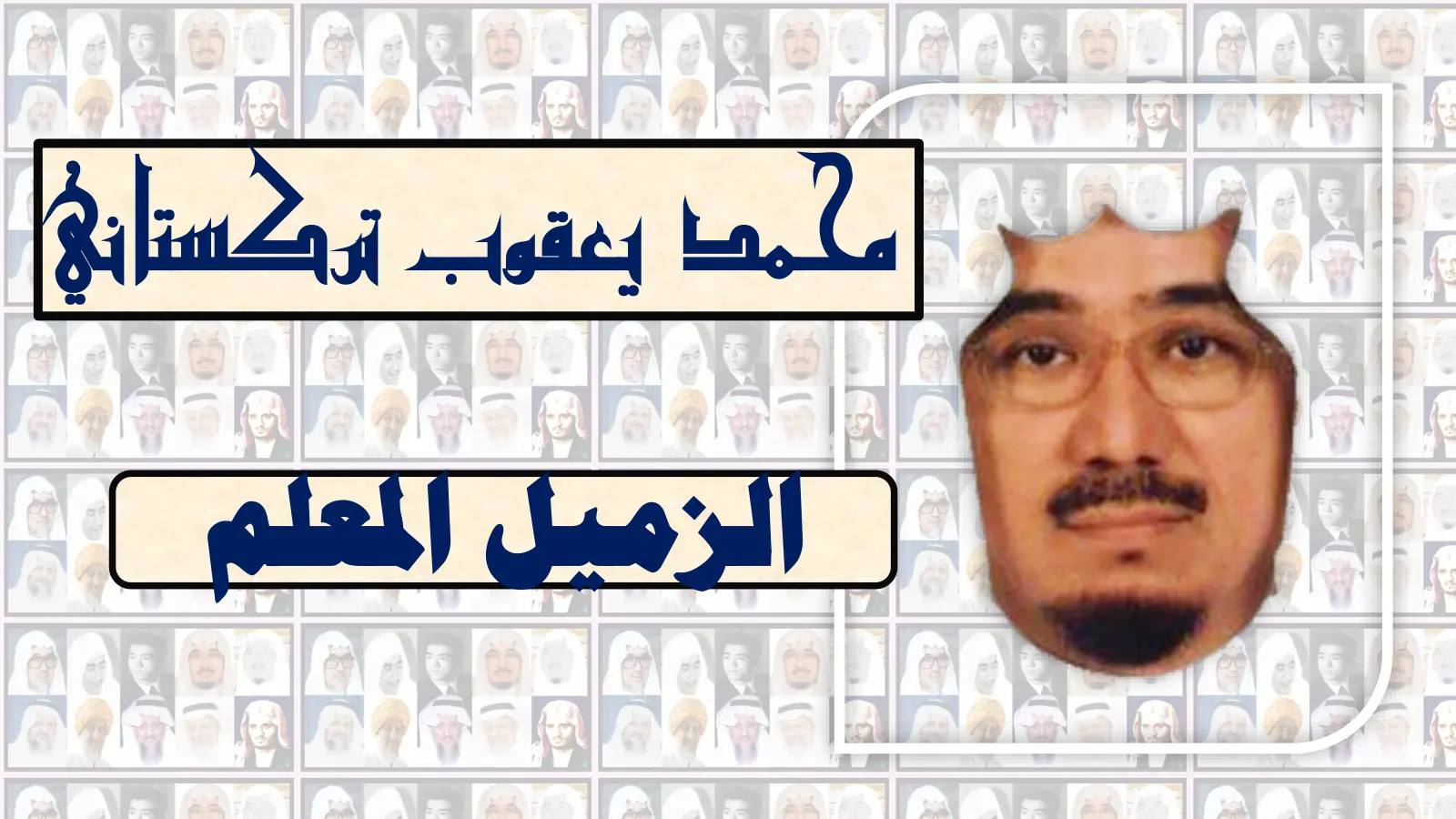
Muhammad Ya'qub Turkistani
The classmate who was my teacher
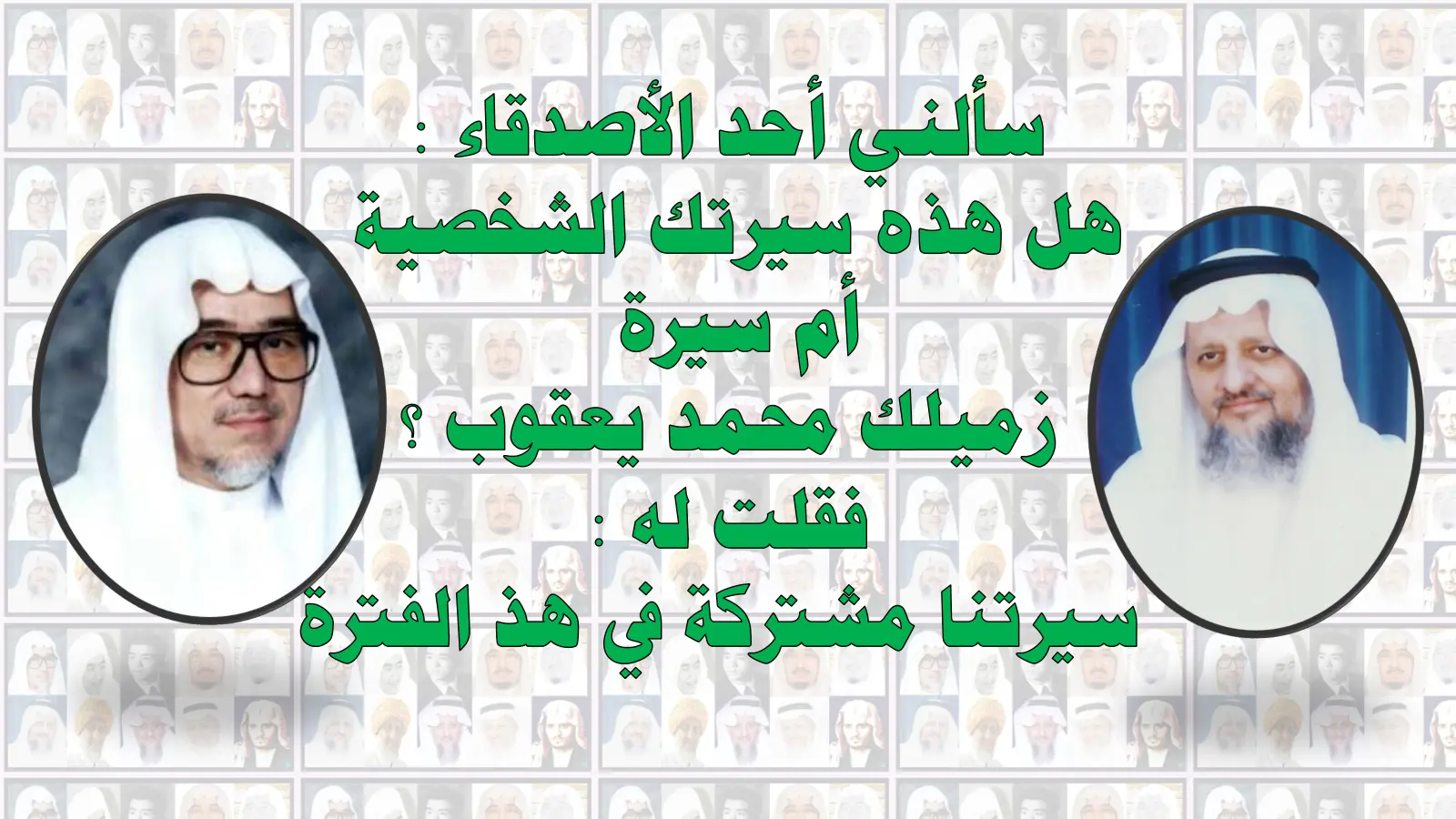
A friend once asked me: "Is this your own life story, or the story of your classmate Muhammad Ya'qub?"
I told him: "In this period, our story is a shared one."
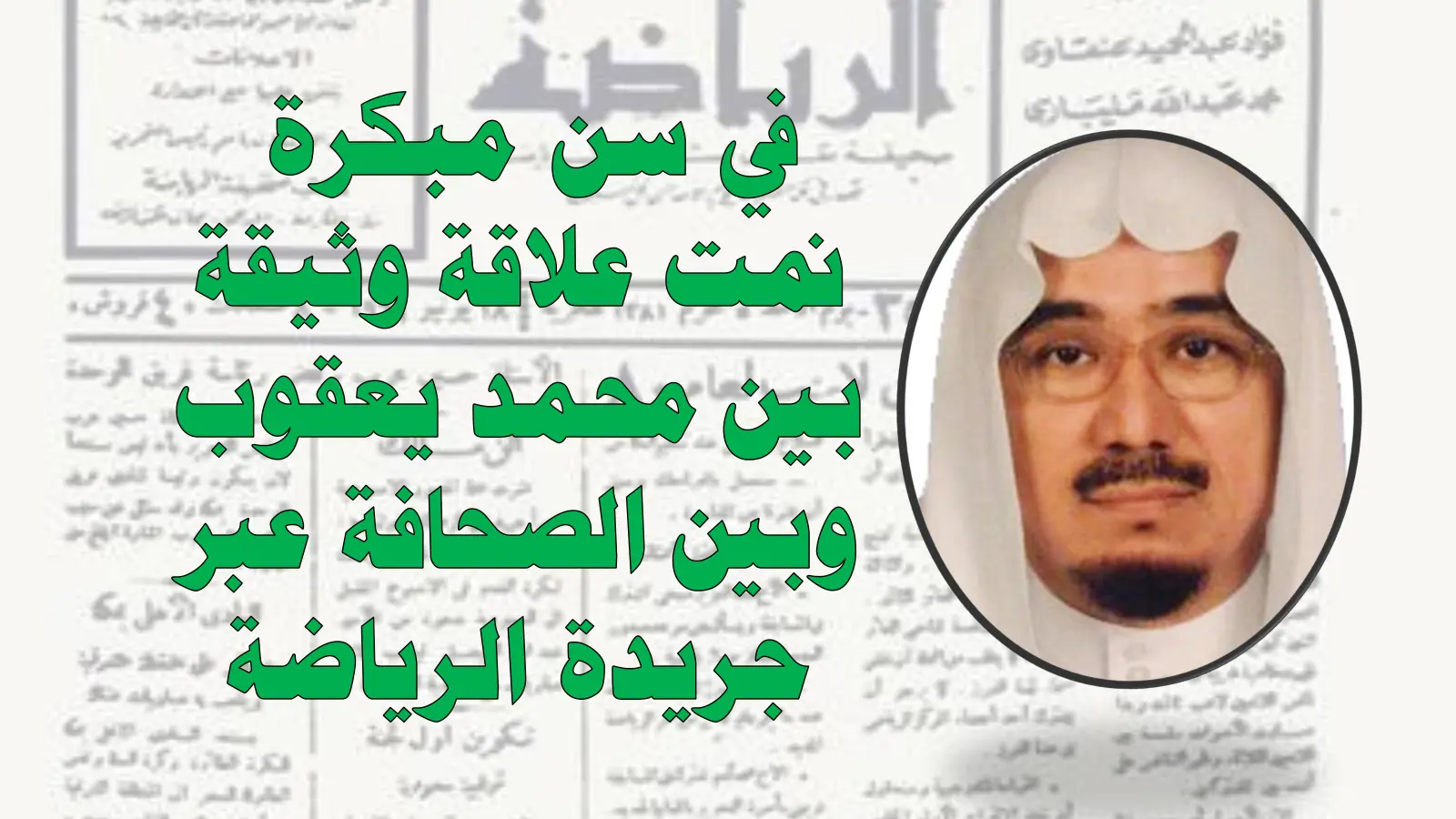
At an early age, a close bond grew between Muhammad Ya'qub and journalism, through the newspaper Al-Riyada.
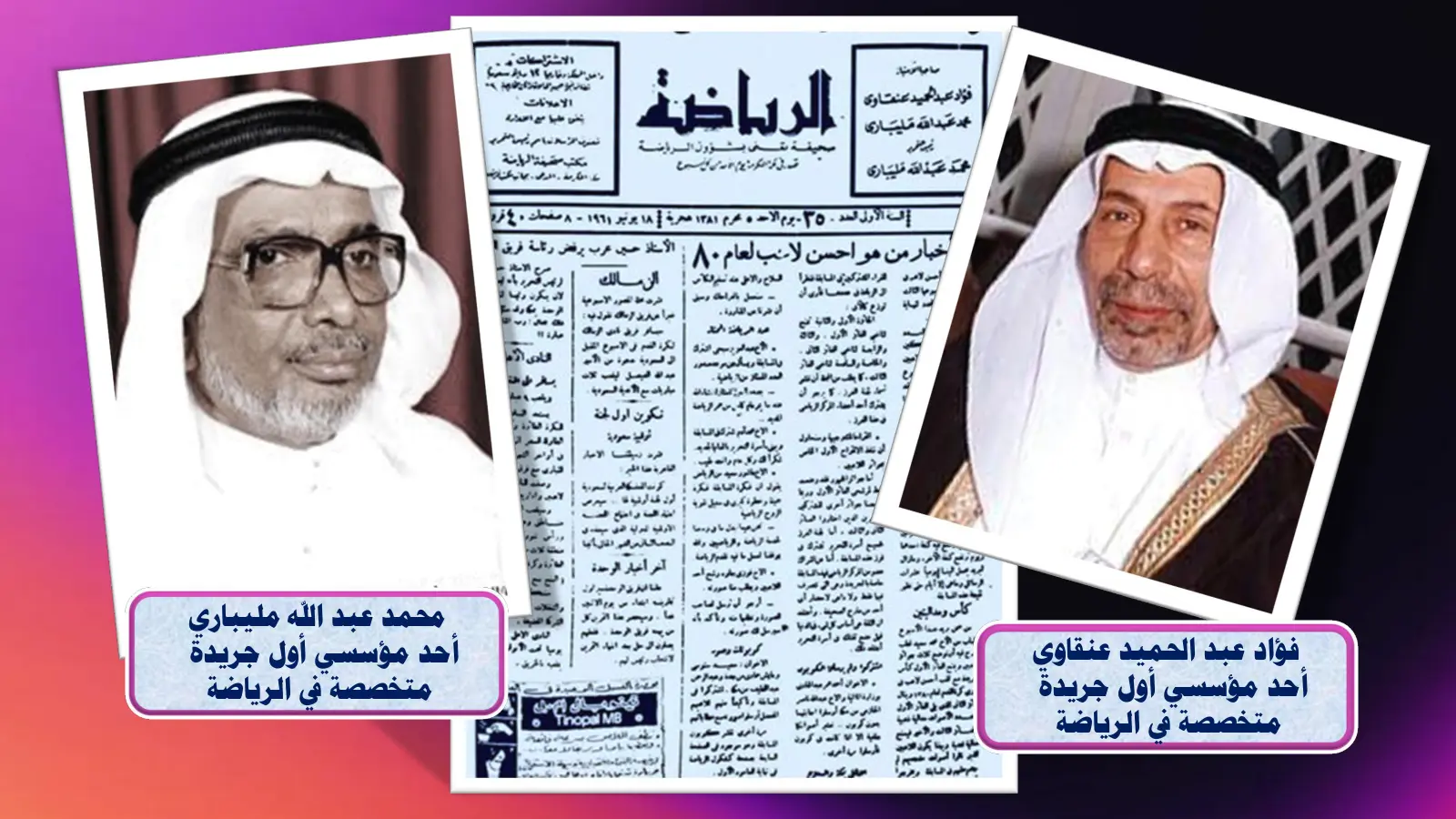
Fuad Abdulhamid Anqawi – one of the founders of the first newspaper devoted to sport
Muhammad Abdullah Mulaibari – one of the founders of the first newspaper devoted to sport
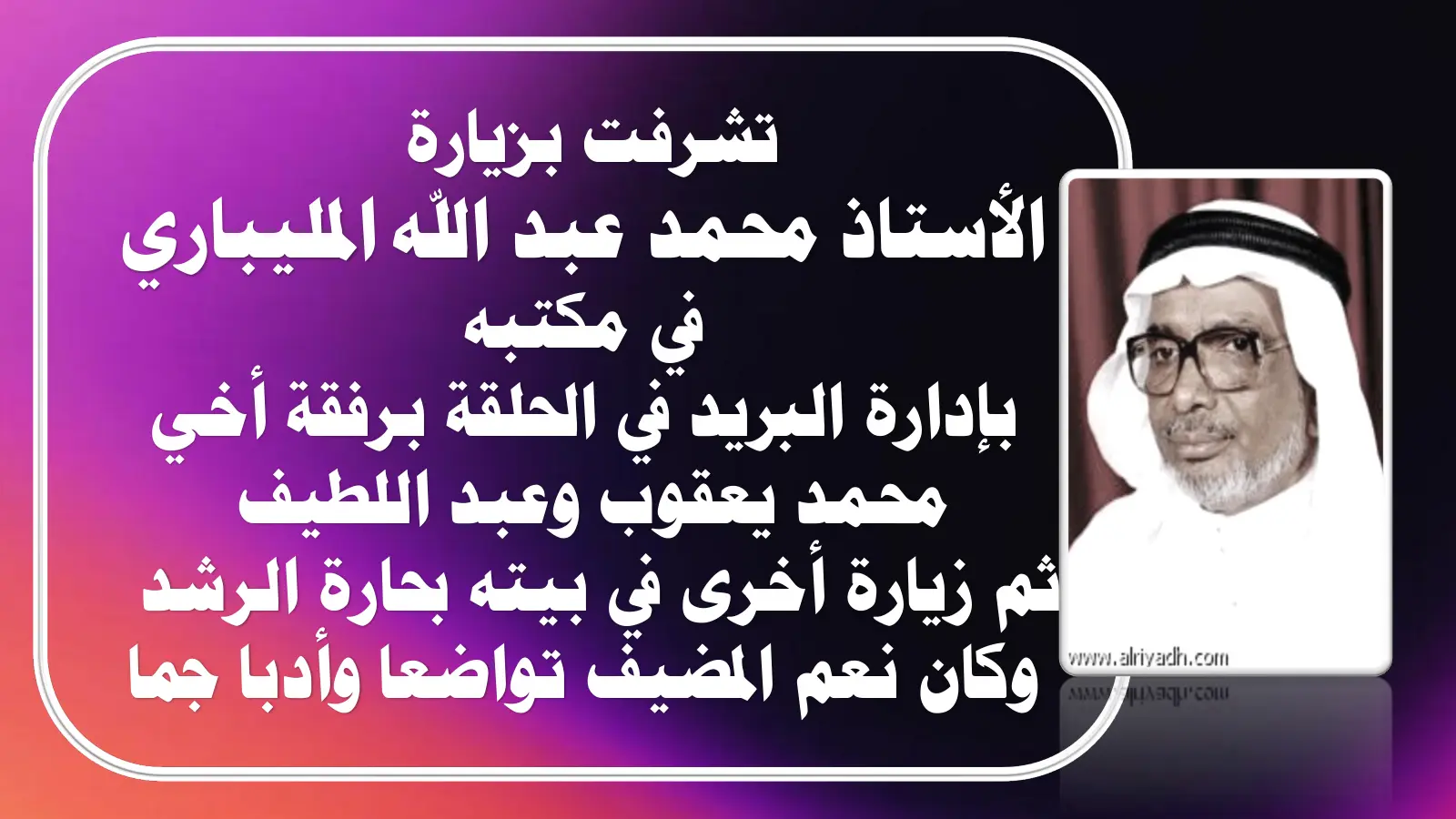
I had the honour of visiting Mr. Muhammad Abdullah Mulaibari
at his office in the Post Office administration in al-Halaqa, together with my brother Muhammad Ya'qub and Abdullatif
and then another visit at his home in Harat al-Rashd
He was the finest of hosts, full of humility and great courtesy
Muhammad Ya'qub's contributions to Al-Riyada newspaper were varied
ranging from sports news to cultural and social pieces
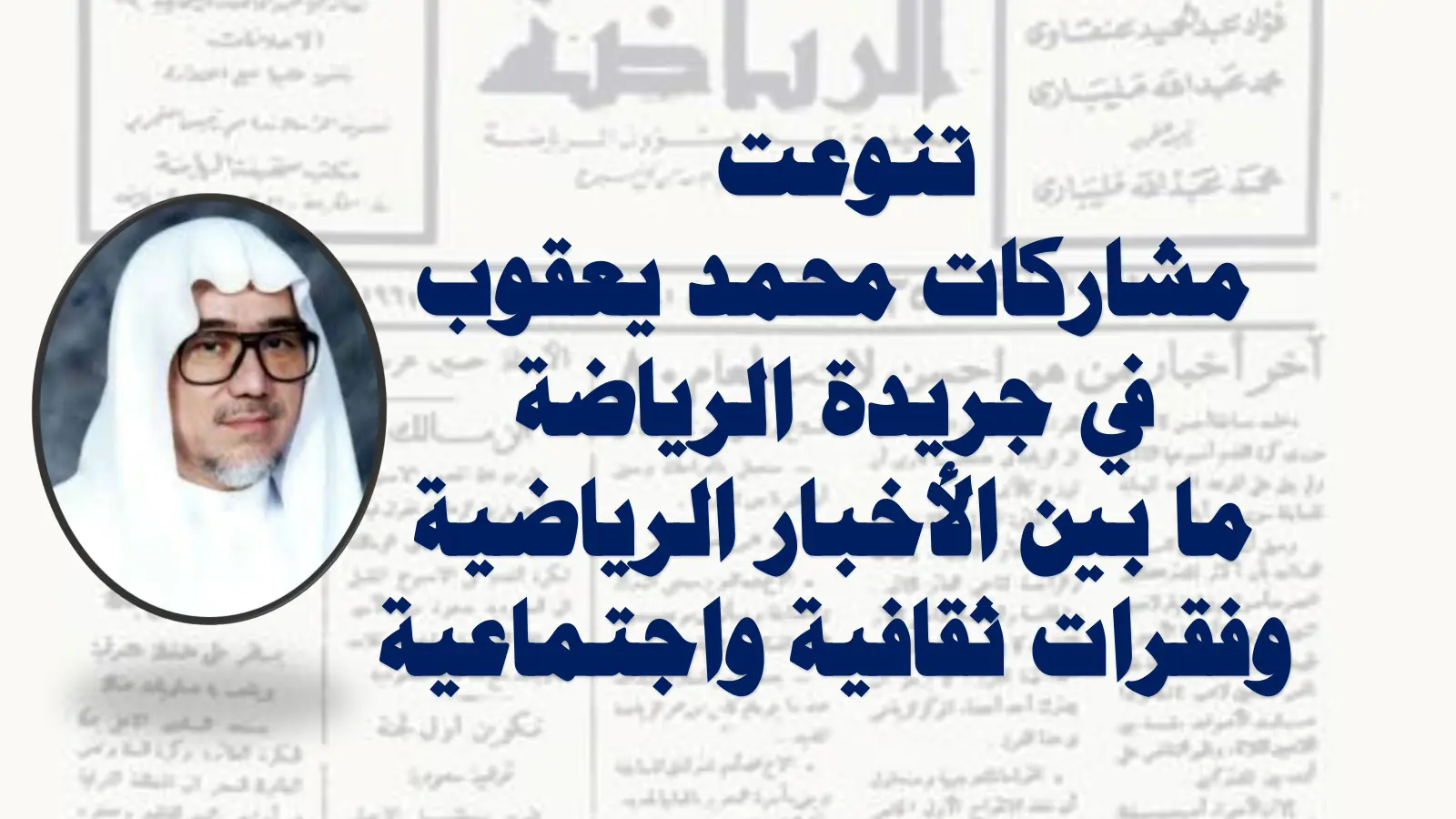
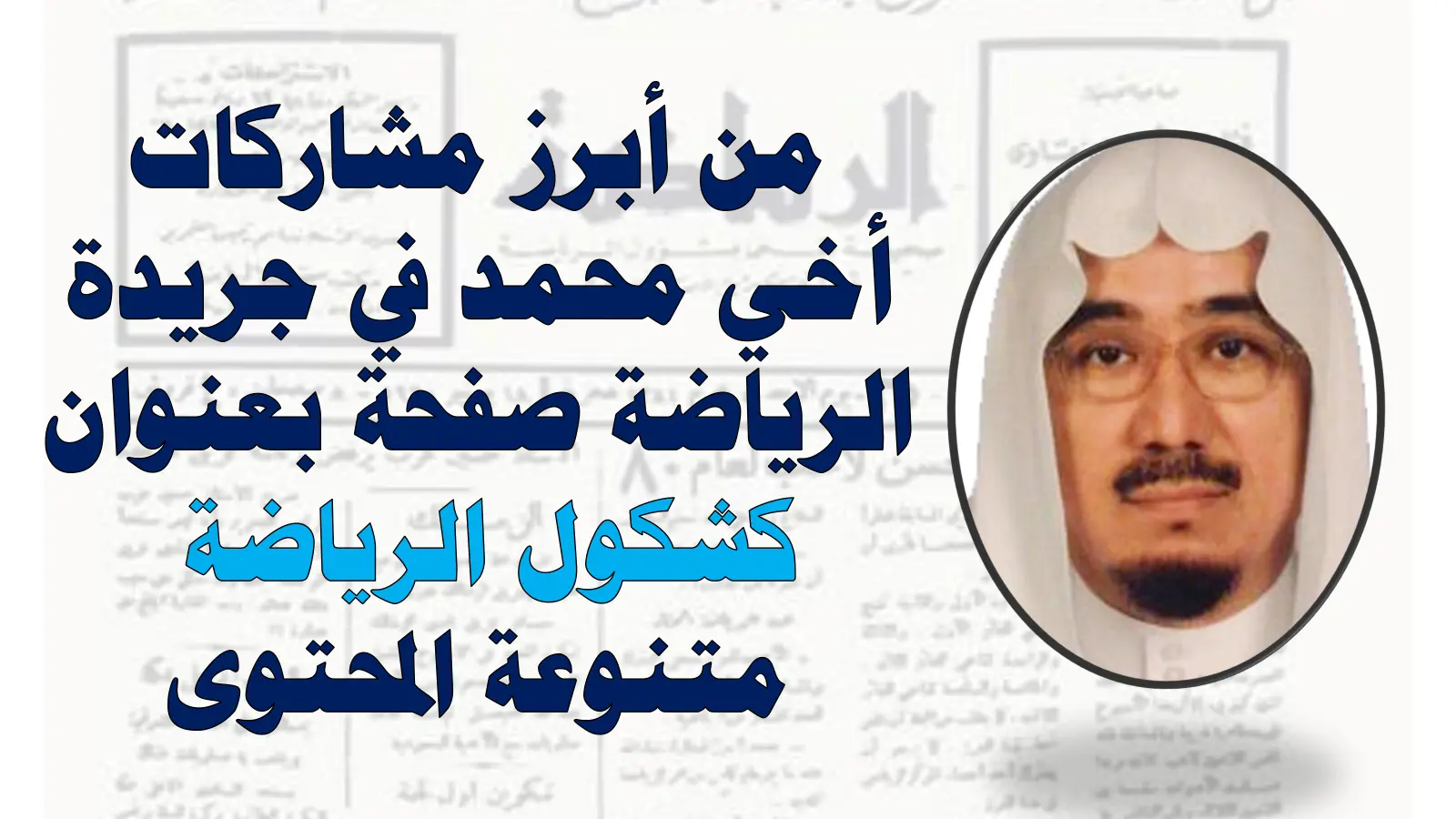
Among my brother Muhammad's most notable contributions to Al-Riyada newspaper was a page titled "Kashkul al-Riyada" (The Sports Scrapbook)
with varied content
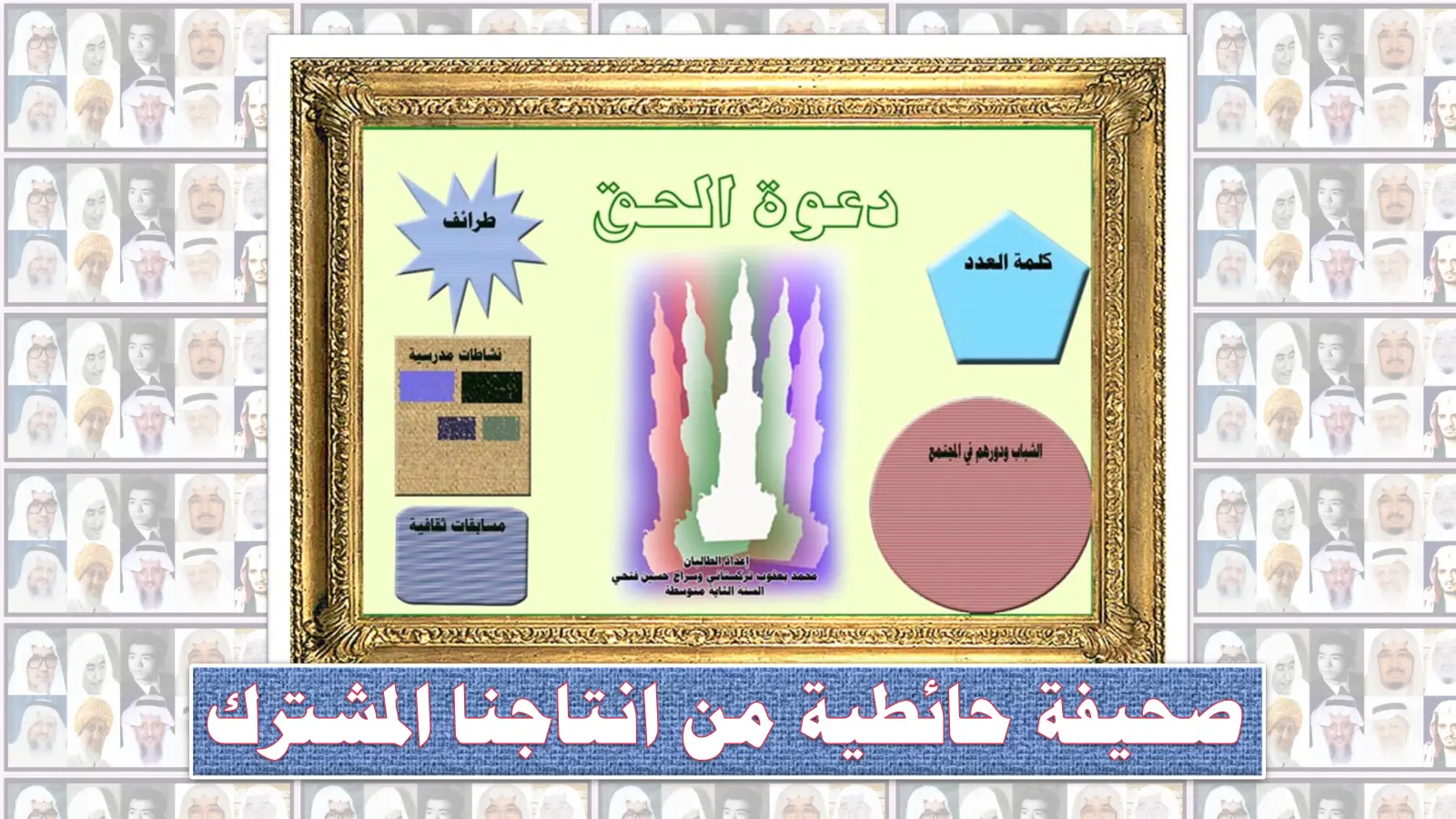
A wall newspaper we produced together
Da'wat al-Haqq (The Call of Truth)
- Editorial
- Anecdotes
- School activities
- Cultural quizzes
- Youth and their role in society
Prepared by the students Muhammad Ya'qub Turkistani and Siraj Hussain Fathi, second year intermediate
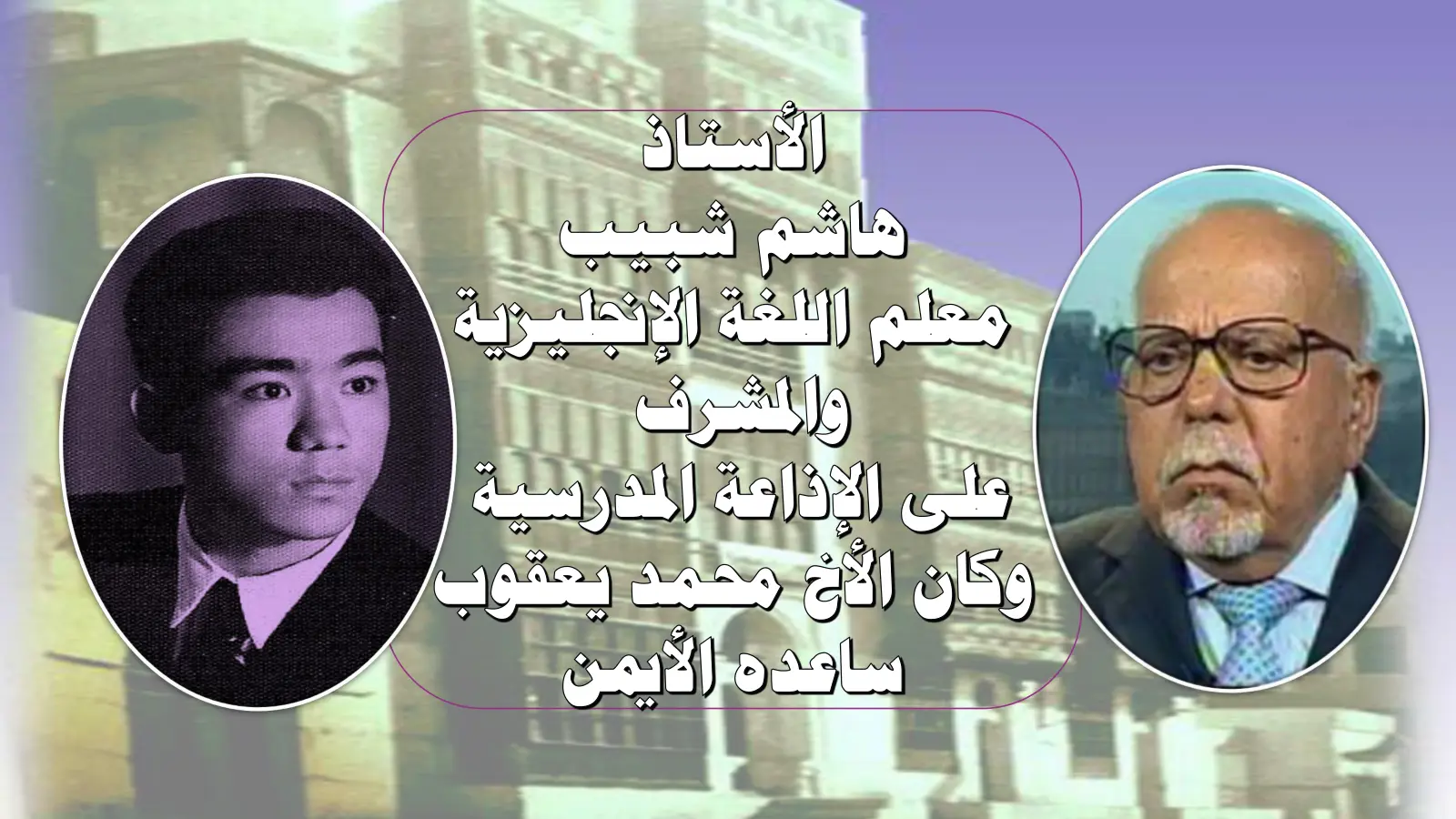
Mr. Hashim Shubaib
English teacher and supervisor of the school radio
Brother Muhammad Ya'qub was his right-hand man
Some of the school's icons
- Mr. Abdulhamid Khayyat (headmaster)
- Mr. Hussein Mandoura (deputy headmaster)
- Mr. Habib Bakhsh (deputy headmaster)
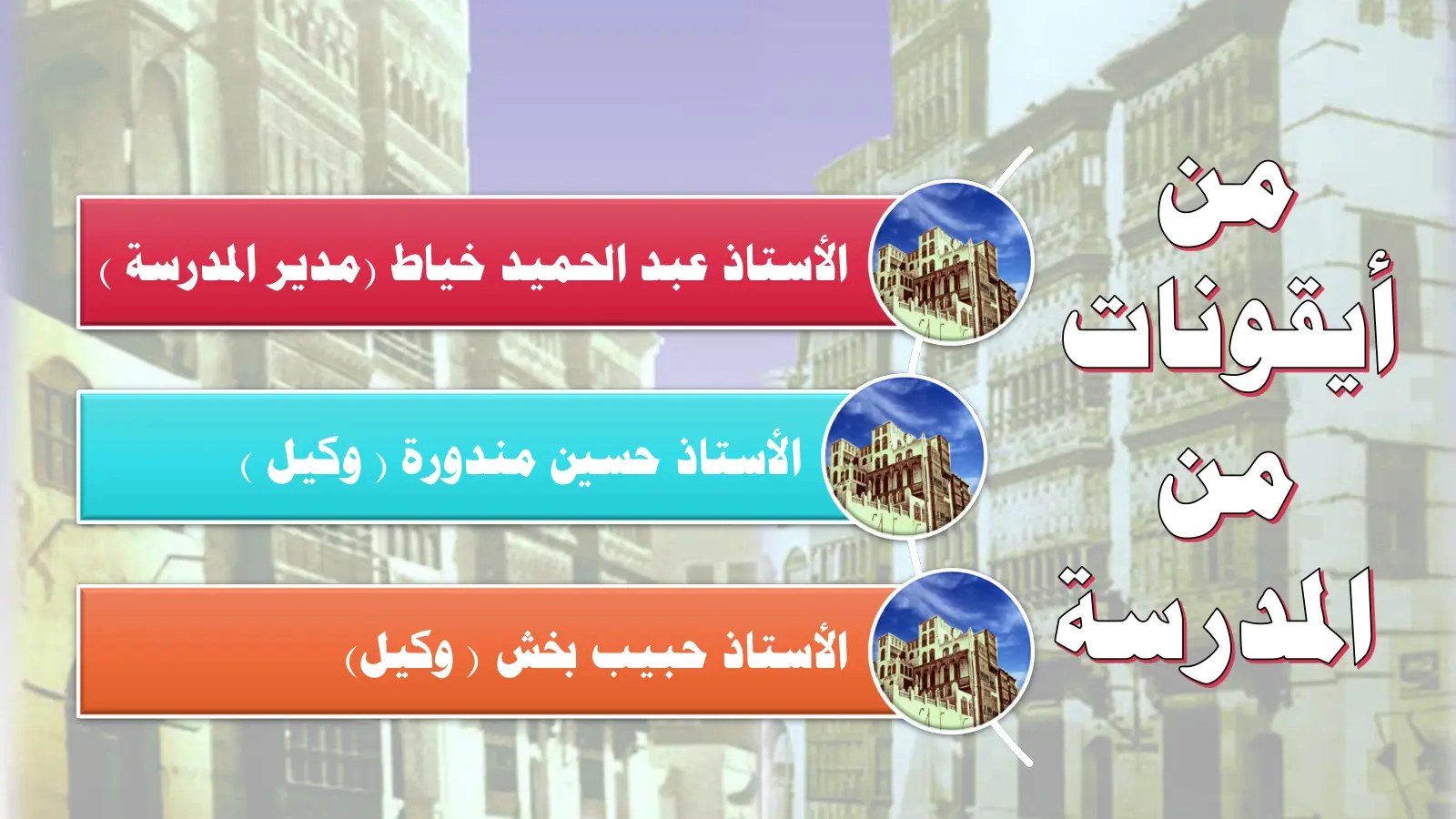
Some of the school's icons
- Mr. Ubaidullah Hafiz – teacher of art education and handicrafts
- Mr. Habib Bakhsh – deputy headmaster and well-known broadcaster
- Mr. Ibrahim Ahmad Ali – teacher of religious studies
- Mr. Muhammad Saeed Saqati – teacher of art education and handicrafts
- Mr. Muhammad Abdulhamid al-Allaf – Arabic language teacher
- Mr. Hashim Shubaib – English teacher and supervisor of the school radio
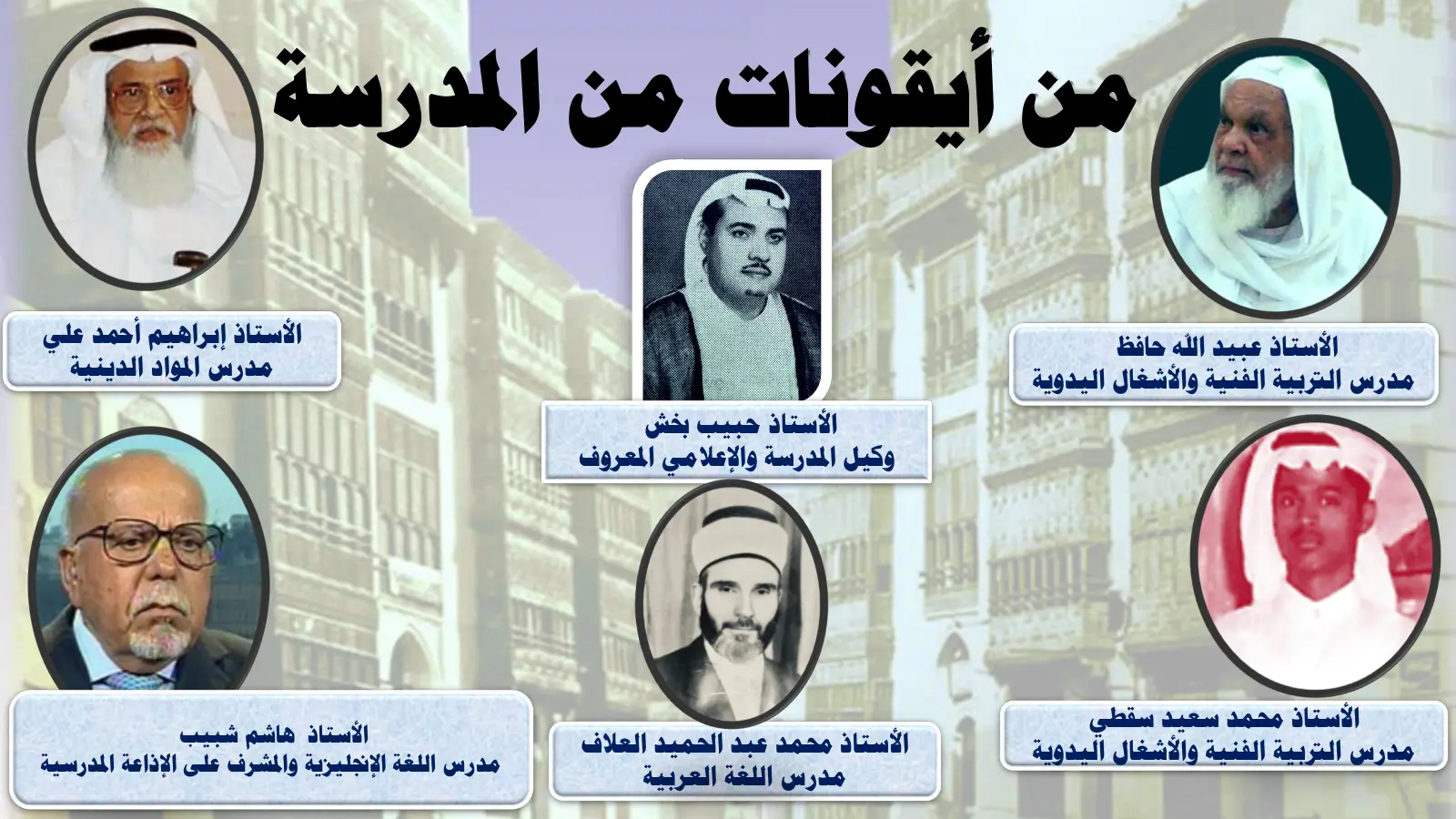
Mr. Muhammad Abdulhamid al-Allaf – Arabic language teacher
- Our teacher was late for one of his lessons (in the second year of intermediate school)
- I was the class monitor, so I rose to my duty of keeping the class in order
- I told my classmates: let everyone get busy studying and doing their homework
- My classmates sat as still as if birds were perched on their heads, because they were busy
- The teacher arrived and was surprised by the calm that filled the class
- He thought a colleague of his had been there, but he found no one but me, praise be to God
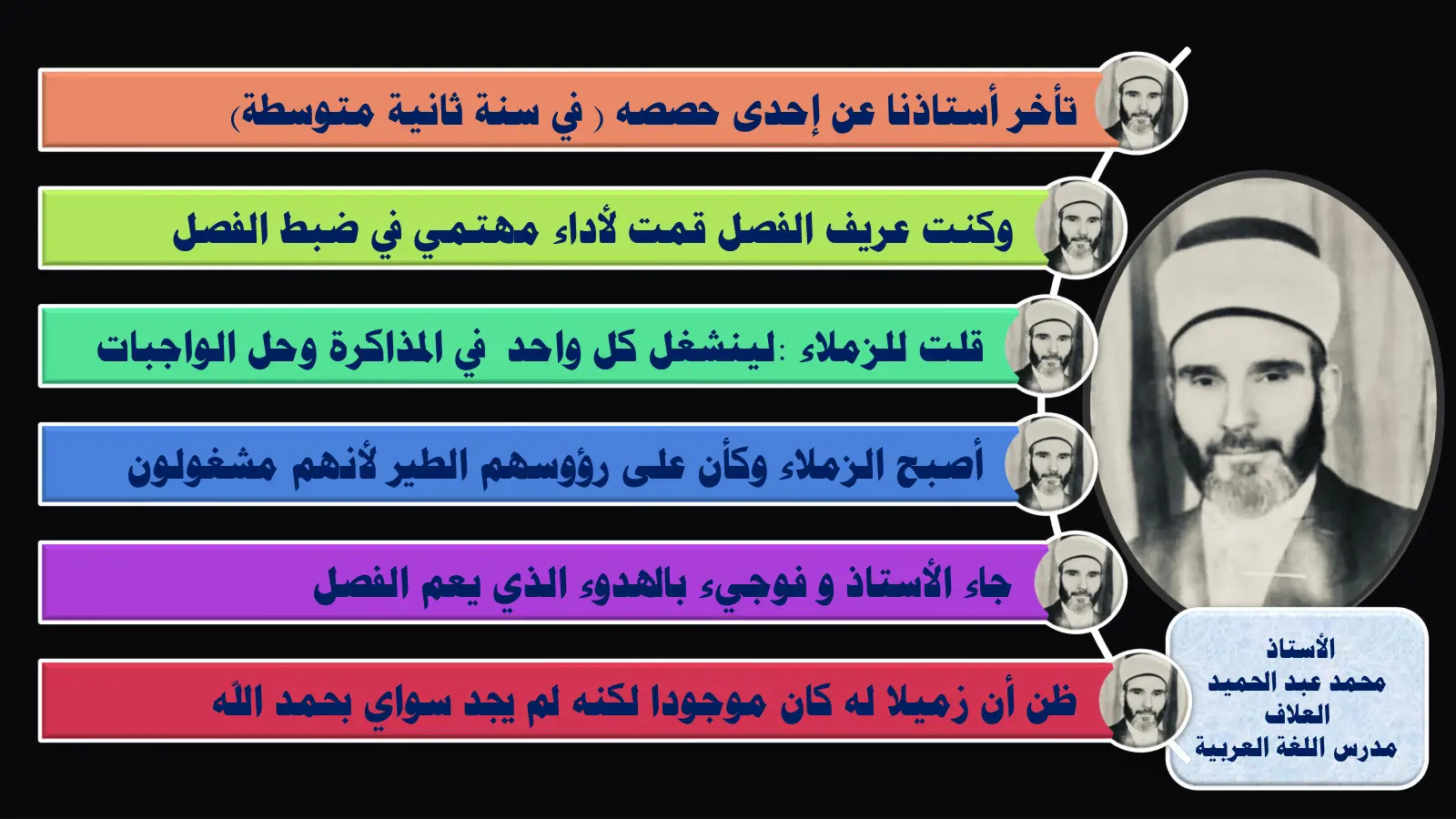
Some of the school's icons
- Mr. Muhammad Salih Mahjoub – teacher of religious studies
- Mr. Ibrahim Ahmad Ali – teacher of religious studies
- Mr. Ibrahim Bunduqji – teacher of religious studies
- Mr. Sulaiman Ahmad Ali – Arabic language teacher
- Mr. Muhammad Safta – Arabic language teacher
- Mr. Abdulhamid al-Allaf – Arabic language teacher
- Mr. Abu al-Qasim Zain al-Abidin – Arabic language teacher
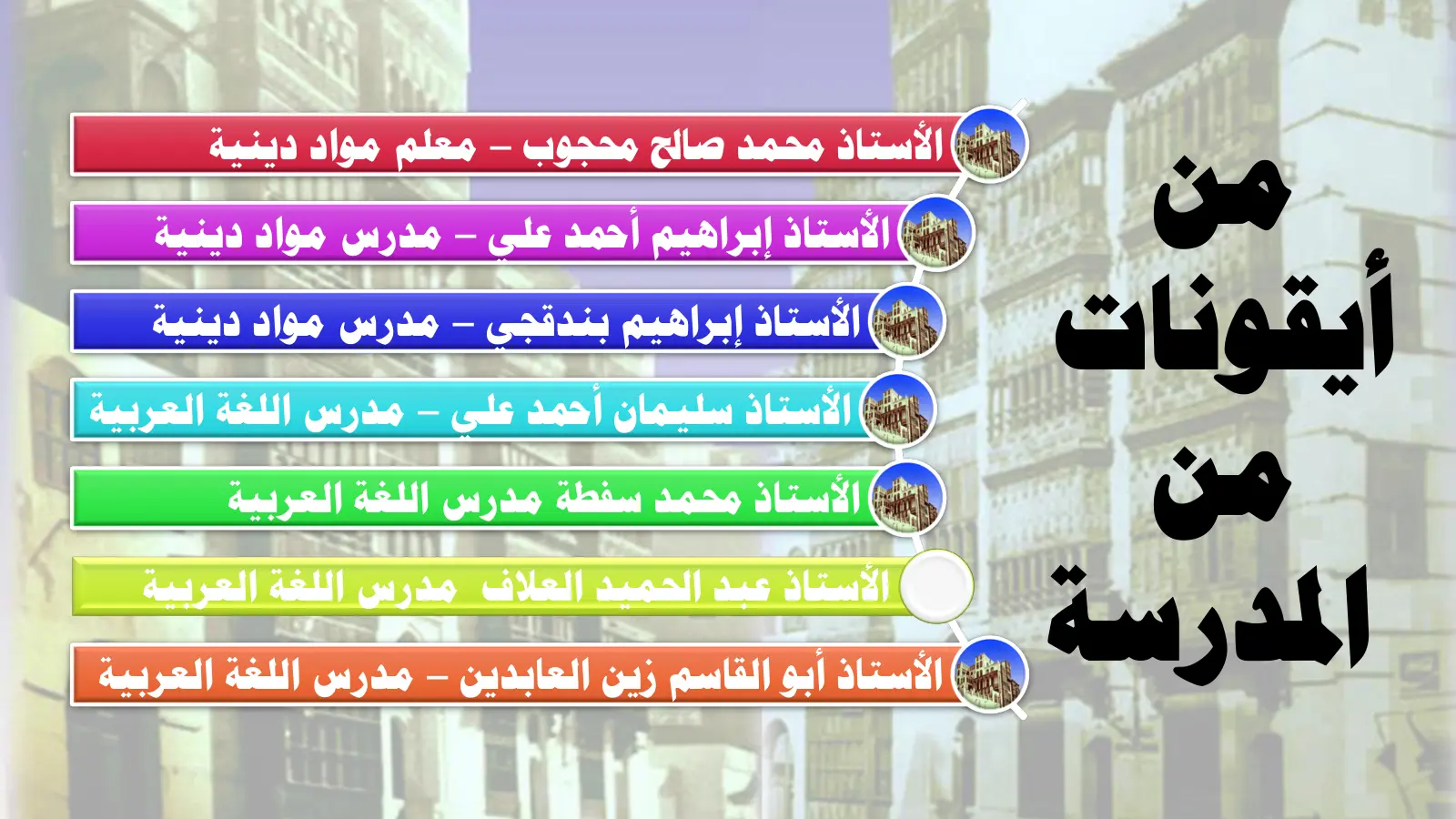
Cultural icons
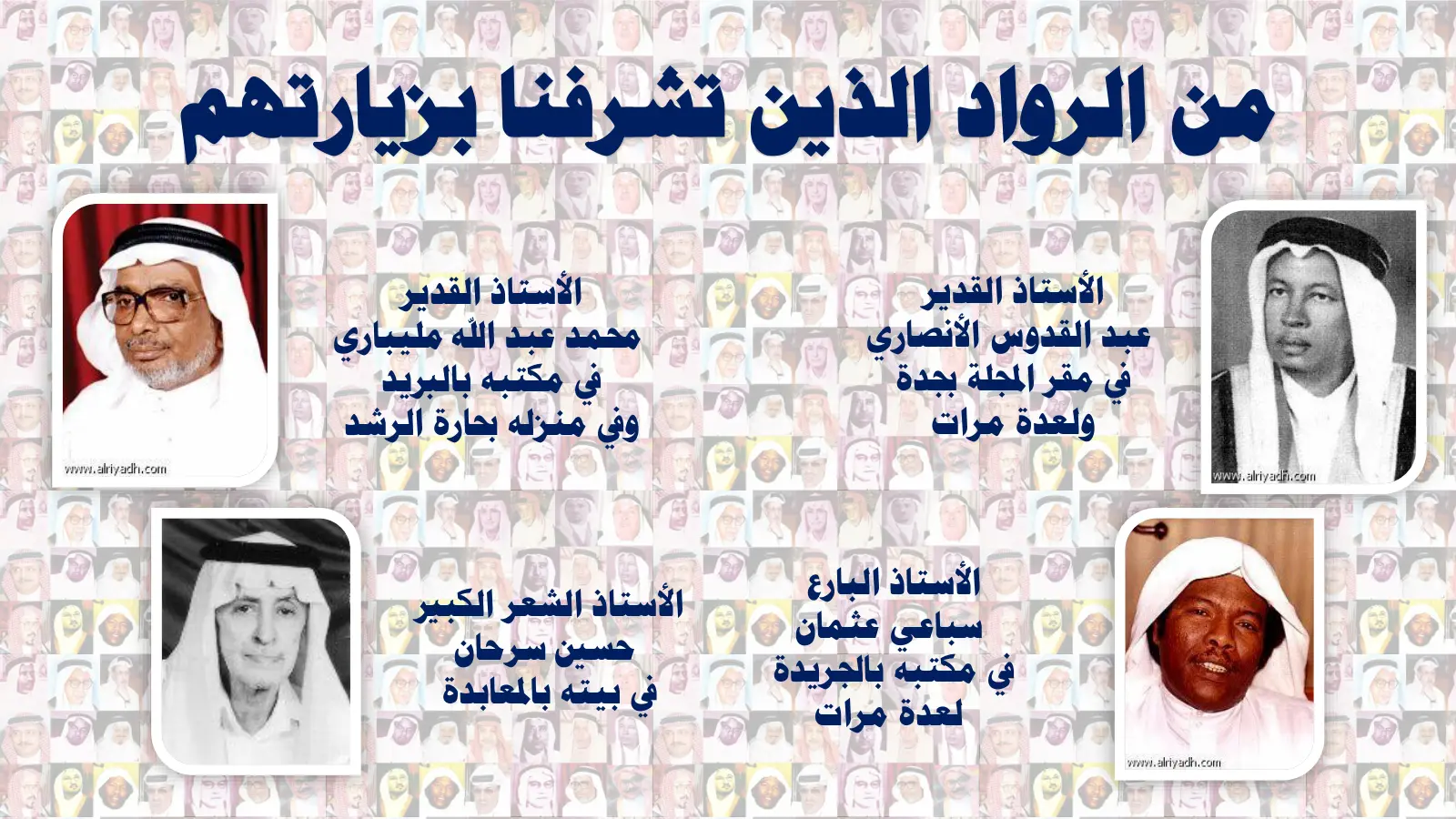
Among the pioneers we had the honour of visiting
- The esteemed Abdulquddus al-Ansari – at the magazine's headquarters in Jeddah, several times
- The esteemed Muhammad Abdullah Mulaibari – at his office in the Post Office and at his home in Harat al-Rashd
- The brilliant Sibai Othman – at his office at the newspaper, several times
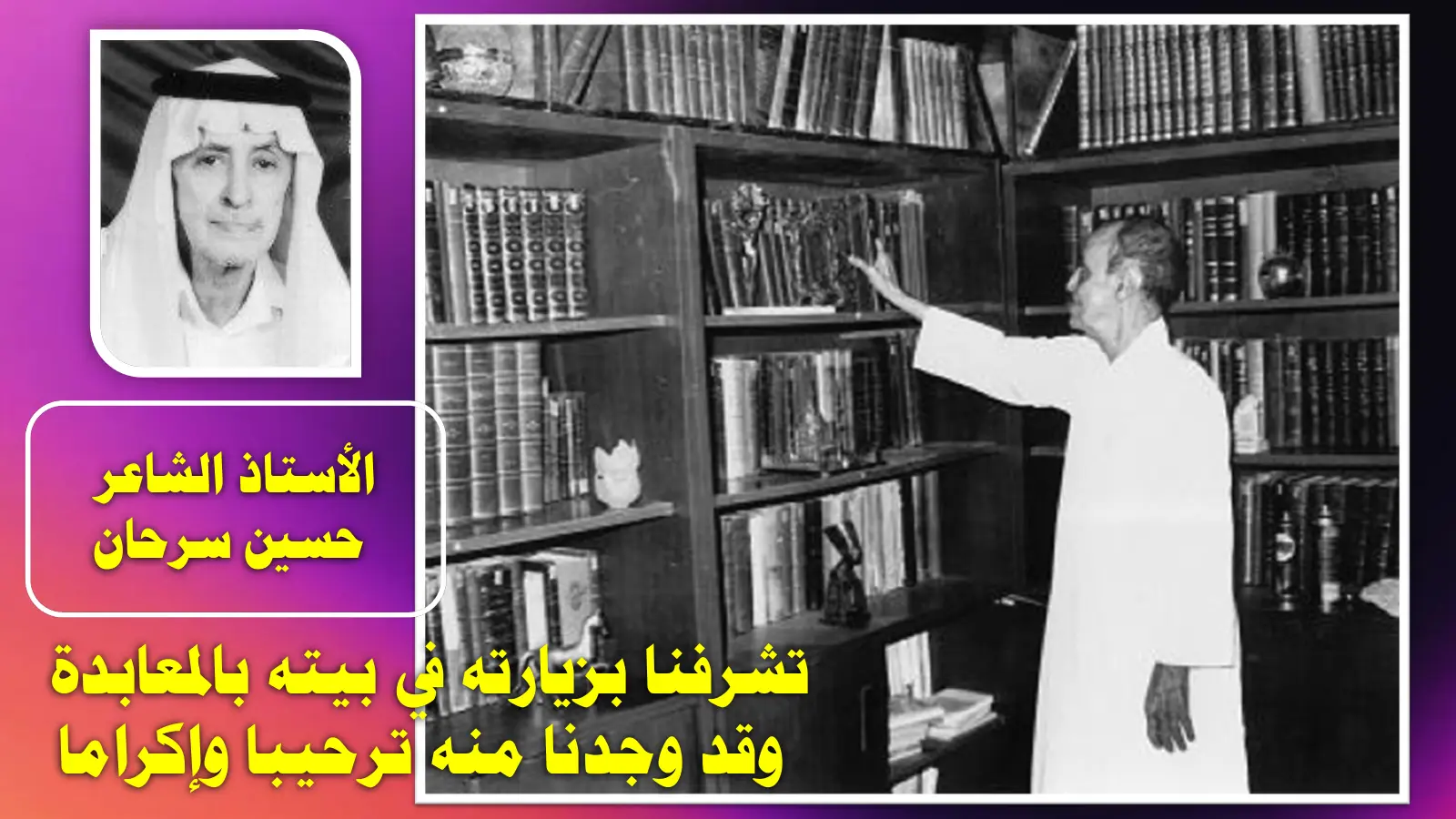
- The great poet Hussein Sirhan – at his home in al-Ma'abida
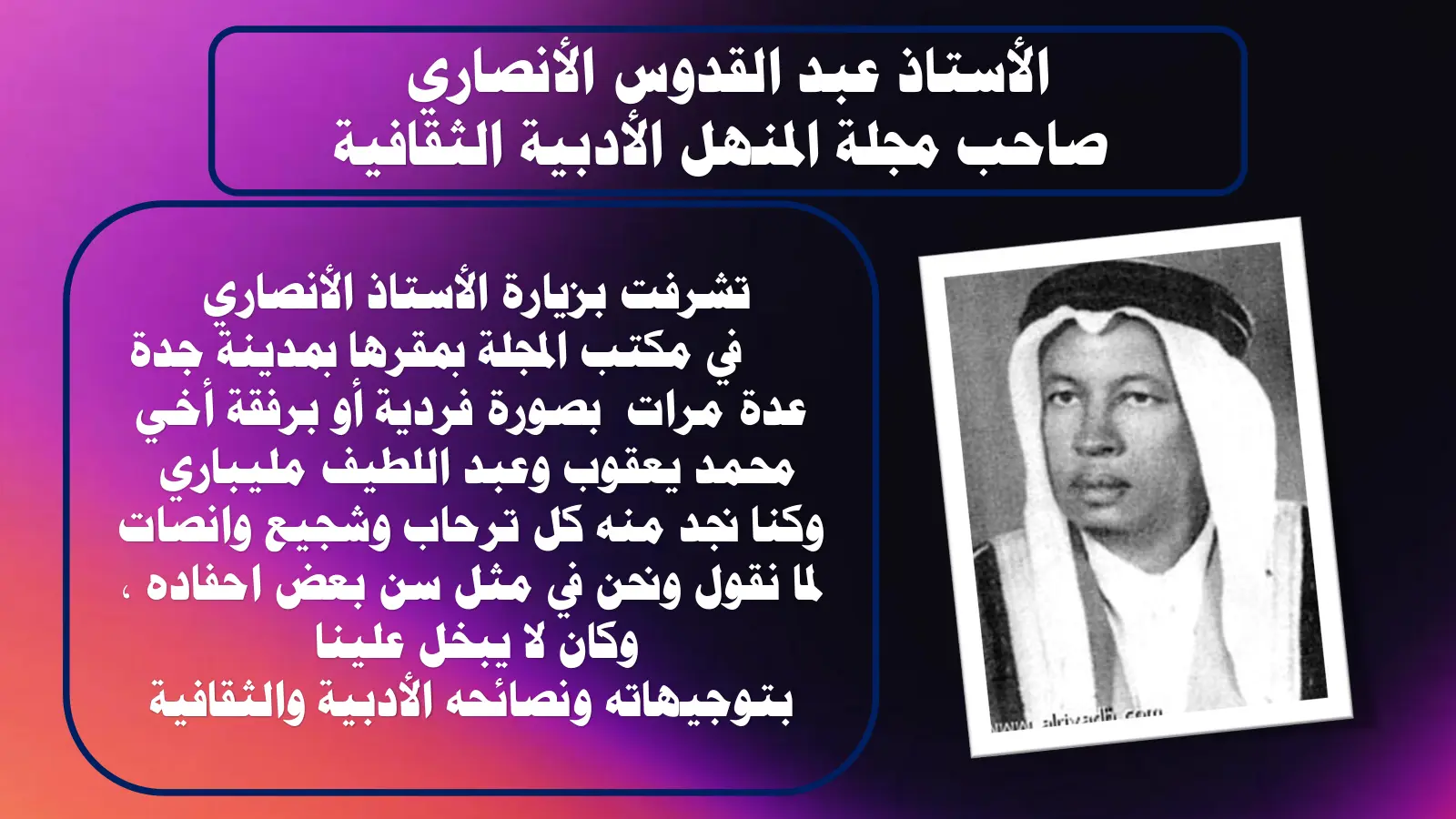
Mr. Abdulquddus al-Ansari – owner of Al-Manhal, the literary and cultural magazine
I had the honour of visiting Mr. al-Ansari at the magazine's office at its headquarters in Jeddah several times, sometimes alone and sometimes with my brother Muhammad Ya'qub and Abdullatif Mulaibari
We always found him welcoming and encouraging, listening to what we said, though we were about the age of some of his grandchildren,
and he never held back his literary and cultural guidance and advice
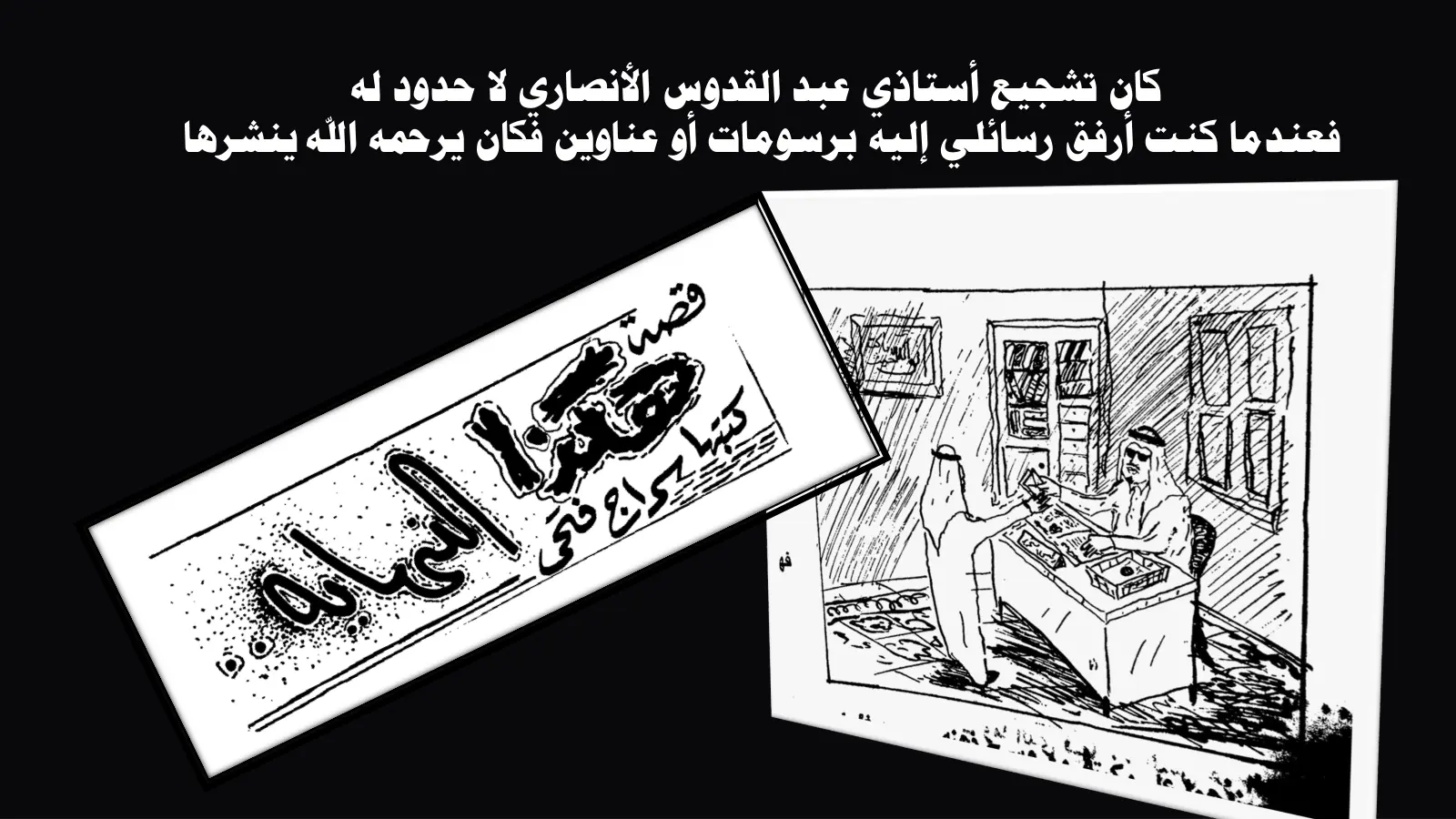
My teacher Abdulquddus al-Ansari's encouragement knew no bounds
Whenever I attached drawings or headings to my letters to him, he, may God have mercy on him, would publish them
A story: "The End" – written by Siraj Fathi
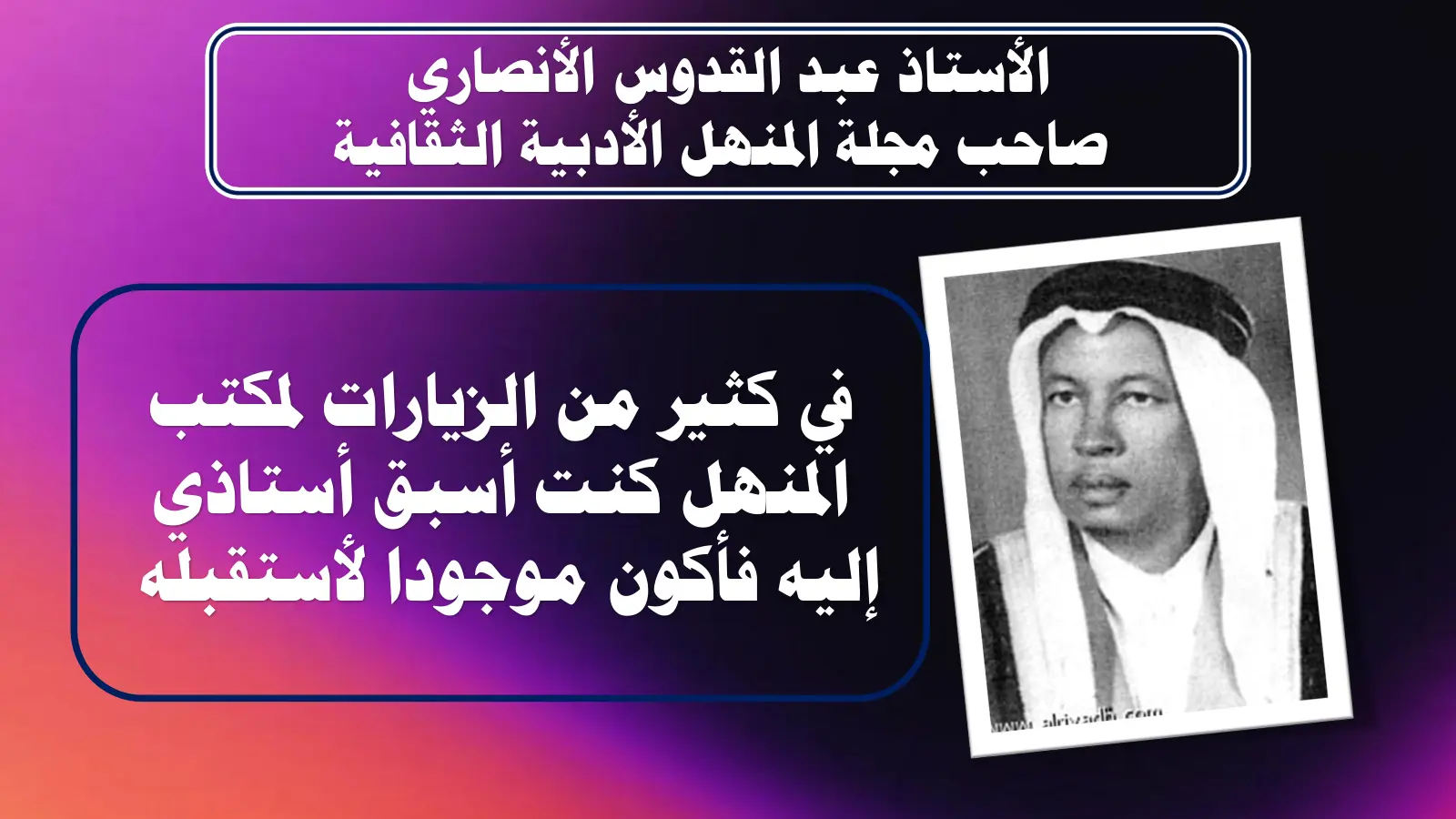
Mr. Abdulquddus al-Ansari – owner of Al-Manhal, the literary and cultural magazine
I would try to make the most of my meetings with my teacher al-Ansari to put to him whatever questions came to mind, and he would engage with me and answer me with complete humility and courtesy
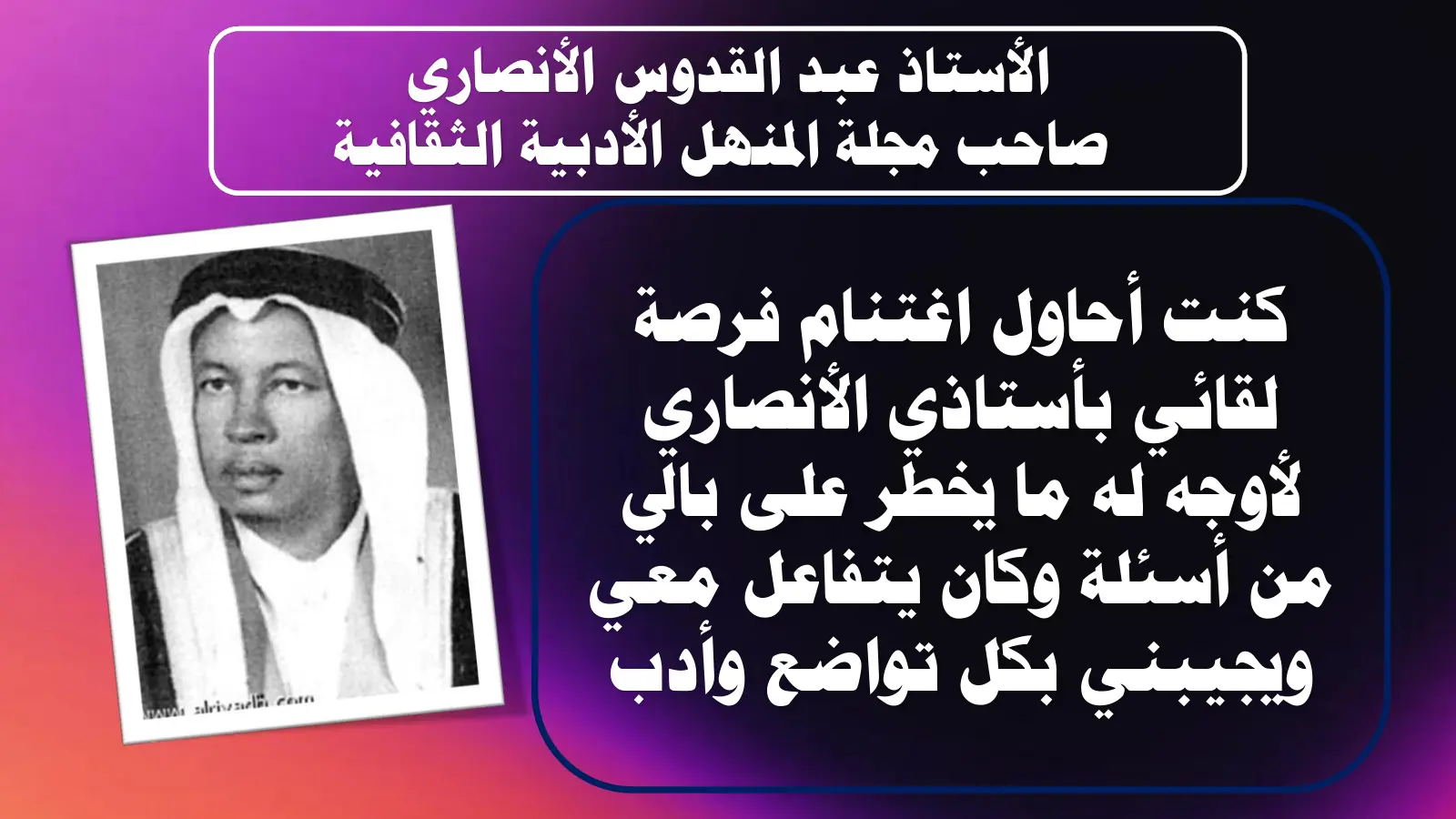
Mr. Abdulquddus al-Ansari – owner of Al-Manhal, the literary and cultural magazine
On many of my visits to the Al-Manhal office I would arrive before my teacher, so I was there to welcome him
The poet Hussein Sirhan
We had the honour of visiting him at his home in al-Ma'abida, and he received us with warmth and generosity
- The newspapers were arenas for great literary and cultural dialogue and debate
- Their doors were wide open to us
- We found boundless encouragement from everyone
- We tried to make the most of these precious opportunities, and we benefited from them, praise be to God
Who was Sibai Ahmad Othman?
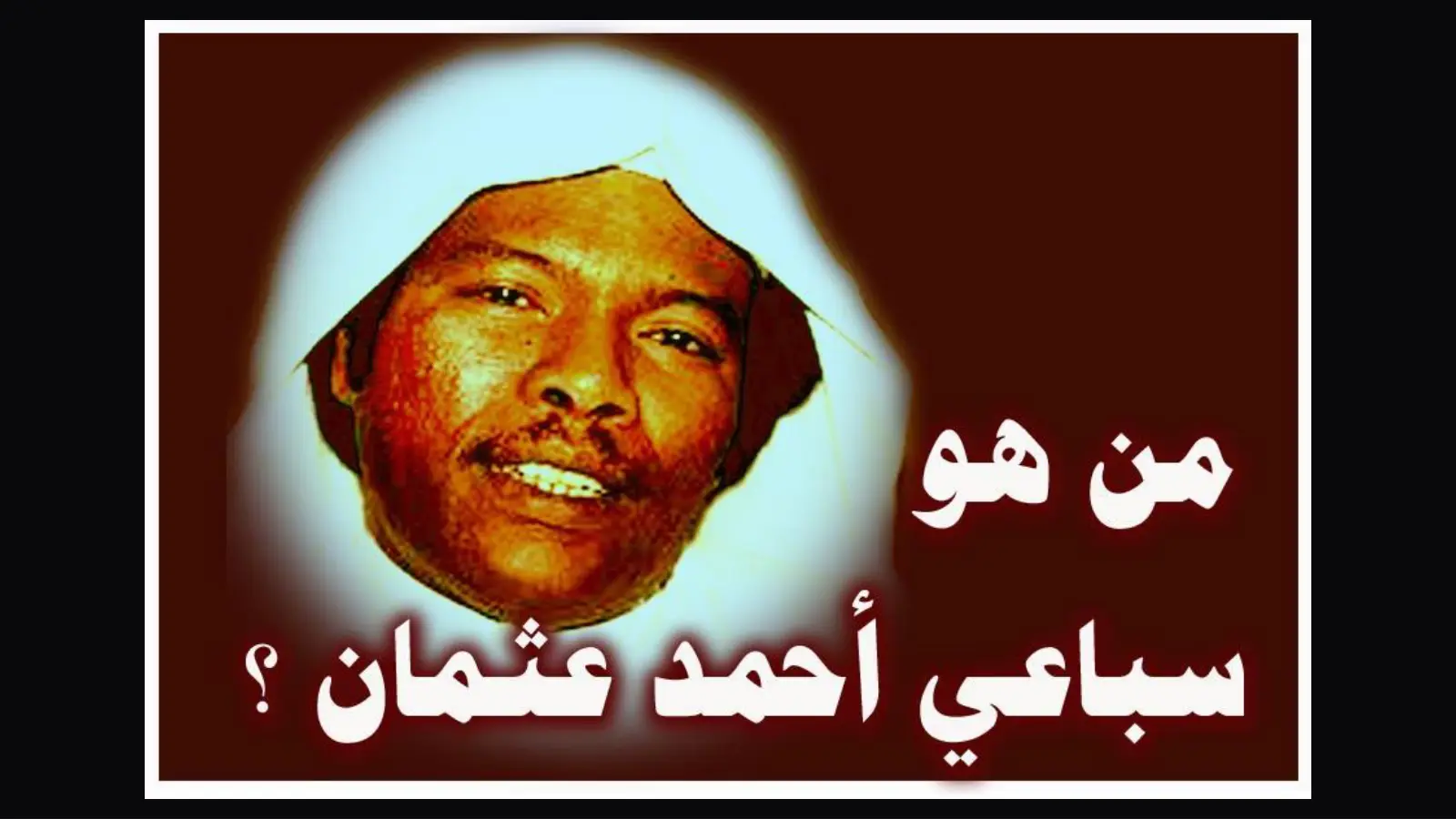
- Born in Dalgo, Sudan, in 1937
- Studied at the Faculty of Arts of Cairo University, Khartoum branch, up to the second year
- Moved to Saudi Arabia and worked at the Muslim World League in Makkah
- He also worked at the Commercial Institute in Madinah
- He spent the rest of his life in journalism, between Al-Madina newspaper and Okaz
- God took him in Jeddah in 1988 (1408 AH), after a stroke
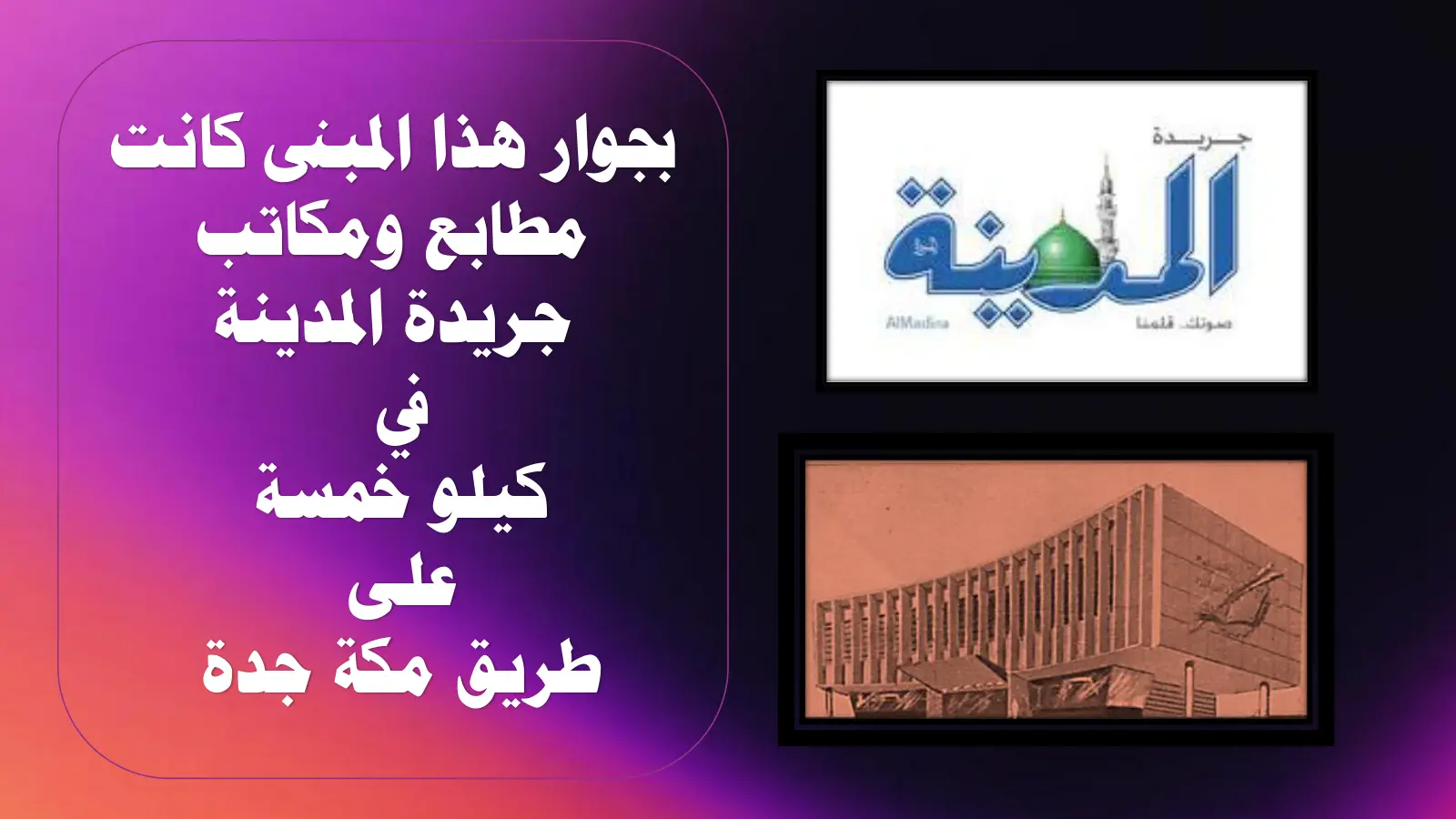
Next to this building were the printing presses and offices of Al-Madina newspaper
at Kilo Five on the Makkah–Jeddah road
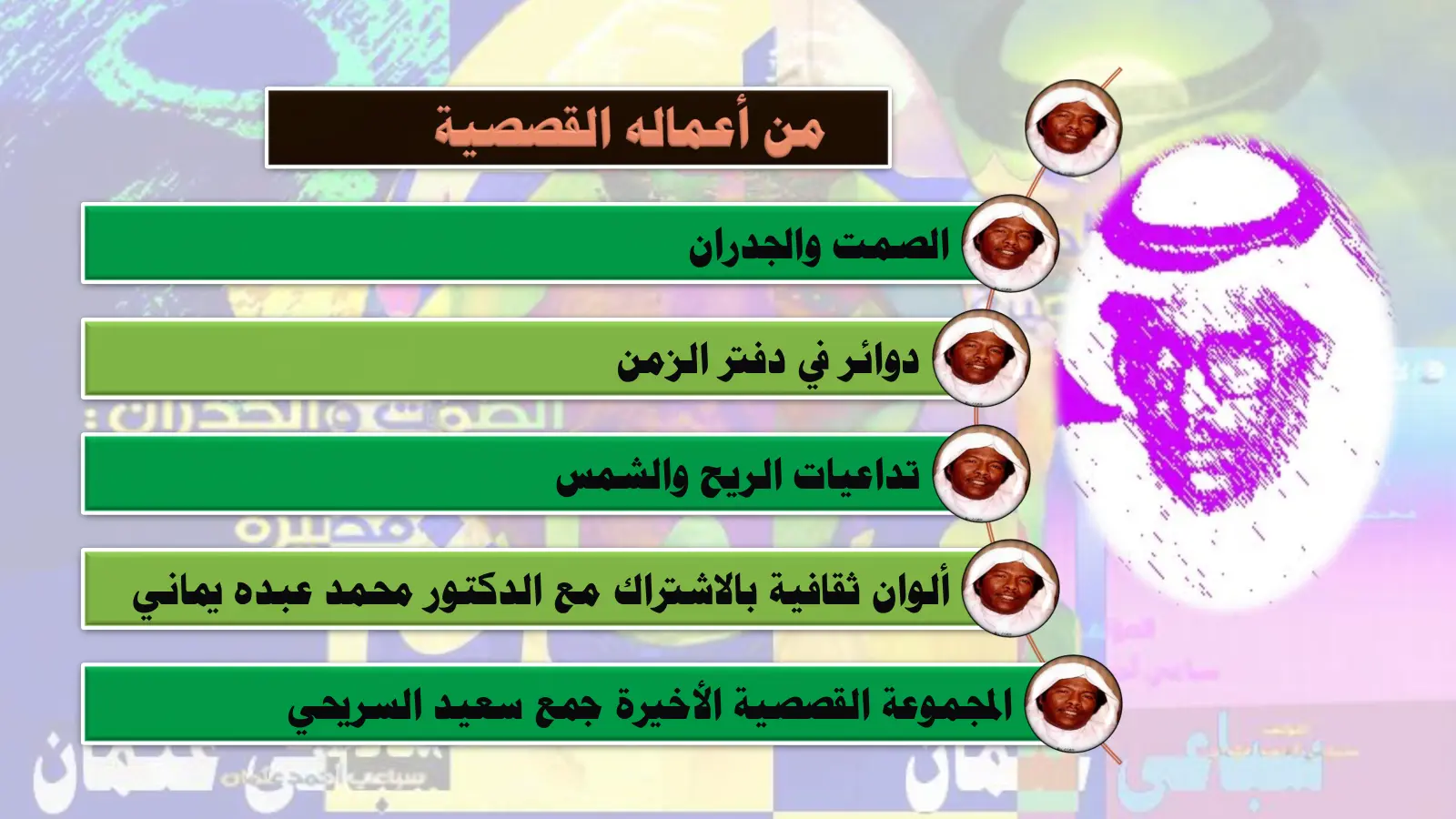
Some of his short-story works
- Silence and Walls (al-Samt wa al-Judran)
- Circles in the Notebook of Time (Dawa'ir fi Daftar al-Zaman)
- Echoes of Wind and Sun (Tada'iyat al-Rih wa al-Shams)
- Cultural Colours (Alwan Thaqafiyya), co-written with Dr. Muhammad Abdu Yamani
- The last short-story collection, compiled by Saeed al-Suraihi
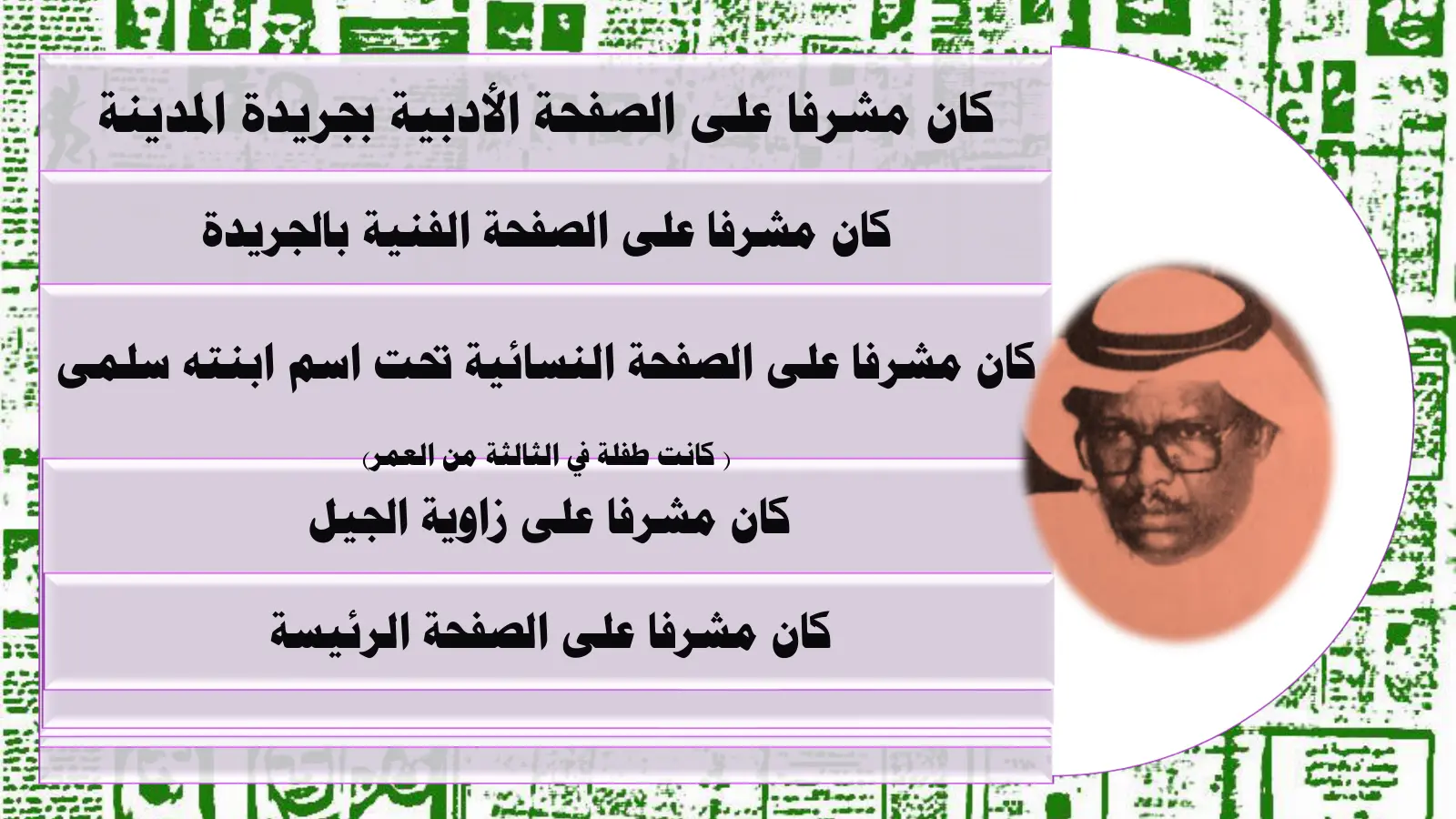
- He supervised the literary page of Al-Madina newspaper
- He supervised the newspaper's arts page
- He supervised the women's page under the name of his daughter Salma (she was a three-year-old child at the time)
- He supervised the "Al-Jil" (The Generation) column
- He supervised the front page
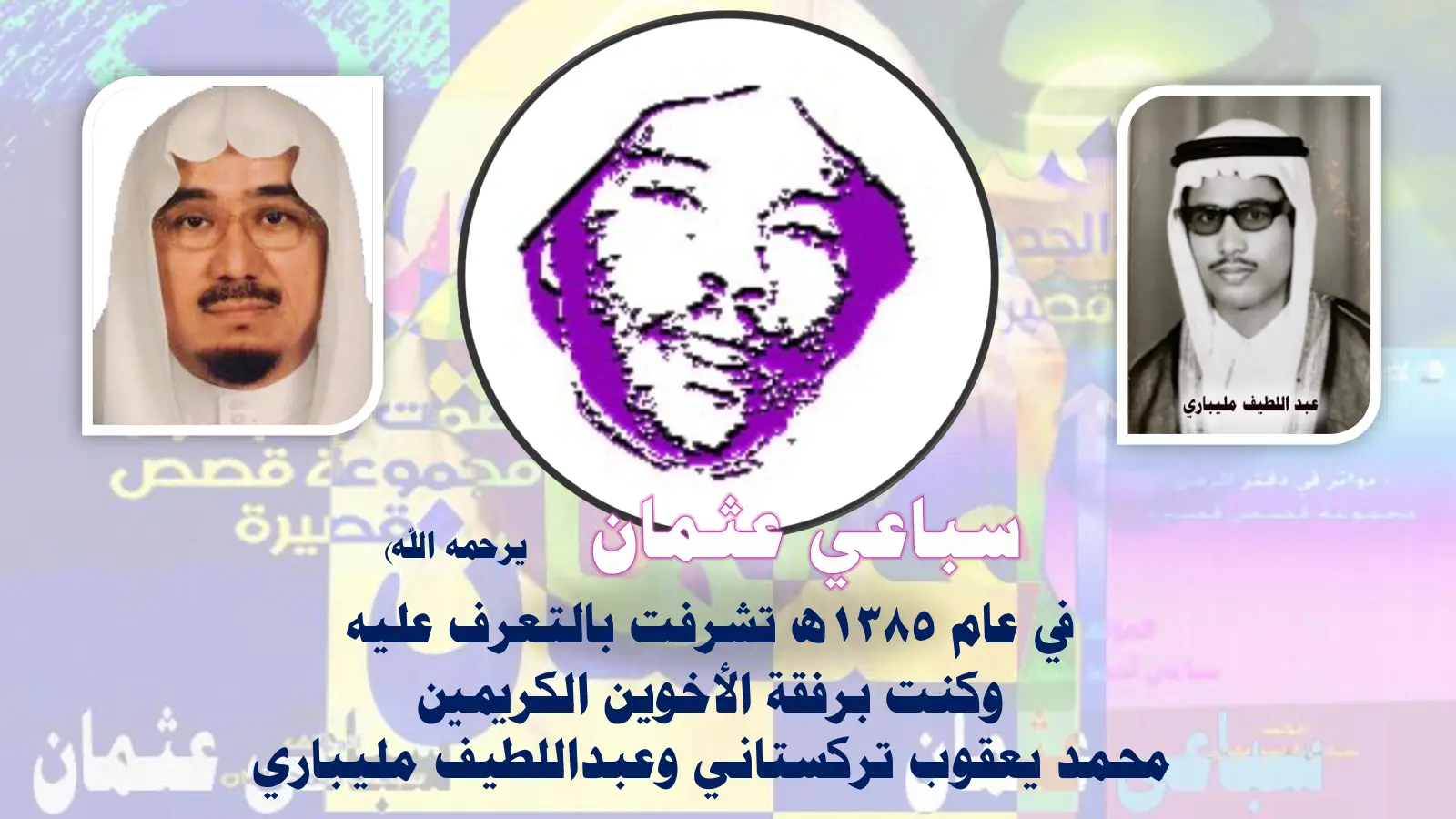
Sibai Othman (may God have mercy on him)
In 1385 AH I had the honour of getting to know him; I was with the two dear brothers Muhammad Ya'qub Turkistani and Abdullatif Mulaibari
Abdullatif Mulaibari
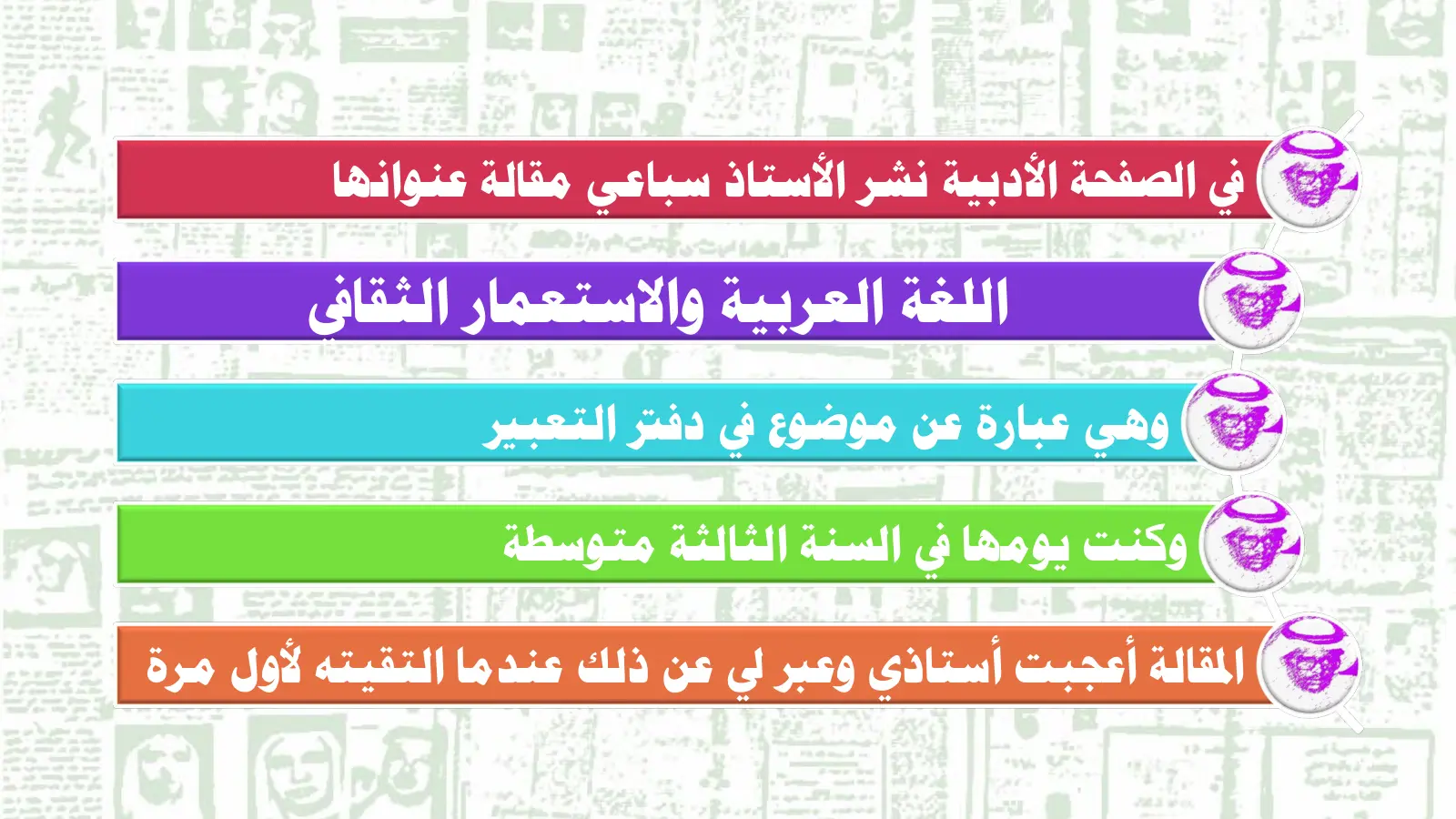
- On the literary page, Mr. Sibai published an article of mine titled
- "The Arabic Language and Cultural Colonialism"
- It was a composition from my essay notebook
- At the time I was in the third year of intermediate school
- My teacher liked the article, and he told me so when I met him for the first time
- Mr. Sibai was busy, so I wanted to make good use of the time
- I asked him for a sheet of paper to write down a short reflection
- Within minutes I handed him what I had written
- He read it, then said to me:
- "I bear witness that you are a writer!"
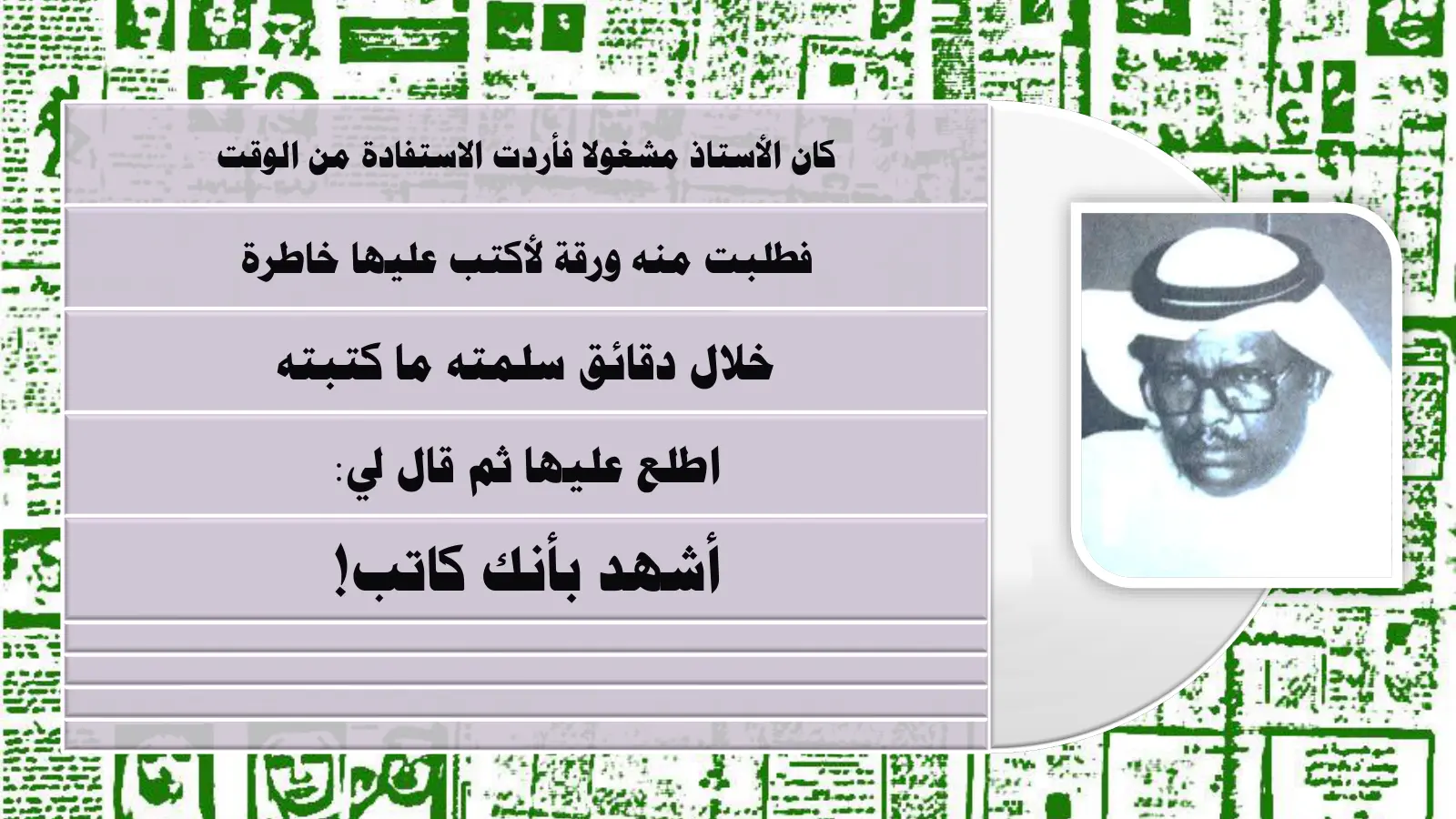
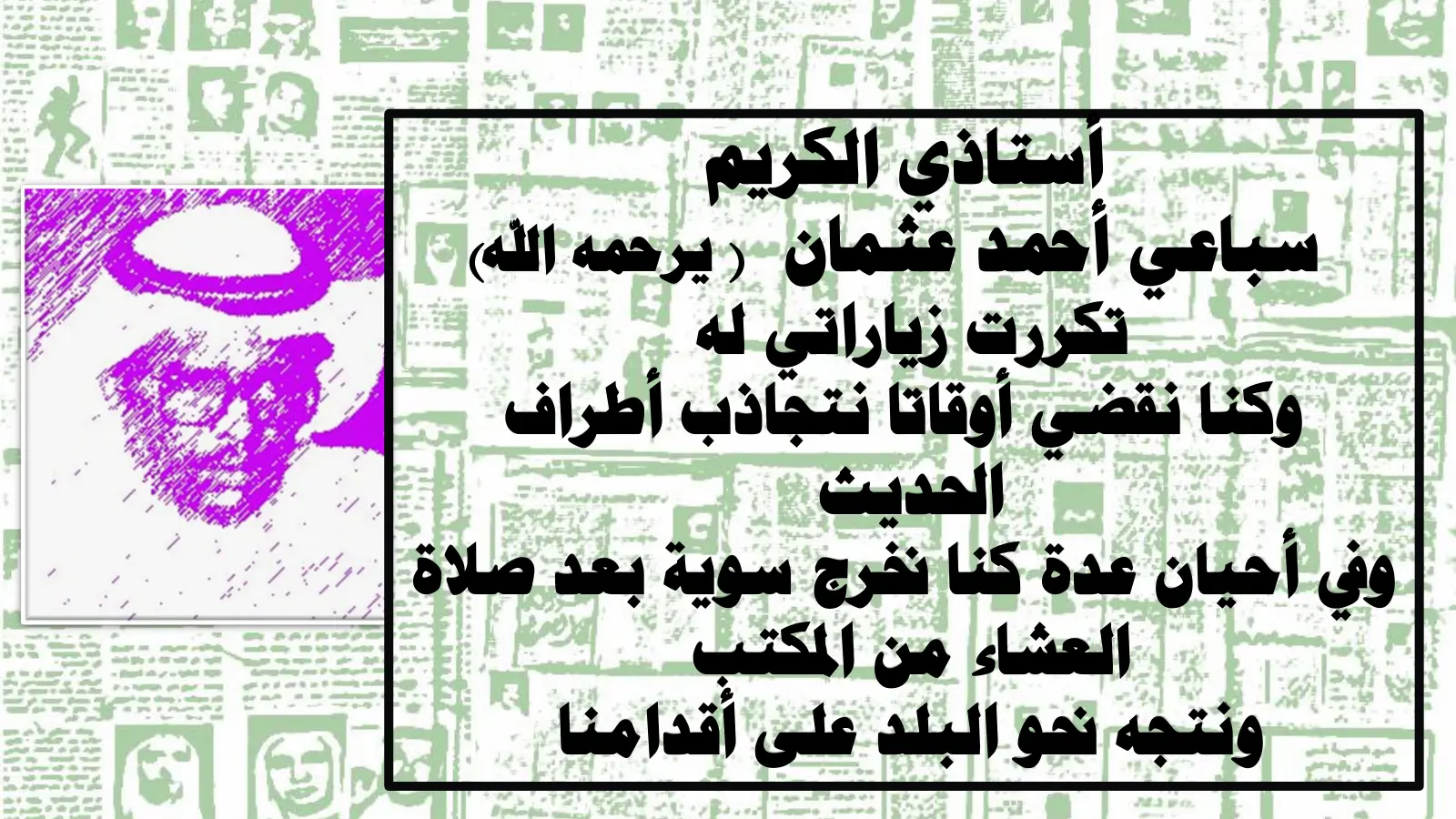
My dear teacher Sibai Ahmad Othman (may God have mercy on him)
I visited him again and again, and we would spend hours chatting together
Many times we left the office together after the evening (Isha) prayer and walked on foot towards al-Balad
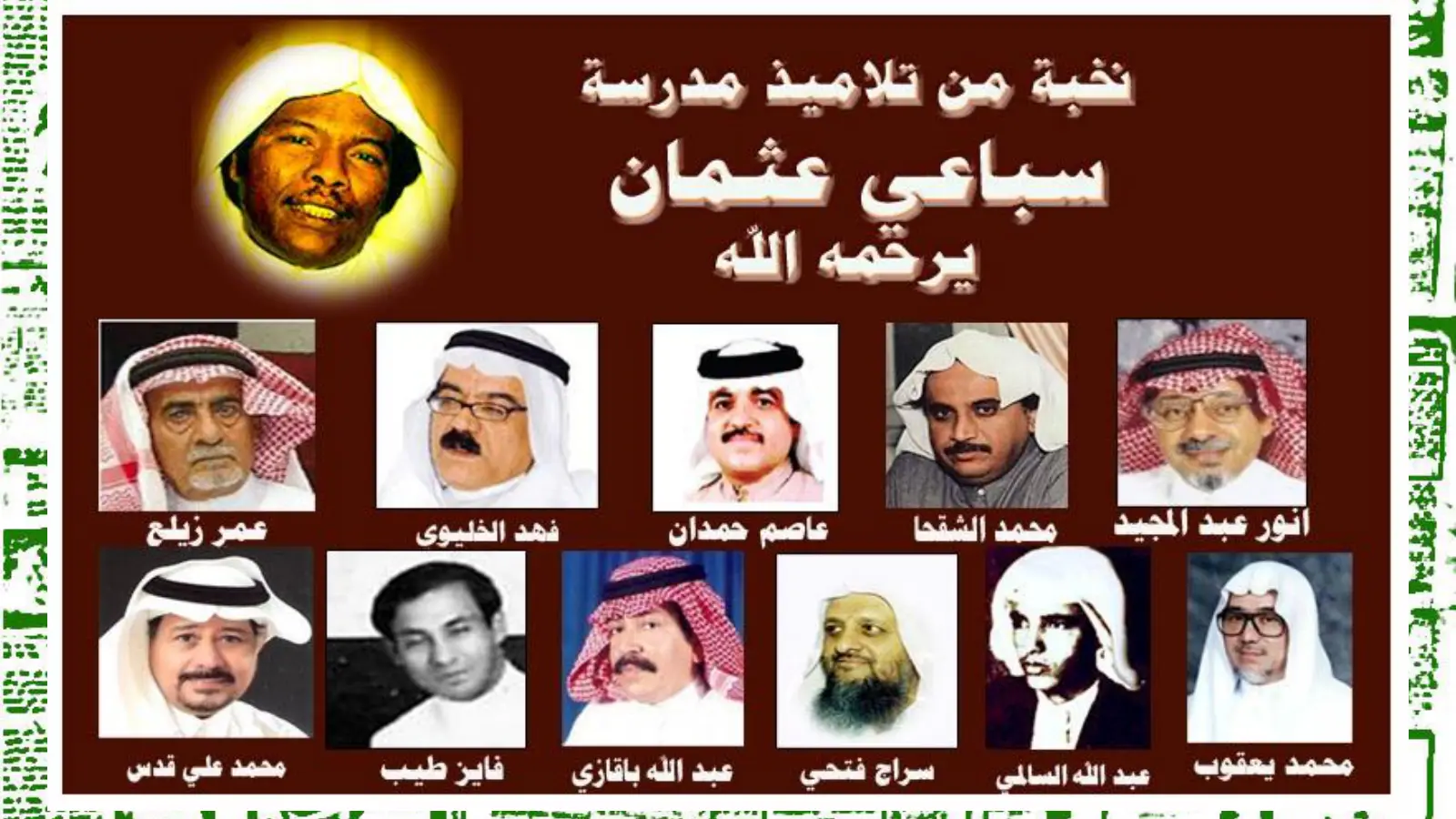
A select group of pupils of the school of Sibai Othman, may God have mercy on him
- Anwar Abdulmajeed
- Muhammad al-Shaqha
- Asim Hamdan
- Fahd al-Khulaiwi
- Omar Zaila
- Muhammad Ya'qub
- Abdullah al-Salimi
- Siraj Fathi
- Abdullah Baqazi
- Fayez Tayyib
- Muhammad Ali Quds
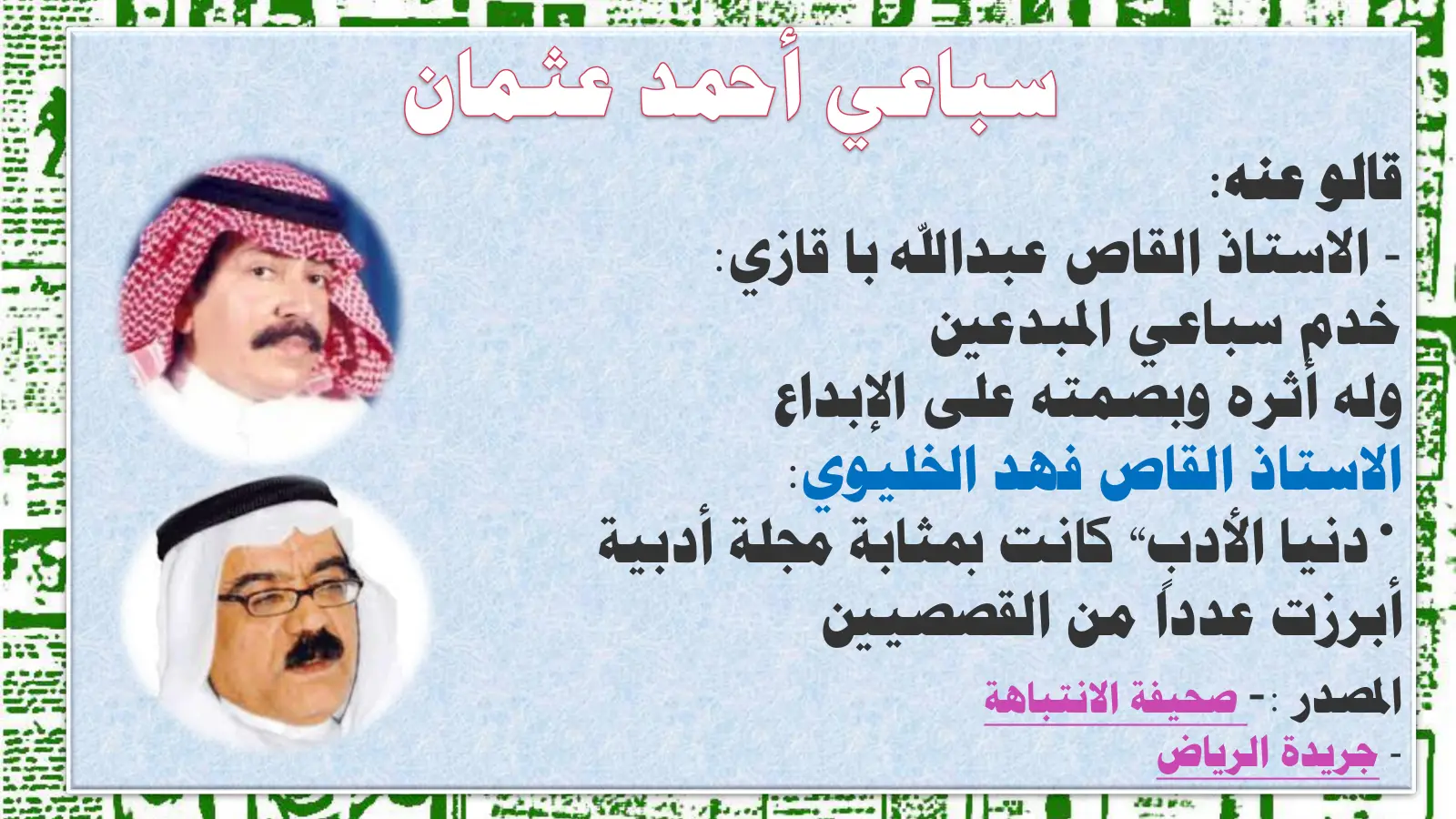
Sibai Ahmad Othman
What others said about him:
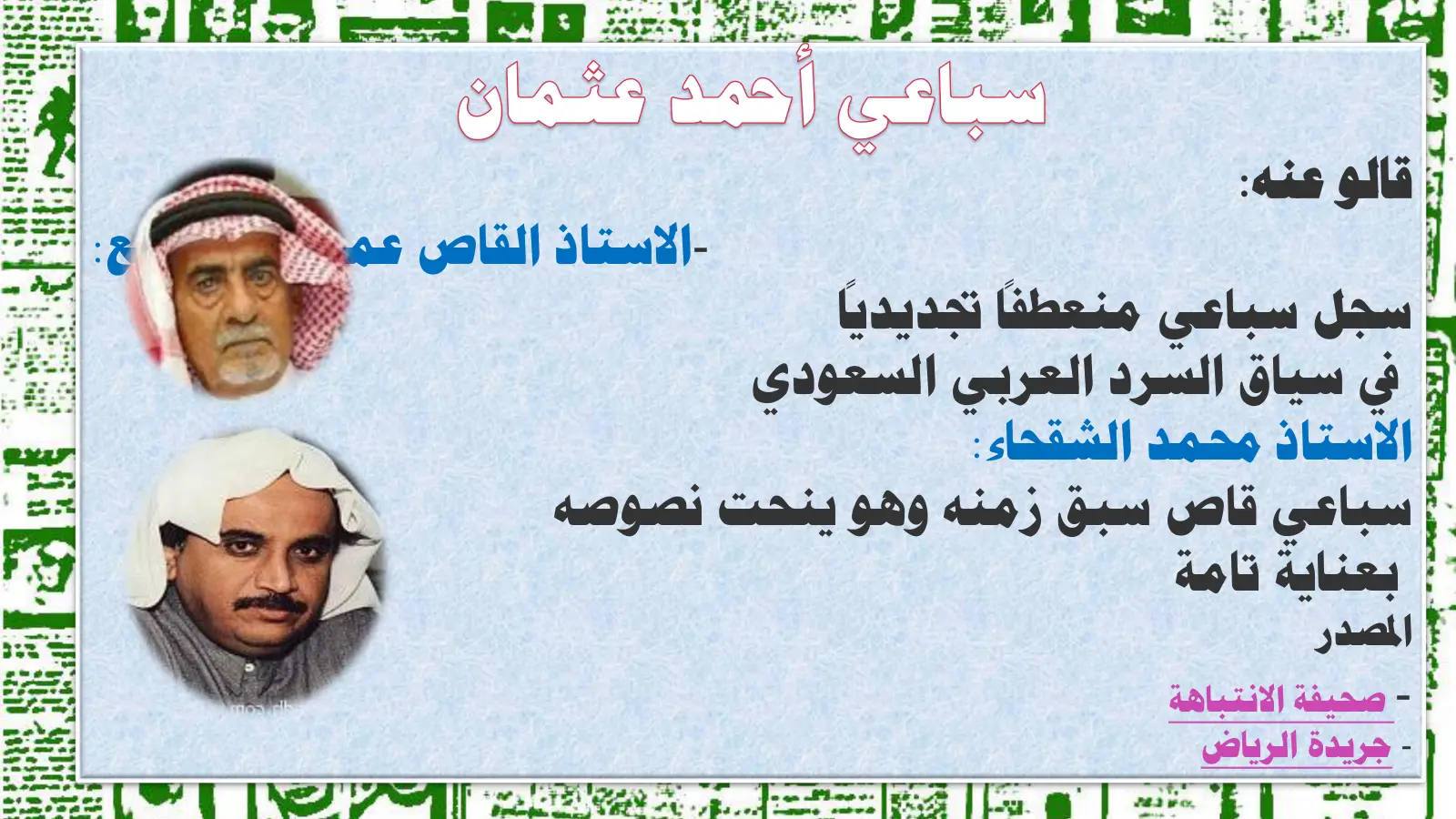
- Short-story writer Abdullah Baqazi: "Sibai served creative writers, and he left his mark and imprint on creative writing"
- Short-story writer Fahd al-Khulaiwi: "'Dunya al-Adab' (The World of Literature) was like a literary magazine that brought a number of short-story writers to prominence"
Source: Al-Intibaha newspaper – Al-Riyadh newspaper
Sibai Ahmad Othman
What others said about him:
- Short-story writer Omar Tahir Zaila: "Sibai marked a turning point of renewal in Saudi Arabic narrative"
- Mr. Muhammad al-Shaqha'a: "Sibai was a storyteller ahead of his time, who carved his texts with the utmost care"
Source: Al-Intibaha newspaper – Al-Riyadh newspaper
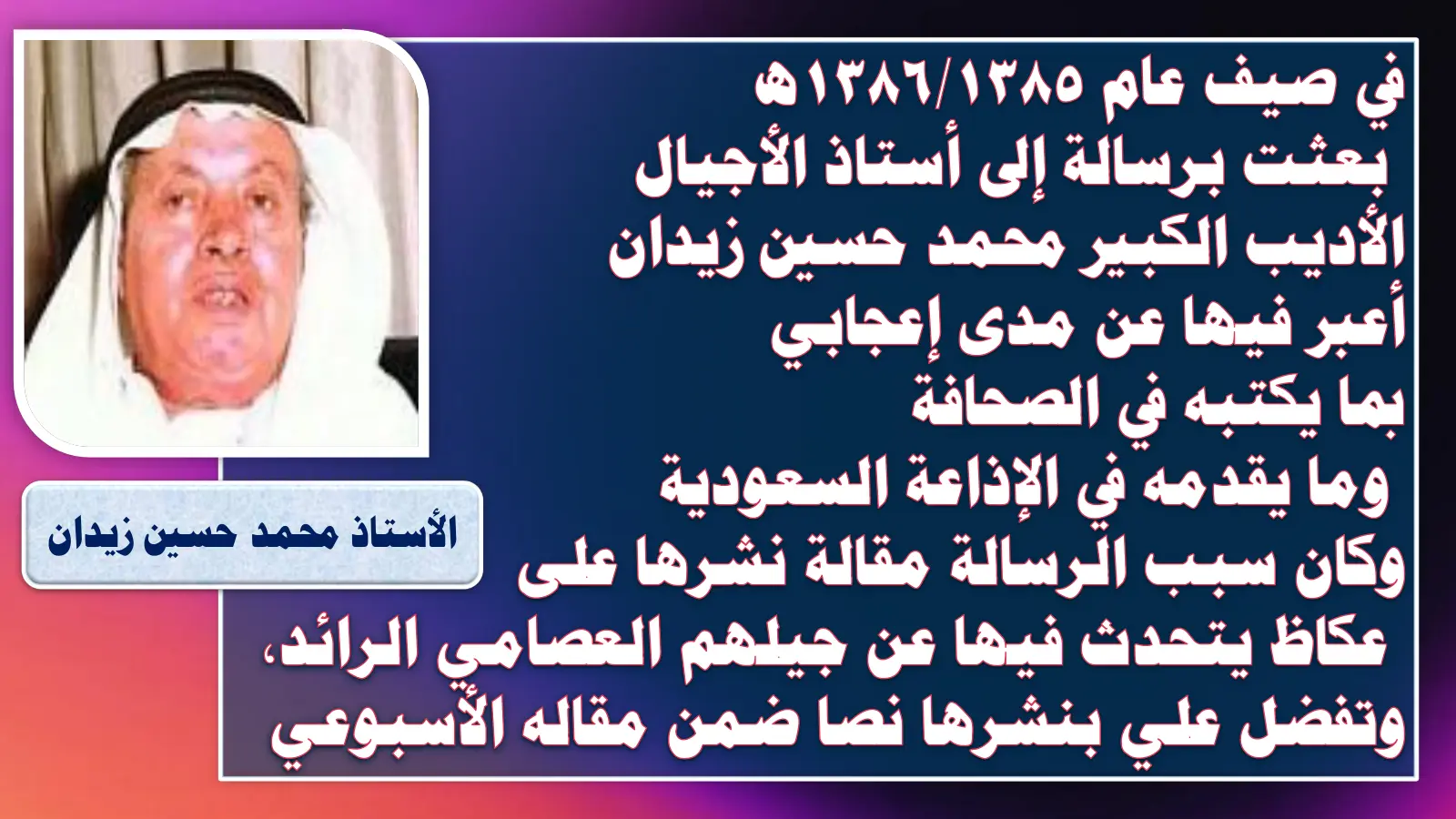
Mr. Muhammad Hussein Zaidan
In the summer of 1385/1386 AH I sent a letter to the teacher of generations, the great man of letters Muhammad Hussein Zaidan, expressing how much I admired what he wrote in the press and what he presented on Saudi radio
The letter was prompted by an article he published in Okaz about their pioneering, self-made generation, and he kindly published my letter in full within his weekly article
A pioneer of literature, poetry, the short story and journalism
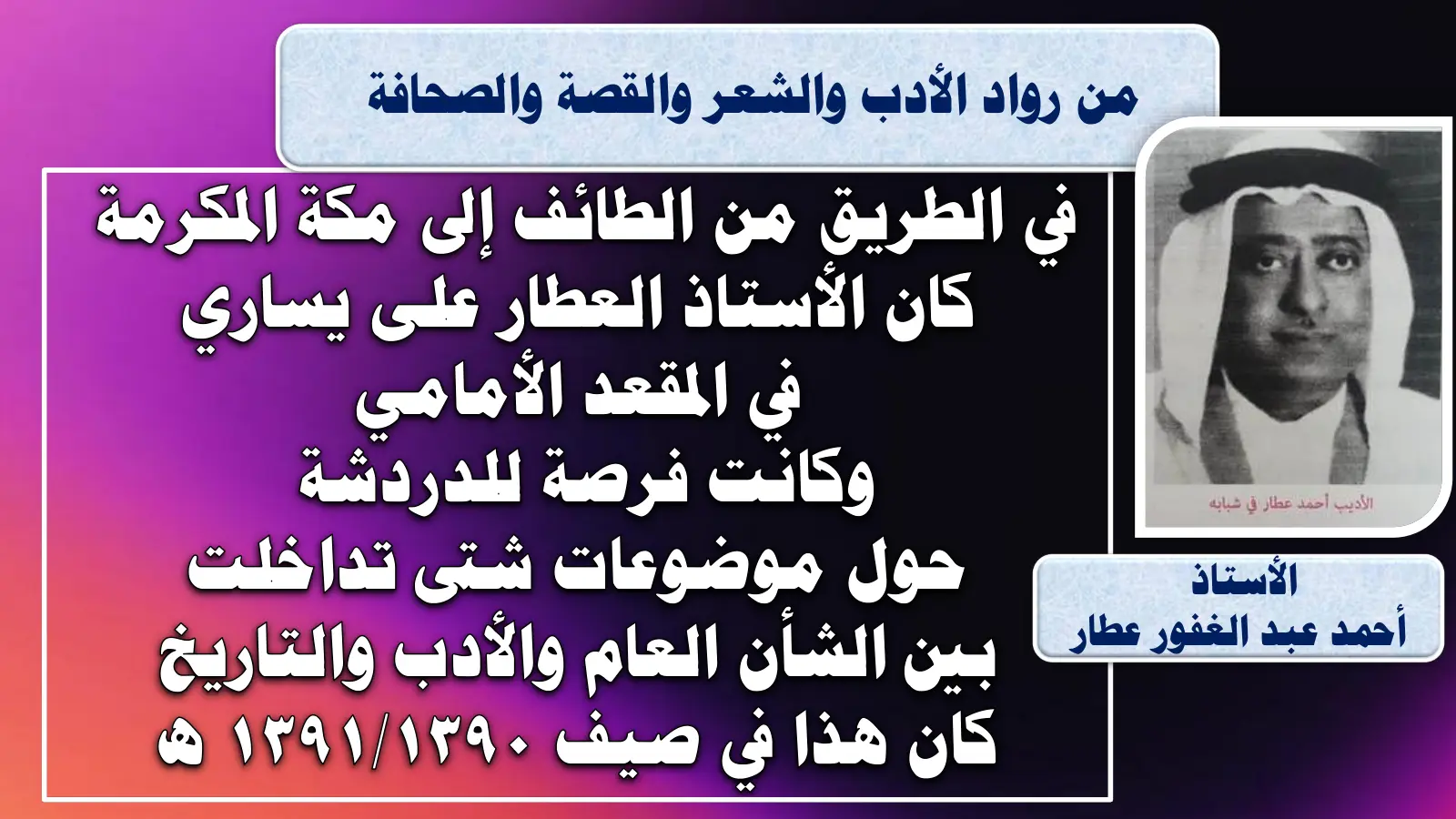
On the road from Taif to Makkah, Mr. al-Attar sat on my left in the front seat, and it was a chance to chat about all sorts of topics, weaving together public affairs, literature and history.
This was in the summer of 1390/1391 AH.
Mr. Ahmad Abdulghafour Attar
The writer Ahmad Attar in his youth
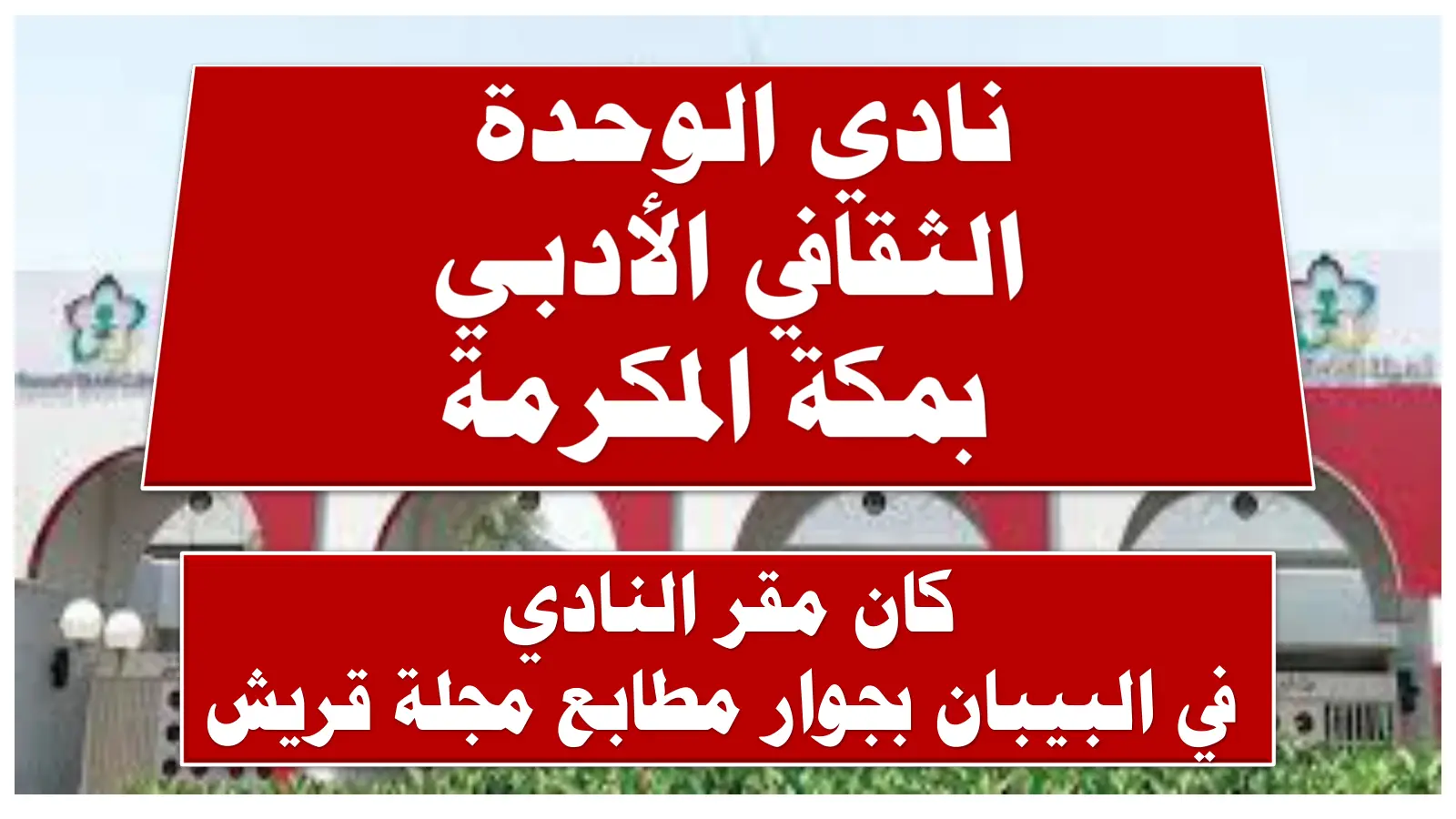
Al-Wahda Cultural and Literary Club in Makkah
The club's premises were in al-Bibaan, next to the printing press of Quraish magazine.
Mr. Othman Mulaibari, may God have mercy on him
He was a calm, serious and kind man of gracious manners and wide learning. He was one of the pioneers of literary and cultural activity in Makkah, and he played a clear part in bringing the cultural and literary activities of the venerable Al-Wahda Club to life.
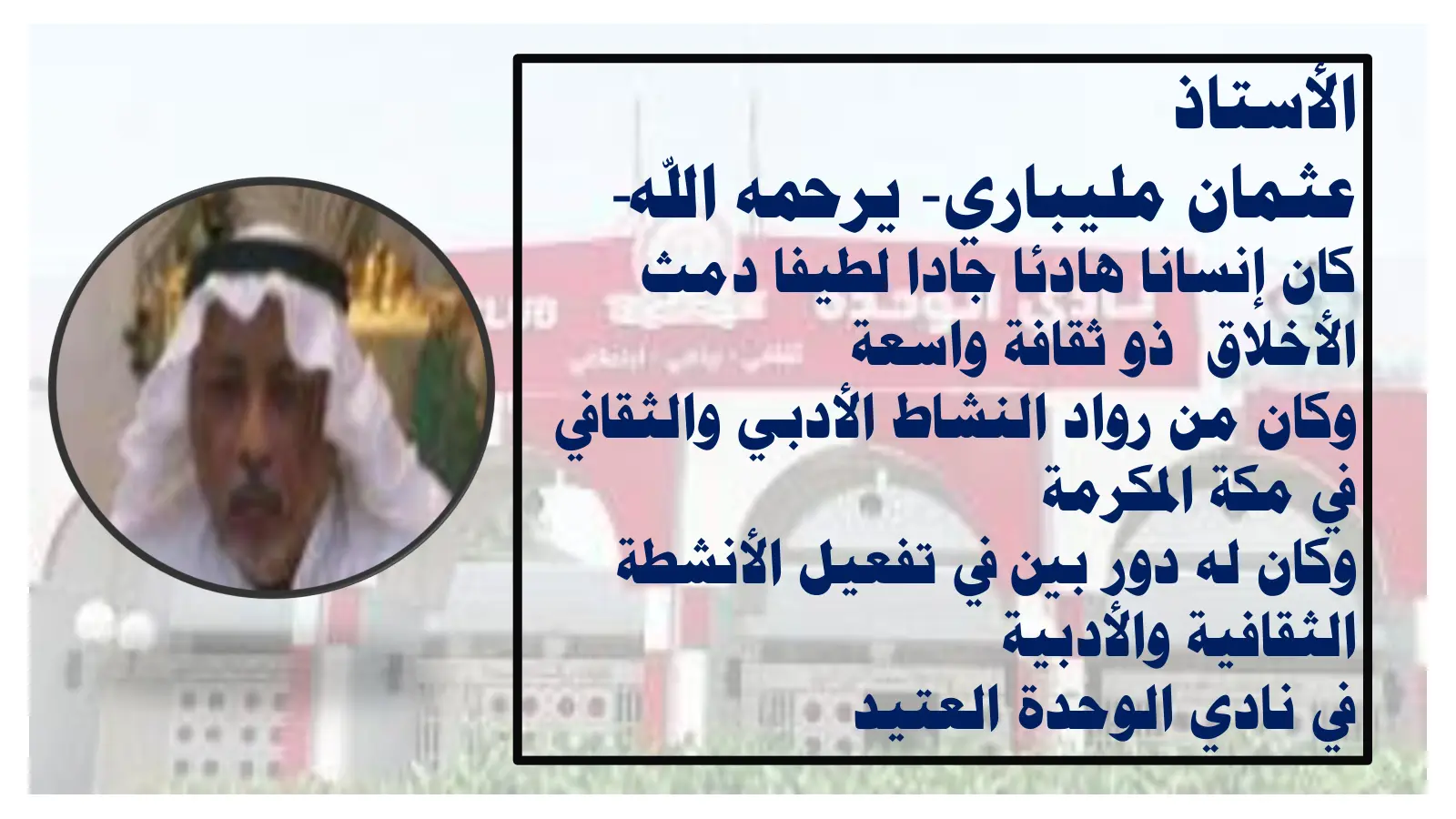
In the 1380s AH, Al-Wahda Cultural and Literary Club in Makkah was a beacon of outstanding literary, cultural and intellectual activity, and we, then intermediate-school students, were eager to follow those refined events.
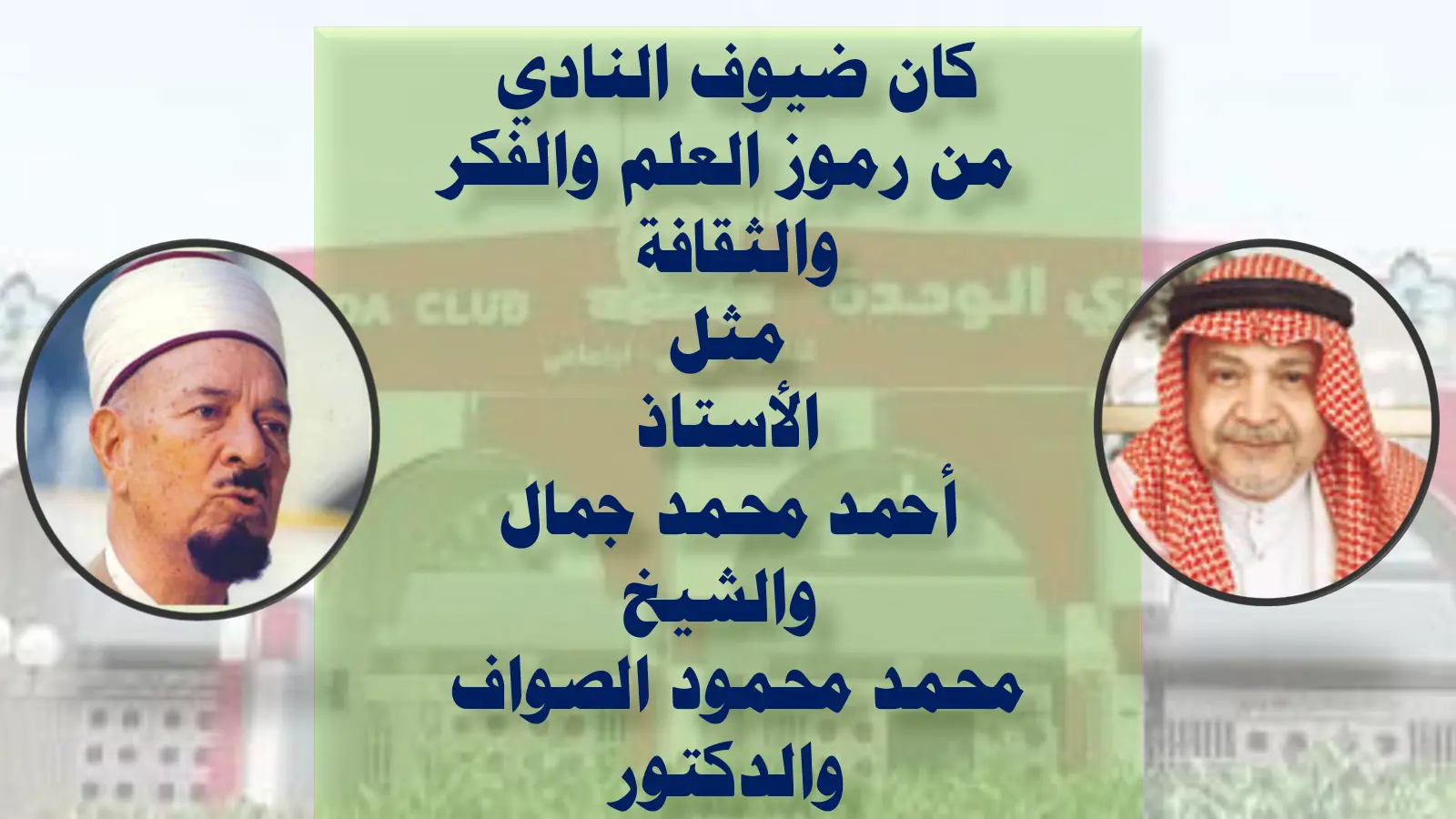
The club's guests were leading figures of scholarship, thought and culture, such as Mr. Ahmad Muhammad Jamal, Sheikh Muhammad Mahmoud al-Sawwaf, and Dr.
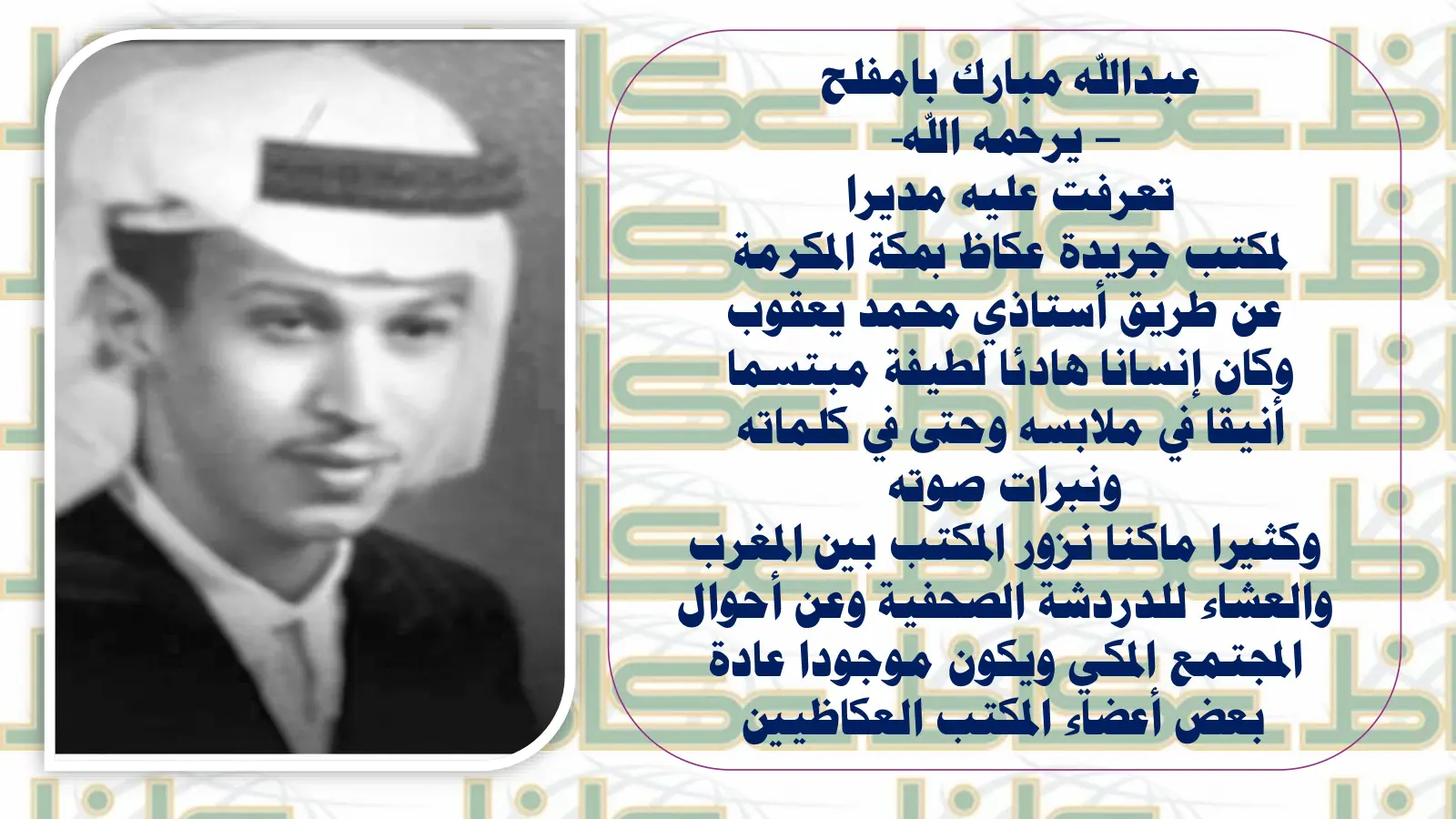
Abdullah Mubarak Bamuflih, may God have mercy on him
I got to know him as head of the Okaz newspaper office in Makkah through my mentor Muhammad Ya'qub. He was a calm, kind, smiling man, elegant in his dress and even in his words and the tone of his voice.
We often visited the office between the Maghrib and Isha prayers to chat about journalism and about life in Makkan society, and usually some of the Okaz office staff would be there too.
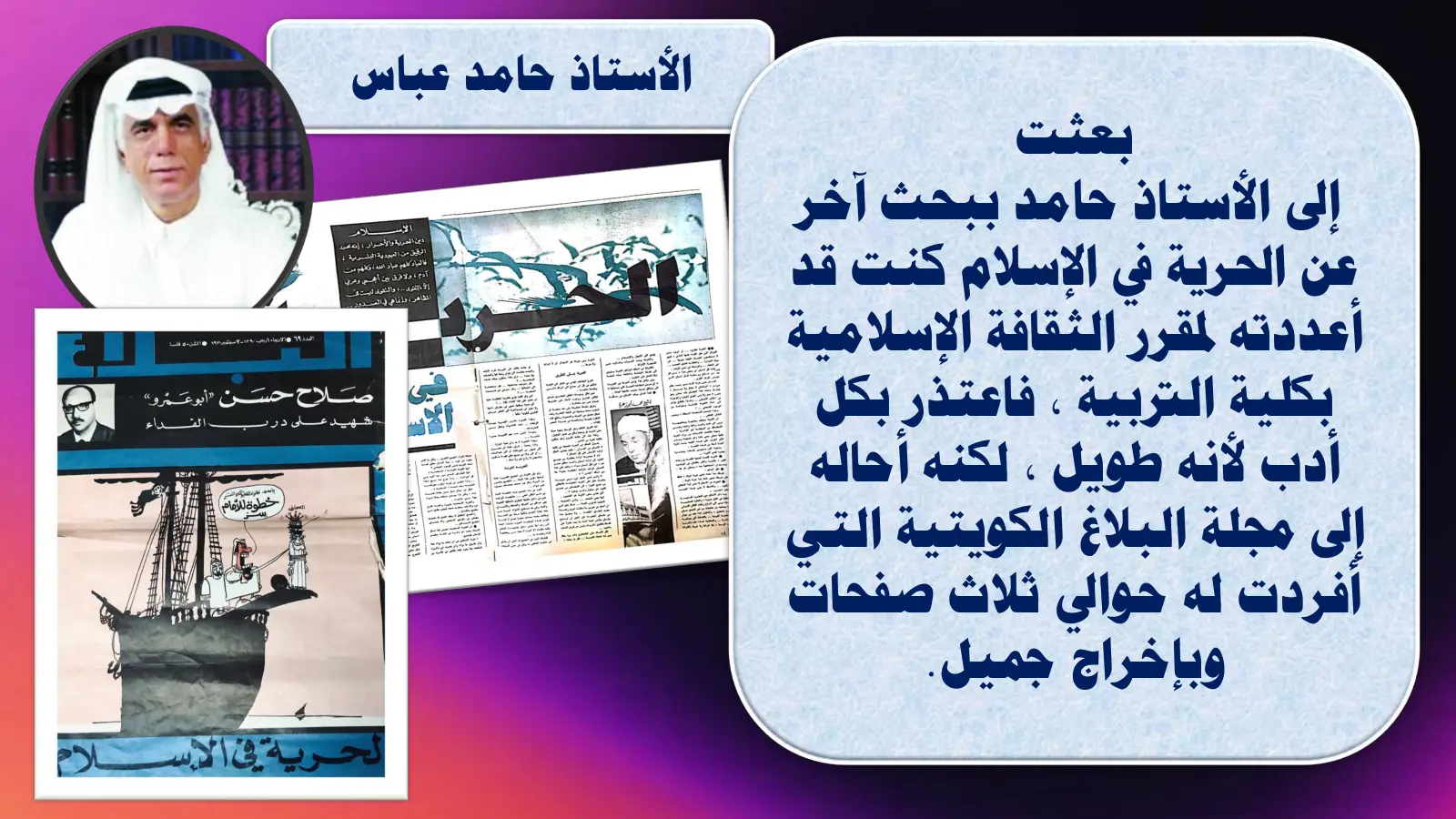
Mr. Hamid Abbas
In the early 1390s AH I sent a short university paper on Ibn Khaldun, titled "Among the Men of Genius", to Mr. Hamid, who supervised the students and youth page in Al-Nadwa newspaper. It was a fortunate beginning for me: a series of no fewer than ten instalments about this singular genius was published.
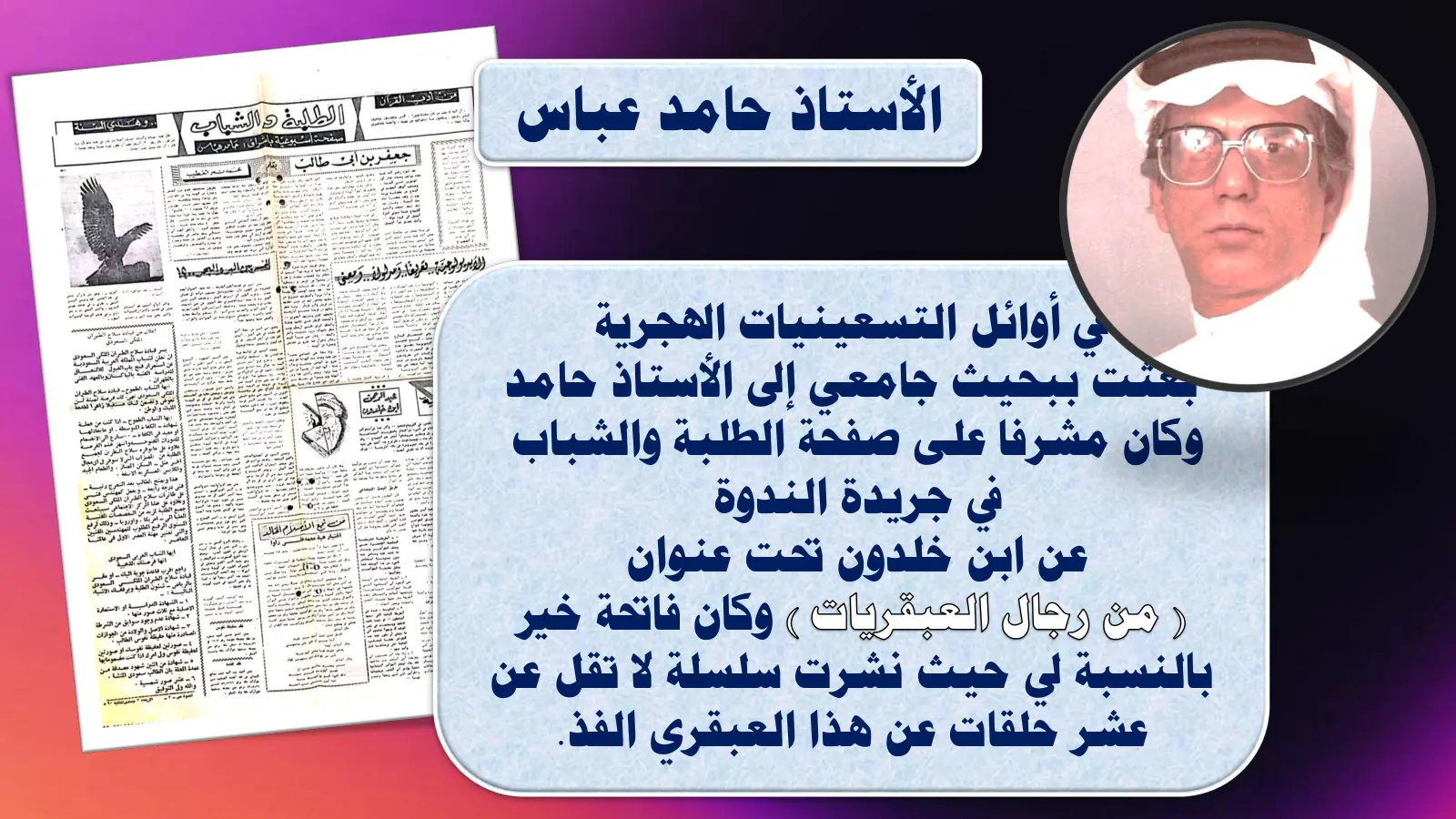
Mr. Hamid Abbas
I sent Mr. Hamid another paper, on freedom in Islam, which I had prepared for the Islamic Culture course at the College of Education. He politely declined because it was long, but he passed it on to the Kuwaiti magazine Al-Balagh, which gave it about three pages, beautifully laid out.
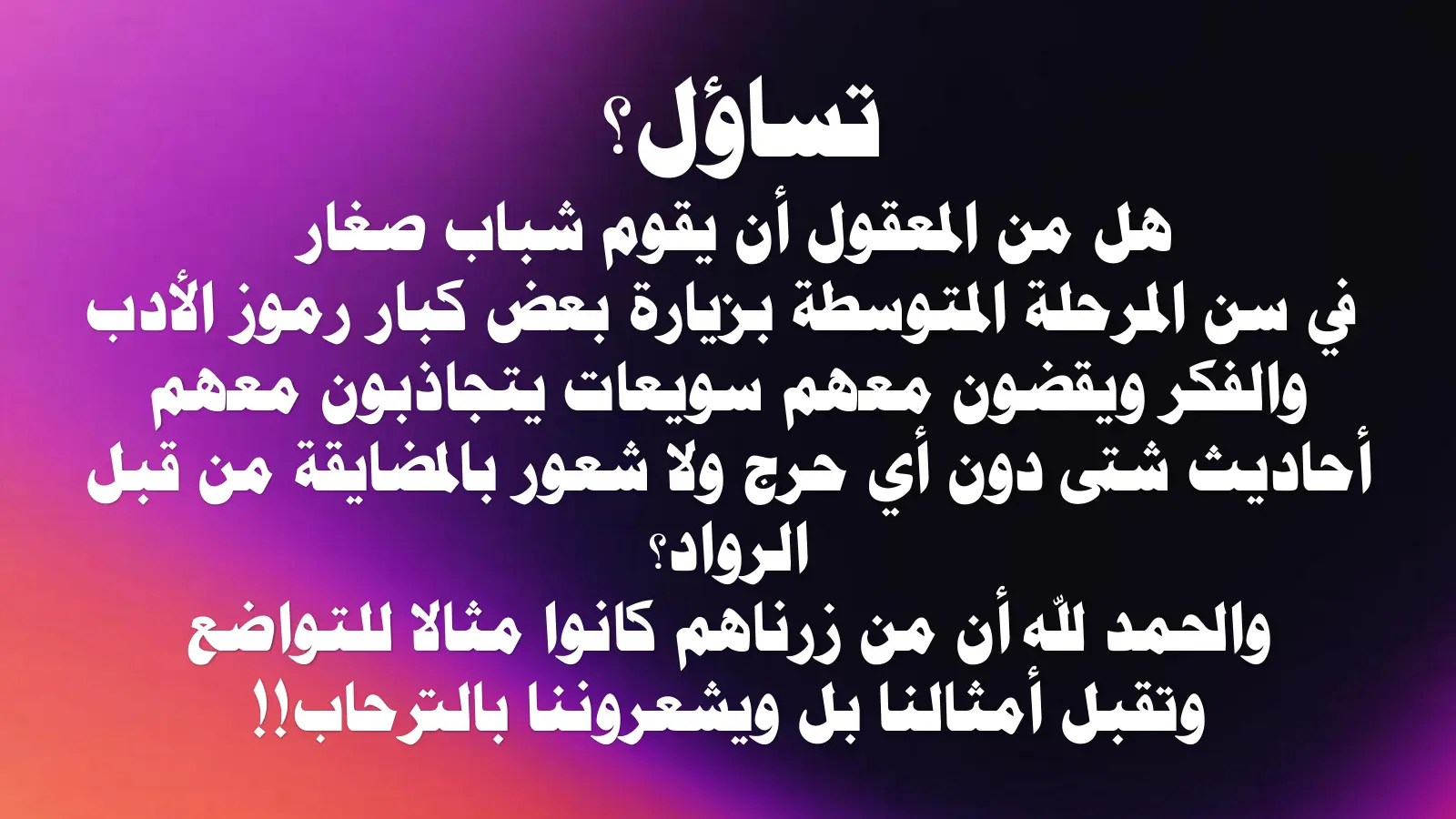
A question?
Is it believable that young boys of intermediate-school age would visit some of the great figures of literature and thought, and spend a few hours with them talking about all kinds of things, without any awkwardness and without those pioneers feeling the least bit imposed upon?
Praise be to God, those we visited were models of humility: they accepted the likes of us, and even made us feel welcome!!
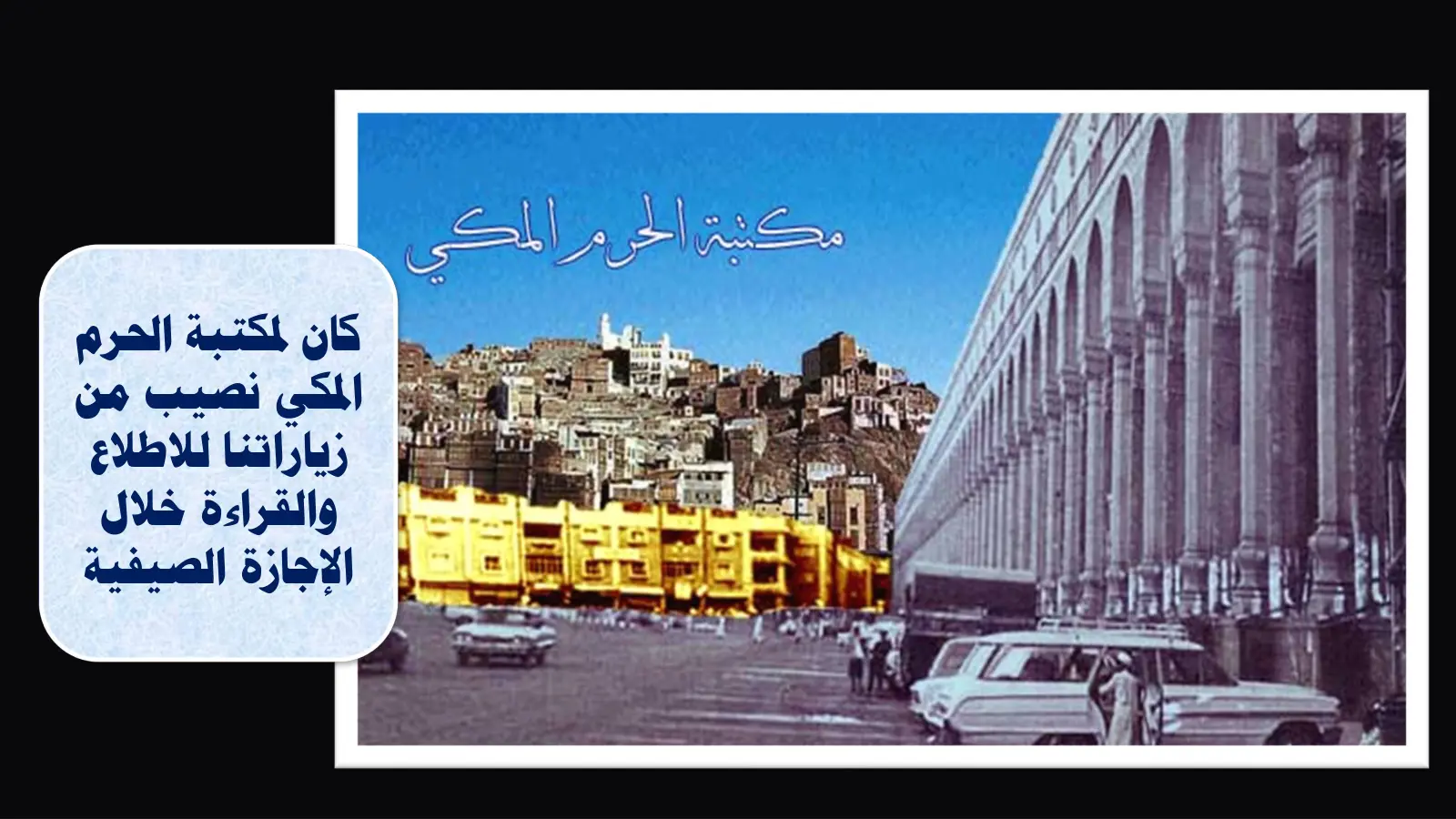
The Library of the Holy Mosque in Makkah had its share of our visits, to browse and read, during the summer holidays.
The Library of the Holy Mosque in Makkah
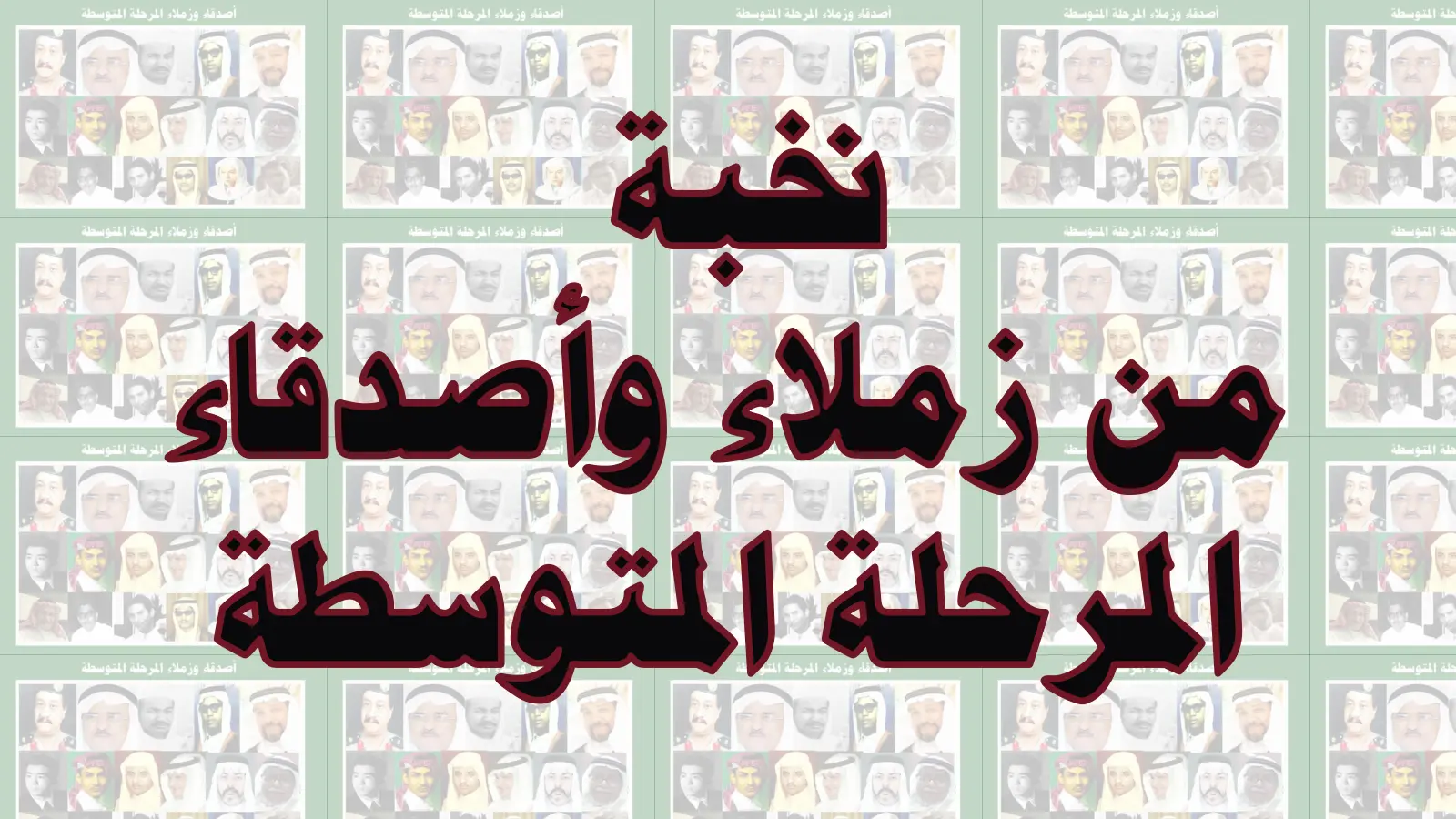
A select group of intermediate-school classmates and friends
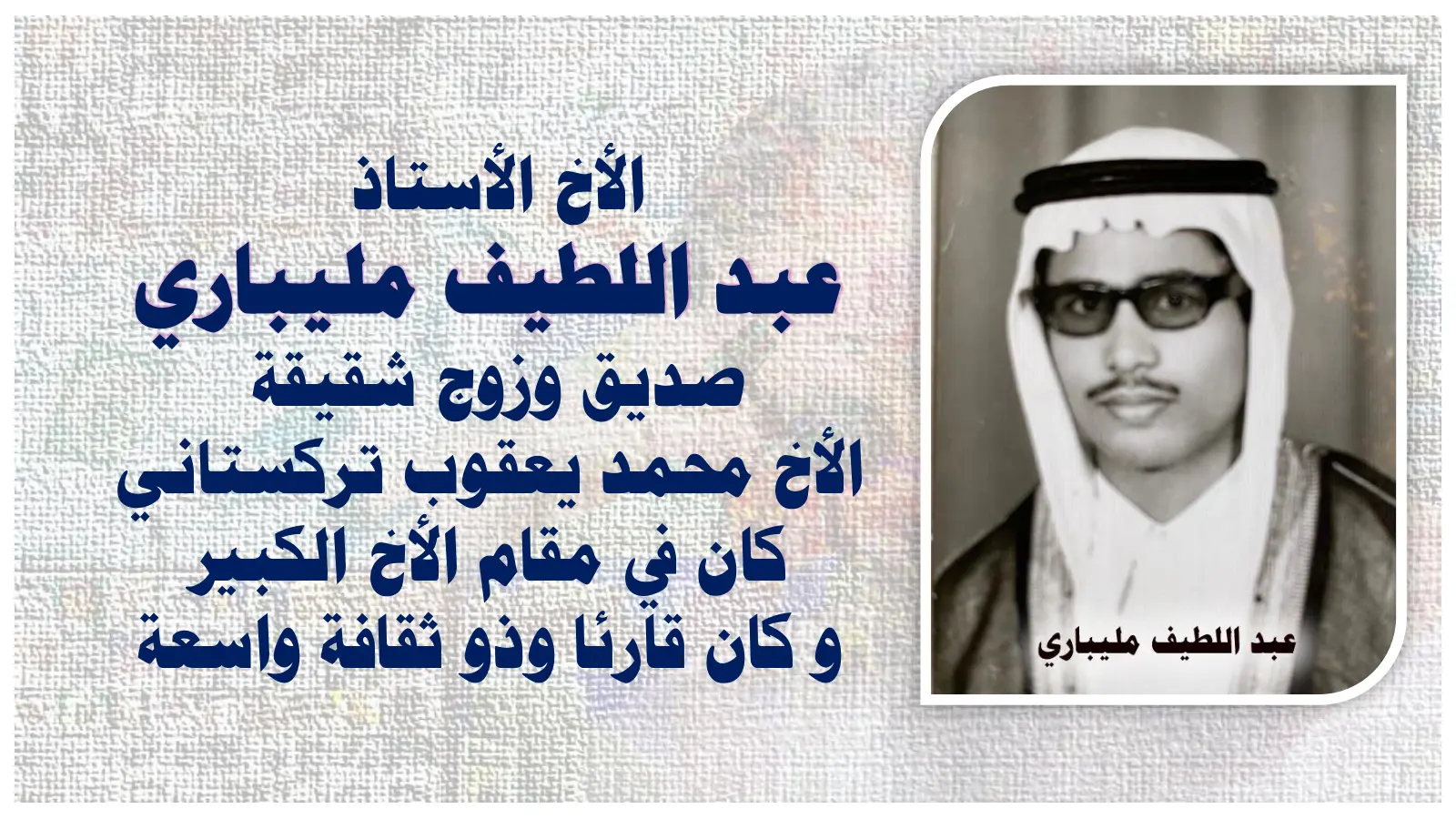
Brother and teacher Abdullatif Mulaibari
A friend, and the husband of the sister of brother Muhammad Ya'qub Turkistani. He was like an elder brother to me, a keen reader and a man of wide learning.
Abdullatif Mulaibari
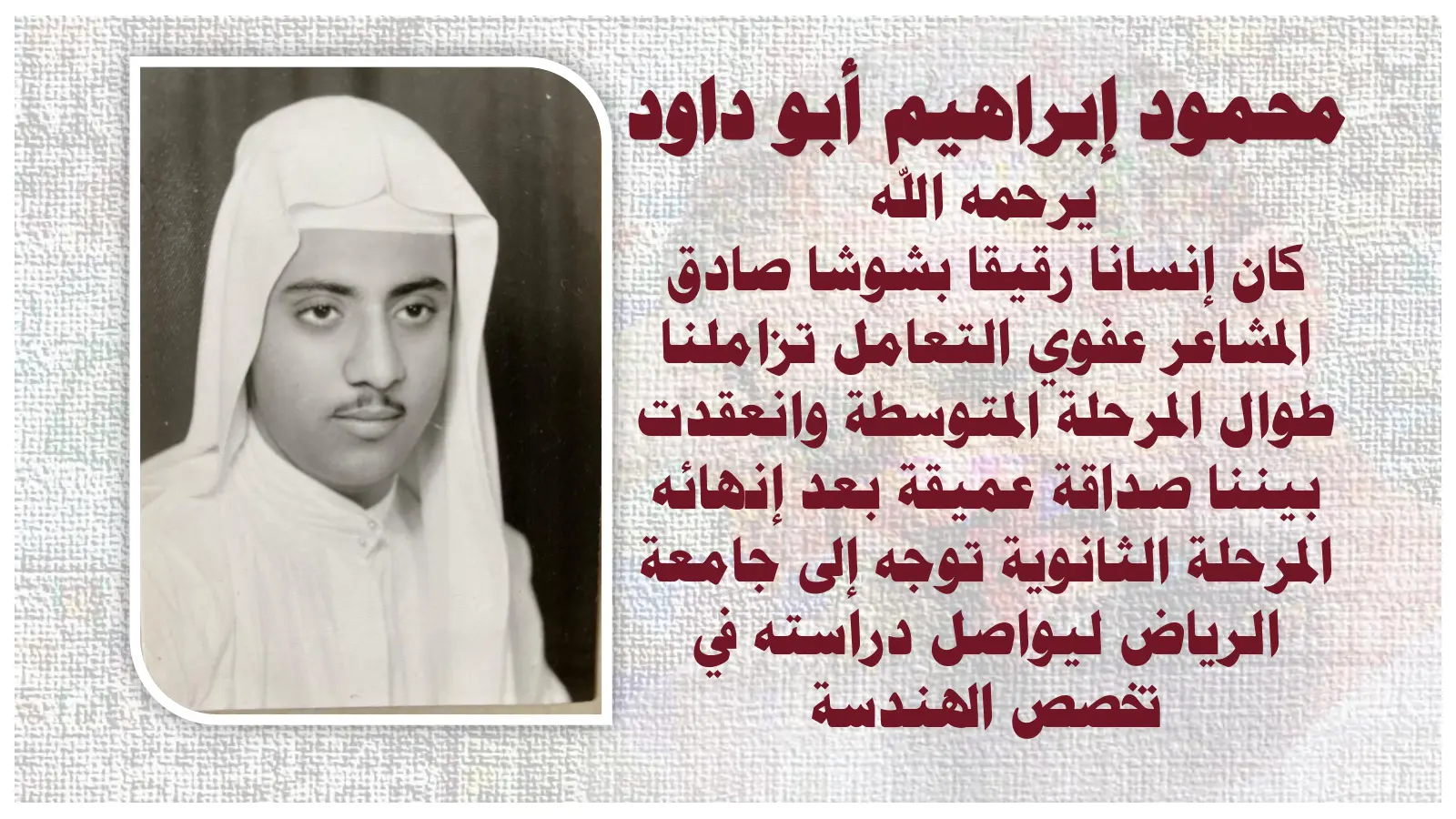
Mahmoud Ibrahim Abu Dawood, may God have mercy on him
He was a gentle, cheerful man, sincere in his feelings and natural in his manner. We were classmates throughout intermediate school and a deep friendship grew between us. After finishing secondary school he went to Riyadh University to continue his studies in engineering.
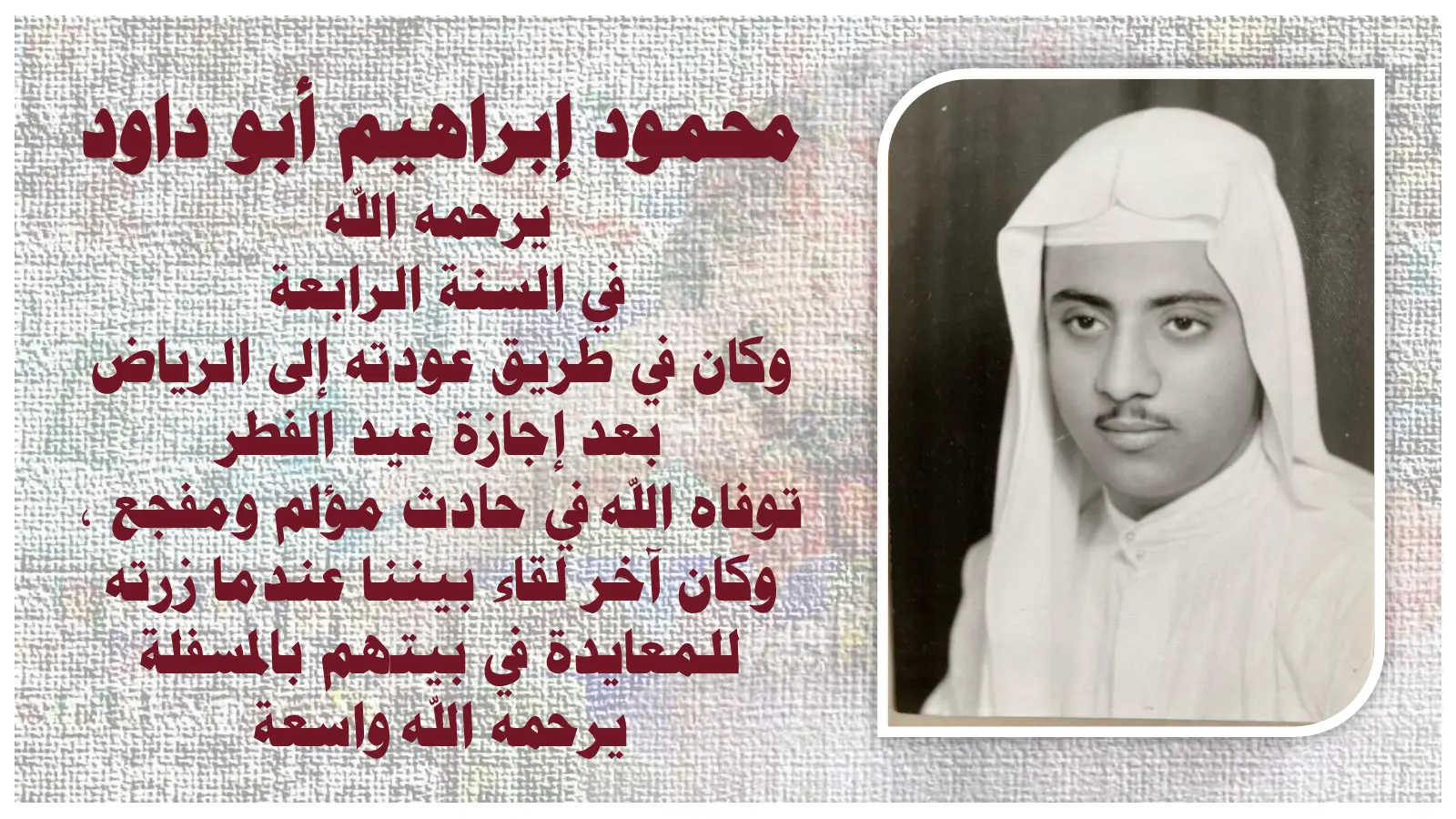
Mahmoud Ibrahim Abu Dawood, may God have mercy on him
In his fourth year, on his way back to Riyadh after the Eid al-Fitr holiday, God took him in a painful and tragic accident. Our last meeting was when I visited him to exchange Eid greetings at his family's home in al-Misfala.
May God have abundant mercy on him.
Ismail Abdulhamid Ashi
One of the finest classmates I had the honour of knowing at school. He was known for his calm, his cheerful face and his good heart.
God took him in the month of Shawwal 1437 AH, may God have abundant mercy on him.
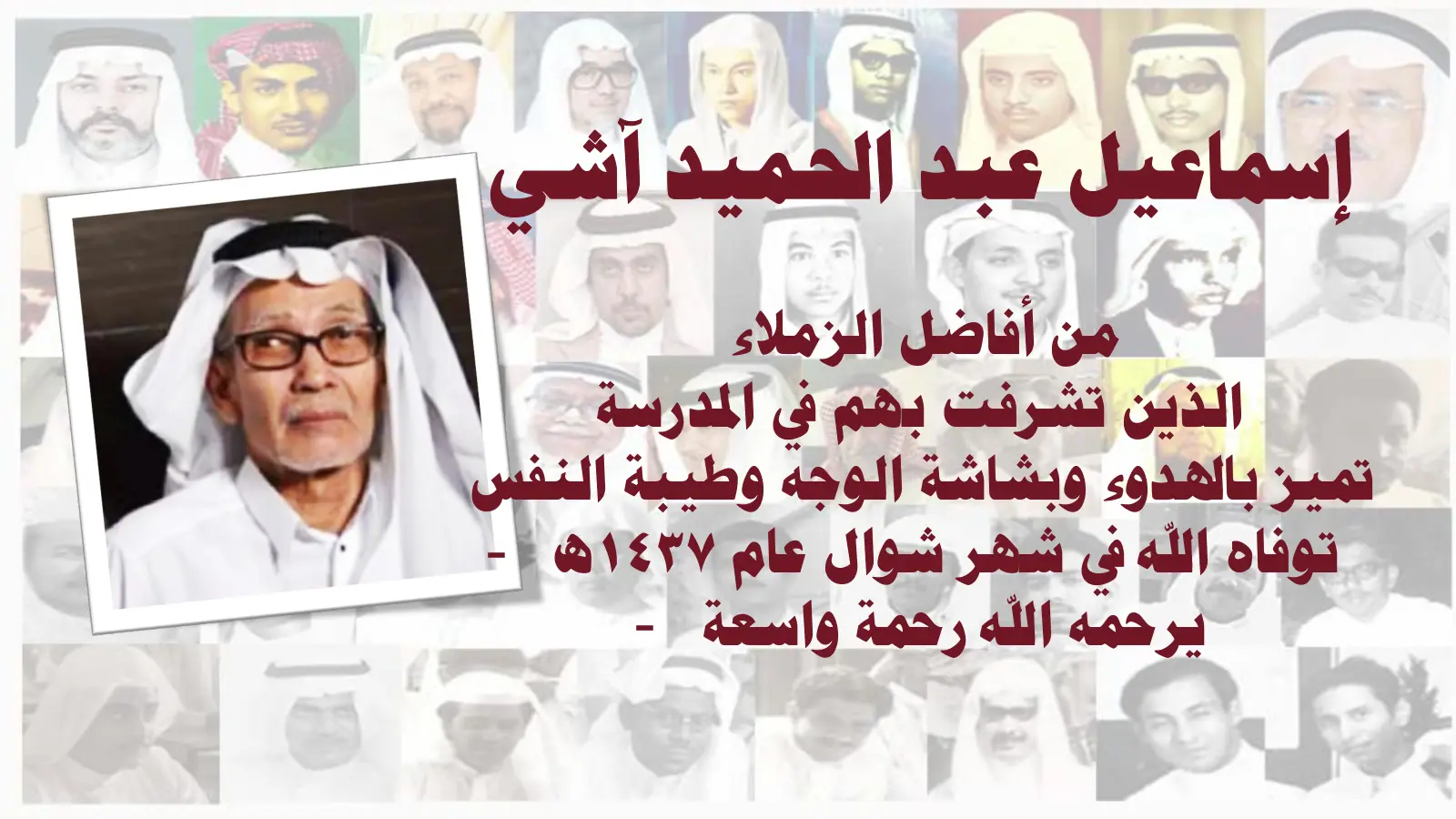
Ismail Abdulhamid Ashi, may God have abundant mercy on him
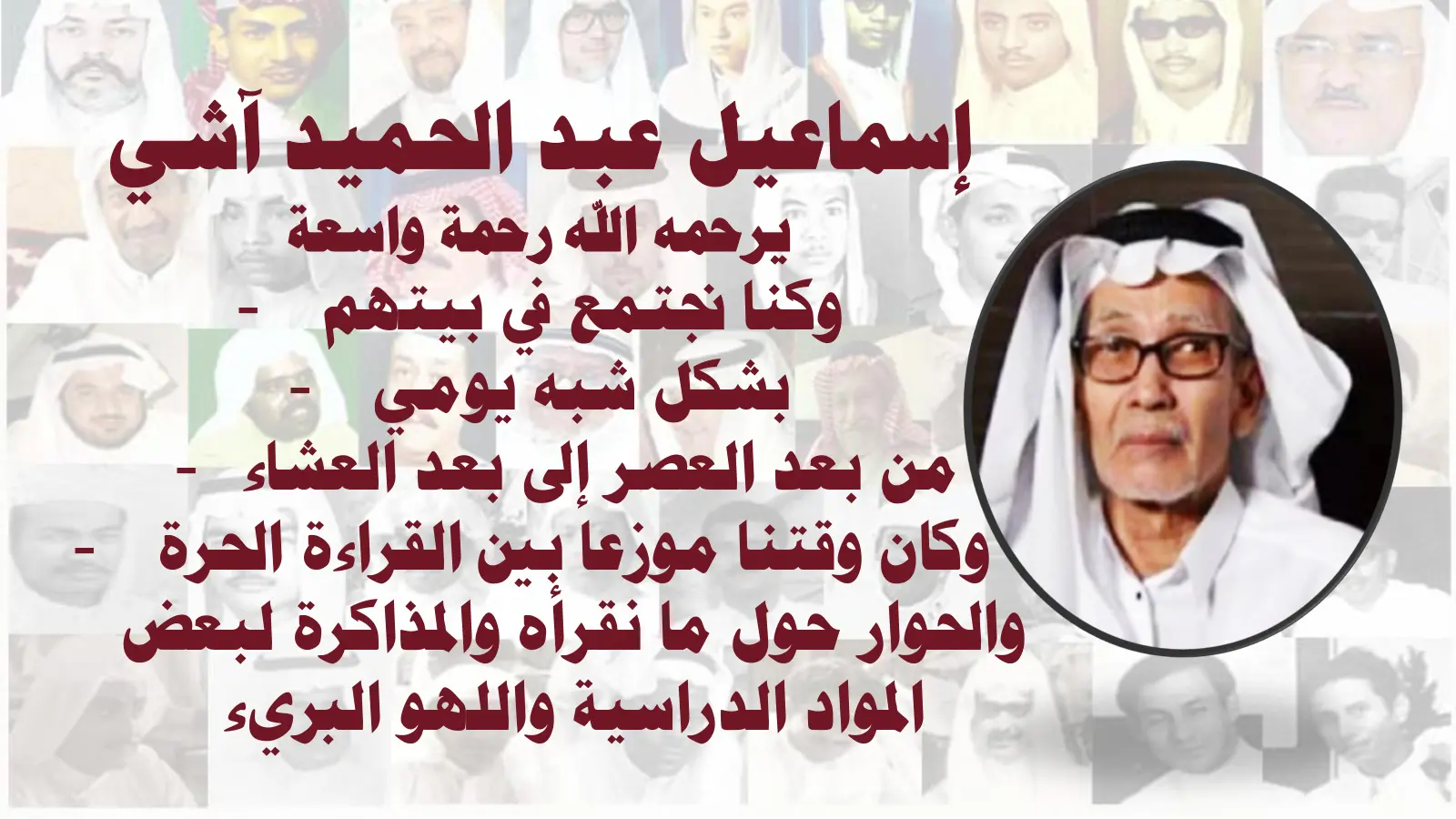
- We used to gather at his family's home
- almost every day
- from after the Asr prayer until after Isha
- and our time was divided between free reading, discussing what we read, studying some of our school subjects, and innocent fun
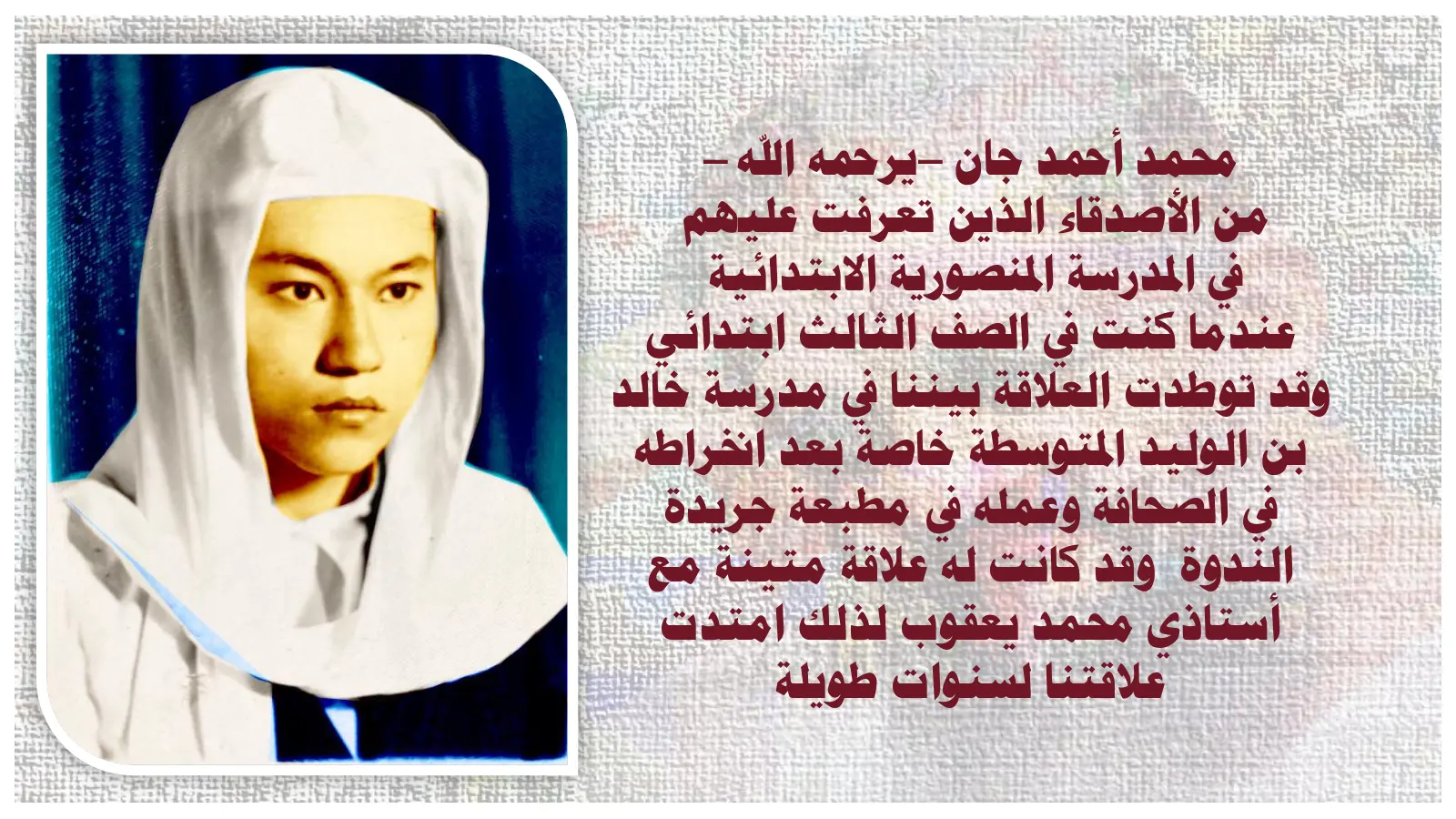
Muhammad Ahmad Jan, may God have mercy on him
One of the friends I came to know at al-Mansuriyya Primary School when I was in third grade. Our bond grew stronger at Khalid ibn al-Walid Intermediate School, especially after he went into journalism and worked at the Al-Nadwa newspaper press. He had a close relationship with my mentor Muhammad Ya'qub, and so our friendship lasted for many years.
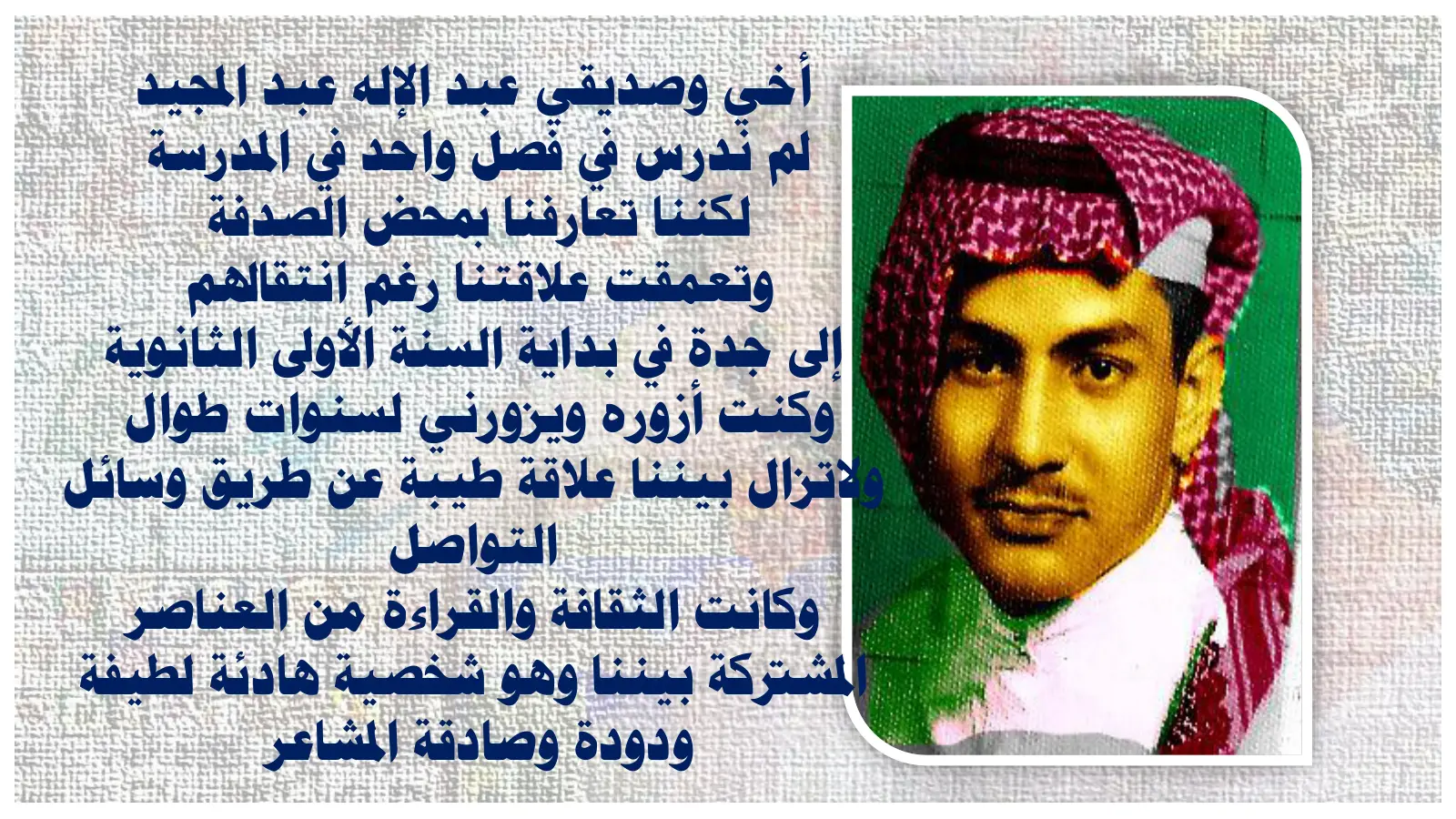
My brother and friend Abdulilah Abdulmajeed
We never studied in the same class at school, but we met by pure chance, and our friendship deepened even though his family moved to Jeddah at the start of the first year of secondary school. I visited him and he visited me for many long years, and we still keep a warm friendship through social media.
Culture and reading were among the things we shared. He is a calm, kind, friendly person, sincere in his feelings.
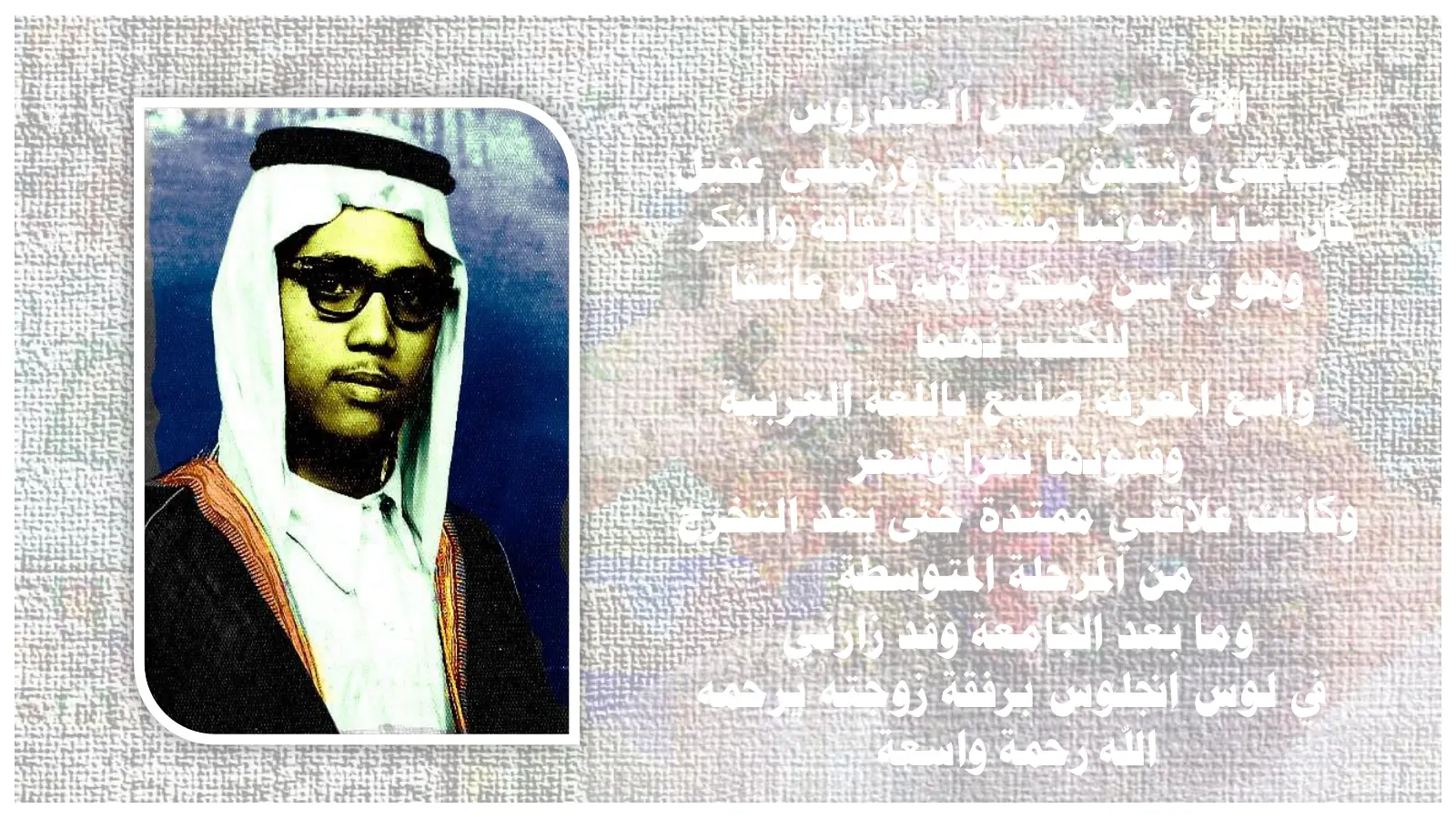
Brother Omar Hussein al-Aidarous
My friend, and the brother of my friend and classmate Aqil. He was a spirited young man, brimming with culture and ideas even at an early age, for he loved books and devoured them. He was widely read and thoroughly versed in Arabic and its arts, in prose and in poetry.
Our friendship continued after we finished intermediate school and on past university; he even visited me in Los Angeles with his wife. May God have abundant mercy on him.
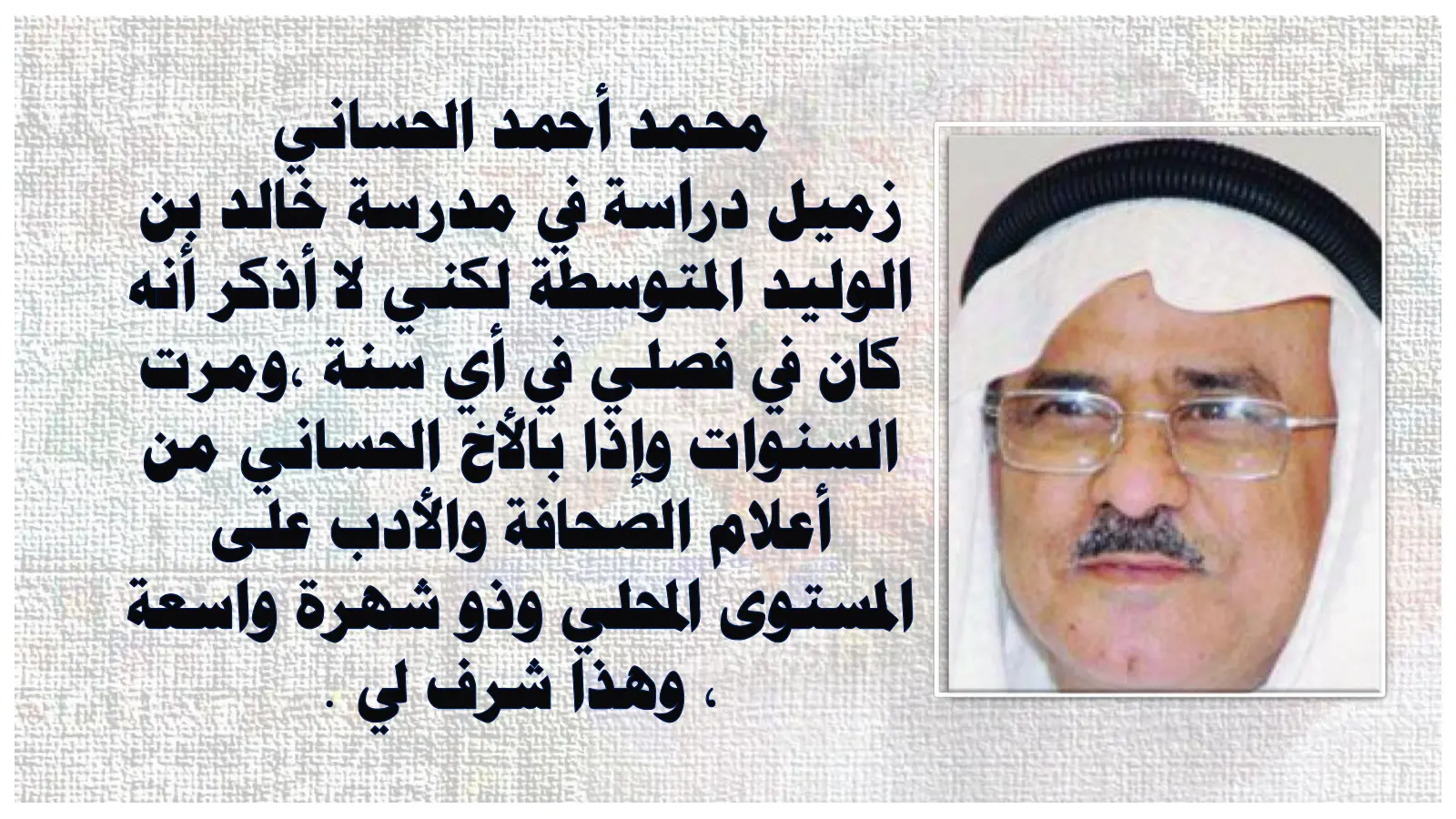
Muhammad Ahmad al-Hasani
A schoolmate at Khalid ibn al-Walid Intermediate School, though I don't recall him being in my class in any year. The years went by, and brother al-Hasani became one of the leading names in journalism and literature in the Kingdom, widely known, and that is an honour for me.
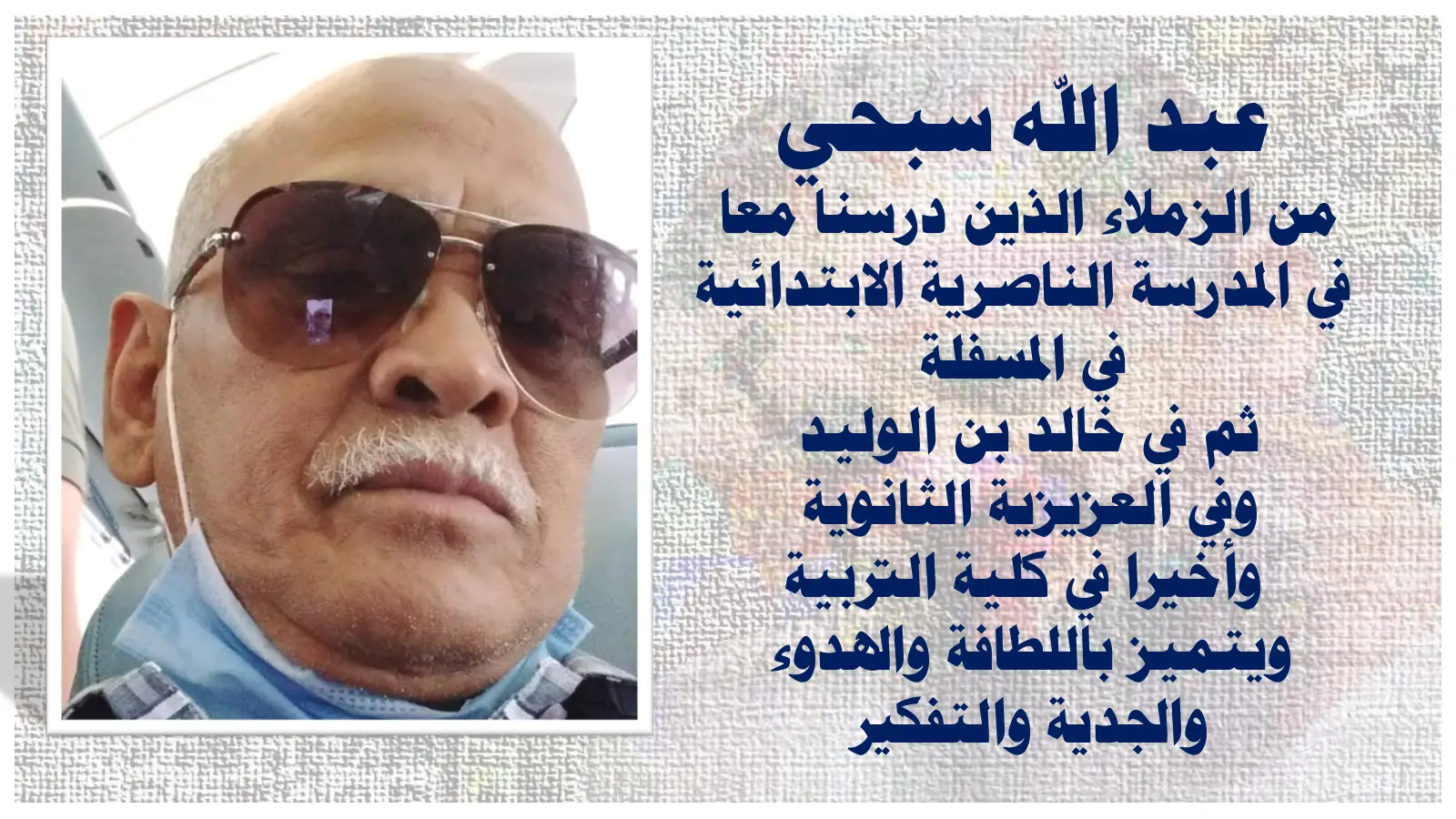
Abdullah Subhi
One of the classmates I studied with at al-Nasiriyya Primary School in al-Misfala, then at Khalid ibn al-Walid, at al-Aziziyya Secondary School, and finally at the College of Education. He is known for his kindness, calm, seriousness and thoughtfulness.
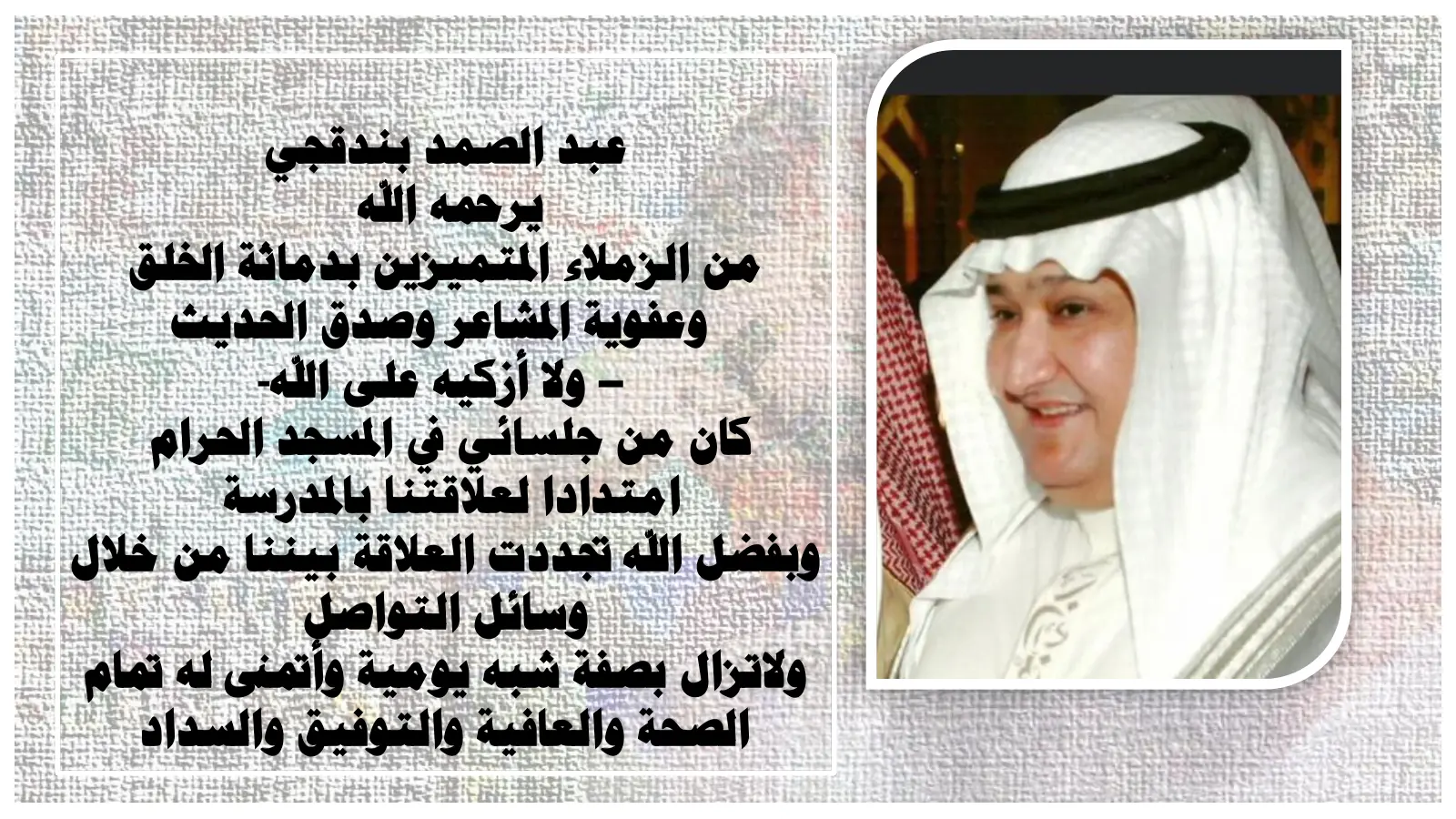
Abdulsamad Bundukji, may God have mercy on him
One of the classmates distinguished by gracious manners, natural warmth and truthful speech, and I do not vouch for anyone before God. He was one of my companions in the Holy Mosque in Makkah, carrying on our friendship from school.
By God's grace our friendship was renewed through social media, and it continues almost daily. I wish him complete health and wellbeing, success and right guidance.
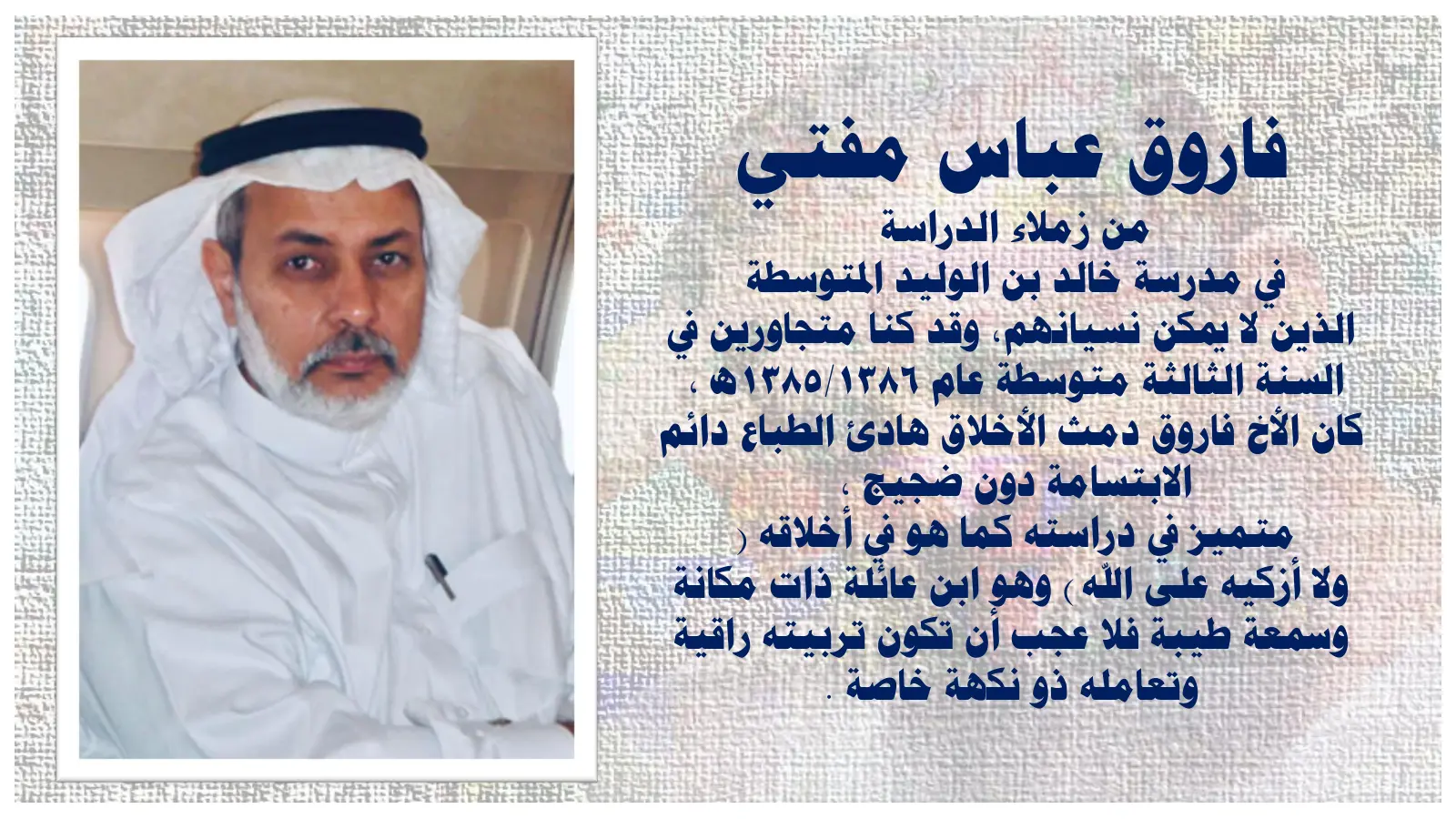
Farouk Abbas Mufti
One of my unforgettable classmates at Khalid ibn al-Walid Intermediate School; we sat side by side in the third year of intermediate school, in 1385/1386 AH.
Brother Farouk was gracious in manner, calm by nature, always smiling without fuss, and as outstanding in his studies as in his character (and I do not vouch for anyone before God). He is the son of a family of standing and good name, so it is no wonder that his upbringing was refined and his way with people had a special flavour.
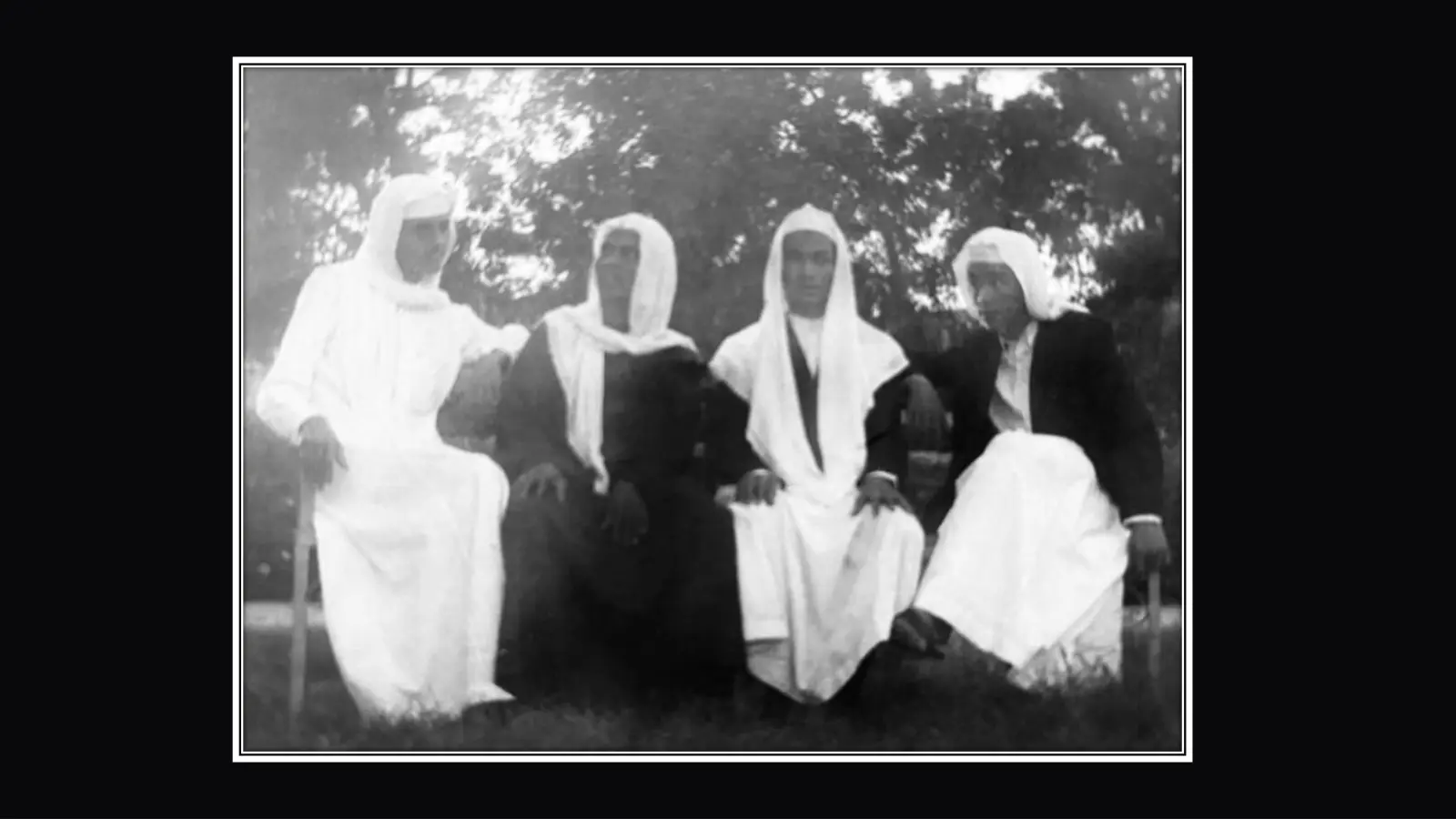
Reading: a spring that never runs dry, for lasting and ever-renewing knowledge
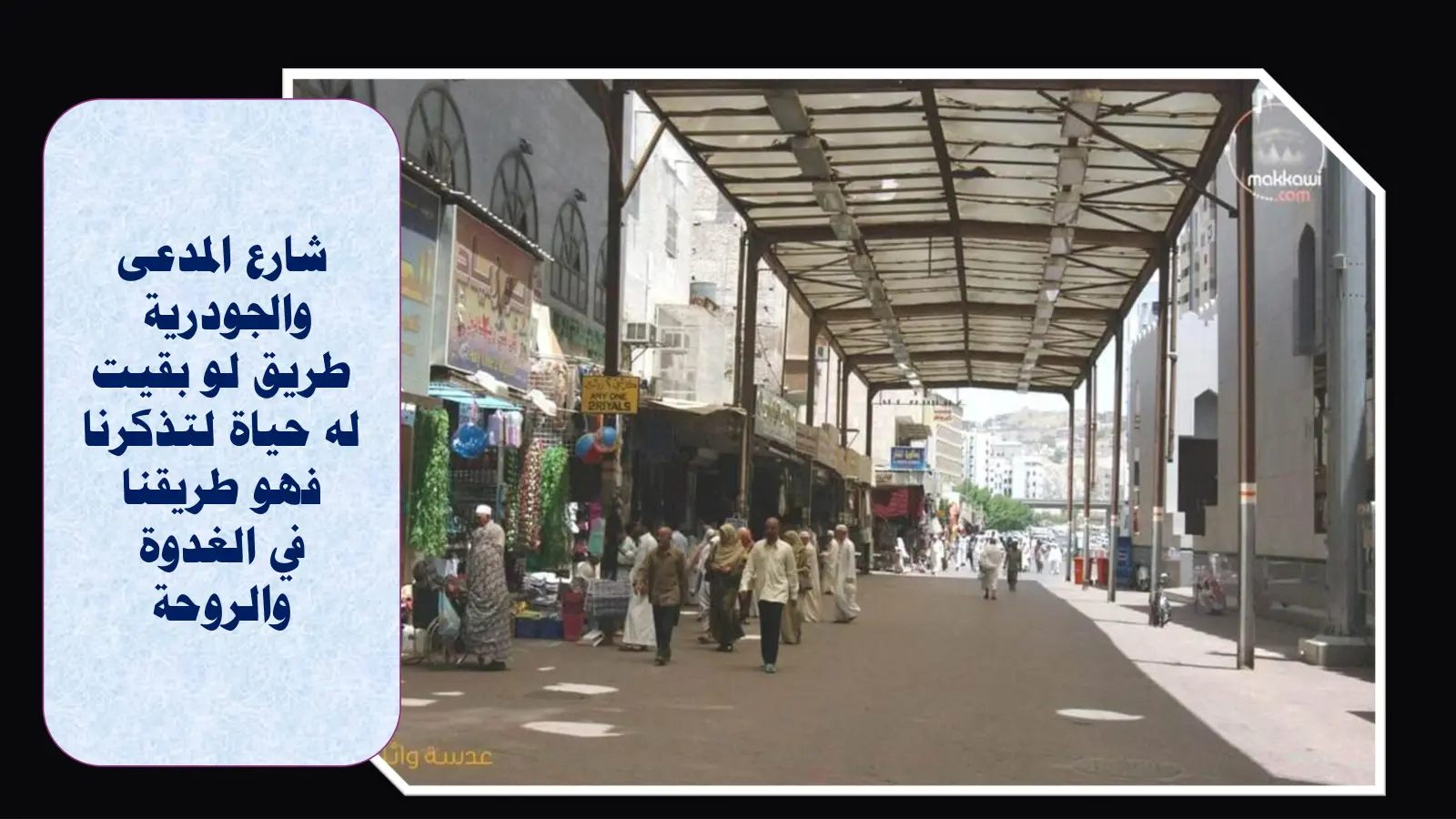
Al-Mudda'a and al-Jawdariyya Street: a road that, had it any life left in it, would remember us, for it was our way morning and evening.
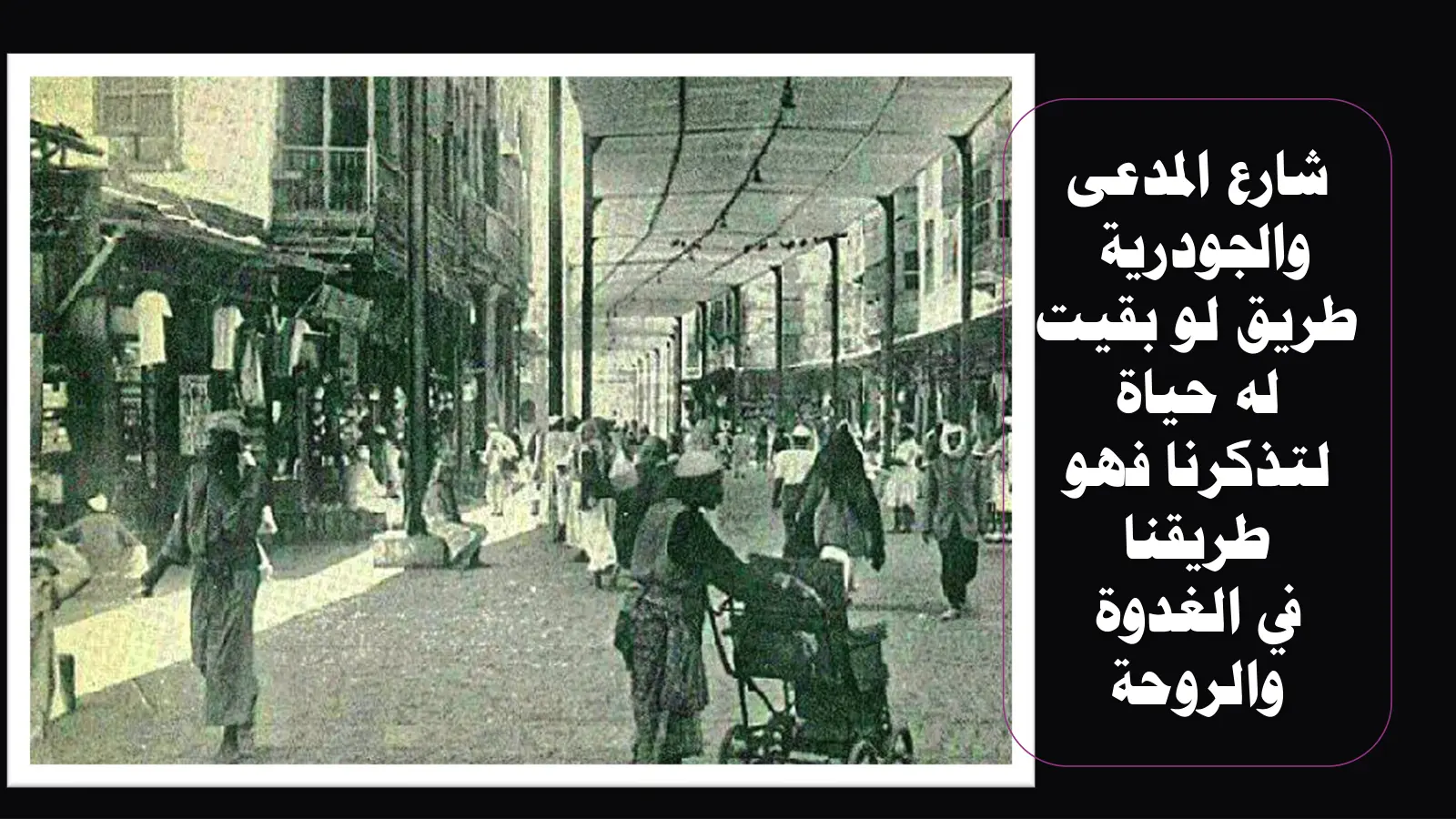
Al-Mudda'a and al-Jawdariyya Street: a road that, had it any life left in it, would remember us, for it was our way morning and evening.
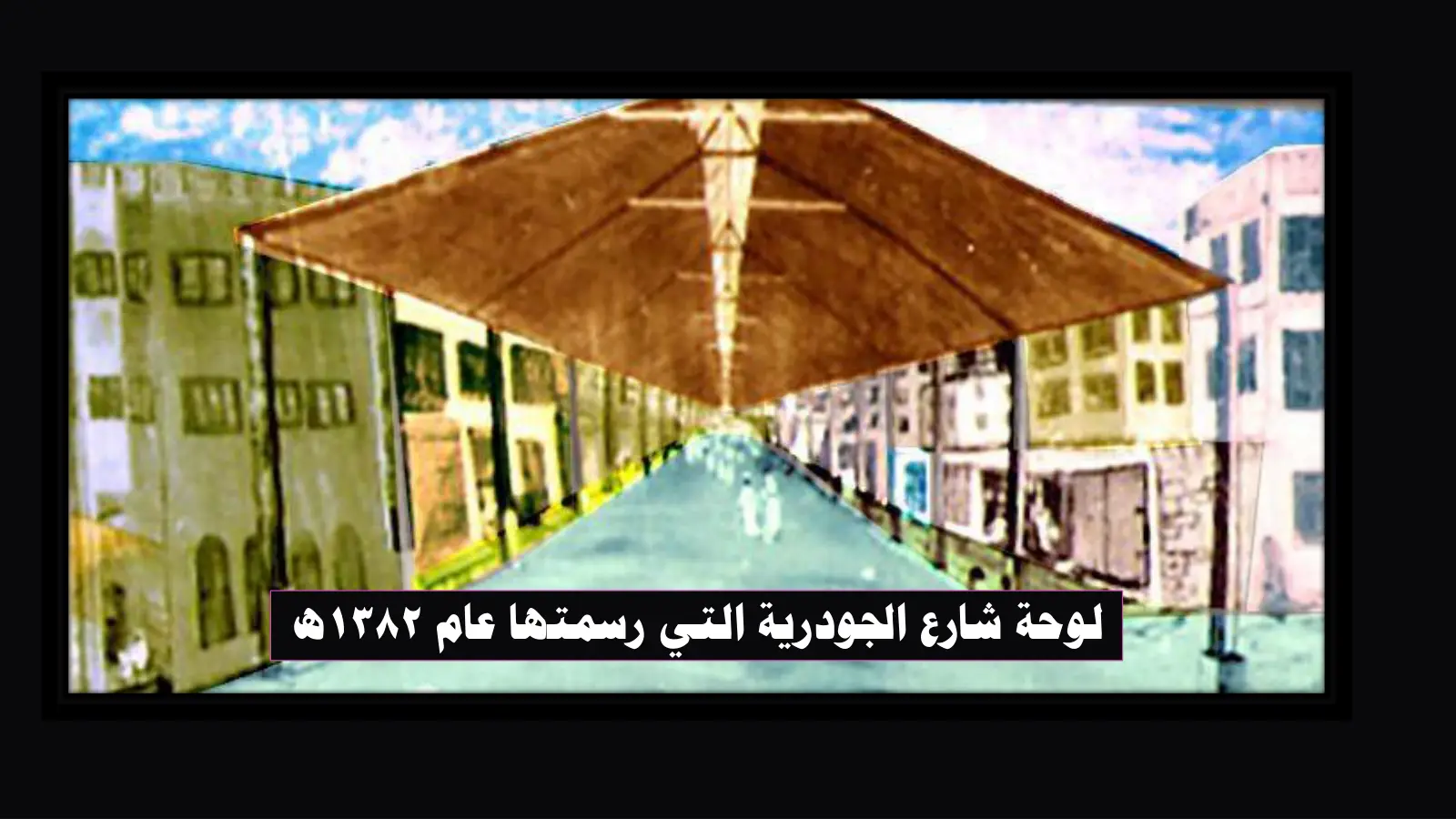
My painting of Jawdariyya Street, which I painted in 1382 AH
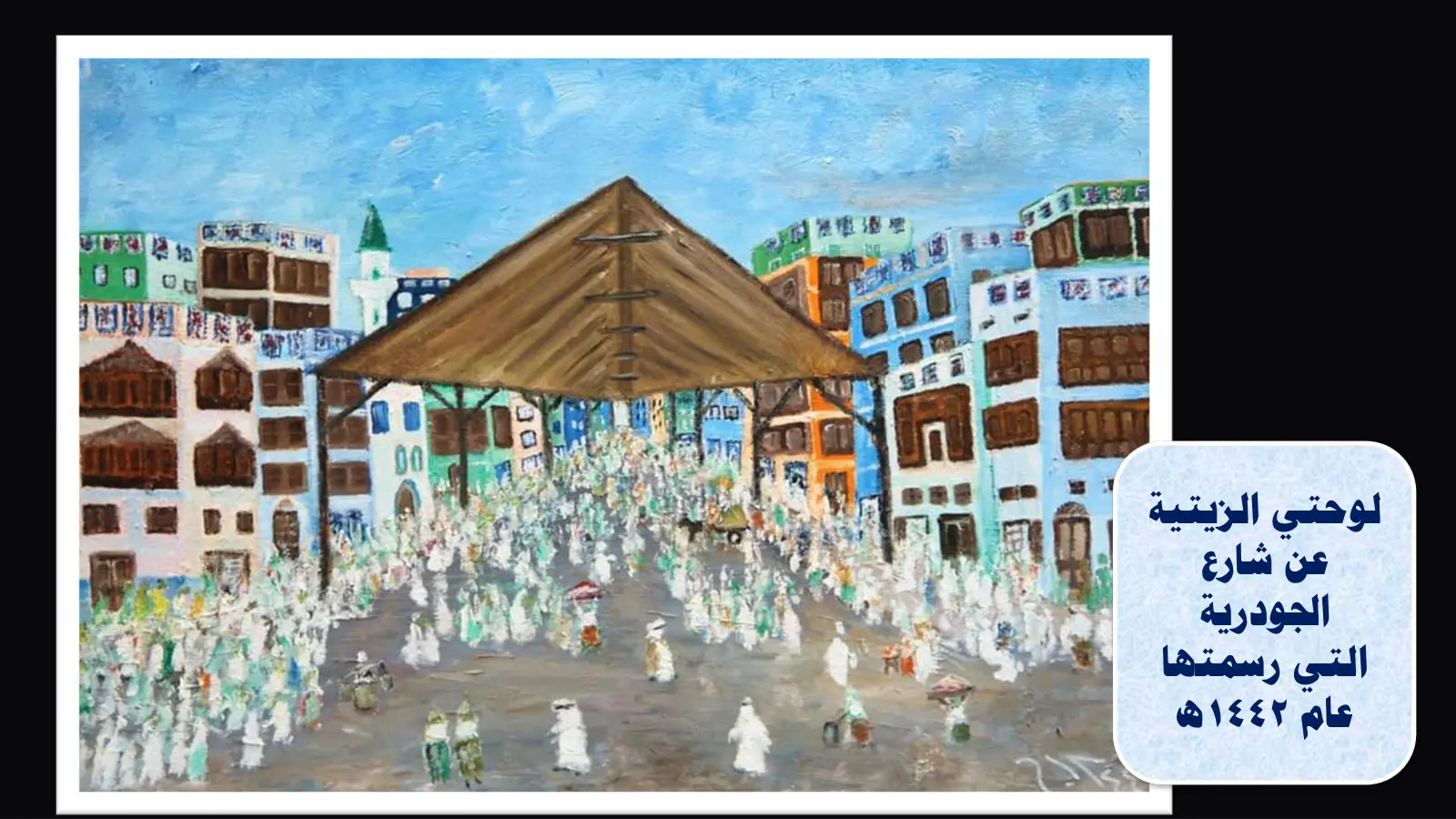
My oil painting of Jawdariyya Street, which I painted in 1442 AH
Praise be to God
Prepared and designed by Siraj Hussain Fathi. Download the full file as PDF