
The Battle of the Confederates: the Battle of the Trench
A presentation by Siraj Hussain Fathi on the Battle of the Confederates (the Trench): the verses of Surat al-Ahzab, the causes of the battle, the confederate tribes, the design of the trench and its route traced on today’s maps of Madinah, scenes from its days, the Prophet’s command post, and the miracles, lessons and results.
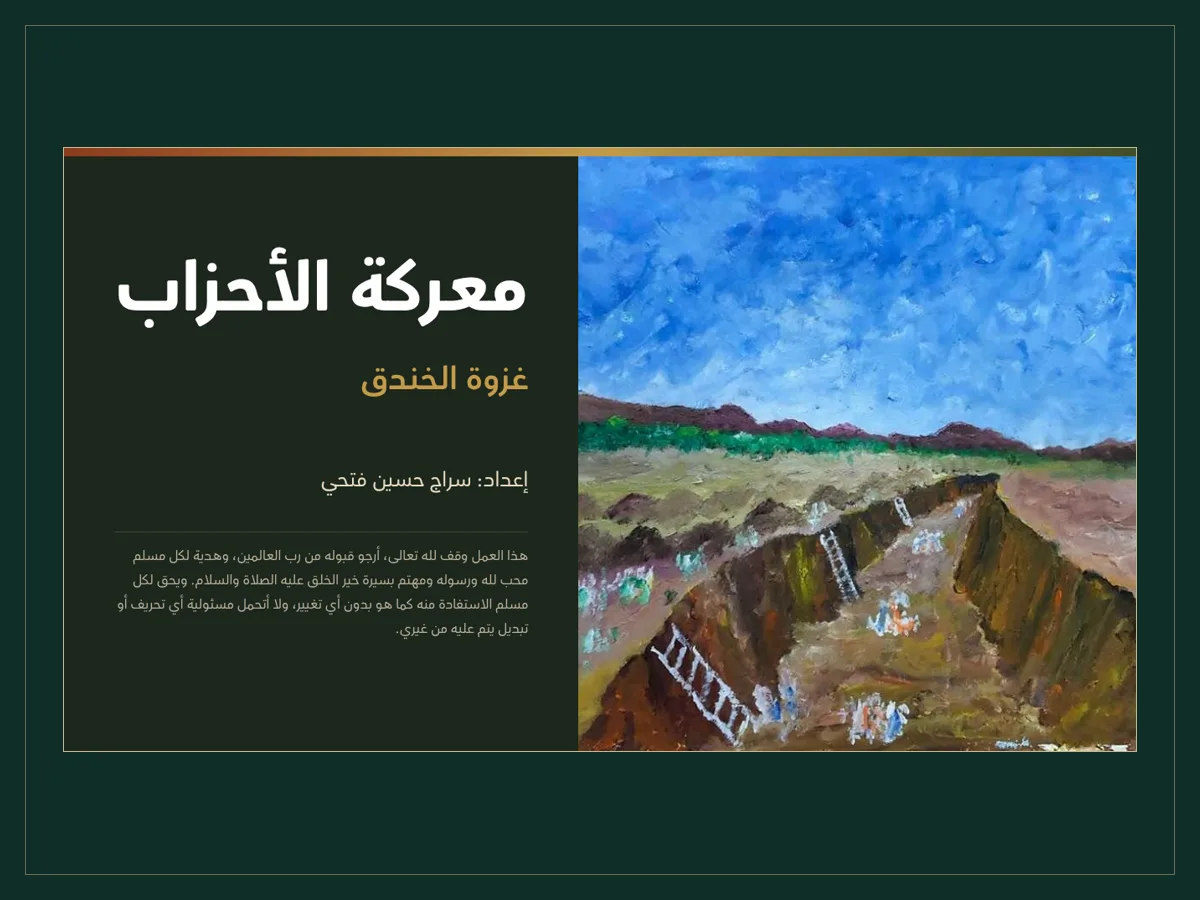
This work is an endowment (waqf) for the sake of Allah the Exalted; I ask the Lord of the Worlds to accept it. It is a gift to every Muslim who loves Allah and His Messenger and cares about the biography of the best of creation, upon him be peace and blessings. Every Muslim is free to benefit from it as it is, without any alteration, and I bear no responsibility for any distortion or change made to it by anyone else.
Verses from Surat al-Ahzab
And when the believers saw the companies, they said, "This is what Allah and His Messenger had promised us,
and Allah and His Messenger spoke the truth." And it increased them only in faith and acceptance.
[Al-Ahzab 33:22]
Among the believers are men true to what they promised Allah.
Among them is he who has fulfilled his vow, and among them is he who awaits. And they did not alter [the terms of their commitment] by any alteration.
[Al-Ahzab 33:23]
That Allah may reward the truthful for their truth and punish the hypocrites if He wills or accept their repentance.
Indeed, Allah is ever Forgiving and Merciful.
[Al-Ahzab 33:24]
And Allah repelled those who disbelieved, in their rage, not having obtained any good. And sufficient was Allah for the believers in battle,
and ever is Allah Powerful and Exalted in Might.
[Al-Ahzab 33:25]
Background, Causes and Dimensions of the Battle
Background and Causes of the Battle of al-Ahzab
- The hostility between the polytheists and the Muslims
- The attempt of Banu al-Nadir to take revenge on the Muslims
- The scheming of the hypocrites against Islam and its people
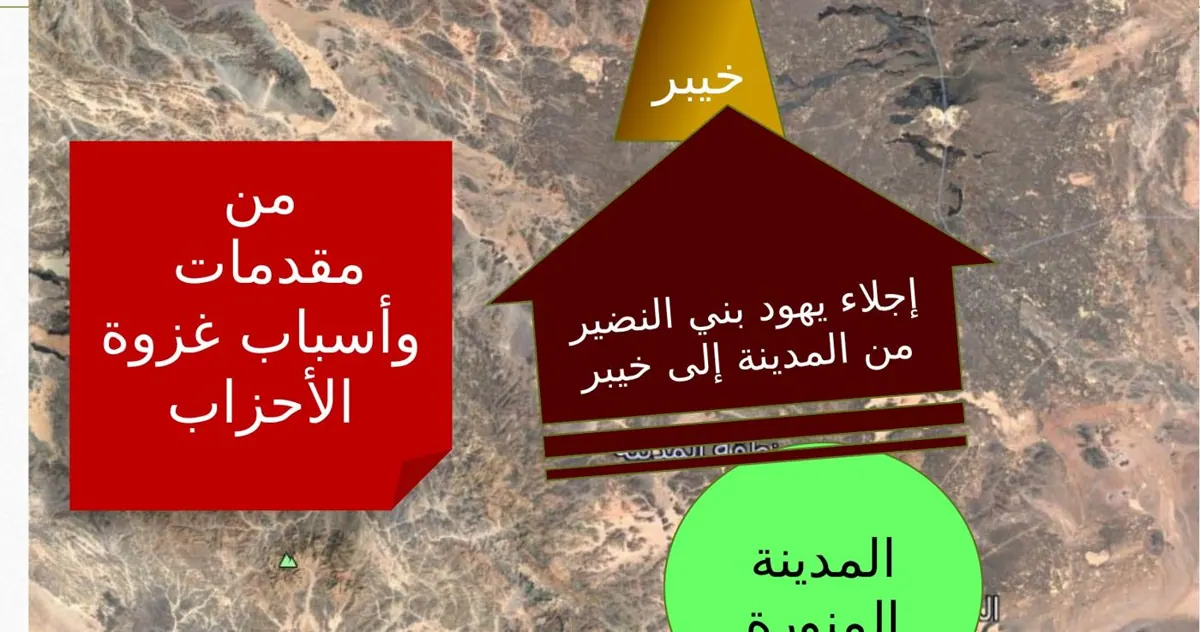
The Expulsion of the Jews of Banu al-Nadir from Madinah to Khaybar
Among the background events and causes of the Battle of al-Ahzab
Significance of the Battle of the Trench
- Extinguishing the fires of the hypocrites' hatred
- Ending Jewish tyranny and plotting
- Breaking the might of the disbelievers of Quraysh
- Among its outcomes: the Conquest of Makkah
Dimensions of the Battle of al-Ahzab
- Consultation (Shura): Accepting the idea of digging the trench (Salman al-Farisi's proposal)
- Military planning: Designing the trench and assigning tasks
- The dimension of faith: Divine support by subjugating the winds
- Prophetic miracles: Multiplication of the food
- Educational lessons: Obedience and trust
- Foreseeing the future: Future conquests
Strategic Planning
- The idea of digging the trench
- Assigning tasks
- Choosing the positions
- The principle of sowing discord among the enemy (takhdhil)
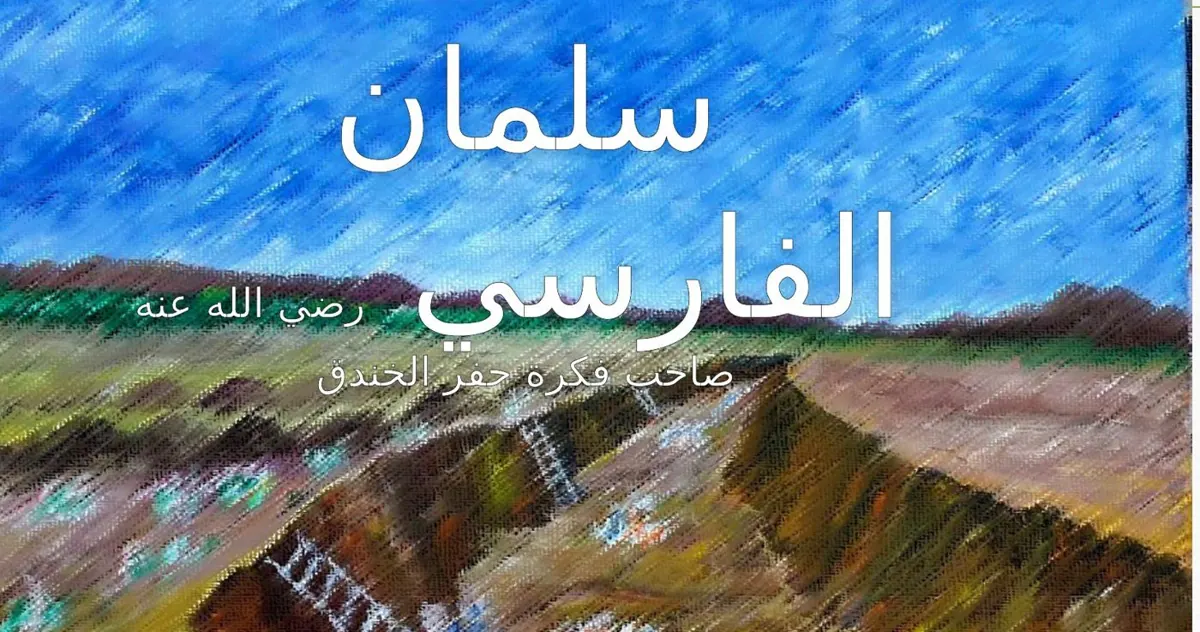
Salman al-Farisi (may Allah be pleased with him)
The one who proposed digging the trench
Time, Place and the Confederates
Location of the Battle
Northwest — of Madinah
Timeline of the Battle
- The month of Shawwal / March (Pisces)
- The fifth year after the Hijrah
- The battle lasted about a month
Leaders Who Rallied the Confederates against the Muslims
- Huyayy ibn Akhtab
- Kinanah ibn Abi al-Huqayq
- Hawdhah ibn Qays al-Wa'ili
The Confederates Fighting the Muslims
- The polytheists
- The Jews
- The hypocrites
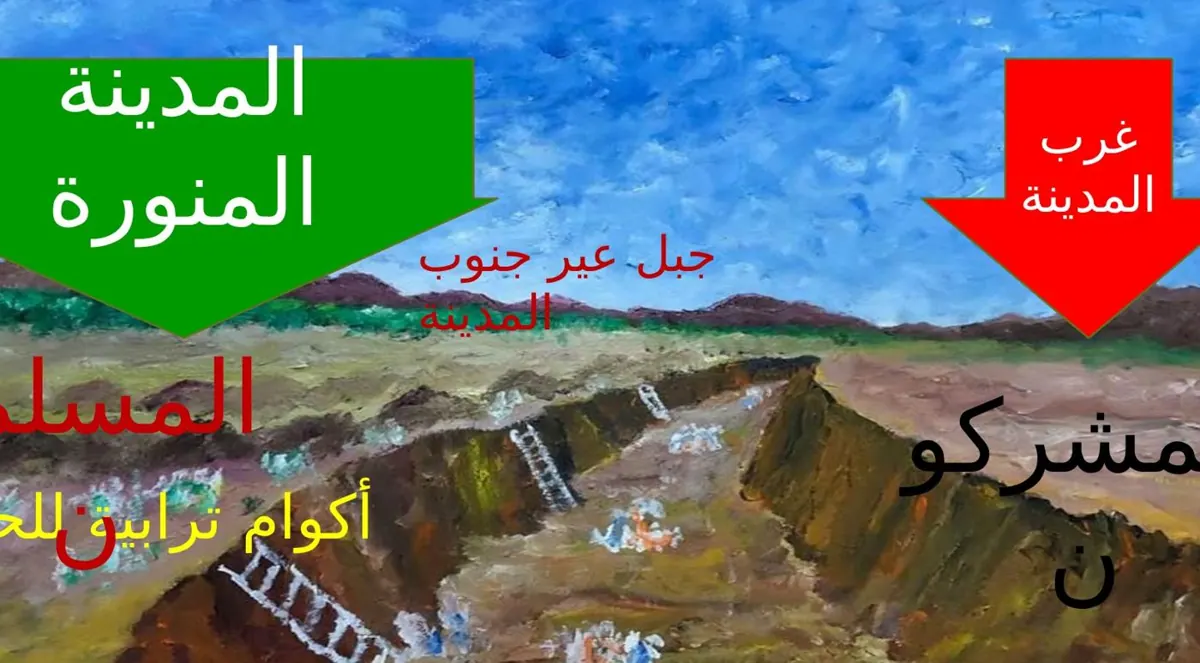
The Trench between the Muslims and the Polytheists
Mounds of earth for protection — Mount 'Ayr south of Madinah
Dimensions of the Prophet's Trench
- Length: 2,725 m
- Direction: east–west
- Location: north of Madinah
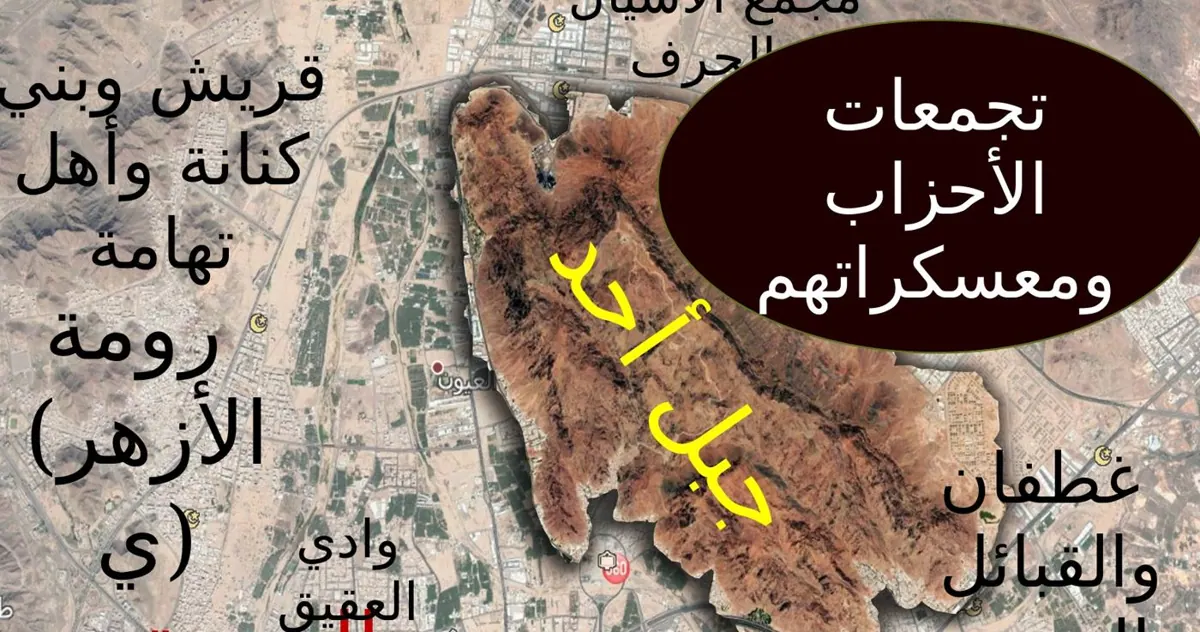
The Confederates' Gatherings and Camps
Quraysh, Banu Kinanah and the people of Tihamah at the confluence of the torrents, al-Jurf and Rumah; Ghatafan and the Najdi tribes near Mount Uhud
Balance of Power
3000 — The Muslim army
10000 — The Confederate armies
Measurements of the Trench
- Depth (height): 3–4 m
- Top width: 6–7 m
- Bottom width: 3–4 m
Distribution of the Digging among the Muslims
- The Muhajirun: from Ratij to Mount Dhubab
- The Ansar: from Mount Dhubab to Mount Banu 'Ubayd
- Every 10 men: 40 cubits
Mobilizing the Arab Tribes
- Quraysh, led by 'Uthman ibn Talhah (later embraced Islam)
- Banu Asad ibn Khuzaymah, led by Tulayhah ibn Khuwaylid al-Asadi (later embraced Islam)
- Banu Fazarah, led by 'Uyaynah ibn Hisn (later embraced Islam)
- Ashja', led by Mas'ud ibn Rukhaylah (later embraced Islam)
- Banu Murrah, led by al-Harith ibn 'Awf (later embraced Islam)
- Banu Sulaym, led by Sufyan ibn 'Abd Shams
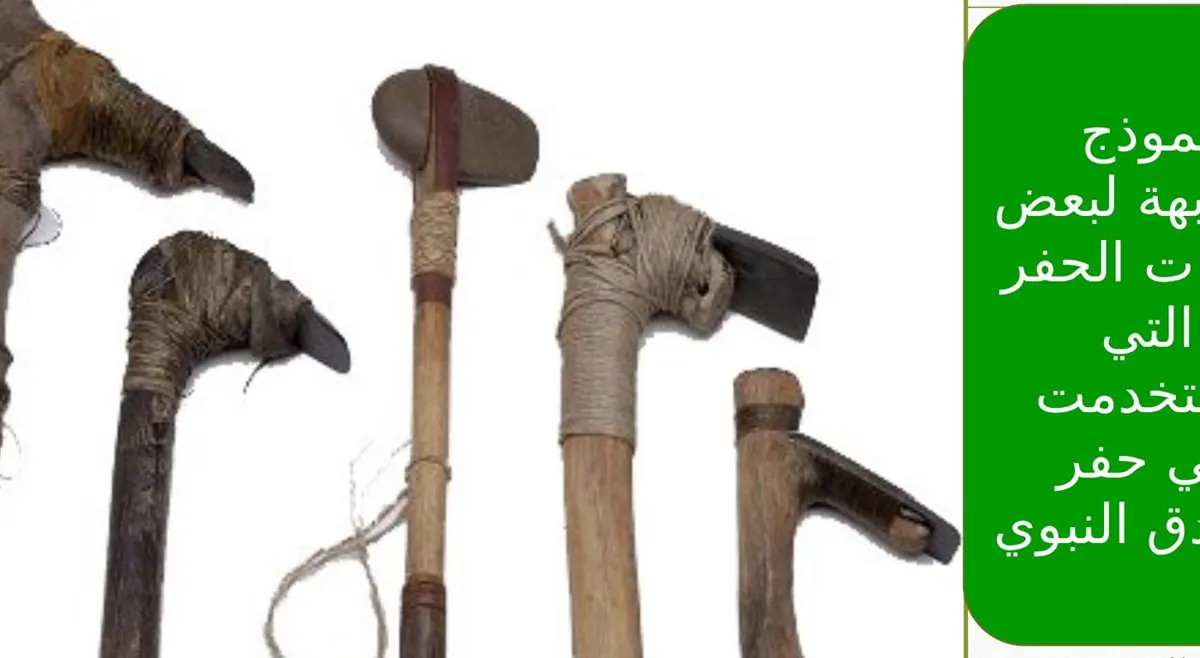
A Model Similar to Some of the Digging Tools
that were used in digging the Prophet's trench
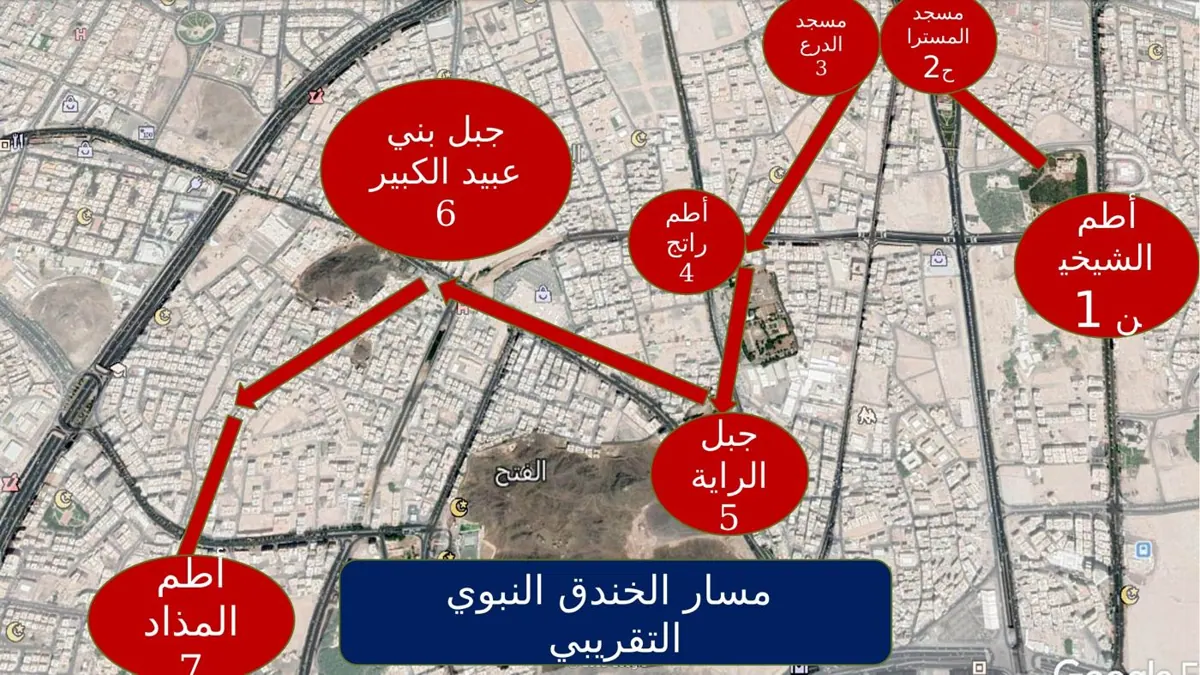
The Route of the Prophet's Trench and Its Landmarks
Key Landmarks along the Trench
- Start: Utum al-Shaykhayn (at the western edge of Harrat Waqim — the Eastern Harrah)
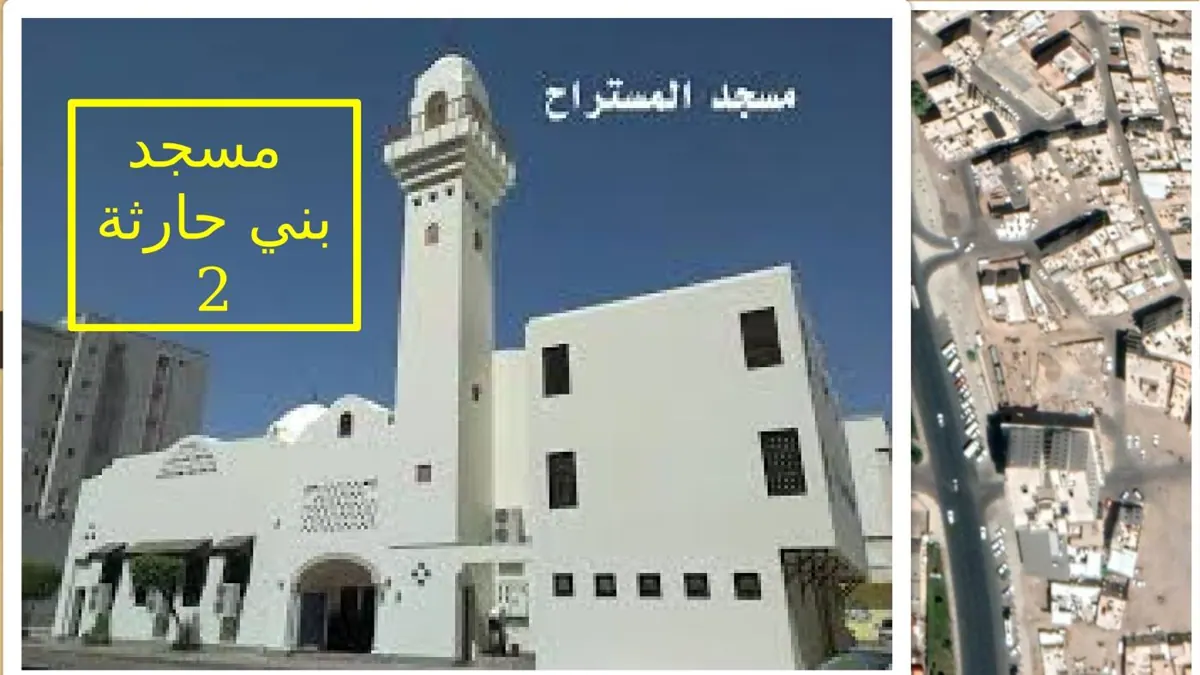
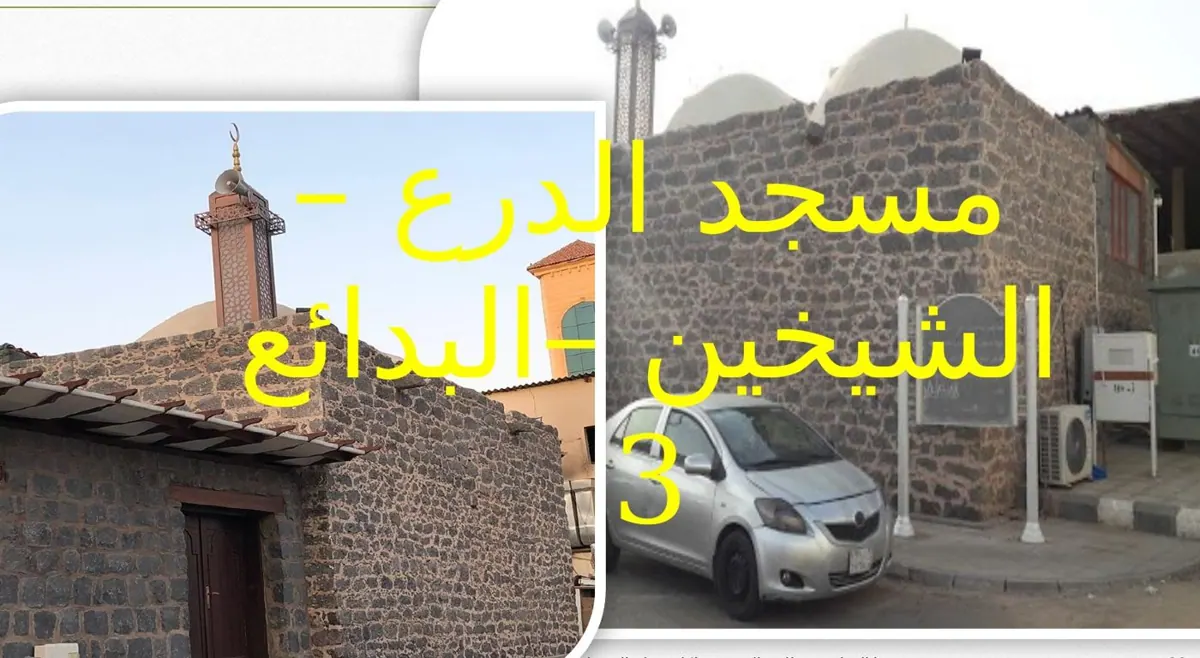
- The fortress (utum) of Banu Harithah (Masjid al-Mustarah) — Masjid al-Dir'
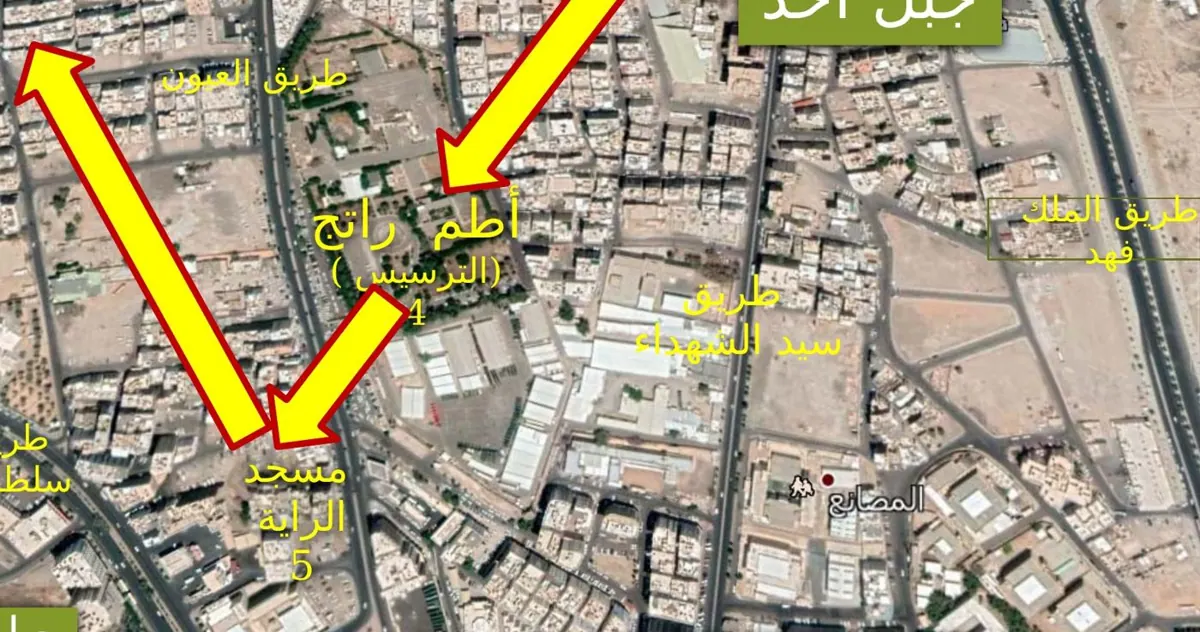
- The fortress, well and mosque of Jasum (al-Tarsis) at the start of al-'Uyun Road
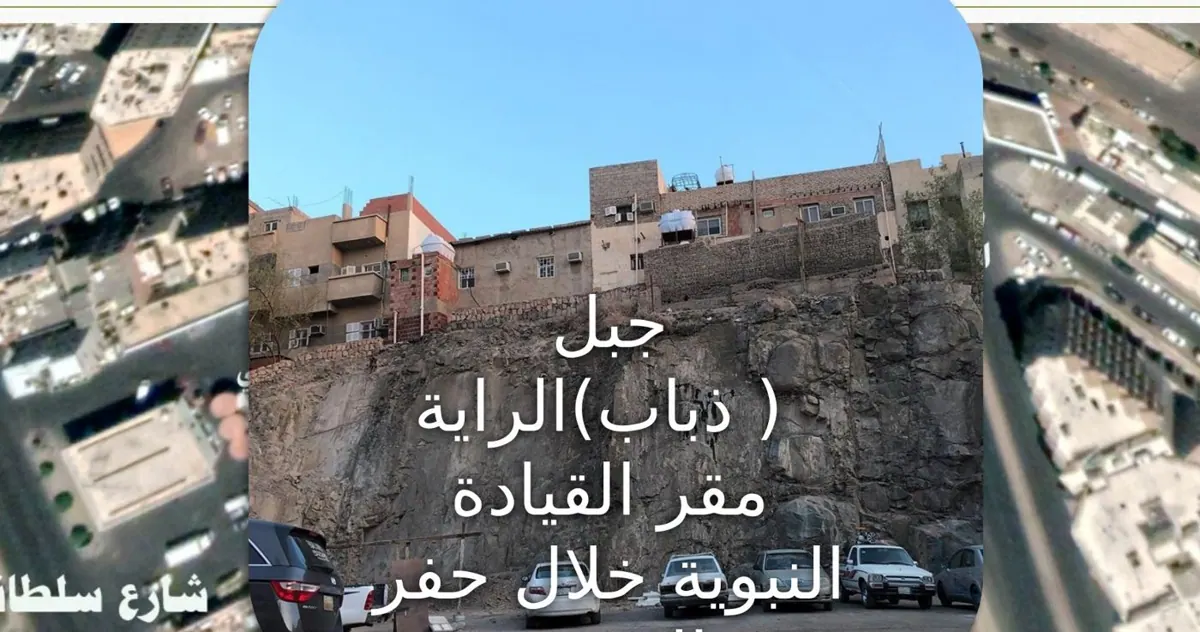
- Mount al-Rayah (Dhubab), between the start of al-'Uyun Road and Sultanah Road
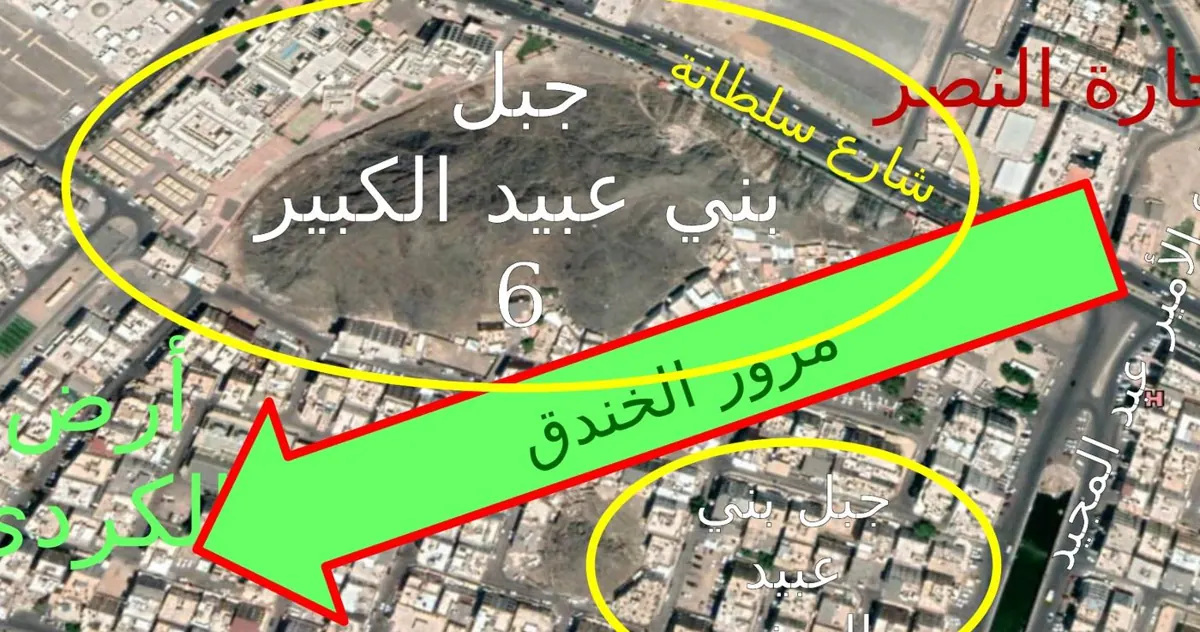
- Greater Mount Banu 'Ubayd – Lesser Mount Banu 'Ubayd, Sultanah Road north of Ard al-Kurdi
- End: Utum al-Midhad (at the eastern edge of Harrat al-Wabrah — the Western Harrah)
Utum: a fortress
Approximate Route of the Prophet's Trench
1 Utum al-Shaykhayn — 2 Masjid al-Mustarah — 3 Masjid al-Dir' — 4 Utum Ratij — 5 Mount al-Rayah — 6 Greater Mount Banu 'Ubayd — 7 Utum al-Midhad
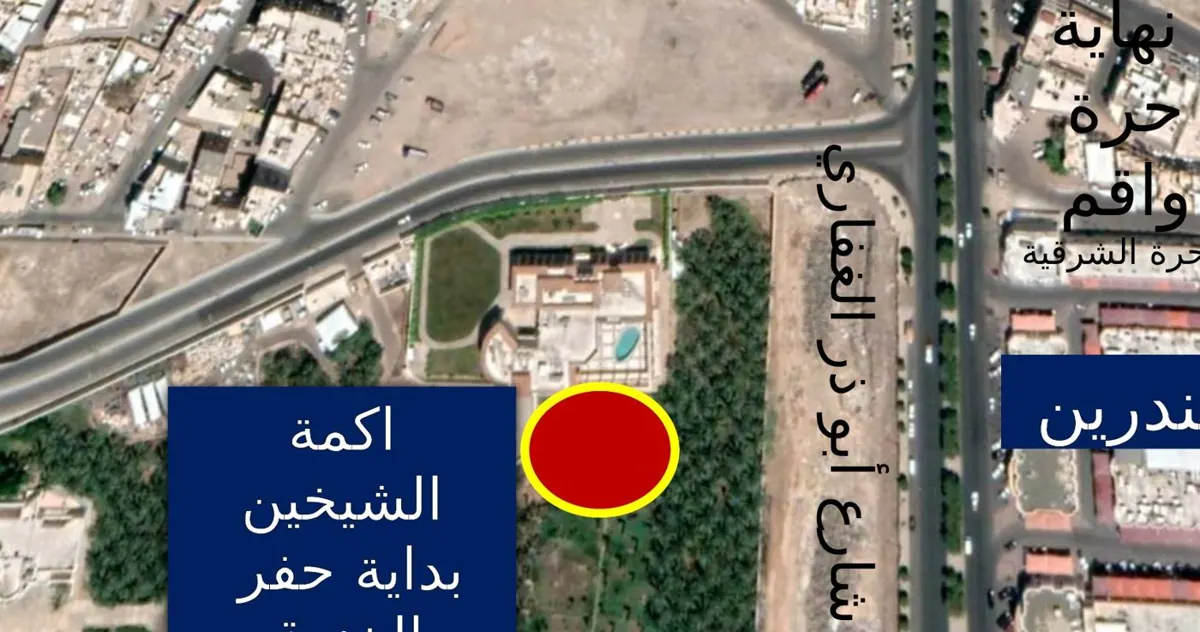
1 — Akamat al-Shaykhayn: Where the Digging Began
End of Harrat Waqim (the Eastern Harrah) — Abu Dharr al-Ghifari Street
2 — Mosque of Banu Harithah (al-Mustarah)
3 — Masjid al-Dir' (al-Shaykhayn – al-Bada'i')
4 — Utum Ratij (al-Tarsis) and 5 — Masjid al-Rayah
Between Mount Uhud, the Prophet's Mosque and Mount Sal', on al-'Uyun Road and Sultanah Road
Mount Dhubab (al-Rayah)
The Prophet's command post during the digging of the trench
Masjid al-Rayah
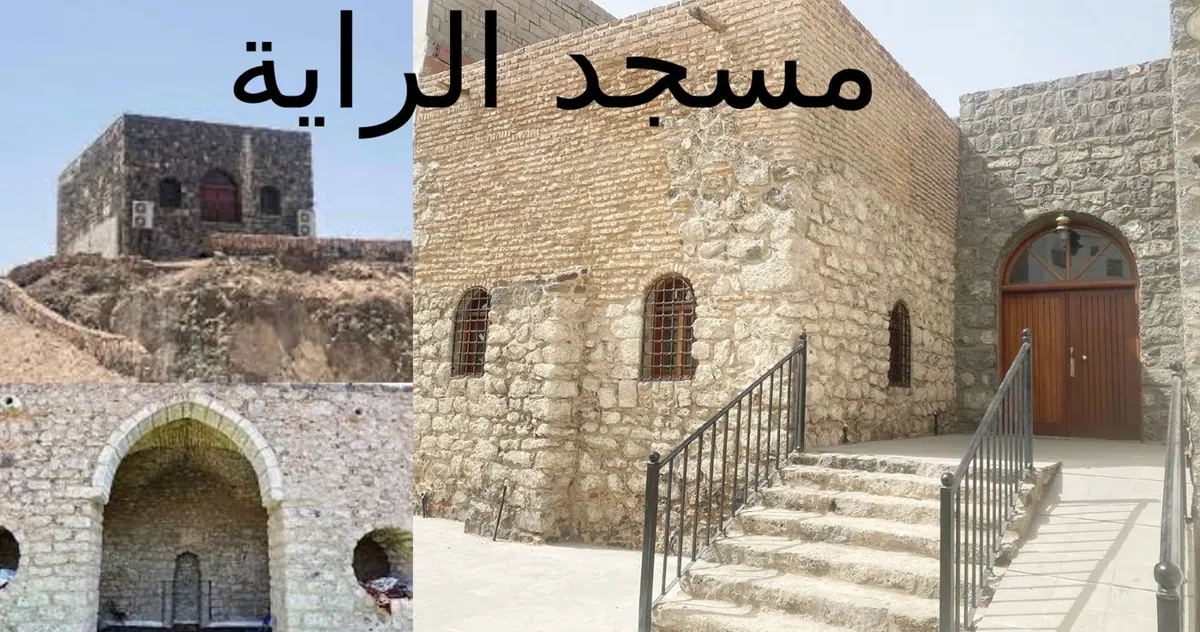
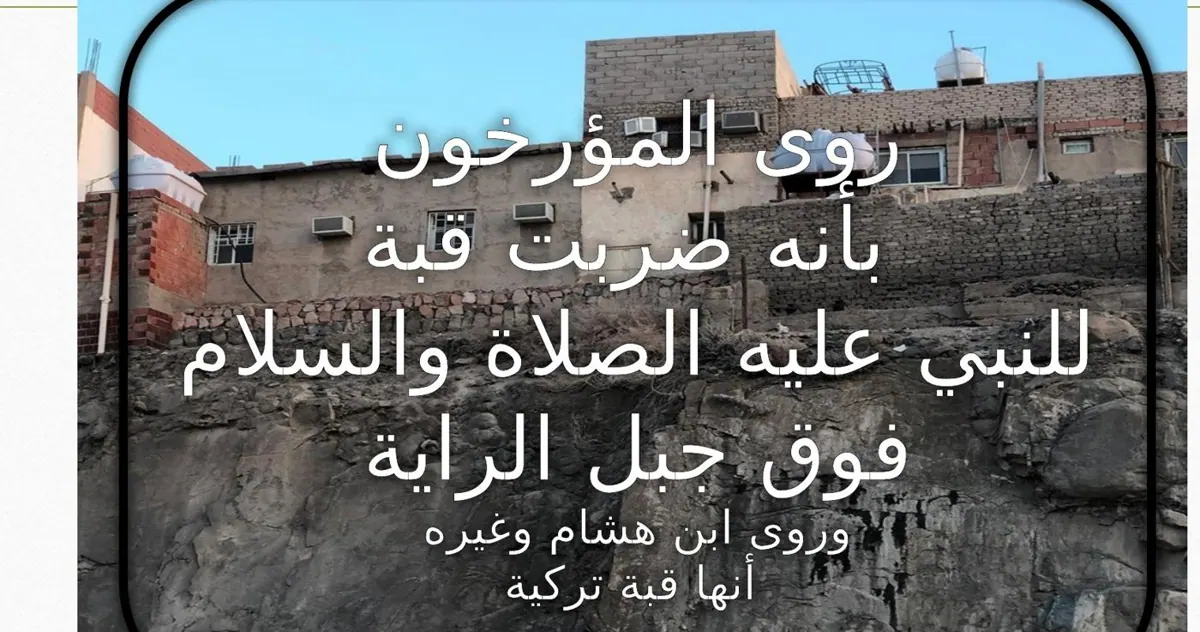
The Prophet's ﷺ Dome Tent atop Mount al-Rayah
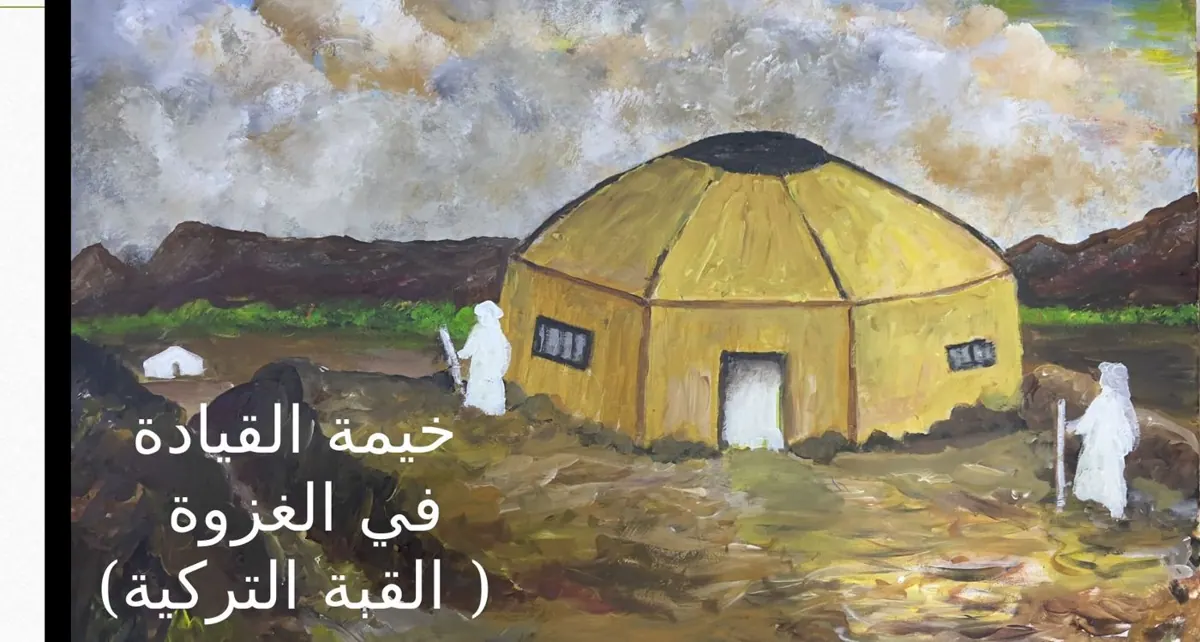
Historians relate that a dome tent was pitched for the Prophet, upon him be peace and blessings, atop Mount al-Rayah; Ibn Hisham and others report that it was a Turkish dome tent
6 — Greater Mount Banu 'Ubayd
The trench passed between Sultanah Street, Ard al-Kurdi and Harat al-Nasr
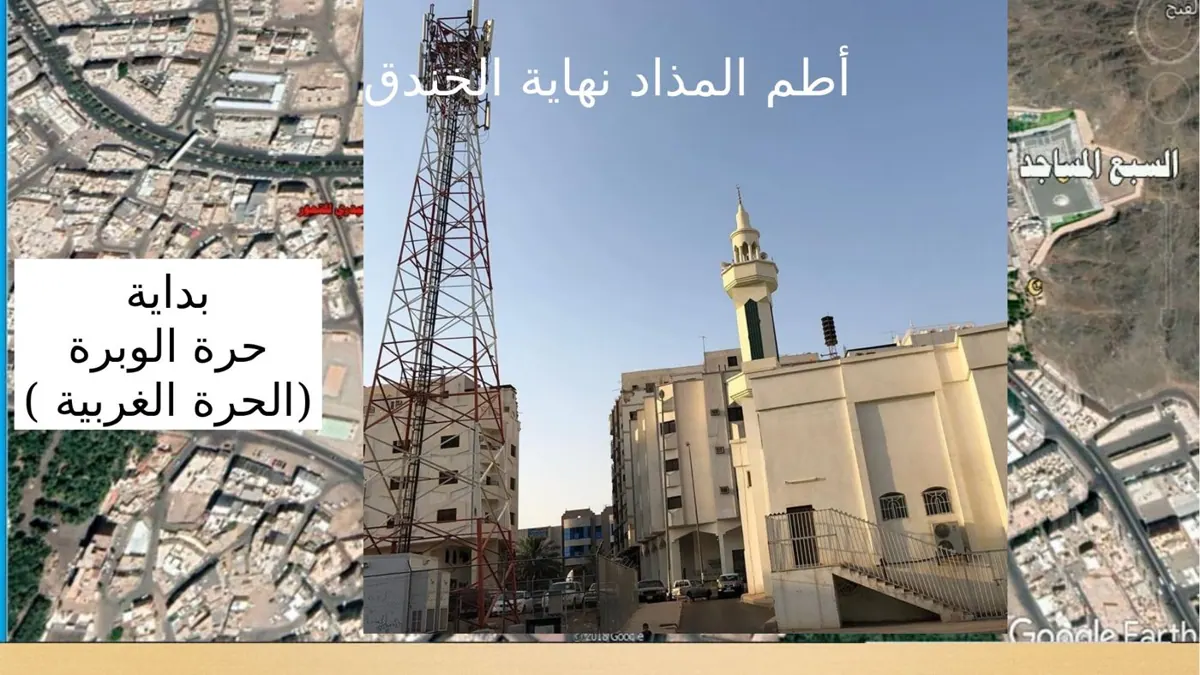
7 — Utum al-Midhad: The End of the Prophet's Trench
The Seven Mosques (al-Sab' al-Masajid), command center of the Battle of al-Ahzab — the start of Harrat al-Wabrah (the Western Harrah)
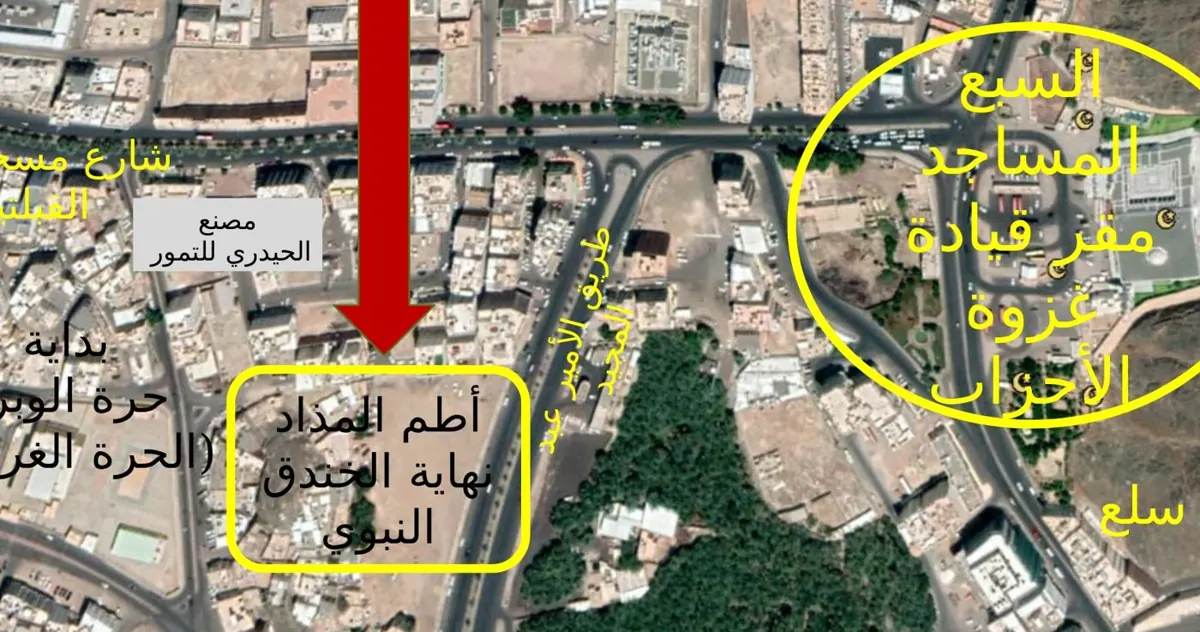
Utum al-Midhad, the End of the Trench
The start of Harrat al-Wabrah (the Western Harrah)
Scenes from the Days of the Trench
O Allah, the True Life Is the Life of the Hereafter
Anas reported: The Messenger of Allah ﷺ went out to the trench and found the Muhajirun and the Ansar digging on a cold morning, for they had no slaves to do the work for them. When he saw their fatigue and hunger, he said: "O Allah, the true life is the life of the Hereafter, so forgive the Ansar and the Muhajirah." They replied to him:
"We are those who have pledged allegiance to Muhammad, to carry on jihad as long as we live."
And the Prophet ﷺ was carrying earth on the day of the Trench until the dust covered his belly.
[Sahih al-Bukhari, no. 3795]
O Allah, Were It Not for You We Would Not Have Been Guided
Al-Bara' reported: On the day of al-Ahzab, the Messenger of Allah ﷺ was carrying earth with us, and the dust had covered the whiteness of his belly, and he was saying:
O Allah, were it not for You we would not have been guided,
nor would we have given charity, nor prayed.
So send down tranquility upon us,
for those people have transgressed against us;
whenever they sought to cause affliction, we refused.
And he raised his voice with it: "We refused! We refused!"
[Sahih al-Bukhari (3795) and Sahih Muslim (3365)]
Abu Sufyan's Letter
Abu Sufyan sent a written letter to the Messenger of Allah ﷺ which read: "In Your name, O Allah. I swear by al-Lat and al-'Uzza, by Isaf, Na'ilah and Hubal, I have marched against you with a great host, intending never to turn back from you until I have uprooted you. But I saw that you disliked meeting us and took refuge in a stratagem the Arabs never knew; they know only the shade of their spears and the edges of their swords. You did this only to flee from our swords and from facing us. You shall have from me a day like the Day of Uhud."
The Reply of the Messenger of Allah ﷺ
In reply to Abu Sufyan's written letter, the Messenger of Allah ﷺ sent him his answer, which read: "In the name of Allah, the Most Gracious, the Most Merciful. From Muhammad, the Messenger of Allah, to Sakhr ibn Harb. Your letter has reached me. Long has the Deceiver deceived you about Allah. As for your saying that you marched against us intending not to return until you had uprooted us, that is a matter Allah will prevent you from, and He will grant the final outcome to us. And a day will surely come upon you when I break al-Lat and al-'Uzza, Isaf, Na'ilah and Hubal, so that I may remind you of this, O fool of Banu Ghalib."
[al-Halabi, al-Sirah al-Halabiyyah 2/628]
Guarding the Breach
The Messenger ﷺ would keep going back and forth to a breach in the trench. 'A'ishah (may Allah be pleased with her) said: He used to go to that breach, and when the cold overcame him he would come and I would warm him in my embrace; once warm, he would go out to that breach again, saying: "I fear the Muslims will be attacked from nowhere but here." Then, while the Messenger of Allah ﷺ was in my embrace, he began to say: "Would that a righteous man would guard this breach tonight." Then the sound of weapons was heard, and the Messenger of Allah ﷺ said: "Who is this?" Sa'd ibn Abi Waqqas said: "It is Sa'd, O Messenger of Allah; I have come to guard you!" He said: "Take charge of this breach and guard it."
The Two Sides of the Battle
Allah's Support
- Sending the angels and subjugating the raging winds
- The Muslim army: the Muhajirun and the Ansar
The Confederates
- Quraysh
- Kinanah (al-Ahabish)
- Ghatafan (Banu Fazarah, Banu Murrah and Ashja')
- Banu Asad
- Banu Sulaym
- The Jews of Banu al-Nadir
- and the Jews of Banu Qurayzah
The Army of the Disbelievers
- Quraysh and the Arabs with them: 4,000 fighters, 300 horses, 1,500 camels
- Banu Sulaym: 700 fighters
- Fazarah: 1,000 fighters
- Banu Murrah: 400 fighters
- Ashja': 400 fighters
- Banu Asad and Ghatafan: 3,500 fighters
- Total: 10,000 fighters
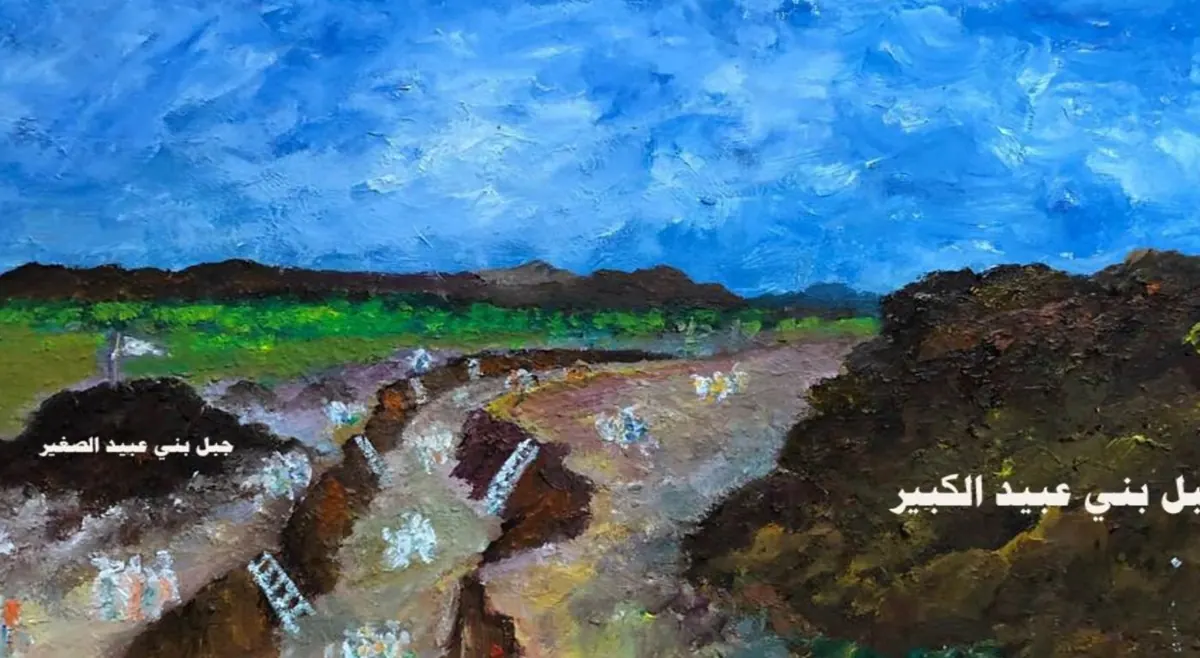
Greater Mount Banu 'Ubayd
A painting depicting the digging of the trench at Lesser and Greater Mount Banu 'Ubayd
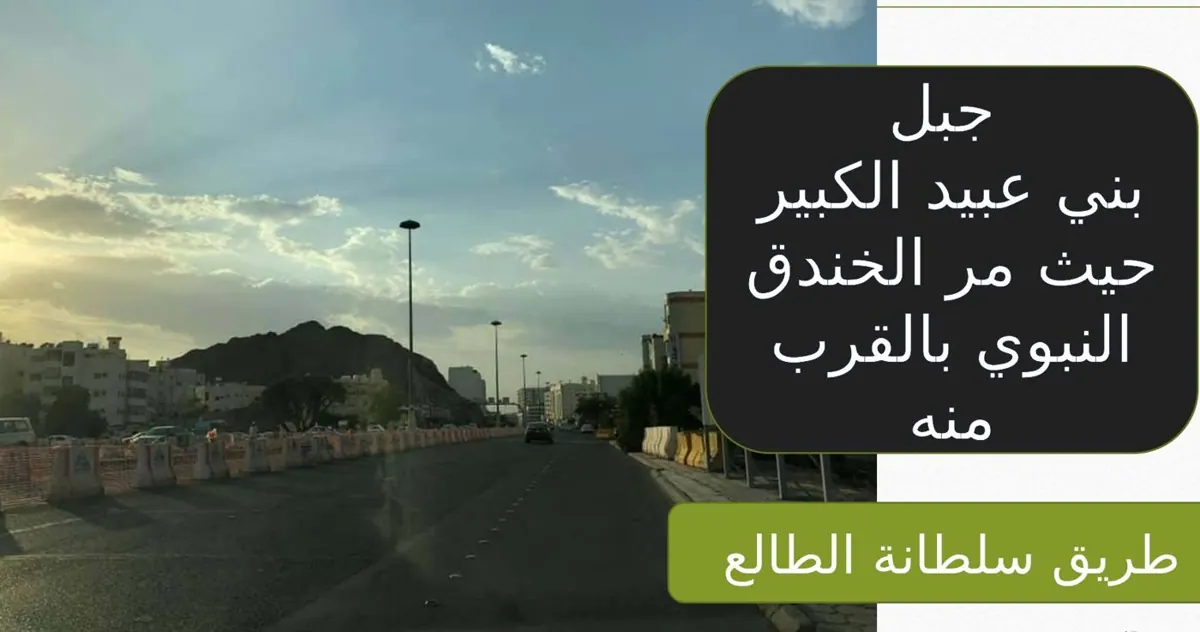
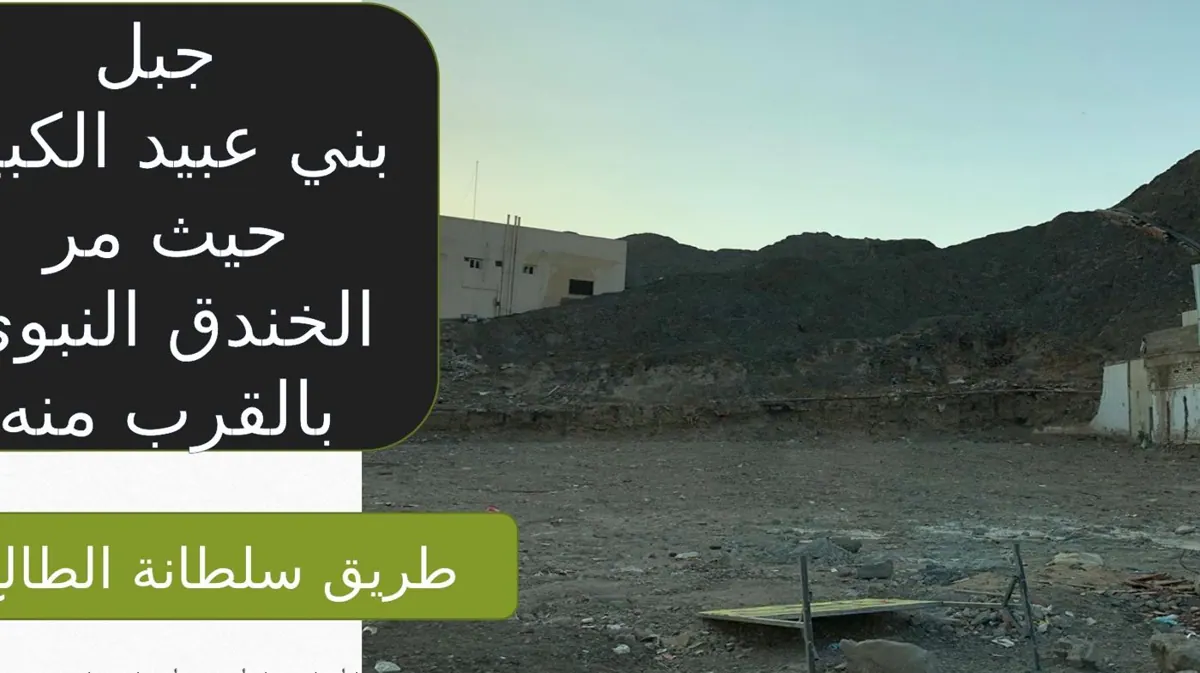
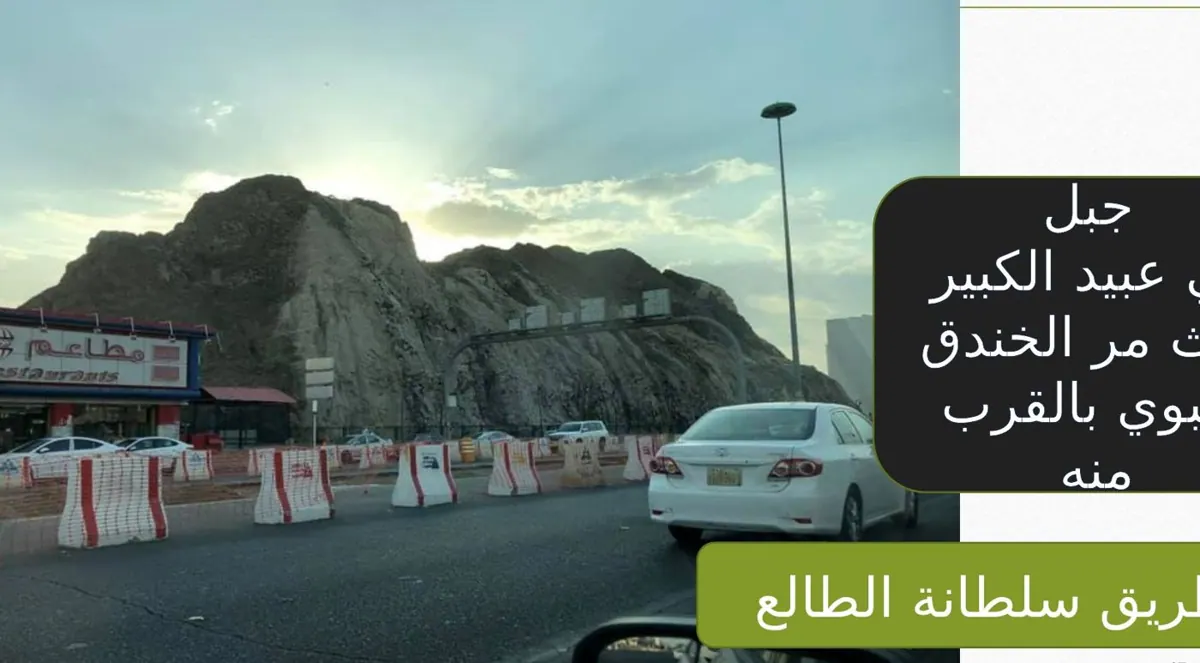
Greater Mount Banu 'Ubayd Today
Where the Prophet's trench passed close by — the ascending Sultanah Road
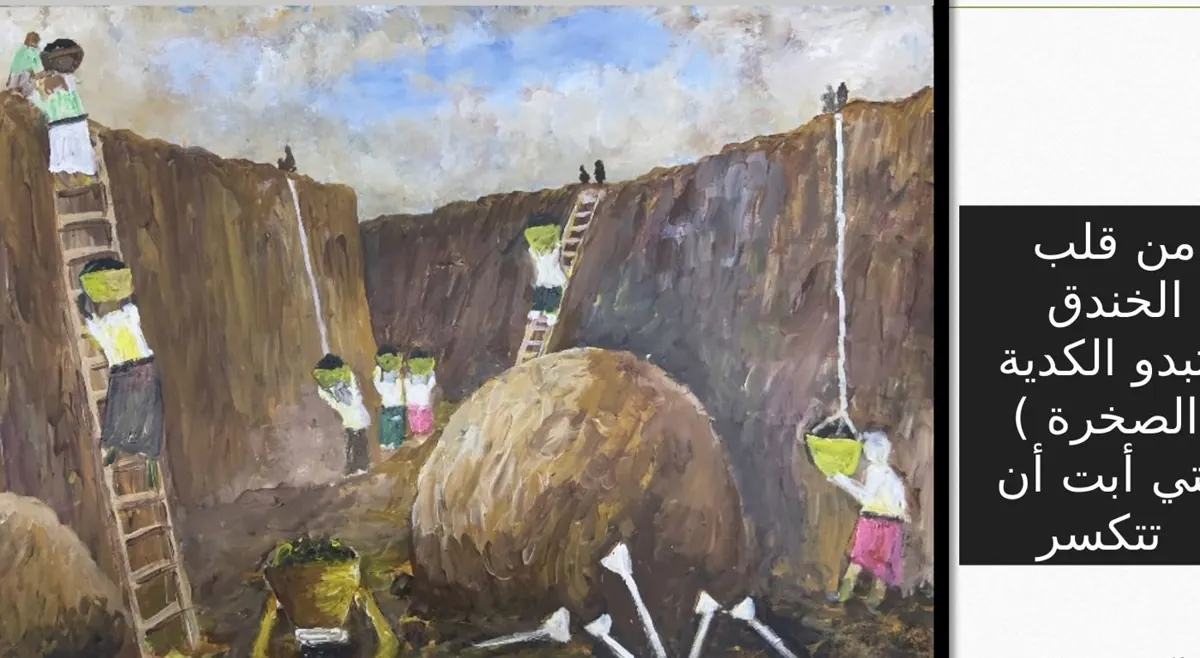
From the Heart of the Trench
Showing the kudyah (boulder) that refused to break
The Prophet's Command Center
The Command Tent during the Battle (the Turkish Dome Tent)
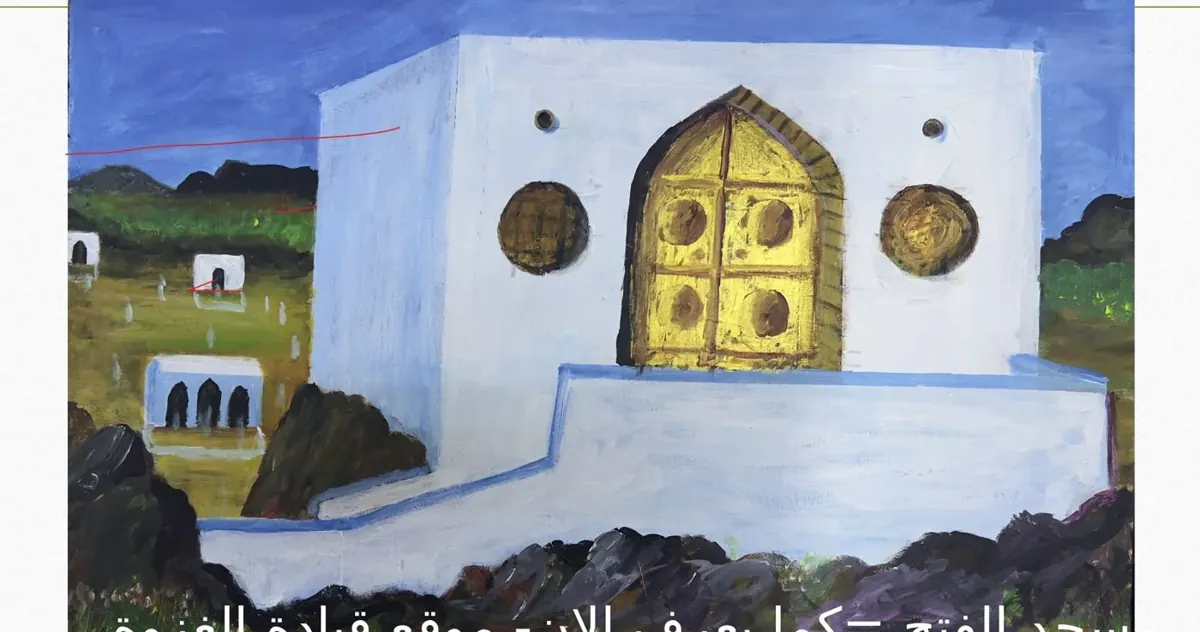
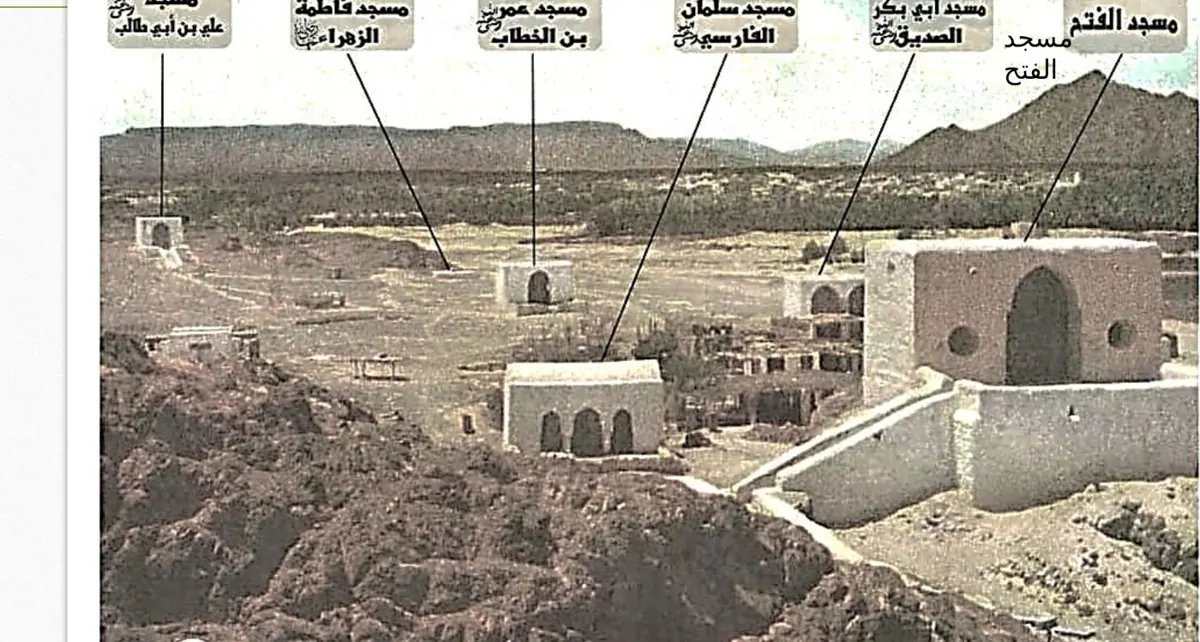
Masjid al-Fath — as It Is Known Today — Site of the Battle's Command
The Prophet's command center during the battle: Mount al-Fath, west of Mount Sal', western Madinah
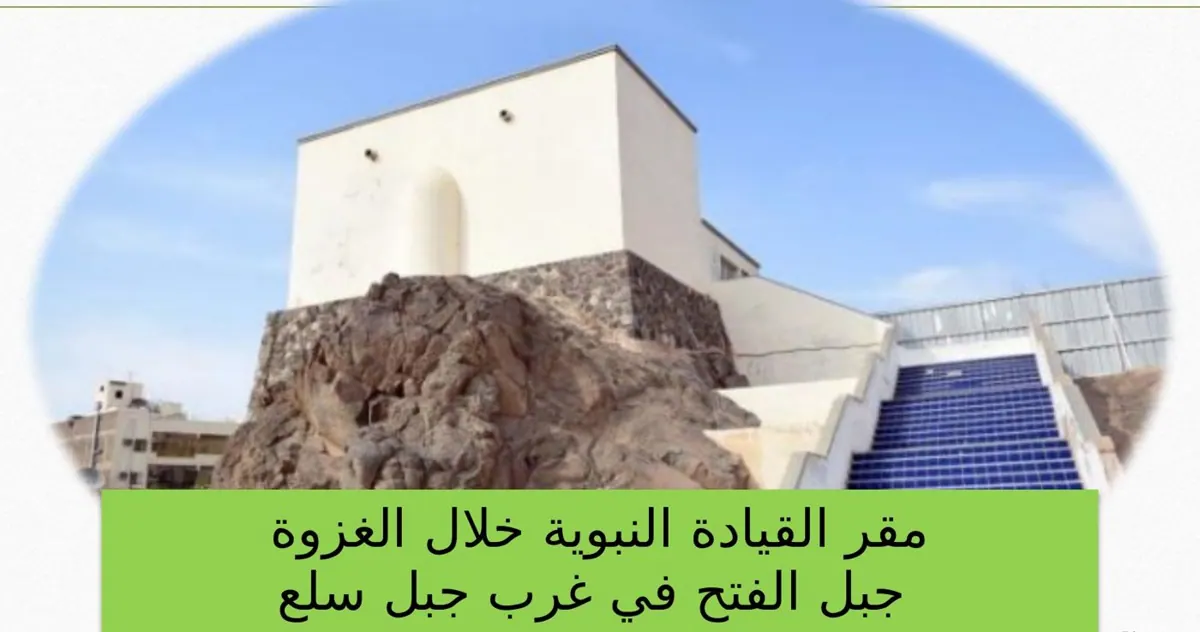
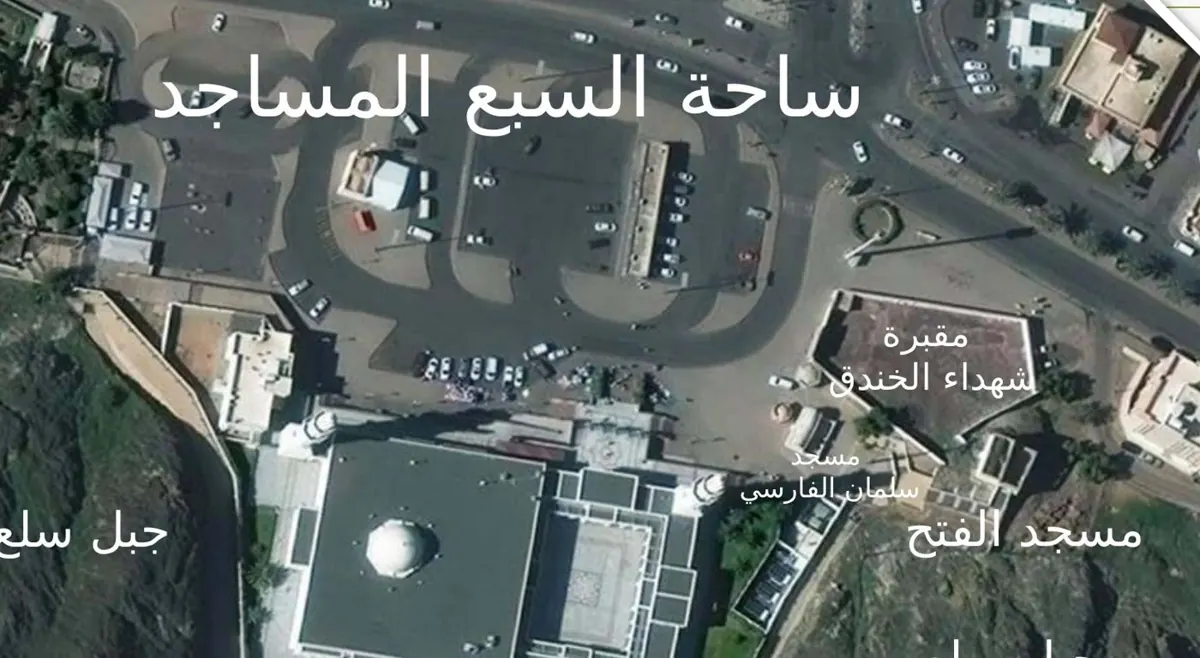
The Seven Mosques Square (al-Sab' al-Masajid)
Masjid al-Fath, the cemetery of the martyrs of the Trench, the Mosque of Salman al-Farisi, and Mount Sal'
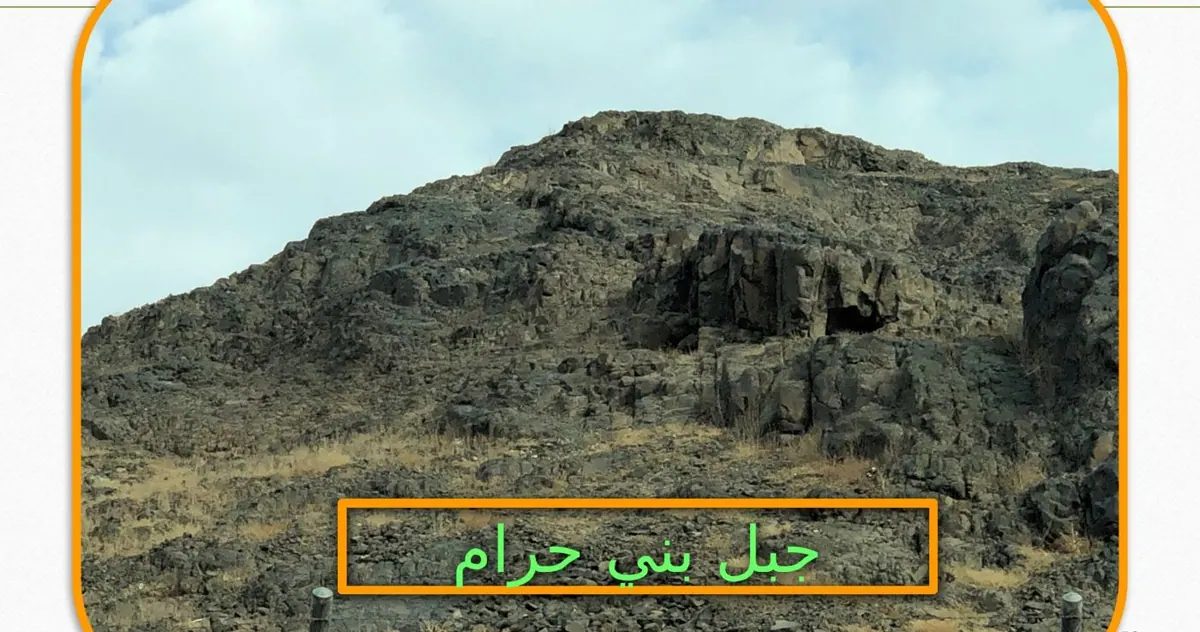
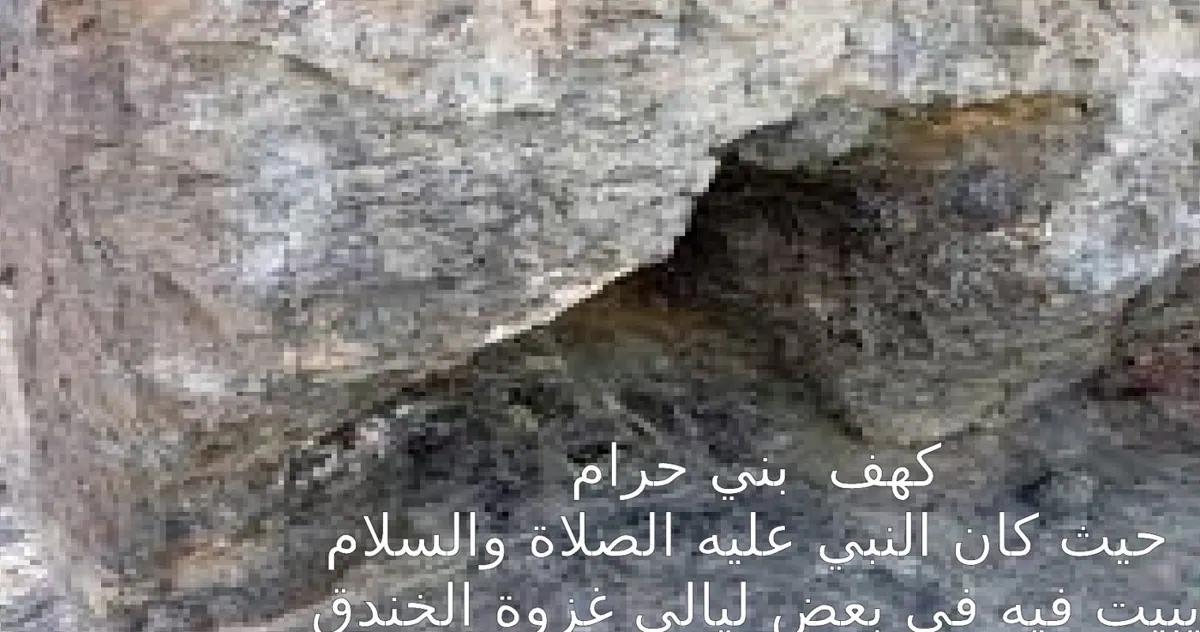
Mount Sal' and the Cave of Banu Haram
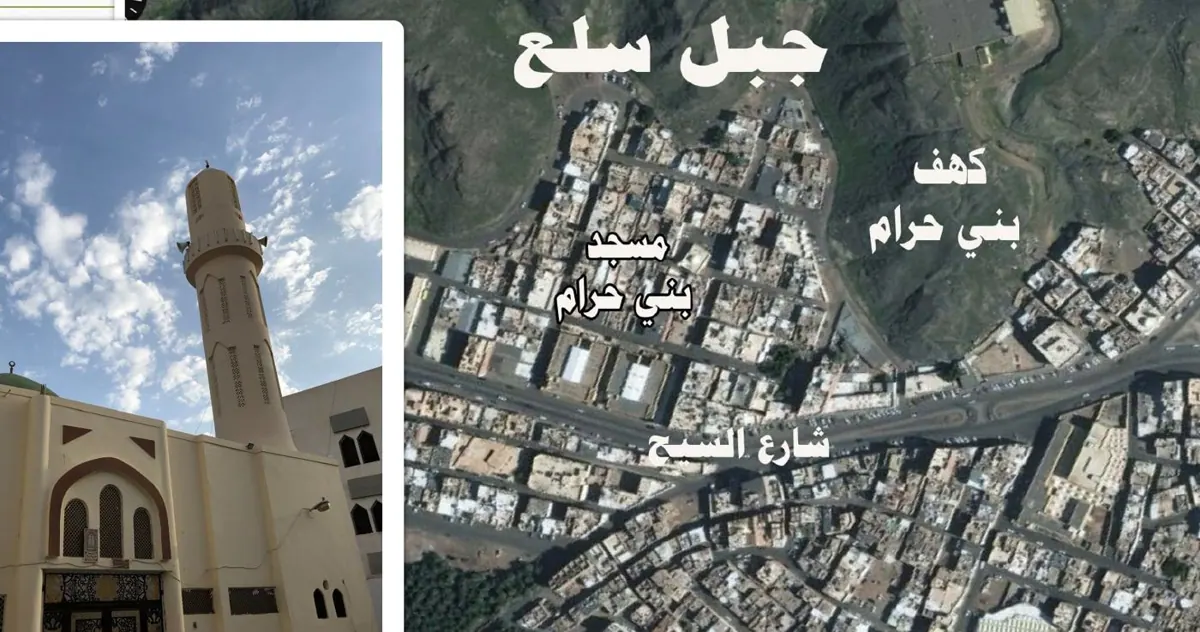
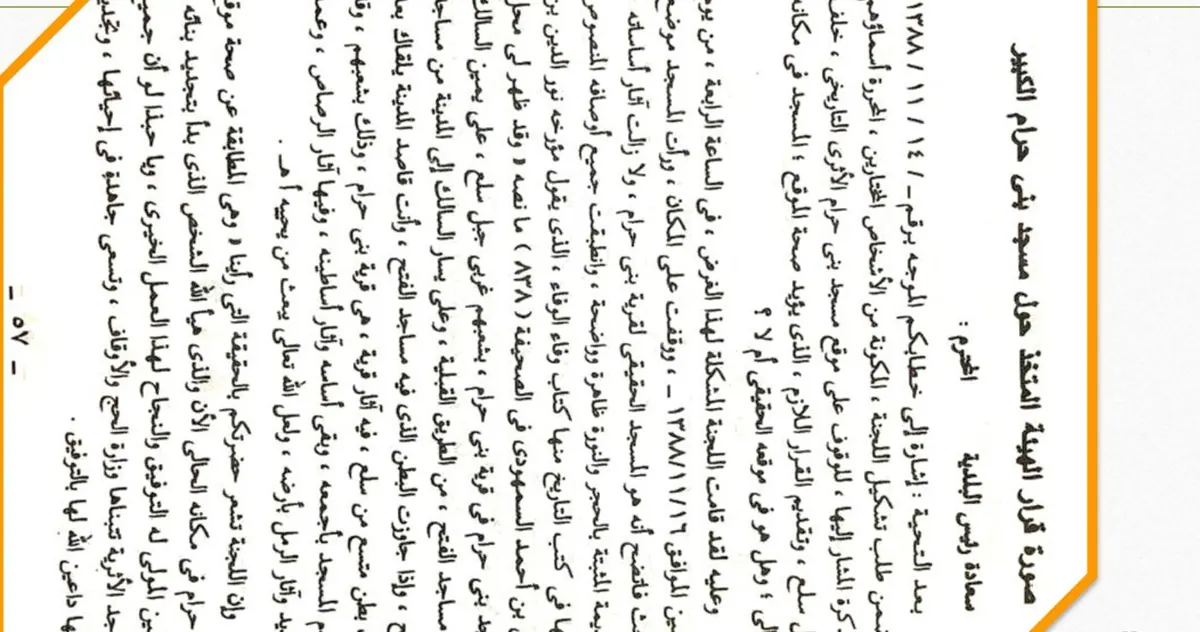
Mount Banu Haram
The Cave of Banu Haram, where the Prophet, upon him be peace and blessings, spent some nights during the Battle of the Trench
Martyrs, the Slain and Miracles
Martyrs of the Battle of the Trench
- Sa'd ibn Mu'adh (may Allah be pleased with him) (buried in al-Baqi')
- Anas ibn Aws ibn 'Atik (may Allah be pleased with him)
- 'Abdullah ibn Sahl (may Allah be pleased with him)
- Al-Tufayl ibn al-Nu'man (may Allah be pleased with him)
- Tha'labah ibn Ghanamah (may Allah be pleased with him)
- Ka'b ibn Zayd (may Allah be pleased with him)
The Slain among the Polytheists
- 'Amr ibn Wudd al-'Amiri: Killed by Ali ibn Abi Talib (may Allah be pleased with him)
- Munabbih ibn 'Uthman ibn 'Ubayd: Struck by an arrow and died in Makkah
- Nawfal ibn 'Abdullah ibn al-Mughirah: Tried to storm the trench, fell into it, and the Muslims killed him with stones
Prophetic Miracles
- Digging the trench in a short time (six days)
- Shattering the hard boulders
- Multiplying and blessing the food
- Glad tidings fulfilled in the future
Significance of the Miracles during the Battle
- Making the Muslims steadfast and raising their morale
- Encouraging them to carry out the tasks entrusted to them
- Instilling hope in the Muslims through news of future victories
- Repelling and defeating the Confederates by the power and help of Allah
Lessons and Outcomes
Educational Lessons from the Battle of the Trench
- Patience and perseverance
- Faith in Allah's power, trust in His victory, and reliance upon Him
- Confidence in the glad tidings given by the Prophet, upon him be peace and blessings
And prepare against them whatever you are able of power and of steeds of war by which you may terrify the enemy of Allah and your enemy
and others besides them whom you do not know [but] whom Allah knows. And whatever you spend in the cause of Allah will be fully repaid to you, and you will not be wronged.
[Al-Anfal 8:60]
Principles of Teamwork in the Battle of the Trench
- The leader working alongside his soldiers
- Distributing work and tasks fairly among everyone
- Combining firmness and gentleness in leadership
- Raising resolve and instilling hope in people's hearts
Dr. Raghib al-Sirjani, adapted
Hope despite Hardship
Despite the weak preparations and equipment, the prevailing fear, and enemies converging from every side, hope came through foreseeing the future — as revelation from Allah and as tidings from the Prophet, upon him be peace and blessings.
Quraysh and the Initiative
- The Battle of Badr
- The Battle of Uhud
- The Battle of al-Ahzab
Foreseeing the Future Plants Hope in Hearts and Strengthens Trust in Allah
Sulayman ibn Surad reported: I heard the Prophet ﷺ say, when the Confederates had been driven away from him: "Now we will attack them and they will not attack us; we will march against them."
Outcomes of the Battle of al-Ahzab (1)
- Madinah became a secure base for da'wah and jihad
- The Muslims shifted from defense to offense
- Control over the trade routes (economic pressure)
- Concluding treaties and agreements with the Arabs
From Dr. Raghib al-Sirjani's website, adapted
Outcomes of the Battle of al-Ahzab (2)
- Ending the Jews' military threat through the campaigns against Banu Qurayzah and Khaybar
- Freedom to consolidate security in the north
- Growth in the army's strength, numbers and equipment
- The Conquest of Makkah three years later
From Dr. Raghib al-Sirjani's website, adapted
O you who have believed, remember the favor of Allah upon you when armies came to [attack] you and We sent upon them a wind and armies [of angels] you did not see. And ever is Allah, of what you do, Seeing.
[Remember] when they came at you from above you and from below you, and when eyes shifted [in fear], and hearts reached the throats, and you assumed about Allah [various] assumptions.
There the believers were tested and shaken with a severe shaking.
[Al-Ahzab 33:9–11]
The Conquest of Makkah: The Most Important Outcome of the Battle of al-Ahzab
The initiative in the hands of the Muslims
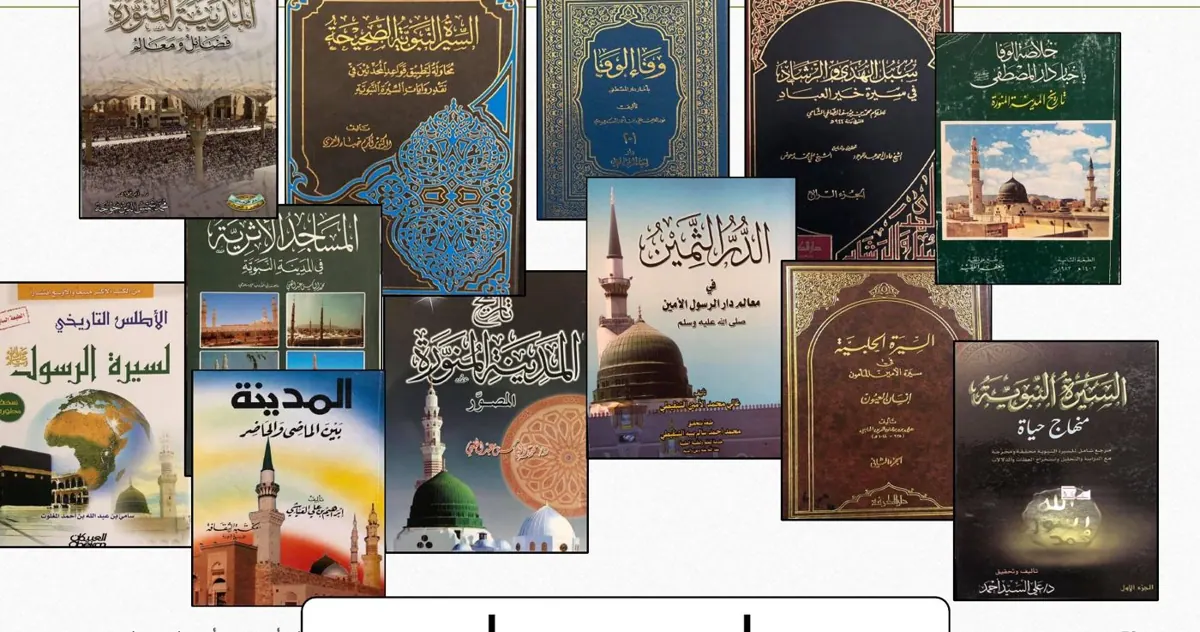
References and Sources
All praise is due to Allah, Lord of the Worlds, and may Allah send blessings upon the master of all creation, and upon his family and companions until the Day of Judgment.
Prepared and designed by Siraj Hussain Fathi. Download the full file as PDF