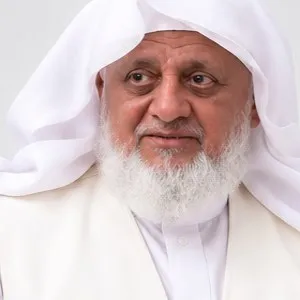
A Cultural Press Interview with Mr Muhammad al-Sulaiman al-Shibl
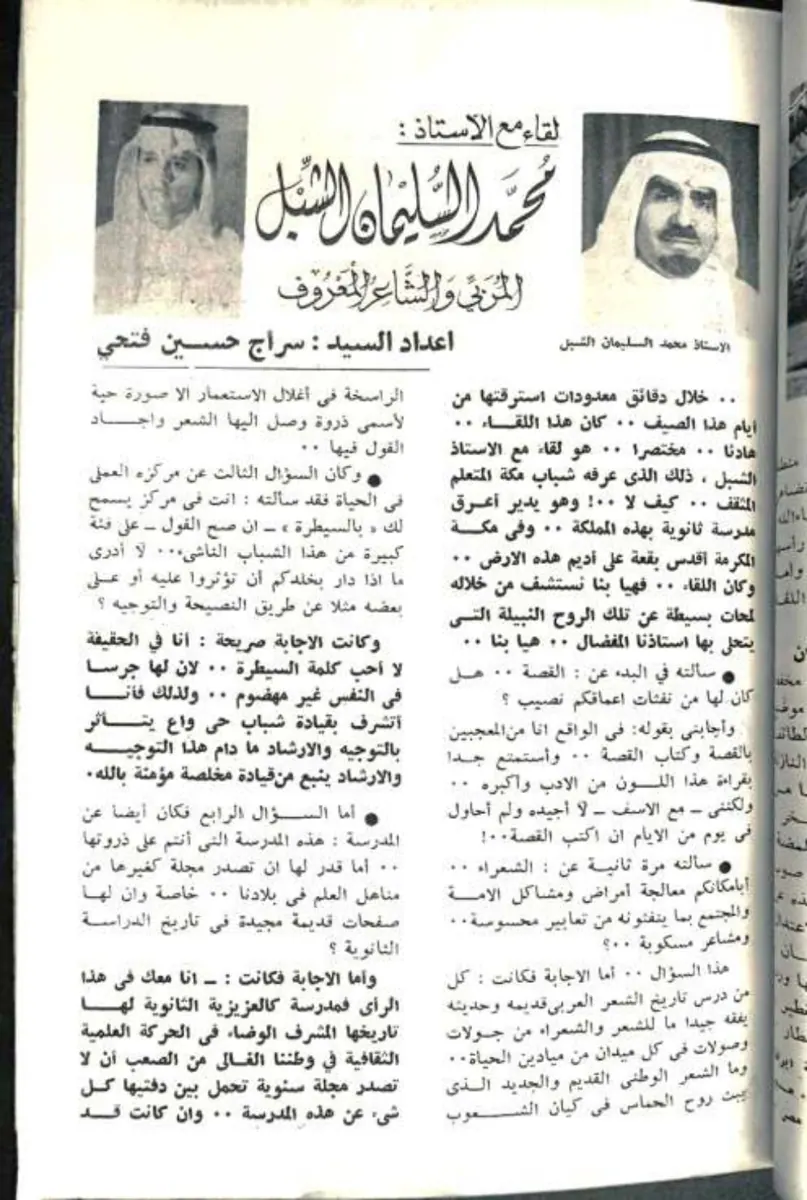
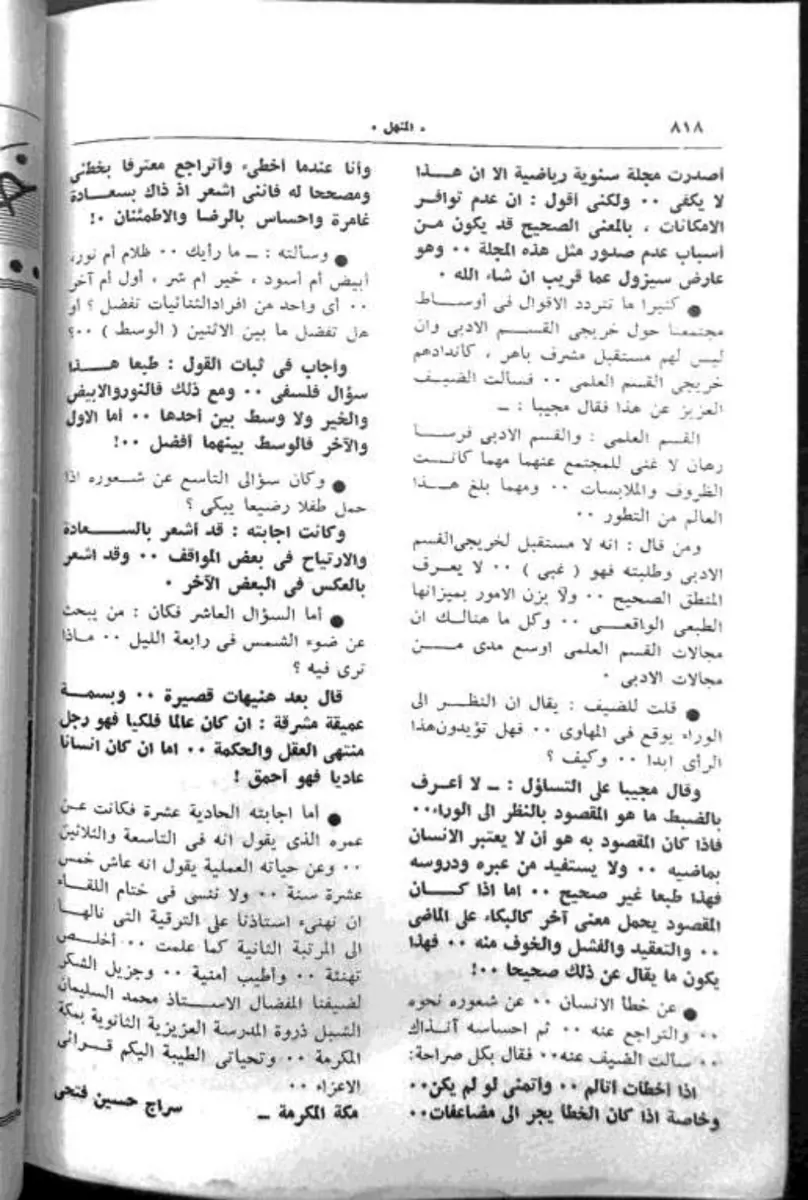
An interview conducted by Siraj Hussain Fathi with the educator and poet Muhammad al-Sulaiman al-Shibl, principal of Al-Aziziyah Secondary School in Makkah, published in Al-Manhal magazine in 1388 AH, together with memories of Al-Aziziyah Secondary and unforgettable figures.
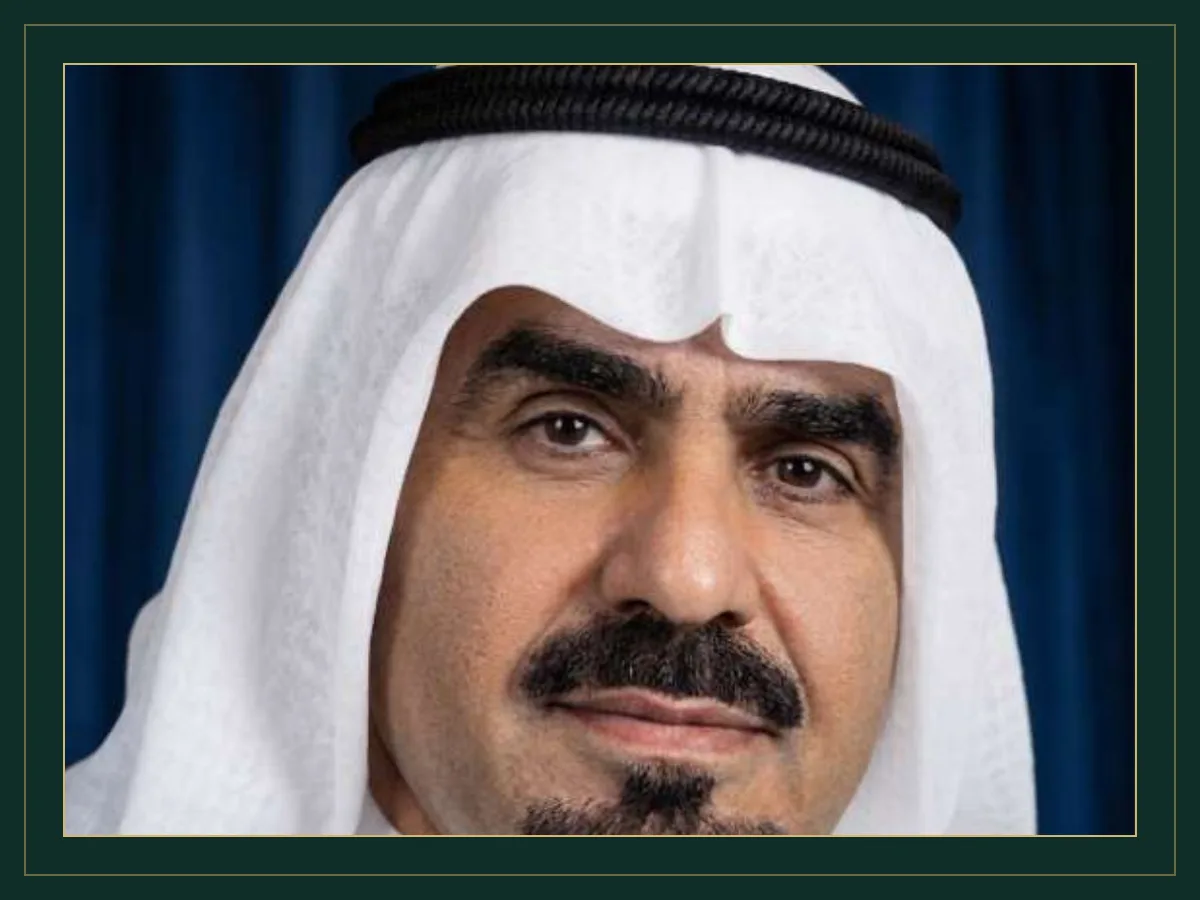
A Cultural Press Interview
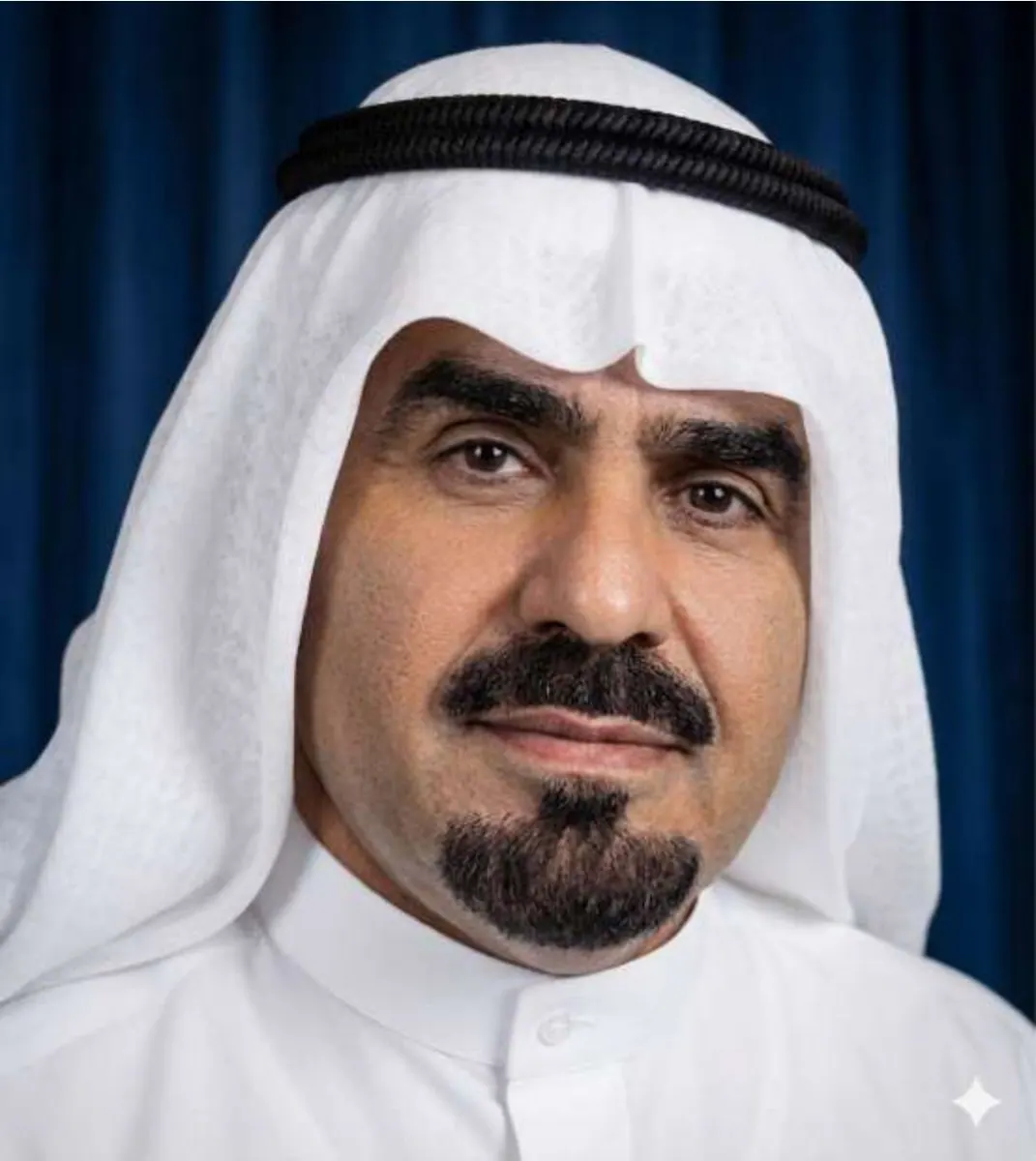
The interview was published in Al-Manhal magazine, in its issue for the month of Jumada al-Akhirah 1388 AH. In a few minutes I stole from the days of that summer, this calm, brief interview took place with Mr Muhammad al-Sulaiman al-Shibl, a man well known to the educated, cultured youth of Makkah — and how could he not be, when he runs the oldest secondary school in the Kingdom, Al-Aziziyah Secondary School in Makkah.
Through this interview we glimpse something of the noble spirit with which our excellent teacher is endowed.
The Short Story and Literature
I asked him first: Has the short story had a share in your literary interests?
He replied: In fact, I am an admirer of the short story and of short-story writers, and I greatly enjoy reading this kind of literature and value it, but — unfortunately — I am not good at it, and I have never once tried to write a story.
Poetry and Its Role in Society
Then I asked him: Can poets treat the ailments of the nation and the problems of society through the feelings and expressions they breathe out?
His answer was: Anyone who has studied the history of Arabic poetry, old and new, knows well the battles and exploits that poetry and poets have had in every field of life.
And the patriotic poetry of old and modern times, which breathes the spirit of enthusiasm into the very being of peoples, is nothing but a living picture of the highest influence and creativity that poetry has attained.
Leadership and Guidance
The third question was about his practical position in life:
You are in a position that allows you to influence a large group of young people; have you thought of guiding and advising them directly?
He replied: In truth, I do not like the word “control”, because it has an unpleasant ring to it. That is why I am honoured to lead lively, aware young people who respond to guidance and direction, so long as that guidance springs from a sincere leadership that believes in Allah.
The School Magazine
I asked him: Is it not time for this venerable school to publish a magazine like other educational institutions?
He said: I share your view. A school like Al-Aziziyah Secondary has an honourable and shining history in the scholarly and cultural movement of our dear homeland, and it is hard to accept that it does not publish an annual magazine containing between its covers everything relating to the school.
Although it has published an annual sports magazine, that is not enough.
I believe that the lack of resources, in the proper sense, has been one of the reasons such a magazine has not appeared, and it is a passing obstacle that will soon disappear, God willing.
The Arts Stream and the Science Stream
I raised with him an issue often heard in society: the way graduates of the arts stream are regarded. I asked him: It is said that graduates of the arts stream do not have as bright a future awaiting them as their peers from the science stream. What is your opinion?
He replied: The science stream and the arts stream are two horses running neck and neck; society cannot do without either of them, whatever the circumstances and conditions, and however far this world advances.
Whoever says there is no future for graduates of the arts stream does not know sound logic and does not weigh matters on their realistic scale. All there is to it is that the fields open to the science stream are wider in range than those open to the arts stream.
Looking to the Past
I asked him: It is said that looking back makes one fall into the abyss. Do you agree with this view?
He replied: I don't know exactly what is meant by looking back. If what is meant is that a person should not take heed of his past or benefit from its lessons and examples, then that is not true; but if what is meant is weeping over the past and surrendering to failure, fear and complexes, then what is said about it is true.
Error and Admitting It
I asked him how he feels when he makes a mistake and then retracts it.
He said with complete frankness: When I make a mistake I am pained, and I wish it had not happened, especially if it leads to complications. And when I go back on it, admitting my error and correcting it, I feel overwhelming happiness and a sense of contentment and peace of mind.
Quick Questions
Question: Darkness or light? White or black? Good or evil? First or last?
Answer: This is a philosophical question; nevertheless, I choose light, white and good, and there is no middle ground between them.
As for first and last, the middle between them is better.
Question: How do you feel when you hold a crying infant?
Answer: I may feel happiness and comfort in some situations, and the opposite in others.
Question: What do you think of someone who looks for sunlight in the dead of night?
Answer: If he is an astronomer, he is a man of the utmost reason and wisdom; but if he is an ordinary person, he is a fool.
Age and Working Life
About his age and working life he said: I am thirty-nine years old, and I have spent fifteen years of my life in work.
Closing the Interview
In closing this interview, we can only congratulate our esteemed teacher, Mr Muhammad al-Sulaiman al-Shibl, on his promotion to the second grade, with our most sincere congratulations and best wishes. We also offer him our deep thanks for his patience and the generosity of his answers, and our warm greetings to our dear readers.
Makkah - Siraj Hussain Fathi
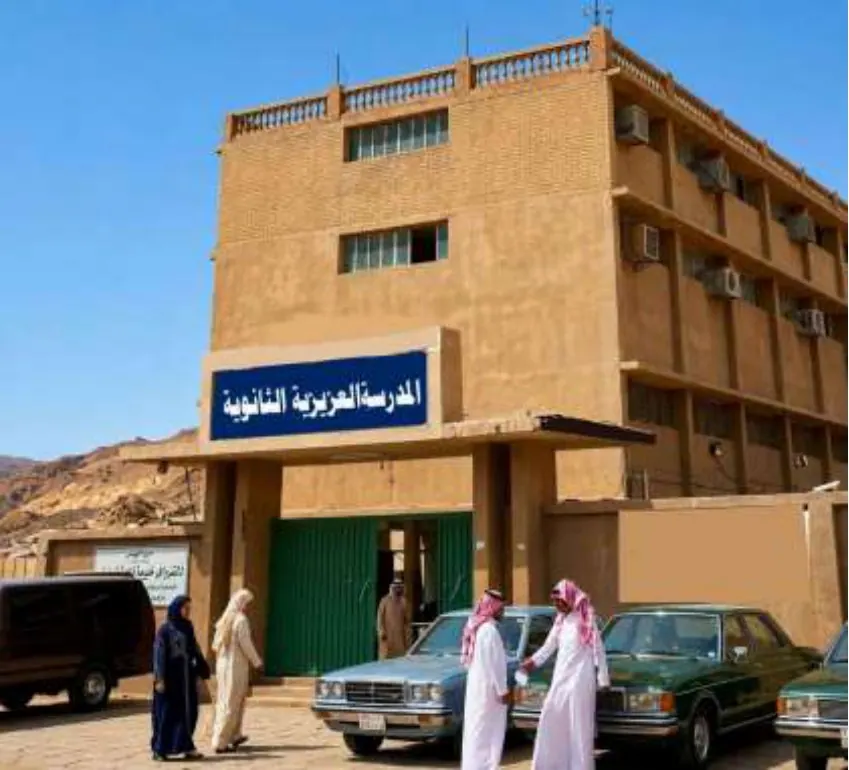
Al-Aziziyah Secondary School: A Bright Page
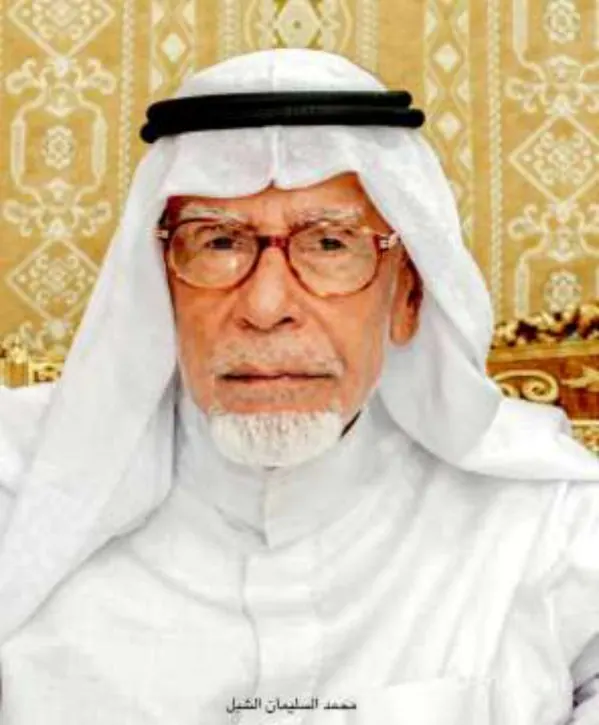
Everyone who graduated from this giant of a school must remember Uncle Sam'un — may Allah have mercy on him — that truly giant man who knew the names of all the students — without any exaggeration — and knew their fathers and their homes. He, may Allah have mercy on him, was always
smiling, and was distinguished by his piercing gaze, like laser beams penetrating the depths to discover how much love people held for him. Uncle Sam'un was not the principal of Al-Aziziyah Secondary; he was the messenger who delivered report cards and followed up on absent students, and he enjoyed the respect of the students, their fathers and all the school's staff. That is why his memory has never been able to leave my mind, despite the passing of some four decades, and I believe every graduate of this school remembers him with nothing but good — may Allah have mercy on him. Some may be surprised that I remember this good man rather than the excellent principal, Mr Muhammad al-Sulaiman al-Shibl, who is worthy of every good remembrance; but precisely because he deserves it, Uncle Sam'un is one of those who remind you of Muhammad al-Sulaiman al-Shibl, for he was a bright and shining reflection of that man. At Al-Aziziyah Secondary (now King Abdulaziz Secondary School) there were many men who deserve praise, among them teachers and administrators, and perhaps even the canteen worker, because they all lived and worked with Mr al-Shibl, the refined model of the principal, the educator — or, in today's language, the true educational leader. The three years I spent at this school were among the most beautiful school years of my life. Besides its firm, educationally minded administration, it had teachers of whom any of their students would be proud, for they were distinguished by good performance, refined conduct and care for the interests of their students, whom they treated as sons. It is enough for me to mention as examples Mr (later Dr) Fuad Mahmud Sindi and Mr Muhammad Bunduqji among the Arabic-language teachers, and Mr Abdullah Yamani, the teacher of religious subjects, who made them subjects beloved to the students' hearts through his way of teaching, his firmness and his regard for those he taught, making them feel their humanity and their worth. I wish my memory would serve me so that I could recall the names of the rest of those excellent teachers, but I hope that my prayer that their Lord grant them a great reward is far more important than merely listing their names. May Allah reward them with the best of rewards for the knowledge, learning, upbringing and morals they gave us; we shall be proud of them as long as we live. “Al-Aziziyah Secondary”, for those who do not know it, was the first government secondary school in the whole Kingdom. At first it was called the “Scholarship Preparatory School”, where students being prepared for study abroad were taught — Egypt being the only destination at that time — and then it became an ordinary secondary school. Thousands of young men graduated from it, a large number of whom took up leadership positions, and some of whom became symbols of society and prominent men in various fields of life, in the Kingdom in general and in Makkah in particular. Yet it seems it has not found among its loving sons — and they are many — those who would prove that love and loyalty to it, as the sons of Taibah Secondary School in Madinah did when they formed the Taibah Secondary Graduates' Association, which organises annual gatherings for them and has rendered many services to their school. Therefore, because Al-Aziziyah Secondary has such a long history in the record of education in the Kingdom, it has a claim first on the Ministry of Education and second on its graduates and staff. To this day I know of no documentary book written about it, apart from what has been written in the folds of works chronicling the history of education in the Kingdom generally or in Makkah particularly. I have not heard of any celebration held for it, nor of any association of its graduates — and I hope I am mistaken within the limits of my knowledge. I also hope that there is none among the sons of this giant school who disowns it or overlooks its role in preparing him for life, and that there is no ingratitude for the favour this giant school, “Al-Aziziyah Secondary”, bestowed upon them. Will the coming days tell us of a move in this direction..?!
Siraj Hussain Fathi
Published in Al-Madina newspaper in 2011
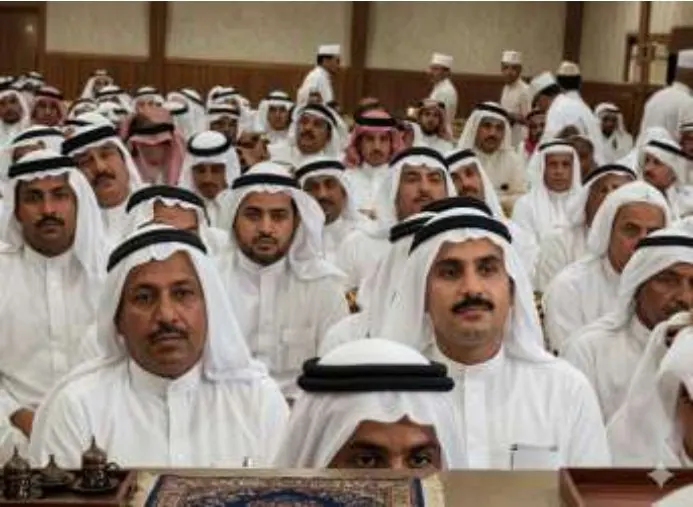
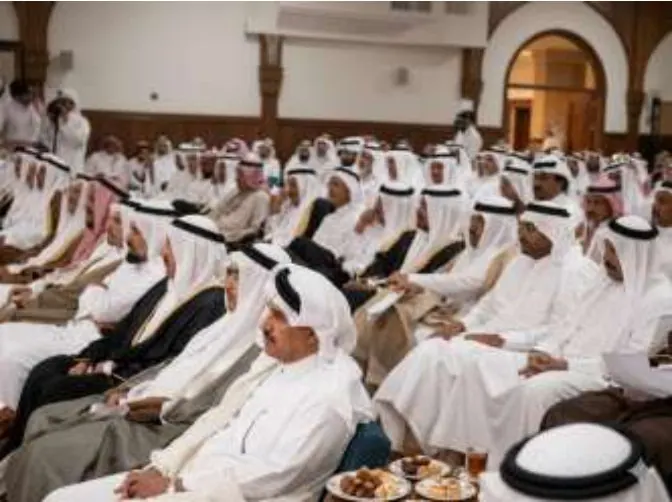
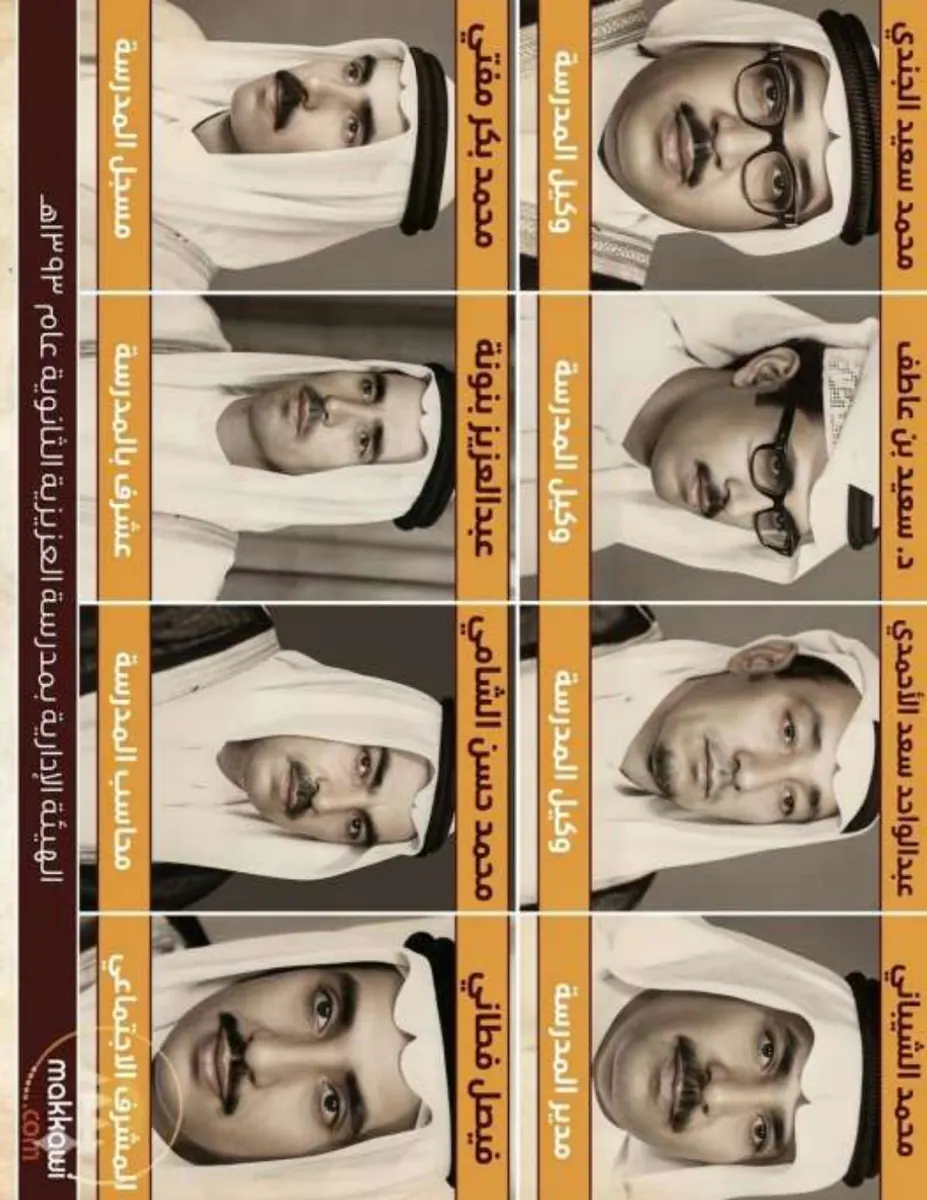
Scenes from the ceremony honouring Mr Muhammad al-Sulaiman al-Shibl, held by the Education Department in Makkah
Unforgettable Figures
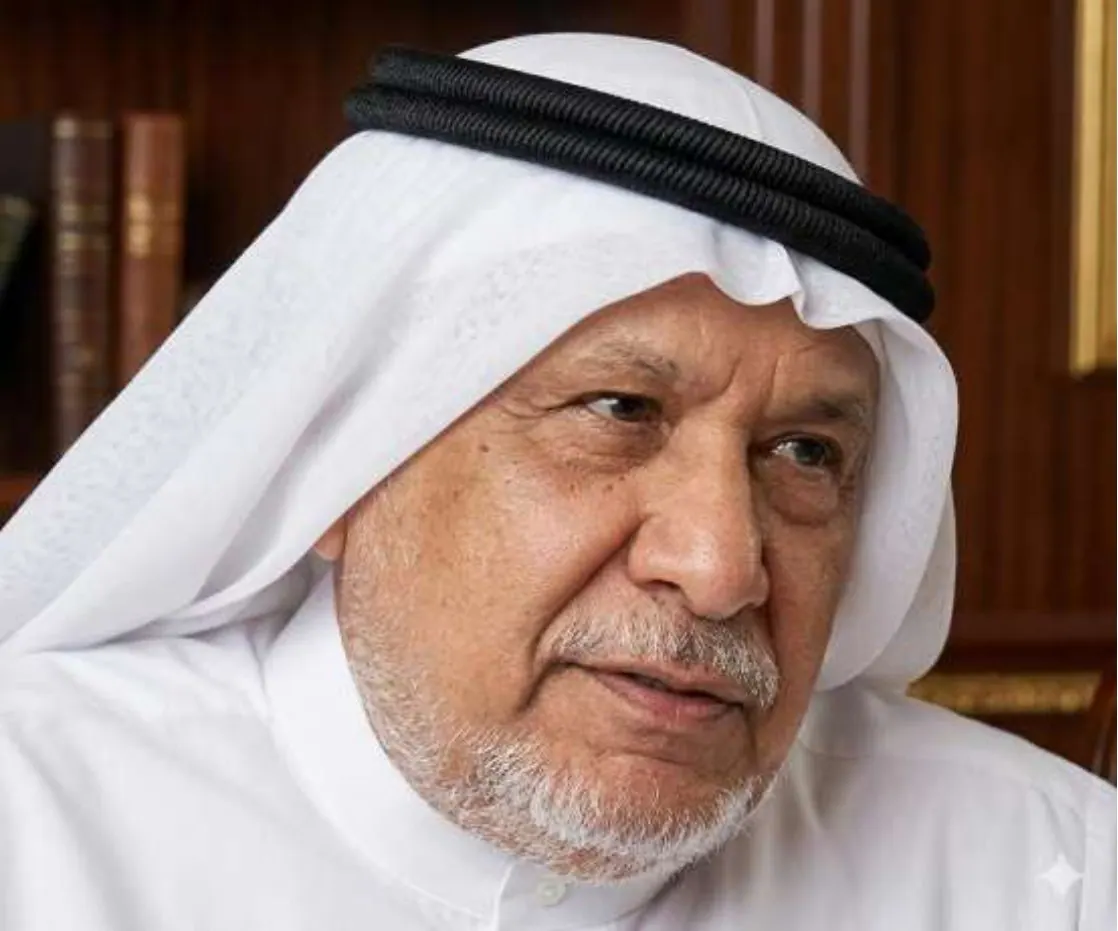
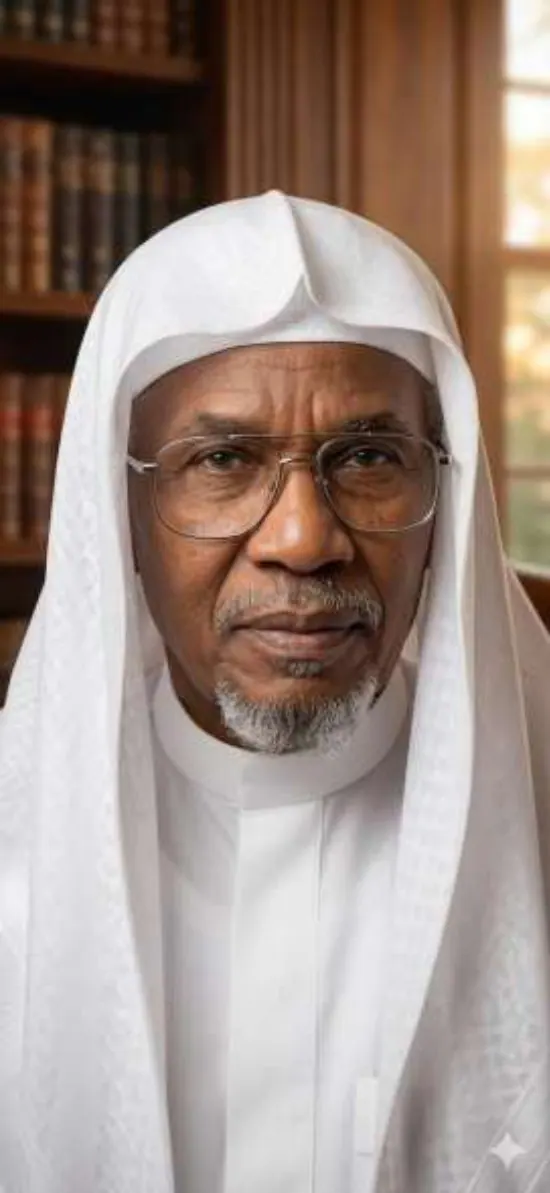
Professor Dr Fuad Mahmud Sindi — may Allah have mercy on him
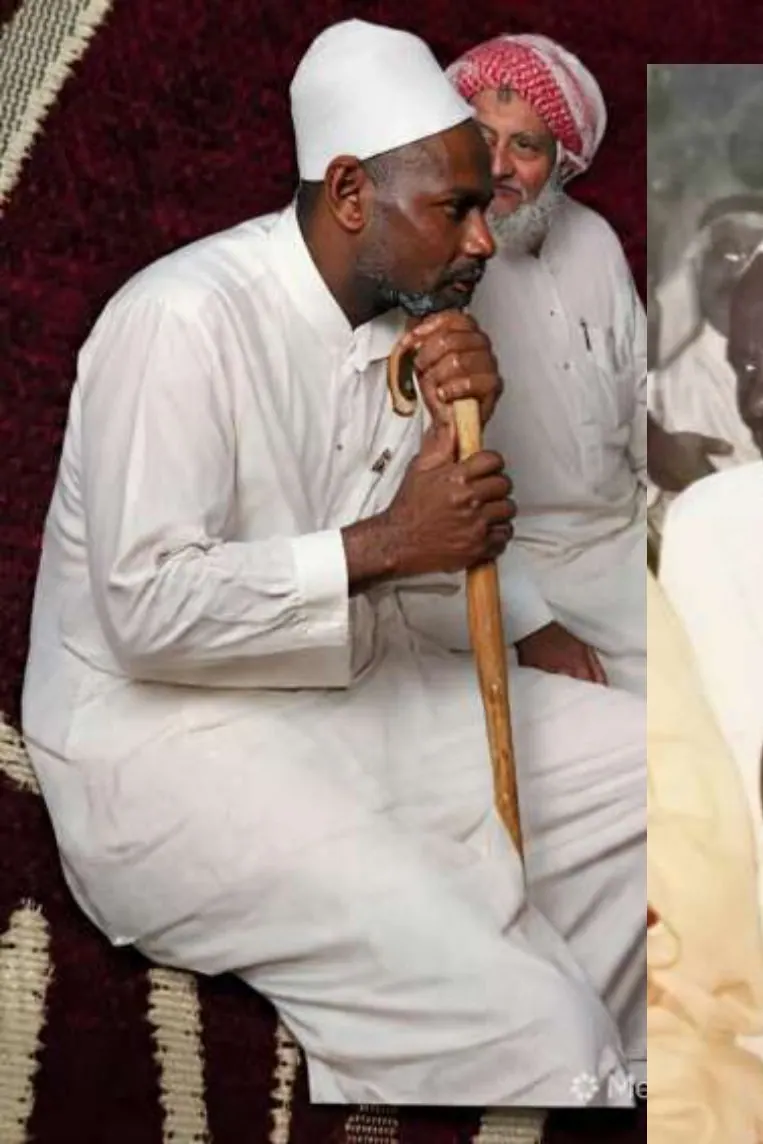
Uncle Sam'un — may Allah have mercy on him — a well-known and beloved figure who knew all the students and their fathers
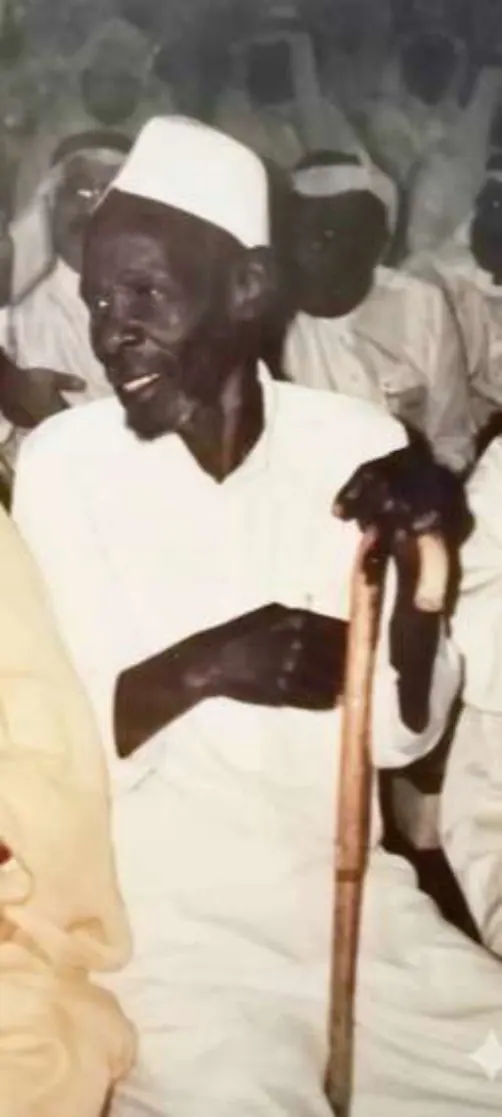
Mr Tahir al-Dabbagh, may Allah have mercy on him
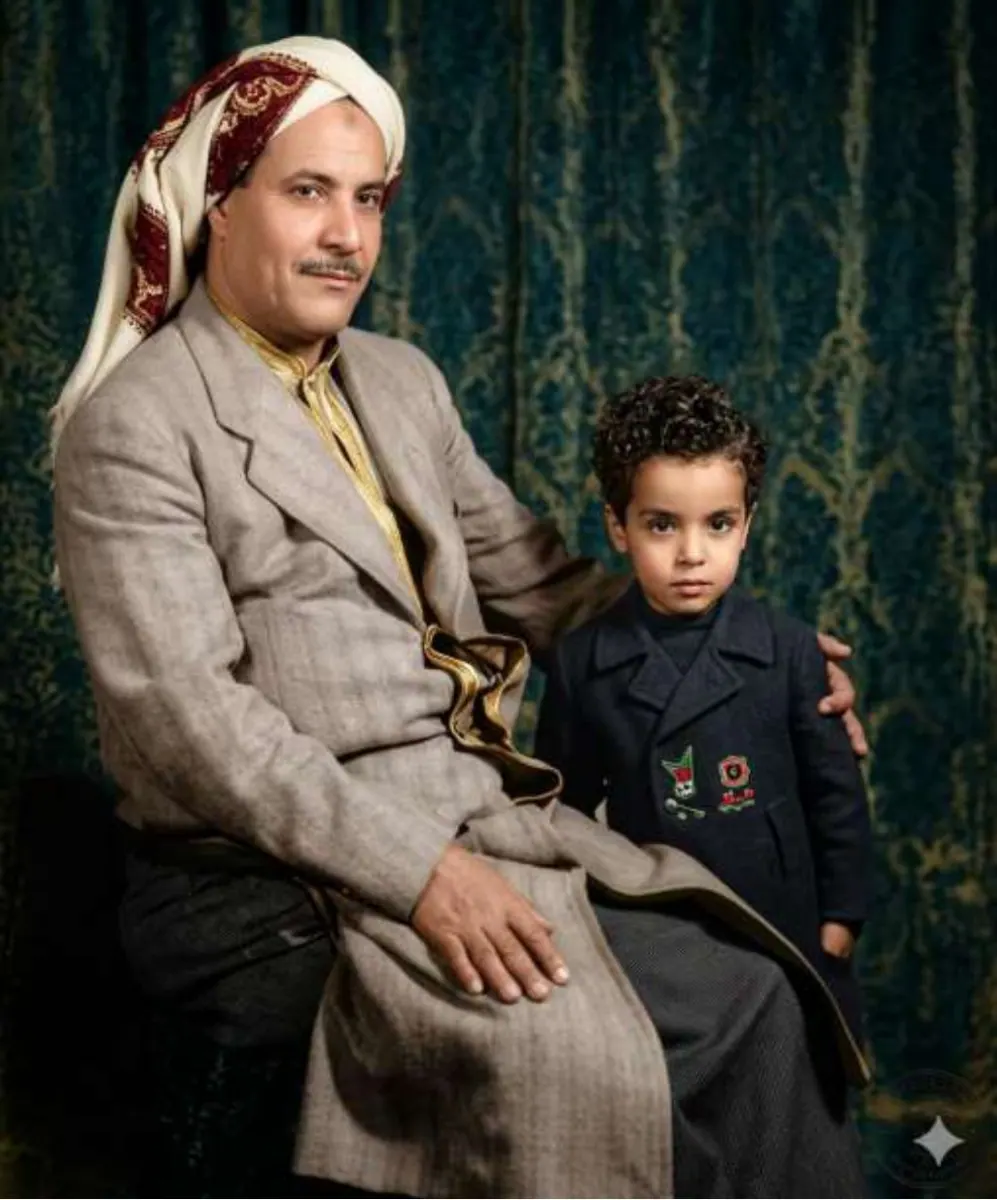
Mr Abdulwahhab al-Sabban, physical education teacher
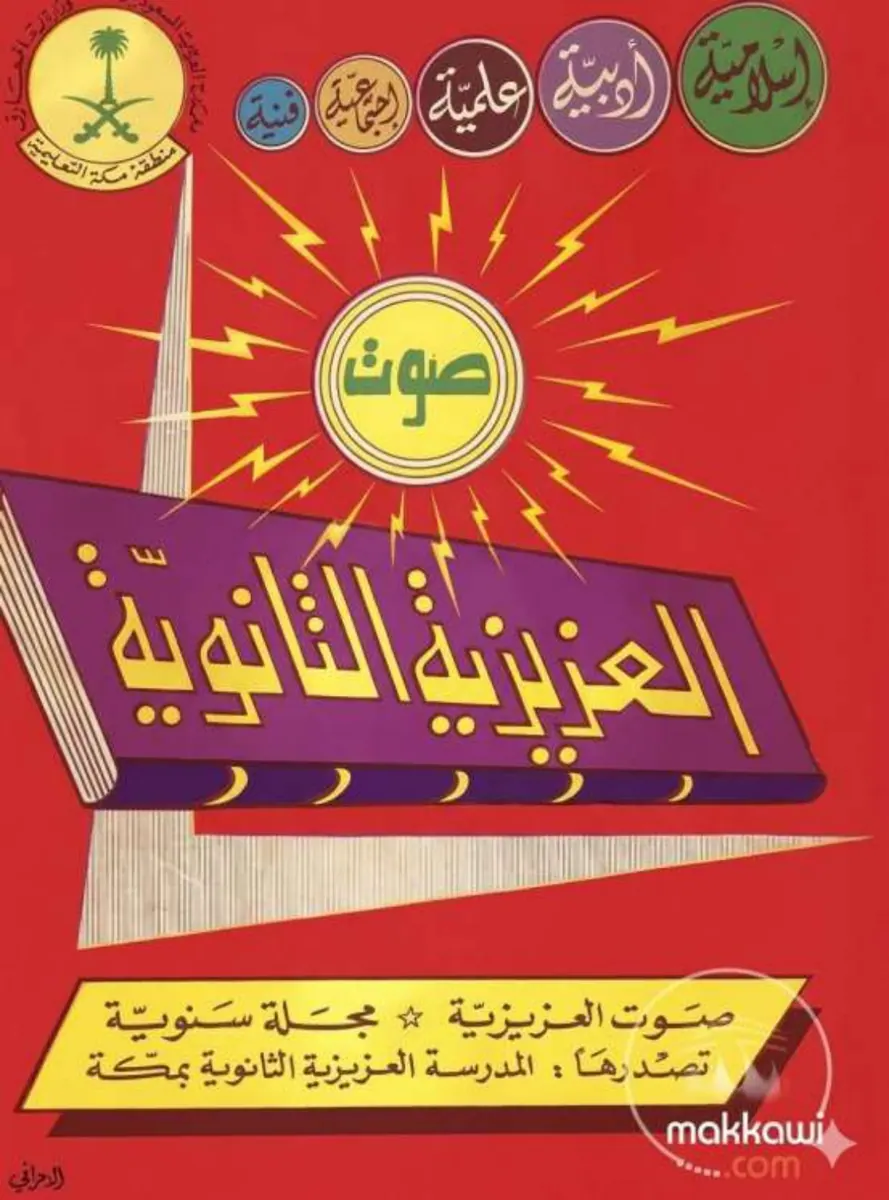
What Do You Know About Al-Aziziyah?
An article by the student Sulaiman ibn Zafir, published in the magazine Sawt al-Aziziyah al-Thanawiyah (Voice of Al-Aziziyah Secondary), first issue, 1393 AH
The school was founded by order of the late King Abdulaziz — may Allah make his resting place fragrant — in 1355 AH, to serve as a nucleus for sending secondary-school graduates to continue their higher education at universities abroad, since there were no colleges or universities in the Kingdom at that time. Its administration was entrusted to the late Sheikh Tahir al-Dabbagh, who delegated its running to Sheikh Umar Sairafi.
The Al-Buqari family building in al-Misfalah was chosen as the school's premises, and the school was named the (Scholarship Preparatory School).
The number of students who enrolled in it was about forty, divided between two classes. Three teachers were seconded to it from the sister country of Egypt, two of them to teach English and social studies and the third to teach mathematics, physics and chemistry, along with Saudi teachers to teach Arabic and religion (Islamic education).
The school's premises were then moved to the fortress on Jabal Hindi, and in the other wing of the fortress (the Saudi Scholarly Institute) was founded.
The curriculum closely resembled that of secondary education in Egypt, with greater attention to Islamic culture and Arabic literature.
The first fruit of that school was the graduation of its first class in 1359 AH; however, it was not possible to send them abroad because of the outbreak of the Second World War.
In 1361 AH the school's first class was sent to Egypt, where they enrolled at what was then Fuad I University, now Cairo University. The delegation numbered no more than twenty students, among them, to name but a few, Dr Hamid Harsani, His Excellency Sayyid Ahmad Shatta, His Excellency Sheikh Ahmad Jamjoom, Mr Saeed Adam, Mr Abdullah al-Dabbagh and other senior officials who went on to hold high positions in the state.
In 1376 AH 1368 AH the school's premises were moved to al-Qashashiyah, opposite the house of the Banajah family, and in 1375 AH the school moved to one of the princes' palaces in al-Zahir.
Many principals succeeded one another in running it, among them:
- The late Sayyid Ibrahim Nuri
- Sheikh Abdulqadir Wasfi
- Sayyid Sheikh Babsail
- Sayyid Ishaq Azzouz
- Sayyid Ahmad al-Arabi
- Sheikh Abdullah Baghdadi
- Sheikh Jamil Shaqdar
- Sheikh Muhammad Fida
- Mr Siraj Kharraz
- Mr Muhammad al-Sulaiman al-Shibl
In 1374 AH the name Al-Aziziyah Secondary School was chosen for it in place of the Scholarship Preparatory School, in honour of the unifier of the Kingdom of Saudi Arabia, King Abdulaziz, may Allah have mercy on him.
In 1365 AH the first class of scholarship students returned, crowned with high academic degrees, and they were subsequently entrusted with eminent positions in the state.
Over thirty-eight years the school developed in every field, and the number of students rose from forty to one thousand three hundred.
The school has three laboratories
1. A laboratory for the chemistry section, containing a full lecture theatre and a storeroom
2. A laboratory for the biology section, containing a full lecture theatre and a storeroom
3. A laboratory for the physics section, containing a full lecture theatre and a storeroom
4. And a storeroom for geology and mechanics.
The school also has several sports grounds on which the region's school matches are held every year.
1. A football pitch
2. A basketball court
3. A handball court
4. A volleyball court
5. Various athletics
6. A games hall. The organisation and coordination of these grounds are supervised by Mr Abdulwahhab Sabban, the physical education teacher.
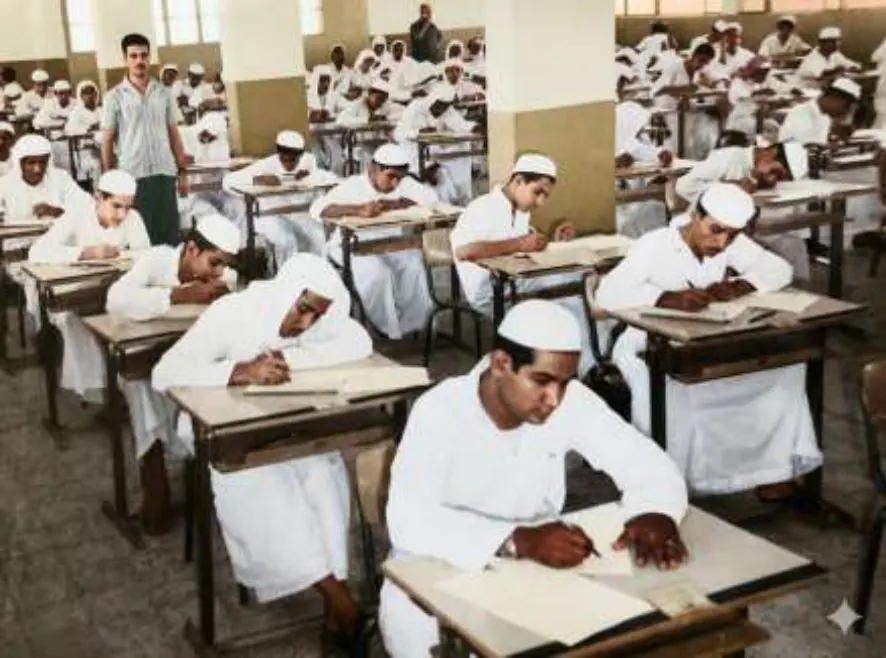
7. The school has two large halls used for holding the noon (Dhuhr) prayer for all the students and for the school's promotion examinations; the Tawjihiyya (final secondary-school) examination for the science section is also held in them every year. Scholarly and cultural seminars are held in them too, and at the end of each year the students' work in various fields is exhibited there.
8. In the school courtyard there is also an amphitheatre for the stage, whose construction was donated by the late Muhammad bin Laden, although it was never completed.
9. The school has been planted with shade trees for the students to sit under during breaks, and splendid geometric shapes of plants have been laid out in the courtyard.
Prepared and designed by Siraj Hussain Fathi. Download the full file as PDF