
My Documents
From the writer's archive: school certificates from primary school to the master's degree, his first identity card, keepsake documents, pages from his composition notebook, and his article “The Arabic Language and Cultural Colonialism”, published in Al-Madina newspaper in Madinah.

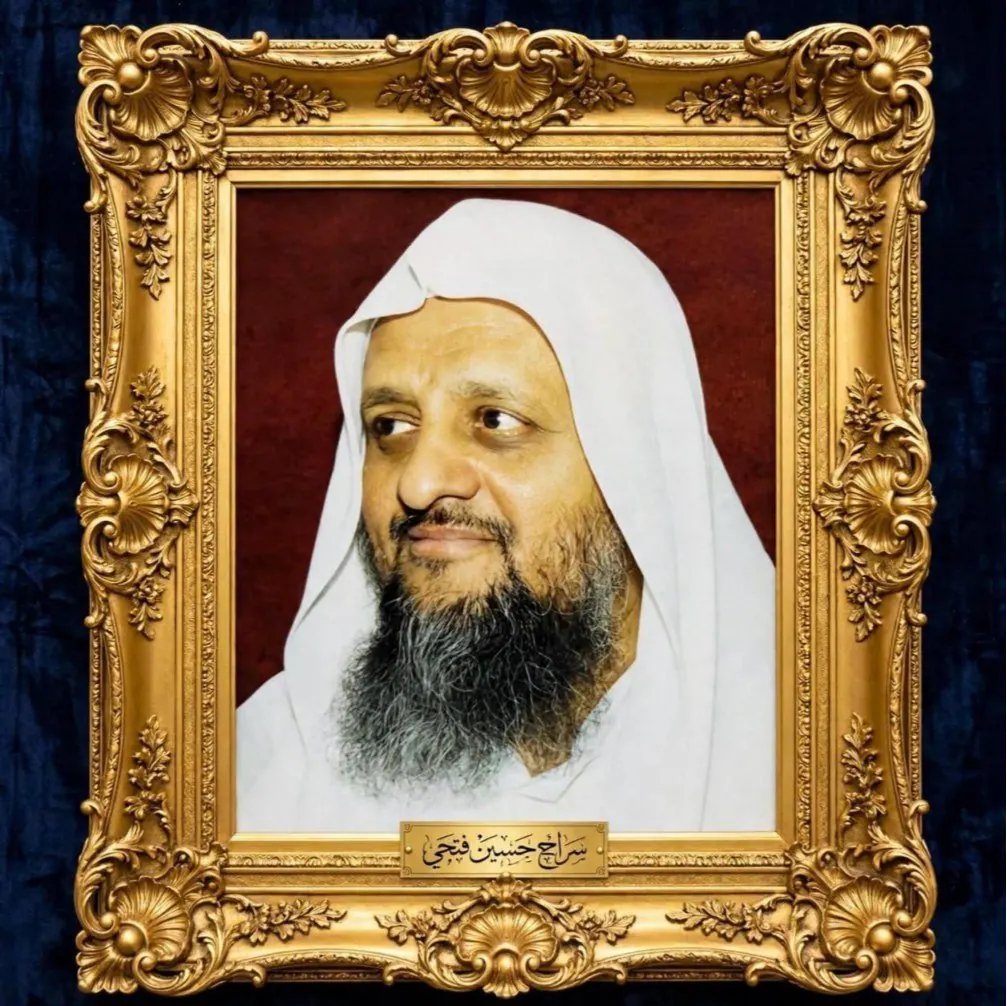
First Year of Primary School
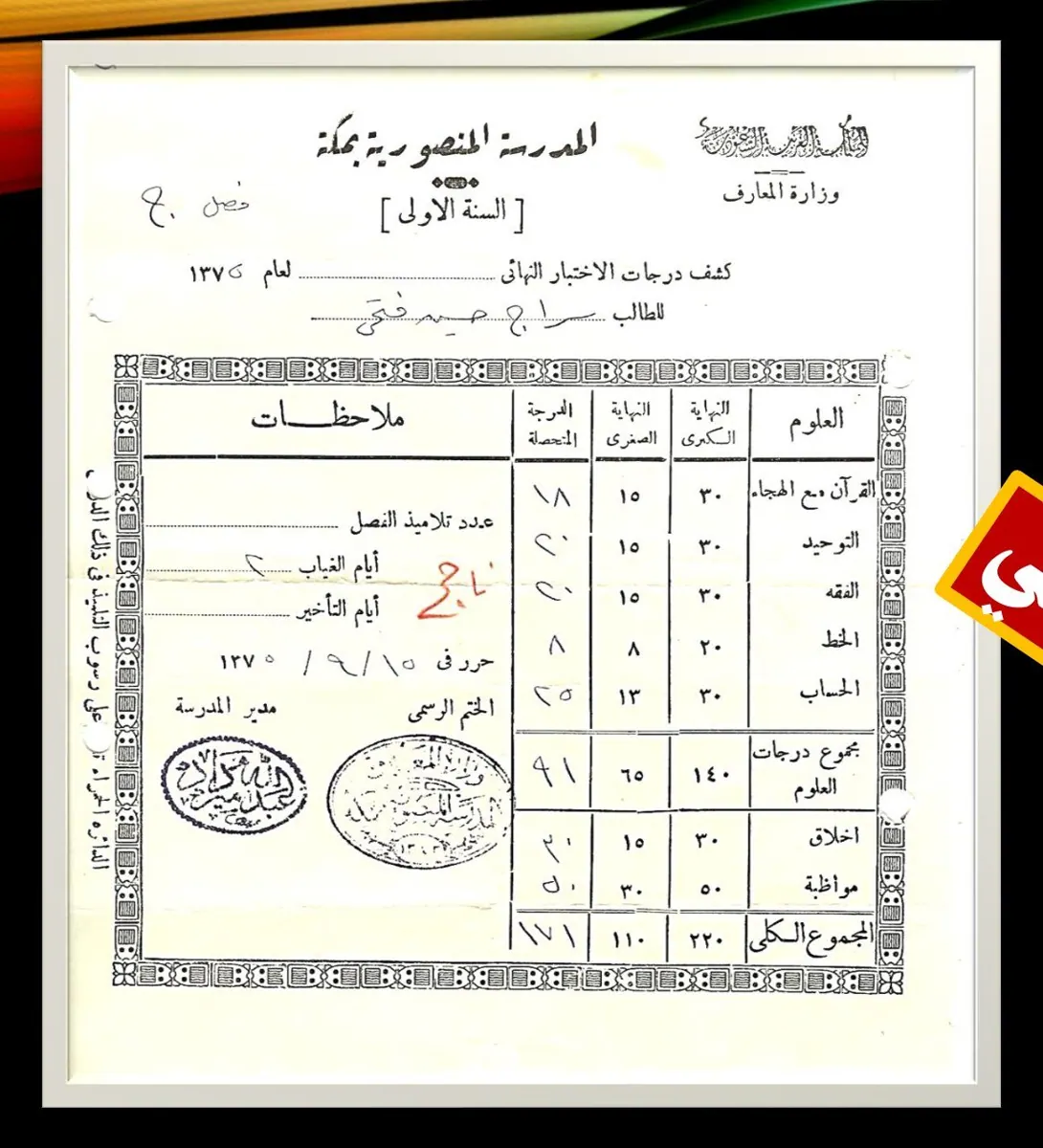
Second Year of Primary School
Missing
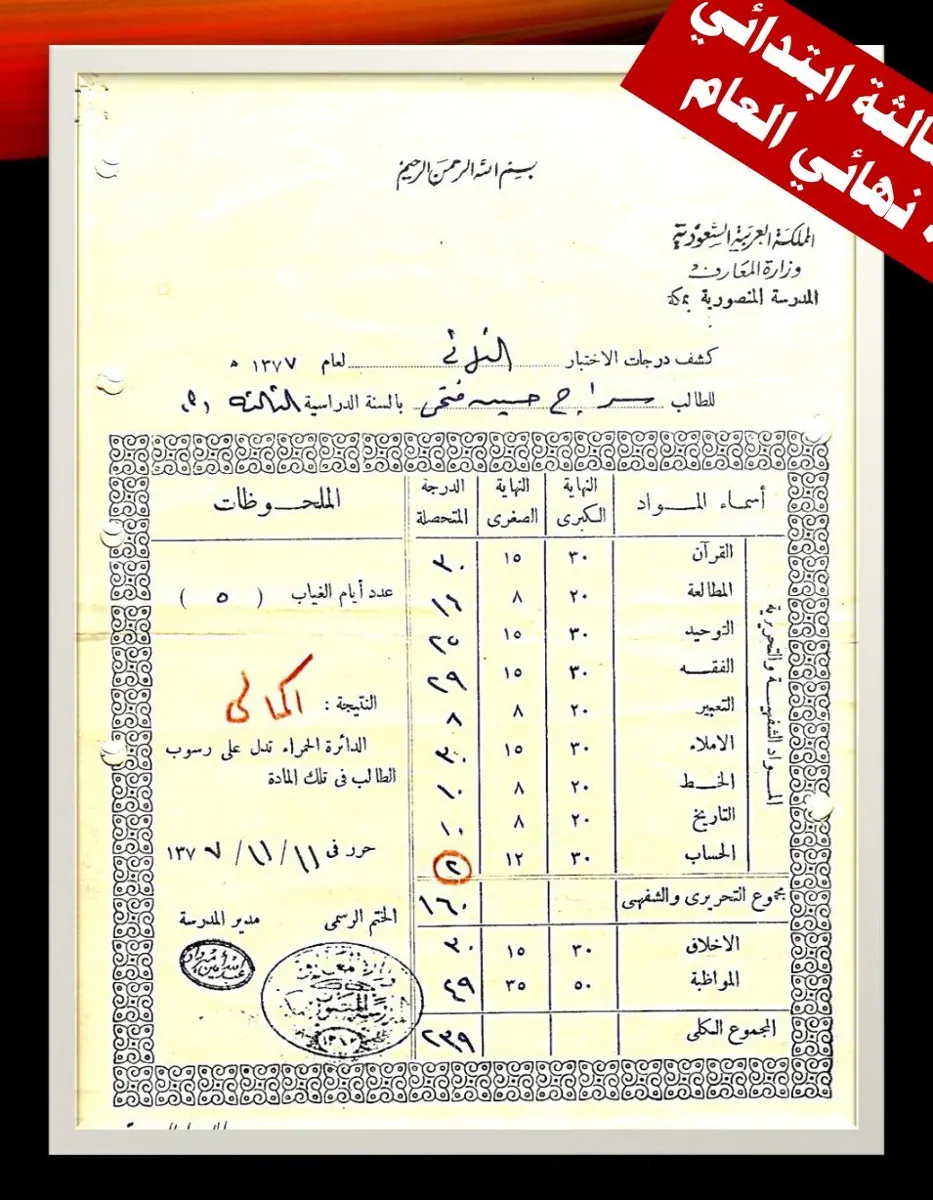
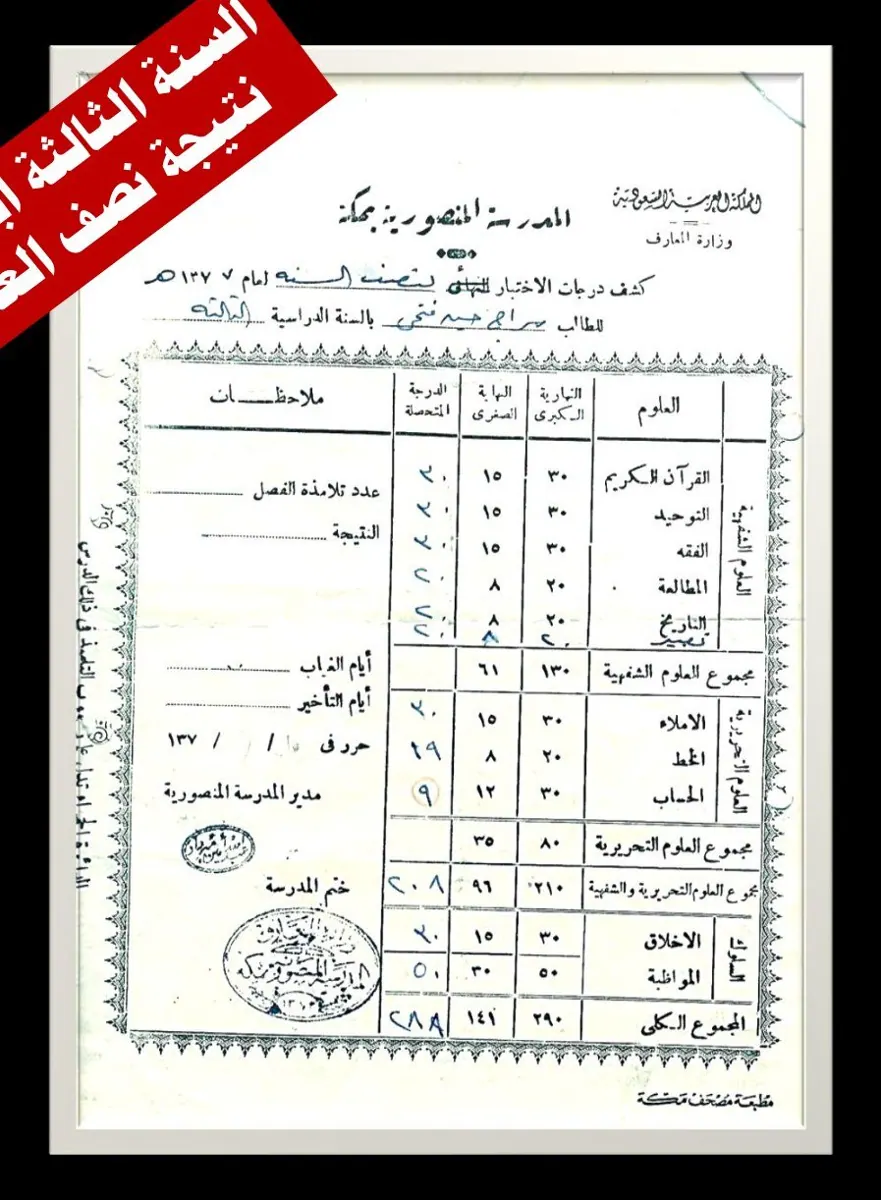
Third Year of Primary School
- End-of-year result
- Mid-year result
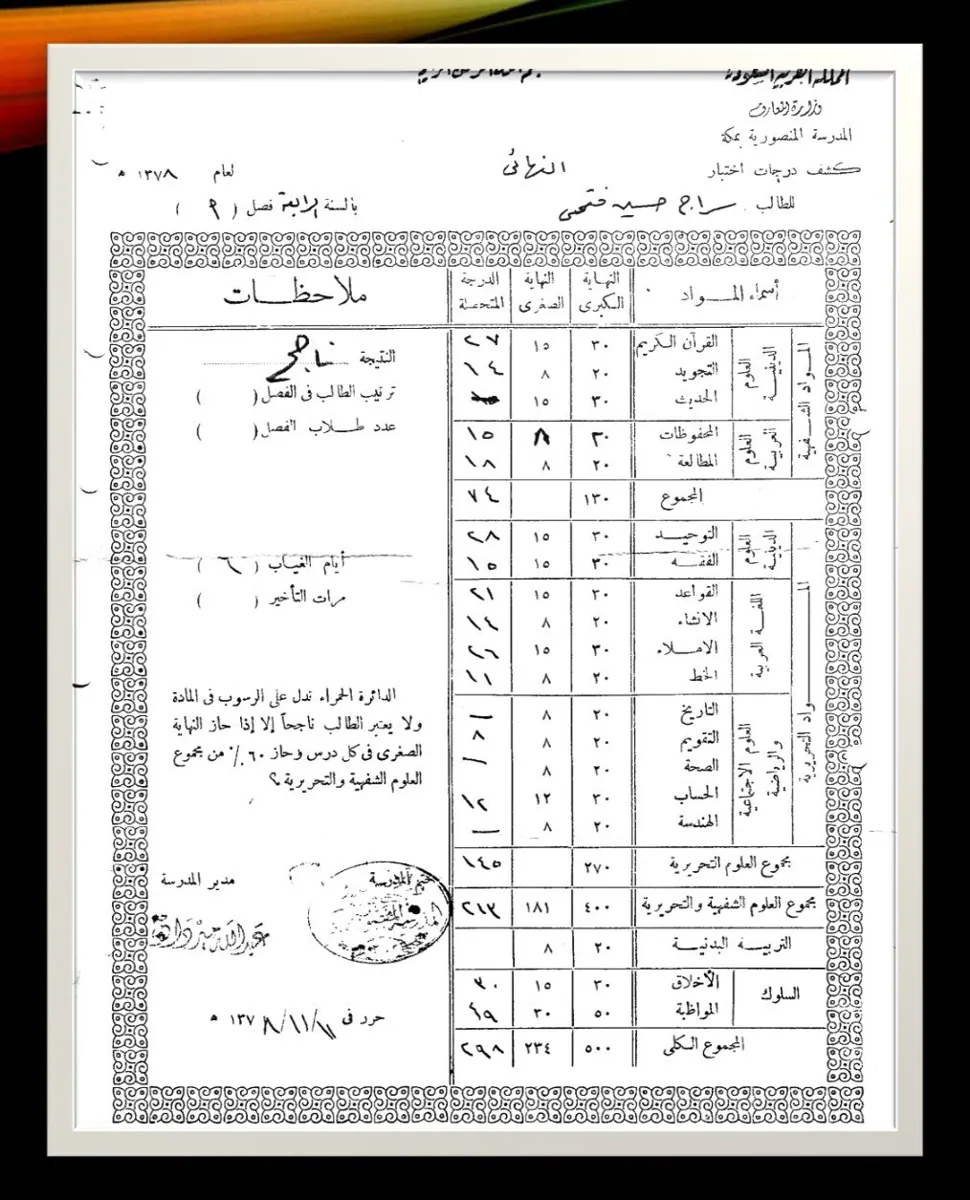
Fourth Year of Primary School
End-of-year result
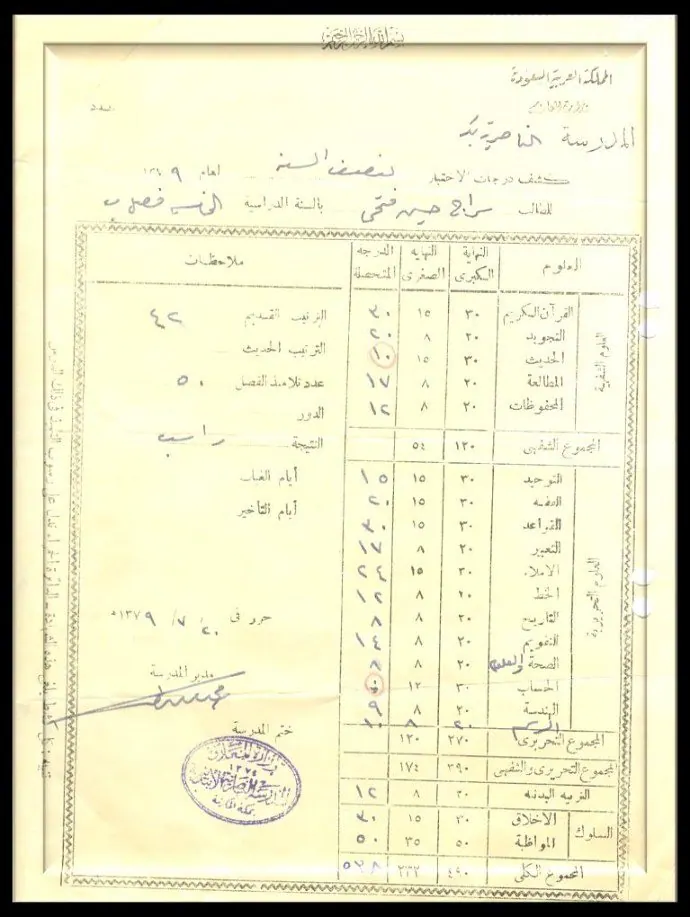
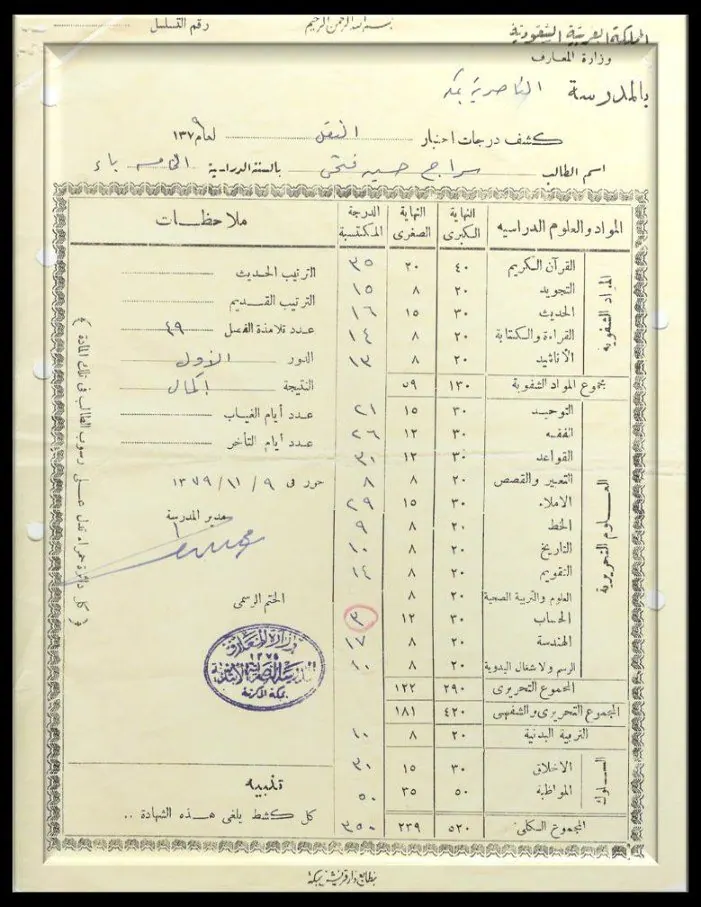
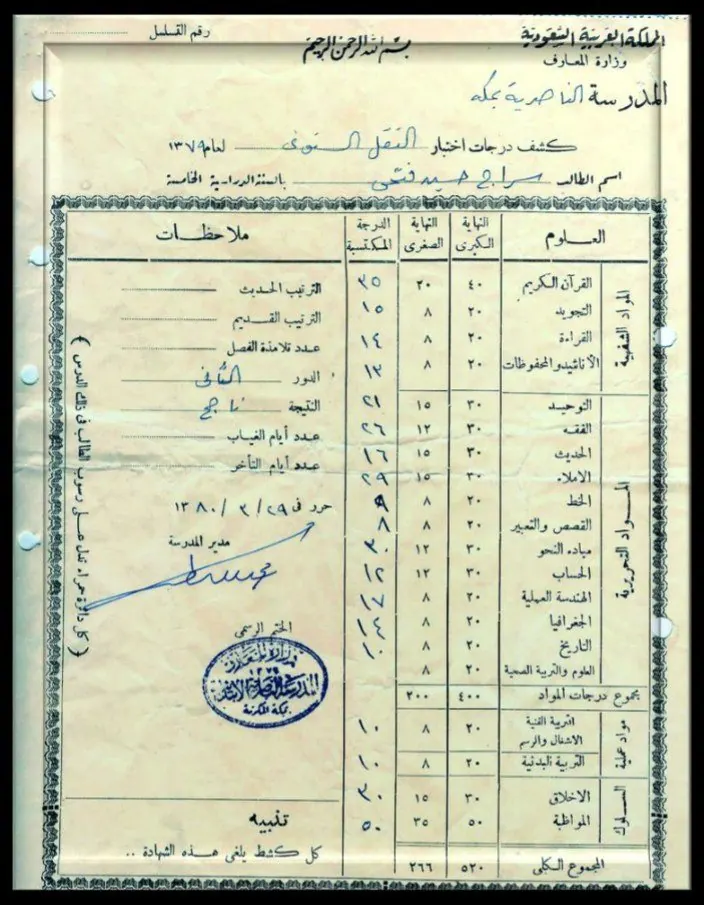
Fifth Year of Primary School
- Failed
- Resit
- Promotion to the next year
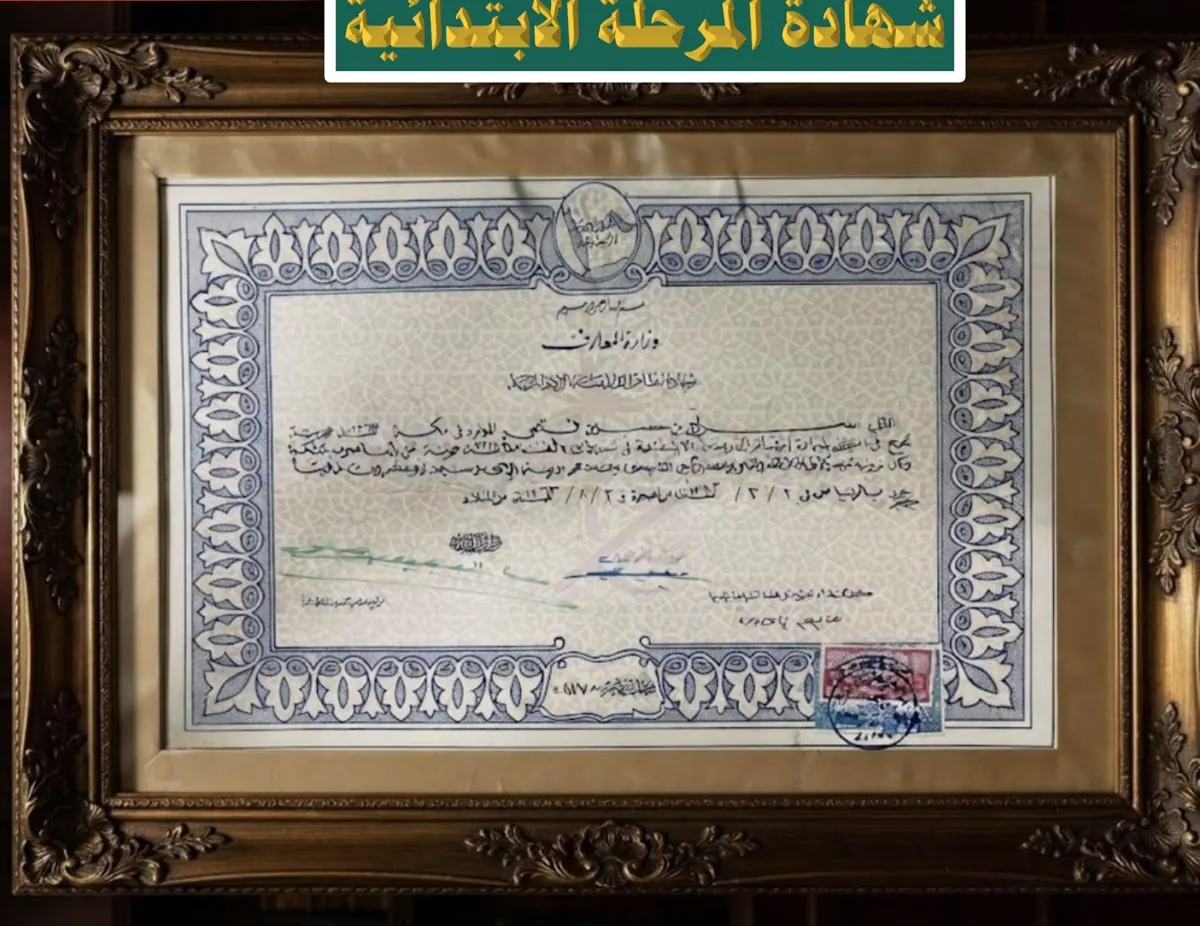
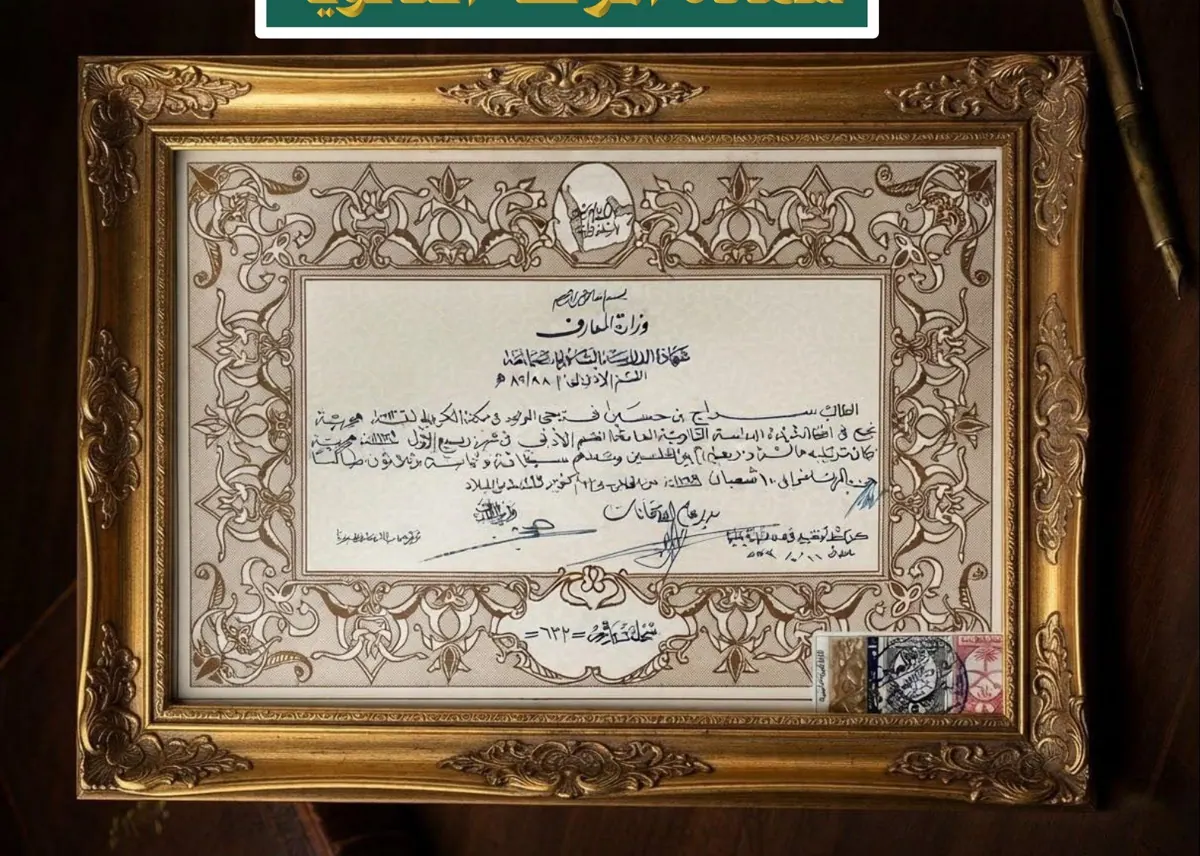
Primary School Certificate
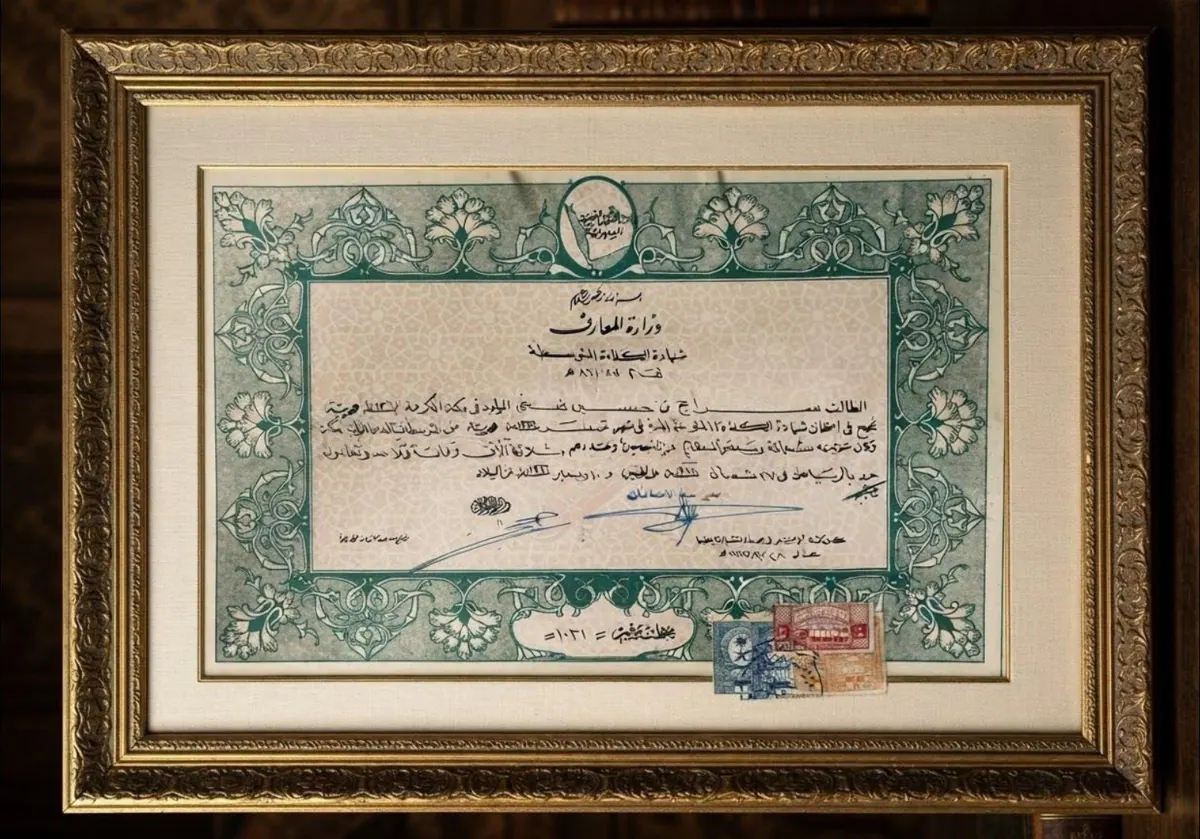
Intermediate School (Kafa'a) Certificate
Secondary School Certificate
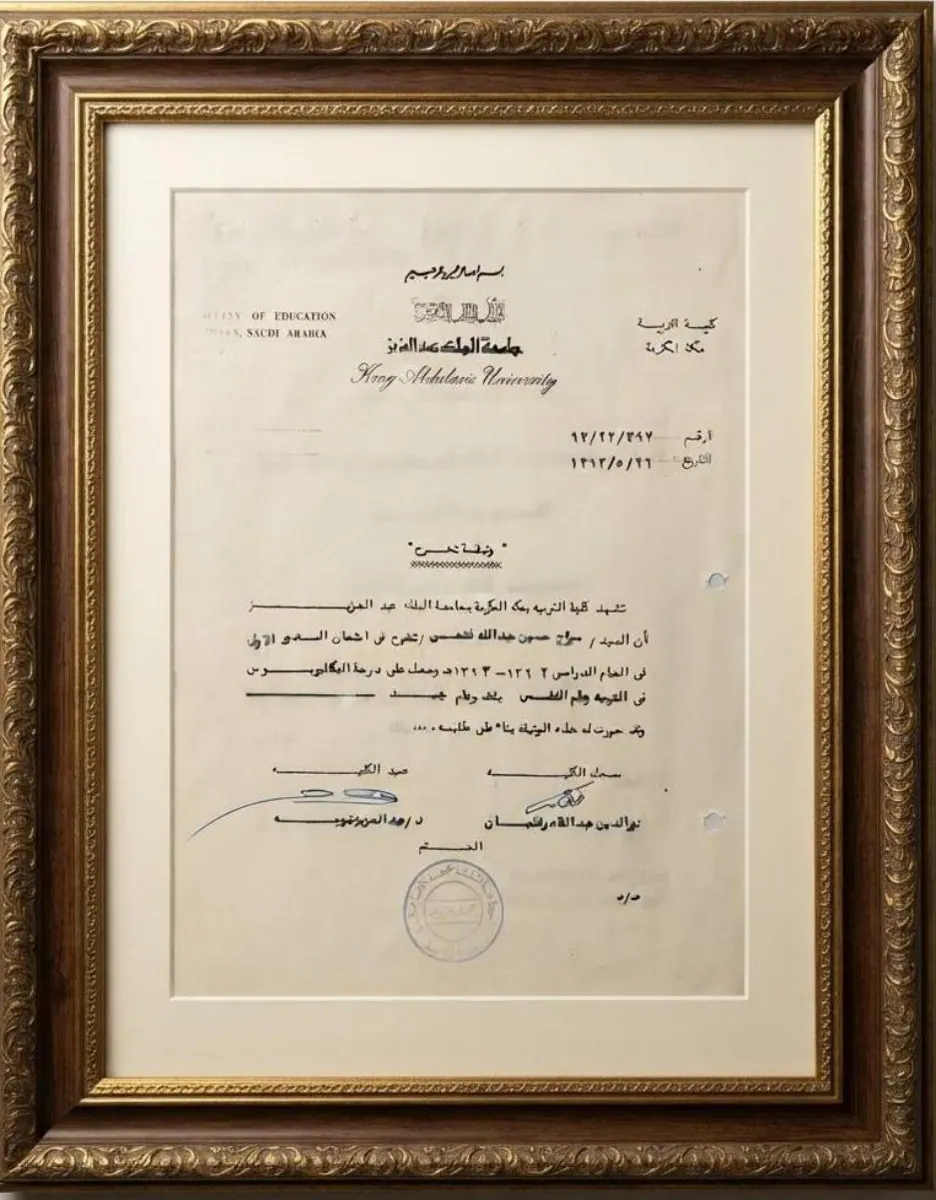
Graduation Document from the College of Education
King Abdulaziz University in Makkah
To this moment I have not received my bachelor's degree certificate
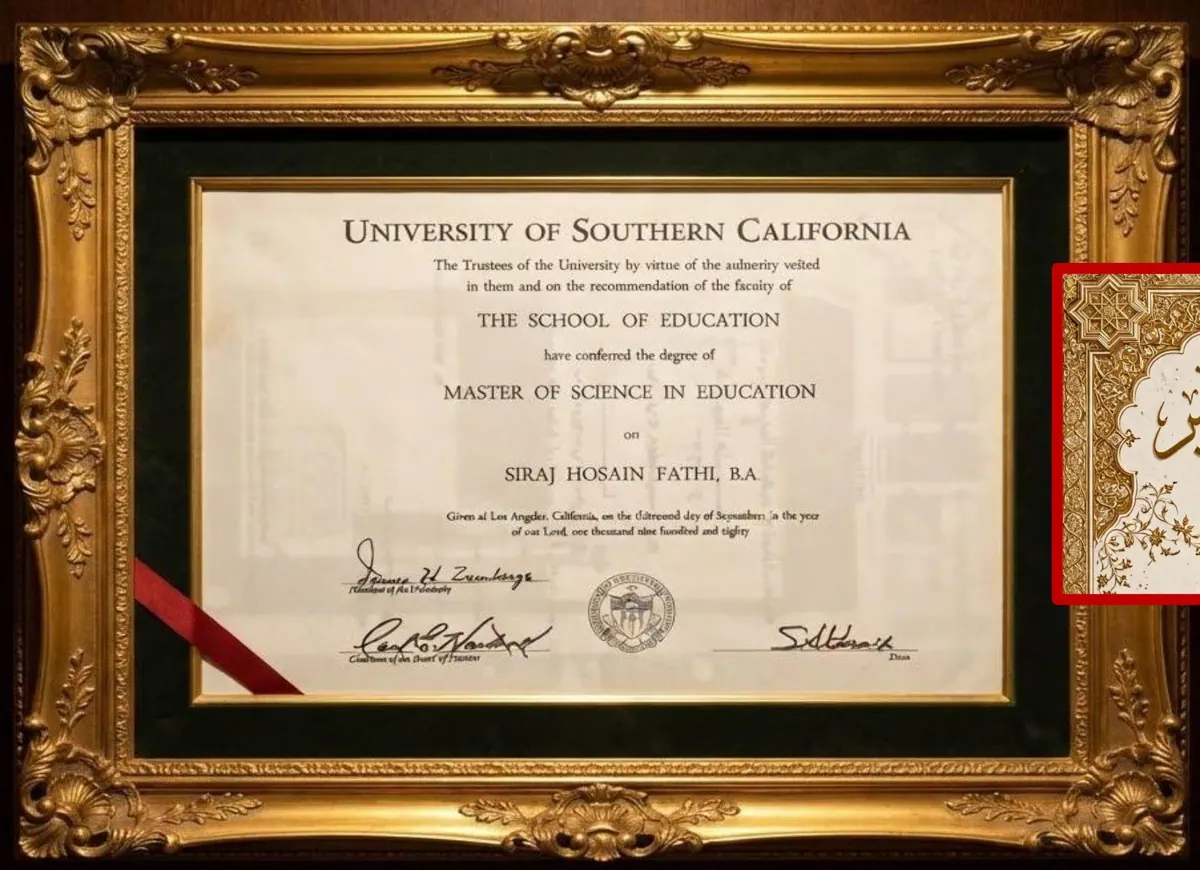
Master's Degree Certificate
University of Southern California
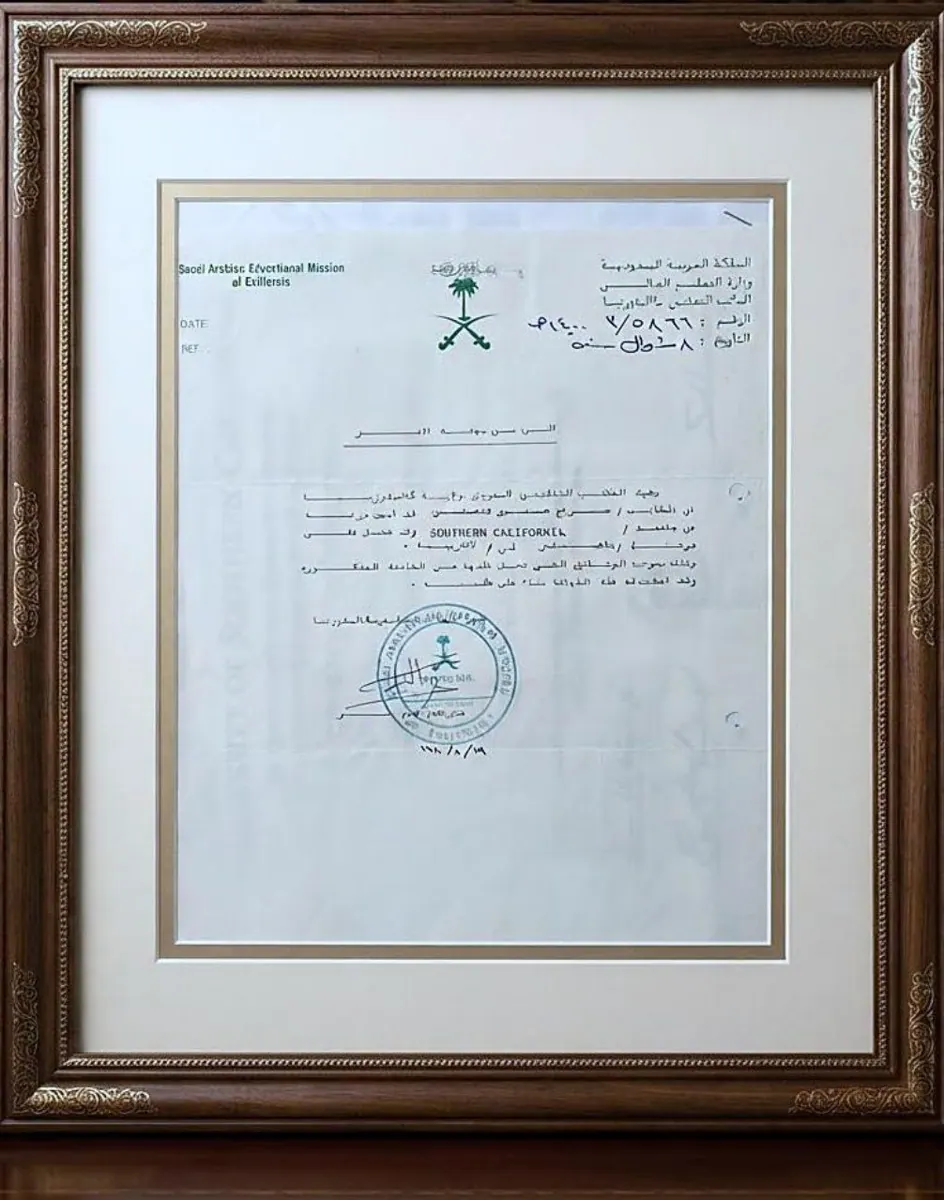
Attestation from the Office of the Cultural Attaché in California
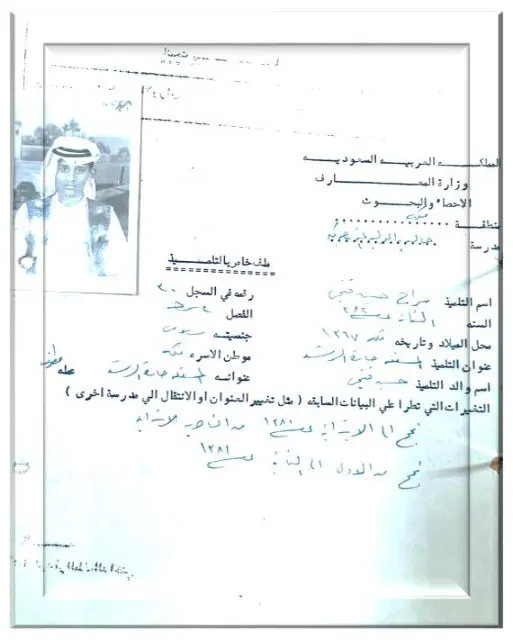
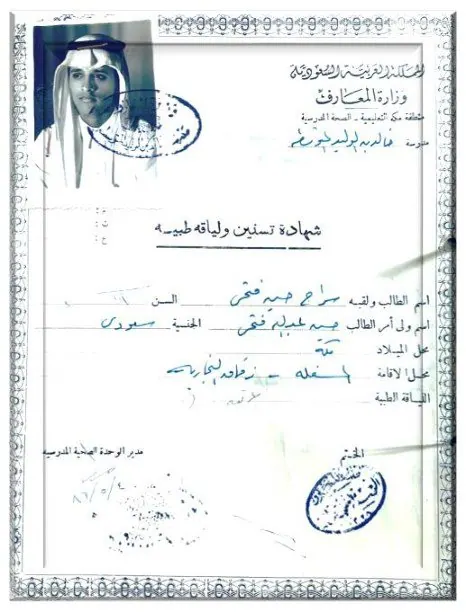
The story of the identity card
My First Identity Card
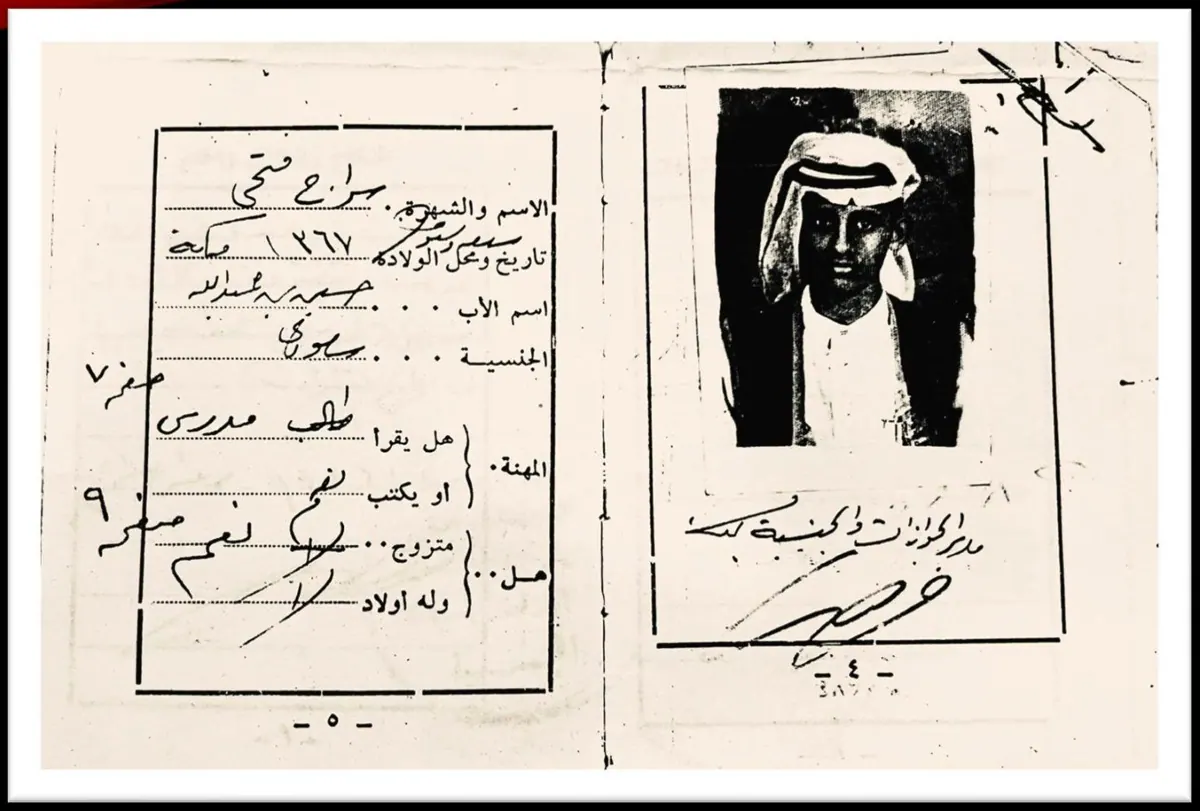
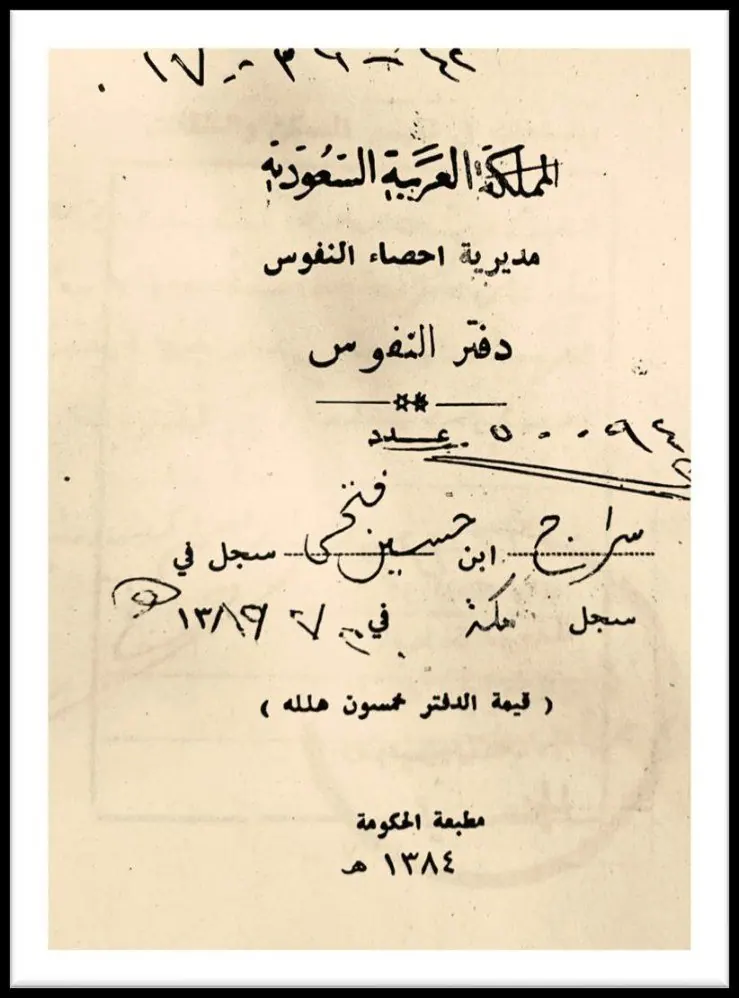
In the summer of 1385 AH
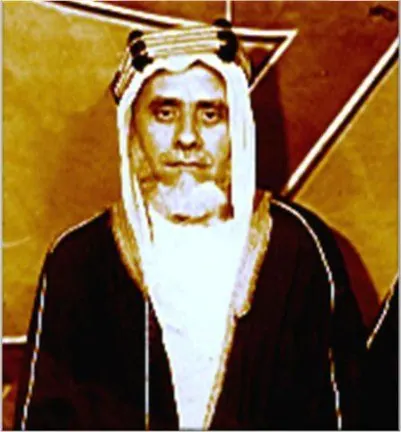
My father, the mutawwif (pilgrims' guide) Hussain Abdullah Fathi, wanted to travel to Africa to arrange the affairs of the pilgrims, and the rule was that a mutawwif needed a guarantor before he was allowed to travel. I was the one he chose, may Allah have mercy on him, but I had no identity card because I had not yet turned eighteen. By the grace of Allah the card was issued in a single day.
Keepsake Documents
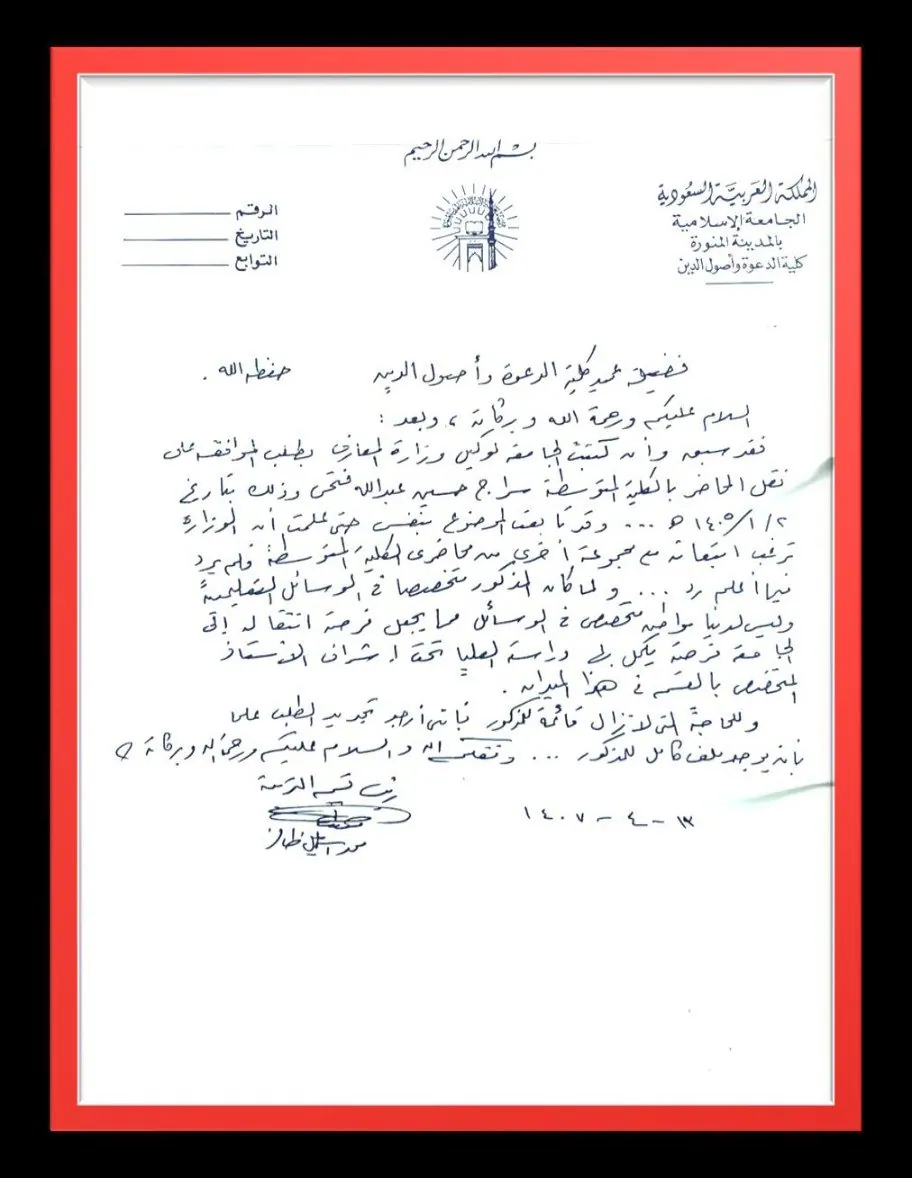
A letter from my professor, Dr. Muhammad Ismail Zafir
Addressed to the Dean of the College of Da'wah and Fundamentals of Religion at the Islamic University, regarding my request to transfer from the Ministry of Education to the University.
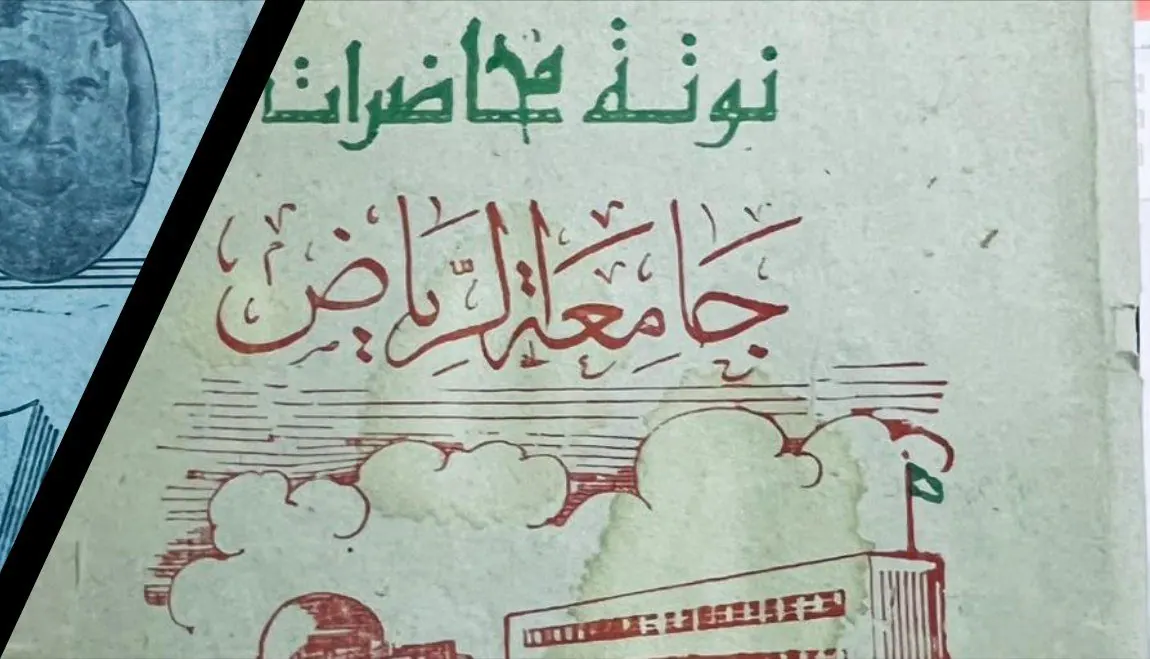
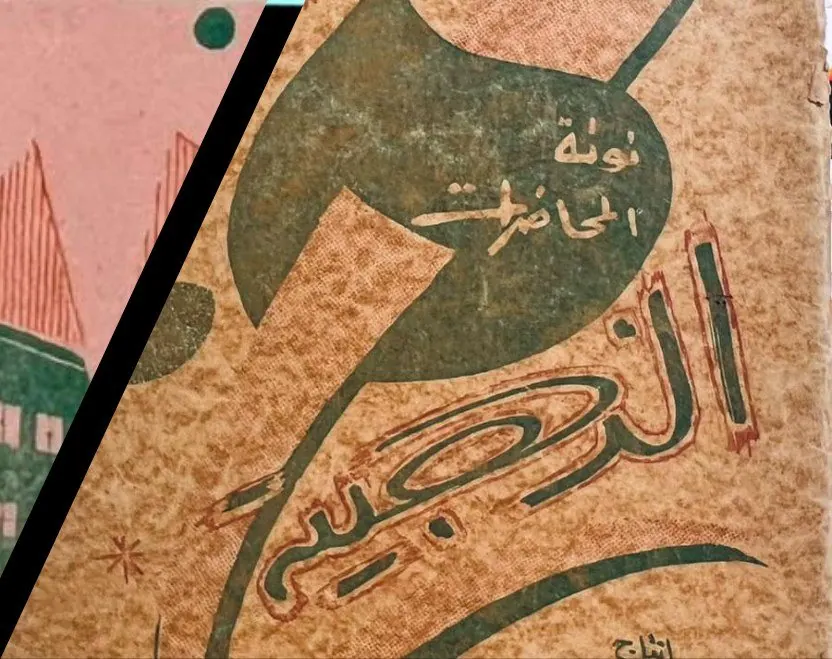
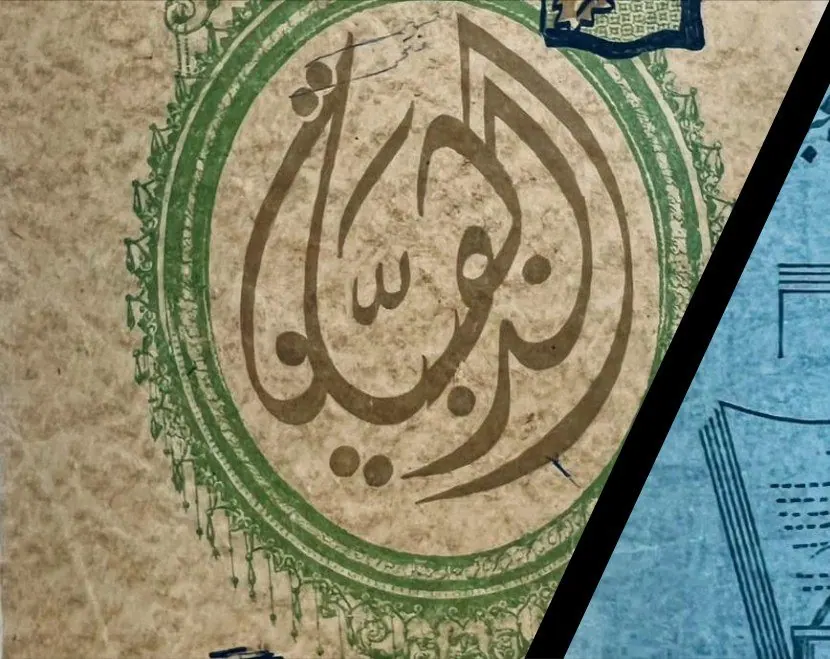
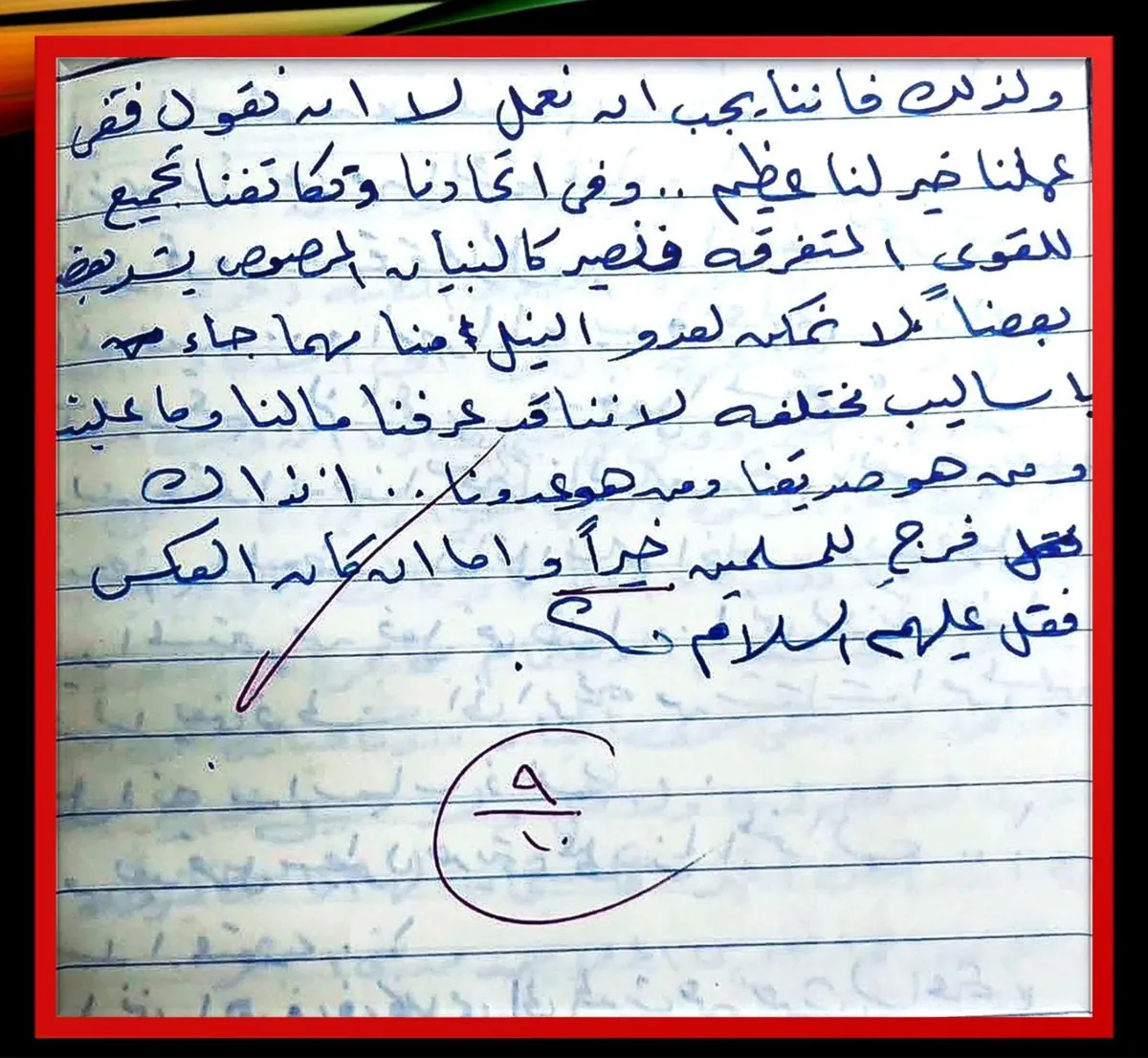
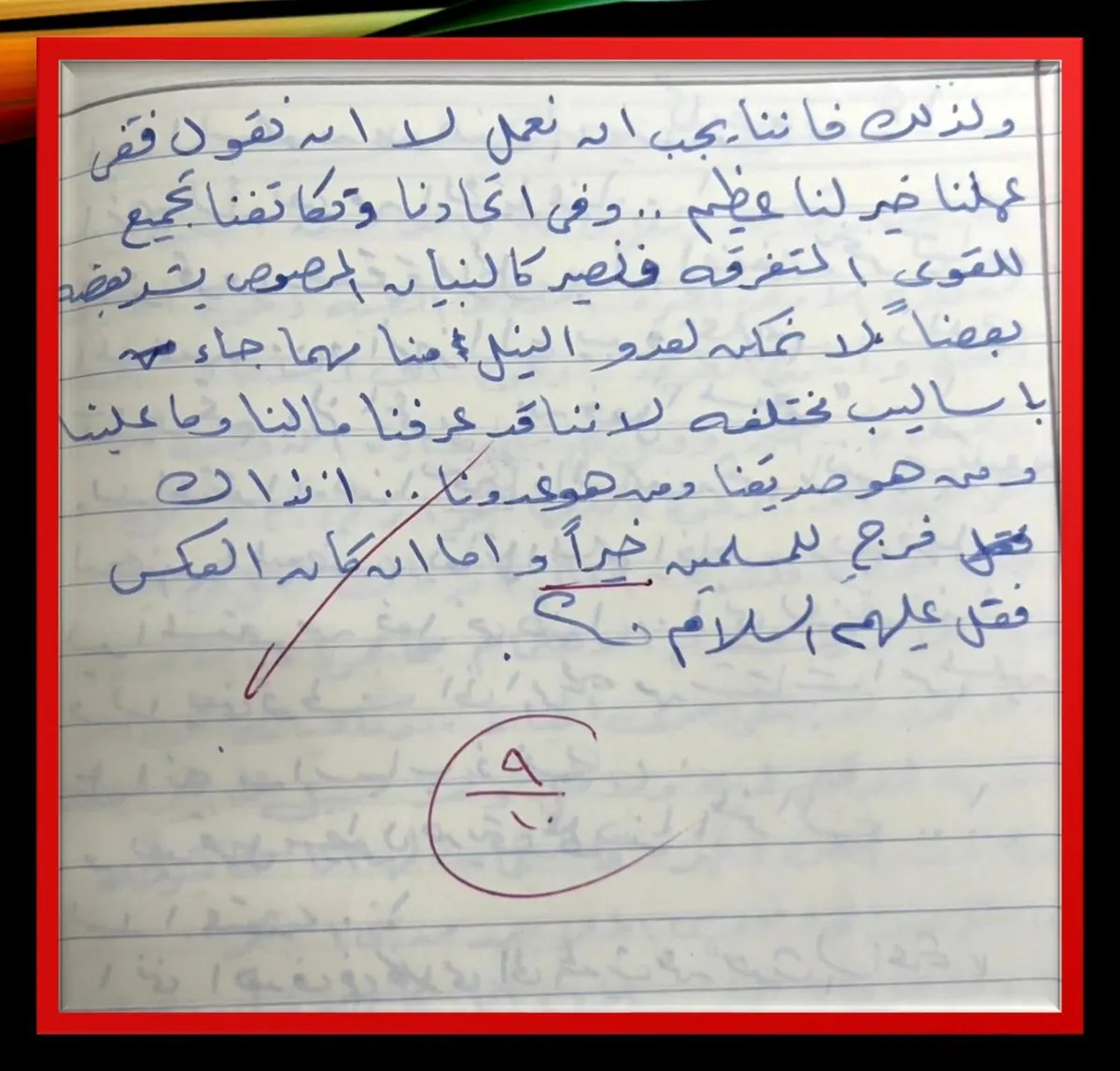
Intermediate school: third year
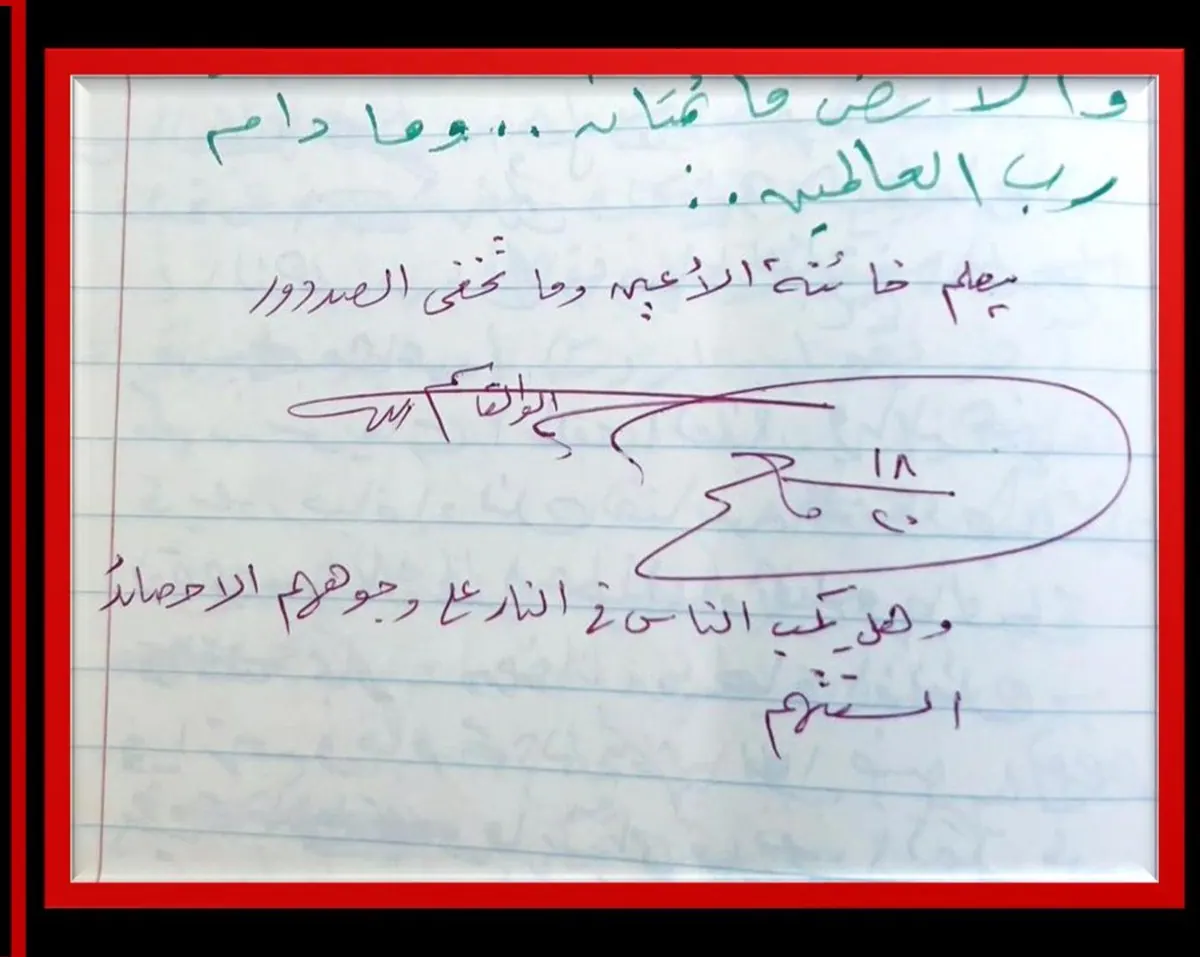
To this day I do not know
The reason for this comment, written by the pen of the Arabic-language teacher in the third year of intermediate school, Abu al-Qasim Zain al-Abidin, may Allah have mercy on him.
Secondary school: first year
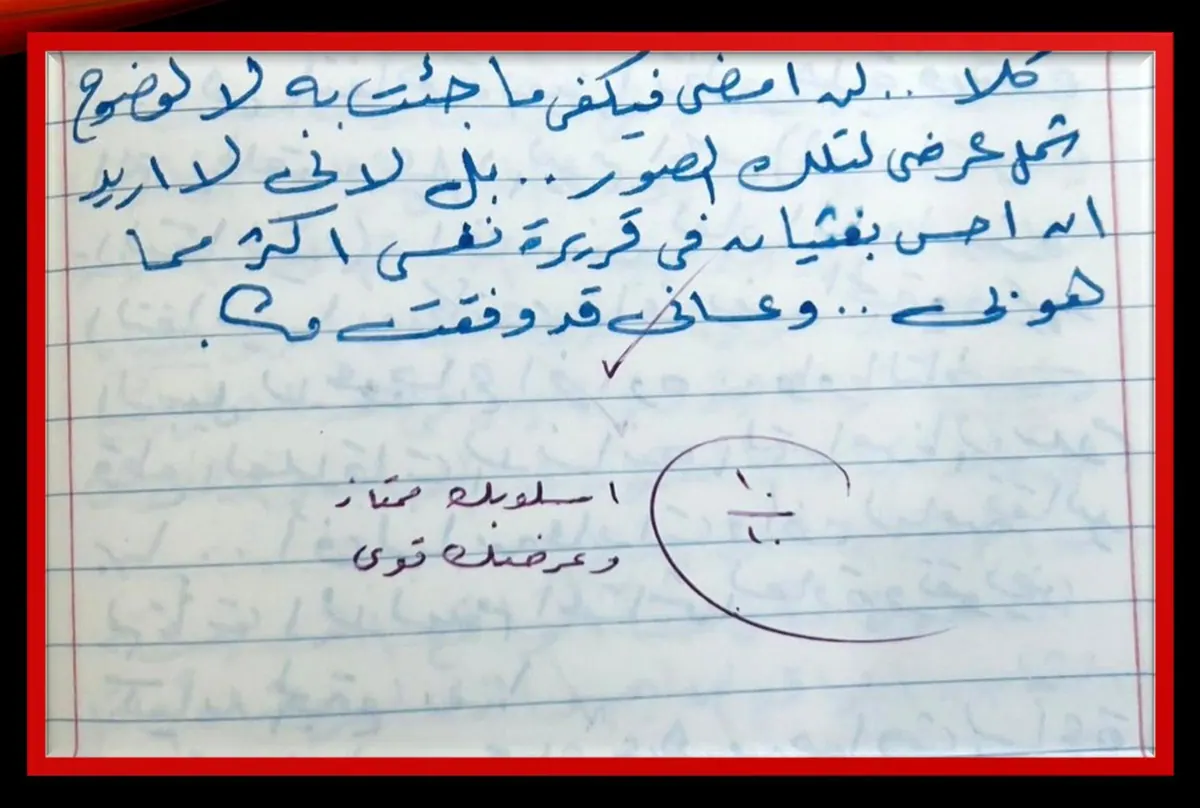
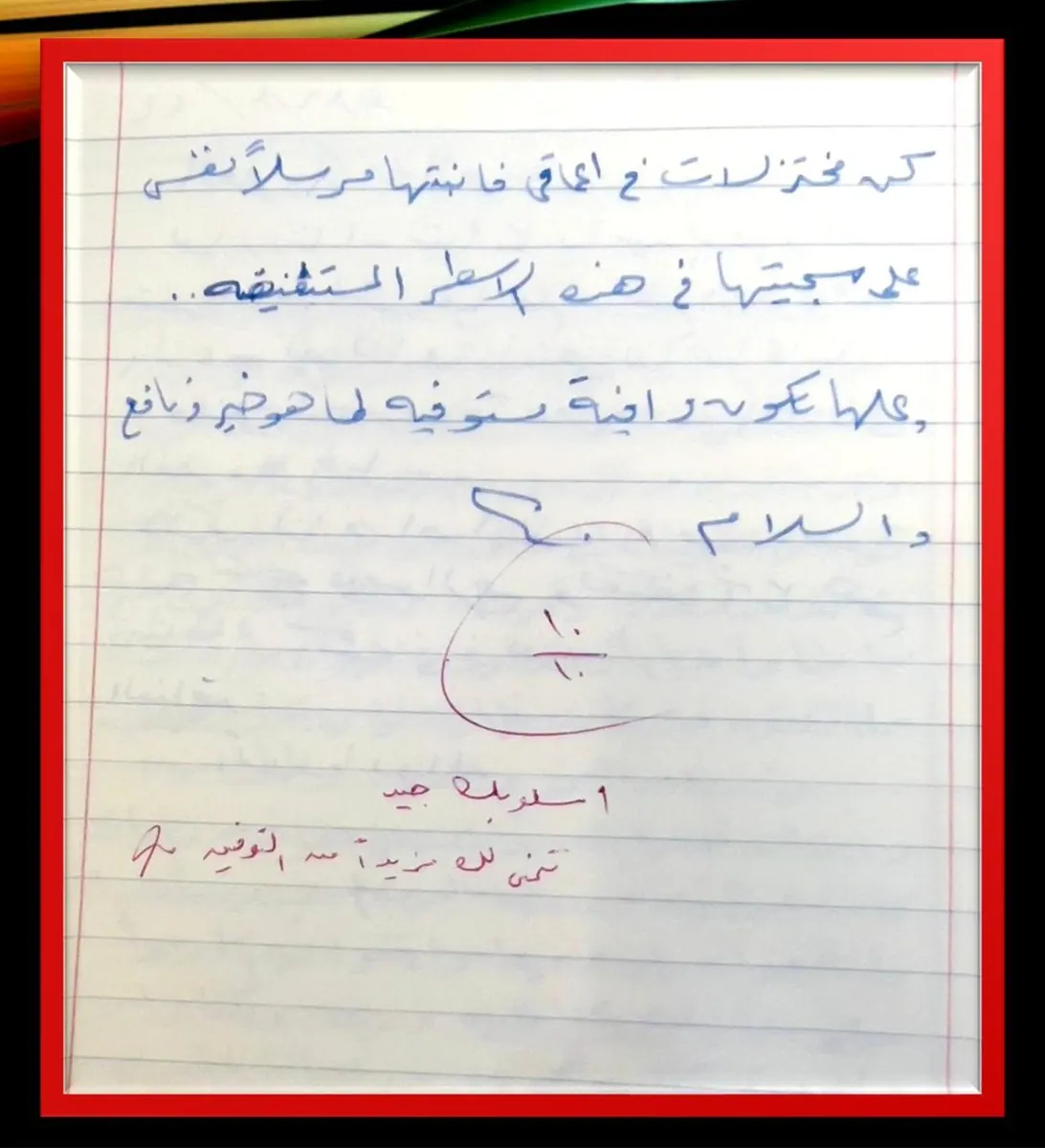
When I wrote this piece
I was in the first year of secondary school, and at that time I was a regular at Al-Wahda Literary and Cultural Club, which hosted a select group of men of learning and culture, among them Dr. Muhammad Fawzi al-Bishbishi, who adored ornate words and phrases. I became so taken with him that I began imitating him in my writing, and the Arabic-language teacher, may Allah have mercy on him, criticised me for it.
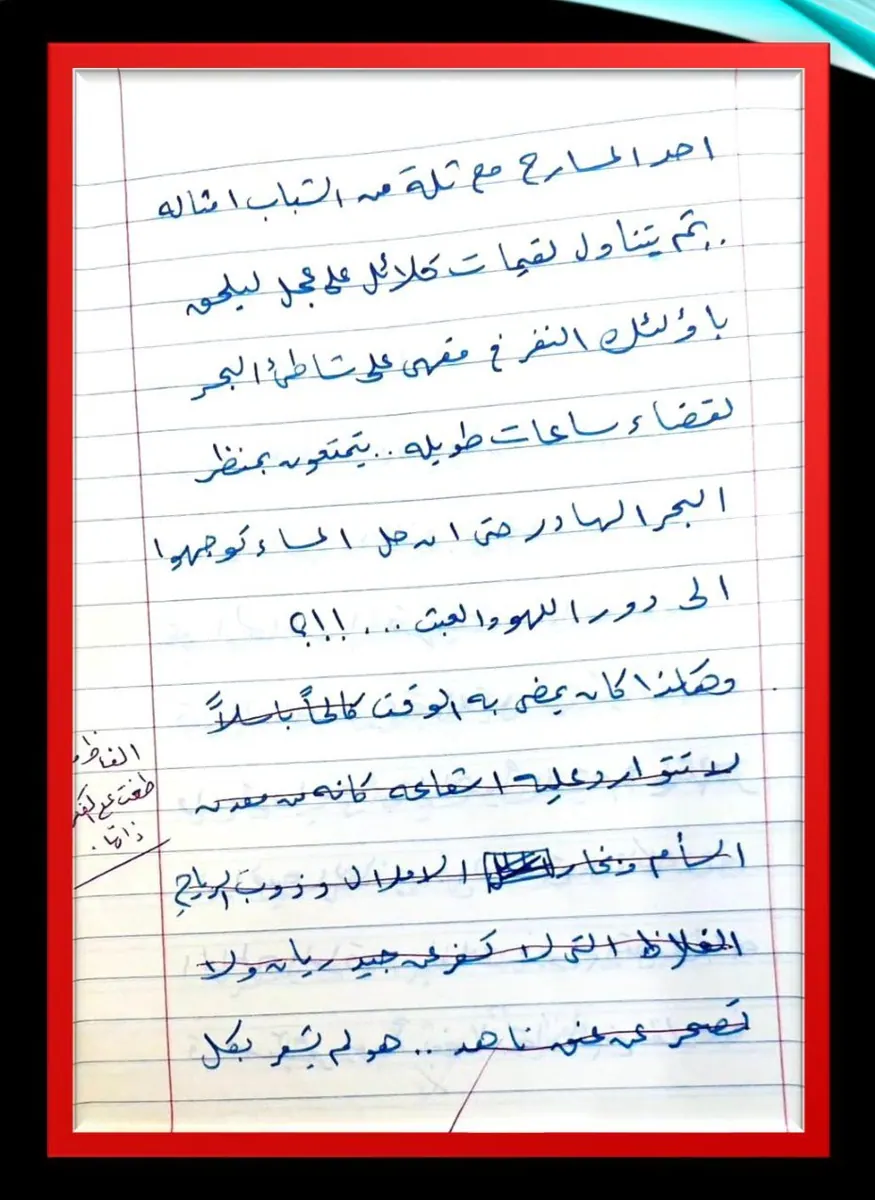
The subject teacher's comment on my writing style
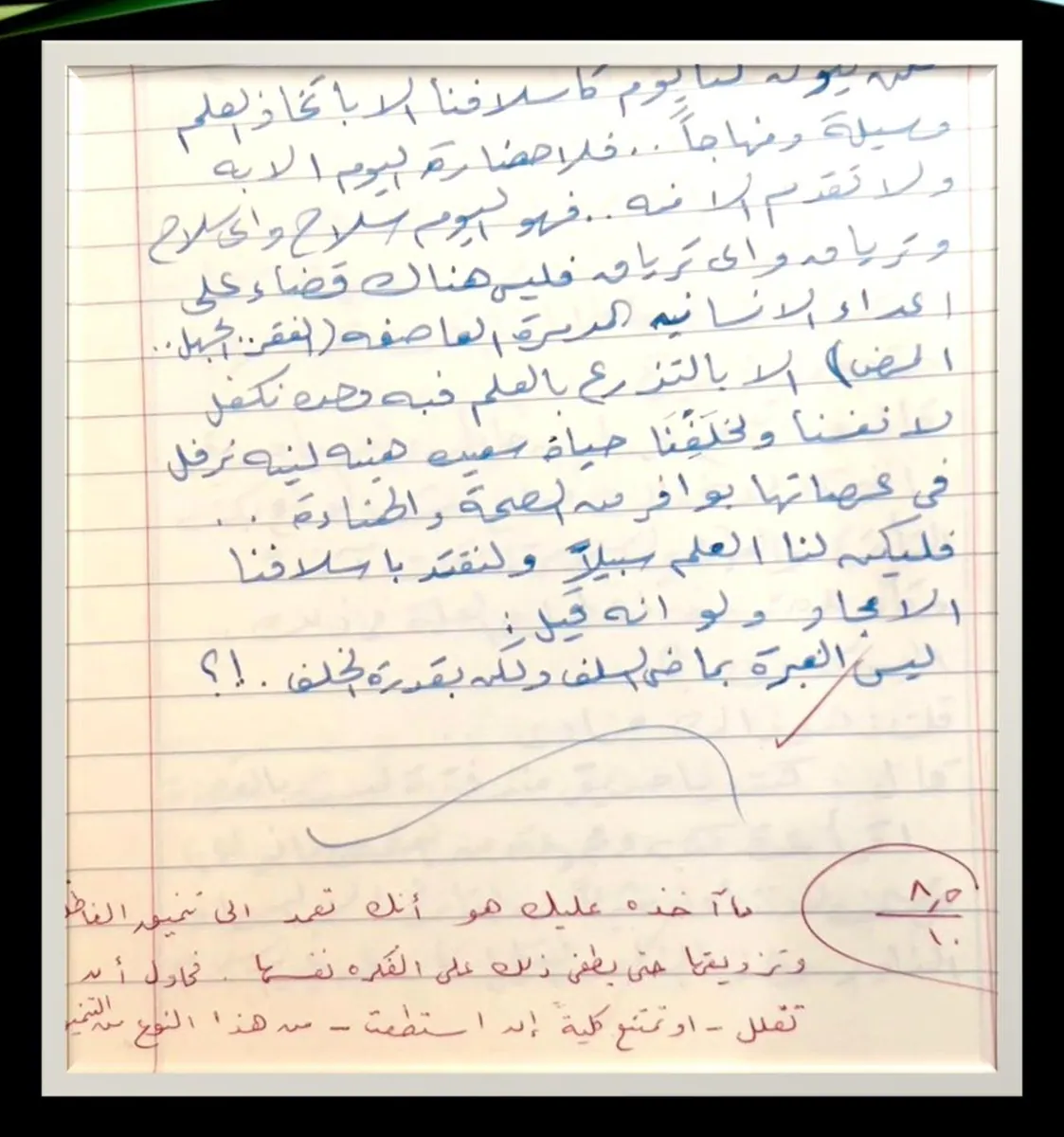
The subject teacher's comment after I changed my writing style
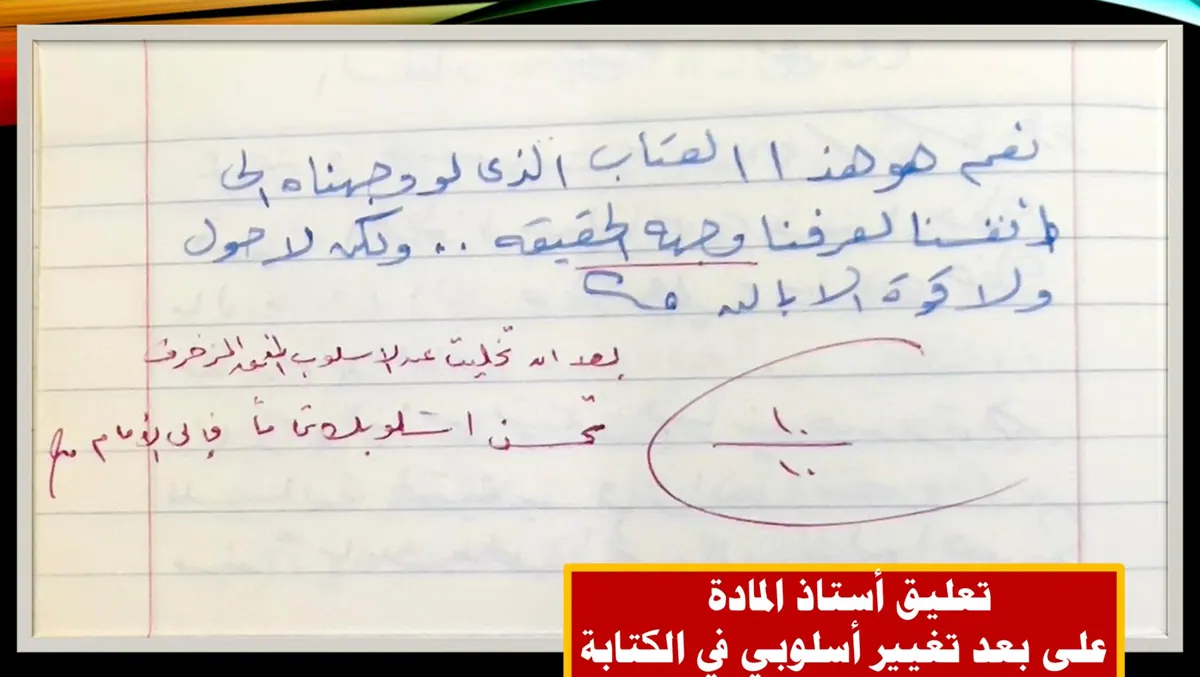
This article is from my composition notebook
In the third year of intermediate school, I published it on the literary page of Al-Madina newspaper in Madinah al-Munawwarah.
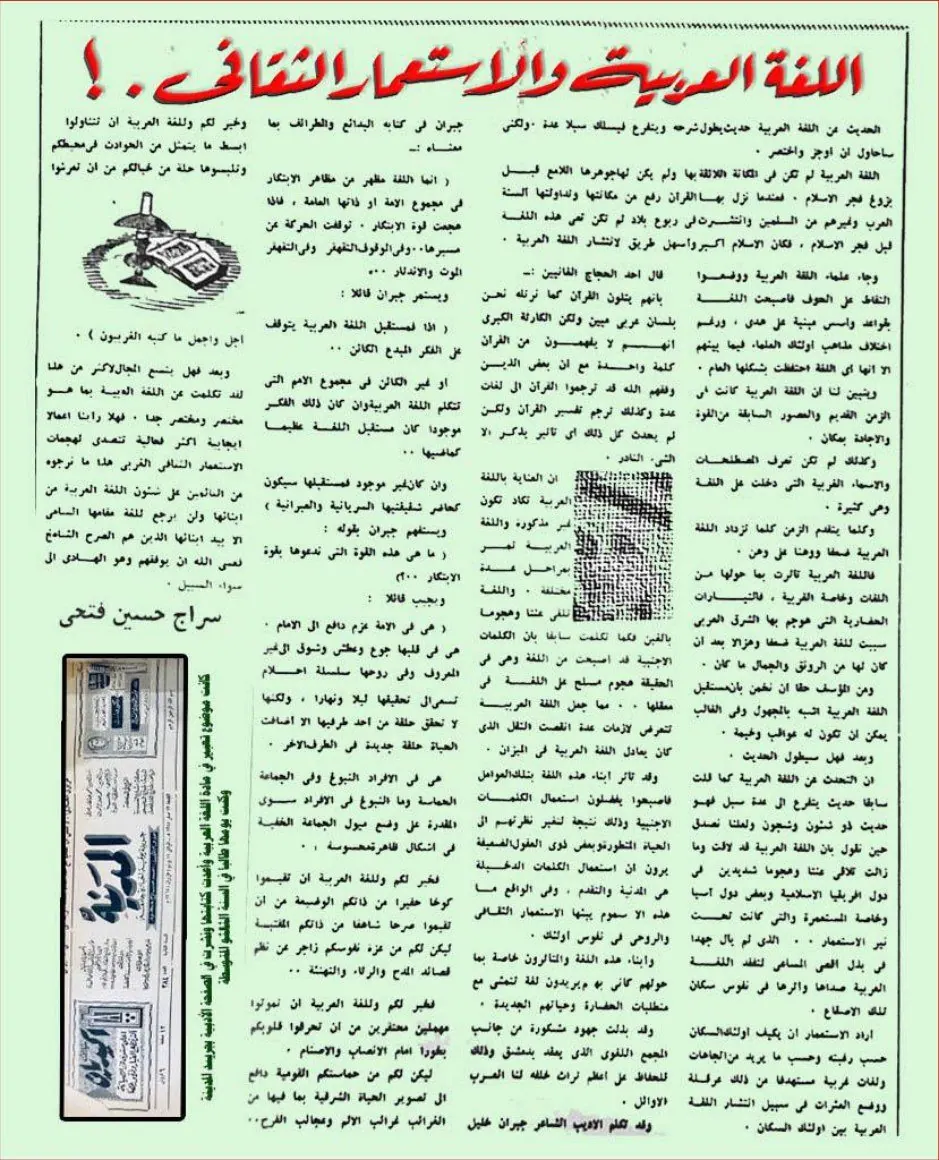
The article on the literature page of Al-Madina newspaper
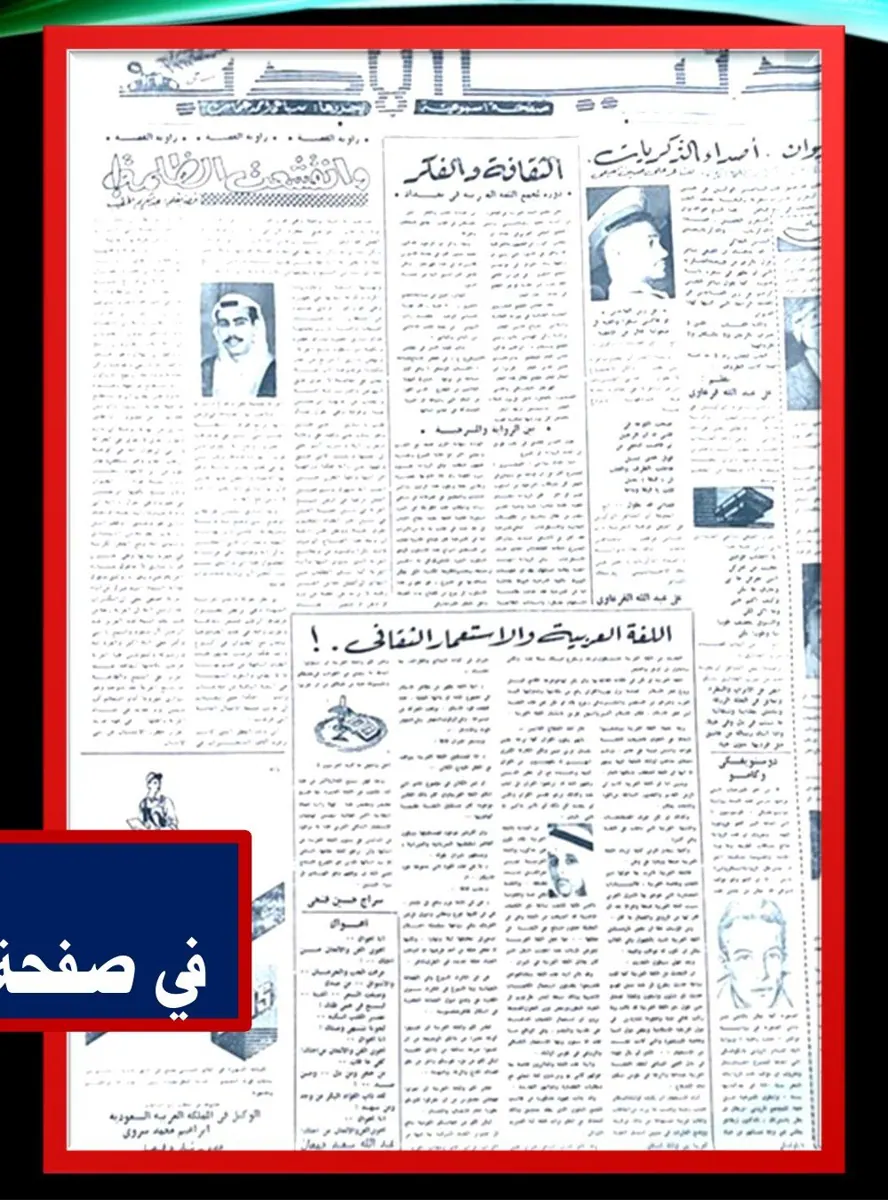
Selected passages from my article
The Arabic Language and Cultural Colonialism
The Arabic Language and Cultural Colonialism.!
Talk of the Arabic language is talk that would take long to explain, and the heart opens to it without limit, but I will try to be brief and concise.
The Arabic language did not hold the standing it now has, nor did it possess its shining glory, before the dawn of Islam broke.
When the Quran was revealed in it, it raised its standing and its tongue, so that it spread – through the Arabs and other Muslims – across the lands of countries that had known nothing of this language before except through Islam. Islam was thus the greatest and easiest path for the spread of the Arabic language.
There is no doubt that in ancient times and past ages the Arabic language was greatly flourishing and widespread.
But it did not know the foreign terms and names that have entered the language in large numbers, and the further time advances, the weaker and frailer the Arabic language becomes.
The Arabic language has been affected by the languages and cultures around it, with which the Arab East was assailed, and they have caused weakness and feebleness in the Arabic language after the splendour and beauty it once had.
It is truly regrettable that we should surmise that the future of the Arabic language is something like the unknown, and most likely it could have dire consequences.
Talk about the Arabic language, as I said earlier, is talk that leads on endlessly; it is a topic of many sorrows. Perhaps we arrive at the point when we say that the Arabic language has met, and still meets, from us an almost daily abandonment in the countries of the Islamic world and in some colonised countries of Asia and Africa that were under the yoke of colonialism – a colonialism that spared no effort in deliberately seeking to destroy the Arabic language and to make it contemptible in the souls of the inhabitants of those regions.
One of the German pilgrims said:
that they pronounce the Quran as it was revealed, just as we do, in a clear Arabic tongue, but the great catastrophe is that they do not understand a single word of the Quran; although some of them have translated the Quran into their language, this has had no effect worth mentioning.
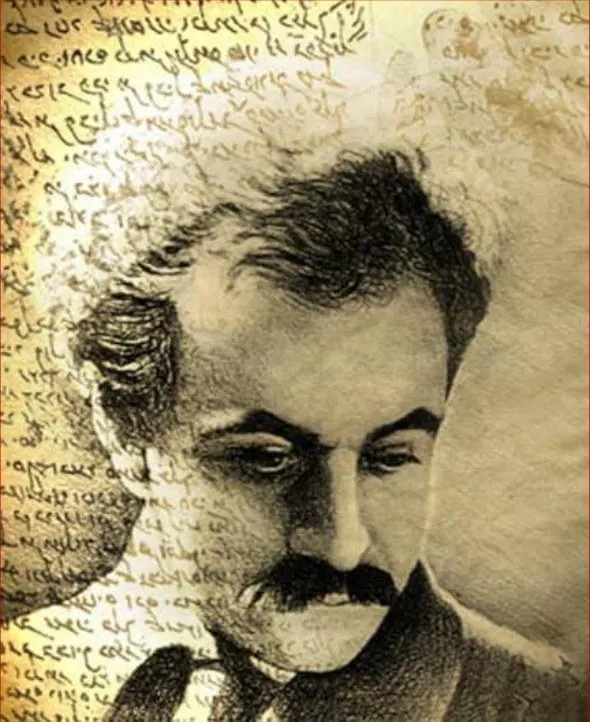
The man of letters and poet Gibran Khalil Gibran said in his book Al-Bada'i' wal-Tara'if something to this effect:
(Language is but one of the manifestations of creativity in the nation as a whole, or in its collective self; when the power of creativity sleeps, the language halts in its course.. and in halting is decline, and in decline is death and extinction...)
Gibran continues, saying:
(As for the future of the Arabic language, it depends on the creative thought that is, or is not, latent in the nations that speak Arabic. If that thought exists, the future of the language will be like its past.. and if it does not exist, its future will be like the present of its two sisters, Syriac and Hebrew.)
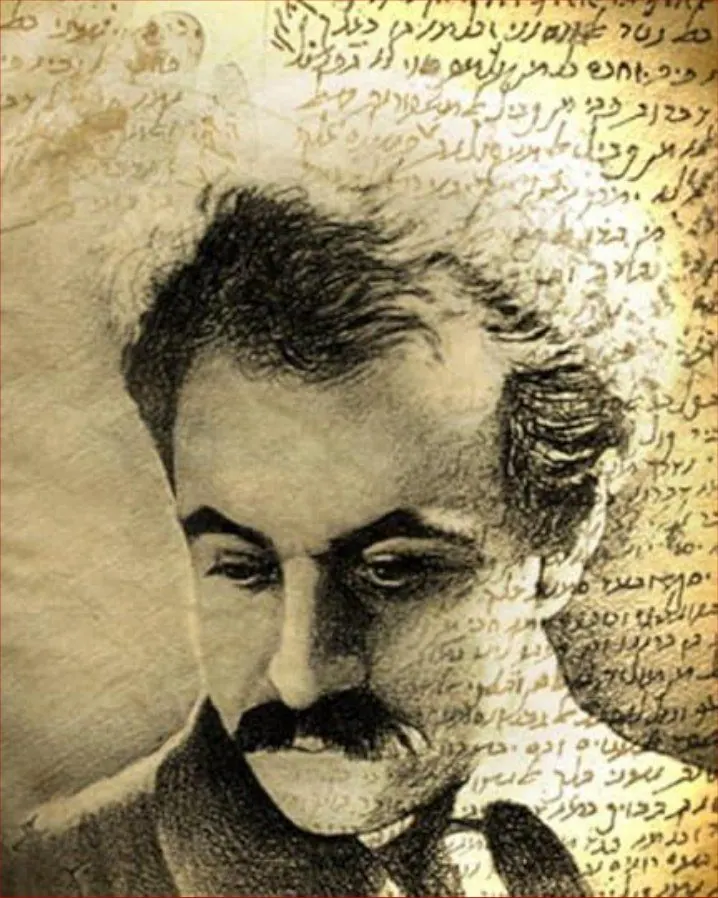
And Gibran asks: (What is this language that you call the language of creativity?) and answers: (Here it is a symbol driving forward. In its heart there is a wound and a longing, and the descent into the inherited grave, and in its soul a chain of dreams it still seeks night and day. Yet it has fulfilled not a single one of its dreams of delight, nor added a new dream...)
It is more honourable for you and for the Arabic language to wear a fragrant humble garment from that cushion than to wear a splendid robe from that loom.
It is more honourable for you and for the Arabic language to be neglected yet respected than to burn your hearts before altars and idols.
Let your national zeal be a spur to portraying the noble life, with all its strange pains and its wondrous joys.
Prepared and designed by Siraj Hussain Fathi. Download the full file as PDF